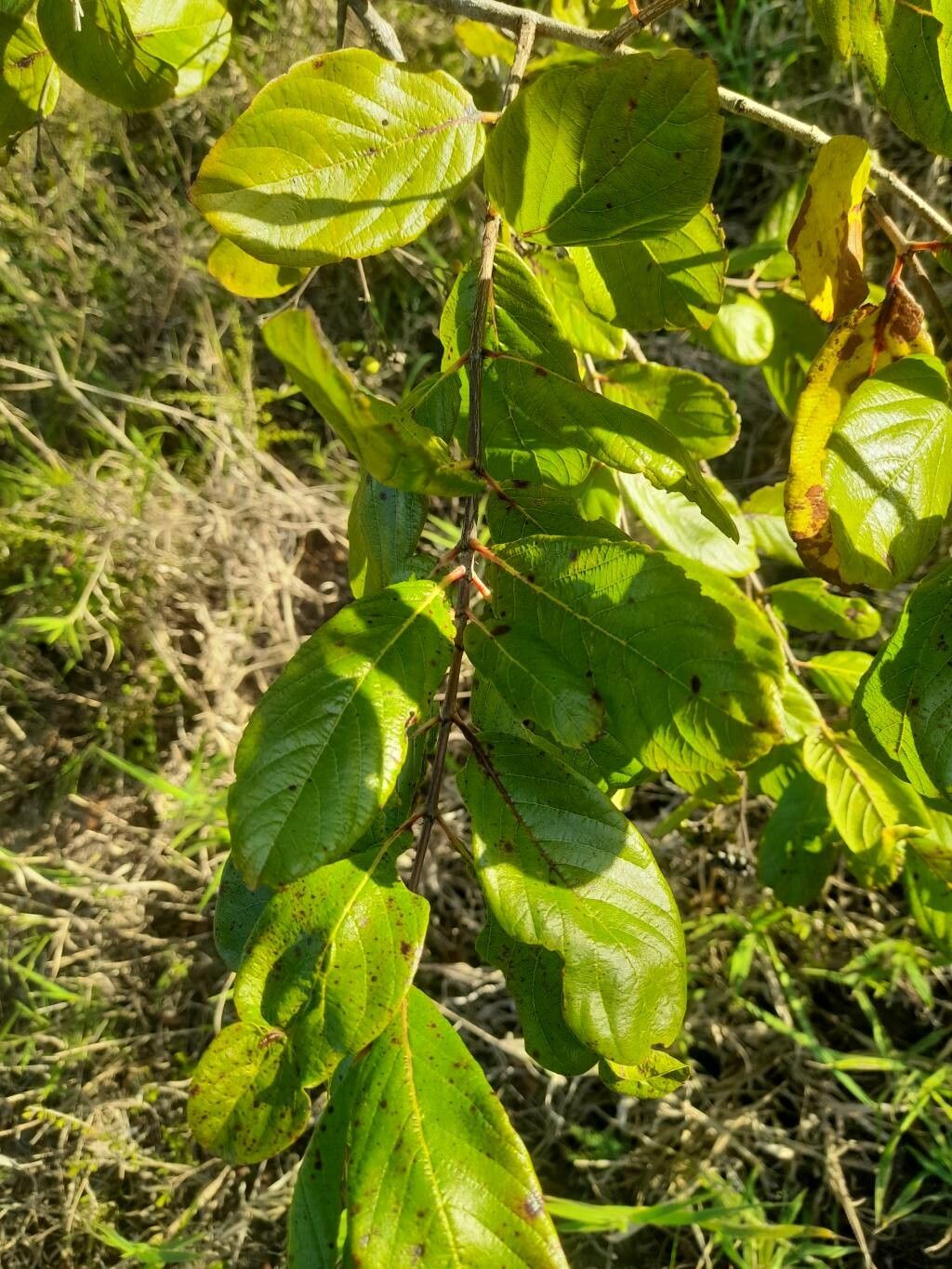
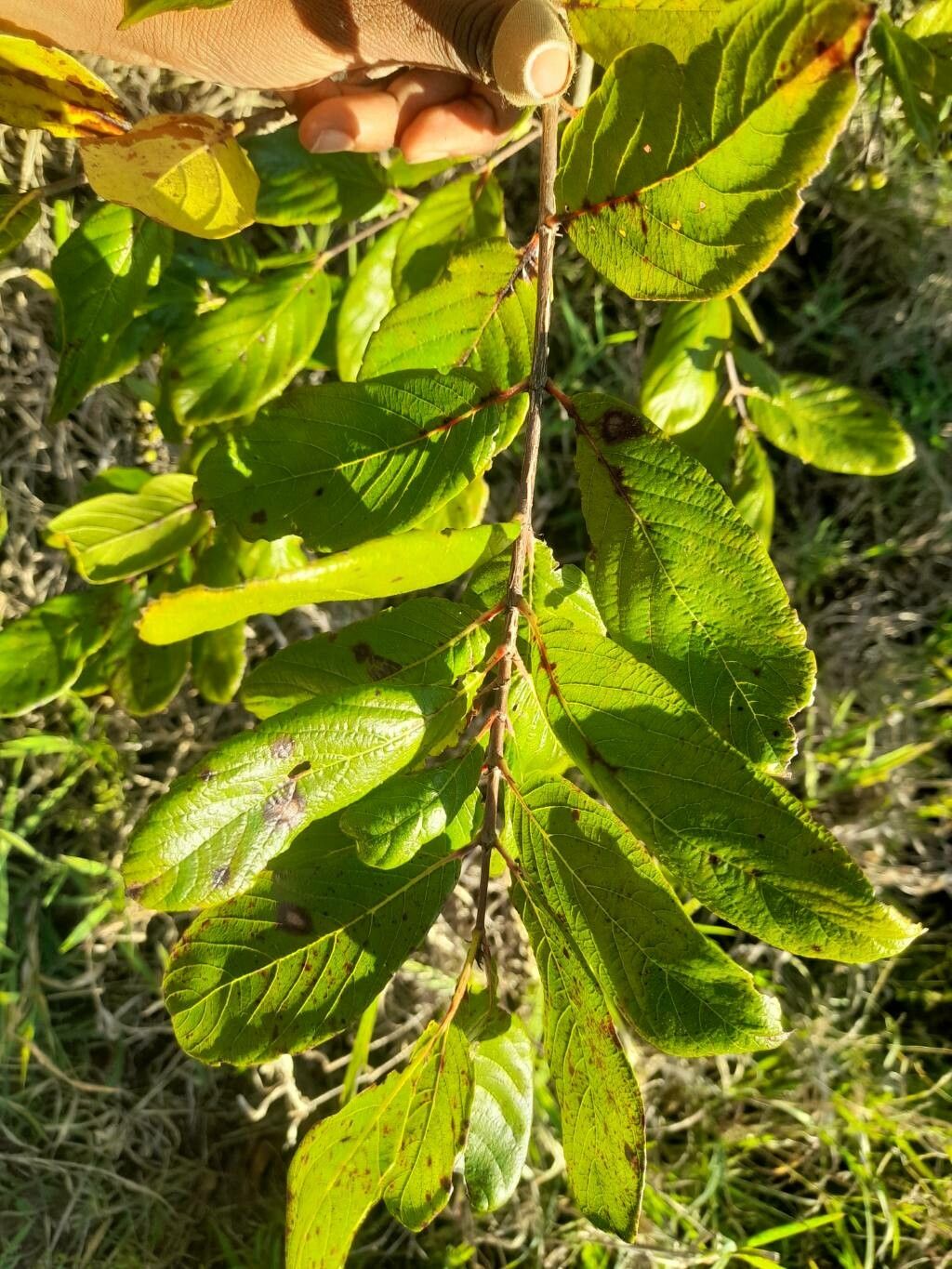
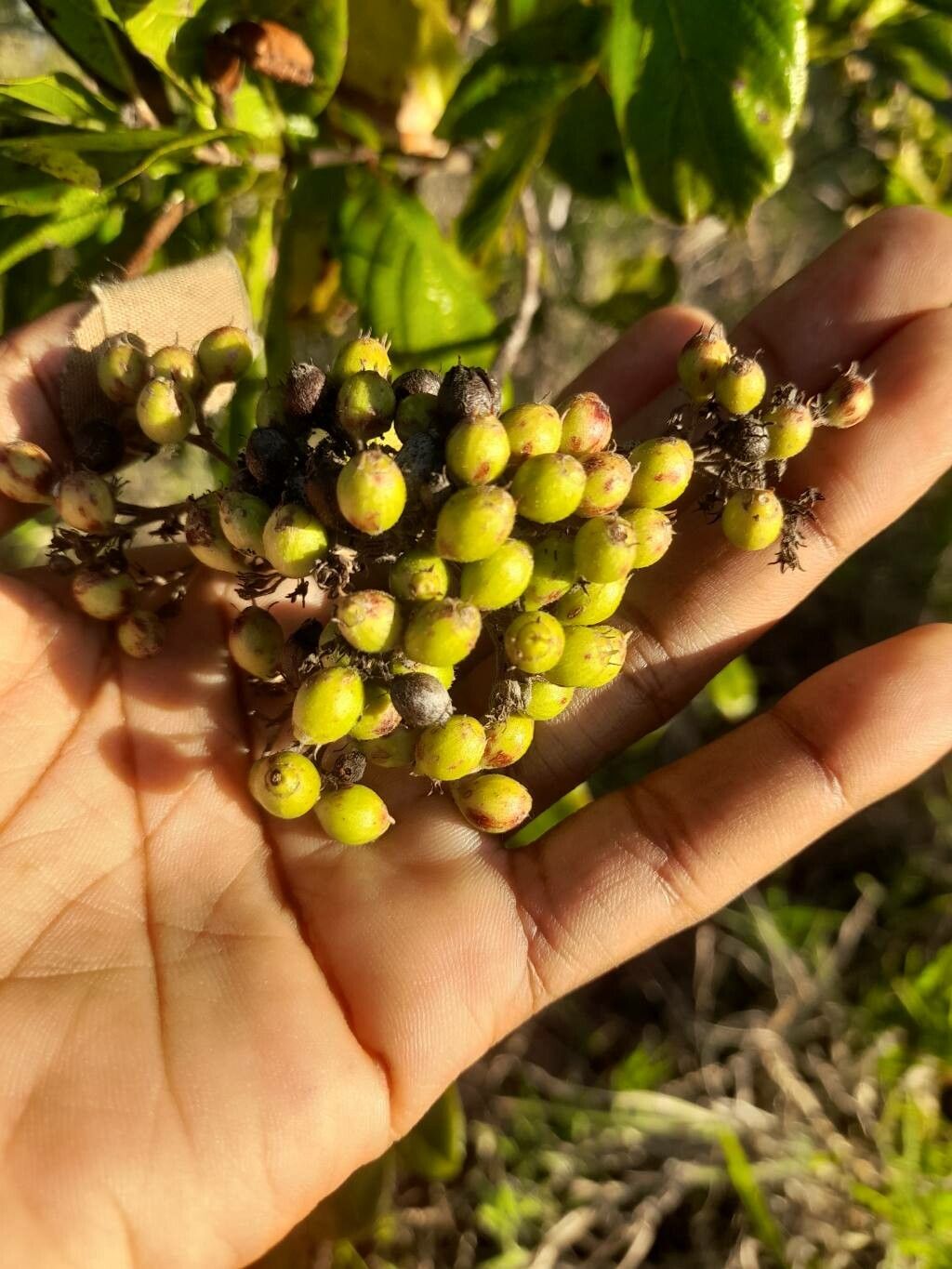
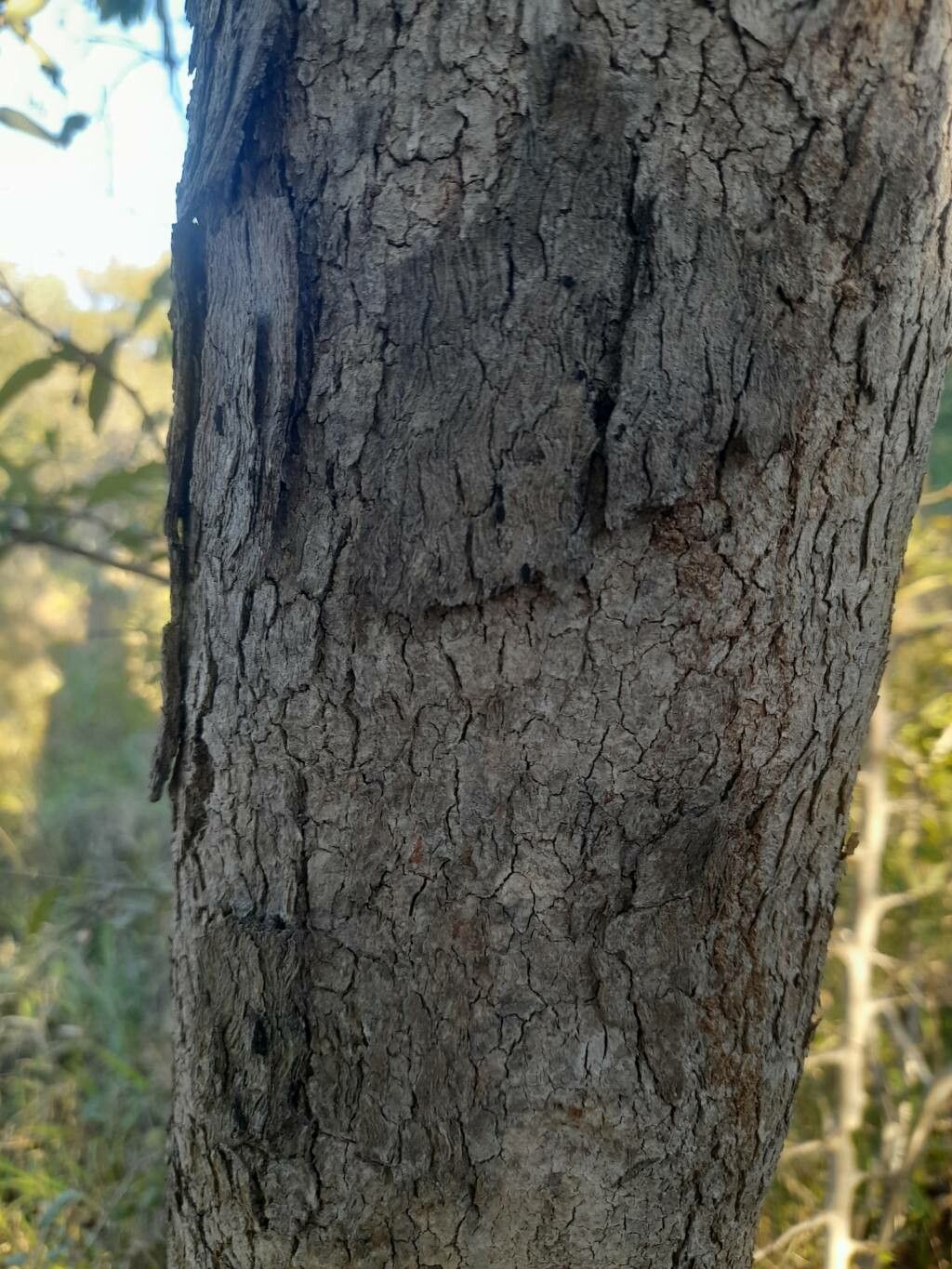
Crossopteryx is a monotypic genus of flowering plants in the family Rubiaceae. The genus contains only one species, viz. Crossopteryx febrifuga, which is found in tropical and southern Africa.
Sand crown-berry shows strong resistance to disease and is generally unlikely to be affected by illnesses. In terms of care, this plant is fairly low-maintenance. When grown outdoors it needs only minimal watering, and larger plants typically do not need pruning. Smaller plants, however, should be pruned after they finish blooming. Sand crown-berryt is appropriate for anyone with an outdoor area, such as a garden or deck, and does not require much prior care experience.
How to keep Crossopteryx Febrifuga.
Light
Sand crown-berry comes from open habitats, such as sunny meadows and forest edges, which supply abundant light. It thrives in Full Sun but will also tolerate Partial Sun, adapting well to various light conditions.
Temperature
Sand crown-berry comes from tropical areas, where the climate is generally warm and humid. Therefore it is adapted to high heat and moisture. It dislikes abrupt temperature shifts and prefers a steady temperature environment, so indoor temperature fluctuations should be avoided. It typically cannot tolerate cold and needs higher temperatures to grow. If the surrounding temperature falls too low, the plant may stop growing or even die.
Fertilizer
Fertilizing is essential to caring for Sand crown-berry. Consistent feeding during the growing season maintains the energy needed for its showy leaves and supports overall growth. Failing to fertilize can lead to unhealthy foliage, reduced ornamental value, and stunted or weak growth that is prone to breaking.
Pruning
Sand crown-berry benefits greatly from early spring pruning. This process involves removing any dead or diseased branches and thinning out crowded areas to allow for better air circulation and sunlight penetration. Pruning in this way enhances the plant's health, encourages flowering, and helps maintain its size and shape, thereby improving its ornamental appeal. Always ensure you use clean, sharp tools for the best results.
Botanical profile.
- Plant Type
- Tree
- Life Cycle
- Perennial
- Genus
- Crossopteryx
- Family
- Rubiaceae
- Hardiness Zone
- 10-12
- Mature Height
- 3.05 m to 10.06 m
- Mature Spread
- 2.13 m to 4.88 m
- Leaf Color
- Dark Green, Olive Drab
- Leaf Type
- Evergreen
- Flower Color
- White
- Flower Size
- 1.02 cm to 1.52 cm
- Bloom Time
- Late spring, Early summer, Mid summer
- Planting Time
- Spring, Summer, Autumn
- Harvest Time
- Late summer, Early fall, Mid fall
- Native Area
- Burkina Faso, Malawi, Angola, Namibia, South Africa, Zambia, Rwanda, Sudan, Nigeria, Guinea, Gabon, Guinea-Bissau, Kenya, Uganda, Tanzania, Zimbabwe, Mali, Benin, Central African Republic, Sierra Leone, Cameroon, Burundi, Mozambique, Togo, Ghana, Senegal, Ethiopia, Côte d'Ivoire, Congo (DRC), Botswana, Congo