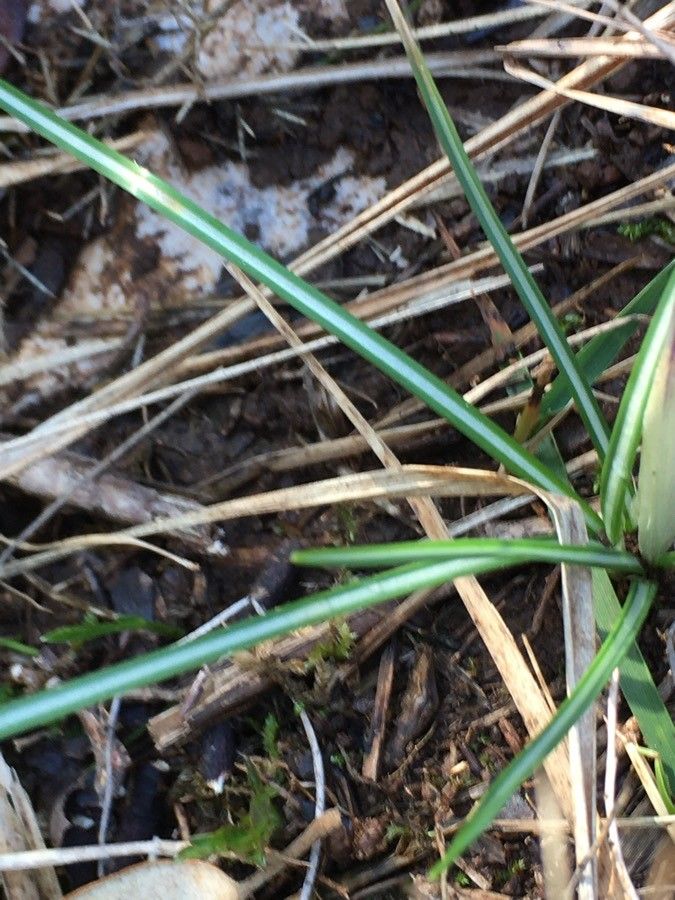
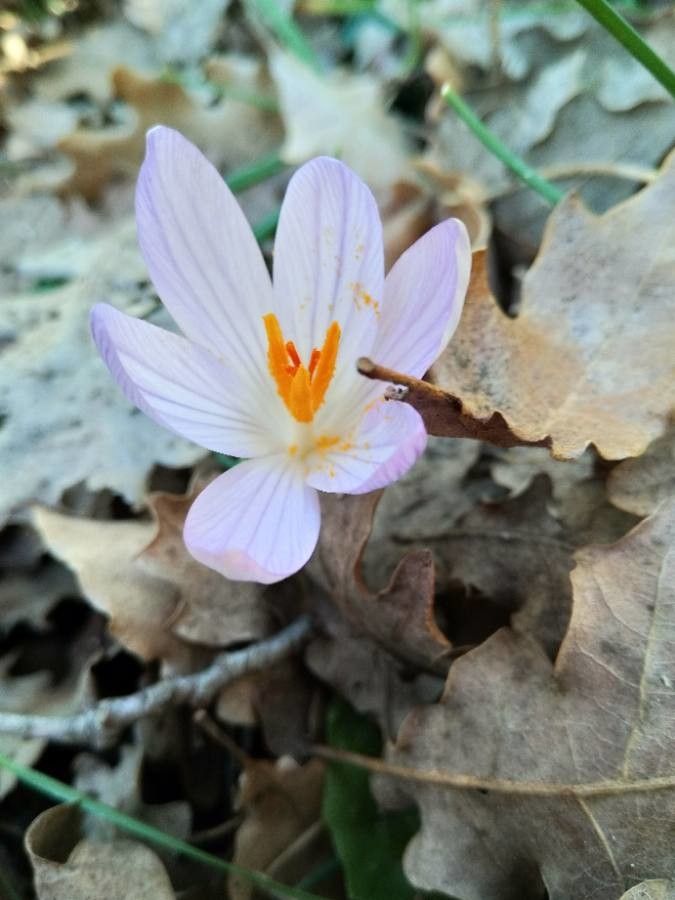
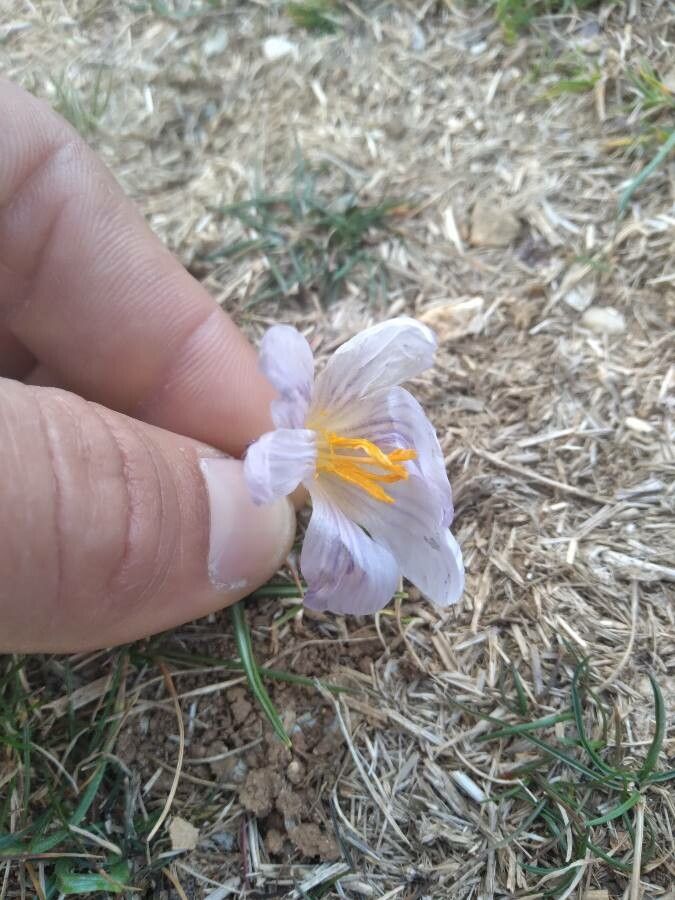
Crocus versicolor is a species of flowering plant in the genus Crocus of the family Iridaceae, found in southeast France, Monaco, and northwestern Italy.Flowering occurs from February to April, it is found growing in scrub environments and among rocks to an elevation of 1200 meters.
Riviera crocus shows strong resistance to diseases and is generally not vulnerable to them. Still, it can be affected by pests and illnesses present in its environment. Such infections are typically mild. Regarding care, this plant needs a moderate amount of attention. It should be pruned regularly to preserve a neat appearance and support healthy growth. Applying fertilizer can also encourage blooming. Riviera crocus is appropriate for anyone who has outdoor space, like a garden or a patio, and does not demand extensive gardening experience. It might need extra care if cultivated indoors.
How to keep Crocus Versicolor.
Light
The riviera crocus flourishes when it is continually exposed to sunlight. Its native habitat supplies ample sun, which supports healthy growth. Adequate sun exposure is important at every stage of the plant's development. Both excessive and insufficient sunlight can harm the plant, causing discoloration and stunted growth, respectively.
Water
The Riviera crocus is a bulbous perennial native to Mediterranean climates. It requires infrequent watering, usually just once a week. This plant is adapted to seasonal drought and needs a dry resting period after it blooms. To prevent bulb rot during dormancy, reduce watering to reflect its natural cycle of water scarcity.
Temperature
The Riviera crocus is native to temperate climates and typically thrives at temperatures of 41 to 90 °F (5 to 32 ℃). When seasons change, temperatures should be adjusted slowly to replicate its natural habitat. Sudden shifts can cause stress.
Fertilizer
The best time to fertilize a Riviera crocus is in early spring, as it comes out of dormancy and starts active growth. Fertilizing supplies essential nutrients for healthy development. Although Riviera crocus has fairly low fertilizer requirements, an annual feeding can improve its survival and encourage better, longer-lasting blooms.
Pruning
The Riviera crocus features vibrant flowers and sturdy leaves. For best growth and increased airflow, it is important to prune it from early to late spring by removing dead leaves and flowers. Light trimming can help enhance its visual appeal and prevent diseases. This plant thrives in temperate climates, and careful pruning ensures its health and abundant blooms.
Botanical profile.
- Plant Type
- Herb
- Life Cycle
- Perennial
- Genus
- Crocus
- Family
- Iridaceae
- Hardiness Zone
- 4-8
- Mature Height
- 10 cm to 11 cm
- Mature Spread
- 5 cm to 10 cm
- Leaf Color
- Green, Blue
- Leaf Type
- Deciduous
- Flower Color
- Purple, Lavender, White
- Flower Size
- 2.54 cm to 3.56 cm
- Bloom Time
- Late winter, Early spring
- Planting Time
- Spring, Autumn
- Harvest Time
- Mid spring, Late spring
- Native Area
- Italy, France
Other names.
Reader questions.
How should I water my Riviera crocus?
When watering the Riviera crocus, it is recommended to use filtered water that is at room temperature. This is because tap water can have harmful particles. The reason for using room temperature water is that the plant is used to warm environments and cold water can be a shock. Instead of overhead watering, it is best to apply filtered room temperature water directly to the soil until it is completely soaked. This helps to moisten the roots and allow them to spread and collect nutrients.
What are the sunlight requirements for Riviera crocus?
Riviera crocus requires full sun to thrive, meaning it should receive more than 6 hours of sunlight daily. However, it can also grow in partial sun, which ranges from about 3-6 hours of sunlight. It's essential to observe the movement of sunlight in your garden to find the ideal location that provides a balance of light and shade, ensuring the plant's healthy growth.
What is Riviera crocus and where is it originally from?
Riviera crocus, botanically known as Crocus versicolor, is indigenous to temperate climates. It typically flourishes in environments with temperatures ranging from 41 to 90 °F (5 to 32 °C). The plant is well-adapted to gradual season changes that mimic its natural temperate habitat.
What should I do if I give my Riviera crocus too much or too little water?
Overwatering can cause wilting and yellowing of the stems and leaves of your Riviera crocus, as well as diseases like root rot, mold, and mildew that can be fatal to the plant. Underwatering is less common, but can still occur, causing brittle and brown leaves. It is important to notice signs of overwatering early to prevent irreversible damage. If you see these signs, reduce watering and consider improving the soil drainage. If the plant is not getting enough water, simply increase your watering frequency until the signs disappear.
How important is sunlight for the growth of Riviera crocus?
Sunlight is crucial for the growth of Riviera crocus throughout all its development stages. Its natural habitat provides it with ample sun, promoting healthy growth. Both too much and too little sunlight can adversely affect the plant, resulting in discoloration and stunted growth, respectively. Additionally, when natural sunlight is insufficient, especially in winter or less sunny spaces, artificial lighting can be employed to ensure optimal growth, with specific requirements for different types of plants in regards to the amount of artificial light needed.
How does Riviera crocus respond to temperature changes?
Riviera crocus requires gradual temperature adjustments to mimic its natural environment, as sudden shifts can cause the plant stress. It has strong cold resistance and does not usually need special frost protection measures during winter. However, in regions where temperatures are expected to drop below -30°C, it is crucial to provide cold protection using materials like soil or straw. To prepare for winter, watering the plant abundantly before the first freeze is recommended to ensure the soil remains moist, which helps prevent drought and water scarcity during the colder months.
How many times should I water my Riviera crocus?
If your Riviera crocus is in a pot, the most precise way to determine if it needs water is by testing the soil. Plunge your finger into the soil and if the top two to three inches are dry, it's time to water. The same method can be used if you grow your Riviera crocus outdoors in the ground. Once again, if the first few inches of soil have dried out, it's time to water. Typically, during the spring and early fall, watering once a week is sufficient. However, in extremely hot weather, you may need to water twice or more per week. It's worth noting that mature, well-established Riviera crocus plants have a remarkable ability to withstand drought.
What are the indications of insufficient sunlight for Riviera crocus?
Symptoms of insufficient sunlight in Riviera crocus include smaller new leaves, leggy or sparse growth, faster leaf drop, slower or no new growth, and paler new leaves. These signs indicate the plant's struggle in low light, leading to a stretched appearance and reduced health. Conversely, excessive sunlight can cause symptoms like chlorosis, sunscald, leaf curling, wilting, and leaf scorching, reflecting the plant's struggle with too much light.
What are the temperature-related symptoms of stress in Riviera crocus?
Stress symptoms in Riviera crocus related to temperature include a decrease in sprouting or even no sprouting during spring when winter temperatures fall below -30°C, despite the plant's cold tolerance. During summer, if temperatures exceed 32°C, the plant's leaves may become lighter, prone to curling, and susceptible to sunburn, leading to wilting and drying out in severe cases.
How much water does my Riviera crocus require?
To properly water your Riviera crocus, don't be afraid to give it a generous amount of water. When the top two to three inches of soil are dry, it's time to water thoroughly. Make sure the water soaks the entire soil. You should add enough water to see excess water flowing out of the drainage holes in your pot. If there's no excess water draining, you probably haven't watered enough. However, be careful not to let water accumulate in the soil, as this can harm the plant. On the other hand, if water doesn't drain well from the pot, it's a sign that the soil is not draining properly, which is not good for the plant's health. If the plant is outdoors, about one inch of rain per week should be enough.
What solutions can help Riviera crocus receive adequate sunlight?
To ensure Riviera crocus receives adequate sunlight, gradually move the plant to sunnier locations until it gets at least 6 hours of direct sunlight daily. Utilize south-facing windows and consider artificial light sources for indoor plants. Outdoors, adjust the plant's location gradually to prevent shock. Removing obstructions and transplanting can also help in receiving more sunlight. Note that damaged parts from insufficient light might not recover, but new growth will improve with better light conditions.
What are the solutions for Riviera crocus when it faces temperature stress?
For Riviera crocus facing temperature stress, the solutions vary. In spring, if part of the plant fails to sprout possibly due to very low temperatures, those parts should be removed. In case of high temperatures causing sunburn or drying, affected parts should be trimmed away. Additionally, the plant should be moved to a shaded location or covered with a shade cloth to protect it from the midday and afternoon sun. Keeping the soil moist by watering in the morning and evening is also beneficial.