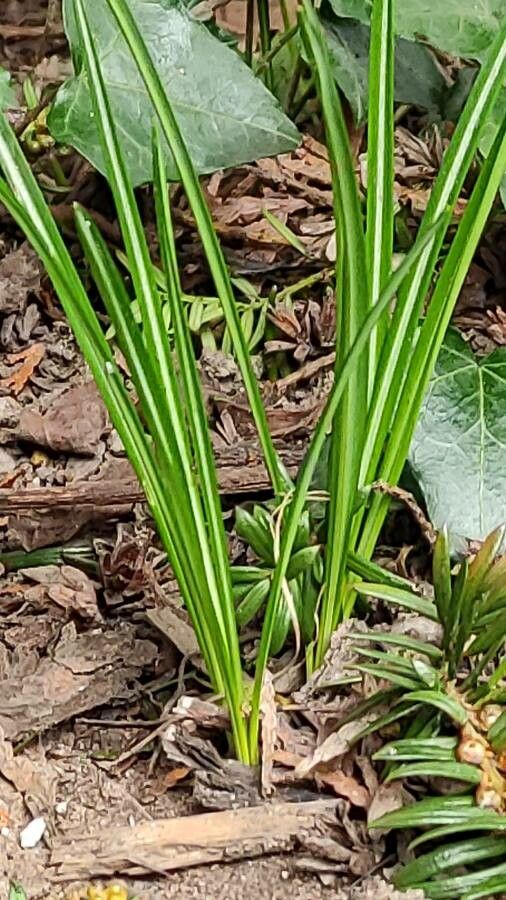
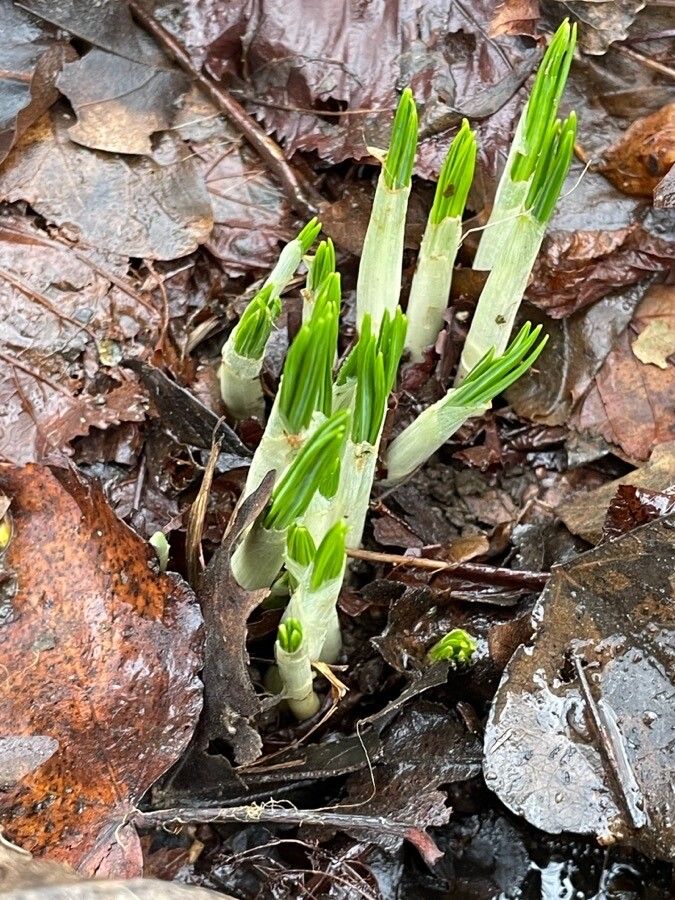
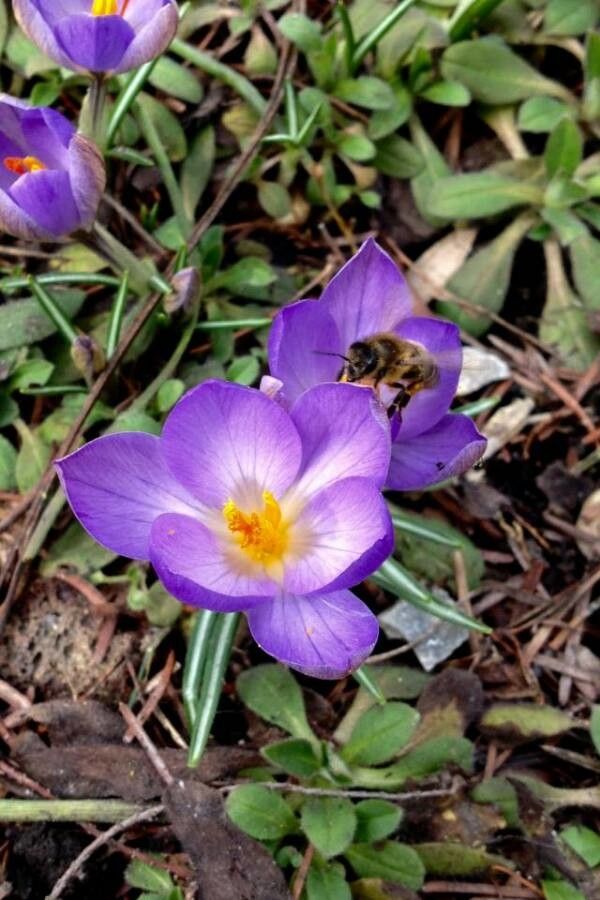
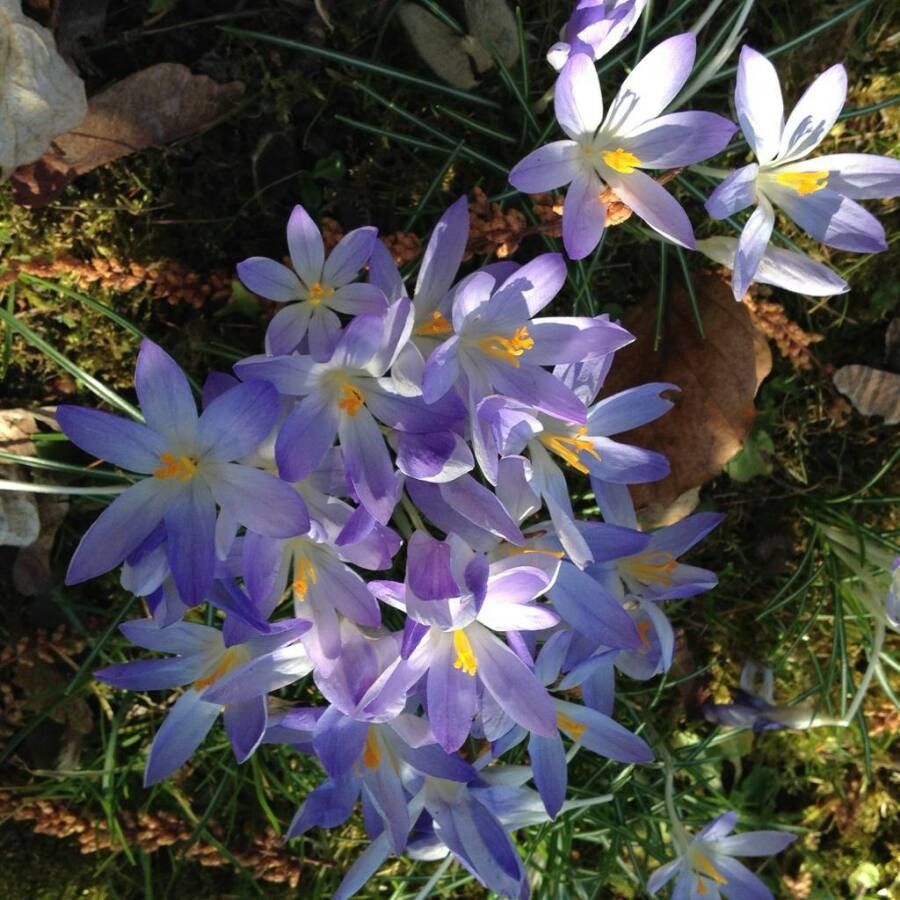
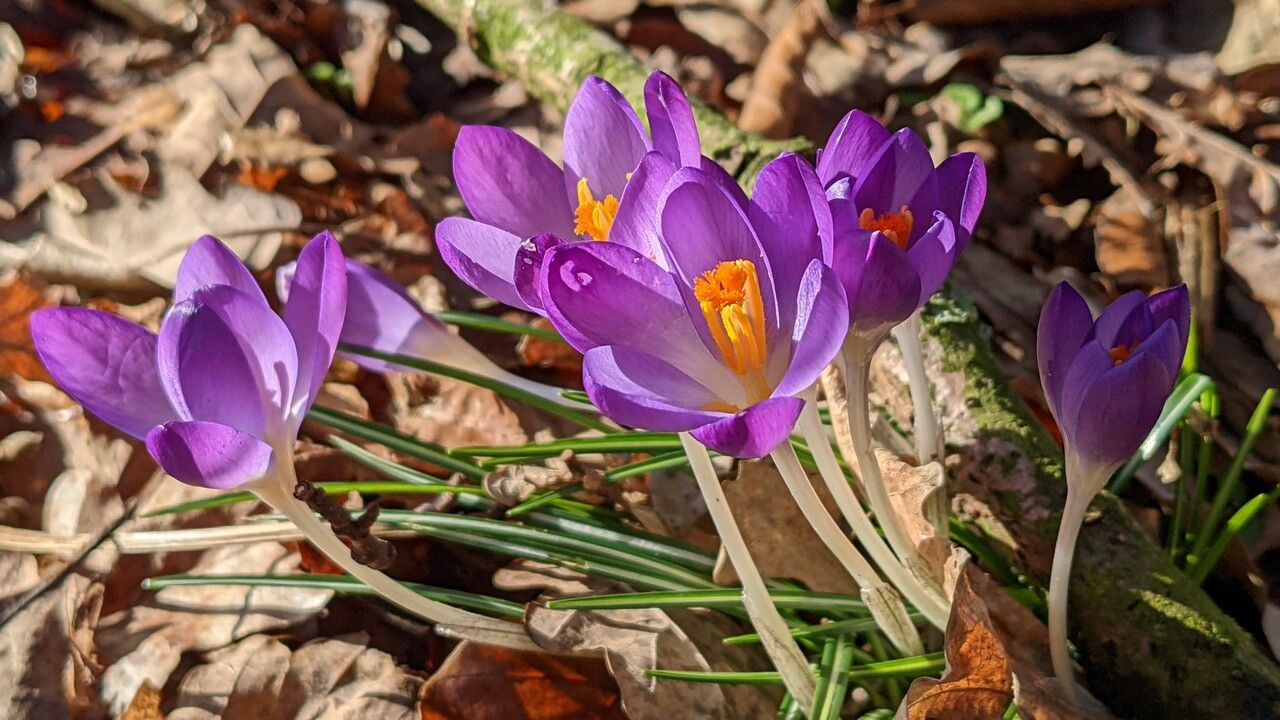
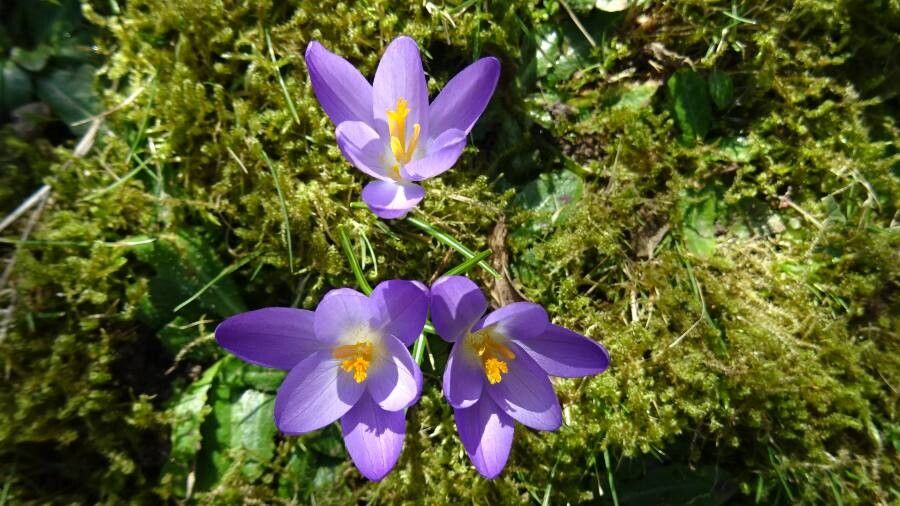
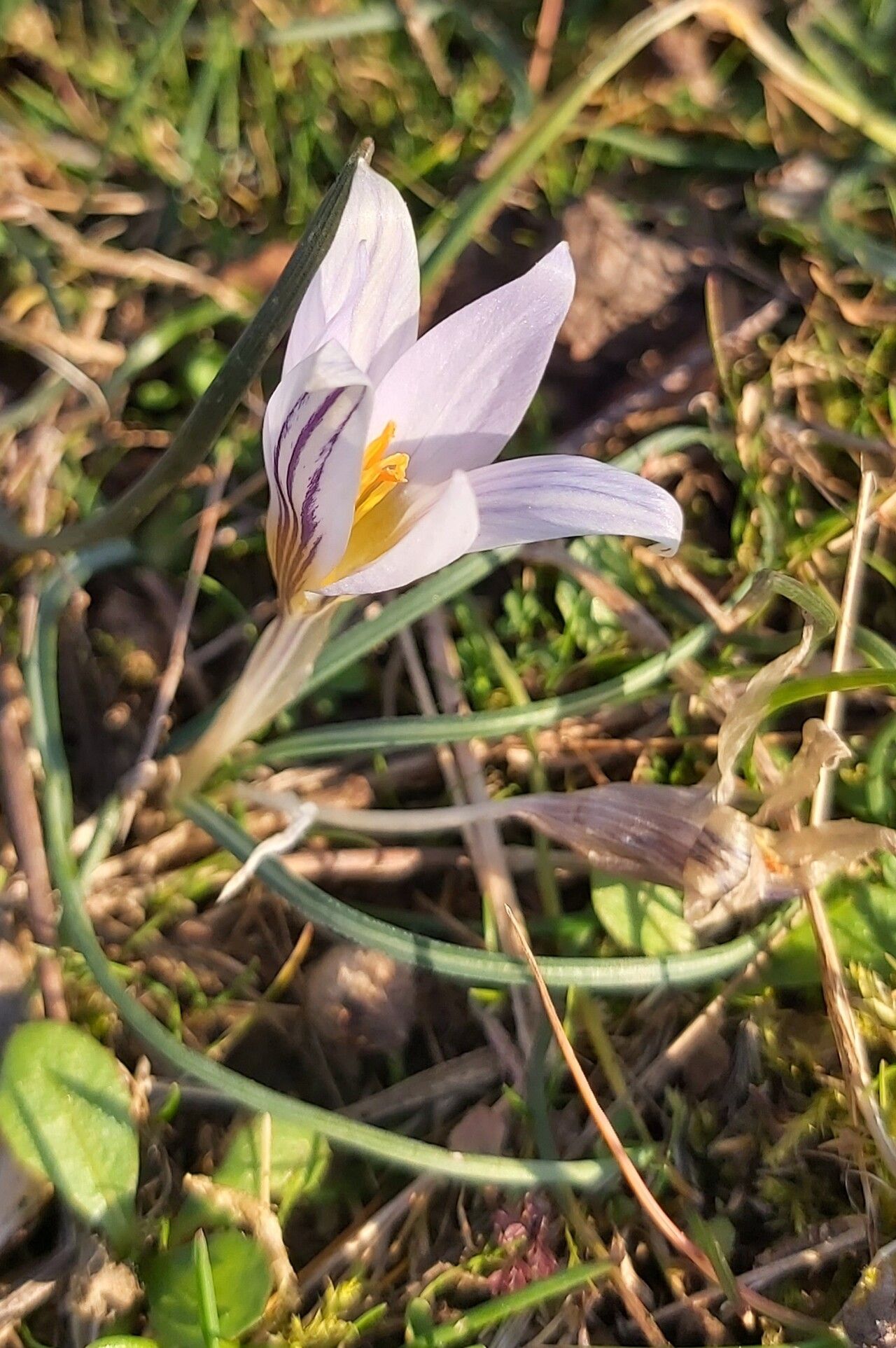
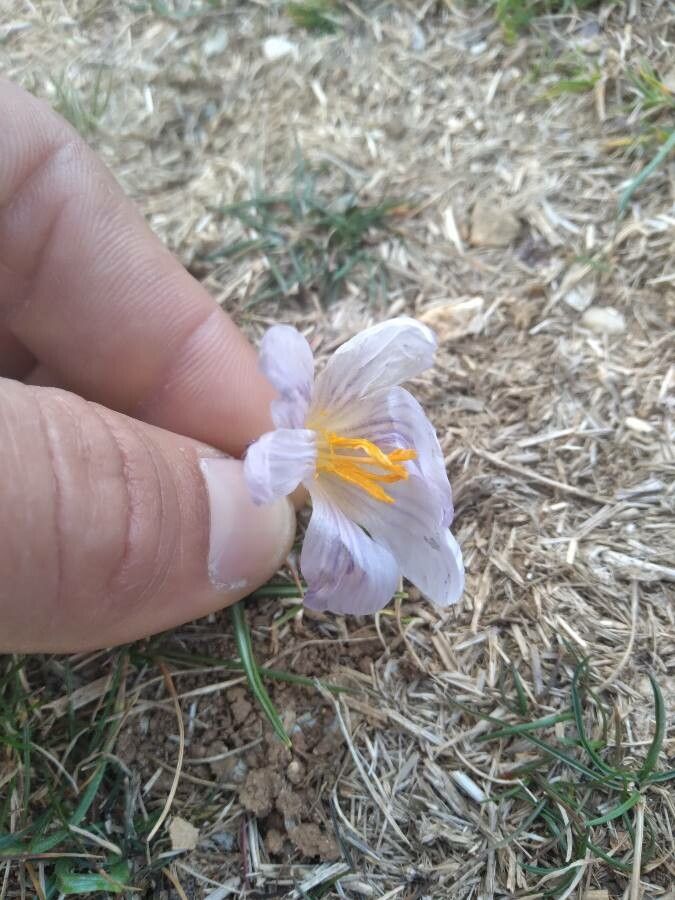
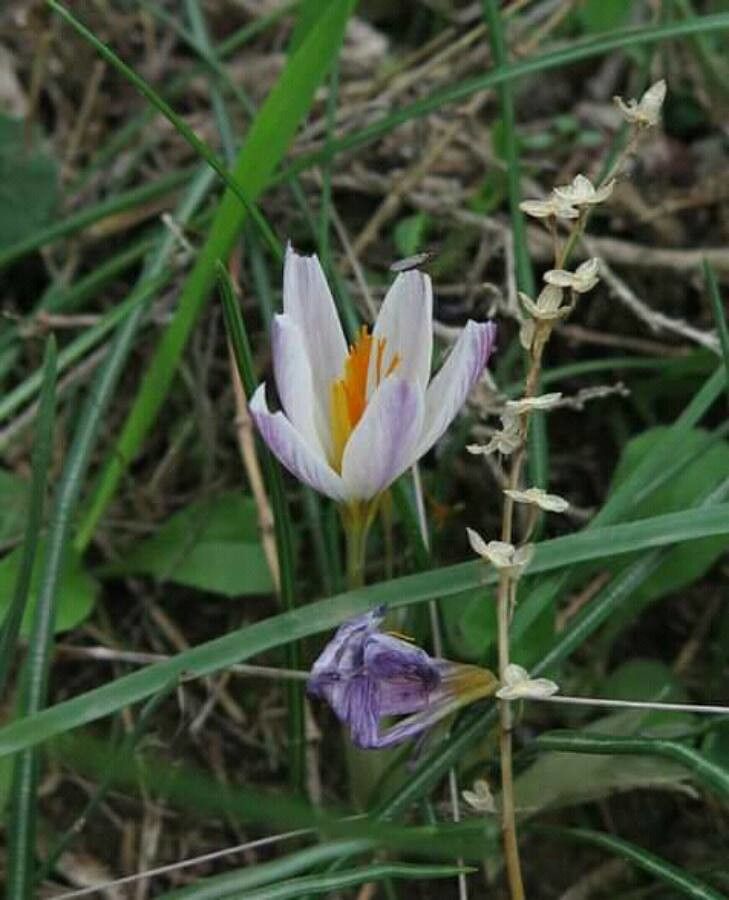
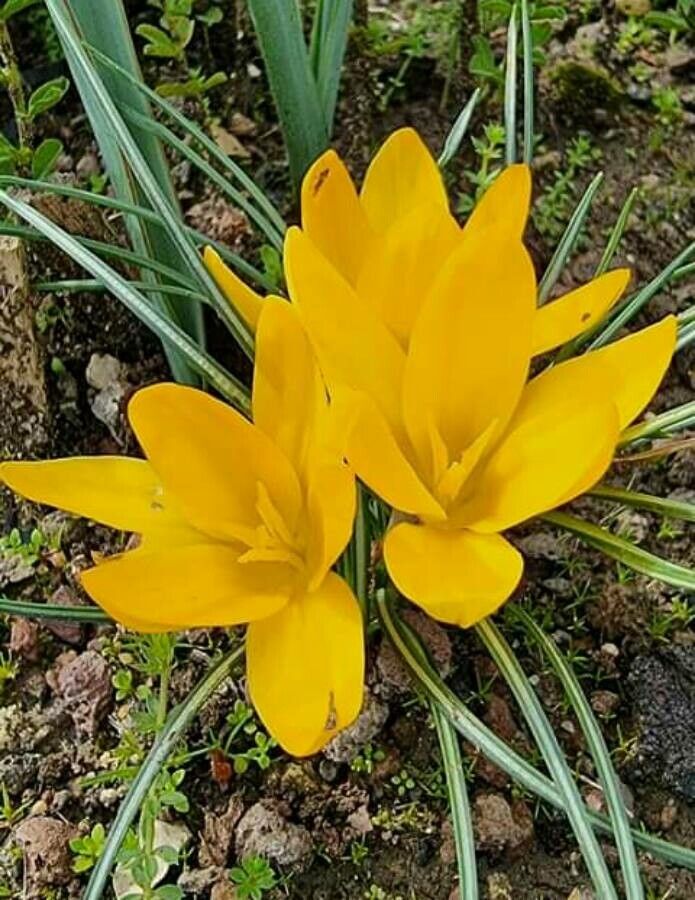
Crocus tommasinianus, commonly known as Tommasini's crocus, is a flowering plant in the Iridaceae family. Native to the Balkans and Turkey, this species has been widely cultivated as an ornamental plant, prized for its striking purple flowers. Typically, the plant reaches a height of up to 10 cm, producing one or two flowers per corm. The cup-shaped flowers feature six deep purple petals with white or yellow centers.
Crocus tommasinianus blooms in early spring, often preceding other crocuses, earning it popularity among gardeners seeking early color for their gardens. It thrives in well-drained soil and full sun but can also tolerate partial shade.
Easy to cultivate and care for, Crocus tommasinianus is an excellent choice for novice gardeners looking to enhance their outdoor spaces with early spring beauty.
Woodland crocus is fairly resistant to disease and is generally not vulnerable to illnesses. It can, however, be prone to leaf spots if light and ventilation are poor and if it is overwatered. Its care level is rated easy, since it mainly needs regular watering and little else. Woodland crocus is appropriate for people who do not have the time or energy to commit to frequent care.
How to keep Crocus Tommasinianus.
Light
Woodland crocus requires plenty of sunlight to reach optimal health and growth. Although it can survive with a moderate amount of sun, it develops more vigorously in abundant light. In its natural habitat it is exposed to a substantial degree of sunlight. Both a shortage and an excess of light can potentially impede its growth.
Water
The woodland crocus, a plant native to forested areas, thrives in moist, well-drained environments. While it is moderately drought-tolerant, it requires weekly watering to maintain its health. During its growing season, this bulbous plant prefers rainwater and benefits from cooler temperatures to ensure effective hydration.
Temperature
The woodland crocus grows best in temperatures from 41 to 89.6 ℉ (5 to 32 ℃). It originates from areas with an average temperature of 50 to 54 ℉ (10 to 12 ℃). In spring, it is best to keep temperatures at 50 to 60 ℉ (10 to 15.6 ℃), while in summer it is recommended to maintain 68 to 77 ℉ (20 to 25 ℃).
Fertilizer
For Woodland crocus, the primary time to apply fertilizer is in early spring while the flowers are forming. The correct fertilizer promotes better blooms and helps Woodland crocus produce attractive flowers. Fertilizing in early spring ensures excellent flowers throughout the season and supplies energy for dormant growth phases.
Pruning
The woodland crocus produces delicate blooms and thrives in well-drained soils. To promote growth, prune in early spring after it has finished flowering by removing spent blooms and any damaged foliage. Be careful to avoid heavy pruning, as this can actually increase vigor and flowering capacity. Instead, aim to maintain a tidy appearance while also reducing the risk of disease.
Pot & Repot
Repot woodland crocuses every 2-3 years in early fall, using a medium-sized pot with good drainage. After repotting, keep the soil consistently moist and ensure the plants receive plenty of light. Woodland crocuses thrive in cool temperatures and partial shade, and are appreciated for their early spring blooms and minimal care needs.
Botanical profile.
- Plant Type
- Herb
- Life Cycle
- Perennial
- Genus
- Crocus
- Family
- Iridaceae
- Hardiness Zone
- 4-8
- Mature Height
- 10 cm
- Mature Spread
- 5 cm
- Leaf Color
- Green
- Leaf Type
- Deciduous
- Flower Color
- Lavender, Purple
- Flower Size
- 3.05 cm to 5.08 cm
- Bloom Time
- Early spring, Winter
- Planting Time
- Spring, Autumn, Winter
- Harvest Time
- Mid spring, Late spring
- Native Area
- Bulgaria, Albania, Hungary, Croatia, Serbia
Other names.
Reader questions.
When Should I Water My Woodland Crocus?
Watering your woodland crocus correctly is vital for its growth, vibrant flower production, and disease resistance. The prime indicator for watering is the soil moisture level. Insert your finger about 1-2 inches deep into the soil; if it feels dry, it’s time to water. Other signs include wilting or drooping leaves, drooping flowers, and any change in leaf color, such as yellowing or dullness. Additionally, the dryness of the top soil layers and various timing considerations, like the weather conditions, play significant roles in determining the watering schedule. It’s crucial to avoid watering too early or late to prevent risks like root rot or plant dehydration, respectively. Proper water management ensures the health and longevity of your woodland crocus.
Why should I add fertilizer to my Woodland crocus?
Fertilizing your Woodland crocus is important for several reasons. Firstly, it helps to promote beautiful blooms. To achieve excellent flowers during the spring, it's best to fertilize in early spring. Additionally, fertilizer provides your Woodland crocus with energy that can be stored in the ground during its dormant growth phases. By giving your crocus extra nutrients during fall planting or late spring, you can help it retain more energy for active growth.
What are the sunlight requirements for woodland crocus?
Woodland crocus thrives best when exposed to full sun, which means it should receive more than 6 hours of sunlight daily. It can also grow in partial sun, which constitutes about 3-6 hours of sunlight. However, for optimal health and development, abundant exposure to sunlight is essential. Its natural habitat involves significant sun exposure, and both a shortage and a surplus of light could hinder its growth. It's important to observe the movement of sunlight through your garden and choose spots that ensure a perfect balance of light and shade, catering to the woodland crocus’s needs.
What are the ideal temperature conditions for the woodland crocus plant?
The woodland crocus plant thrives in a temperature range of 41 to 89.6°F (5 to 32°C), with a native preference for average temperatures of 50 to 54°F (10 to 12°C). In the spring, maintaining temperatures between 50 to 60°F (10 to 15.6°C) is ideal, while in the summer, it is recommended to keep the temperature between 68 to 77°F (20 to 25°C). Woodland crocus has high cold resistance, so special frost protection measures are not typically necessary. However, if winter temperatures are expected to drop below the plant's growth limit, protection such as covering with soil or straw is advised. It's also recommended to water the plant abundantly before the first autumn freeze to ensure the soil is moist and enters a frozen state, which helps prevent drought and water scarcity during winter and early spring.
How Should I Water My Woodland Crocus?
The optimal method for watering your woodland crocus involves consideration of the plant's specific needs. Bottom-watering is an efficient technique, ensuring moisture reaches the roots directly without over-saturating the soil or wetting the foliage, thus minimizing the risk of fungal diseases. Use a watering can with a narrow spout to target the water directly to the soil near the base of the plant. A moisture meter is a helpful tool for accurately determining when to water, assisting in maintaining the correct moisture level in the soil. It's essential to prevent waterlogged soil, avoid wetting the plant's foliage, and reduce watering during the plant's dormant period. Environmental factors such as temperature, humidity, and sunlight should also be considered, as these influence the crocus's watering needs.
When should I put fertilizer on my Woodland crocus?
To ensure the best results, there are a few key moments when fertilizing your Woodland crocus would be beneficial. The first and most important time is in early spring when the flowers begin to form. Applying the appropriate fertilizer during this period will promote stronger and more vibrant blooms. Additionally, you can also fertilize your Woodland crocus later in the spring, once the flowers have started to fade. This will provide the crocus with ample energy to store and utilize for the following year. If you happen to be planting your Woodland crocus for the first time in the fall, it is advisable to provide some fertilizer at that time as well. Doing so during the planting process will provide the crocus with the greatest chance of developing a healthy set of flowers during its initial growing season.
How does artificial lighting support woodland crocus growth indoors?
Indoor woodland crocuses require adequate lighting for optimal growth, especially when natural sunlight is insufficient, such as in winter or less sunny spaces. Artificial lights are beneficial in promoting faster, healthier growth. LED lights are recommended because they can be tailored to provide specific wavelengths of light needed by the plants. For full sun plants like the woodland crocus, 30-50W/sq ft of artificial light is ideal, and the light source should be placed 12-36 inches above the plant to mimic natural sunlight. Furthermore, mimicking the natural daylight hours, typically 8-12 hours of light per day, is crucial for the plant's health.
How does the woodland crocus react to low temperatures, and what are the solutions?
The woodland crocus is cold-tolerant and generally thrives best at temperatures above its minimum suitable growth temperature. When winter temperatures fall below its tolerable growing temperature minimum, although there might not be noticeable changes during winter, there can be a decrease in sprouting or a complete absence of sprouting in spring. The solution for this scenario involves removing any parts of the plant that have failed to sprout in the spring.
How Much Water Does Woodland Crocus Really Need?
The watering needs of woodland crocus depend on its natural habitat conditions and a balance that prevents both under and overwatering. The plant, standing 10 cm tall, with deep roots, requires enough water to moisten the entire root zone, typically around 250-450 ml in average pot sizes. Signs of inappropriate watering include under-watered plants displaying wilting or dull leaves, and over-watered plants showing waterlogged soil or yellowing leaves. Over and underwatering can both lead to serious health issues for the crocus, affecting its growth and blooming capability. Adjust the quantity based on soil type, pot material, and weather conditions to ensure a healthy plant.
When is the best time to not fertilize my Woodland crocus?
To properly fertilize a Woodland crocus, there are three specific times to do so. Firstly, you should fertilize during the fall planting process. Secondly, during the early spring bloom period. And finally, during the late spring following the bloom period. Fertilizing your plant at any other time of the year is unnecessary and may actually harm it. It is important to note that the Woodland crocus has a significant dormant phase during which it needs minimal fertilizer and less water. This dormant phase occurs during both the winter and the summer. After the flowers fade, the leaves will remain for a short period before withering away. Once the leaves die back, the plant has re-entered its dormant phase, which means it no longer requires fertilizer.
What are the common symptoms of improper sunlight exposure in woodland crocus?
Woodland crocus may not show immediate signs of distress from improper sunlight exposure, but there are specific symptoms to watch for. Insufficient sunlight can impede flowering and fruiting, cause the plant to become leggy or exhibit sparse growth, slow down or halt new growth altogether, and lead to chlorosis, where leaves lose their green color. Excessive sunlight can result in sunscald, manifesting as bleached areas on the plant, leaf curling as a defense against intense light, wilting due to increased water loss, and leaf scorching, characterized by brown, dry edges on leaves. These symptoms indicate that the plant's light conditions need adjustment.
What are the effects of high temperatures on woodland crocus, and how can they be mitigated?
During summer, it's important to keep the woodland crocus below its maximum suitable growth temperature. Exceeding its tolerable growing temperature maximum can lead to the leaves becoming lighter in color, curling, becoming sunburned, and in severe cases, the plant may wilt and dry out completely. To mitigate these effects, sunburned and dried-up parts should be trimmed away. Moving the plant to a location with shade from the midday and afternoon sun or using a shade cloth can provide necessary protection. Additionally, watering the plant in the morning and evening to keep the soil moist can help.