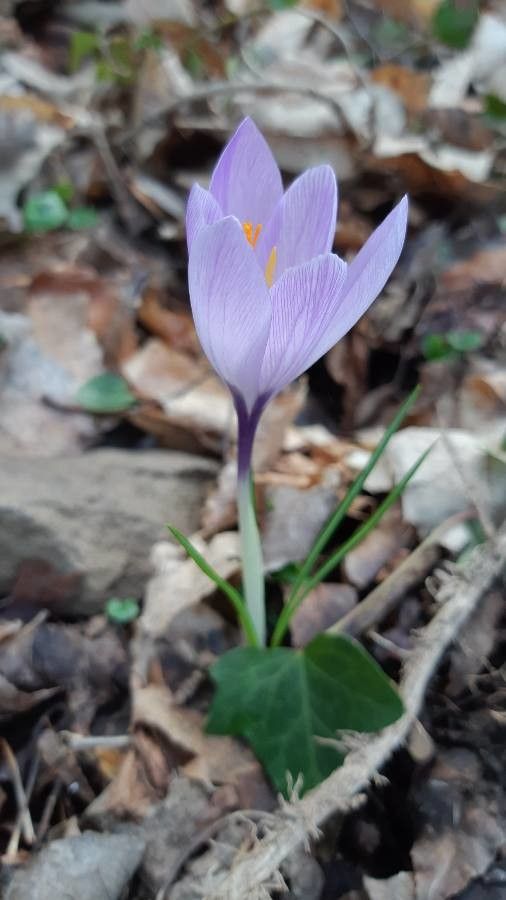
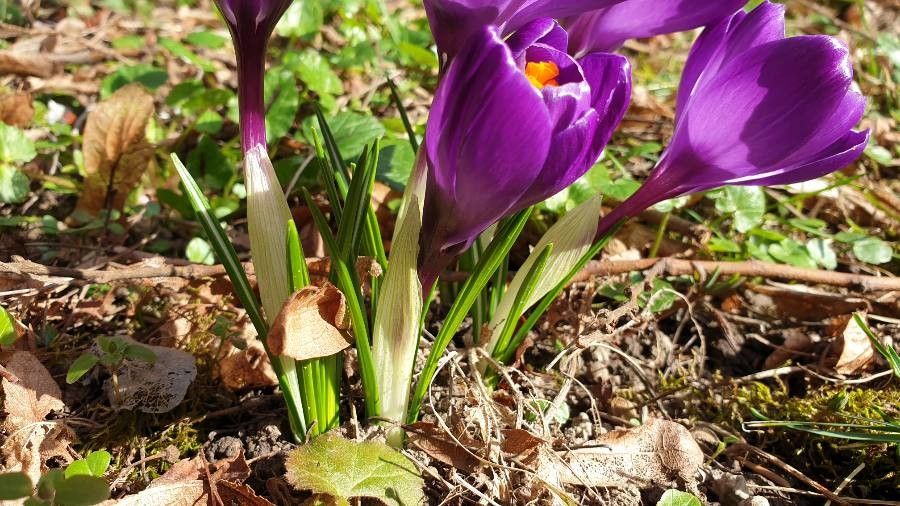
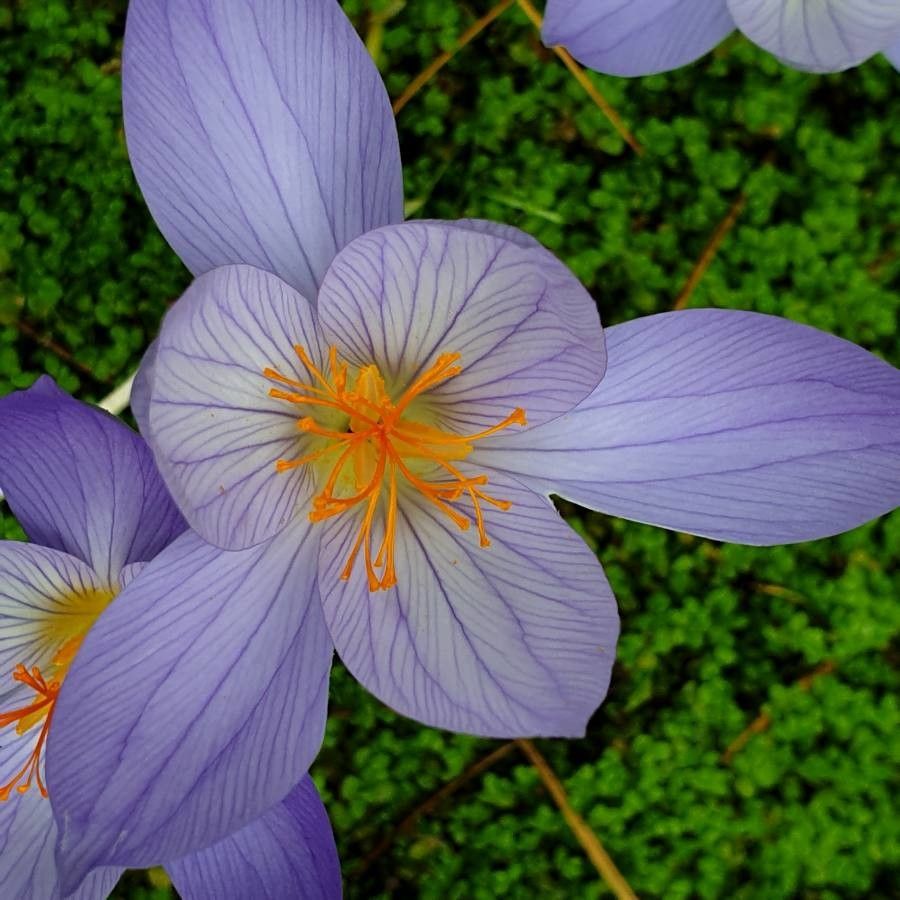
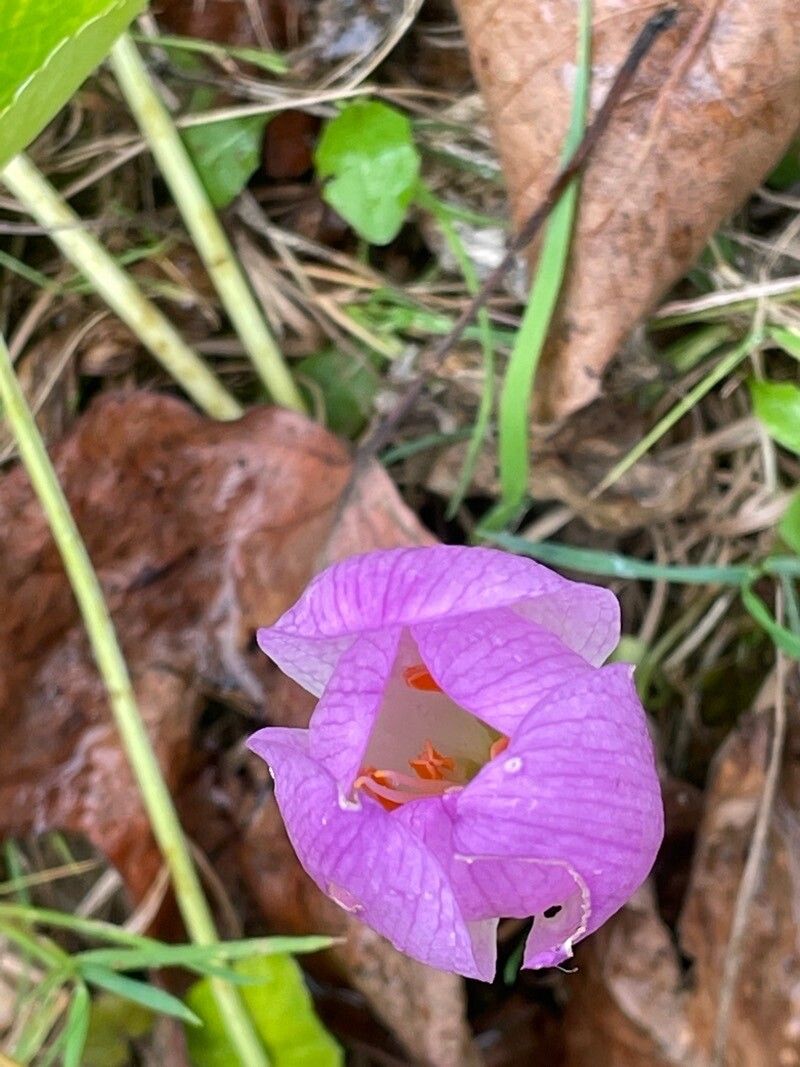
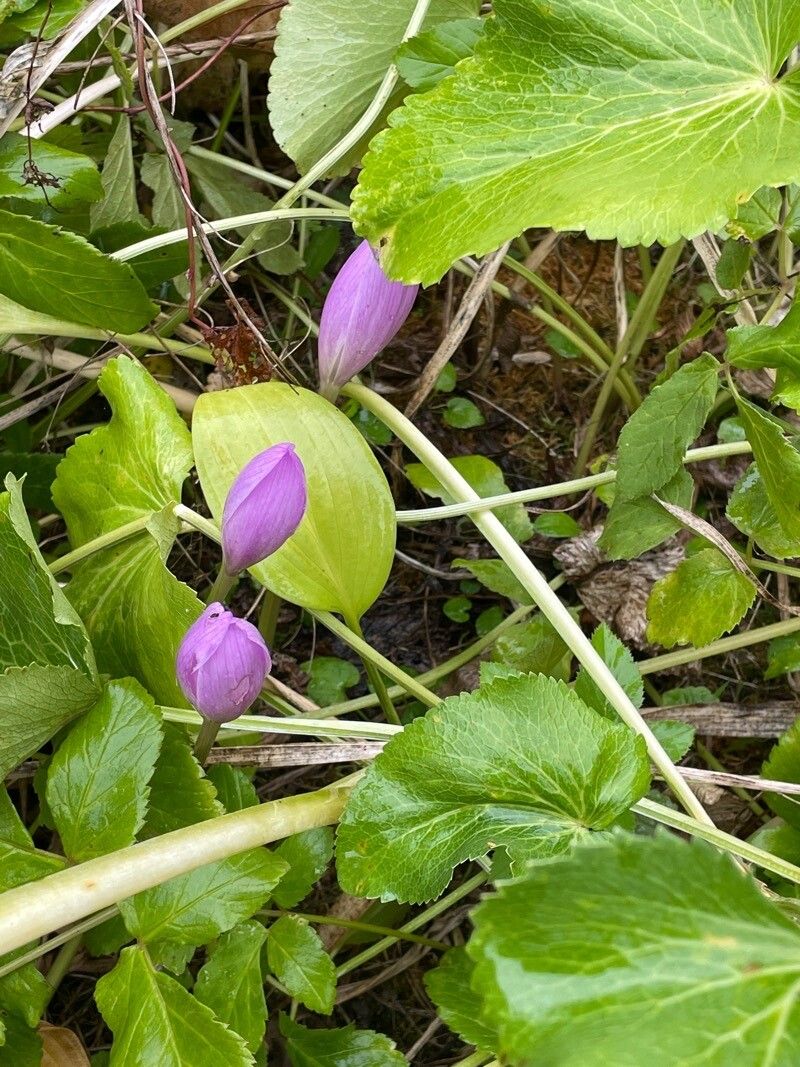
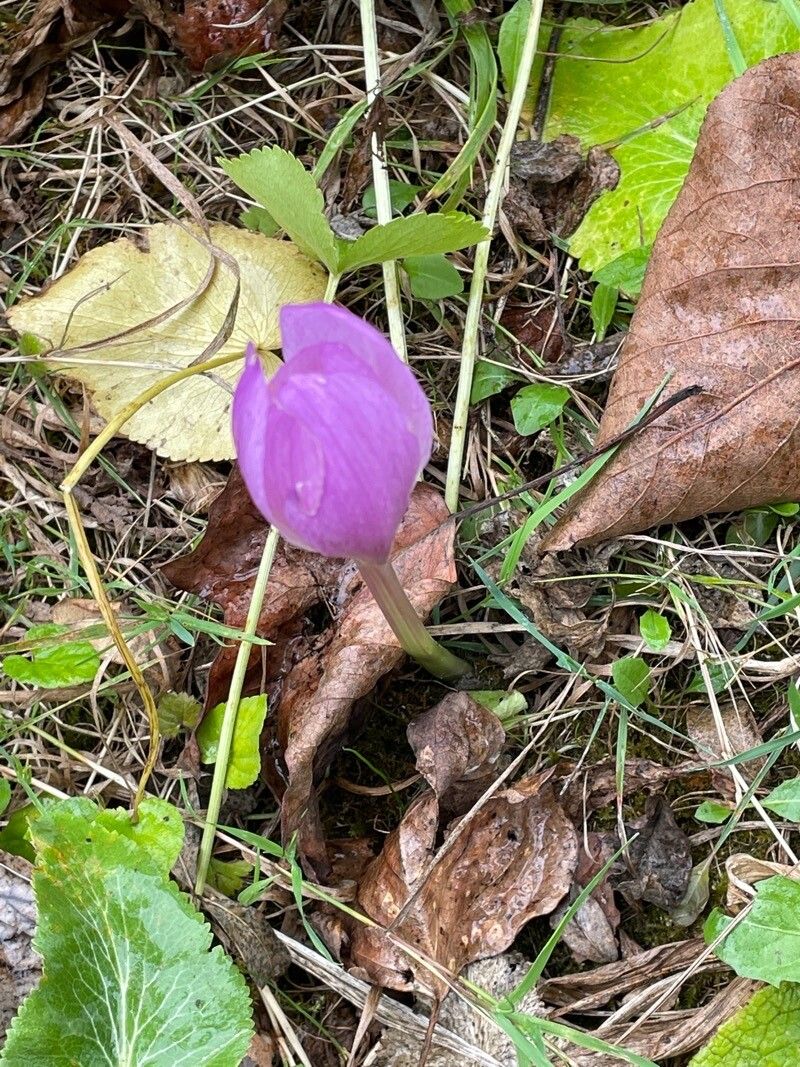
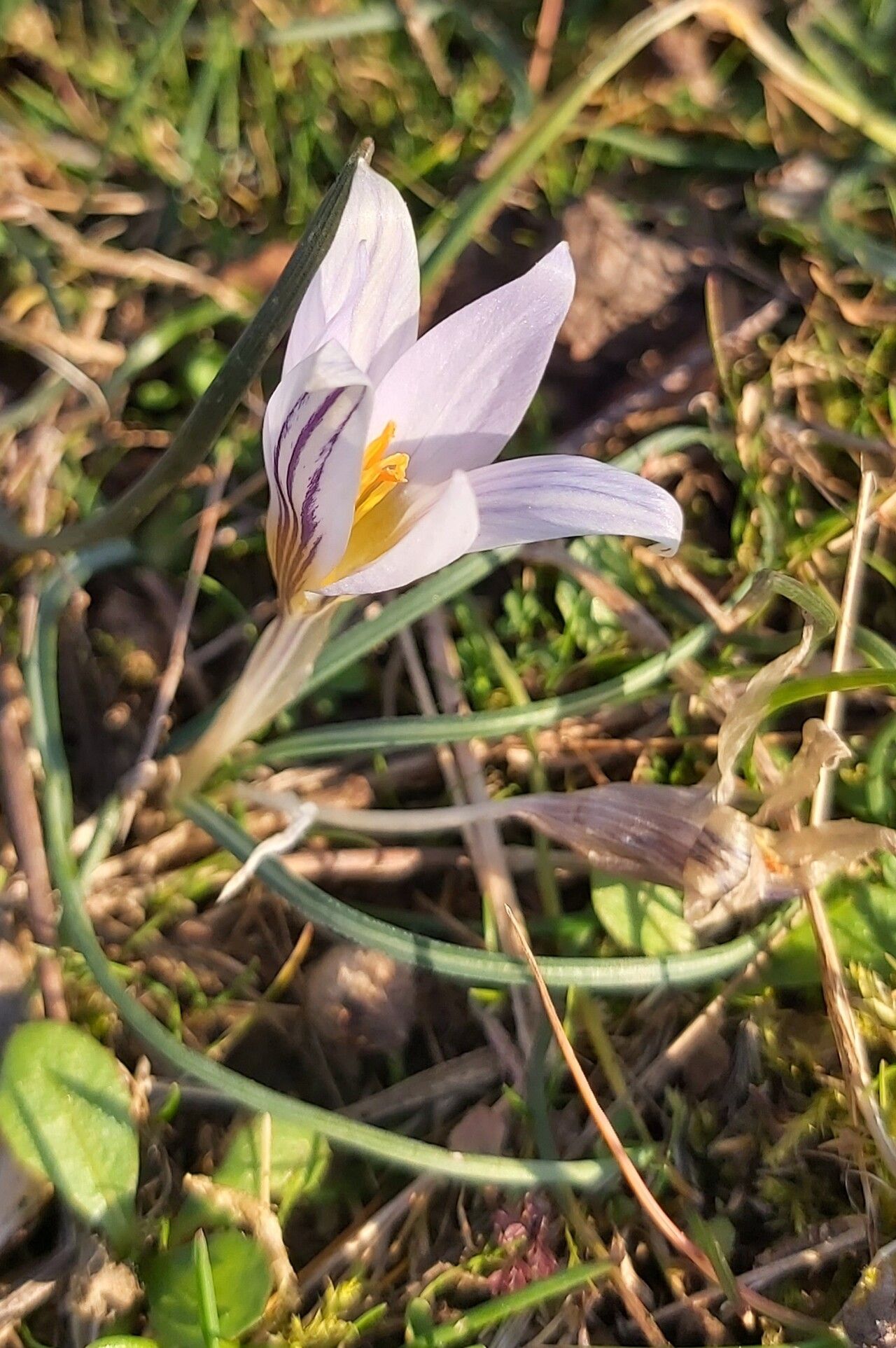
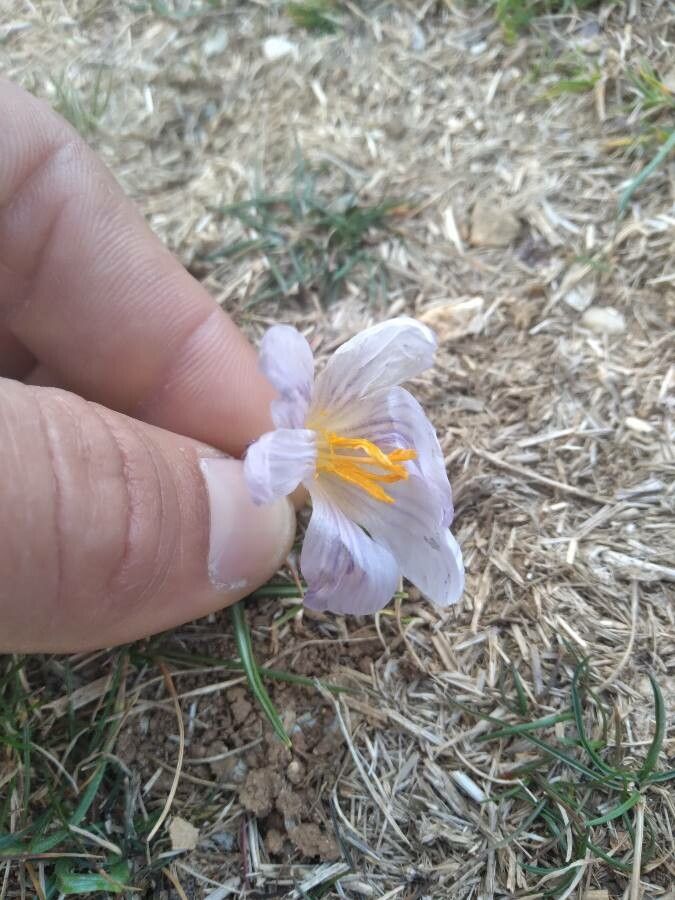
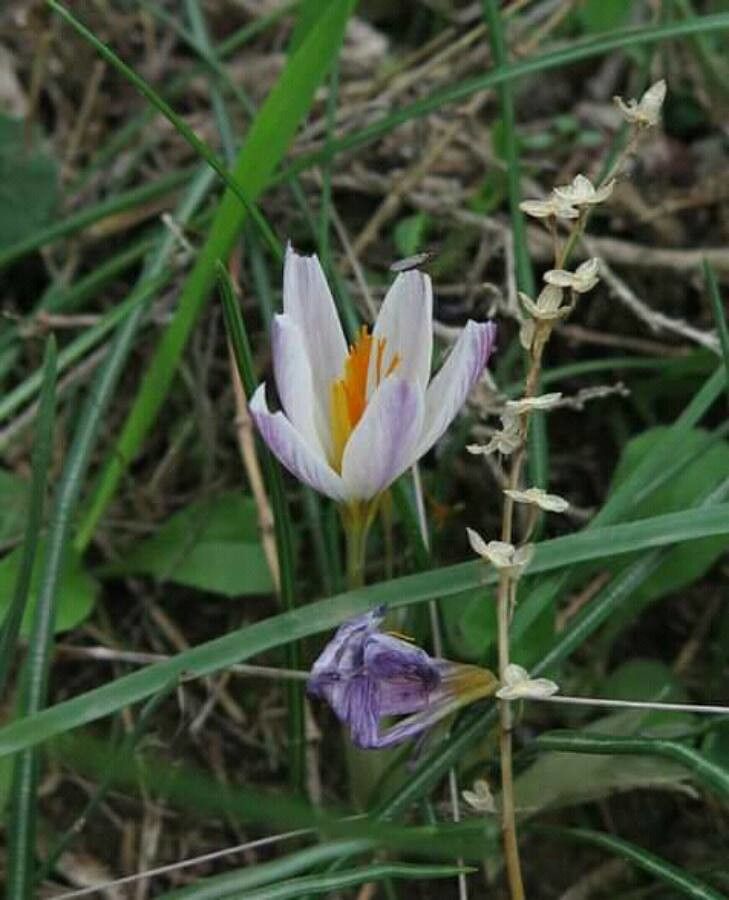
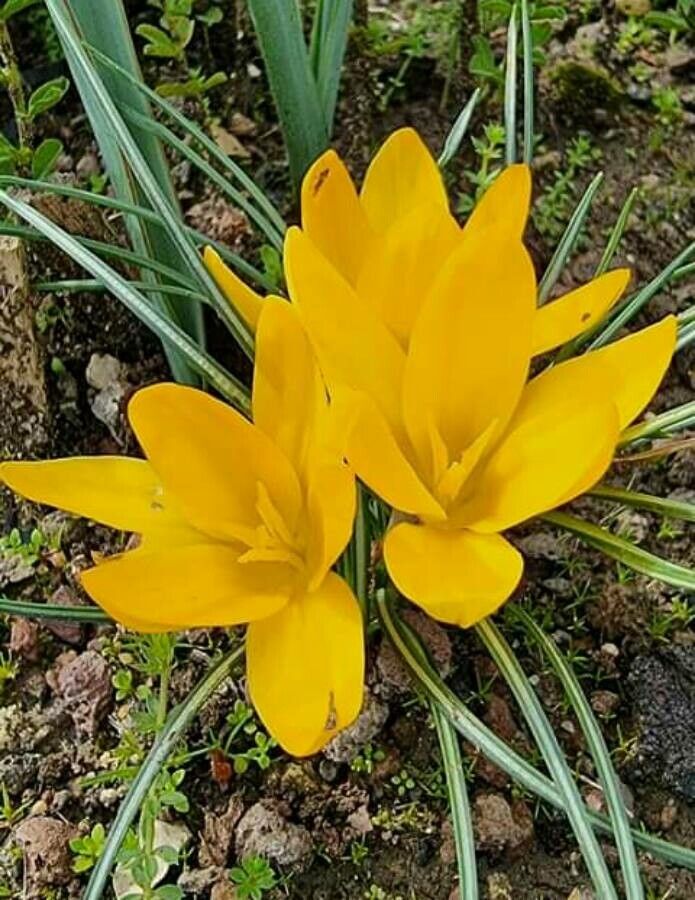
Crocus speciosus, commonly known as the showy crocus, is a perennial flowering plant that belongs to the family Iridaceae. Native to the eastern Mediterranean region, it is often found growing on rocky hillsides and in meadows. The plant produces small, cup-shaped flowers that are typically blue-violet with a yellow center. These flowers bloom in autumn, making Crocus speciosus one of the last plants to flower before winter sets in.
Crocus speciosus grows from corms, which are small, bulb-like structures that store nutrients for growth during dormancy periods. The corms can be planted in late summer or early autumn for flowering in the fall.
The showy crocus is a popular ornamental plant, admired for its attractive flowers and ease of cultivation. It prefers well-drained soil with full sun exposure but can also tolerate partial shade. Once established, Crocus speciosus requires minimal maintenance but may benefit from occasional fertilization.
In addition to its ornamental value, Crocus speciosus has been used for medicinal purposes by traditional healers for centuries due to its anti-inflammatory properties, which may help alleviate pain associated with conditions such as arthritis.
Overall, Crocus speciosus is an attractive, easy-to-grow plant that adds color and interest to gardens in the fall when most other plants have finished blooming.
Bieberstein's crocus is fairly resistant to disease and typically does not suffer from many illnesses. Still, it can be vulnerable to pests and diseases present in its environment. Such infections are generally mild. Regarding care, this plant has moderate maintenance needs. It should be pruned on a regular basis to preserve an attractive appearance and support healthy growth. Applying fertilizer can also encourage flowering. Bieberstein's crocus is appropriate for anyone with outdoor space, like a garden or patio, and does not demand extensive gardening experience. It may need more attention when cultivated indoors.
How to keep Crocus Speciosus.
Light
Bieberstein's crocus does best in places that are bathed in sunlight for long stretches each day. It is not known to need different amounts of sun at different stages of growth. Originating on sun-kissed slopes, it has adapted to intense sunlight, but a lack of adequate light can stunt its growth and reduce bloom production.
Water
Bieberstein's crocus flourishes in temperate climates with moderate watering needs. It prefers soil that is consistently moist yet well-drained. Watering the plant once a week is ideal, but it can tolerate short dry spells. During the growing season, natural rainfall is beneficial, and it is important to balance this with additional irrigation as needed.
Temperature
Bieberstein's crocus naturally occurs in areas with temperatures between 41 and 95 °F (5 to 35 ℃). It favors a temperate climate and can tolerate temperature changes that occur with the seasons.
Fertilizer
The best time to fertilize Bieberstein's crocus is in early spring when the flowers start to form. Using the appropriate fertilizer promotes stronger blooms and helps the crocus produce attractive flowers. Fertilizing at this time ensures good flowering during the season and supplies energy for its dormant growth stages.
Pruning
Bieberstein's crocus, cherished for its autumn blooms, needs only light pruning in early spring to encourage new growth and enhance air circulation. Make it a habit to regularly remove dead foliage and keep the base tidy to deter pests. For optimal growth, ensure the plant receives plenty of sunlight and is planted in well-drained soil.
Pot & Repot
Repot Bieberstein's crocus every 2 to 3 years during its dormant period. Use a slightly larger container with well-draining soil, and make sure the pot has drainage holes. After repotting, water the plant moderately and place it in a location with bright, indirect light for easy care.
Botanical profile.
- Plant Type
- Herb
- Life Cycle
- Perennial
- Genus
- Crocus
- Family
- Iridaceae
- Hardiness Zone
- 4-9
- Mature Height
- 10 cm
- Mature Spread
- 5 cm
- Leaf Color
- Green, Silver
- Leaf Type
- Deciduous
- Flower Color
- Purple
- Flower Size
- 2.54 cm to 5.08 cm
- Bloom Time
- Late fall, Early winter
- Planting Time
- Spring
- Harvest Time
- Mid winter, Late winter
- Native Area
- Turkey, Iran, Armenia, Azerbaijan, Greece
Other names.
Reader questions.
If I give Bieberstein's crocus too much or too little water, what should I do?
If you over-water Bieberstein's crocus, their leaves will turn yellow. This is normal at the end of their blooming period, but if the leaves turn yellow before the flowers bloom, it means you're giving them too much water. In that case, ensure there is good drainage and don't water them for a couple of days. Adding sawdust to the soil can help absorb excess moisture. If the problem persists despite controlled watering, check if the seedpods have rotted by digging them up and seeing if they have changed color and become soft. If they have, remove them promptly. Under-watered Bieberstein's crocus also have yellow leaves, but their stems droop and the leaves curl and appear smaller. Brown patches may also appear. If you've given them too little water, don't panic. They can tolerate some drought. Once you realize, give them a good drink, but be careful not to saturate the soil. Just make sure it's moist. Avoid overwatering, as extended periods of water can cause root rot and fungus growth on the bulb. This is characterized by spots on the leaves and buds, as well as discoloration and wilting of the leaf tips.
Why should I put fertilizer on my Bieberstein's crocus?
Fertilizing your Bieberstein's crocus is important for several reasons. Firstly, it will help your crocus produce beautiful blooms. Secondly, fertilizing in early spring is a great way to ensure that your crocus has excellent flowers during that season. Additionally, fertilizer provides your crocus with the energy it needs during its dormant growth phases. By giving your crocus extra nutrients during the fall planting process or in late spring, you can help it store more energy to use when active growth resumes.
What are the sunlight requirements for Bieberstein's crocus?
Bieberstein's crocus requires full sun exposure to thrive, which means it should receive above 6 hours of sunlight daily. However, it can also grow under partial sun conditions, receiving about 3-6 hours of sunlight. It's essential to observe the sunlight in your garden throughout the day to find spots that offer a balance of light and shade, ensuring the plants' optimal growth and health. The species is accustomed to prolonged sun exposure, originating from regions with ample sunlight. Lack of adequate sun can hinder its growth and blooming capability.
What is the native environment of Bieberstein's crocus?
Bieberstein's crocus, botanically known as Crocus speciosus, thrives in environments where temperatures range between 41 to 95 °F (5 to 35 °C). It is a versatile plant that prefers a temperate climate and is adept at accommodating shifts in temperature as seasons change. Boasting strong cold resistance, Bieberstein's crocus usually does not require special frost protection measures in winter. However, in extremely cold conditions where temperatures are expected to dip below -30°C, it is necessary to safeguard the plant through measures such as covering it with soil or straw. Additionally, to combat winter and early spring drought, watering the plant abundantly before autumn's first freeze is advisable, ensuring the soil remains moist and enters into a frozen state prepared.
How much water does my Bieberstein's crocus need?
The growth of your Bieberstein's crocus depends on its location and current state. After planting, water them well once and then let them be until shoots appear. If the crocus is in a pot, water when the top 1-2 inches feel dry. Container plants dry out faster, so keep the soil damp. If planted outside, additional watering is not needed after rain. The crocus can recover quickly from slight dryness, but overwatering can cause rot and death. Be cautious with watering frequency.
When should I fertilize my Bieberstein's crocus?
To ensure the best blooms for your Bieberstein's crocus, there are a few recommended times to fertilize. One ideal time is in early spring when the flowers are forming, as the right fertilizer can promote better blooms. Another suitable time is later in the spring, after the flowers have faded. During this period, feeding your crocus will supply it with ample energy to store and utilize the following year. Additionally, if you are planting your Bieberstein's crocus for the first time in the fall, providing fertilizer at that time will increase the likelihood of a healthy set of flowers during its initial growing season.
Can artificial lighting be used for Bieberstein's crocus and how?
Yes, artificial lighting can be effectively used for Bieberstein's crocus, especially when natural sunlight is insufficient, such as during winter or in less sunny spaces. LED lights are recommended for their ability to be tailored to the specific light wavelengths needed by plants. For plants requiring full sun, 30-50W per square foot of artificial light is needed; for partial sun plants, 20-30W per square foot, and for full shade plants, 10-20W per square foot. The light source should be placed 12-36 inches above the plant to emulate natural sunlight and should remain on for 8-12 hours per day to mimic the natural daylight duration for optimal plant growth.
How does Bieberstein's crocus respond to low temperatures?
Bieberstein's crocus is known for its cold tolerance, thriving best when temperatures stay above 5°C. Despite this, it remains imperative to keep the winter temperatures above -25°C to ensure the plant's health. When temperatures drop below -30°C, while there might not be any visible signs of distress during the winter, the plant could exhibit reduced sprouting or fail to sprout at all come spring. To address this issue, any parts of the plant that have failed to sprout by spring should be removed.
Do I need to change how often I water my Bieberstein's crocus plant based on the time of year or the weather?
To care for your Bieberstein's crocus, water it about once a week while it's growing. As the temperature increases, the soil will dry out faster, so you may need to water more frequently. A dry soil is better for your crocus than one that is too wet. During the summer, the Bieberstein's crocus will go dormant, and the above-ground parts will dry up and die. If you planted it outdoors, you won't need to water it. However, if you live in a rainy region, you should consider digging them out to prevent the buds from rotting due to excessive water. If you planted the crocus in pots, stop watering it once the dormant part dries out completely. After the above-ground part completely dries, dig up the buds and store them in a cool location without water. Then, resume watering when the next sowing season begins. Alternatively, you can keep them in the soil in a cool location until the next growing season.
When is the best time to not use fertilizer on my Bieberstein's crocus?
To properly fertilize a Bieberstein's crocus, there are specific times to keep in mind. These include during the fall planting process, the early spring bloom period, and the late spring after the bloom period. It's important to avoid fertilizing at any other time, as this could be harmful to your plant. When taking care of a Bieberstein's crocus, it's helpful to know that it has two dormant phases where fertilizer is unnecessary. One occurs during the winter, when the plant naturally becomes dormant. The other happens during the summer when the flowers fade, and the leaves briefly persist before dying back to the ground. Once the leaves have completely died back, the plant has returned to a dormant phase and will not require fertilizer.
What are common symptoms of light deficiency in Bieberstein's crocus?
Symptoms of light deficiency in Bieberstein's crocus include smaller new leaves, leggy or sparse growth, faster leaf drop, slower or no new growth, and lighter-colored new leaves. These symptoms indicate the plant is not receiving enough sunlight, which is crucial for its health and development. Other issues like chlorosis, sunscald, leaf curling, wilting, and leaf scorching primarily result from too much sunlight but are important to recognize for proper plant care.
How does Bieberstein's crocus react to high temperatures?
During the summer months, it is crucial for the well-being of Bieberstein's crocus to maintain temperatures below 35°C. Exposing the plant to temperatures above 38°C can lead to its leaves turning lighter, becoming more prone to curling and sunburn, and, in severe cases, the plant might wilt and dry out completely. To mitigate these effects, remove any sunburned or dried parts of the plant promptly. Relocating the plant to a shaded area during intense midday and afternoon sun, or using a shade cloth, can also prevent further damage. Additionally, watering the plant in the cooler hours of the morning and evening helps keep the soil appropriately moist, further supporting the plant's health under high temperature conditions.