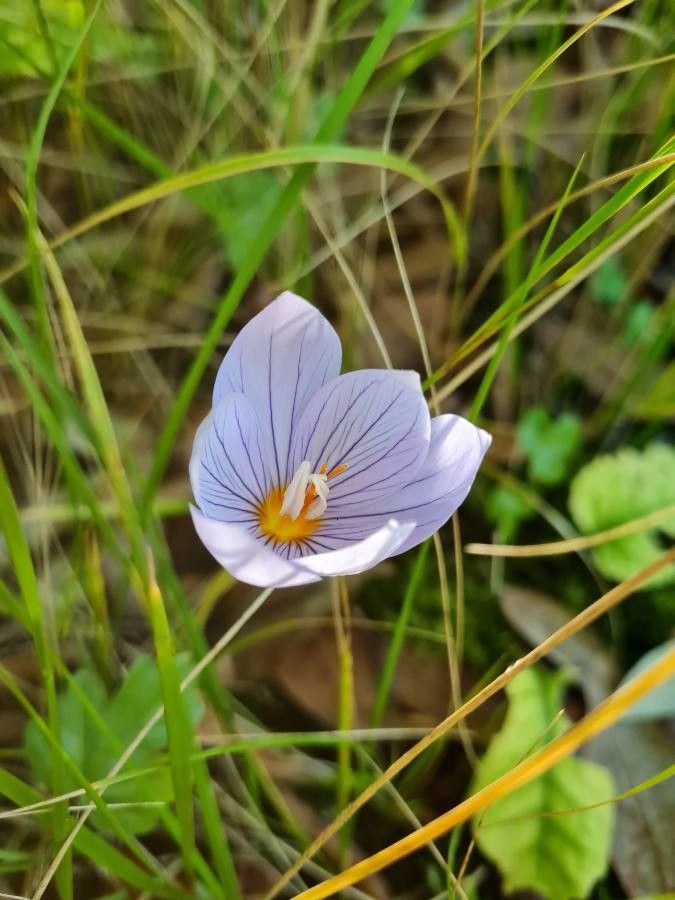
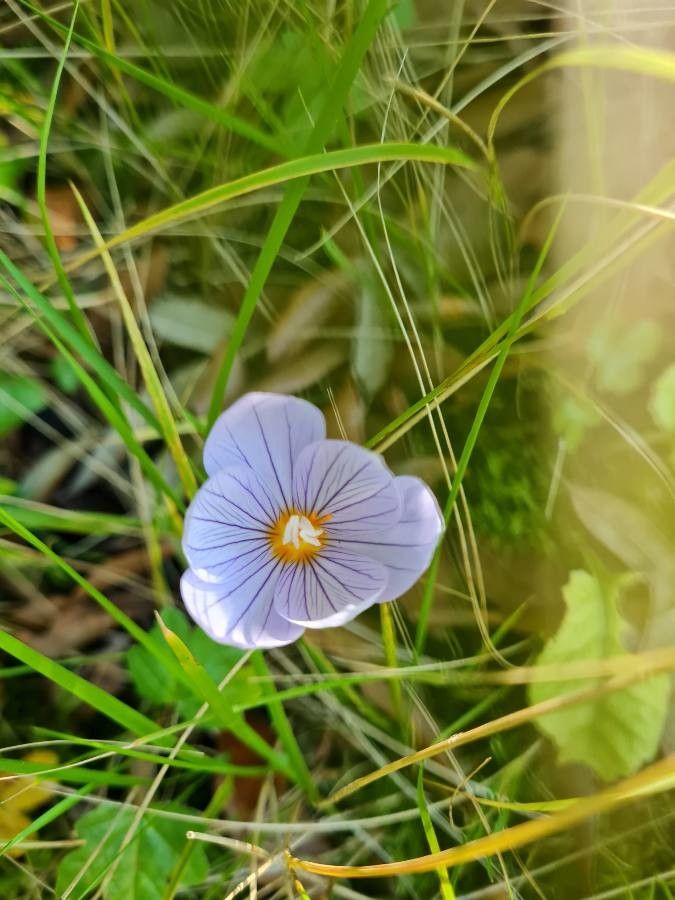
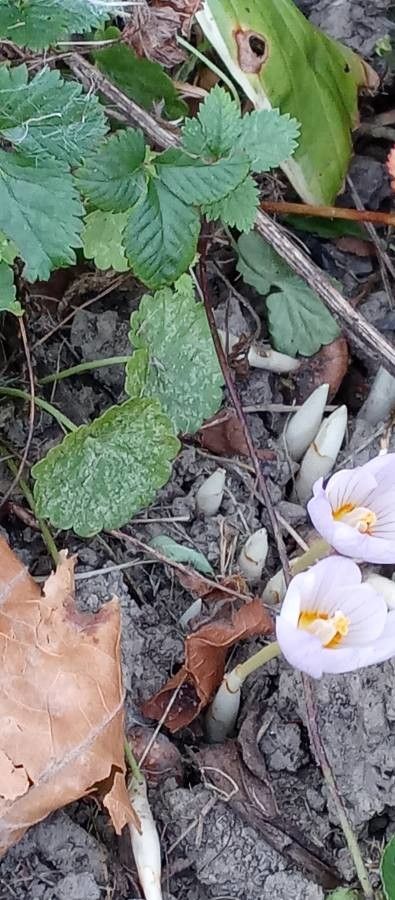
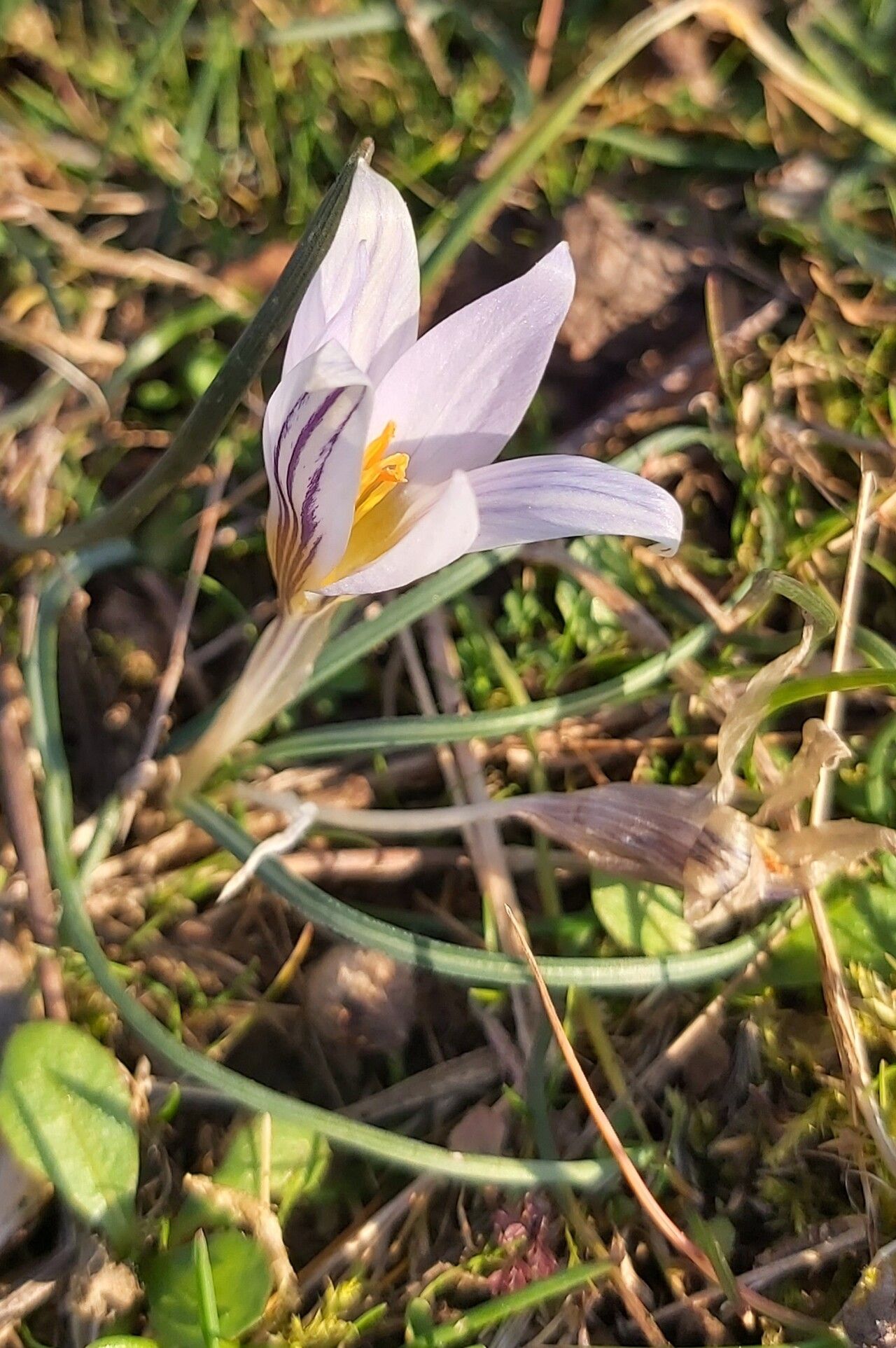
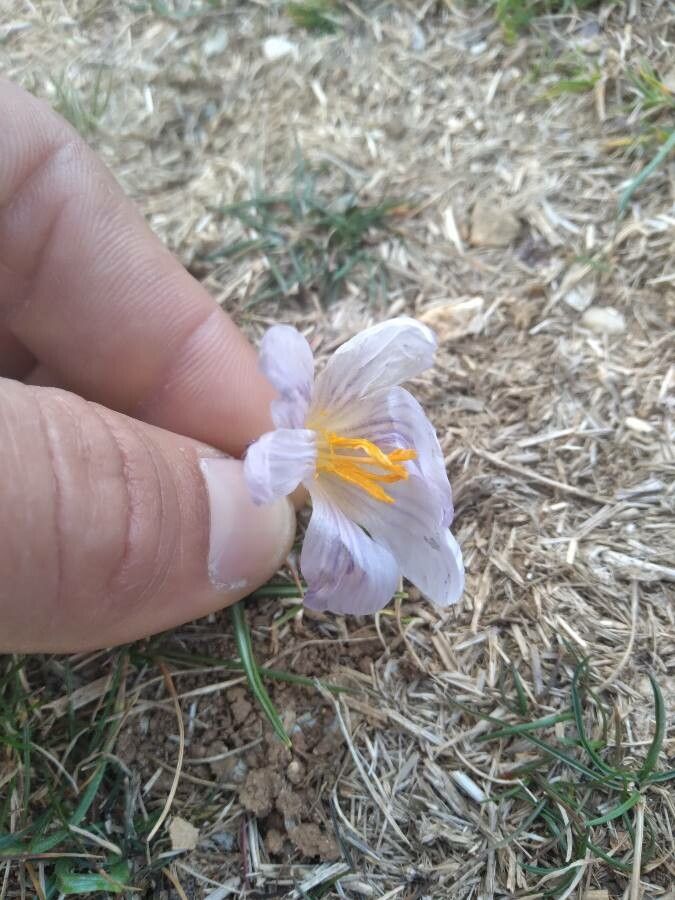
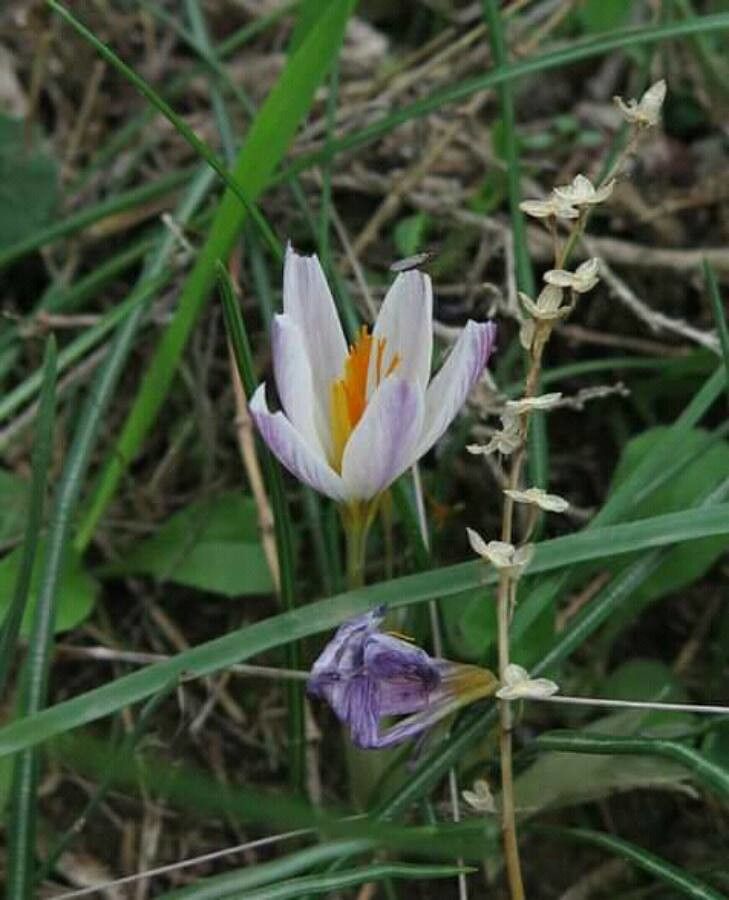
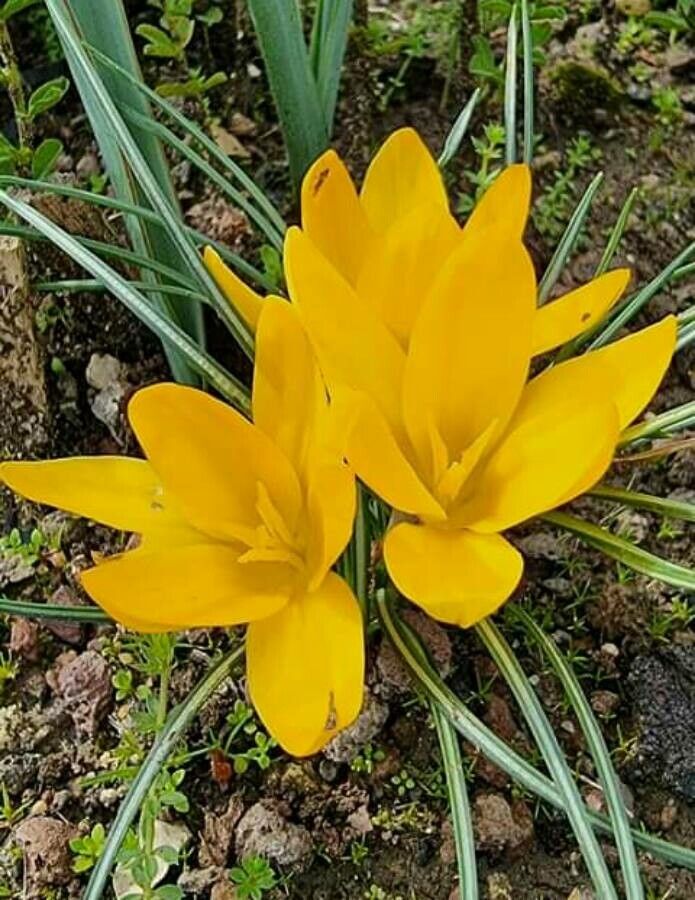
Crocus pulchellus, the hairy crocus, is a species of flowering plant in the genus Crocus of the family Iridaceae, found the Northern Balkan Peninsula to Northwestern Turkey.Growing to 10 cm (3.9 in), it is a cormous perennial, with pale lilac-blue flowers produced in the autumn, before the leaves appear. It has gained the Royal Horticultural Society's Award of Garden Merit.
Hairy crocus shows strong resistance to disease and is generally unlikely to suffer from illnesses. Still, it can be affected by pests and diseases found in its environment. Such infections tend to be mild. Regarding care, this plant needs a moderate level of maintenance. Regular pruning is required to preserve a pleasing appearance and healthy growth. Applying fertilizer can also encourage flowering. Hairy crocus is a good choice for anyone with outdoor areas like a garden or patio and does not demand extensive care experience. It may need extra attention when cultivated indoors.
How to keep Crocus Pulchellus.
Light
Hairy crocus is a sun-loving perennial herbaceous plant native to open habitats, frequently growing in meadows and grasslands. It prefers full sun but can also tolerate partial sun.
Water
The hairy crocus flourishes in environments with moderate moisture, similar to its native grassland habitat. Although it prefers consistent moisture, it has some tolerance for drought. To care for the hairy crocus, water it weekly, adjusting the schedule based on natural rainfall. It thrives in soil conditions that replicate its natural environment's moisture fluctuations.
Temperature
Hairy crocus can tolerate a wide range of temperatures, but its distribution may still be restricted by particular combinations of moisture and heat. It performs best in warm summer climates with sufficient rainfall or watering. Long periods of cloudy, rainy weather, as well as extended high temperatures, increase the probability of Hairy crocus dying. In winter, adequate protection from cold can boost the plant’s survival rate.
Fertilizer
For Hairy crocus, the primary time to apply fertilizer is in early spring as the flowers are forming. Using the appropriate fertilizer promotes improved blooms and helps the Hairy crocus produce attractive flowers. Fertilizing in early spring secures excellent flowers throughout the season and supplies energy for dormant growth phases.
Pot & Repot
Repot hairy crocus in early autumn, after they have been dormant, every 2-3 years. Select a deep container with good drainage by adding grit. Once repotted, place the plant in bright, indirect light and keep the soil slightly moist to promote flowering. If you notice any signs of stress, address them quickly to aid in the plant's recovery.
Botanical profile.
- Plant Type
- Herb
- Life Cycle
- Perennial
- Genus
- Crocus
- Family
- Iridaceae
- Hardiness Zone
- 4-8
- Mature Height
- 10 cm
- Mature Spread
- 5 cm
- Leaf Color
- Green
- Leaf Type
- Deciduous
- Flower Color
- Lavender
- Flower Size
- 3.05 cm to 5.08 cm
- Bloom Time
- Mid fall, Late fall, Early winter
- Planting Time
- Spring, Summer
- Harvest Time
- Mid winter, Late winter, Early spring
- Native Area
- Serbia, Bulgaria, Turkey, Greece
Other names.
Reader questions.
What are the sunlight requirements for a Hairy Crocus?
A Hairy Crocus, also known by its botanic name Crocus pulchellus, thrives in areas that receive varying amounts of sunlight. It requires full sun, which means it should be placed in spots that receive more than 6 hours of sunlight daily. Alternatively, it can grow in partial sun, requiring about 3-6 hours of sunlight daily. It's essential to observe how sunlight moves through your garden, selecting locations that offer a good mix of light and shade to ensure the plants remain healthy and happy.
What is the botanical name of the Hairy crocus?
The botanical name of the Hairy crocus is Crocus pulchellus.
Are there any essential aspects noted for the Hairy crocus?
No essential aspects have been specifically noted for the Hairy crocus.
What symptoms should be observed for the Hairy crocus?
No symptoms have been provided to observe for the Hairy crocus.