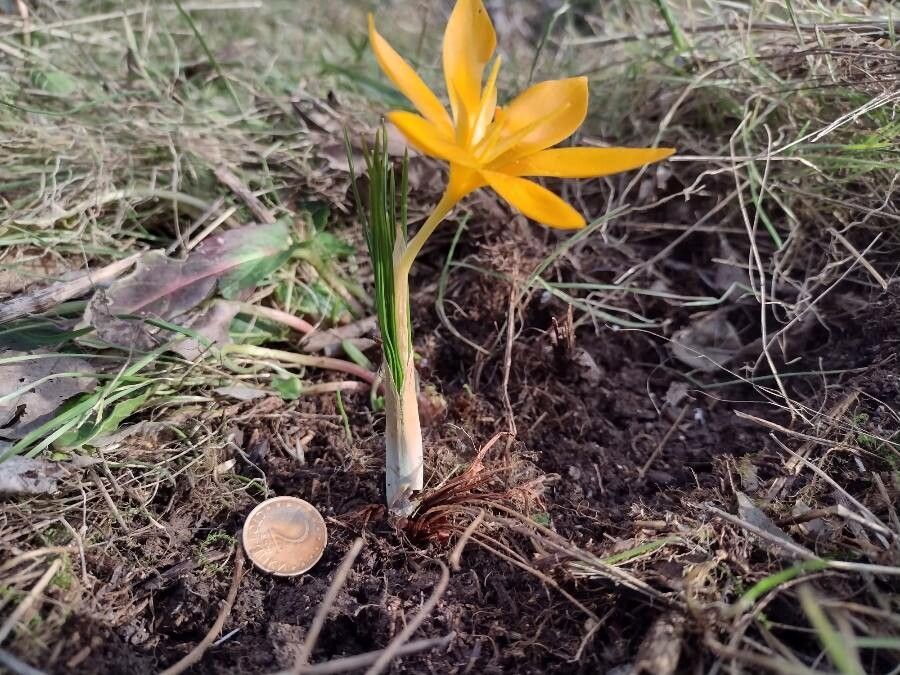
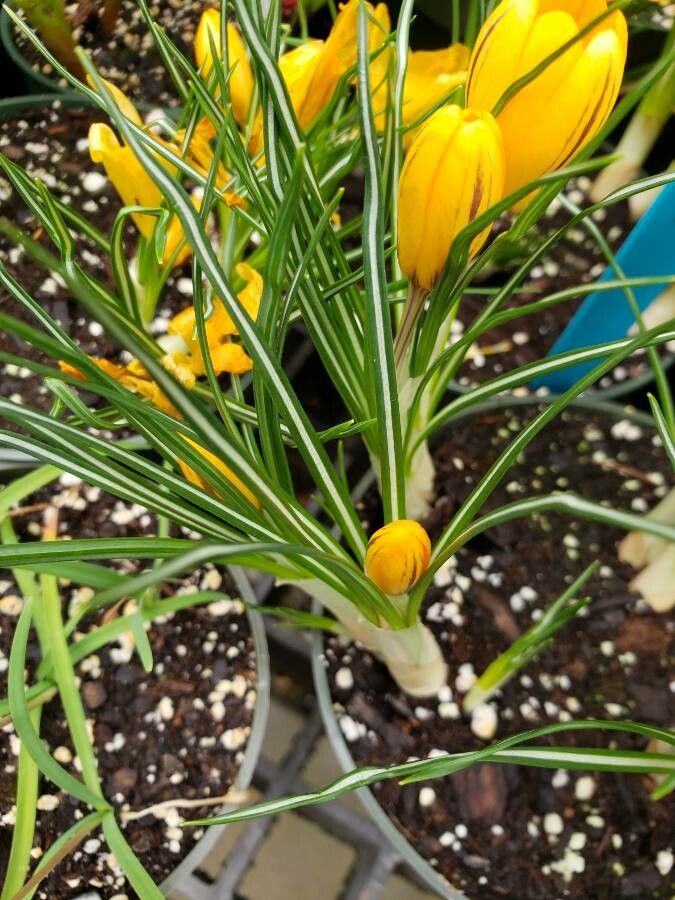
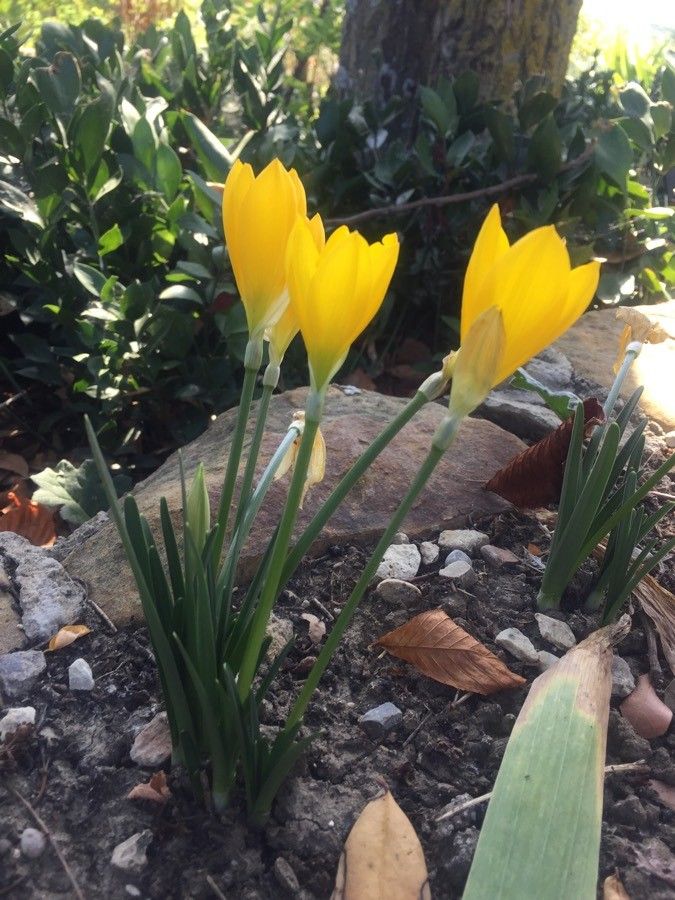
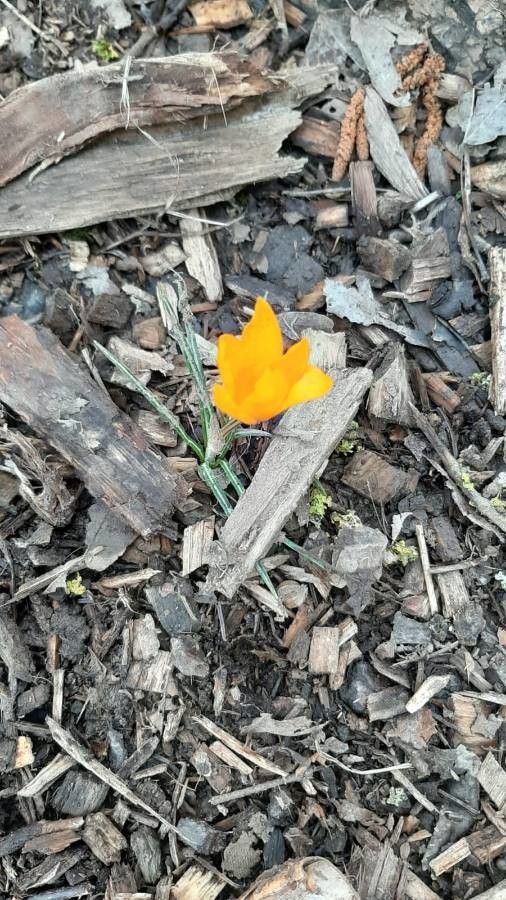
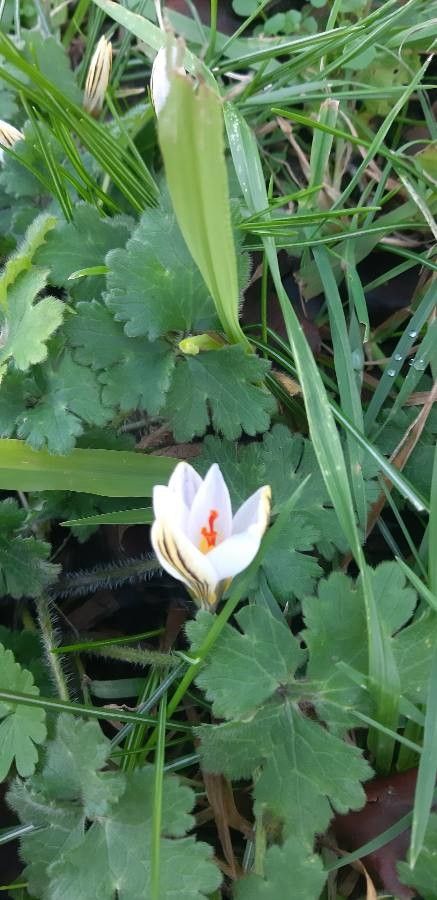
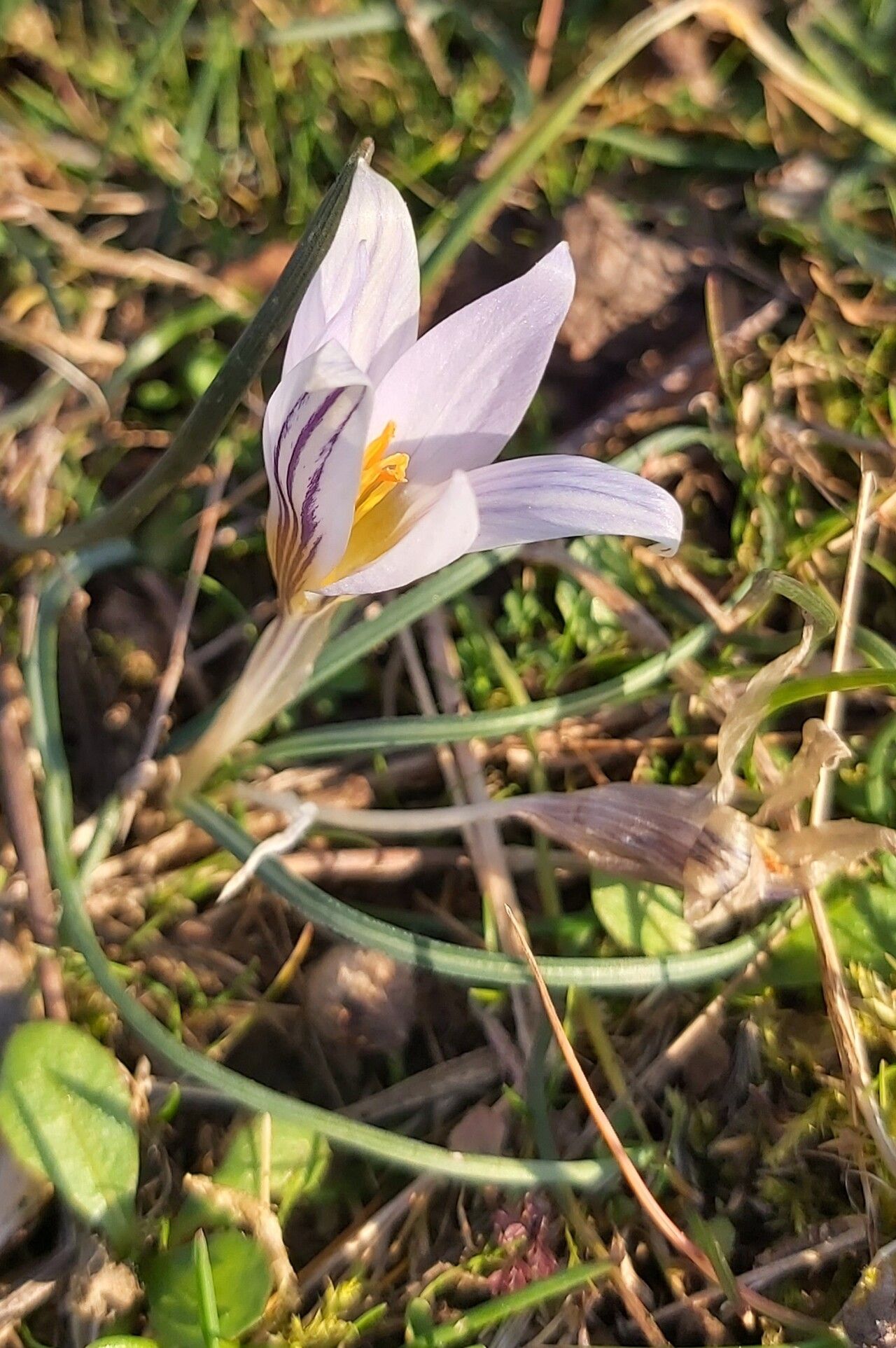
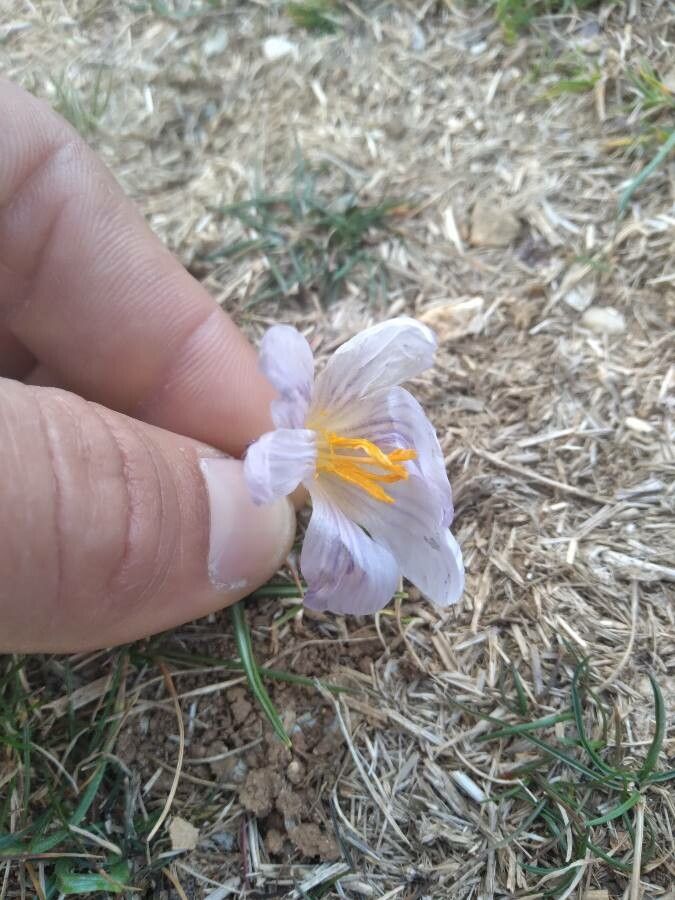
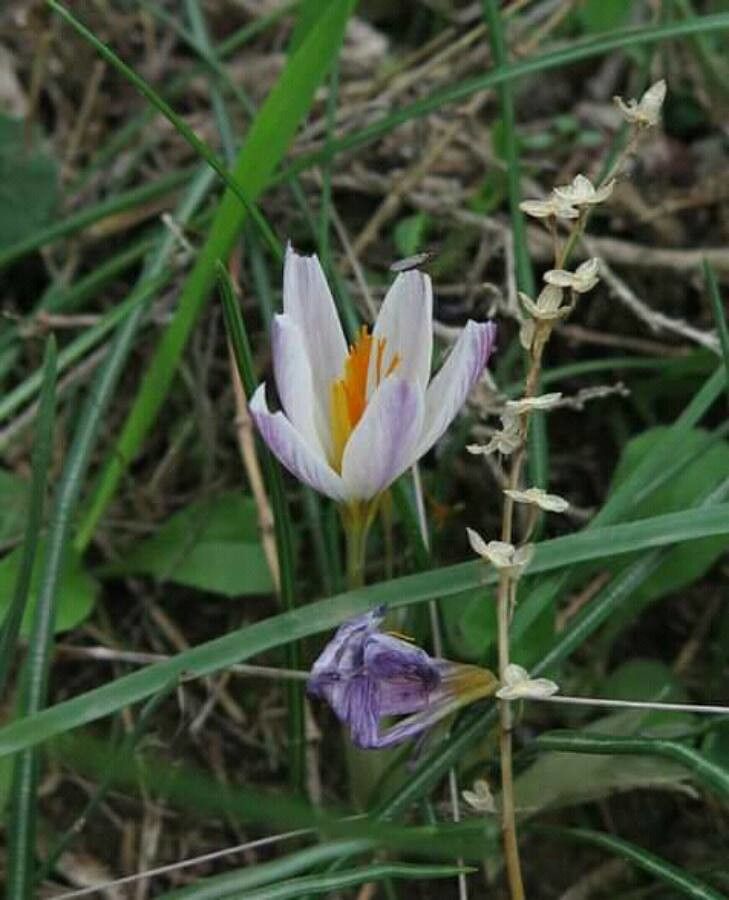
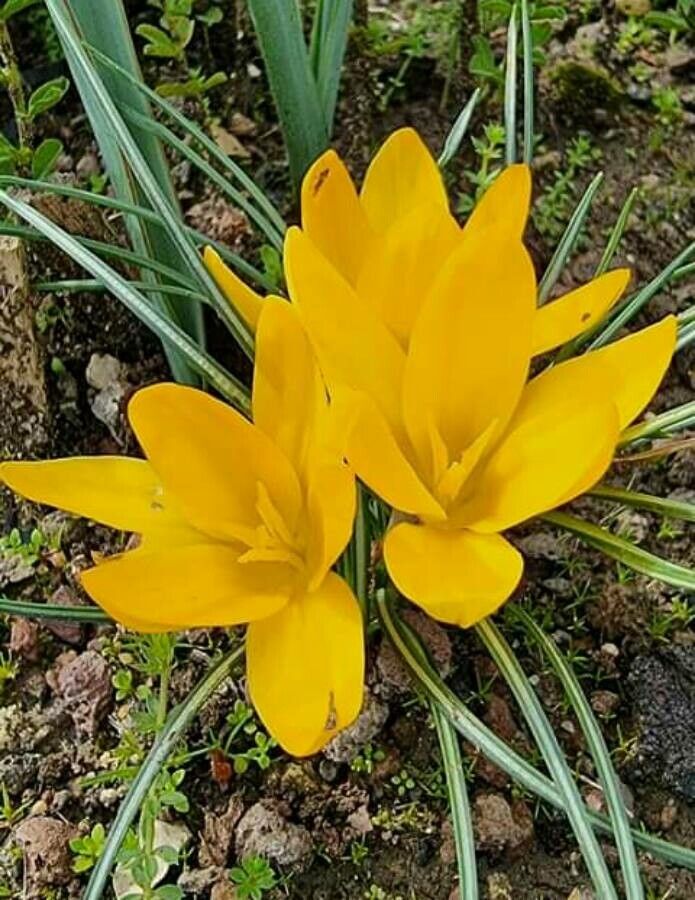
Crocus flavus, commonly known as the yellow crocus, is a perennial flowering plant in the Iridaceae family. Native to the Mediterranean region, it thrives in rocky and grassy areas. This plant produces small yellow flowers that bloom in early spring, even before its narrow leaves emerge.
The flowers of Crocus flavus are cup-shaped with six petals, presenting a bright orange-yellow color. They measure about 5 cm in diameter and emit a sweet fragrance that attracts bees and other pollinators. The plant’s leaves are slender and grass-like, growing up to 15 cm in length.
Crocus flavus is often cultivated as an ornamental plant due to its striking flowers, which bring color to gardens during the early spring when few other plants are in bloom. It can be easily grown from bulbs, which should be planted in well-drained soil during autumn.
Beyond its ornamental appeal, Crocus flavus has been valued for its medicinal properties since ancient times, particularly for its anti-inflammatory effects. Extracts from the plant have been used to alleviate various ailments, such as arthritis pain.
In summary, Crocus flavus is an attractive perennial with vibrant yellow blooms that enhance garden aesthetics, and its medicinal properties make it a worthy addition to any garden or landscape design.
Botanical profile.
- Plant Type
- Herb
- Life Cycle
- Perennial
- Genus
- Crocus
- Family
- Iridaceae
- Hardiness Zone
- 3-9
- Mature Height
- 10 cm
- Mature Spread
- 10 cm
- Leaf Color
- Green
- Leaf Type
- Deciduous
- Flower Color
- Gold, Orange
- Flower Size
- 5.08 cm to 6.35 cm
- Bloom Time
- Late winter, Early spring
- Planting Time
- Spring, Autumn
- Harvest Time
- Mid spring, Late spring
Other names.