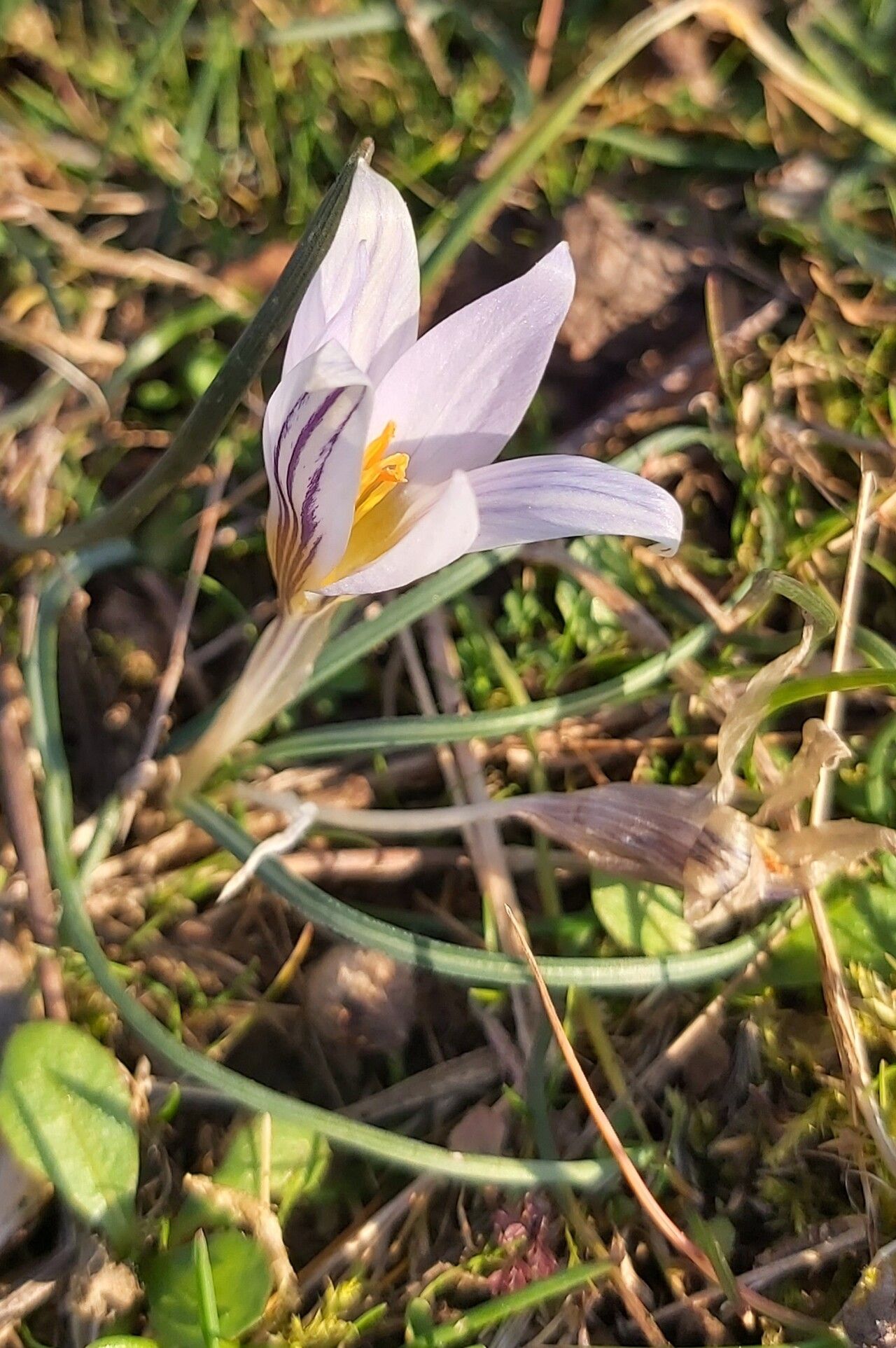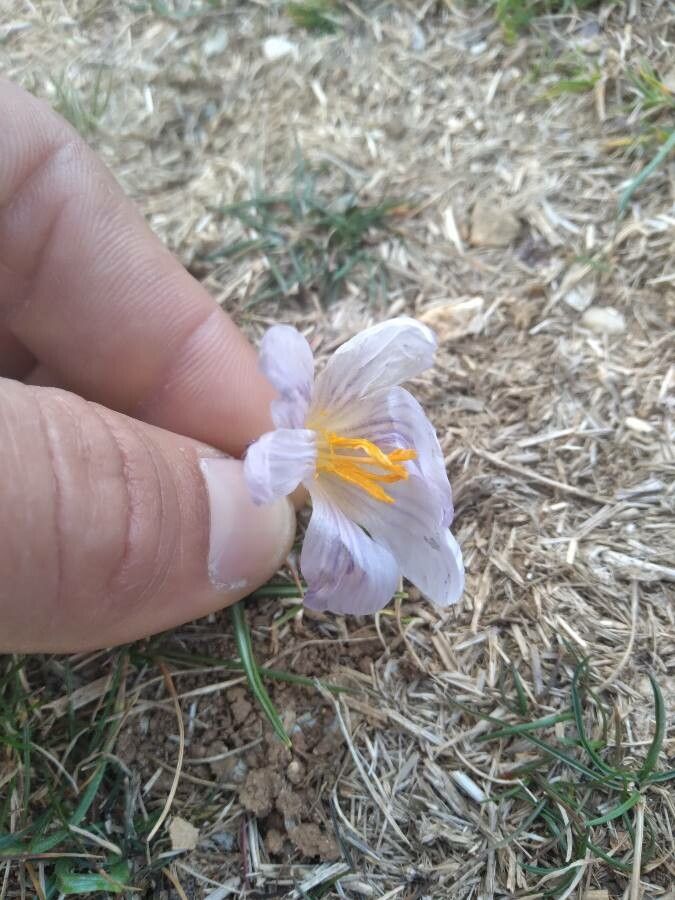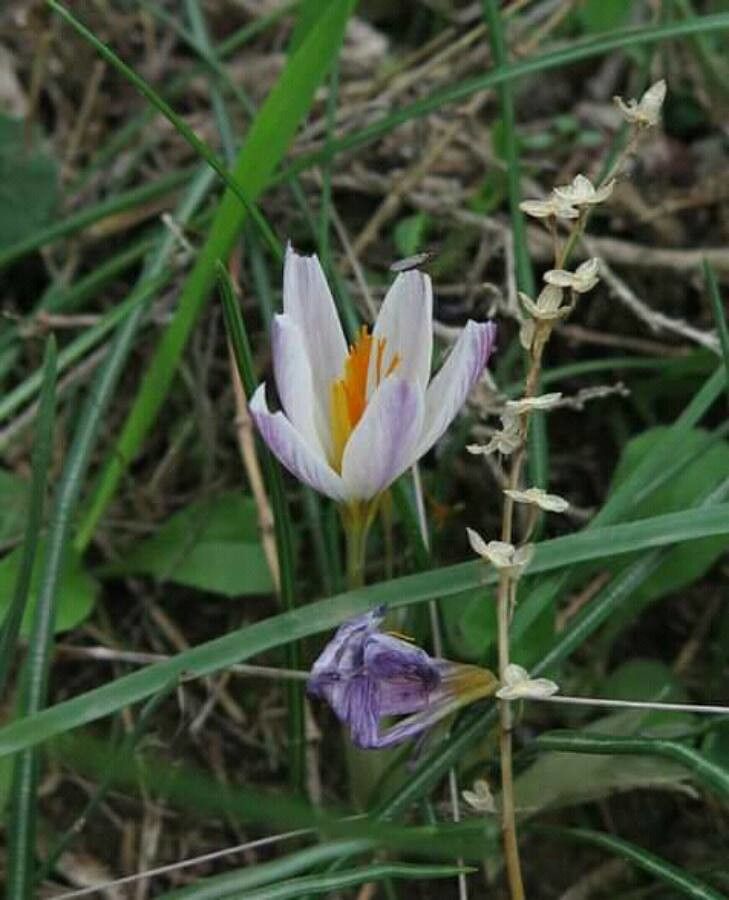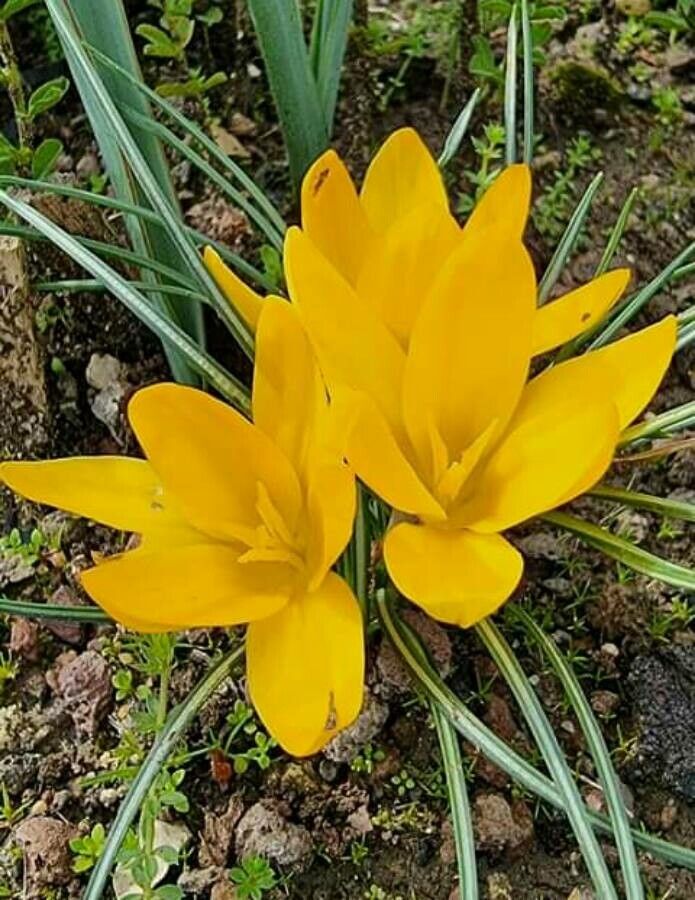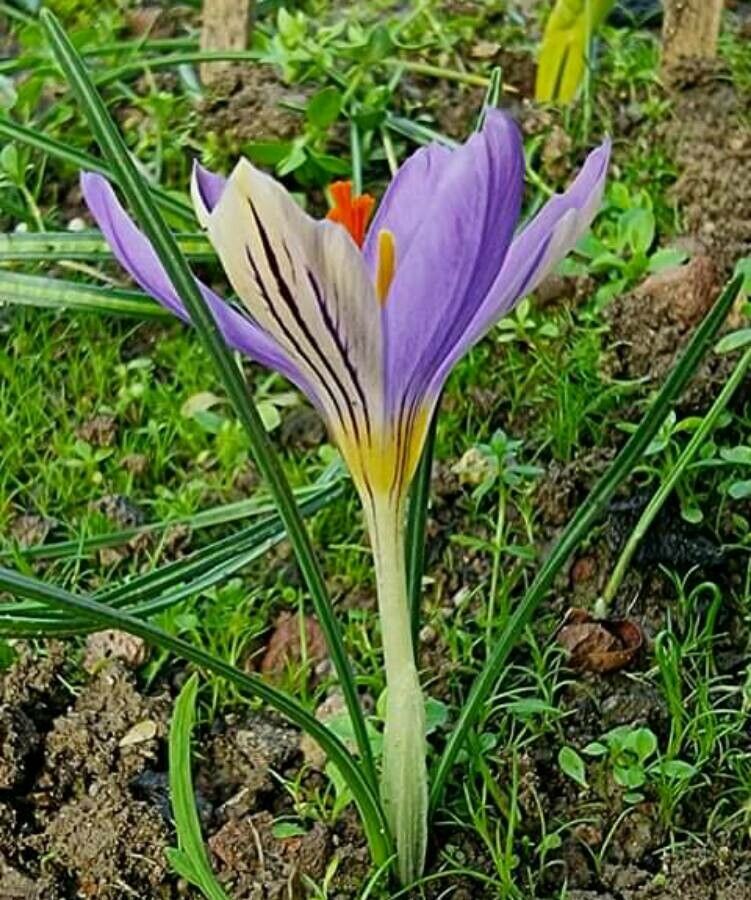
Crocus corsicus is a species of flowering plant in the genus Crocus of the family Iridaceae, endemic to the Mediterranean islands of Corsica and Sardinia.
The Corsican crocus is fairly disease-resistant and typically not vulnerable to illnesses. That said, it can be affected by pests and diseases present nearby. Such infections are generally mild. Regarding maintenance, this plant needs moderate care. Regular pruning is required to preserve its appearance and support healthy growth. Applying fertilizer can also encourage flowering. The Corsican crocus is well suited to people with outdoor areas like a garden or patio and does not demand extensive gardening experience. It may need additional attention if kept indoors.
How to keep Crocus Corsicus.
Light
The Corsican crocus is a herbaceous perennial that comes from open habitats and commonly prospers in meadows and grasslands. It prefers full sun but can also tolerate partial sun.
Water
To keep your Corsican crocus healthy, water it regularly in the spring and fall. If there's no snow in winter, you might need to water it then as well. During its summer dormancy, reduce the frequency of watering. When the crocus is actively growing, aim to water it once a week, using about 12 mm (0.5 inches) of water each time. In the fall, make sure the planting beds stay moist to prevent rot and mold.
Fertilizer
Generally, one spring application of fertilizer is enough for Corsican crocus, though several feedings can enhance growth. Apply fertilizer every month to a month and a half. Fertilizing improves the leaves’ appearance and function, maintaining even color and healthy texture. It also promotes root development and nutrient uptake for the plant’s long-term health.
Pruning
The Corsican crocus showcases vibrant blooms in early spring. To promote healthy growth, prune the spent flowers and remove dead foliage from early to late spring. Be careful not to cut healthy leaves too soon, and always use clean, sharp tools to prevent damage. This practice ensures robust flowering and reduces the risk of disease.
Pot & Repot
Repot Corsican crocus in early spring. Choose a pot that is wider than it is deep and provides good drainage. Use a loamy, well-draining potting mix enriched with compost. Gently remove old soil from the bulb and plant it to a depth equal to the bulb's height. Water thoroughly after repotting, then place the pot in a sunny spot. Avoid overwatering to prevent the bulb from rotting.
Botanical profile.
- Plant Type
- Herb
- Life Cycle
- Perennial
- Genus
- Crocus
- Family
- Iridaceae
- Hardiness Zone
- 6-9
- Mature Height
- 10 cm to 15 cm
- Mature Spread
- 5 cm to 10 cm
- Leaf Color
- Dark Green
- Leaf Type
- Deciduous
- Flower Color
- Purple, Lavender
- Flower Size
- 3.05 cm to 5.08 cm
- Bloom Time
- Late winter, Early spring
- Planting Time
- Spring, Summer, Autumn
- Harvest Time
- Mid spring, Late spring
- Native Area
- France