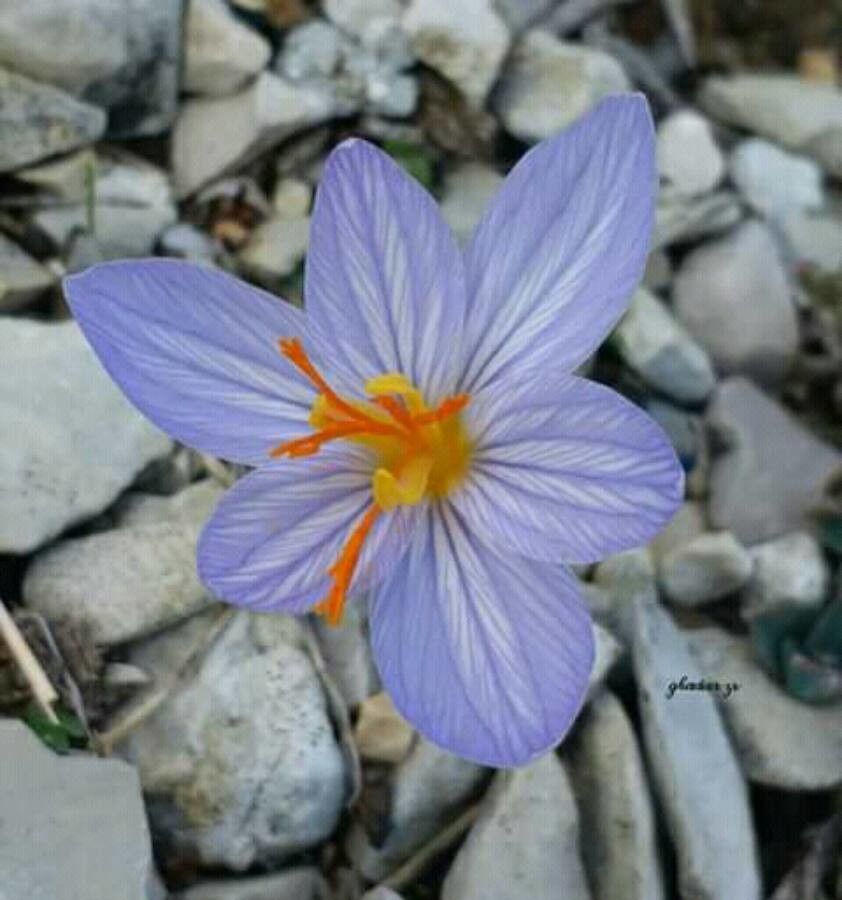
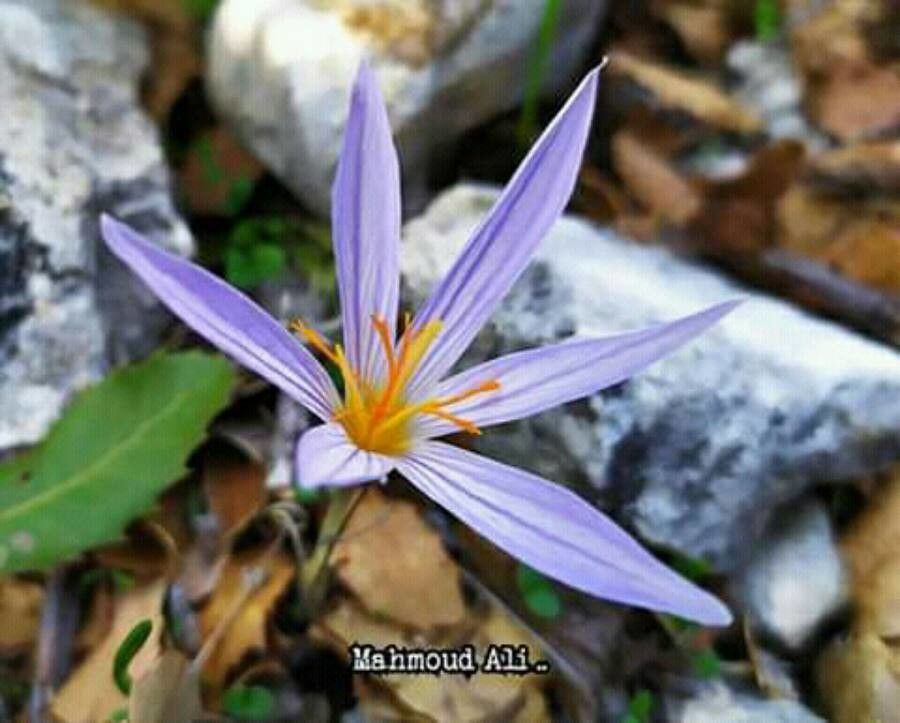
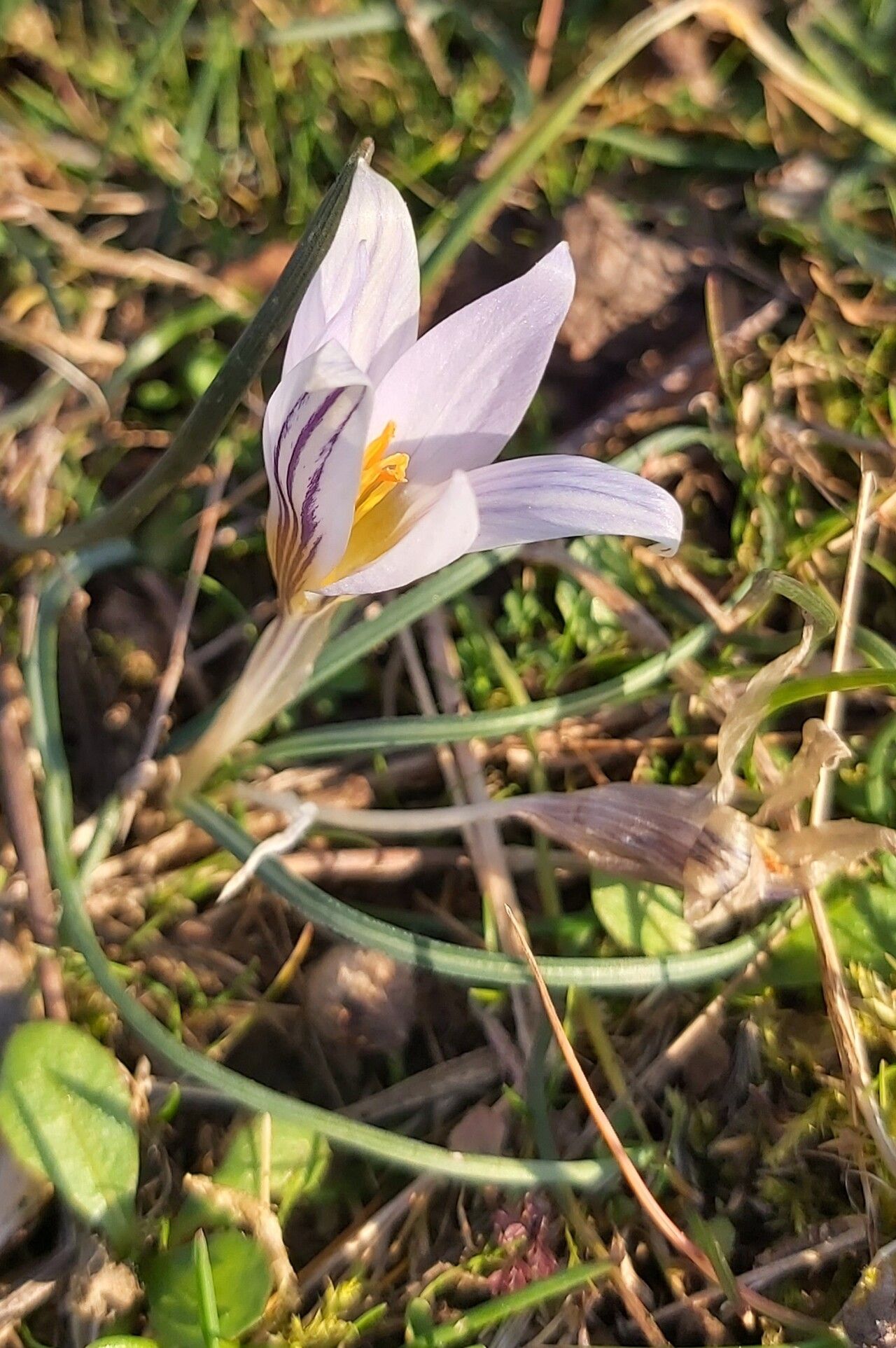
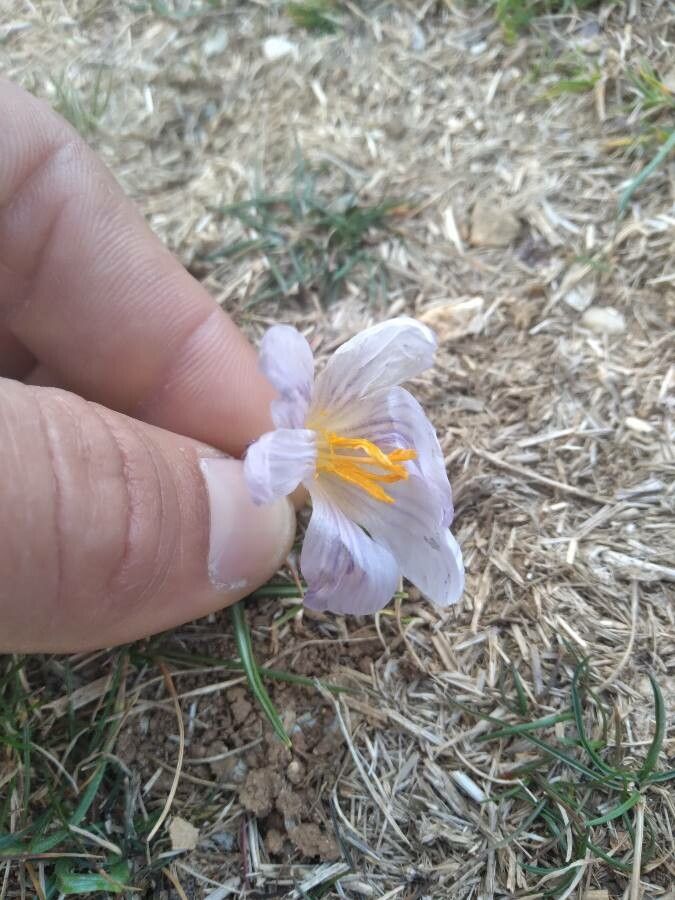
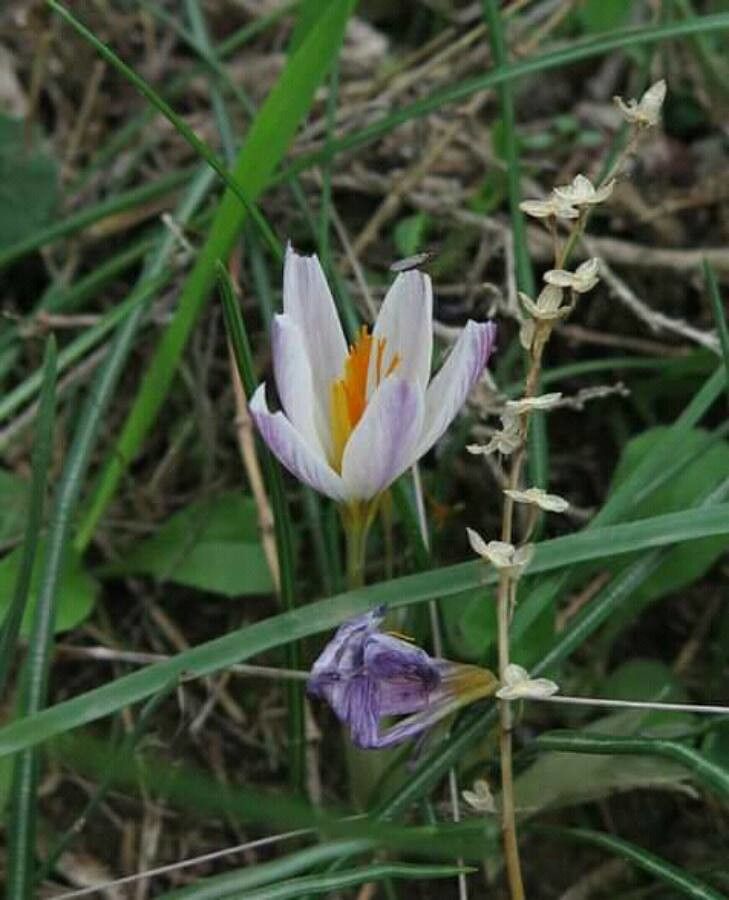
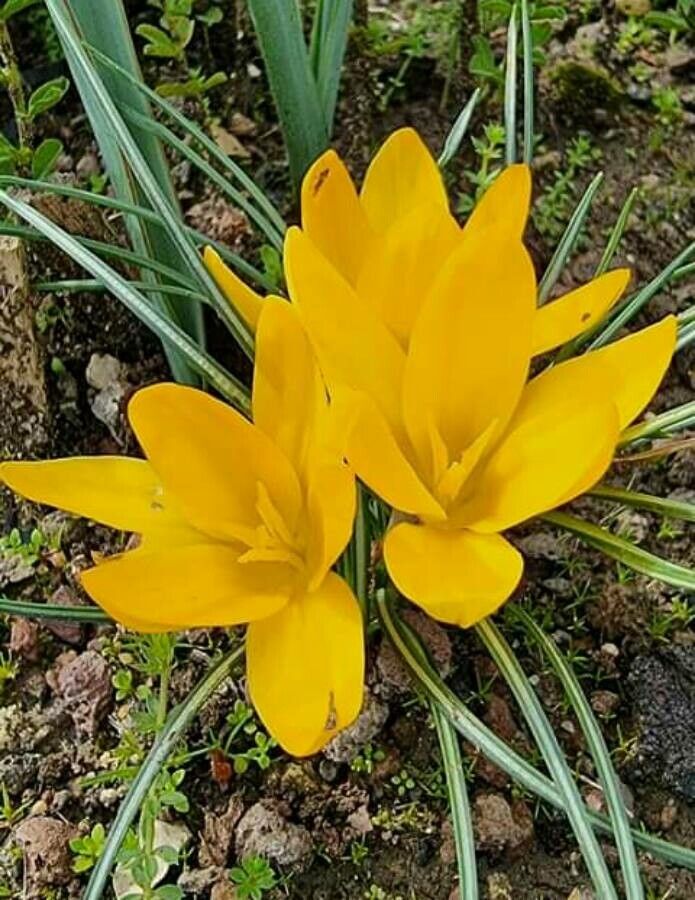
Crocus cancellatus is a species of flowering plant in the genus Crocus of the family Iridaceae, found from the Balkan Peninsula to Iran. Crocus cancellatus is a corm growing to 0.1 m (0 ft 4in) by 0.1 m (0 ft 4in). It is hardy to zone (UK) 5 and is not frost tender. It is in flower from September to November, and the seeds ripen from March to May.
How to keep Crocus Cancellatus.
Water
Water Crocus cancellatus regularly in the spring and fall, and occasionally during the winter if there is no snow. Reduce watering during its summer dormancy. Make sure the soil remains moist, especially after planting. During the growing season, provide approximately 12 mm (0.5 inches) of water per week to prevent rot and mold.
Pruning
Crocus cancellatus is known for its vibrant blooms and delicate structure. To promote growth and remove damaged foliage, it's best to prune in early spring. Use sharp scissors to avoid infection and be careful not to over-prune, as this can hinder blooming. Proper and timely pruning helps maintain the plant's shape and vigor, resulting in a healthier and more attractive display.
Botanical profile.
Reader questions.
What are the sunlight requirements for Crocus cancellatus?
Crocus cancellatus requires specific conditions based on sunlight exposure. For the plant to thrive, it necessitates full sun, which means it should receive above 6 hours of sunlight daily. Alternatively, it can grow under partial sun conditions, requiring about 3-6 hours of sunlight. It's important to observe how sunlight moves through your garden over the day. Identifying spots that provide a perfect balance of light and shade will ensure the optimal growth and happiness of your Crocus cancellatus.
What should I watch out for when planting Crocus cancellatus in terms of sunlight?
When planting Crocus cancellatus, you should carefully observe the patterns of sunlight in your garden. The plant's health and growth depend significantly on the right balance of light and shade. Ensuring that your Crocus cancellatus is positioned in a spot that meets its sunlight needs, whether it's full sun (above 6 hours of sunlight) or partial sun (about 3-6 hours of sunlight), is crucial for its wellbeing. Watching how sunlight gracefully moves through your garden allows you to choose the best spots for your plants.