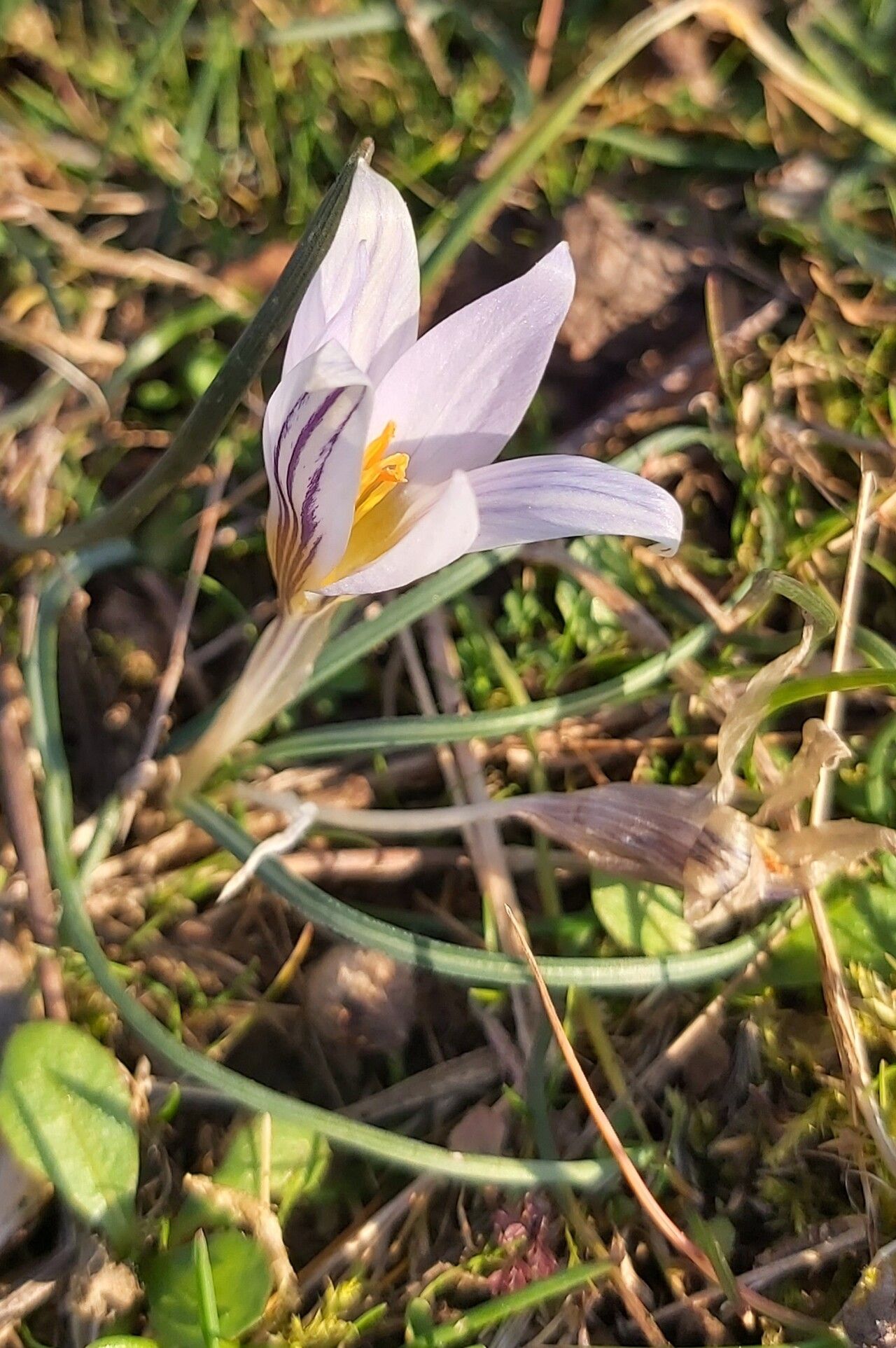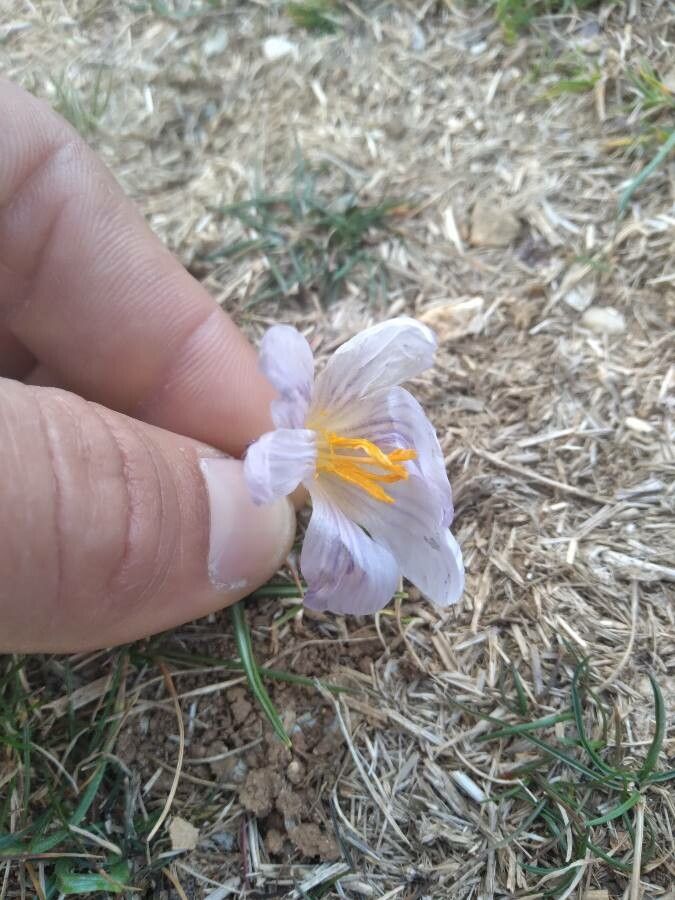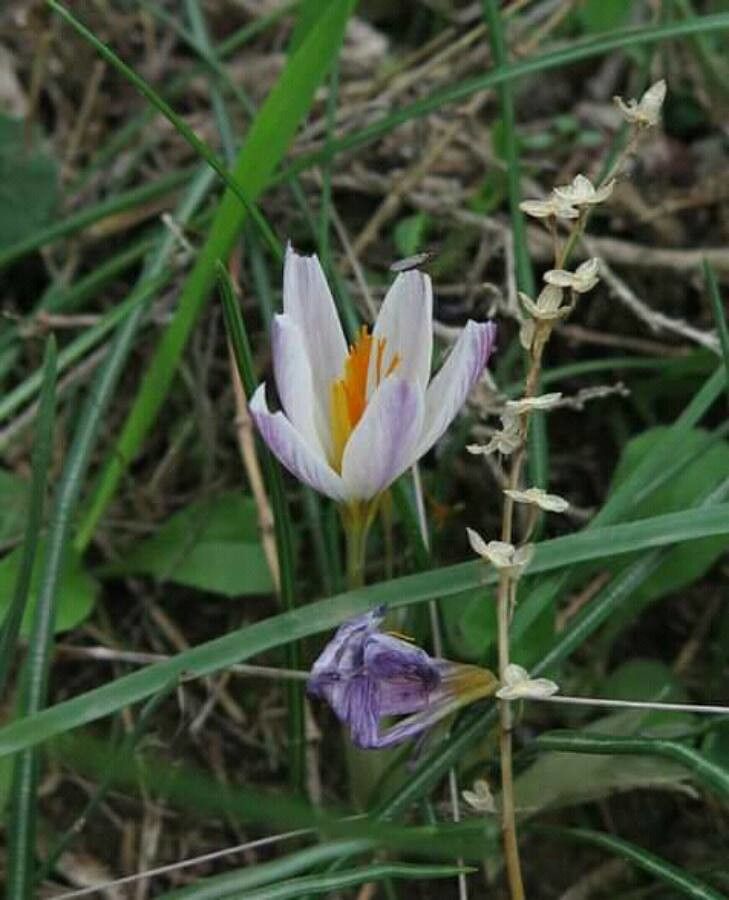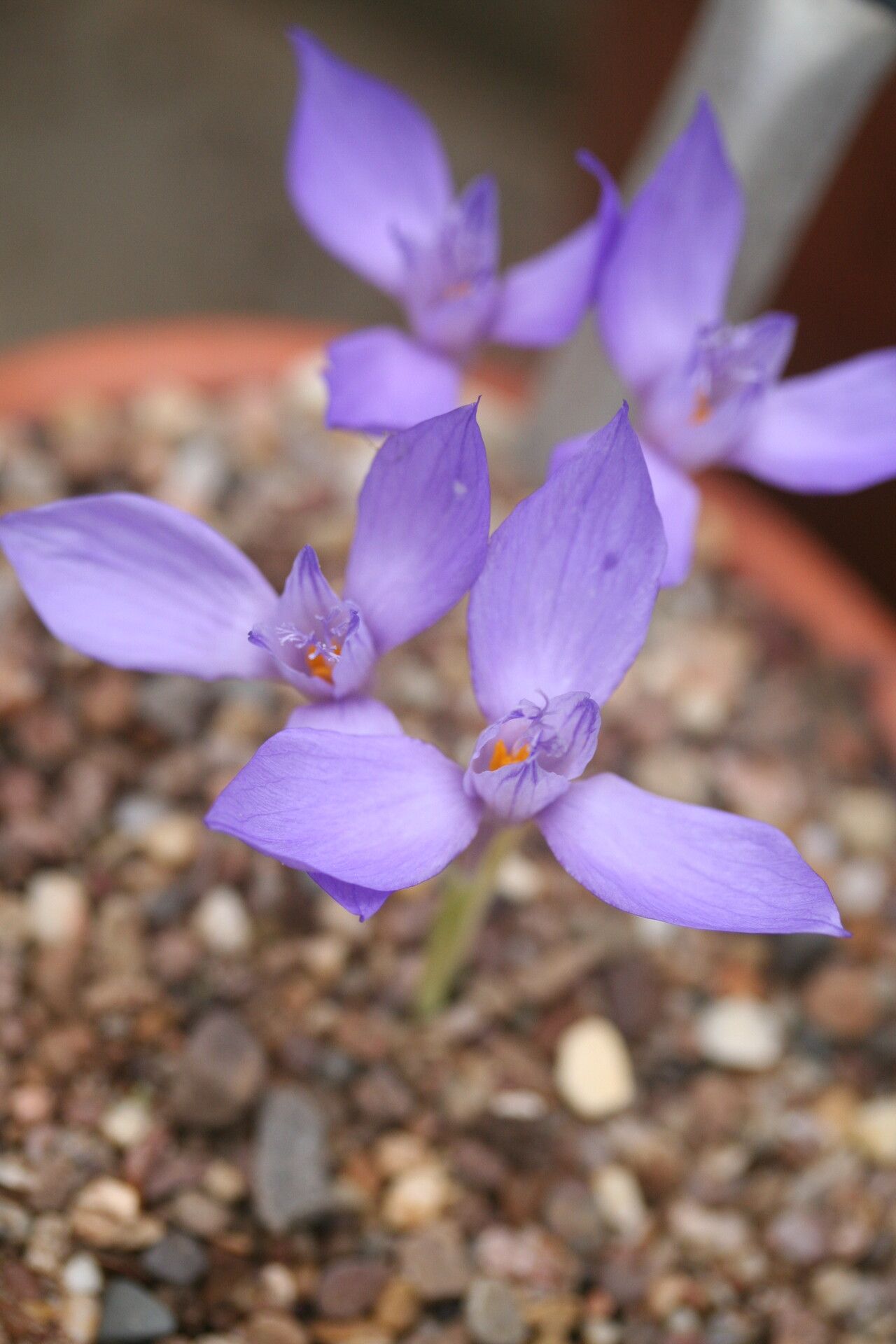
Crocus banaticus, is a species of flowering plant in the family Iridaceae. It is native to the Balkans, particularly in Serbia, Romania and south western Ukraine. It creates its own subgenus in the Crocus subfamily known as Crociris. It is a cormous perennial growing to 10 cm (4 in).
Byzantine crocus has strong resistance to diseases and is typically not vulnerable to them. Still, it can be affected by pests and illnesses found in its environment. Such infections are generally mild. Regarding care, this plant needs a moderate level of maintenance. It should be pruned regularly to preserve a neat appearance and healthy growth. Applying fertilizer can also encourage blooming. Byzantine crocus is appropriate for anyone with outdoor areas like a garden or patio and does not demand extensive plant-care experience. It may need more attention if cultivated indoors.
How to keep Crocus Banaticus.
Light
The Byzantine crocus is native to habitats like forest understories and rocky areas, where it grows in natural shade. It prefers partial sun but can tolerate full sun or full shade, showing its hardy and versatile nature.
Water
In spring and fall, water Byzantine crocus regularly to maintain moist conditions as the corms develop. If there is no snow in winter, make sure to water them then as well. During their summer dormancy, minimal watering is required to prevent over-watering, which can cause rot. Aim to provide about 12 mm of water each week during their active growth period.
Temperature
Byzantine crocus can tolerate a wide range of temperatures, yet its distribution may still be restricted by certain combinations of moisture and heat. It performs best in warm summer climates with sufficient rainfall or watering. Extended periods of cloudy, rainy weather, as well as prolonged high temperatures, can raise the chance of Byzantine crocus dying. In winter, appropriate protection from cold can enhance the plant's survival rate.
Fertilizer
The primary time to fertilize Byzantine crocus is in early spring when the flowers are beginning to form. Using the appropriate fertilizer promotes stronger blooms and helps the Byzantine crocus produce attractive flowers. Fertilizing at that time ensures excellent flowering during the season and supplies energy for the plant's dormant growth phases.
Pruning
The Byzantine crocus is known for its vibrant foliage and delicate flowers. To keep it healthy and thriving, it is important to prune the plant in early spring. This helps remove dead material, improves air circulation, and encourages new growth. Always use clean tools to prevent the spread of disease, and make sure to time your pruning to align with the crocus's growth cycle for optimal blooming and vitality.
Botanical profile.
- Plant Type
- Herb
- Life Cycle
- Perennial
- Genus
- Crocus
- Family
- Iridaceae
- Hardiness Zone
- 4-8
- Mature Height
- 10 cm
- Mature Spread
- 10 cm
- Leaf Color
- Green
- Leaf Type
- Deciduous
- Flower Color
- Lavender, Purple
- Flower Size
- 4.06 cm to 6.35 cm
- Bloom Time
- Late summer, Early fall, Mid fall
- Planting Time
- Spring, Summer, Autumn
- Harvest Time
- Late fall, Early winter
- Native Area
- Serbia, Ukraine, Romania