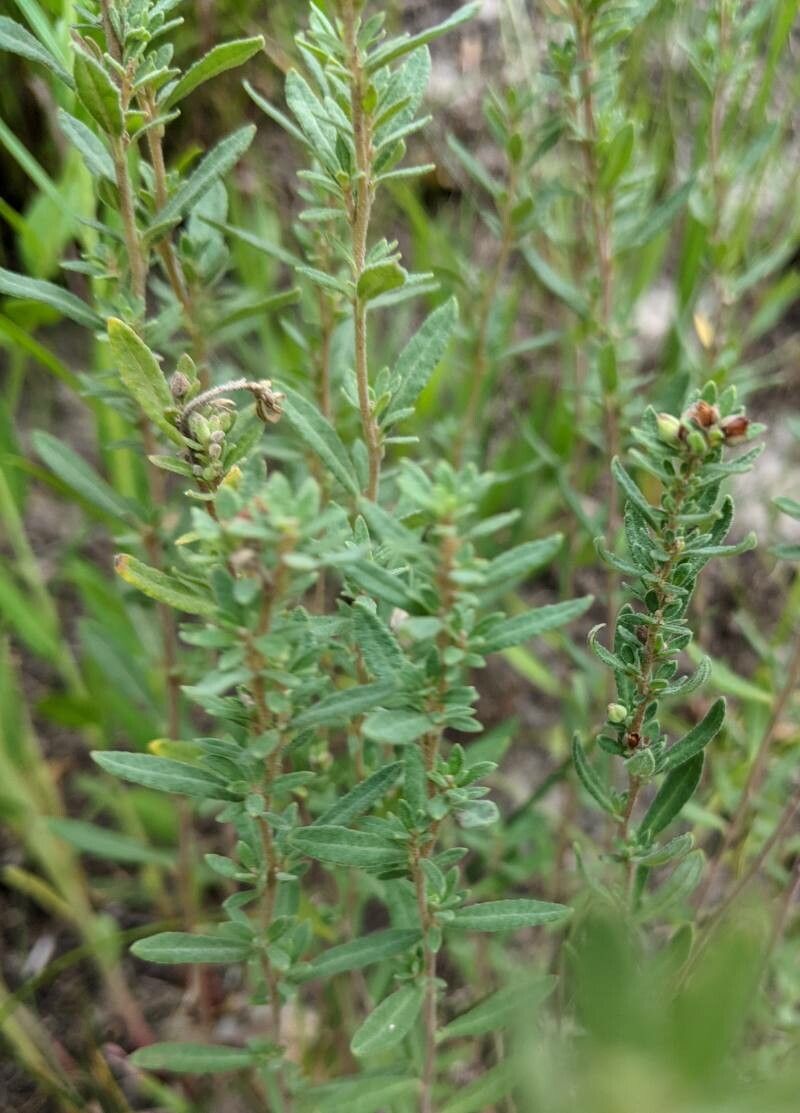
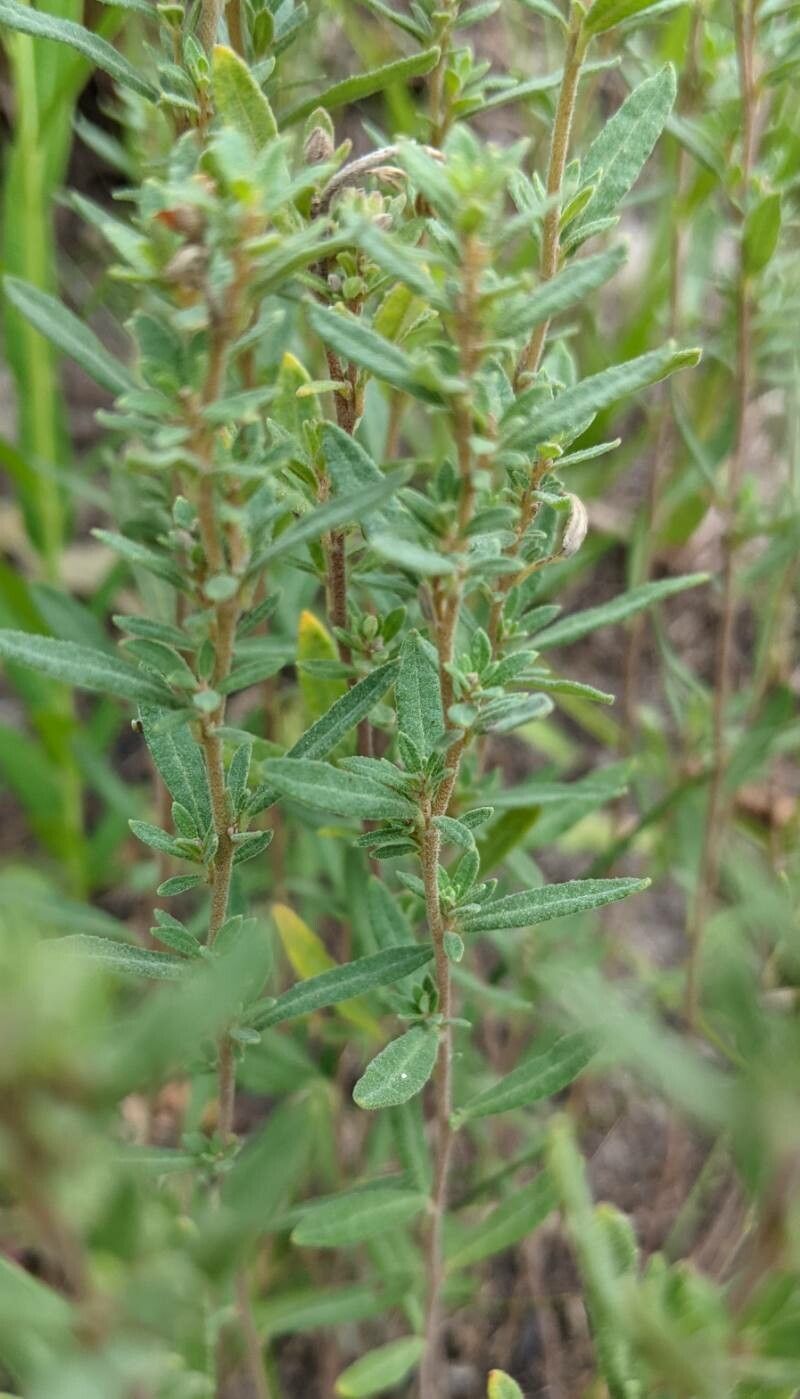
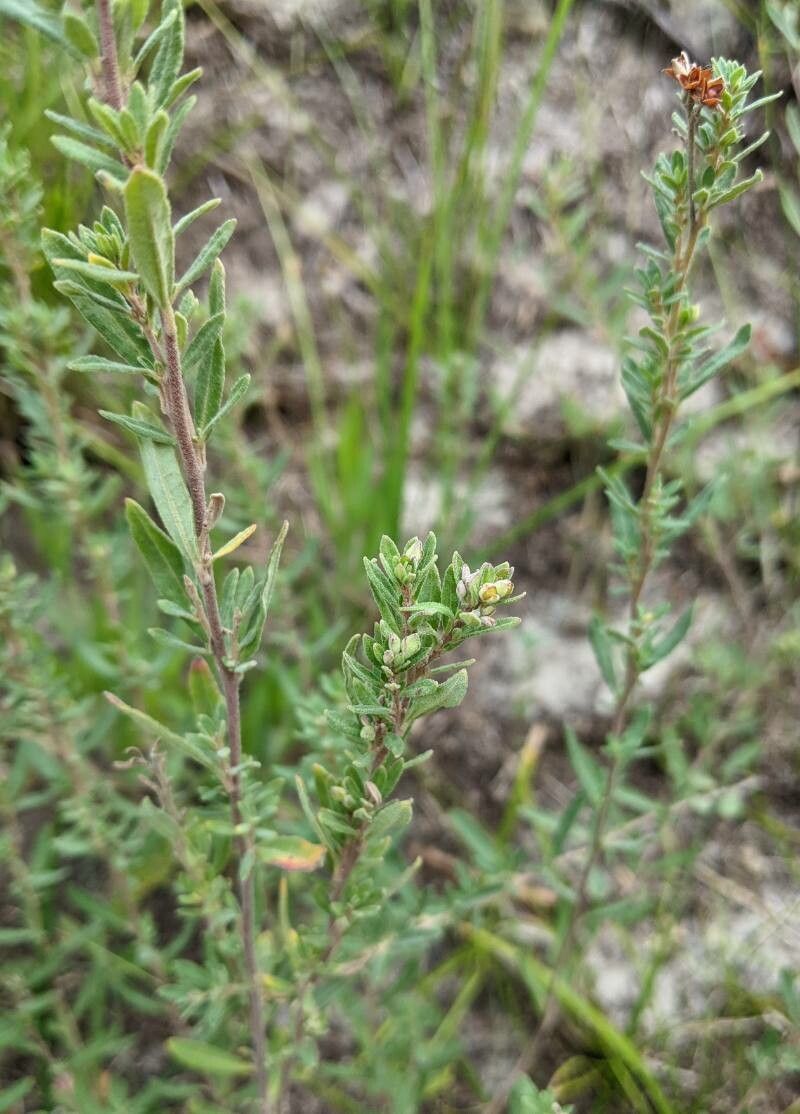
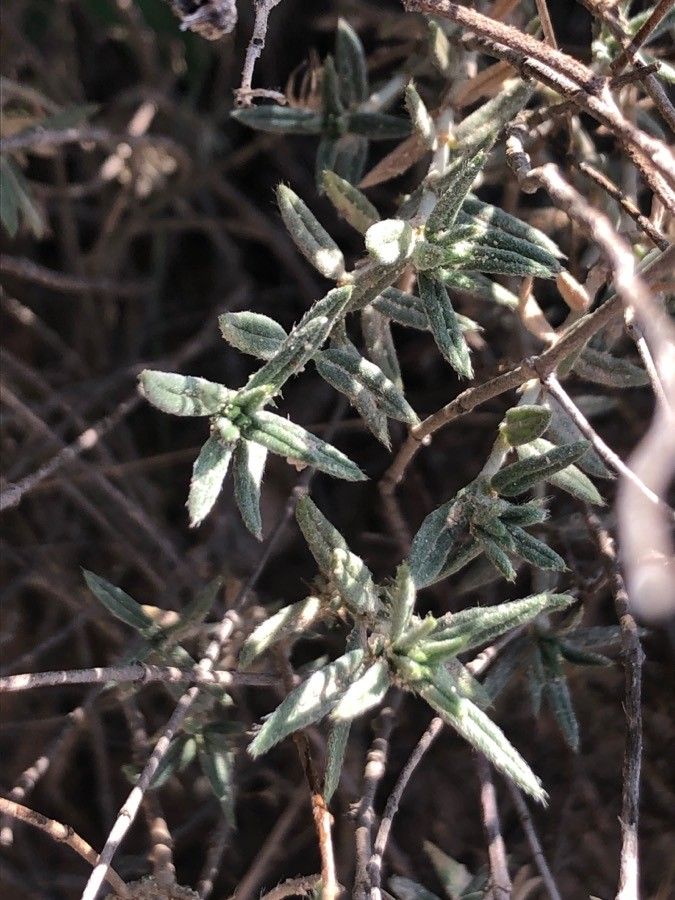
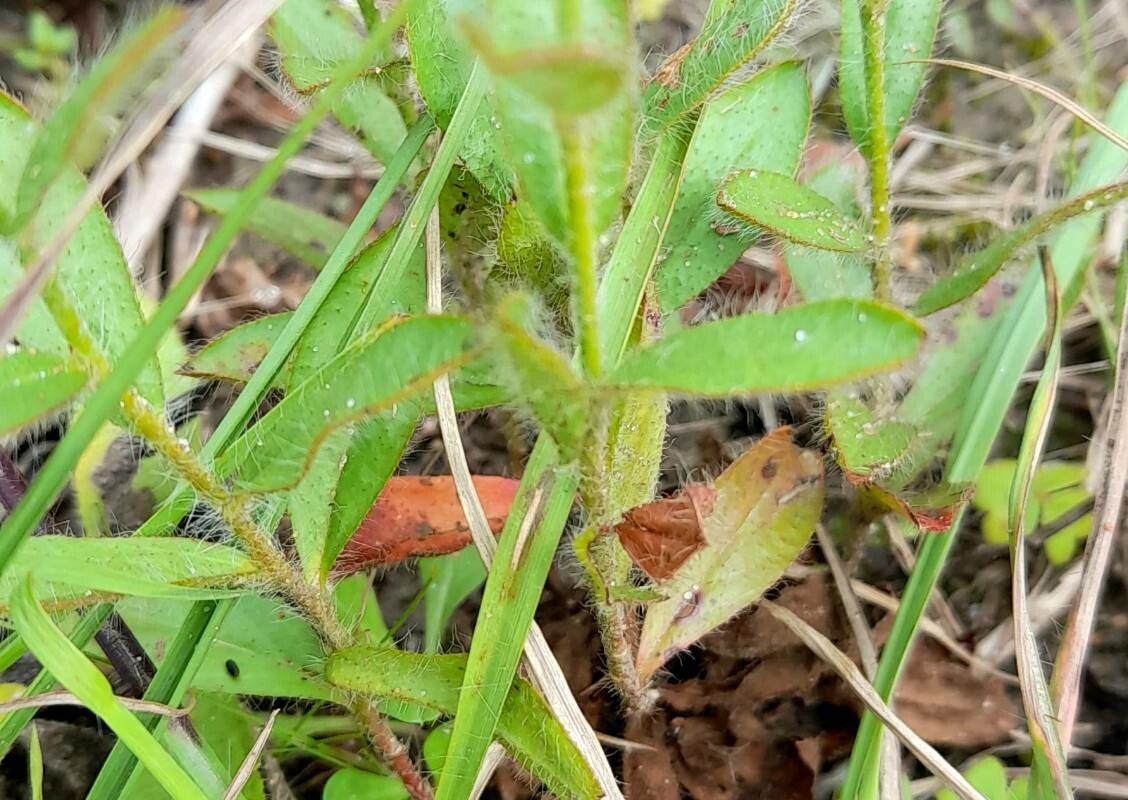
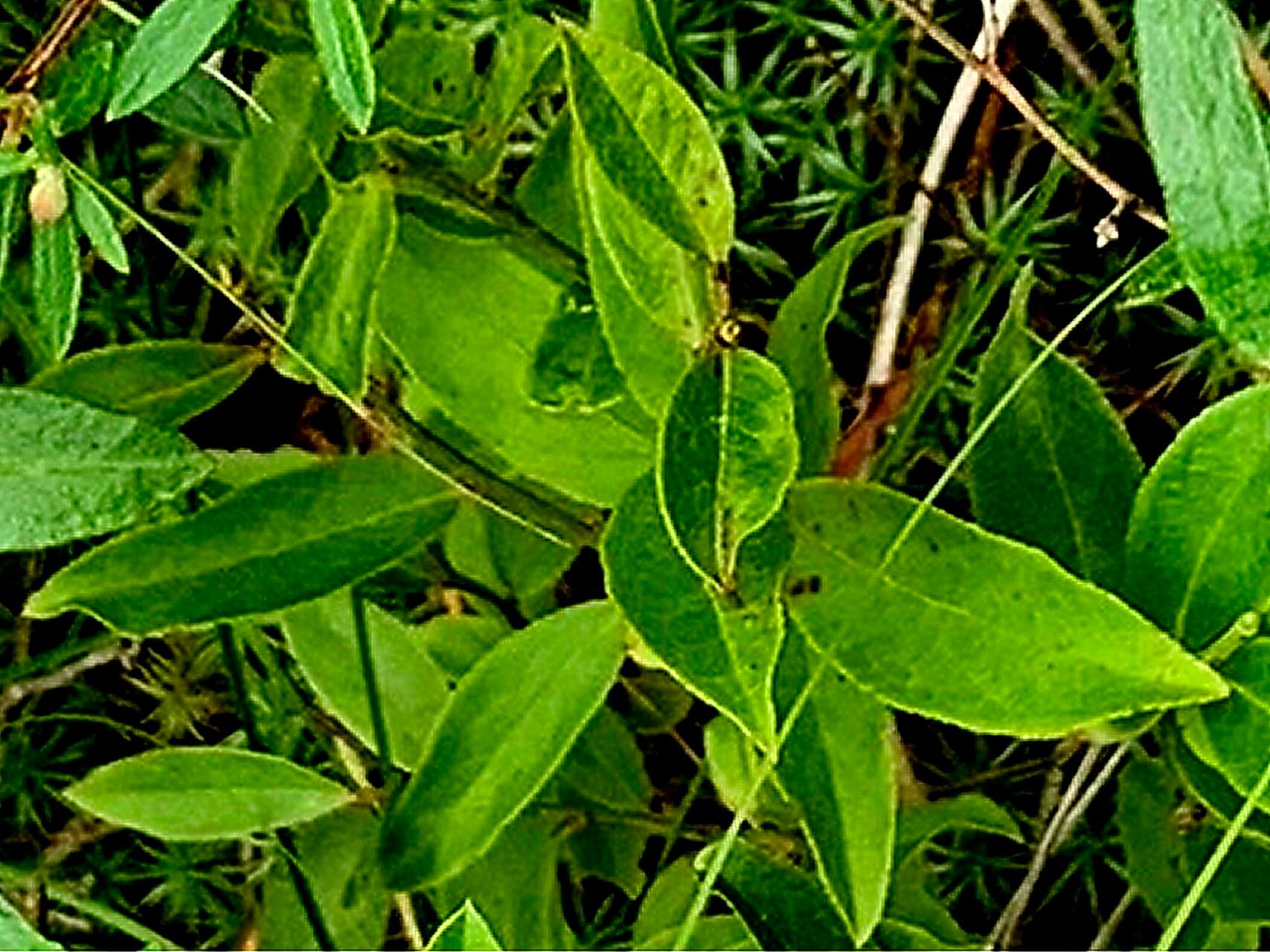
Plains frostweed has good resistance to disease and is generally not prone to illnesses. However, it can still be affected by pests and diseases present in its surroundings. These infections are typically not severe. In terms of care, this plant needs moderate maintenance. Regular pruning is required to maintain a pleasing appearance and healthy growth. Fertilizing can also help encourage flowering. Plains frostweed is appropriate for anyone with outdoor space, such as a garden or patio, and does not demand much care experience. It may need more attention when grown indoors.
How to keep Crocanthemum Bicknellii.
Light
Plains frostweed is a perennial herbaceous plant that prefers sunny conditions and is native to open habitats, commonly flourishing in meadows and grasslands. It favors full sun but can also tolerate partial sun.
Water
Plains frostweed is well-suited to dry environments, as it is drought-tolerant and only needs to be watered once a week. This plant thrives in full sunlight and well-draining soil, making it ideal for outdoor cultivation. Its growth cycle reaches its peak during seasons with sufficient rainfall, but it is well-adapted to thrive with minimal water.
Temperature
Plains frostweed can adjust to a wide range of temperatures, but its range may still be constrained by different combinations of water and heat. It grows best in warm summer climates with adequate rainfall or watering. Extended stretches of cloudy, rainy weather or prolonged high temperatures increase the chance that Plains frostweed will die. In winter, providing proper protection from cold can raise the plant’s survival rate.
Fertilizer
One fertilizer application in spring is generally adequate for Plains frostweed, though several feedings can maximize growth. Feed once every month to a month and a half. Fertilization improves the leaves' appearance and function, encouraging consistent color and a healthy texture. It also promotes root development and nutrient uptake, supporting long-term plant health.
Pruning
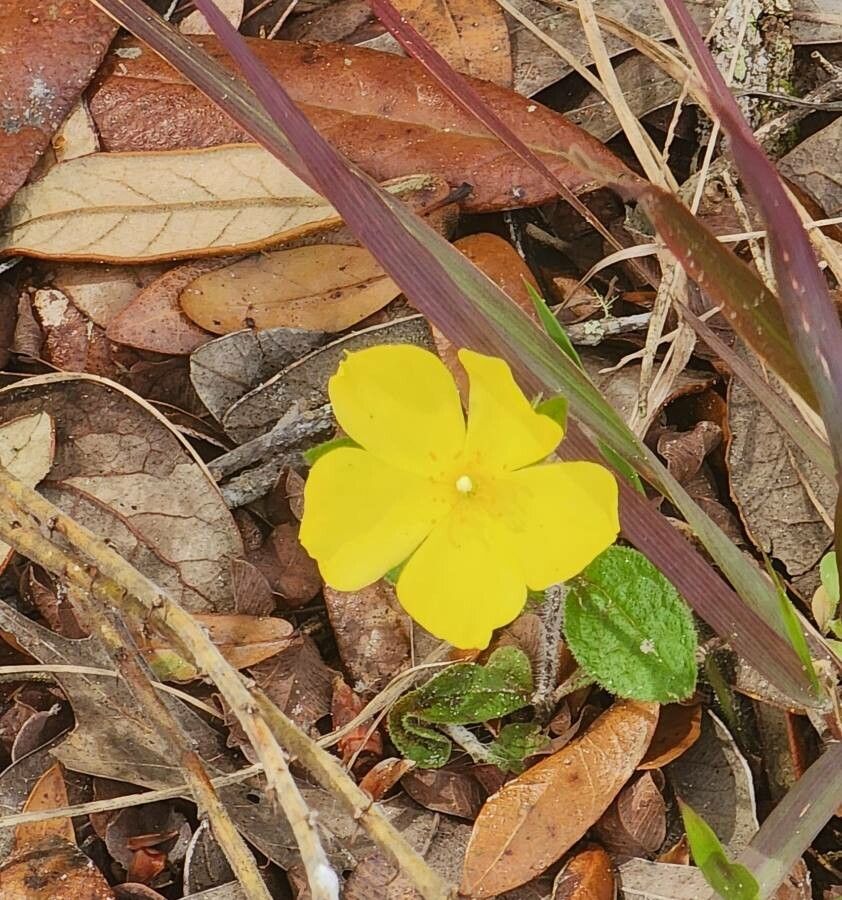
Plains frostweed, famous for its resilience and bright yellow flowers, flourishes when pruned from early to late spring. Pruning during this time encourages healthier foliage and more vigorous blooming. To prune effectively, remove dead stems and improve air circulation, while preserving the plant's natural shape to encourage new growth.
Botanical profile.
- Plant Type
- Herb, Shrub
- Life Cycle
- Perennial
- Genus
- Crocanthemum
- Family
- Cistaceae
- Hardiness Zone
- 5-9
- Mature Height
- 20 cm to 61 cm
- Mature Spread
- 15 cm to 25 cm
- Leaf Color
- Green, Dark Green
- Leaf Type
- Evergreen
- Flower Color
- Yellow
- Flower Size
- 1.52 cm to 2.03 cm
- Bloom Time
- Late spring, Early summer
- Planting Time
- Spring, Summer
- Harvest Time
- Mid summer, Late summer
Other names.