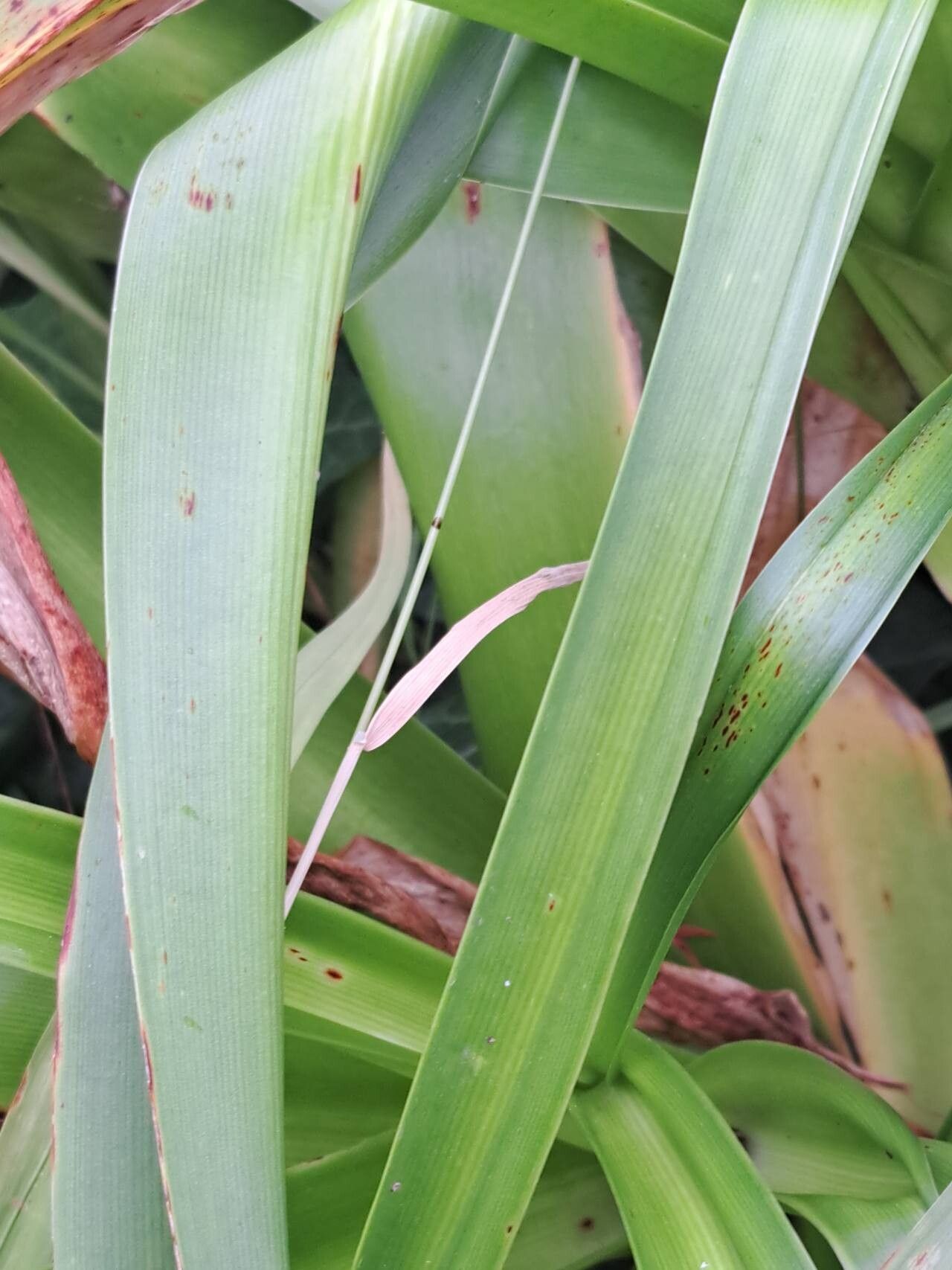
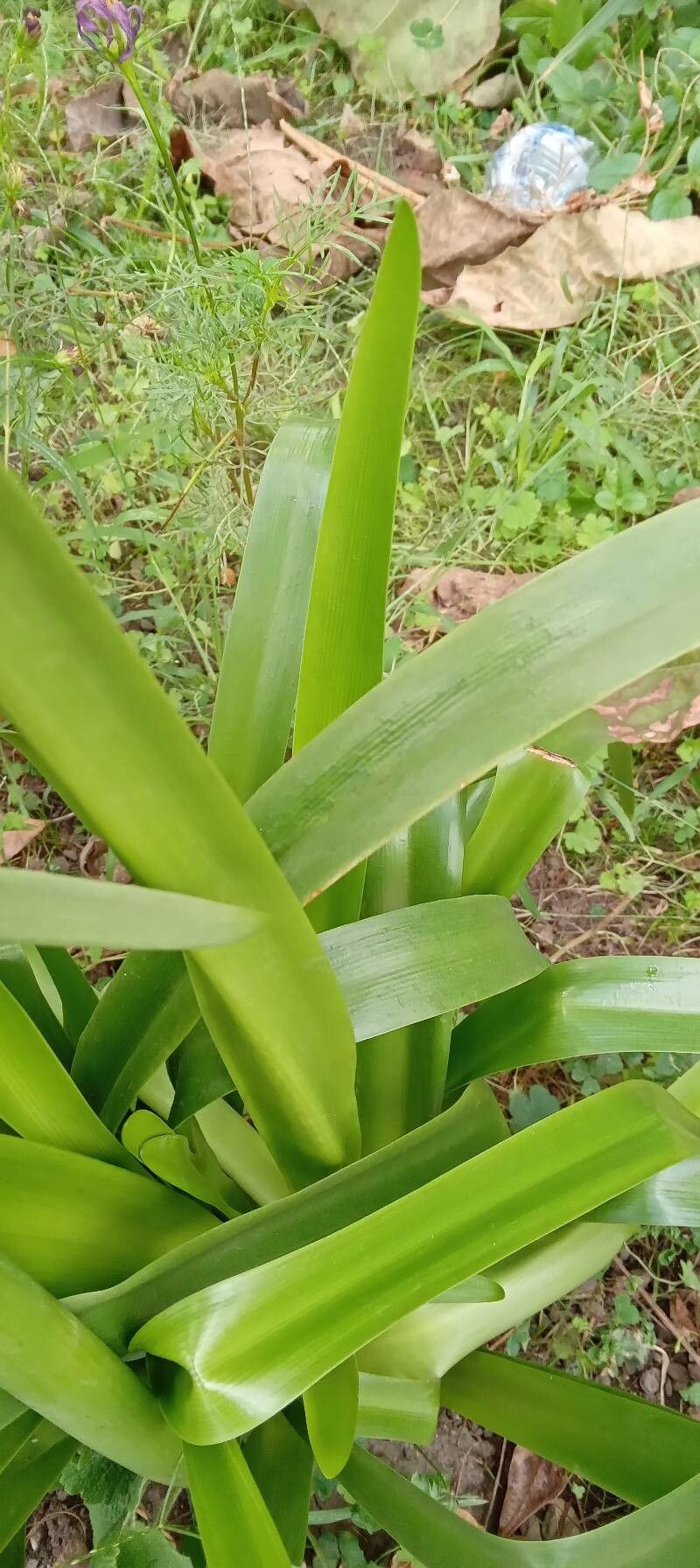
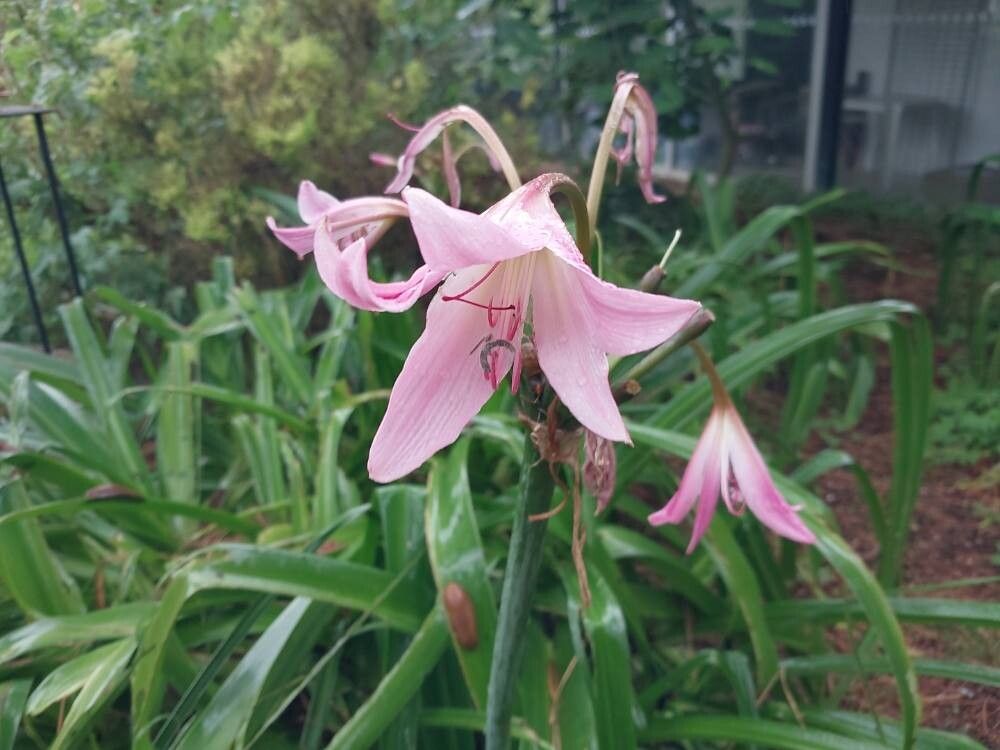
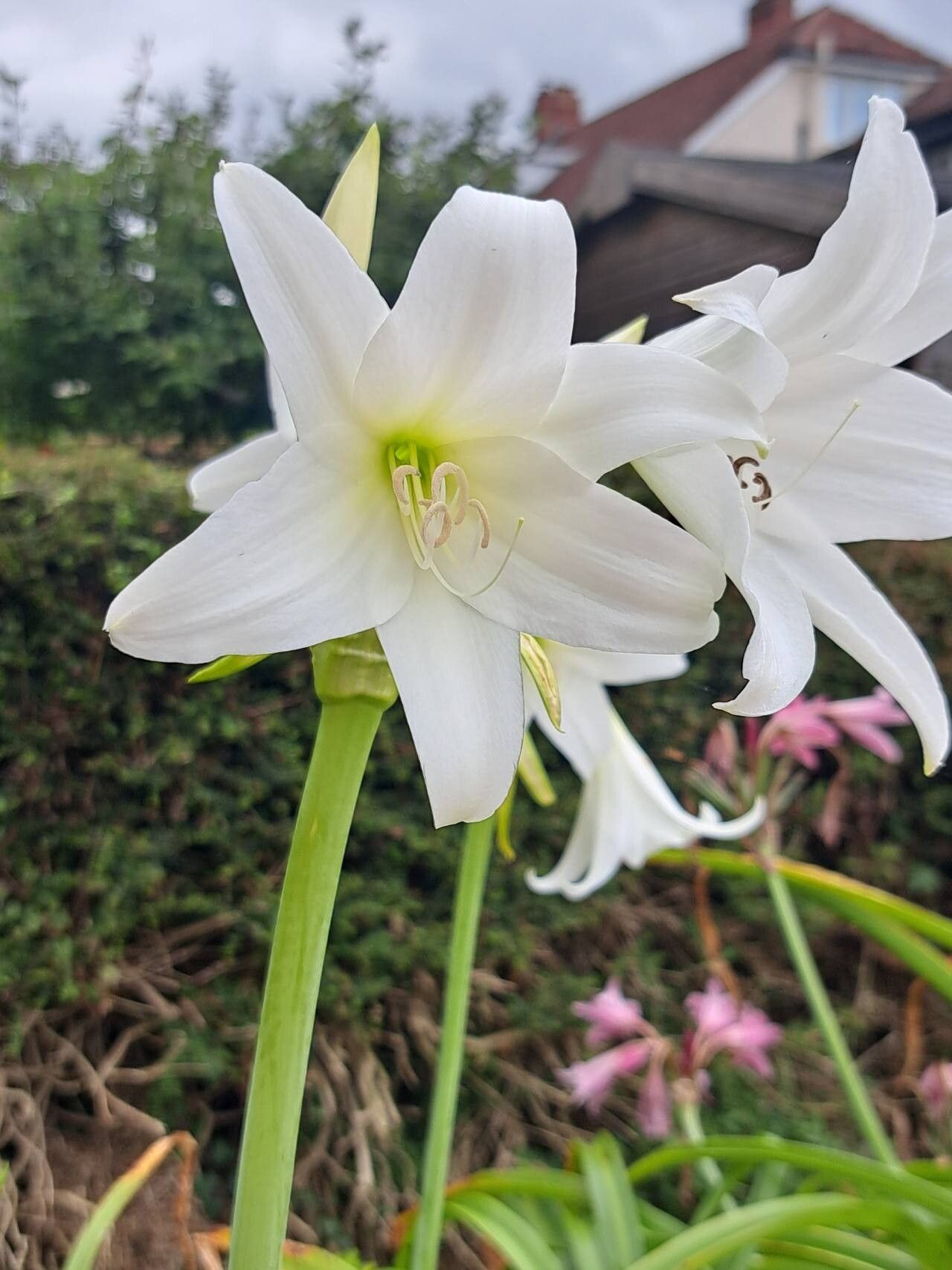
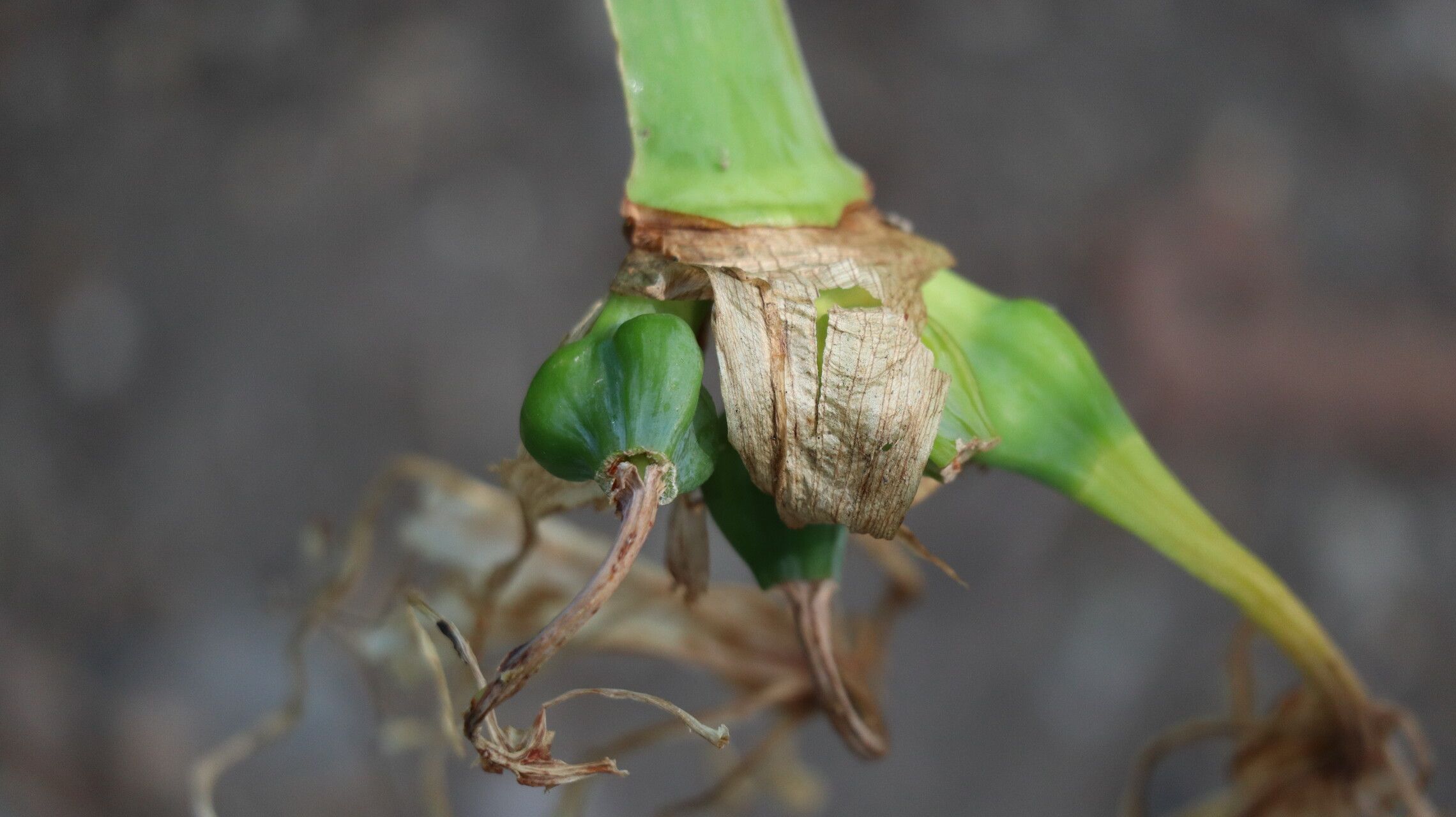
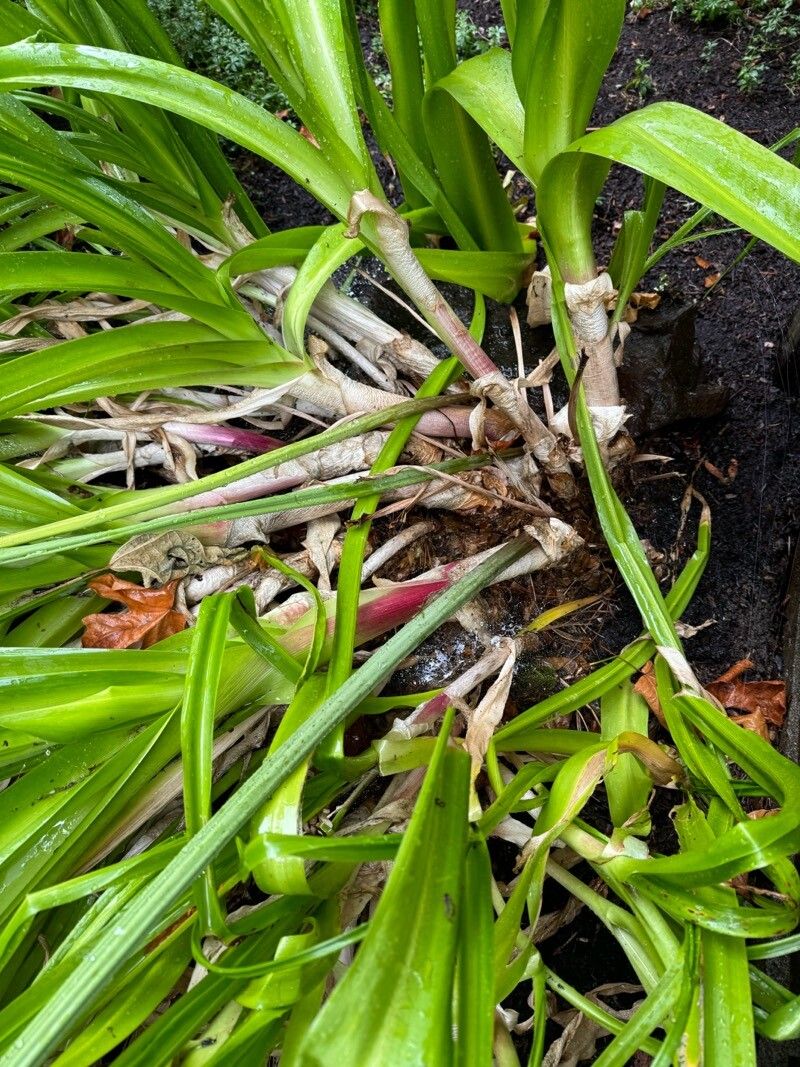
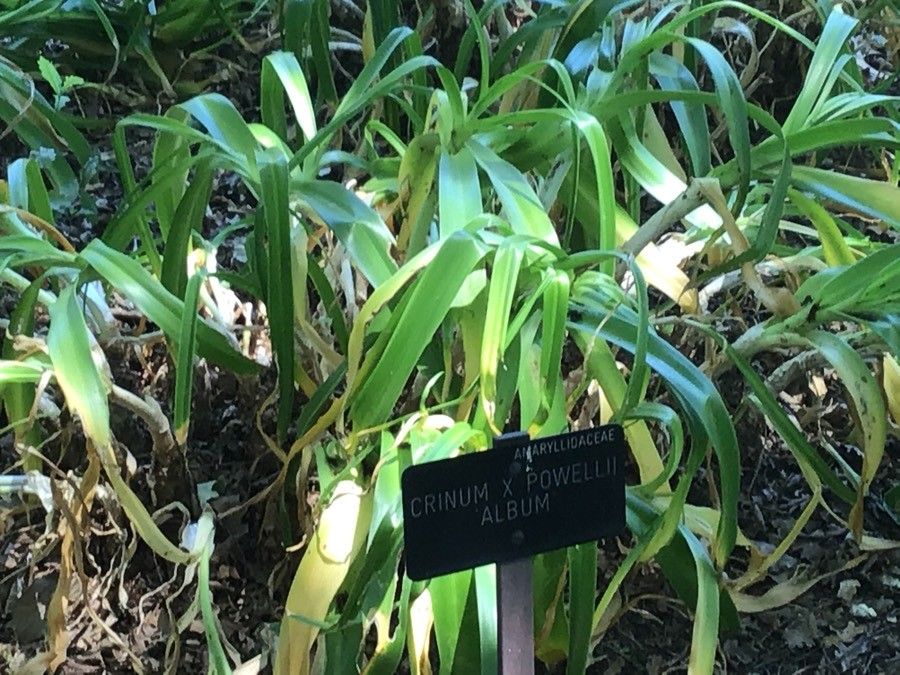
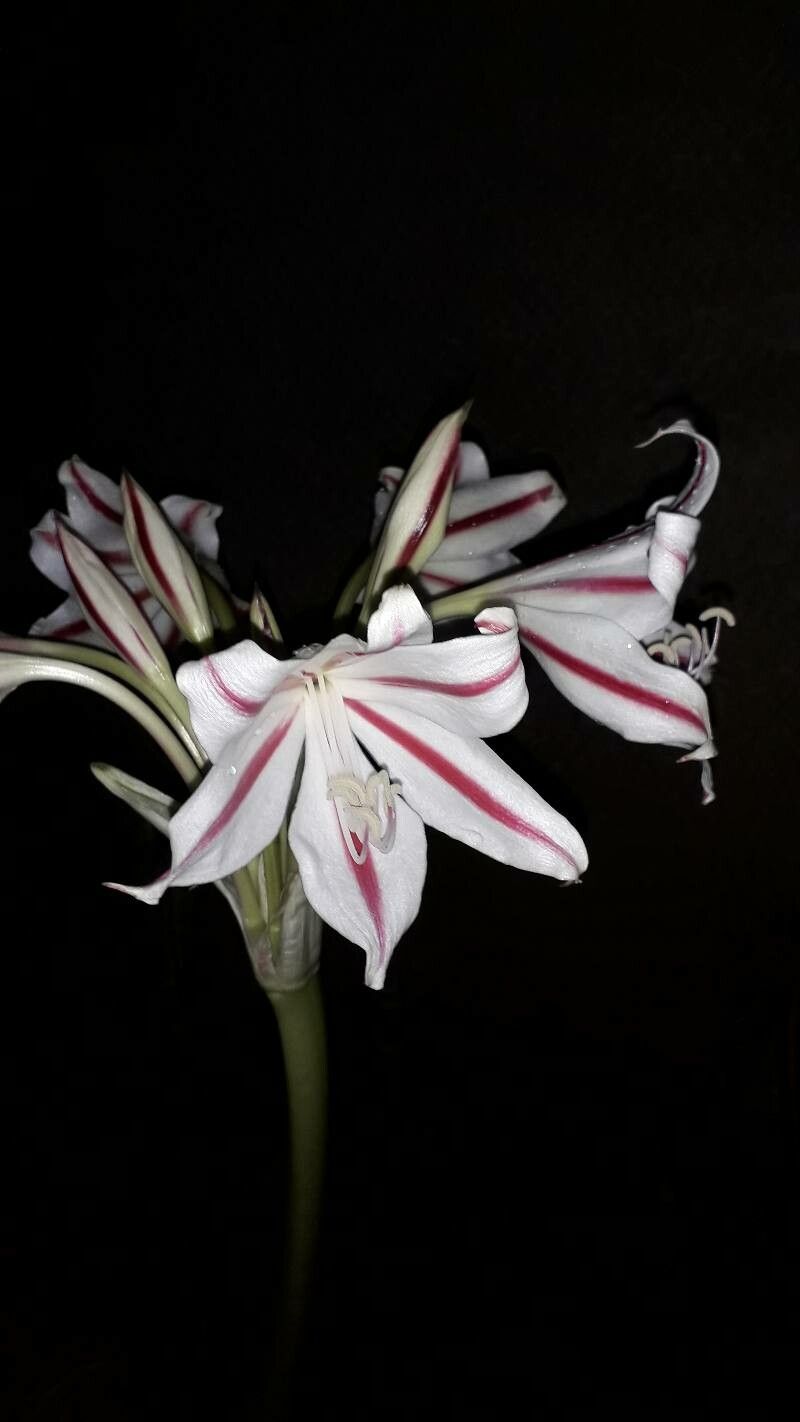
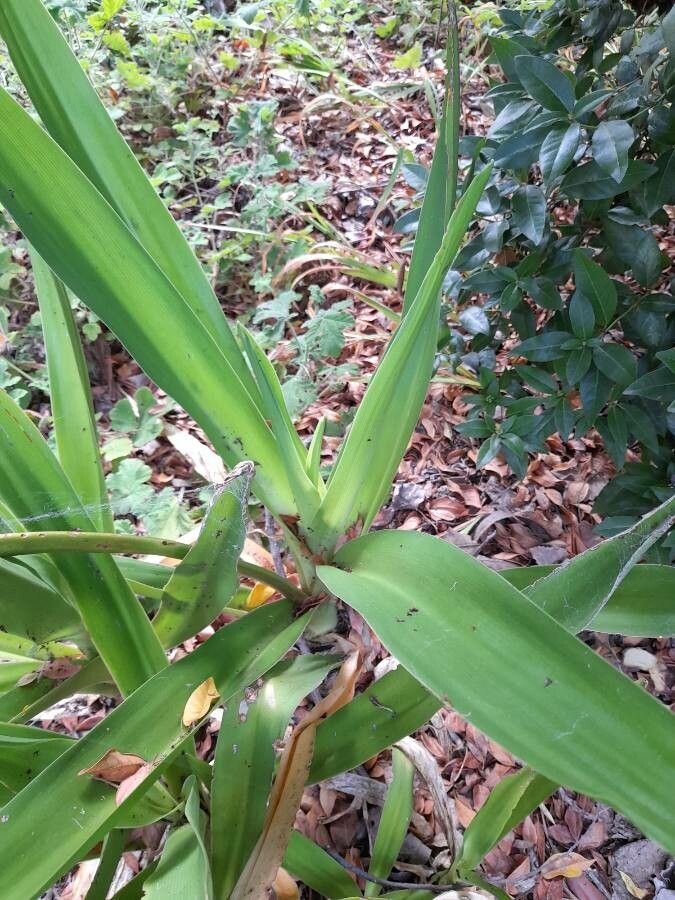
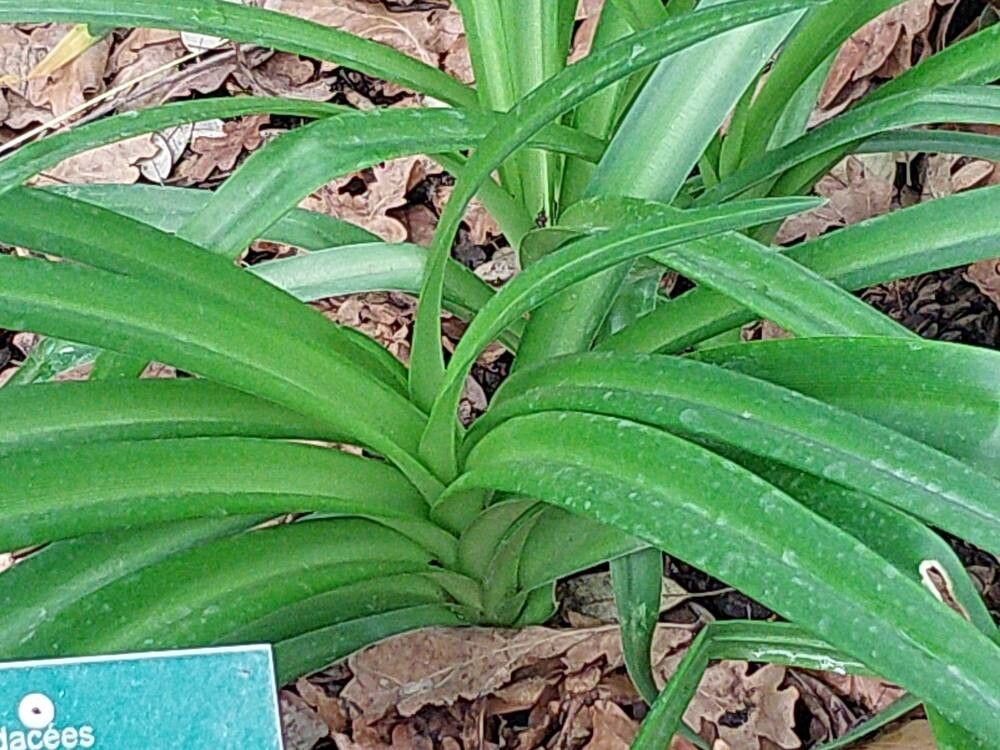
Powell's swamp lily has strong disease resistance and generally does not develop illnesses. However, it can be affected by pests and diseases present in its environment. These problems are typically minor. For care, the plant requires moderate attention. It should be pruned regularly to keep a neat appearance and support healthy growth. Fertilizing can also encourage flowering. Powell's swamp lily is suitable for anyone with outdoor space, such as a garden or patio, and does not require extensive experience. It may need more care when grown indoors.
How to keep Crinum Ux Powellii.
Light
Powell's swamp lily is a sun-loving perennial herbaceous plant native to open habitats, often prospering in meadows and grasslands. It prefers full sun but can also tolerate partial sun conditions.
Water
Powell's swamp lily thrives in consistently moist conditions, so it's important to water it weekly without overwatering. It is typically grown outdoors due to its size and ornamental value. During its active growing season, keep the soil evenly moist to encourage optimal growth and blooming.
Temperature
Powell's swamp lily is quite adaptable to temperature, able to endure higher heat and broader temperature swings. In hot conditions, care should be taken with watering and providing suitable shade to prevent sunburn. On the other hand, Powell's swamp lily is fairly sensitive to low temperatures. While it can tolerate some cold, excessively frigid conditions can cause frost damage.
Fertilizer
The ideal time to fertilize a Powell's swamp lily is in early spring, as it comes out of dormancy and begins active growth. Fertilization supplies essential nutrients for healthy development. Although Powell's swamp lily has relatively low fertilizer needs, applying fertilizer annually can improve its survival and encourage better, longer-lasting flowers.
Pruning
Powell's swamp lily is characterized by its large, fragrant flowers and long, strap-like leaves. To encourage growth and blooming, prune the plant from early to late spring by removing dead foliage and spent flower stalks. Proper pruning helps prevent fungal issues and maintain the plant's vigor. Be sure to use clean, sharp tools for the best results.
Pot & Repot
For the best growth of Powell's swamp lily, repot the plant every 2-3 years in the spring. Select pots that provide enough space for the roots to expand, which in turn supports its large leaves and blooms. After repotting, maintain consistent watering and keep the plant out of direct sunlight to encourage recovery and ensure its health.
Botanical profile.
- Plant Type
- Herb
- Life Cycle
- Perennial
- Genus
- Crinum
- Family
- Amaryllidaceae
- Hardiness Zone
- 6-9
- Mature Height
- 0.91 m to 1.52 m
- Mature Spread
- 91 cm
- Leaf Color
- Green
- Leaf Type
- Semi-evergreen
- Flower Color
- Pink, White
- Flower Size
- 10.16 cm to 15.24 cm
- Bloom Time
- Summer, Early fall
- Planting Time
- Spring, Summer, Autumn
- Harvest Time
- Late summer, Fall
Other names.