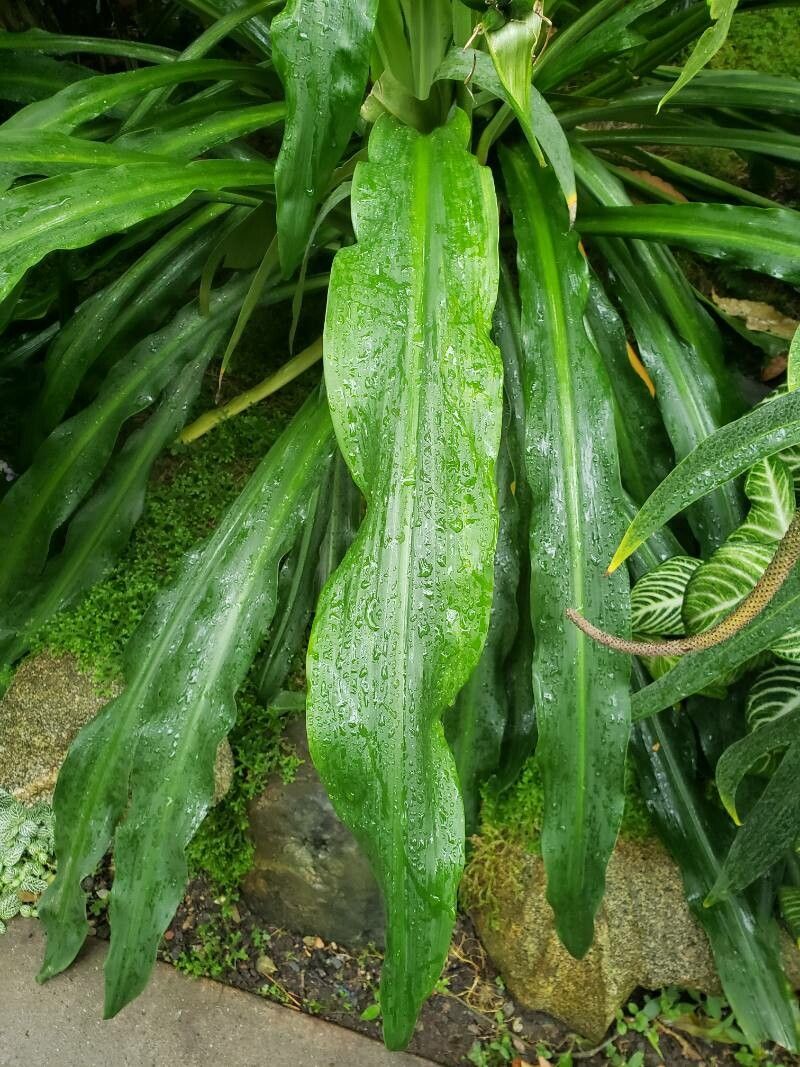
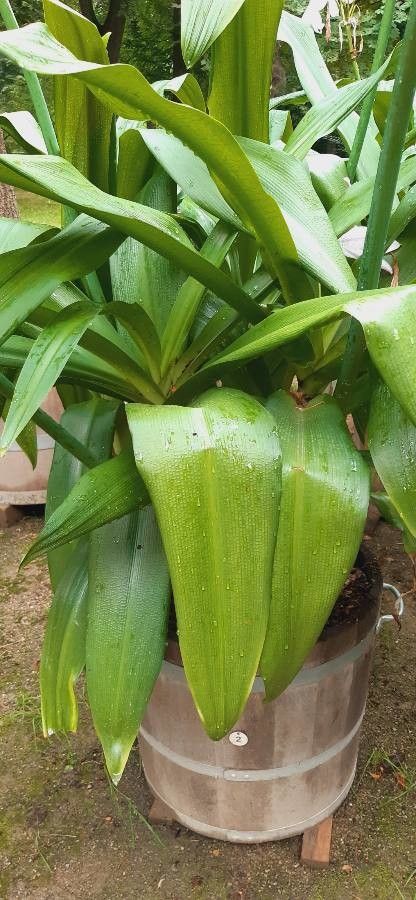
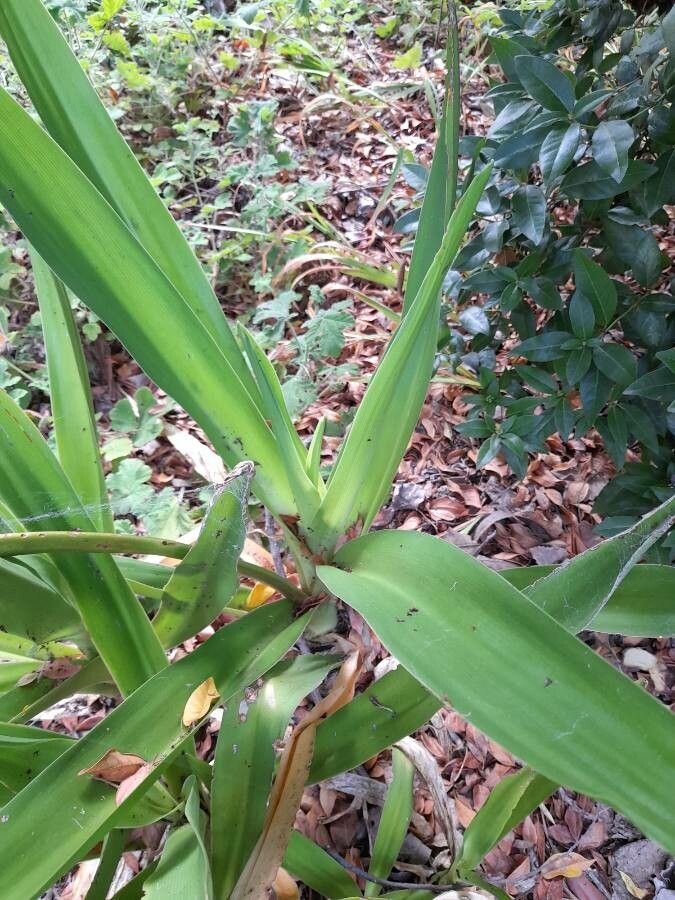
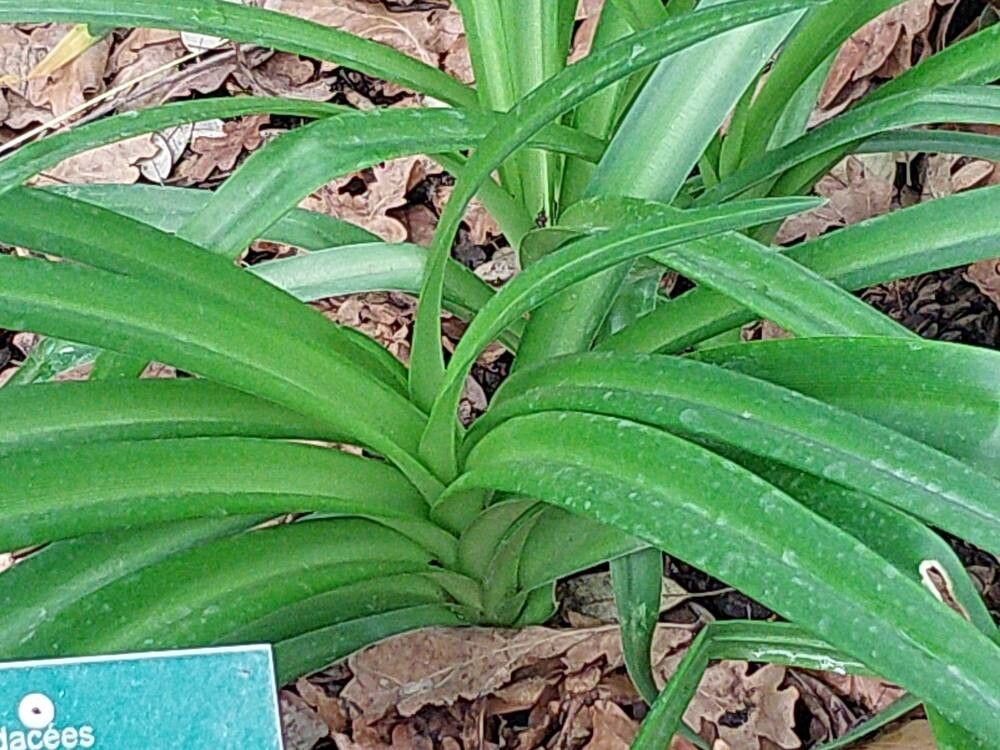
Crinum moorei is a perennial bulbous plant that belongs to the Amaryllidaceae family. Native to South Africa, it can grow up to 1.5 meters tall with a spread of about 1 meter. The plant features large, strap-like leaves that are green and glossy, reaching up to 60 cm in length and 10 cm in width.
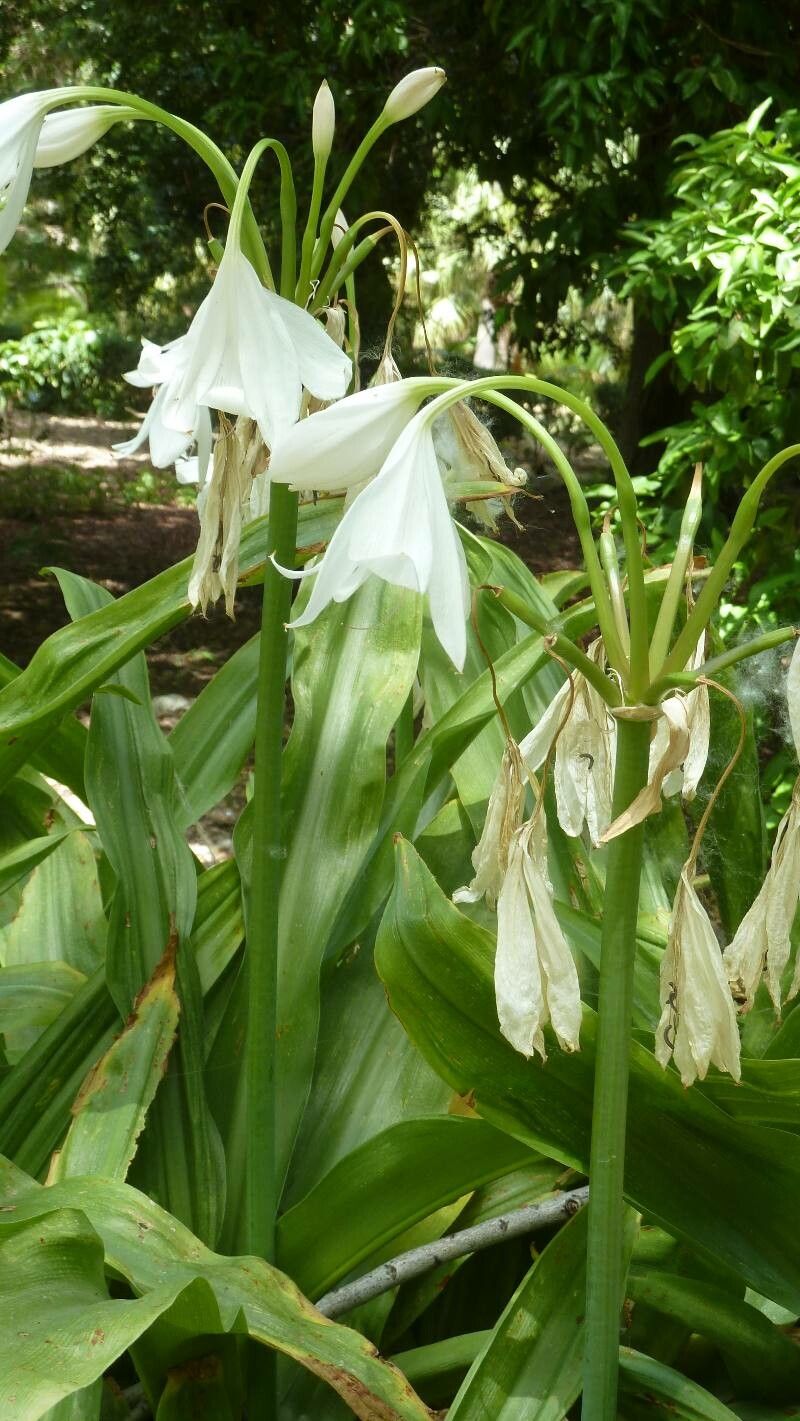
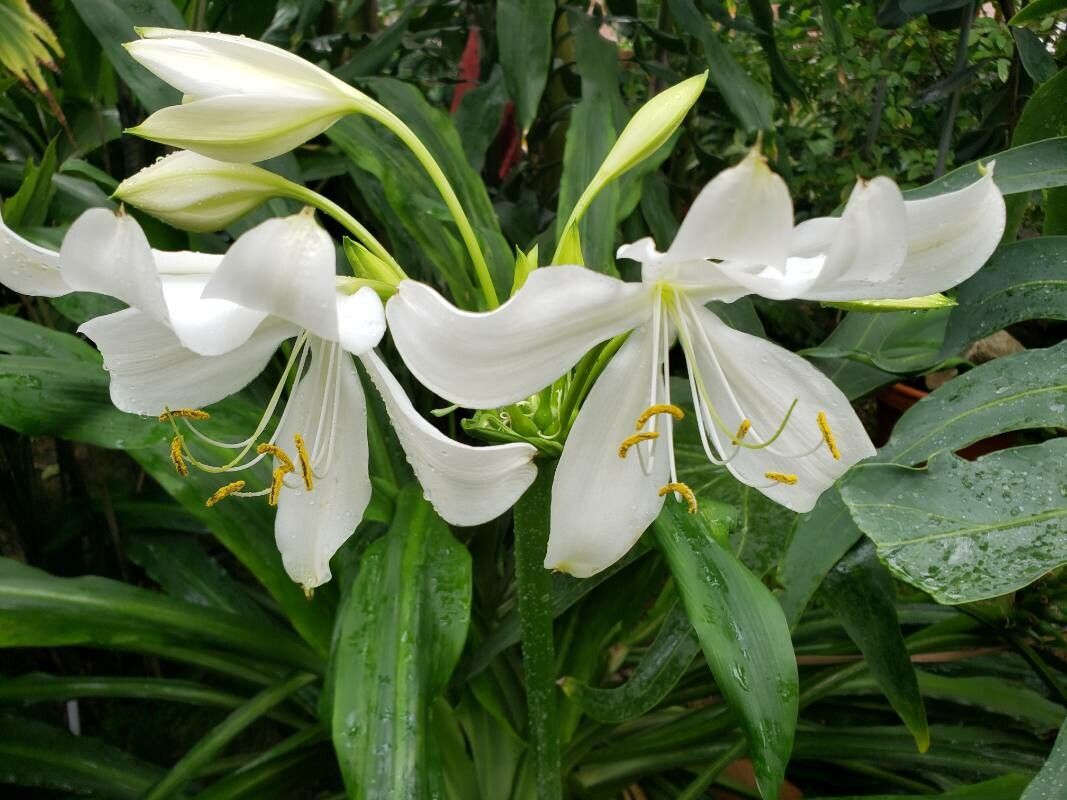
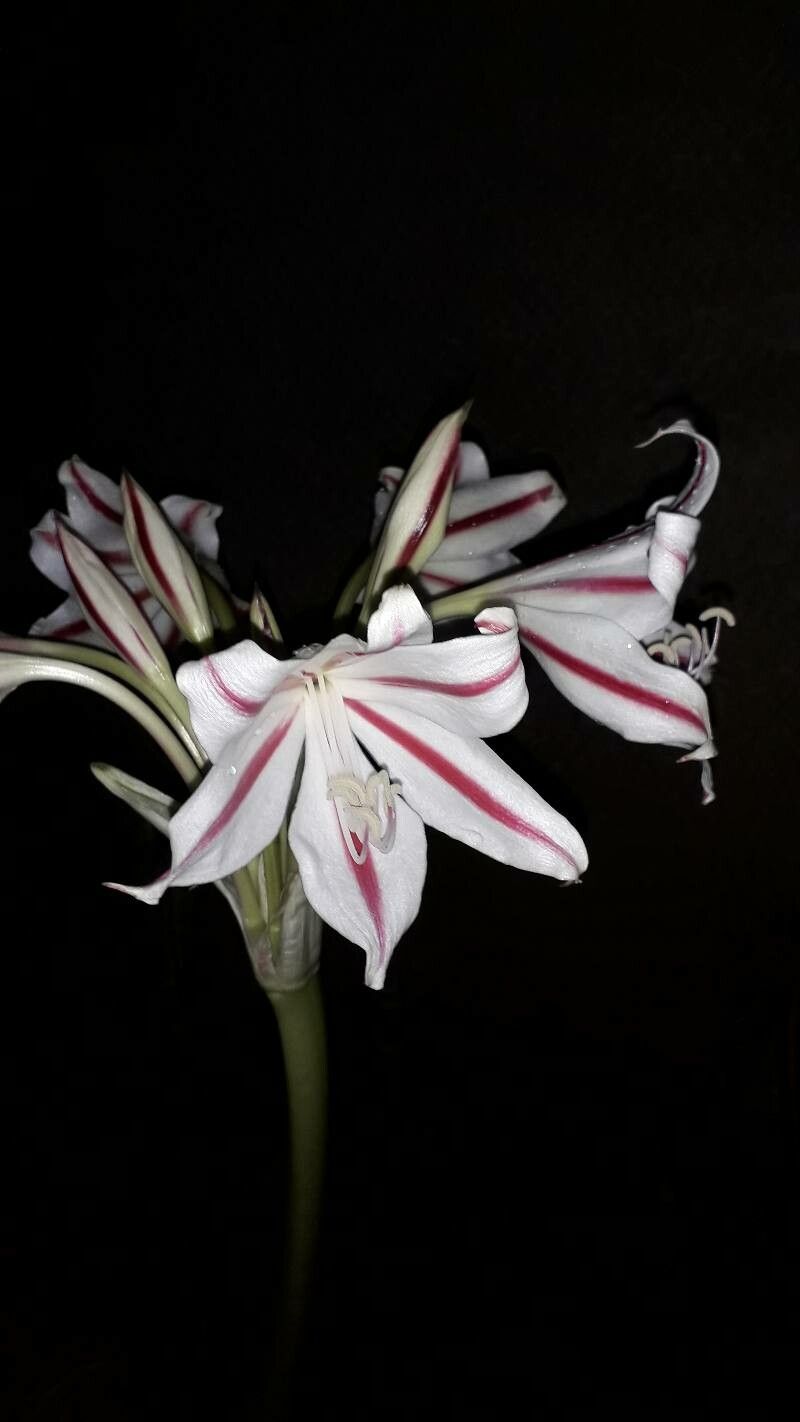
The flowers of Crinum moorei are large, trumpet-shaped, and fragrant, with a diameter of about 15 cm. They bloom in the summer on tall stems that rise above the foliage. The flowers are typically white or pink, often with darker pink stripes on the petals.
Crinum moorei thrives in full sun or partial shade and prefers well-drained soil rich in organic matter. While it can tolerate drought, the plant requires regular watering during its growing season for optimal growth.
This plant is commonly used as an ornamental garden feature due to its attractive foliage and showy flowers, which attract pollinators such as bees, butterflies, and hummingbirds.
Traditionally, Crinum moorei has been used medicinally. Its bulbs were boiled to make tea or decoctions, which were consumed orally to treat feverish conditions, such as malaria.
Overall, Crinum moorei is an attractive garden ornamental that requires minimal maintenance, yet provides beautiful blooms during the summer months. It is an excellent addition for any garden enthusiast looking for low-maintenance plants with stunning summer flowers.
Natal lily has strong disease resistance and is usually not prone to illnesses. However, it can be vulnerable to pests and diseases present in its surroundings. These problems are typically not serious. For care, this plant requires a moderate level of maintenance. It should be pruned regularly to maintain a neat appearance and support healthy growth. Fertilizing can also help encourage flowering. Natal lily is appropriate for anyone with outdoor space, such as a garden or patio, and does not need extensive care experience. It may demand more attention when grown indoors.
How to keep Crinum Moorei.
Light
Natal lily grows best in locations that receive plenty of sunlight each day, though it can tolerate spots with less light, provided the sunlight is not very limited. Excessive sun can cause sunburn, while insufficient light can hinder healthy growth. Its sun tolerance is influenced by the habitat it comes from.
Water
The Natal lily flourishes in subtropical climates, needing consistent moisture and regular weekly watering to promote lush growth. It is often found in garden borders or used as an accent near ponds. To maximize its flowering potential, maintain stable soil moisture and avoid both overwatering and drought conditions.
Temperature
The Natal lily is native to climates with temperatures ranging from 32 to 100.4 °F (0 to 38 ℃). It appears to achieve its best growth within that range. Seasonal temperature adjustments may be necessary to maintain healthy growth.
Fertilizer
The ideal time to fertilize a Natal lily is early in spring, as it comes out of dormancy and starts active growth. Fertilizing supplies essential nutrients for healthy growth. Although the Natal lily has relatively low fertilizer needs, applying it annually can improve its survival and encourage better, longer-lasting flowers.
Pruning
The Natal lily is known for its eye-catching, fragrant flowers and glossy leaves. To promote growth and enhance flowering, prune spent blooms and remove damaged foliage in the spring. Regularly trimming away dead leaves will improve its appearance and help prevent disease. These practices align with the Natal lily's growth cycle, promoting vigor and maintaining an attractive presence in your garden.
Pot & Repot
The Natal lily is an elegant plant that thrives with minimal care, making it perfect for those who prefer low-maintenance options. To keep it healthy, repot it every 2-3 years in the spring, choosing a slightly larger container to accommodate growth. Place it in a location with indirect light and ensure the soil remains consistently moist. This will help the plant transition smoothly to its new pot.
Botanical profile.
- Plant Type
- Herb
- Life Cycle
- Perennial
- Genus
- Crinum
- Family
- Amaryllidaceae
- Hardiness Zone
- 3-11
- Mature Height
- 1.52 m
- Mature Spread
- 91 cm
- Leaf Color
- Green
- Leaf Type
- Semi-evergreen, Deciduous
- Flower Color
- White, Pink
- Flower Size
- 10.16 cm to 15.24 cm
- Bloom Time
- Summer
- Planting Time
- Spring, Summer
- Harvest Time
- Late summer, Early fall, Mid fall
- Native Area
- South Africa
Other names.
Reader questions.
How should I water my Natal lily?
When watering the Natal lily, it is ideal to use filtered water at room temperature. Tap water may have harmful particles for this plant, so filtering it is better. The water temperature should be warm or slightly higher because the Natal lily is used to a warm climate, and cold water can be a shock to its system. Avoid overhead watering to prevent foliage complications. Instead, apply the filtered room temperature water directly to the soil until it is soaked completely. This helps the roots stay moist and spread through the soil to gather necessary nutrients.
Why is it necessary to use fertilizer on my Natal lily?
Fertilization plays an important role in the development of Natal lilies and other plants as it provides vital nutrients for their growth. While Natal lilies have relatively low fertilization needs and can sometimes survive without it, annual fertilization can greatly benefit the plant's overall health and enhance the longevity and quality of its flowers. Therefore, it is recommended for those who want their Natal lilies to thrive and look their best to consistently fertilize them on a yearly basis.
What are the sun requirements for Natal lily?
Natal lily requires full sun, which means it needs above 6 hours of sunlight daily, but it can also tolerate partial sun, about 3-6 hours of sunlight. It's essential to observe how sunlight moves through your garden to choose spots that offer a perfect balance of light and shade, ensuring your plants' happiness. This careful placement helps in promoting the plant's health, considering its originating habitat influences its sun tolerance. However, both overexposure leading to sunburn and inadequate exposure, which can hamper healthy growth, should be avoided.
What is the optimal temperature range for Natal lily growth?
The Natal lily, also known as Crinum moorei, originates from climates experiencing a wide range of temperatures, from 32 to 100.4 °F (0 to 38 °C). It achieves optimal growth within this temperature range. To maintain healthy growth, seasonal temperature adjustments may be necessary, ensuring the plant is cultivated in an environment that closely mirrors its natural habitat.
What should I do if I give my Natal lily too much or too little water?
To maintain the health of your Natal lily, it is important to avoid both overwatering and underwatering. Overwatering is a more common issue, causing the stems and leaves to wilt and turn yellow. It can also lead to diseases like root rot, mold, and mildew, which can be fatal for the plant. Underwatering is less likely, as Natal lilies can withstand drought to some extent. However, when underwatering occurs, the leaves become brittle and brown. It is crucial to identify and address overwatering signs early on, as some diseases may become irreversible if not tackled promptly. Reduce watering immediately if you notice signs of overwatering and consider replacing poorly draining soil with loose, well-draining potting mix. Conversely, if there are signs of insufficient water, increase your watering schedule until the symptoms improve.
When should I fertilize my Natal lily for best results?
The best time to fertilize a Natal lily is in the late winter to early spring. This is when the plant goes from being dormant to actively growing. Fertilizing at this time helps promote healthy growth and sets the plant up for a good season. While it's generally best to fertilize in the early spring, it's also okay to fertilize in the fall. However, it's not recommended to fertilize in the summer or winter.
How do I use artificial lighting for my indoor Natal lily?
Indoor Natal lilies require adequate lighting for optimal growth, especially when natural sunlight is insufficient, such as in winter or less sunny spaces. Artificial lights, specifically LED lights, are recommended because they can be customized to provide specific wavelengths needed by plants. The artificial lighting requirement varies based on the plant's need for full sun (30-50W/sq ft), partial sun (20-30W/sq ft), or full shade (10-20W/sq ft). Position the light source 12-36 inches above the plant to mimic natural sunlight and adjust the duration to mimic natural daylight hours for your plant species, generally 8-12 hours of light per day.
How does the Natal lily handle cold temperatures and frost?
The Natal lily has strong cold resistance, implying that special frost protection measures are typically not required during winter. However, should winter temperatures be expected to plummet below -35°C, it's crucial to provide some form of cold protection. This can include covering the plant with soil or straw. Additionally, it's advisable to water the plant abundantly before the first freeze of autumn, aiming to keep the soil moist as it enters a frozen state. This strategy helps the plant avoid drought and water scarcity during the colder months and into the early spring.
How frequently should I water my Natal lily?
If your Natal lily is in a pot, the best way to determine if it needs water is to stick your finger in the soil. If the top two to three inches are dry, it's time to water it. If your Natal lily is planted in the ground, you can use the same method to test the soil. When the top few inches of soil are dry, it's time to water it. Usually, during spring and early fall, watering once a week is sufficient. However, in extremely hot weather, you might need to increase watering to twice a week or more. It's worth noting that mature Natal lilies have a remarkable ability to withstand drought.
When is it not a good time to fertilize my Natal lily?
Fertilizing the Natal lily should only be done in late winter or early spring. This plant only needs one feeding per year, so fertilizing during spring, summer, and fall can lead to overfertilization and its complications. However, if you didn't fertilize in spring, it's acceptable to feed the plant in fall. Additionally, there's no need to fertilize during winter as the Natal lily is in a dormant phase and doesn't produce new growth.
What are the symptoms of inadequate sunlight in Natal lily?
When Natal lilies are placed in rooms with inadequate lighting, they may exhibit symptoms such as small or lighter-colored new leaves, leggy or sparse growth, faster leaf drop, and slower or no new growth, indicating a lack of chlorophyll and essential nutrients due to poor light conditions. Additionally, too much sunlight can cause chlorosis, sunscald, leaf curling, wilting, and leaf scorching, highlighting the importance of finding a balance in light exposure.
What should be done if the Natal lily experiences temperatures below -35°C?
While the Natal lily is notably cold-tolerant, thriving best when temperatures stay above 0°C and ideally kept above -30°C during the winter, exposure to temperatures below -35°C can be harmful. Under such cold conditions, there may not be immediate visible damage in winter, but a decrease in sprouting or a complete lack of sprouting may occur by spring. To address this issue, any parts of the lily that have failed to sprout by spring should be removed.