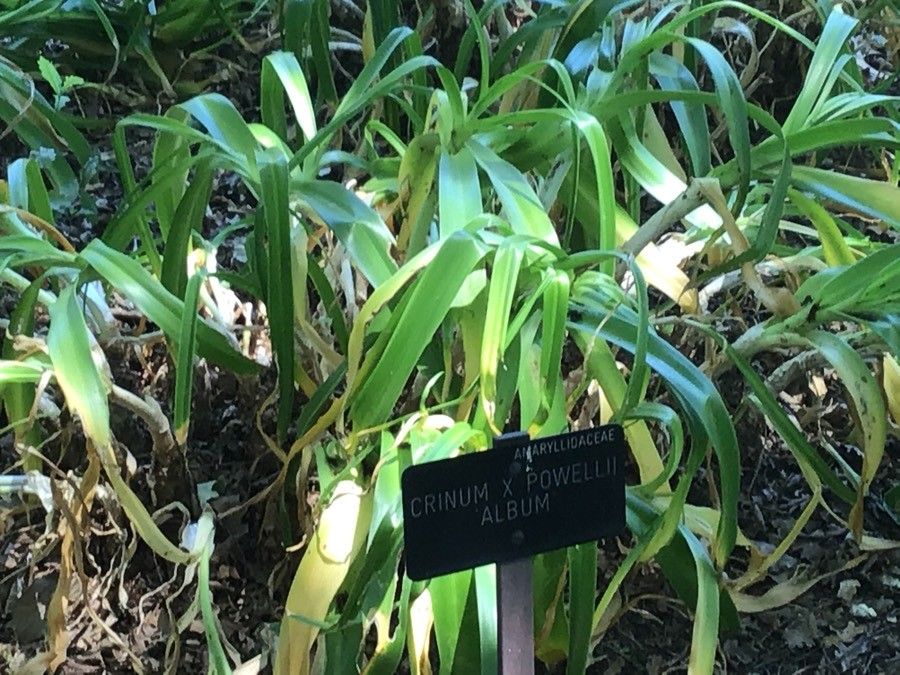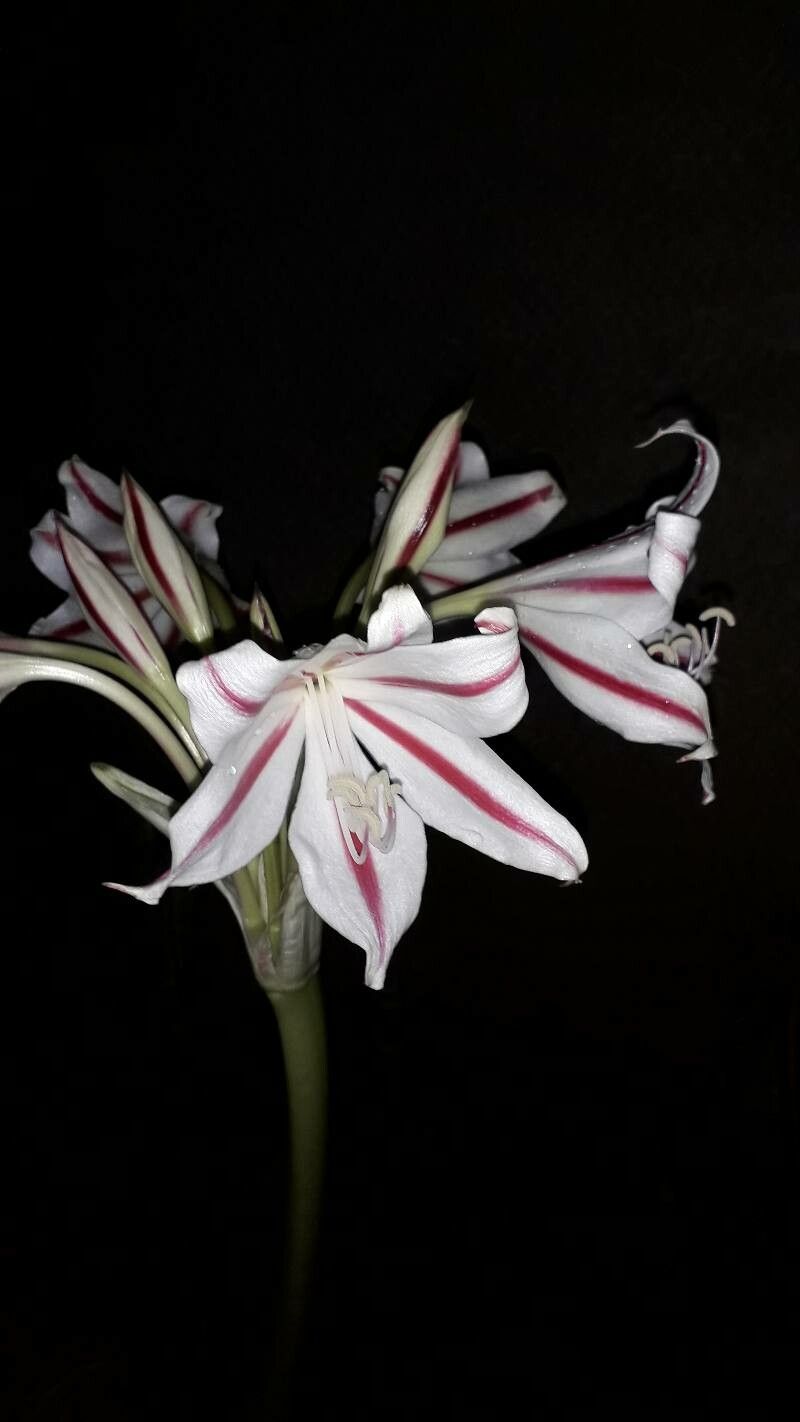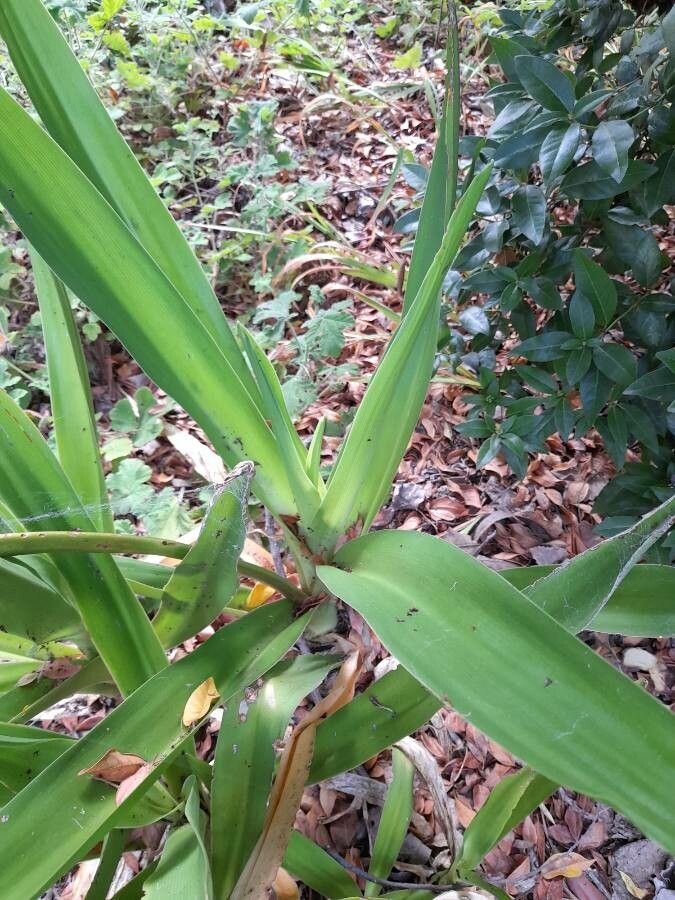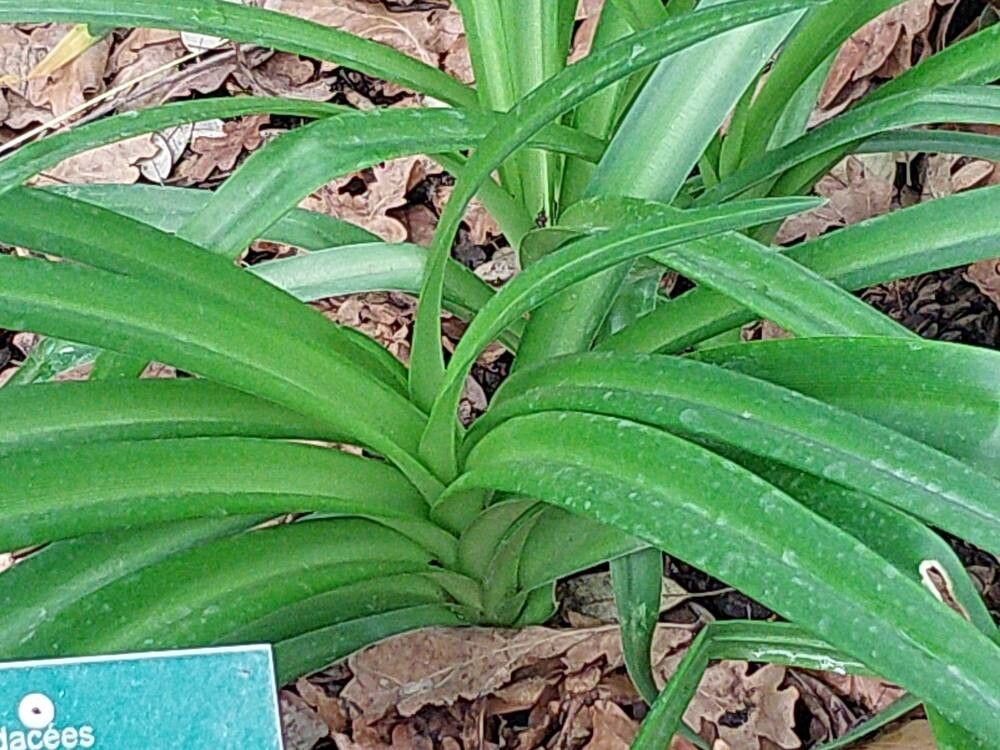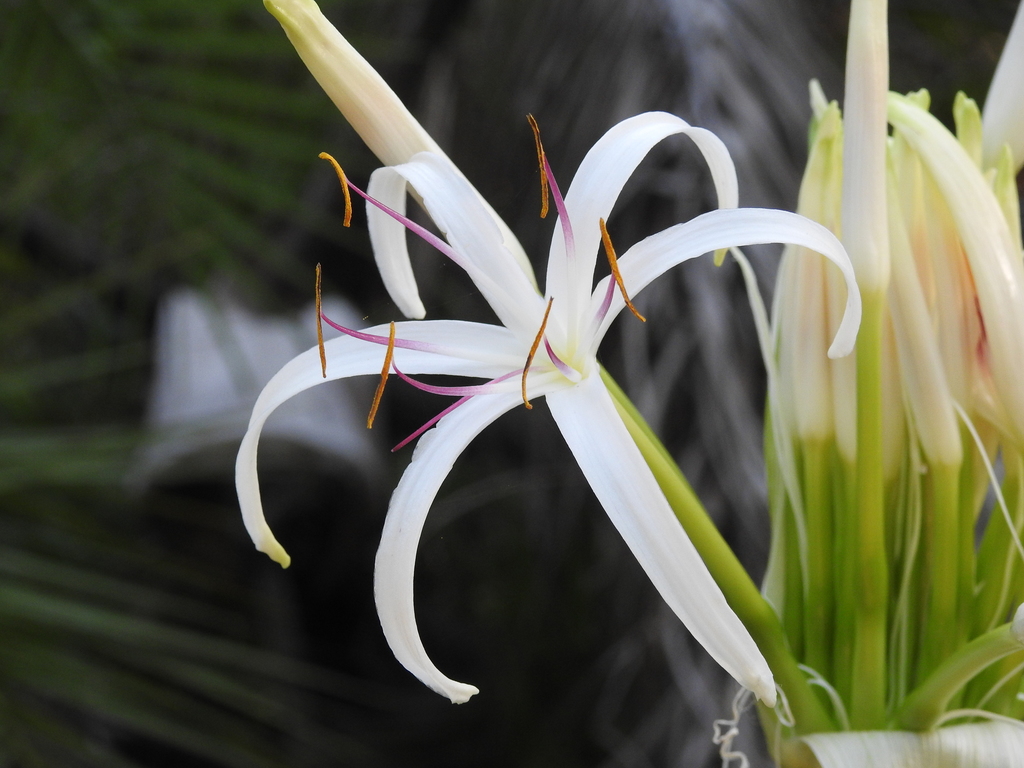
Crinum asiaticum, commonly known as the Asian Crinum Lily, is a perennial plant that belongs to the Amaryllidaceae family. Native to Southeast Asia, it is found in countries such as India, Sri Lanka, and Thailand. The plant features long, strap-like leaves that can grow up to one meter in length and produces large clusters of fragrant white or pink flowers atop tall stems during the summer months.
The Asian Crinum Lily is a popular ornamental plant due to its attractive foliage and showy flowers. It thrives in warm climates with well-draining soil and requires regular watering during its growing season. The plant can be propagated through the division of bulbs or by seeds.
In traditional medicine, various parts of Crinum asiaticum have been used for their medicinal properties, including treatments for fever, inflammation, skin diseases, and even cancer, thanks to their antioxidant properties.
The Poisonbulb is a breathtaking flower that will become the focal point of your garden. Its stalks can reach heights of 1.2 to 1.8 meters and spread just as wide. Each cluster of 25 to 30 star-shaped blooms crowns a mound of leaves, creating a visually striking flowerbed. FUN FACT · FROM THE LIBRARY
Overall, this beautiful flowering perennial offers both ornamental value for gardeners seeking an attractive addition with fragrant blooms and medicinal value for those interested in natural remedies derived from traditional medicine practices.
Poisonbulb: Although this plant is visually striking, contact with its sap can cause skin irritation. It is important not to ingest any part of the plant, as it is entirely poisonous, particularly the bulb. Consuming it may result in symptoms such as vomiting and diarrhea, hence the name Poisonbulb.
Giant crinum lily has good resistance to disease and is generally not prone to infections. However, it can be vulnerable to pests and diseases present in its surroundings. These infections are usually not severe. In terms of care, this plant requires moderate maintenance. It should be pruned regularly to maintain a neat appearance and healthy growth. Fertilizing can also help encourage flowering. Giant crinum lily is suitable for anyone with an outdoor space, such as a garden or patio, and does not require extensive care experience. It may need more attention when grown indoors.
How to keep Crinum Asiaticum.
Light
The giant crinum lily prefers abundant light and does best when it gets sunlight for most of the day. It can, however, tolerate spots with less sun, although its growth may slow. Both too much and too little light can, over time, harm its health.
Water
The Poisonbulb plant is native to tropical coastal regions and thrives in consistent warmth and moisture. Although it can withstand moderate drought, it grows best with weekly watering to mimic humid conditions. Mulching is also helpful for retaining soil moisture and reducing stress in hot climates.
Humidity
This plant will thrive in moderate humidity, which is probably the level in your home. However, misting it a few times a week can be very beneficial. Make sure the room has good ventilation.
Temperature
The giant crinum lily, a temperate woody plant, originates from warm regions and prefers temperatures of 68 to 100 ℉ (20 to 38 ℃). In cooler months, temperatures should not fall below 50 ℉ (10 ℃), and in summer temperatures above 95 ℉ (35 ℃) should be avoided.
Fertilizer
The giant crinum lily requires the most fertilizer during its active growth period, which occurs mainly in spring, summer, and early fall. Fertilization provides essential nutrients the soil may lack, supporting healthy root and stem development as well as attractive foliage, a distinguishing feature of this plant.
Pruning
The poisonbulb is an evergreen plant featuring large white flowers and sword-shaped leaves. For optimal care, prune the plant from early to late spring, cutting back to the base to help prevent disease. Avoid heavy pruning to ensure continued flowering. Regular maintenance enhances air circulation, reduces pests, and encourages vibrant growth.
Pot & Repot
When repotting Giant crinum lily, pick a pot 1–2 inches (2.5–5.1 cm) larger with good drainage. Use a well-draining potting mix. Repot in spring or fall, ensuring the root ball sits slightly lower than the rim of the flower pot. Water thoroughly after repotting and place the pot in a warm location with indirect sunlight.
Botanical profile.
- Plant Type
- Herb
- Life Cycle
- Perennial
- Genus
- Crinum
- Family
- Amaryllidaceae
- Hardiness Zone
- 9-11
- Mature Height
- 91 cm
- Mature Spread
- 1.22 m to 1.83 m
- Leaf Color
- Green
- Leaf Type
- Evergreen
- Flower Color
- White
- Flower Size
- 15.24 cm to 20.32 cm
- Bloom Time
- All year round
- Planting Time
- Spring
- Harvest Time
- All year round
- Native Area
- Sri Lanka, India, Malaysia, Vanuatu, Philippines, Bangladesh, Laos, Fiji, Brunei, China, Indonesia, Cambodia, Vietnam, Myanmar, Japan, Singapore, South Korea, Thailand
Other names.
Reader questions.
What should I do if I give my Poisonbulb too much or too little water?
The Poisonbulb is prone to overwatering, which can cause bulb rot. Symptoms of overwatering include mushy bulbs, flopping stems with spots, droopy flowers, and yellowed stalks. If the leaves turn yellow before the flowers bloom, it's a sign of overwatering. Unfortunately, bulb rot cannot be reversed, but if caught early, you can carefully remove the rotten portions of the bulb and replace the soil. Disinfect any tools and pots used to avoid spreading the fungus. For outdoor plants, choose a different planting location. Underwatering is less of an issue, but signs include no blooms, sagging stalks, and browning around the flower edges. If you've underwatered the Poisonbulb, give it a good drink without saturating the soil. Be cautious not to overwater, as extended periods in water can cause root rot and fungus growth, leading to spots on leaves and buds, as well as discoloration and death of leaf tips.
Why is it necessary to add fertilizer to my Poisonbulb plant?
All plants, including the Poisonbulb, rely on soil nutrients for their growth. However, there is no guarantee that the soil in your garden will have all the necessary nutrients. Fertilization and soil amendments can help ensure that your plants have the basic nutrients they need, as well as the specific nutrients necessary for their growth. For the Poisonbulb, fertilizer is particularly important for the healthy development of its roots and stems throughout the growing season. Fertilization will also result in a beautiful set of leaves for the Poisonbulb, which is especially important since its foliage is its main ornamental feature.
What are the sunlight requirements for Poisonbulb (Crinum asiaticum)?
Poisonbulb flourishes under conditions that provide ample sunlight, benefiting from being in spots where it can bask in the sun's rays for most of the day. It requires more than 6 hours of sunlight to be considered in full sun, while about 3-6 hours of sunlight is enough for it to be in partial sun. However, it's adaptable and can tolerate less than ideal solar coverage, albeit with a potential slowdown in growth. It's important to observe how sunlight moves through your garden to find the perfect spot that offers a healthy balance of light and shade, ensuring the well-being of your Poisonbulb.
What is the preferred temperature range for Poisonbulb?
Poisonbulb, scientifically known as Crinum asiaticum, thrives in warm regions and prefers a temperate, woody environment. The ideal temperature range for this plant is between 68 to 100°F (20 to 38°C). During the cooler months, it's important to ensure that temperatures do not drop below 50°F (10°C). Likewise, in the summer, it is advised to keep the plant in conditions where the temperature does not exceed 95°F (35°C). Poisonbulb is a heat-loving plant, and exposure to cold temperatures can be harmful. It's recommended to bring Poisonbulb plants indoors during autumn and place them near a bright window, away from heaters, to maintain an optimal growing environment.
How frequently should I water my Poisonbulb?
To successfully grow Poisonbulb, it is best to plant it directly into the ground in the sunniest part of your garden. Avoid overwatering as it can harm the bulb. After the initial watering to kick start growth, you can leave the plant alone until shoots appear. To determine if the soil is moist enough, check the moisture about 2-3 inches below the surface with your finger. If it's still wet, no watering is needed. For potted plants, check the water collection tray for standing water and avoid watering if present. For a more accurate reading, use a moisture sensor inserted 2-3 inches into the soil, aiming for a reading in the middle of the "moist" range. Watering once per week is recommended.
When should I fertilize my Poisonbulb plant?
The Poisonbulb plant requires the most fertilizer when it is actively growing, which occurs mainly during spring, summer, and early fall. After winter, feed the Poisonbulb every two to four weeks until fall. In fall, gradually reduce the fertilization rate until you stop completely in preparation for the less active growth during winter.
How can artificial lighting be used for Poisonbulb?
When Poisonbulb is grown indoors, especially during seasons like winter or in areas that do not receive sufficient natural sunlight, artificial lighting becomes crucial for its growth. Adequate lighting through artificial means is essential to promote a faster and healthier growth. LED lights are recommended for their ability to provide specific wavelengths needed by the plant. For full sun plants, 30-50W per square foot is suitable, partial sun plants need 20-30W per square foot, and full shade plants will require 10-20W per square foot. The light source should be placed 12-36 inches above the plant to imitate natural sunlight and kept on for 8-12 hours per day depending on the specific needs of your Poisonbulb.
How should I care for Poisonbulb during colder temperatures?
In response to colder temperatures, Poisonbulb requires special attention as it has a low tolerance for the cold and prefers temperatures to be kept above certain minimum thresholds. If the temperature falls below these minimums, the leaves of the Poisonbulb may start to lighten in color, and after frost damage, they may turn brown or black. The plant may also show signs of wilting and drooping. To care for Poisonbulb during colder temperatures, trim off any frost-damaged parts of the plant and move it indoors to a warmer environment for protection against the cold. Choose a spot near a south-facing window for ample sunlight, and ensure that the plant is not placed too close to heaters or air conditioning vents to prevent air dryness, which could further harm the plant.
How should I water my Poisonbulb depending on different conditions?
The Poisonbulb is a hardy plant that can survive tough conditions. When planting it outdoors, you can usually rely on nature for watering, as it doesn't need much water and can endure droughts. Just make sure the soil has good drainage. For potted Poisonbulbs, be cautious with watering. Overwatering can cause bulb rot. Water your plant less when indoors and ensure the pots have drainage holes. Use high-quality, well-drained soil and add sand or rocks for better drainage. During the growing phase, you'll need to water the Poisonbulb the most. Aim for about one inch of water per week to encourage blooming. Hold off on watering until the stalk appears, then resume regular watering. However, the amount of water needed during the growing phase depends on the humidity and temperature of your surroundings. In hot and dry climates, water will evaporate faster, requiring more frequent watering. In more humid climates, you can water the Poisonbulb less. Remember to check the soil moisture level and avoid overwatering. These plants thrive in well-drained, moist soil.
When should I not put fertilizer on my Poisonbulb?
During most of the year, which includes spring, summer, and most of the fall, it is important to regularly feed your Poisonbulb. However, there are exceptions to this rule. If you notice that your Poisonbulb has been over-fertilized or if you have mistakenly fertilized it incorrectly, resulting in fertilizer burn or any other issue, you will need to fix this problem before resuming a regular feeding schedule. The only time you should not fertilize a Poisonbulb is during winter. If you are growing this plant indoors in a cold winter region, it will go into a dormant phase during this time. Feeding the plant during its dormant phase is unnecessary and can actually harm its growth, likely leading to fertilizer burn.
What are the symptoms of inadequate lighting in Poisonbulb?
Inadequate lighting can lead to several noticeable symptoms in Poisonbulb, including smaller new leaves compared to mature ones, leggy or sparse growth, faster leaf drop, delayed or halted growth, and the development of lighter-colored or yellow (chlorosis) new leaves. Sunscald, which manifests as pale, bleached areas on the plant, leaf curling as a reaction to intense sunlight, wilting from water loss, and leaf scorching characterized by dry, crispy leaf edges, are also symptoms indicating that the lighting conditions are either too intense or insufficient for the plant's optimal growth.
How does high temperature affect Poisonbulb, and what are the solutions?
During the summer months, it's vital to monitor the temperature closely for Poisonbulb, as it should ideally be kept below certain maximum temperature thresholds. Exceeding these temperatures can result in the lightening of the leaves and increase the plant's susceptibility to sunburn. To mitigate the effects of high temperatures, you should trim away any sunburned or dried-up parts of the plant. Relocate the Poisonbulb to a spot that provides shade during the intense midday and afternoon sun to protect it. Additionally, watering the plant in the morning and evening can help keep the soil moist and aid in temperature management.