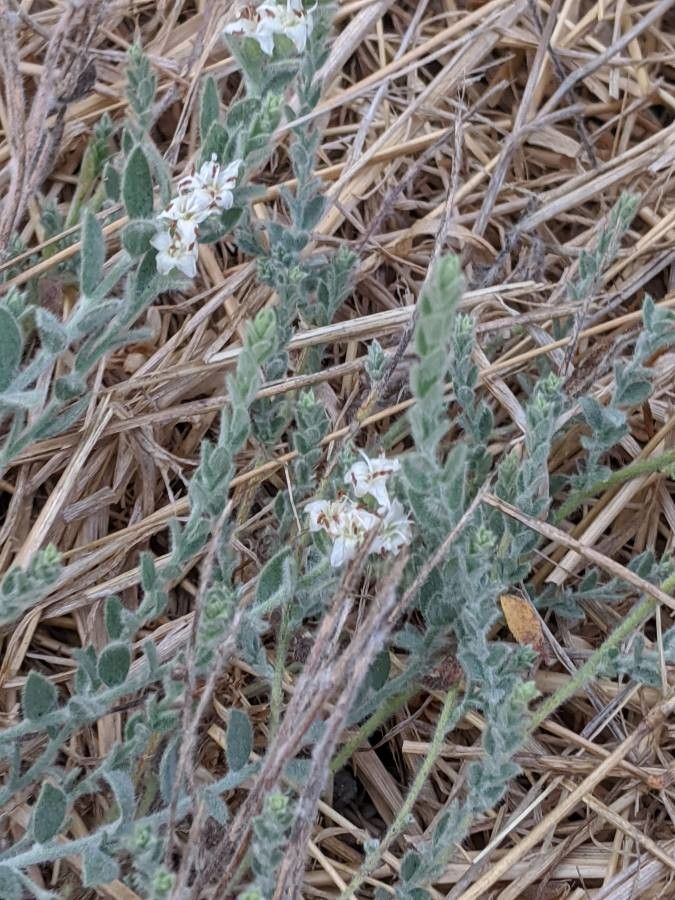
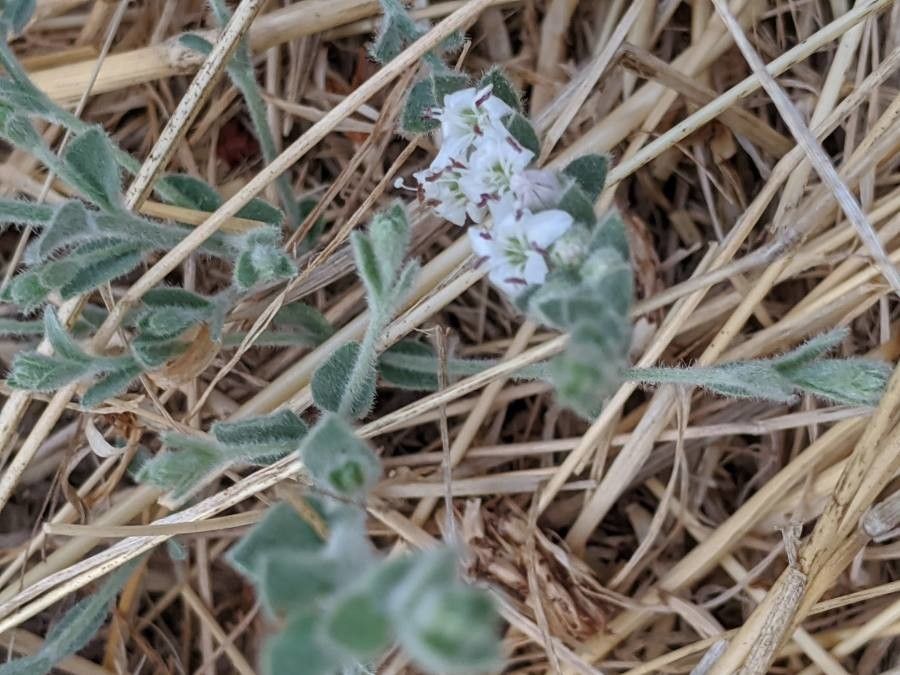
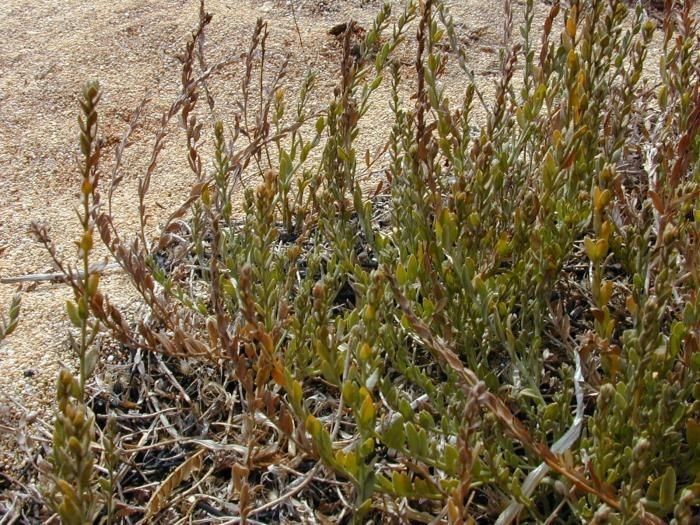
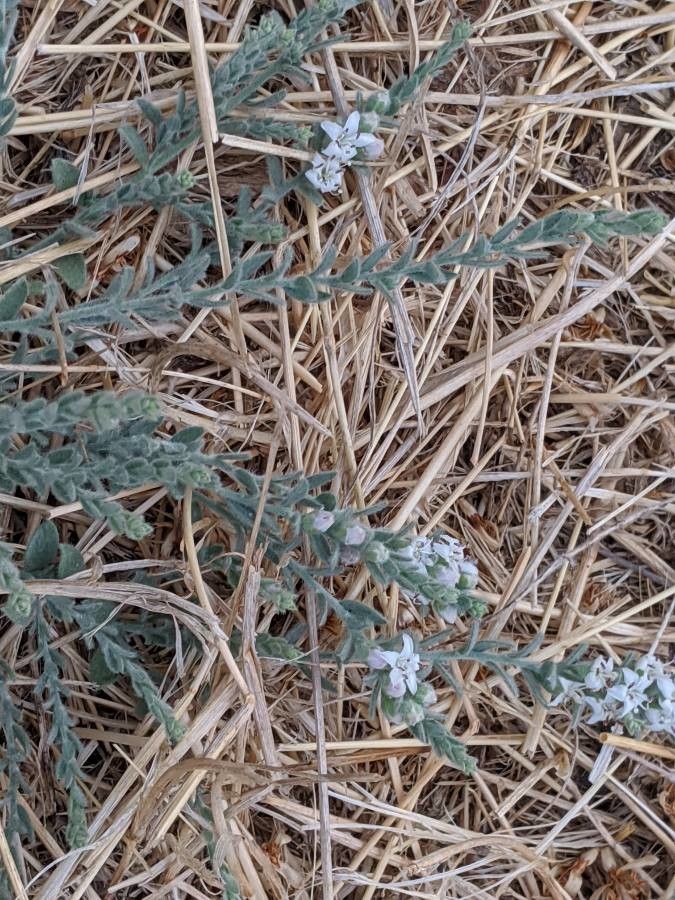
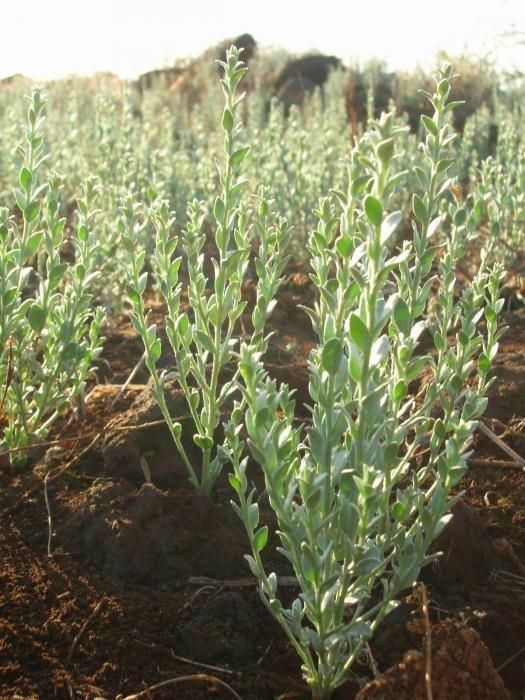
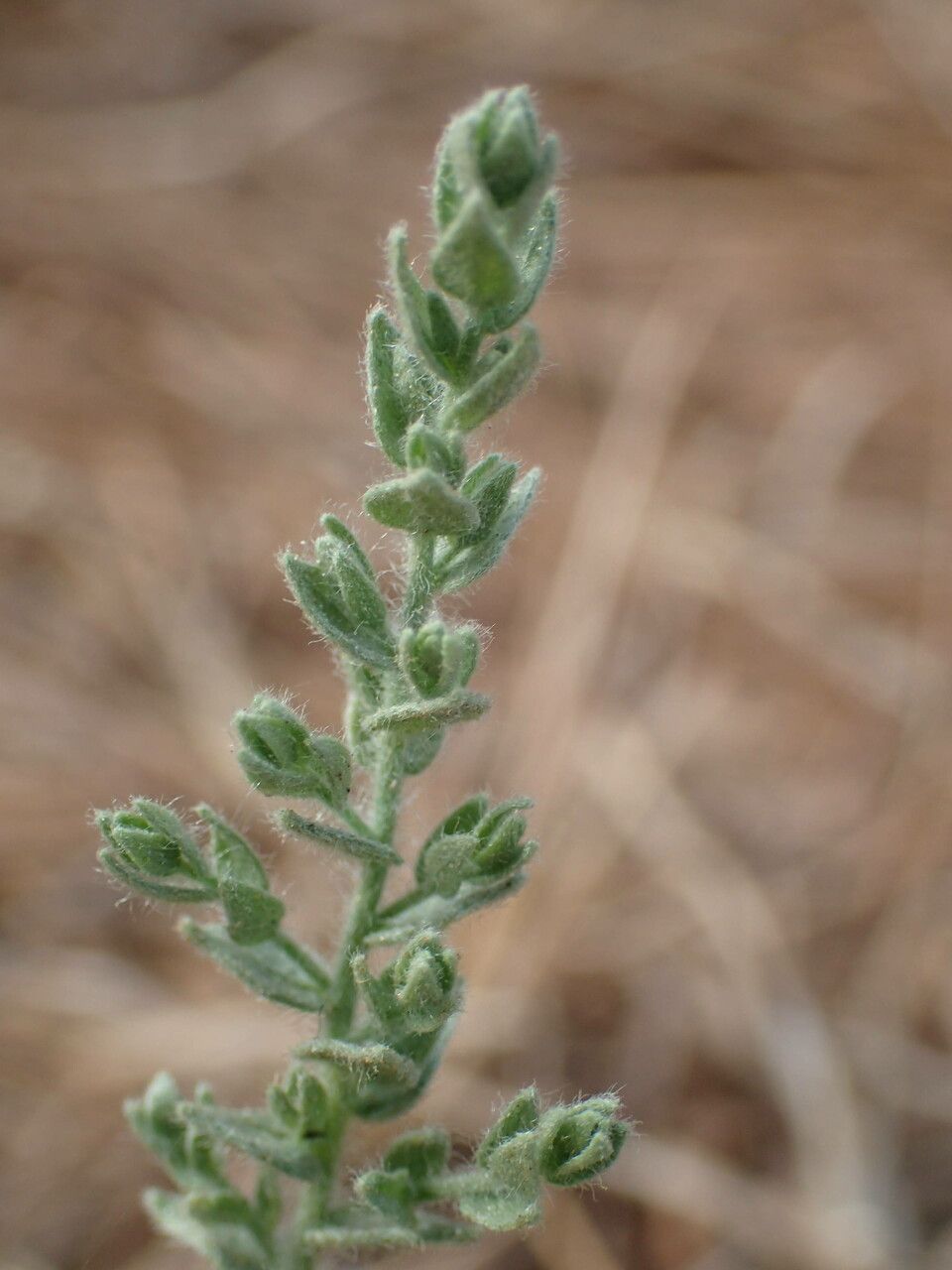
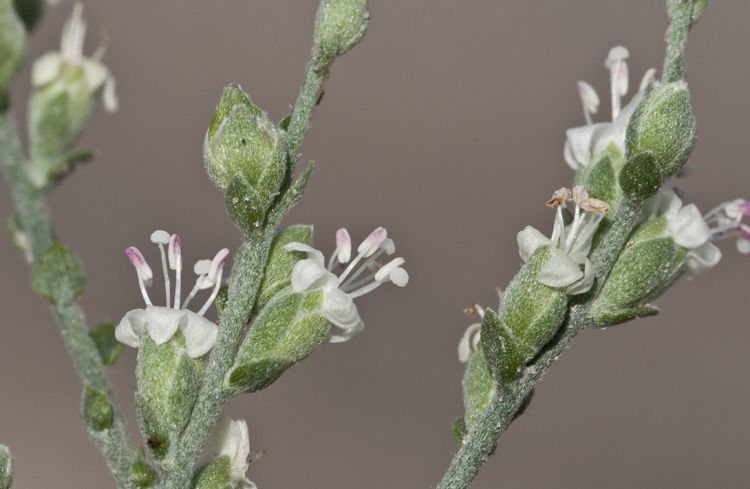
Cressa truxillensis is a small herbaceous plant belonging to the Convolvulaceae family. Commonly known as the "water snowflake," its name derives from its delicate white flowers that resemble snowflakes. This plant is native to South America and is typically found in wetlands and marshes.
Cressa truxillensis grows in a prostrate manner, with stems that can extend up to 30 cm in length. The leaves are small, oval-shaped, and arranged alternately along the stem. The white flowers, each with five petals, are borne on short stalks that emerge from the leaf axils.
Traditionally, indigenous communities in South America have used this plant for its diuretic properties. Additionally, some cultures have utilized it as a food source.
Cressa truxillensis plays an essential role in wetland ecosystems. It helps stabilize soil, prevent erosion, and provides habitat for various aquatic organisms, including fish, insects, and birds.
In summary, Cressa truxillensis is a fascinating plant with both cultural significance and ecological importance in its native South American range.
Spreading alkaliweed has good disease resistance and is generally not prone to illnesses. However, it can be susceptible to pests and diseases present in its surroundings. These infections are typically not severe. In terms of care, this plant requires medium maintenance. It should be pruned regularly to keep a good appearance and support healthy growth. Fertilization can also help promote flowering. Spreading alkaliweed is suitable for anyone with an outdoor space, such as a garden or patio, and does not demand extensive care experience. It may require more attention when grown indoors.
How to keep Cressa Truxillensis.
Light
Spreading alkaliweed tends to favor locations that receive abundant sunlight throughout the day. This tendency reflects its native habitat, which prospers under those conditions. However, too much or too little sun can negatively impact the plant's growth.
Water
Spreading alkaliweed, which thrives in arid environments, is highly drought-tolerant because it efficiently stores moisture. To keep it healthy without overwatering, it needs minimal supplemental watering—ideally once a week. Commonly cultivated outdoors, spreading alkaliweed is perfect for xeriscaping, as it helps reduce irrigation requirements.
Temperature
Spreading alkaliweed demonstrates good temperature adaptability, enduring high heat and significant temperature fluctuations. In hot weather, attention should be given to watering and offering some shade to prevent sunburn. On the other hand, its cold tolerance is fairly weak. While it can handle a certain amount of chill, very cold conditions can cause frost damage.
Fertilizer
Typically one fertilizer application in spring suffices for Spreading alkaliweed, though multiple feedings can enhance growth. Apply fertilizer every one to one and a half months. Fertilization improves leaf appearance and function, maintaining even color and a healthy texture. It also encourages root development and nutrient uptake for long-term plant health.
Pruning
Spreading alkaliweed is a hardy perennial known for its ability to thrive in saline soils. To encourage growth and maintain its shape, prune the plant from early to late spring. Be sure to trim away dead stems and thin out older growth to improve air circulation. Light pruning enhances both the plant's resilience and its appearance.
Botanical profile.
- Plant Type
- Herb
- Life Cycle
- Perennial
- Genus
- Cressa
- Family
- Convolvulaceae
- Hardiness Zone
- 8-11
- Mature Height
- 25 cm
- Mature Spread
- 10 cm to 30 cm
- Leaf Color
- Green
- Leaf Type
- Evergreen
- Flower Color
- White
- Flower Size
- 0.76 cm
- Bloom Time
- Summer, Early fall
- Planting Time
- Summer
- Harvest Time
- Late summer, Fall
- Native Area
- Uruguay, Chile, Paraguay, Argentina, Mexico, Bolivia, Peru, Ecuador
Other names.
Reader questions.
How should I water my Spreading alkaliweed?
To properly water the Spreading alkaliweed, it is important to use filtered water at room temperature. Tap water may contain particles that can harm the plant, so it is best to avoid using it. Additionally, the water should not be cold as the plant is accustomed to warm environments and may be shocked by cold water. Instead of watering the plant from above, it is recommended to directly water the soil. This can be done by pouring filtered room temperature water onto the soil until it is completely saturated. This method helps moisten the roots and allows them to spread throughout the soil to gather necessary nutrients.
Can the sun harm Spreading alkaliweed? How can we shield Spreading alkaliweed from the sun and heat damage?
In warm climates, some Perennial Flowering Plants may struggle with excessive heat and suffer from sun damage. They can wilt, dry out, or even experience growth problems if they are consistently exposed to the intense afternoon sun. However, not all plants require protection from the light afternoon sun. For those that are harmed by intense afternoon exposure, it is recommended to provide them with some shade in warmer climates. Gardeners can achieve this by planting these plants in areas that do not receive direct heat during the afternoon, such as under trees or behind bushes.
What should I do if I give too much or too little water to my Spreading alkaliweed?
Overwatering is a common issue for Spreading alkaliweed and can cause wilting, yellowing, and diseases like root rot. Underwatering is less common but can make the leaves brittle and brown. It's important to detect overwatering early and reduce watering immediately. Check the soil drainage and replace it if it's poor. If underwatering is the problem, simply water more regularly until the signs improve.
What kind of sunlight does Spreading alkaliweed need?
Alkaliweed requires full sun on a daily basis in order to maintain the health of its leaves, roots, and blooms. Generally, perennials also need at least six hours of sunlight every day, including plants such as the Orange Daylily or Giant Coreopsis. However, these specific perennial flowering plants can survive with a minimum of three hours of direct sunlight each day. It is important to note that while they can survive with less sun, they will not flourish as they would under sunnier conditions.
How many times do I need to water my Spreading alkaliweed?
If your Spreading alkaliweed plant is in a pot, the best way to check if it needs water is by putting your finger in the soil. If the top two to three inches of soil are dry, it's time to water it. If you have the plant outdoors in the ground, you can use the same method. When the first few inches of soil have dried out, it's time to add water. During spring and early fall, you'll probably need to water it about once a week. In extremely hot weather, you may need to water it two or more times a week. However, mature and well-established Spreading alkaliweed plants are usually able to survive periods without water.
Should I keep Spreading alkaliweed away from the sun?
Certain perennial plants require ample sunlight to reach their maximum bloom. However, in warmer climates, some of these plants actually benefit from less sun. For instance, individuals residing in hotter regions might find it beneficial to shade their flowering perennials during the intense afternoon sun, especially during summer months. Although many perennial flowering plants prefer partial shade in the hottest climates, there are exceptions. Take the Giant Coreopsis, for example, as it is not bothered by excessive sun exposure. These plants can flourish even when placed in the full sun during scorching weather.
How much water does my Spreading alkaliweed plant need?
To properly water your Spreading alkaliweed, it's important to be generous with the amount of water you provide. When the top two to three inches of soil are dry, it's time for a thorough watering. Make sure to soak the soil completely, allowing excess water to flow out of the drainage holes in the pot. If you don't see any water draining, it means you haven't provided enough water. However, be cautious not to let water accumulate inside the soil, as this can harm the plant. It's also worth noting that if the water doesn't drain properly, it might indicate that the soil is not draining well, which can negatively affect the plant's health. If the Spreading alkaliweed is grown outdoors, about 1 inch of rain per week should be enough.
What happens if Spreading alkaliweed doesn't get enough sunlight?
If your Spreading alkaliweed isn't receiving enough sunlight, you'll see signs of its insufficient needs. Most plants won't have as many blooms as they would with full sun exposure. Some plants might develop dry spots on their leaves, but they will still bloom even in the inadequate sun. However, the flowers will be smaller and less full.
How do I water my Spreading alkaliweed at different stages of growth?
The water needs of the Spreading alkaliweed can vary depending on its growth stages. In the first few years of life or after being transplanted, more water is needed. During these stages, the plant directs energy towards developing new roots for future growth, requiring extra moisture. As the plant matures, less water is required. Additionally, during the bloom period, the flower development uses a significant amount of moisture, so more water may be necessary at this time.
Do alkaliweed plants need special sunlight care during their different growth stages?
Alkaliweed is a great flower for gardens, and it thrives when it receives at least six hours of sunlight each day. However, during the hottest parts of the day, it may be beneficial to provide partial shade in order to keep the flowers fresh for a longer period of time. For young plants, it's important to provide enough sunlight but also protect them from the intense afternoon heat. On the other hand, fully mature plants should be exposed to plenty of sun to support their continued growth.
How should I water my Spreading alkaliweed during different seasons?
The Spreading alkaliweed has different water needs depending on the season. In the hottest months of the year, like summer, it requires the most water. You may need to water it more than once per week, depending on how quickly the soil dries out. However, during the winter, the plant enters a dormant phase and needs much less water. In fact, you may not need to water it at all during winter. If you choose to water it during this time, do so no more than once per month to avoid the risk of disease.
How much light does Spreading alkaliweed require for making food?
Alkaliweed requires a minimum of six hours of light to support their photosynthesis cycles and promote growth in foliage and blooms. On the other hand, certain perennial flowering plants like the Giant Coreopsis need eight to twelve hours of full sun daily to maintain their large flowers and healthy foliage.