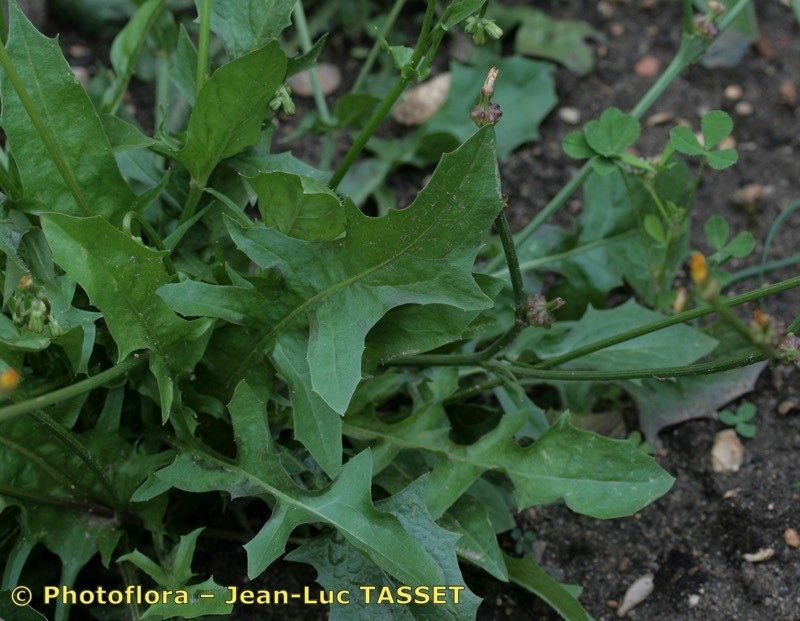
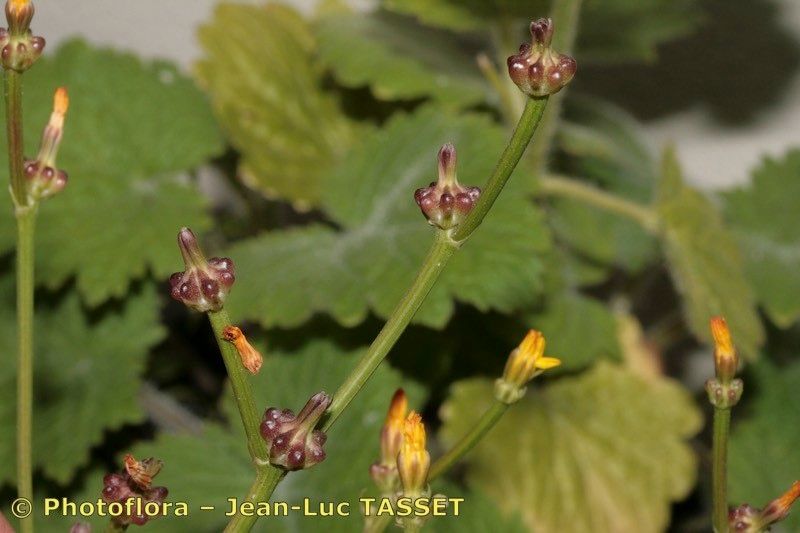
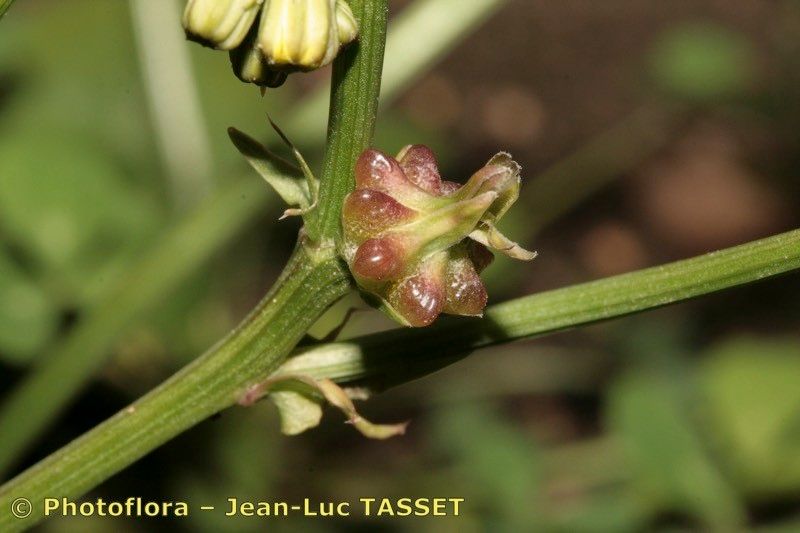
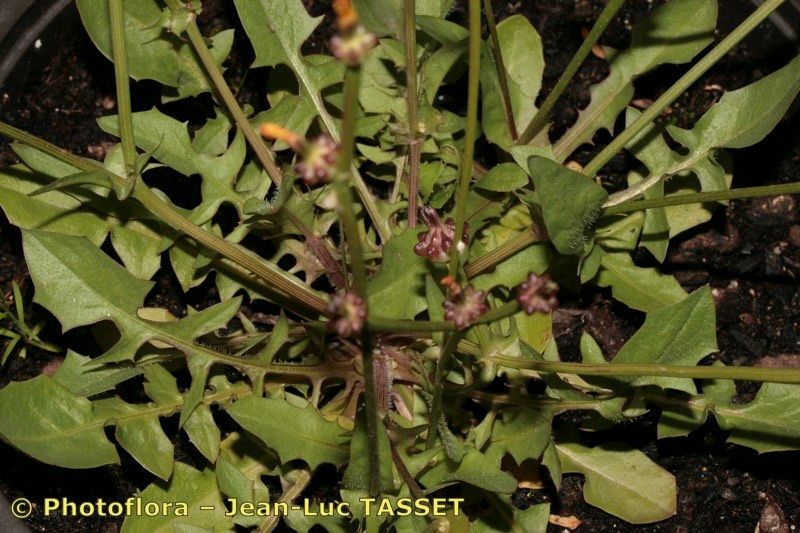
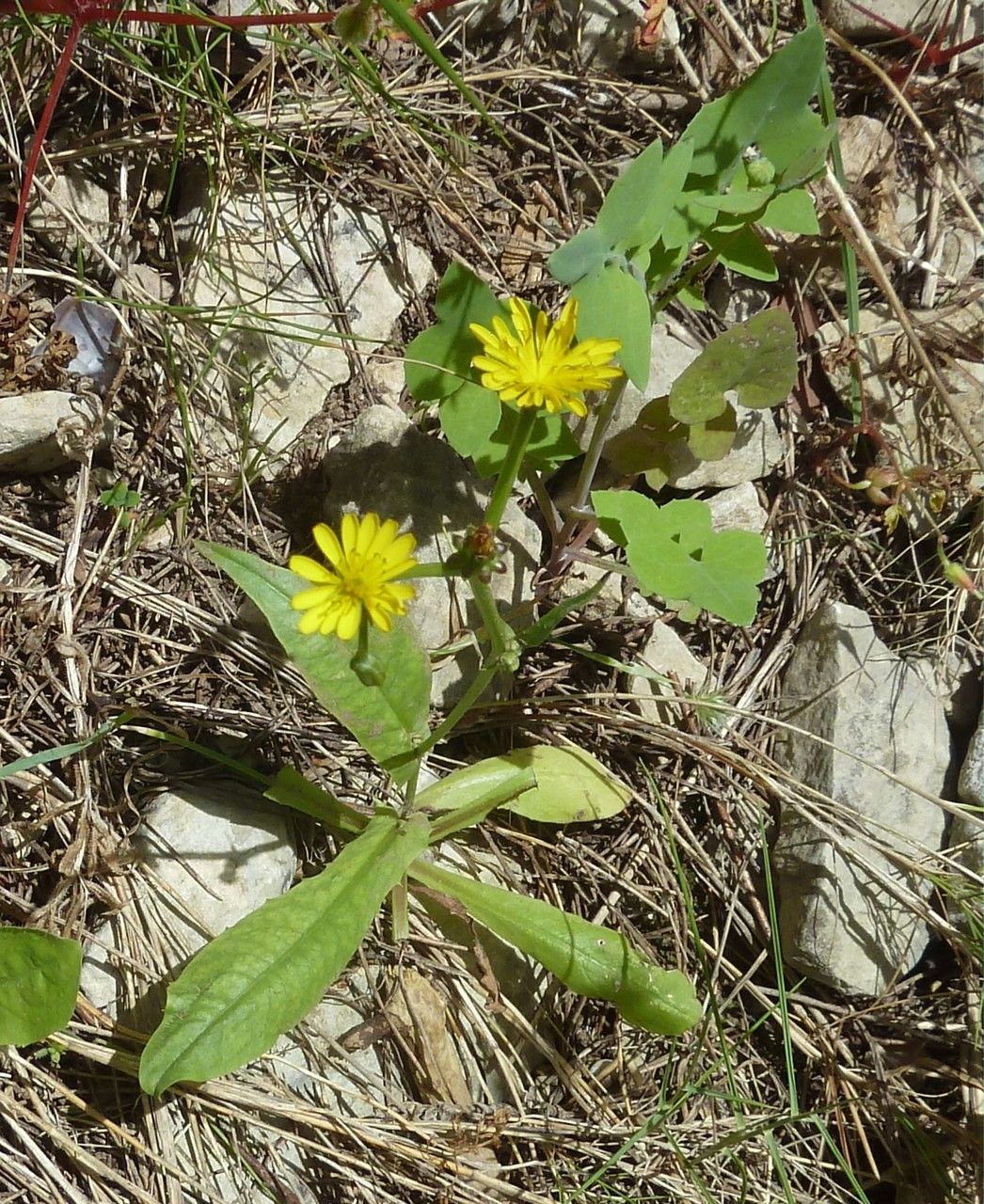
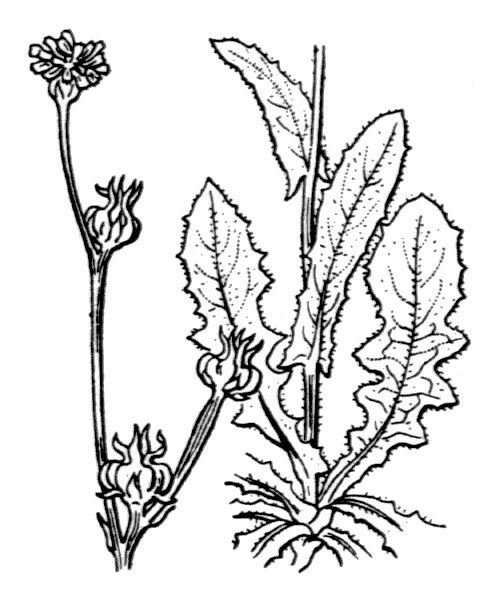
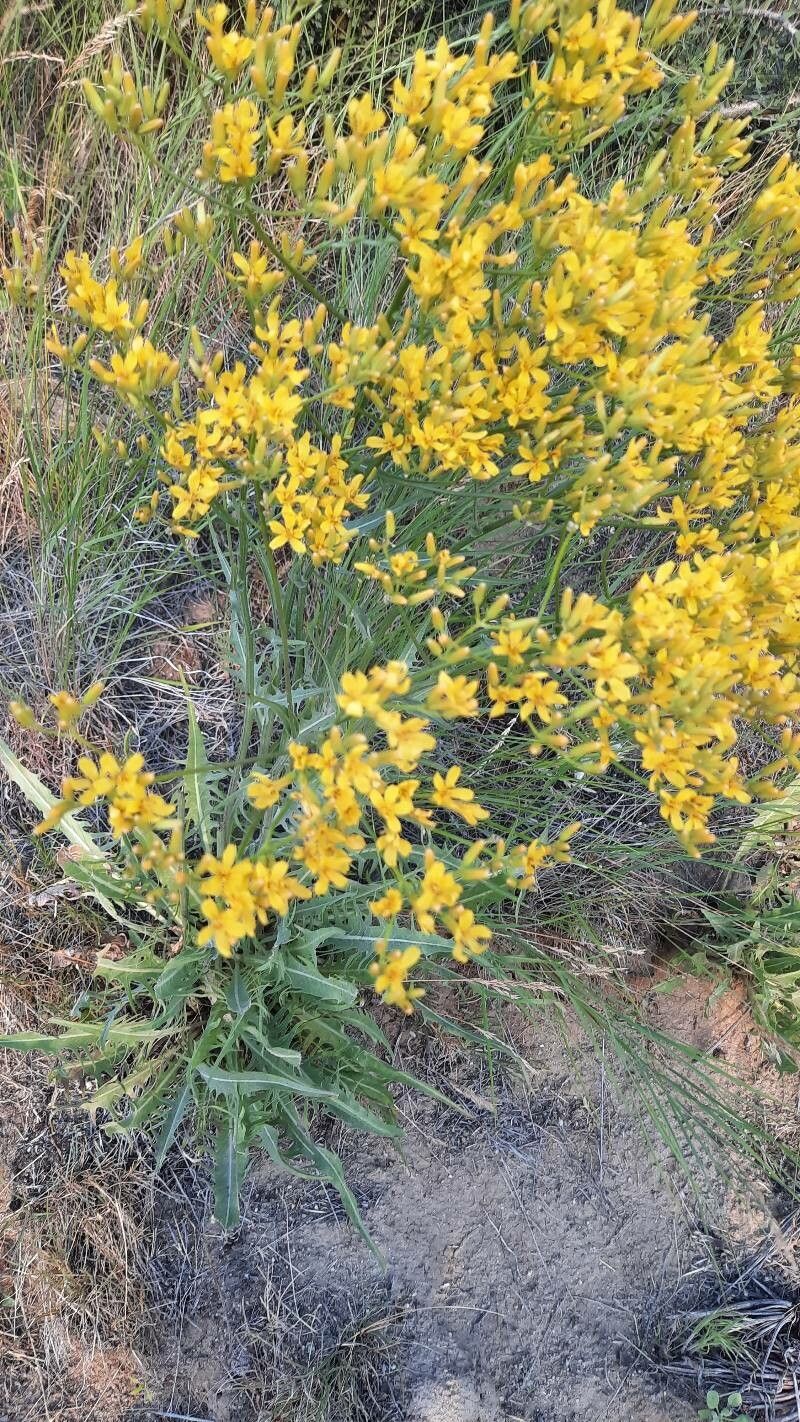
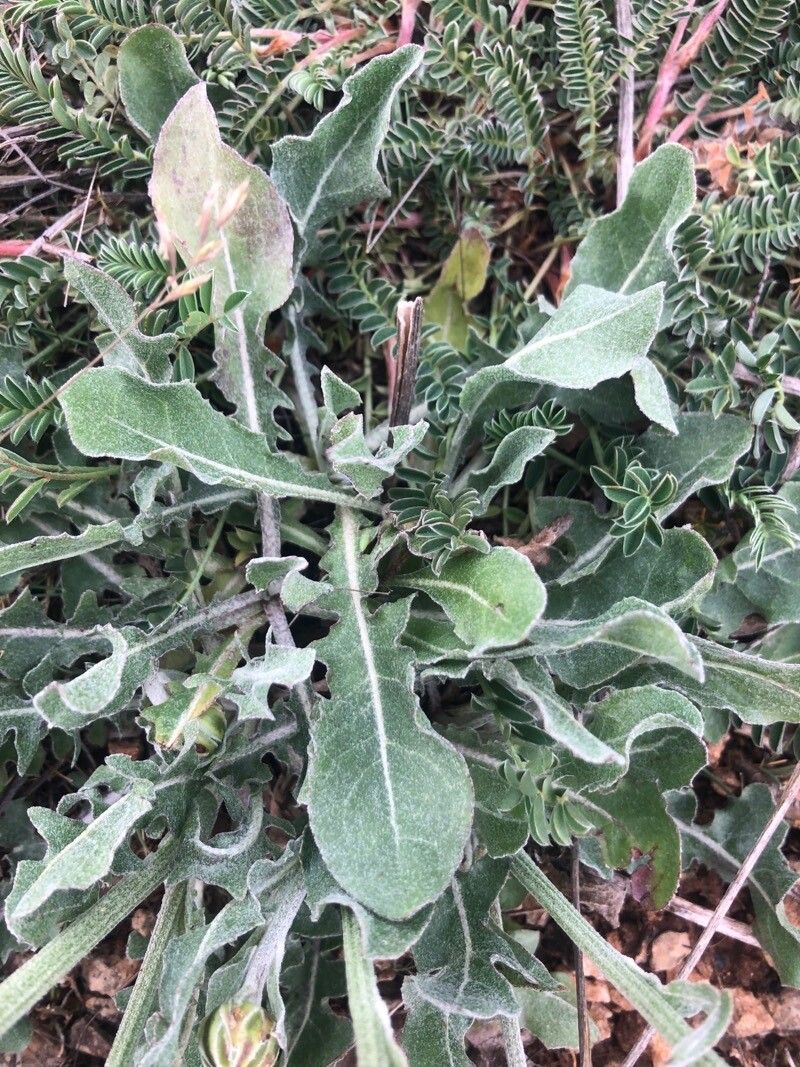
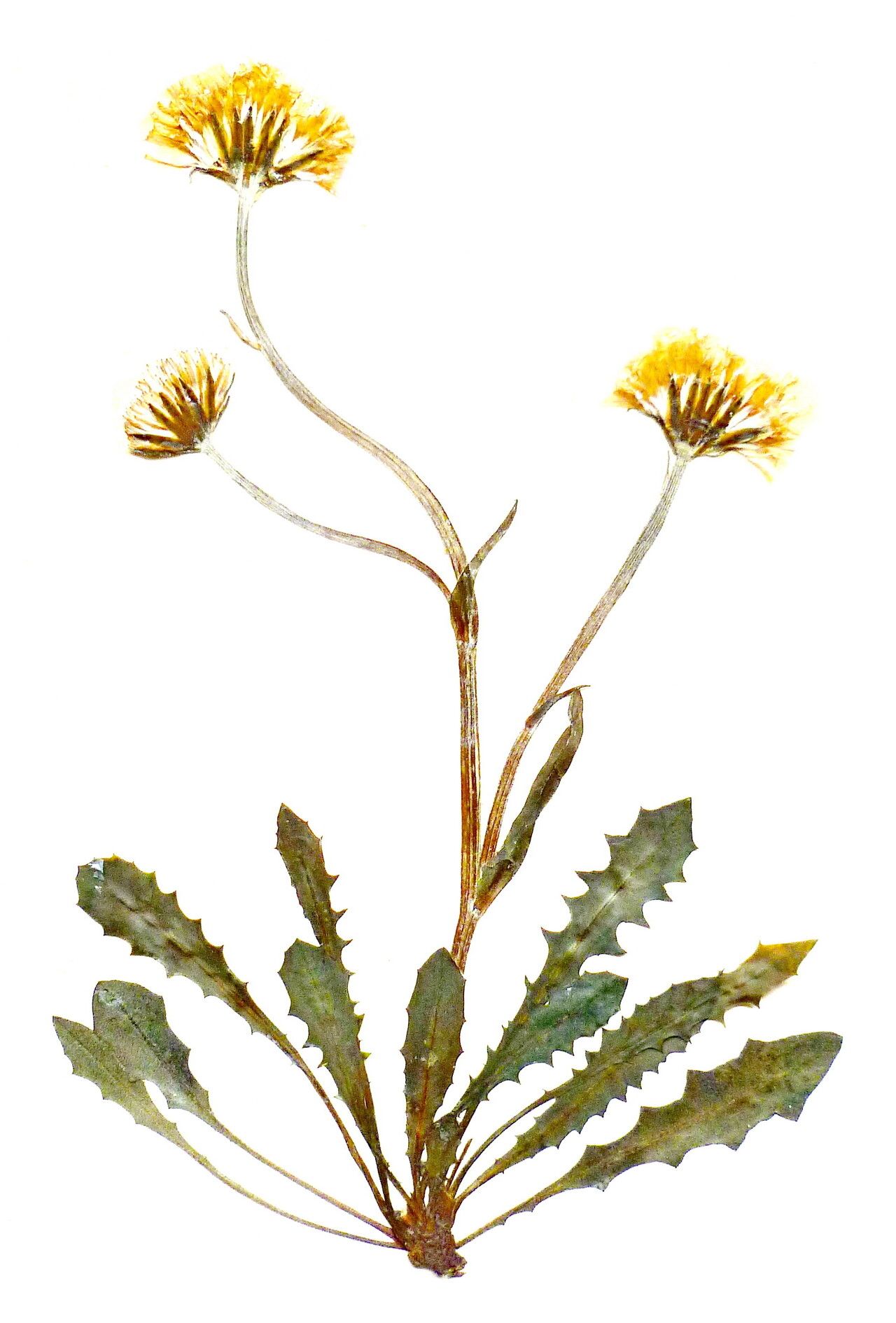
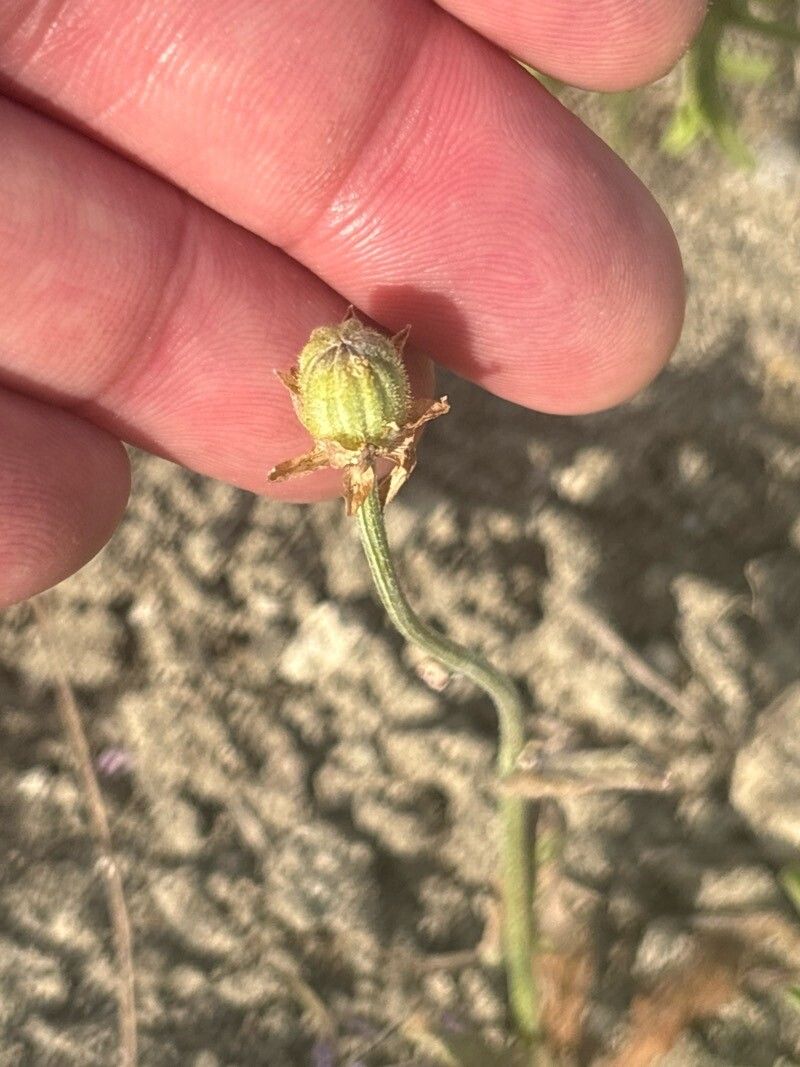
Crepis zacintha, the striped hawksbeard, is a plant species native to southern Europe (Greece, Italy, Albania, Bulgaria, etc.) but now naturalized on roadsides and other disturbed sites in Texas, Israel, Cyprus, and the United Kingdom.Crepis zacintha is an annual herb up to 30 cm (12 inches) tall, often branching above ground. Heads are solitary in the axils of branches. Each head has up to 30 ray florets, yellow with a reddish tinge on the back. There are no disc florets.
Striped hawksbeard has good resistance to disease and is generally not prone to illnesses. However, it can be vulnerable to pests and diseases found in its environment. These infections are typically mild. Regarding care, this plant requires moderate maintenance. It should be pruned regularly to preserve its appearance and promote healthy growth. Fertilizing can also encourage flowering. Striped hawksbeard is appropriate for anyone with outdoor space, such as a garden or patio, and does not demand extensive gardening experience. It may need more attention when cultivated indoors.
How to keep Crepis Zacintha.
Fertilizer
Striped hawksbeard does well with regular, weak fertilizer applications to encourage healthy leaf growth. Fertilize Striped hawksbeard about once a month during the summer. Nitrogen is vital for foliage, and providing nitrogen-rich sources helps Striped hawksbeard thrive.
Botanical profile.
Other names.