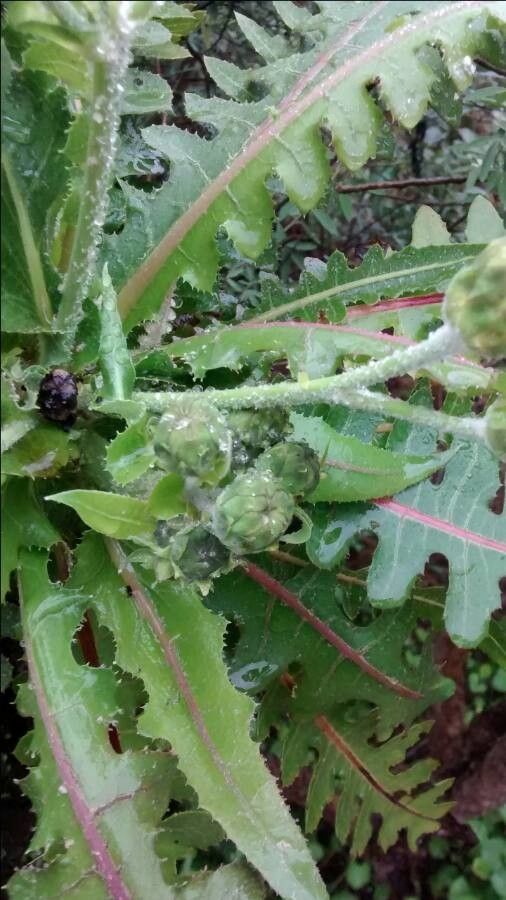
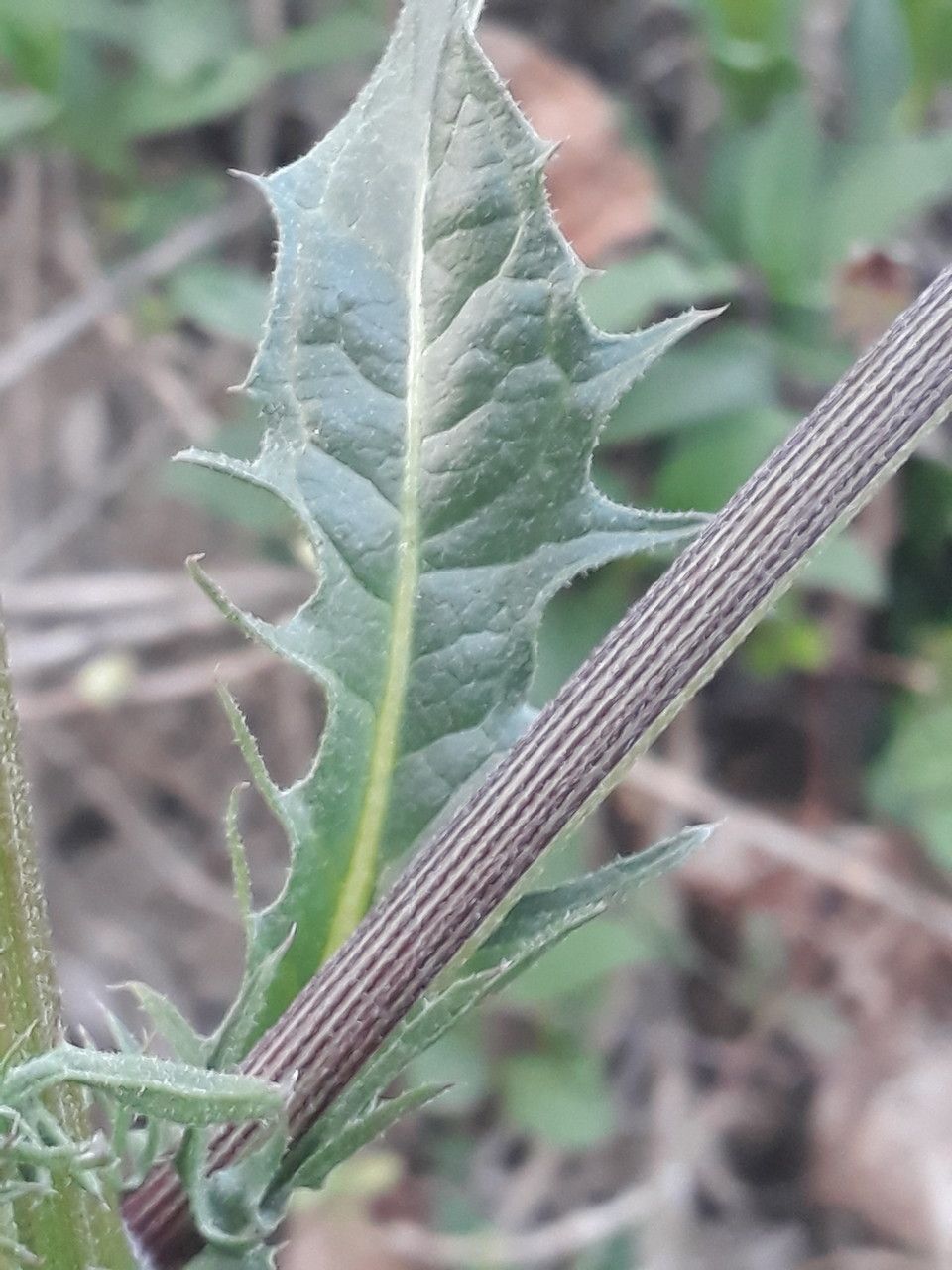
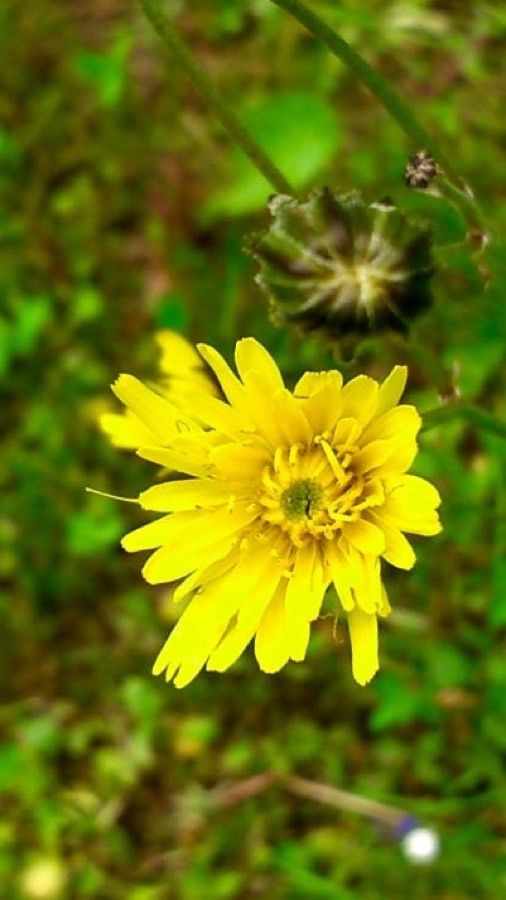
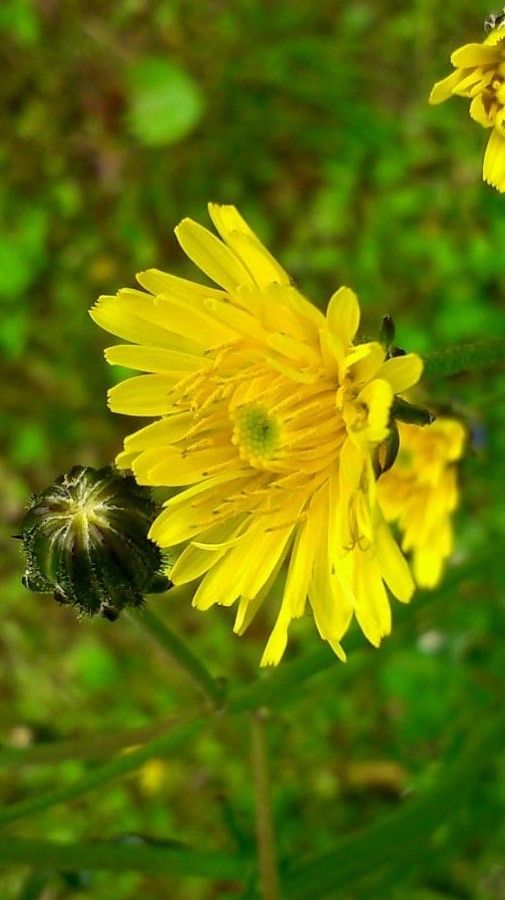
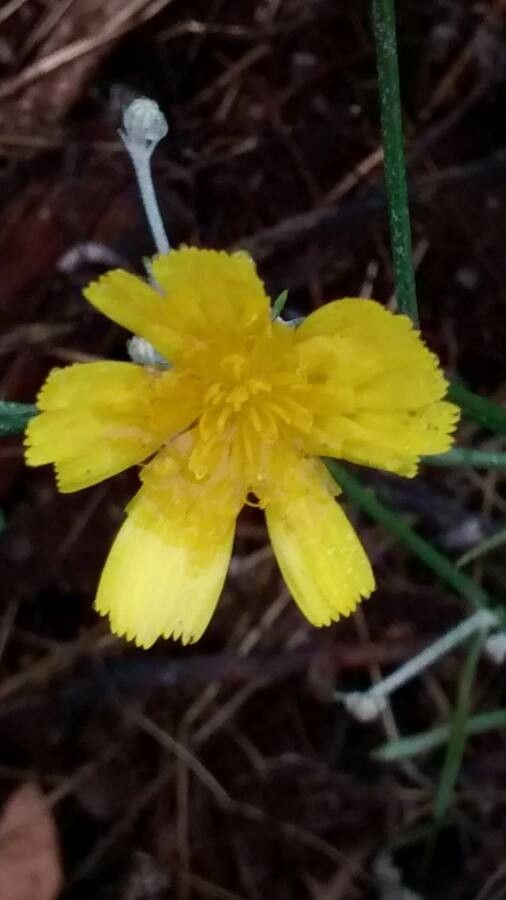
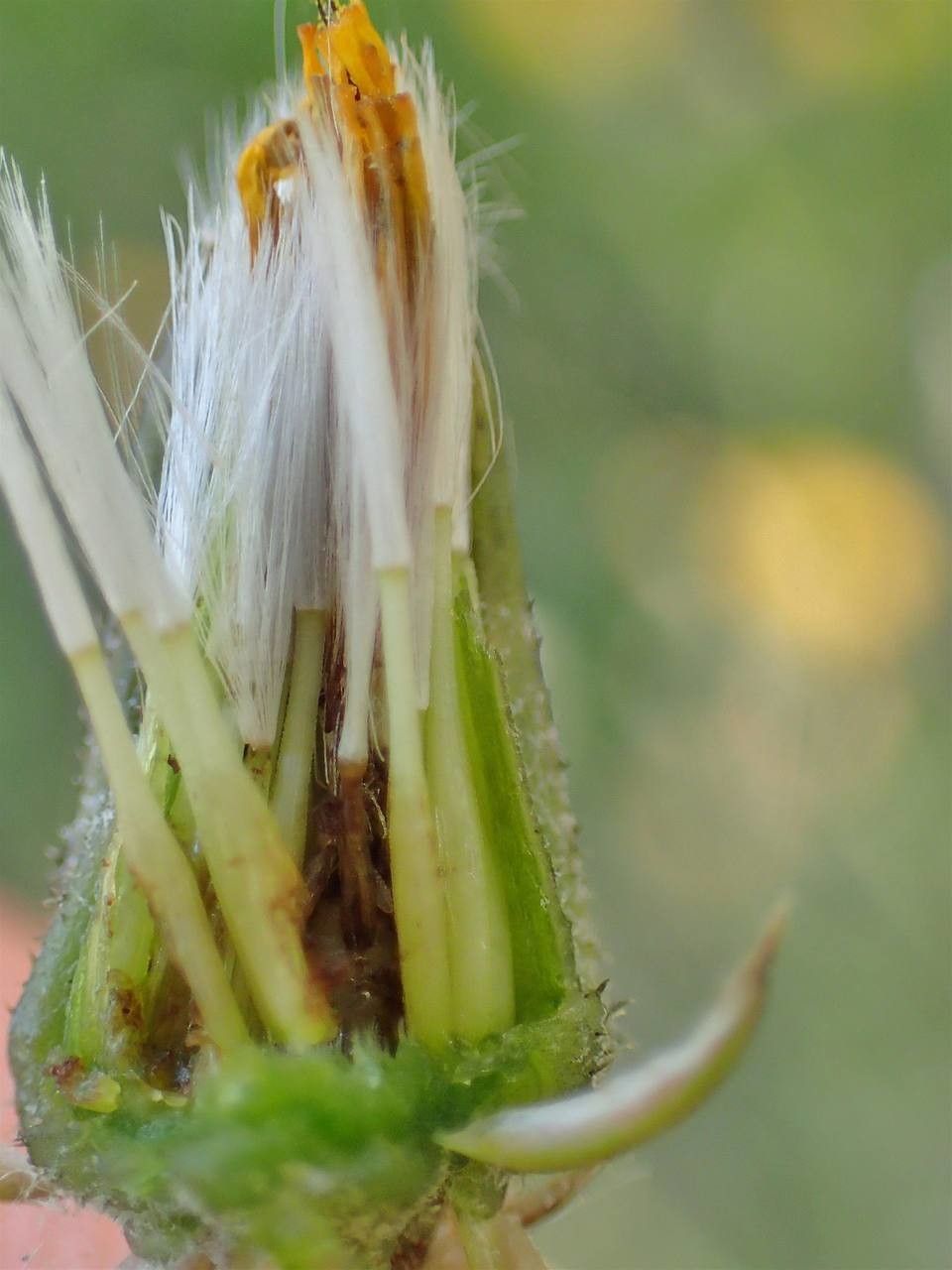
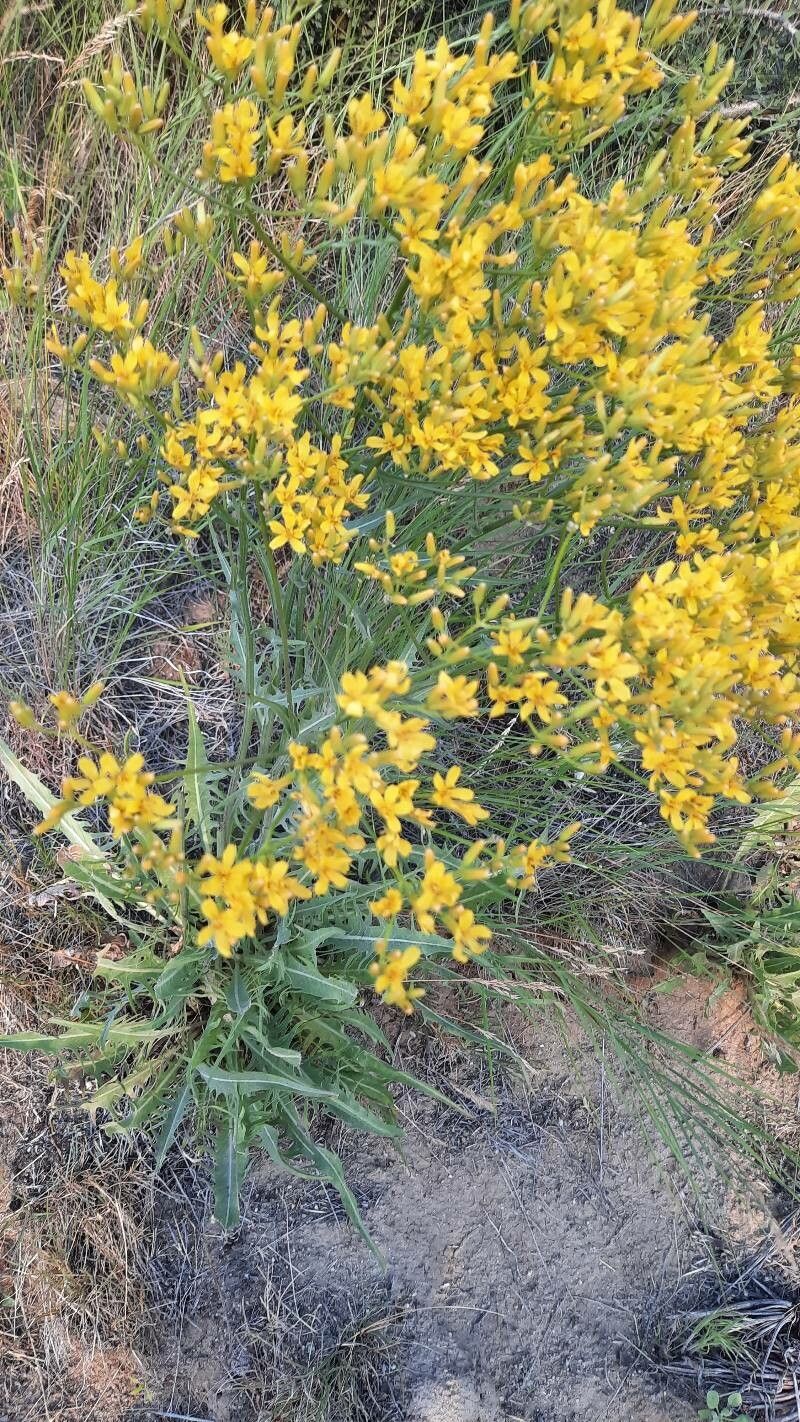
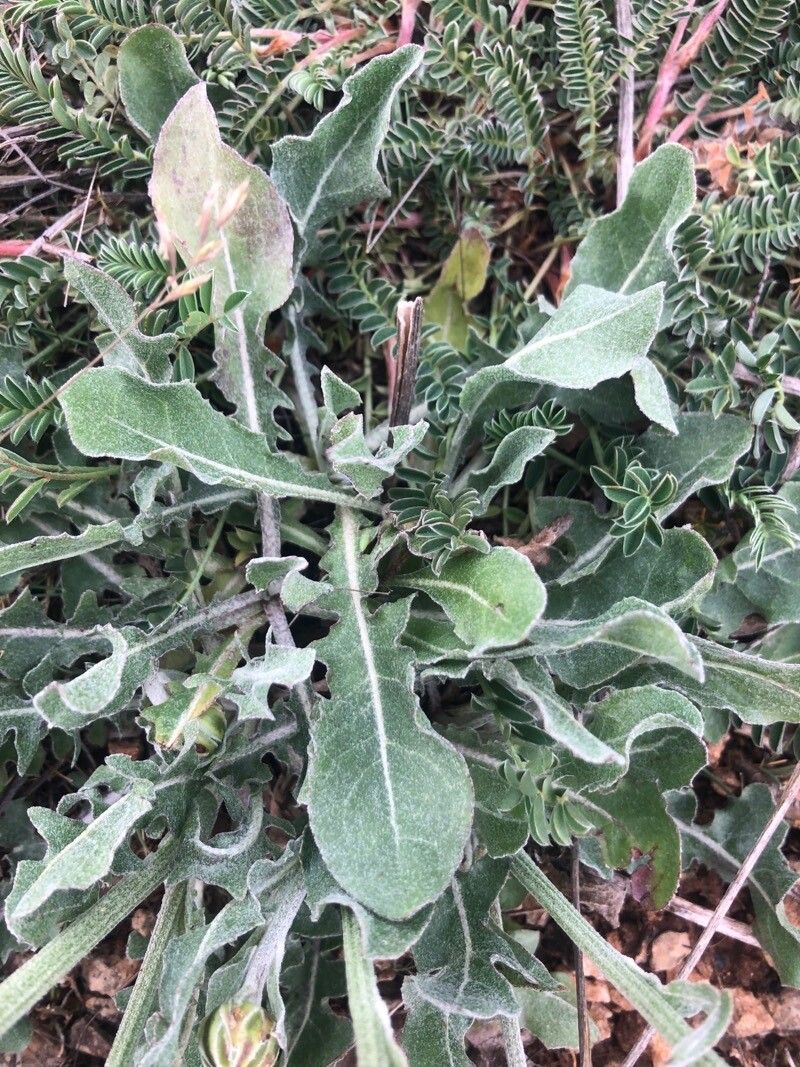
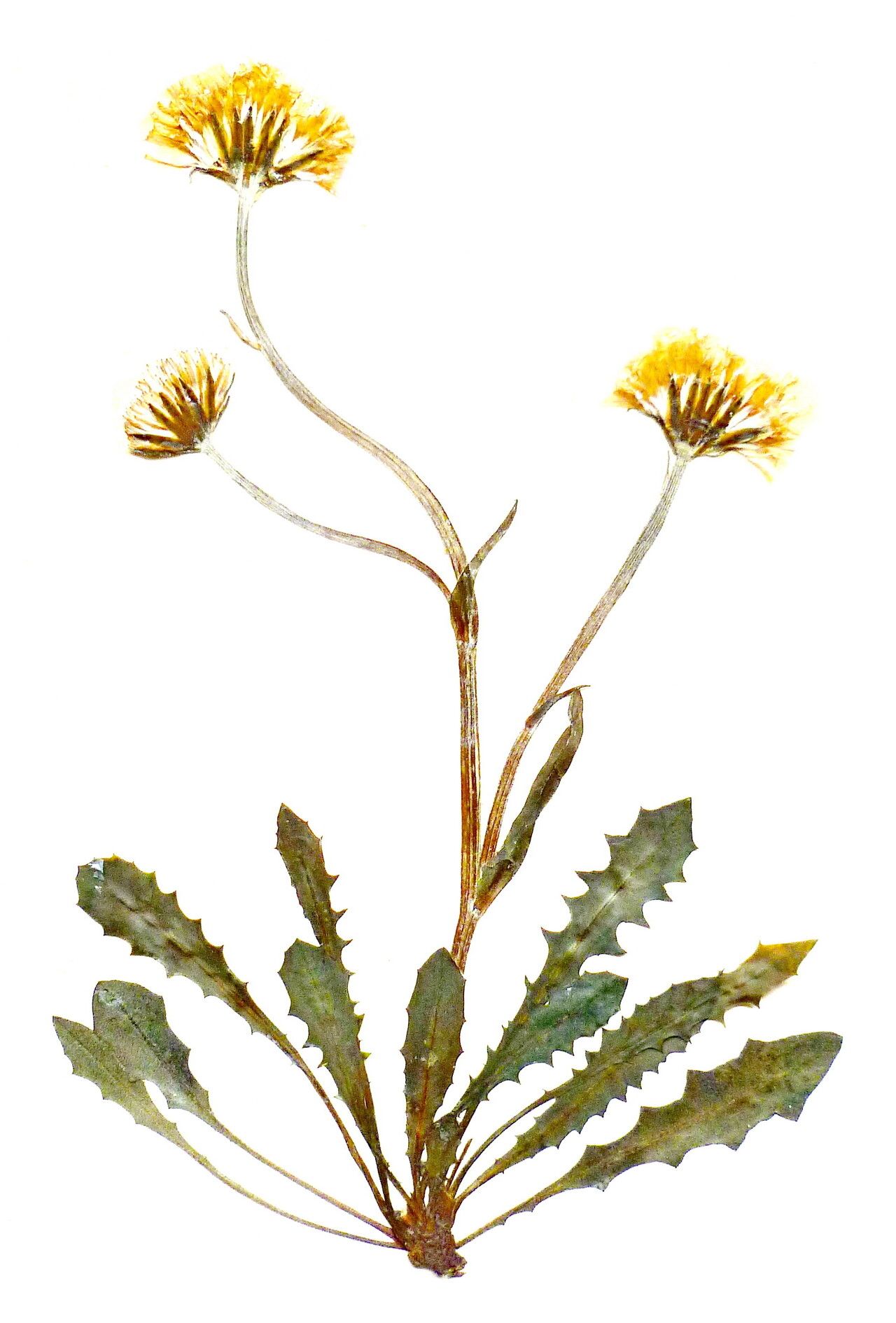
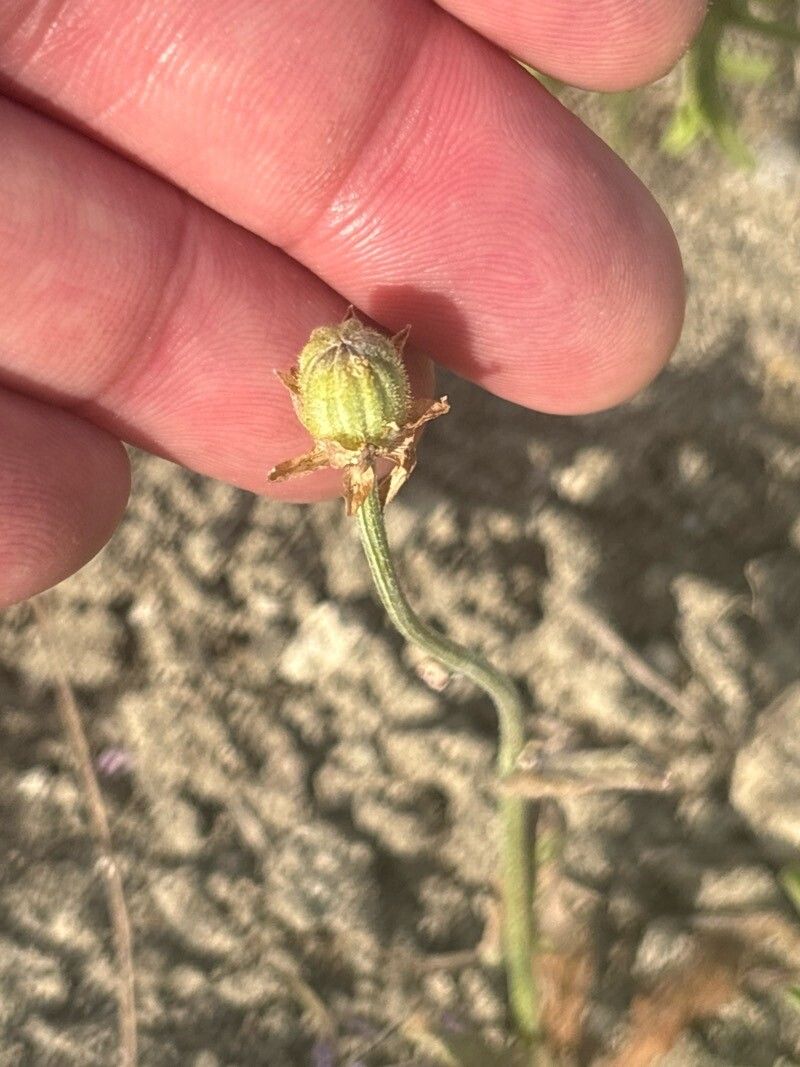
Crepis vesicaria, commonly known as bladderpod hawk's-beard, is a flowering plant that belongs to the Asteraceae family. Native to Europe and Asia, it has also been introduced in North America. This plant can grow up to 60 cm tall and features a basal rosette of lance-shaped leaves with toothed edges. Its stem is hairy and branched, supporting yellow flowers that bloom from May to August.
Bladderpod hawk's-beard thrives in dry, rocky habitats such as cliffs, slopes, and disturbed areas like roadsides or abandoned fields. It can tolerate poor soil conditions but requires full sun exposure for optimal growth.
Historically, the plant has been used in traditional medicine for its diuretic properties and as a remedy for liver ailments. However, caution is advised as it contains toxic compounds, including pyrrolizidine alkaloids.
Overall, Crepis vesicaria is an intriguing wildflower species known for its distinctive appearance and medicinal properties, though it should be handled carefully due to its potential toxicity.
Beaked hawk's-beard has good disease resistance and is generally not vulnerable to illnesses. However, it can be affected by pests and diseases present in its environment. These problems are generally minor. Its care level is moderate. It should be pruned regularly to preserve a tidy appearance and support healthy growth. Fertilizing can also encourage flowering. Beaked hawk's-beard is well suited to anyone with an outdoor area, such as a garden or patio, and does not require extensive gardening experience. It may need more attention when cultivated indoors.
How to keep Crepis Vesicaria.
Light
The beaked hawk's-beard typically prefers bright, sunny conditions with direct exposure to the sun, yet it can tolerate a certain amount of shade. Its origin in very well-lit habitats indicates that sunlight is essential to its healthy growth, and cloudy or weak light can hinder its development.
Water
Beaked hawk's-beard, which comes from Mediterranean climates, thrives in sunny conditions and has a moderate tolerance for drought. To mimic its native habitat's dry conditions and occasional rain, it should be watered weekly. During its active growing season, it's important to maintain consistent soil moisture to ensure strong growth and vitality.
Temperature
Beaked hawk's-beard is suited to warm conditions and naturally flourishes where temperatures range from 68 to 95 °F (20 to 35 ℃). Growers should keep this temperature constant year-round for best growth.
Fertilizer
Beaked hawk's-beard plants are considered heavy feeders with respect to nutrients. They require frequent, low-dose applications of nitrogen and potassium fertilizers and periodic additions of phosphorus, micronutrients, sulfur, and magnesium to sustain good growth and bright coloration. Continuous fertilization throughout the growing season is needed to prevent deficiency symptoms and maintain optimal growth.
Pruning
Pruning beaked hawk's-beard in the spring, whether early or late, encourages healthy growth. Remove any dead or damaged stems and weak growth to enhance air circulation and minimize disease risk. For the best results, use clean, sharp tools to make precise cuts just above the leaf nodes.
Botanical profile.
- Plant Type
- Herb
- Life Cycle
- Biennial, Annual
- Genus
- Crepis
- Family
- Asteraceae
- Hardiness Zone
- 7-10
- Mature Height
- 1.22 m
- Mature Spread
- 20 cm to 40 cm
- Leaf Color
- Green, Dark Green
- Leaf Type
- Semi-evergreen
- Flower Color
- Yellow
- Flower Size
- 1.52 cm to 2.03 cm
- Bloom Time
- Late spring, Early summer, Mid summer
- Planting Time
- Spring, Summer
- Harvest Time
- Early summer, Mid summer
Other names.
Reader questions.
How should I water my Beaked hawk's-beard plant?
To ensure the Beaked hawk's-beard stays healthy while watering, it is best to use filtered water at room temperature or slightly warmer. Tap water may harm the plant due to potential harmful particles. The Beaked hawk's-beard originates from warm environments, so using cold water can shock its system. Avoid overhead watering to prevent foliage problems. Instead, directly apply filtered room temperature water to saturate the soil completely. This watering method benefits the plant by keeping the roots moisturized and aiding their nutrient absorption.
What are the sunlight requirements for Beaked hawk's-beard?
Beaked hawk's-beard flourishes best under full sun conditions, requiring above 6 hours of sunlight daily, but it can also tolerate partial sun, with about 3-6 hours of sunlight. It's vital to observe the movement of sunlight through your garden to locate the ideal balance of light and shade, ensuring the plant's wellbeing by providing the perfect amount of light for its healthy growth.
What temperature is ideal for growing Beaked hawk's-beard?
Beaked hawk's-beard thrives in warm temperatures, with the ideal range being between 68 to 95 °F (20 to 35 °C). For optimal growth, it's important to maintain this temperature range throughout the year. Despite its strong cold resistance, ensuring the plant is protected against temperatures dropping below -15°C during winter by covering it with soil or straw can be beneficial. Additionally, watering the plant abundantly before the first freeze to keep the soil moist is recommended to prevent drought and water scarcity during winter and early spring.
What should I do if I give my Beaked hawk's-beard plant too much water or too little water?
Overwatering is a more common issue for Beaked hawk's-beard plants, leading to wilting, yellowing leaves, and potentially fatal diseases like root rot, mold, and mildew. Underwatering is less common but can still occur, causing brittle, brown leaves. It's important to notice signs of overwatering early to prevent irreversible damage. Reduce watering if signs are present and consider replacing poorly draining soil. For underwatering, simply increase watering until signs improve.
How essential is sunlight for the growth of Beaked hawk's-beard?
Sunlight is crucial for the healthy development of the Beaked hawk's-beard, as it thrives in clear skies and full strength of the sun, exhibiting resilience by also growing in partial shade. This plant originates from brightly lit habitats, indicating that sunlight is fundamental to its vigorous growth. Inadequate light can weaken its growth, suggesting the importance of ensuring it receives sufficient sunlight.
How does Beaked hawk's-beard react to low temperatures?
Beaked hawk's-beard is cold-tolerant, showing optimal growth when temperatures are above 20°C and should be kept above 0°C during winter. If temperatures fall below -15°C, the plant might not show noticeable changes during winter, but a decrease in sprouting or a complete lack of sprouting might occur in spring. To manage this, remove any parts of the plant that have failed to sprout as spring arrives.
How often do I need to water my Beaked hawk's-beard?
To determine if your Beaked hawk's-beard plant in a pot needs watering, simply stick your finger into the soil. If the top two to three inches of soil are dry, it's time to water it. Similarly, if you're growing the plant outdoors in the ground, you can use the same method to test the soil. Once the top few inches have dried out, it's time to water. Normally, during spring and early fall, watering once a week is sufficient. However, in extremely hot weather, increase watering to twice a week or more. Keep in mind that mature Beaked hawk's-beard plants can handle drought well.
Can artificial lighting be used for Beaked hawk's-beard and how?
Yes, artificial lighting can be a vital solution for growing Beaked hawk's-beard indoors, especially when natural sunlight is inadequate, like during winter or in less sunny spaces. Choosing the right type of artificial light, such as LED lights, is crucial because they can provide specific wavelengths needed by the plant. Full sun plants, including Beaked hawk's-beard, require 30-50W/sq ft of artificial light. The correct distance for the light source is 12-36 inches above the plant, and it's essential to mimic natural daylight hours, usually 8-12 hours of light per day, for optimal growth.
What should I do if Beaked hawk's-beard experiences high temperatures?
In summer, it is crucial to keep Beaked hawk's-beard's temperature below 35°C. Exposure to temperatures above 41°C can cause the leaves to lighten in color, curl up, become prone to sunburn, and in severe cases, the entire plant may wilt and dry up. To mitigate this, trim away any sunburned and dried-up parts. Moving the plant to a shaded location during the midday and afternoon or using shade cloth can protect it. Make sure to water the plant in the morning and evening to maintain soil moisture.
How much water does my beaked hawk's-beard plant require?
To properly water your Beaked hawk's-beard, be generous with the amount of water you give. Make sure the top few inches of soil are dry before watering and then thoroughly soak the soil. It's important to add enough water that it flows out of the pot's drainage holes, indicating that the soil has been adequately nourished. If you don't see excess water draining, you may have not watered enough. On the other hand, avoid letting water accumulate in the soil, as it can harm the plant. Additionally, if water doesn't drain properly from the pot, it could be a sign of poorly draining soil, which is harmful to this plant's health. If the plant is outdoors, 1 inch of rain per week should be enough.
What are the symptoms of inadequate light for Beaked hawk's-beard?
When Beaked hawk's-beard doesn't receive sufficient light, it may exhibit symptoms like smaller new leaves, leggy or sparse growth, early leaf drop, slower or halted growth, lighter-colored new leaves, chlorosis, sunscald, leaf curling, wilting, and leaf scorching. These symptoms indicate light deficiency, and immediate action is needed to correct the light exposure.
How should I water my Beaked hawk's-beard plant when it is growing at different stages?
The water requirements of the Beaked hawk's-beard can vary depending on its growth stages. In the early years or when it is recently transplanted, it requires more water to support root development for future growth. As it matures, it will need less water. Additionally, during the bloom period, extra water may be necessary to support the flower development.