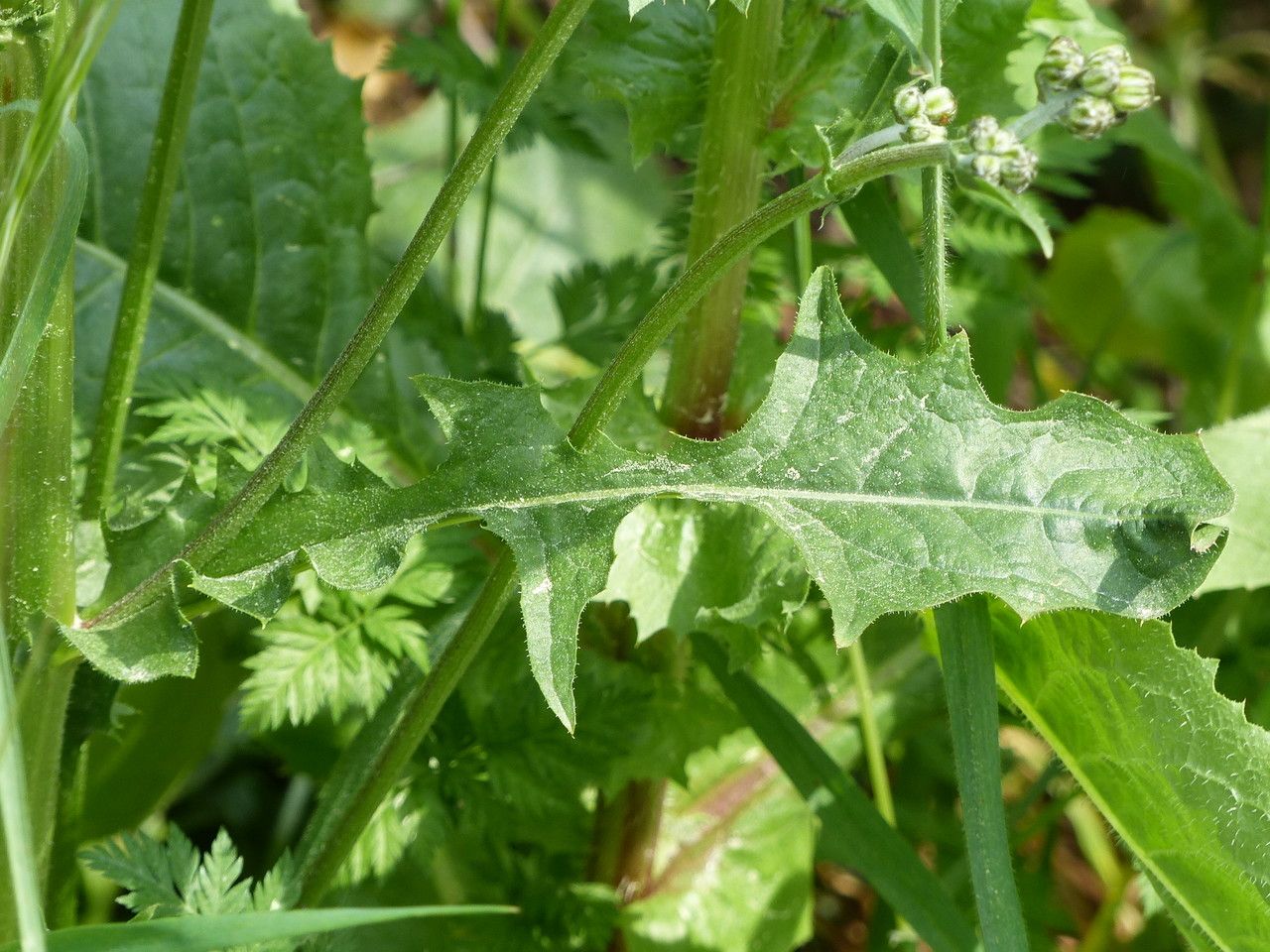
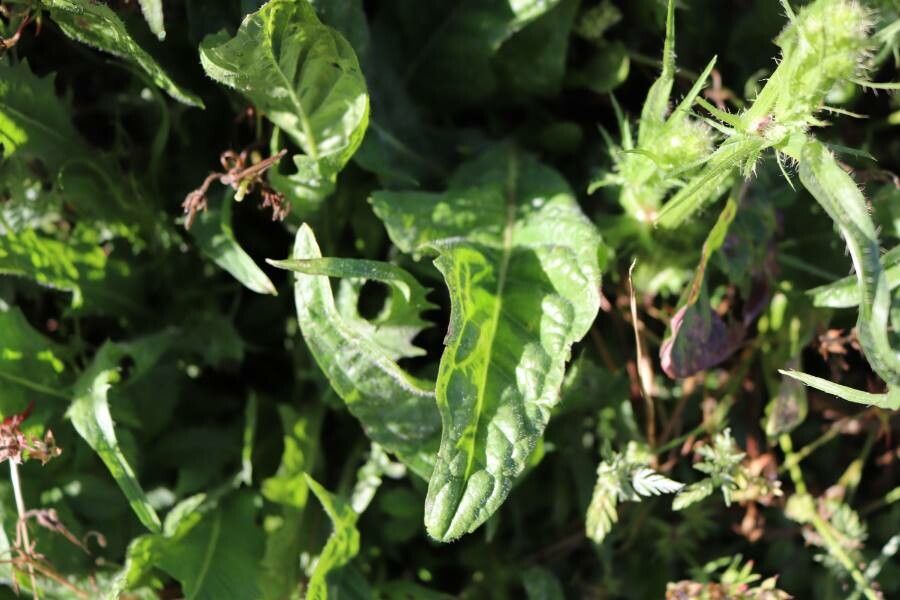
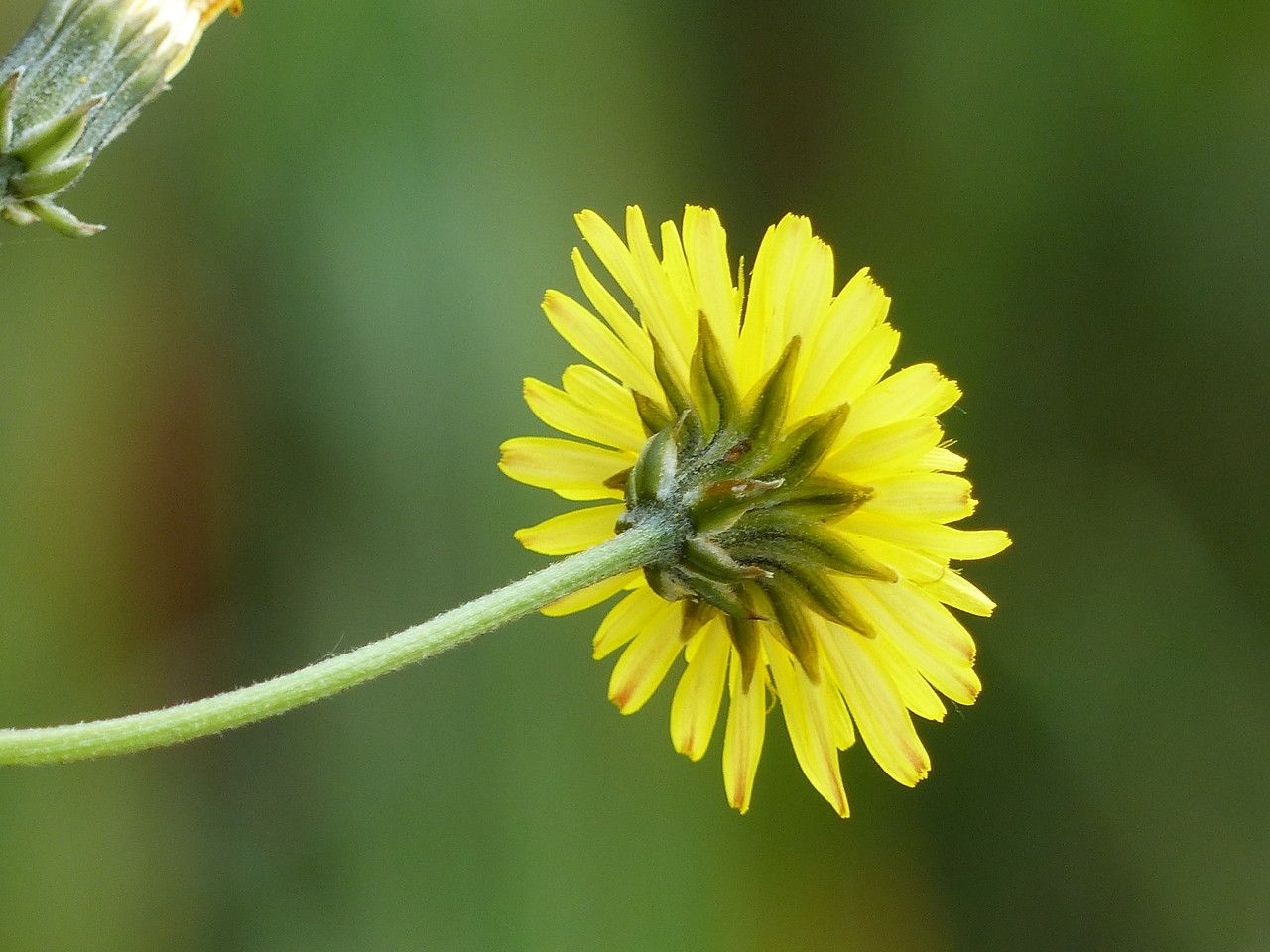
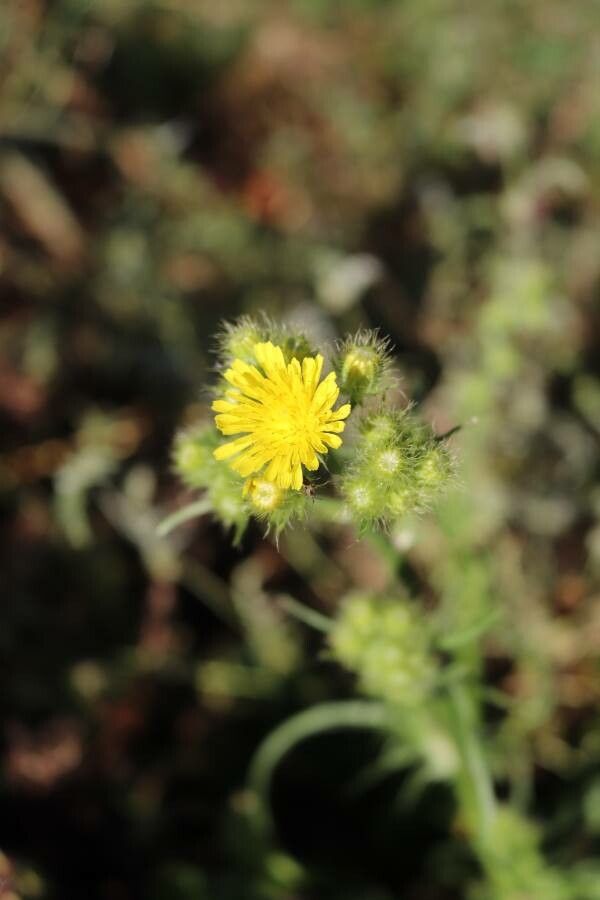
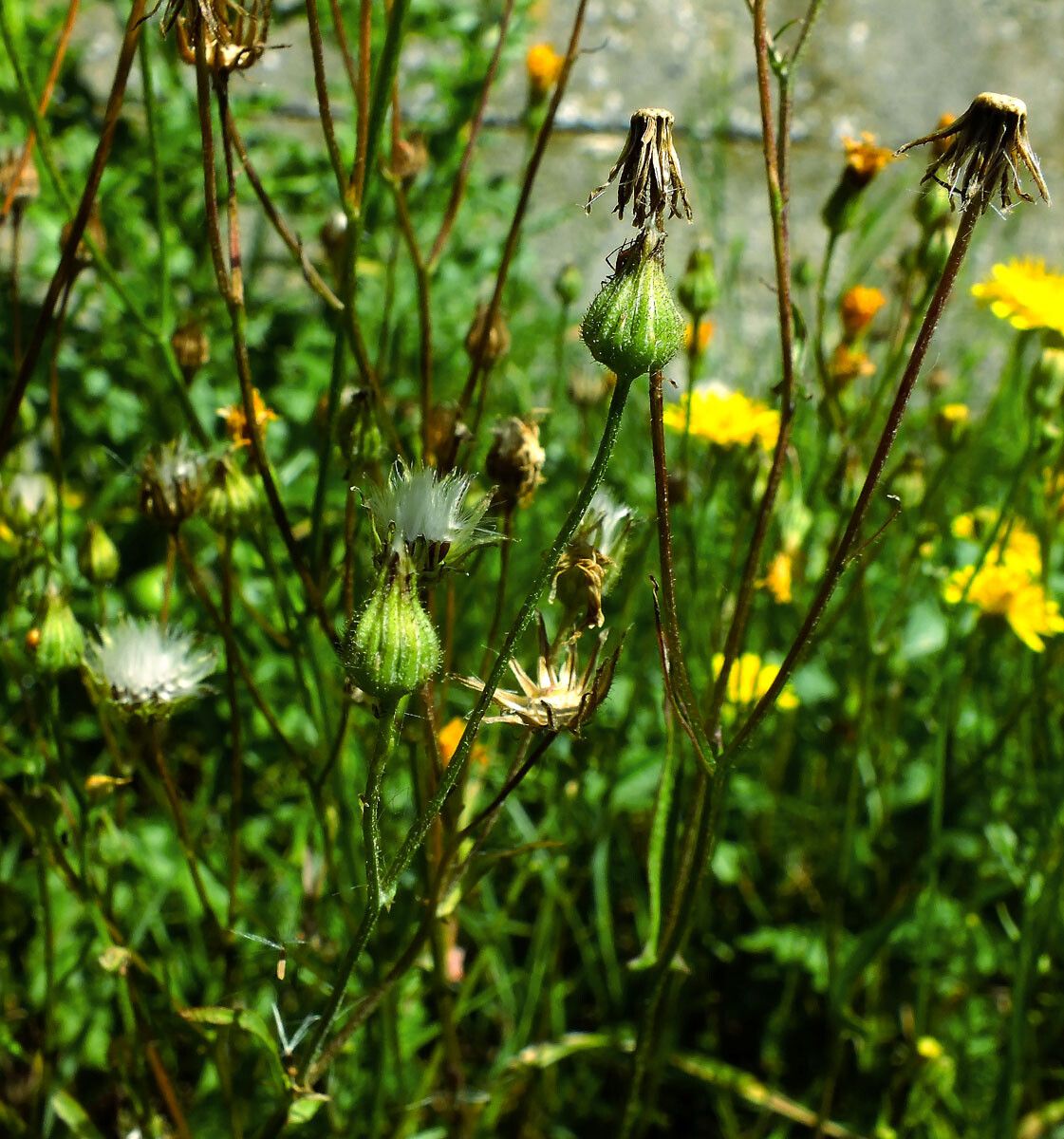
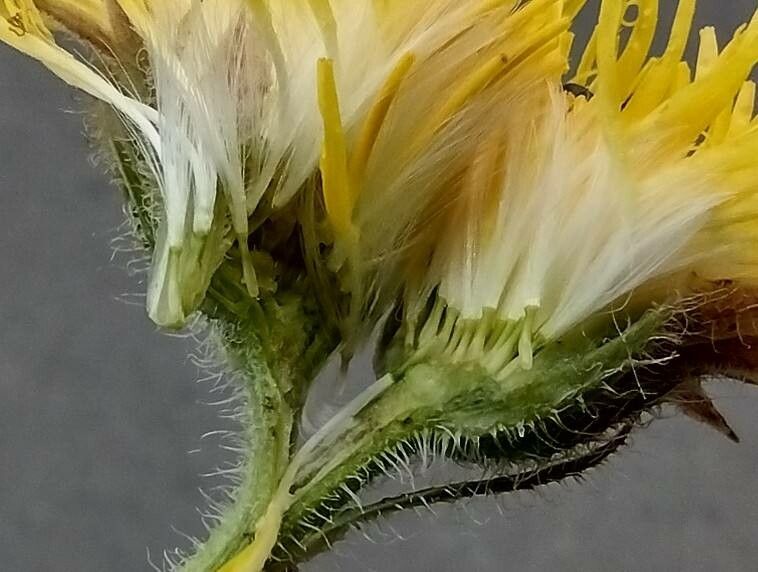
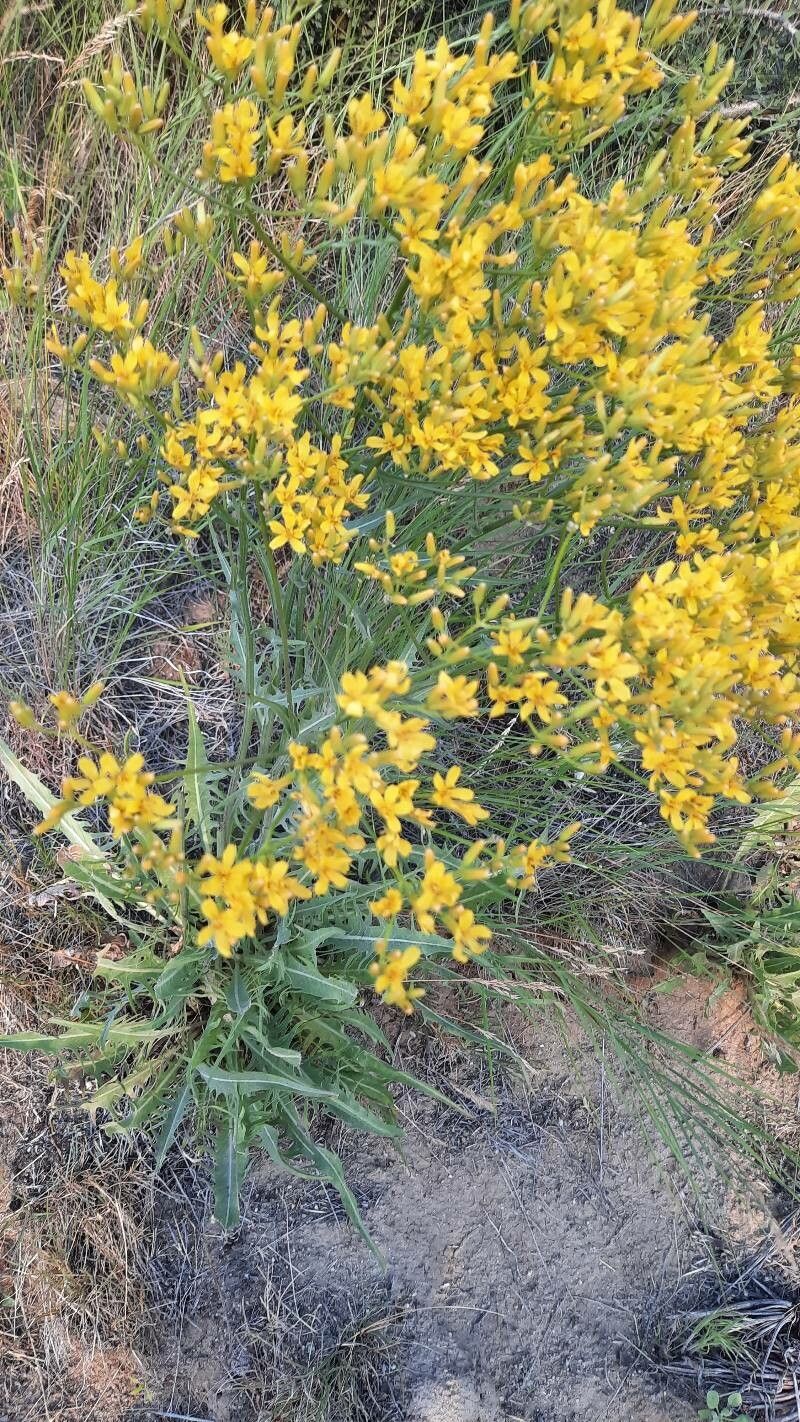
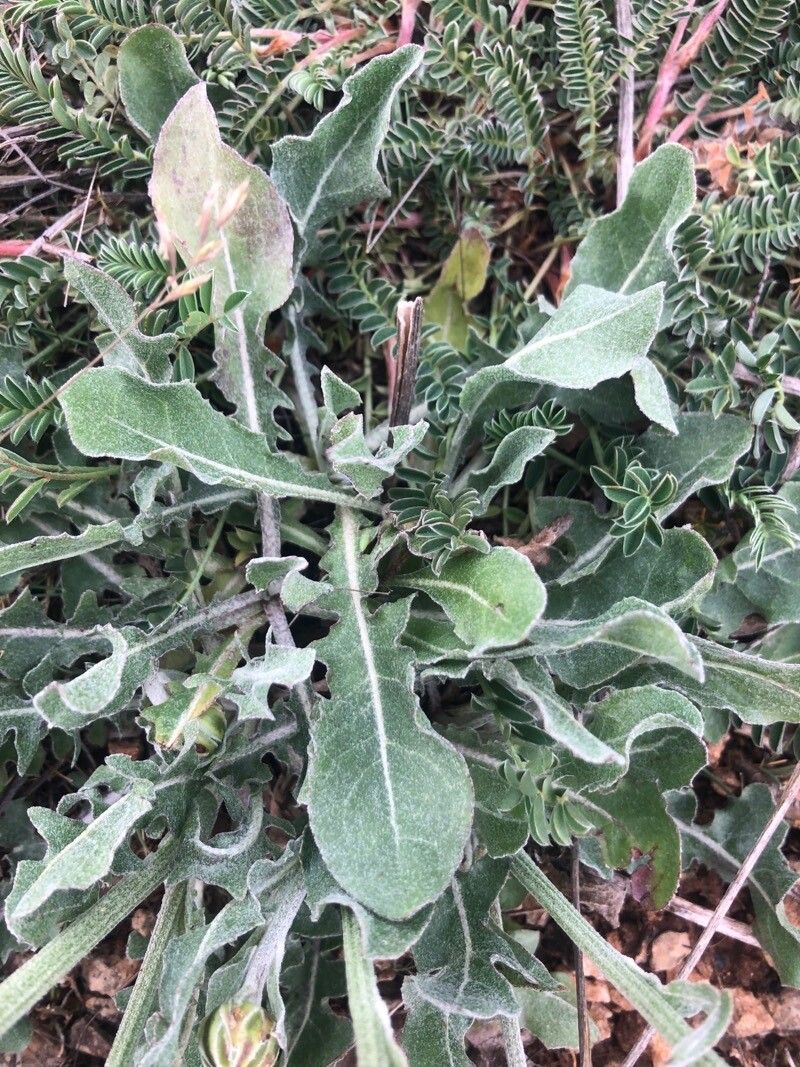
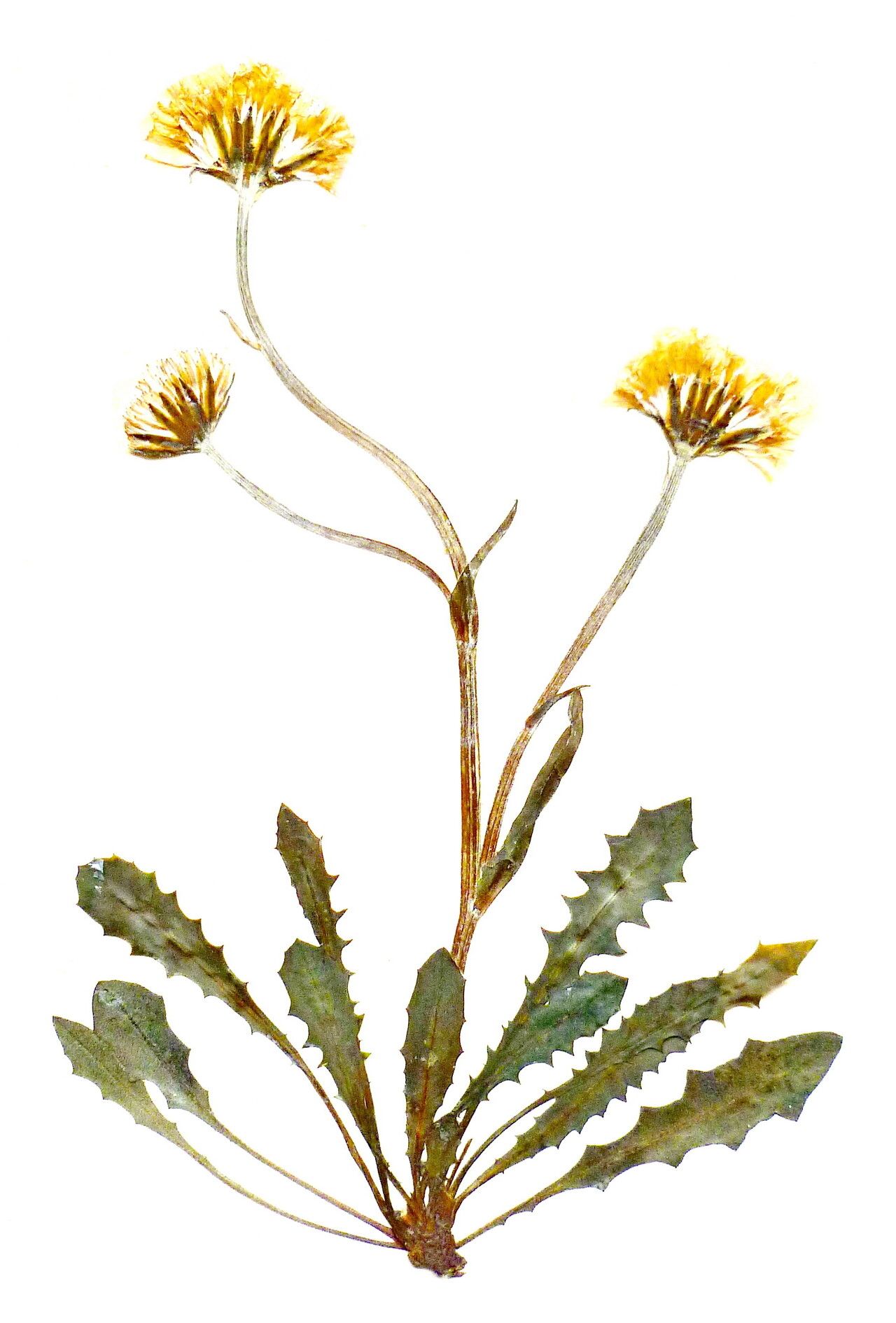
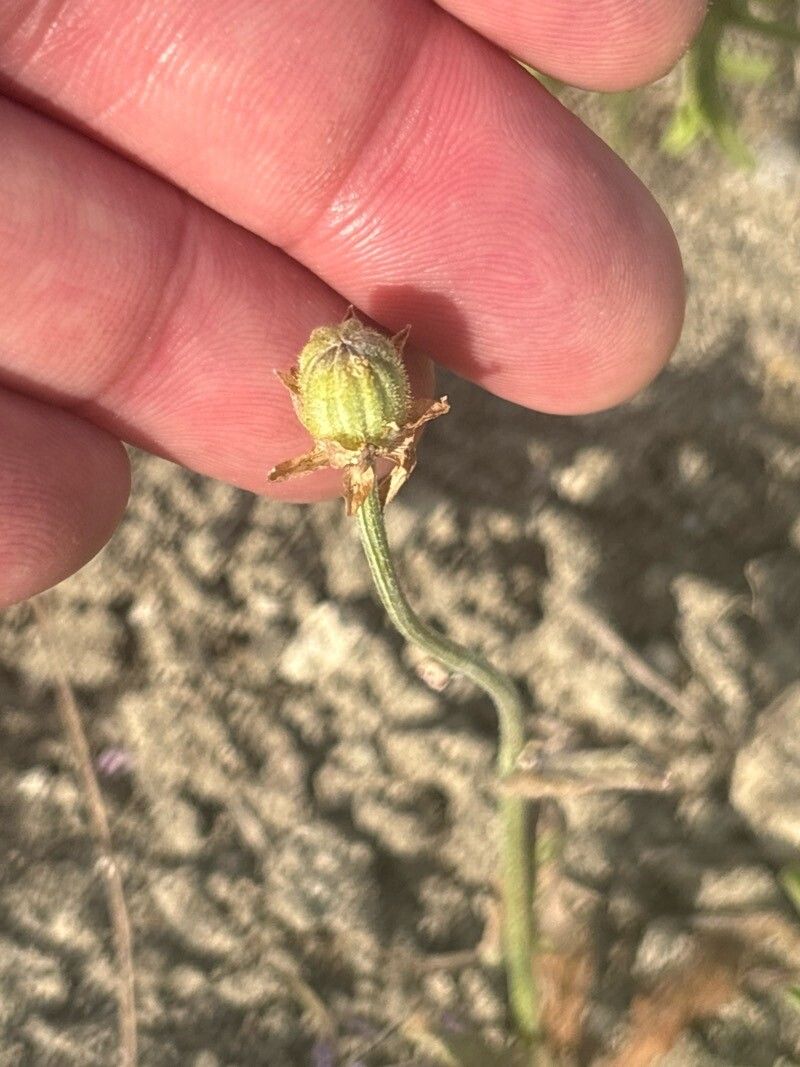
Crepis setosa, commonly known as bristly hawksbeard, is a species of flowering plant in the family Asteraceae. Native to Europe and Asia, it has also been introduced to North America and other parts of the world. This plant typically grows up to 60 cm tall and features a single stem with numerous branches. Its leaves are deeply lobed with toothed edges, and it produces yellow flowers arranged in clusters at the top of each stem.
Crepis setosa thrives in well-drained soils and prefers locations with full sun or partial shade. It can often be found along roadsides, in fields and meadows, and in disturbed areas such as waste grounds or abandoned fields.
Historically, various cultures have utilized Crepis setosa for its medicinal properties, particularly its diuretic effects, which help treat urinary tract infections. Additionally, the plant contains antioxidants that may aid in reducing inflammation.
The nectar-rich flowers of Crepis setosa also make it an important food source for various insects, including bees and butterflies.
Overall, Crepis setosa is an intriguing species with both medicinal properties and ecological importance, making it a valuable addition to any garden or natural area where it can thrive.
Bristly hawksbeard is fairly disease-resistant and generally does not suffer from illnesses. However, it can be vulnerable to pests and diseases present in its surroundings. Such infections are usually mild. In terms of care, this plant needs moderate maintenance. Regular pruning is required to maintain a neat appearance and support healthy growth. Fertilization can also help encourage flowering. Bristly hawksbeard is suitable for anyone with an outdoor space, such as a garden or patio, and does not require much care experience. It may need extra attention when grown indoors.
How to keep Crepis Setosa.
Light
Extensive records indicate that bristly hawksbeard flourishes in an environment that receives unbroken sunlight for the entire day. This method propels strong growth and dynamic development. There are no noted changes in sunlight exposure at varied growth stages. It originates from a habitat with copious and steady sunlight. Insufficient light could potentially inhibit its growth, while overexposure might inflict damage.
Water
Bristly hawksbeard is native to temperate regions and thrives in environments with moderate moisture levels. While it is drought-tolerant, it prefers consistent hydration and should be watered weekly. Providing regular water during its active growing season is essential for its development as an herbaceous plant.
Temperature
The plant known as Bristly Hawksbeard is native to regions with moderate climates, preferring temperatures between 68 and 95 °F (20 to 35 ℃). Adapting to seasonal temperature variations may be required to replicate its original environment and guarantee the best growth conditions.
Fertilizer
To promote robust leaf growth, regular and mild applications of fertilizer can be advantageous for Bristly hawksbeard. During the summer months, Bristly hawksbeard should be given fertilizer roughly every month. For the foliage, nitrogen is essential and using resources high in nitrogen can aid Bristly hawksbeard in flourishing.
Pruning
Bristly hawksbeard, recognized for its bristly stems and yellow flowers, should be pruned from early to late spring. This encourages denser growth and removes any damaged stems. Regular pruning enhances air circulation, prevents diseases, and helps maintain the plant's shape. It also controls the plant's spread, ensuring a healthier appearance.
Botanical profile.
- Plant Type
- Herb
- Life Cycle
- Annual
- Genus
- Crepis
- Family
- Asteraceae
- Hardiness Zone
- 6
- Mature Height
- 8 cm to 76 cm
- Mature Spread
- 20 cm to 40 cm
- Leaf Color
- Green
- Leaf Type
- Deciduous
- Flower Color
- Yellow
- Flower Size
- 1.02 cm to 1.52 cm
- Bloom Time
- Summer
- Planting Time
- Spring, Autumn
- Harvest Time
- Mid summer, Late summer, Early fall
- Native Area
- Turkey, Austria, Sweden, Slovakia, Montenegro, Croatia, Slovenia, Russia, Romania, Belgium, Moldova, France, Netherlands, Czech Republic, Bulgaria, Poland, Greece, Ukraine, Serbia, Norway, Italy, Spain, Switzerland, Denmark, Albania, Ireland, United Kingdom, Hungary, Azerbaijan
Other names.
Reader questions.
How should I water my Bristly hawksbeard plant?
Watering Bristly hawksbeard can be done using various tools such as a garden hose with a spray nozzle or a watering can. This plant is not too particular about how it receives water and can thrive with rainwater, tap water, or filtered water. It's best to avoid watering from above as it can harm the leaves and flowers and potentially cause disease. A drip irrigation system is often the most effective method for watering, as it provides evenly distributed water directly to the soil. When watering a container-grown Bristly hawksbeard, similar methods can be used with tools like a cup, watering can, or tap, all aimed at applying water directly to the soil.
What are the sunlight requirements for Bristly Hawksbeard?
Bristly Hawksbeard requires full sunlight, meaning it needs to be exposed to sunlight for more than 6 hours daily. It is essential to observe how sunlight moves through your garden to choose locations that provide a good balance of light and shade, ensuring the plants' optimal growth. Its robust growth and vibrant development are fueled by continuous exposure to sunlight throughout the day, inherent to its native habitat which boasts abundant and consistent sunlight. Lack of sufficient light could inhibit growth, whereas excessive exposure may be detrimental.
What is the ideal temperature range for growing Bristly hawksbeard?
Bristly hawksbeard thrives in temperate climates, preferring a temperature range between 68 to 95 °F (20 to 35 °C). To ensure optimal growth, it's important to adjust temperatures seasonally to mimic this plant's native habitat. Despite being highly tolerant to cold and not requiring extra frost protection measures in winter, it is advisable to water the plant generously before the first freeze of autumn to keep the soil moist and help it enter a frozen state. This care technique mitigates drought and water scarcity risks during winter and early spring.
What should I do if I give my Bristly hawksbeard too much or too little water?
The solution for underwatering Bristly hawksbeard is simple: increase the frequency of watering when you notice the plant lacking moisture. On the other hand, overwatering can be a more serious issue that may lead to diseases and the death of the plant. To prevent this, it's important to choose a suitable location for growth, one that receives ample sunlight to dry the soil and has good drainage to prevent water from pooling. If you are overwatering a potted Bristly hawksbeard, consider changing the pot to one that has better drainage and use loose soil when repotting.
How can artificial lighting be used for indoor Bristly Hawksbeard plants?
Indoor Bristly Hawksbeard plants require adequate lighting for optimal growth, especially when natural sunlight is insufficient, like in winter or less sunny spaces. Artificial lights provide a vital solution by promoting faster, healthier growth. LED lights are popular for indoor plant lighting due to their customization abilities to offer specific light wavelengths needed by plants. The right amount of artificial light varies: full sun plants need 30-50W/sq ft, partial sun plants need 20-30W/sq ft, and full shade plants require 10-20W/sq ft. The light source should be placed 12-36 inches above the plant to mimic natural sunlight, and most plants need 8-12 hours of light per day.
How does Bristly hawksbeard respond to low temperatures, and what are the recommended solutions?
Bristly hawksbeard is extremely cold-tolerant, capable of withstanding temperatures down to -25°C. However, if the winter temperature falls below this threshold, you might not observe any immediate changes, but there could be a noticeable decrease in sprouting or even a complete lack of sprouting in the following spring. To manage this, it's advisable to remove any parts of the plant that have failed to sprout in spring as a solution to this issue.
How much water does my Bristly hawksbeard need?
To properly care for bristly hawksbeard, it is important to water it regularly throughout the growing season. In the spring, watering once a week is sufficient. As the season progresses and temperatures rise, you may need to water two to three times a week. However, be cautious not to exceed this rate as it can harm the plant. It's crucial to keep the soil moist but not saturated regardless of the watering frequency. When growing bristly hawksbeard in a pot, the soil tends to dry out faster, so you will likely need to water it a few times a week compared to just once for a plant in the ground.
What are common symptoms of inadequate or excessive sunlight in Bristly Hawksbeard?
Bristly Hawksbeard may exhibit various symptoms depending on the light conditions. Inadequate light can lead to small new leaves, leggy or sparse growth, faster leaf drop, slower or no new growth, lighter-colored new leaves indicating a deficiency in chlorophyll and essential nutrients. Excessive sunlight can cause chlorosis (loss of leaf green color), sunscald (damage from intense sunlight exposure), leaf curling (a defense mechanism to reduce surface area exposed to sunlight), wilting (loss of turgor pressure due to water loss), and leaf scorching (brown, dry, and crispy leaf edges due to excessive sunlight).
What should be done if Bristly hawksbeard is exposed to high temperatures?
Bristly hawksbeard is not tolerant of high temperatures. Growth can cease, and the plant becomes more susceptible to rot if temperatures exceed 95°F (35°C). In such cases, trim away any sunburned or dried-up parts of the plant. Relocate the plant to a shaded area during the midday and afternoon sun, or use a shade cloth to protect it. Additionally, watering the plant in the morning and evening is crucial to maintain moist soil, which helps the plant cope with the stress of high temperatures.
How much water does my Bristly hawksbeard plant need?
Determining the right amount of water for your Bristly hawksbeard can be approached in a few ways. Some gardeners prefer to gauge moisture by feeling the soil, suggesting that watering until the first six inches of soil feel moist is ideal. Another option is using a set measurement, like about two gallons per week, taking into account temperature and soil dryness. However, following strict guidelines might lead to overwatering if less water is needed. When growing in a container, a different method applies. It's best to water until all layers of dry soil are moistened, which can be checked by feeling the soil or seeing excess water flow out of the pot's drainage holes.
What solutions are available for Bristly Hawksbeard experiencing light-related issues?
For indoor Bristly Hawksbeard plants, gradually moving them to a sunnier location each week, until they receive at least 6 hours of direct sunlight daily, is advisable. Use a south-facing window and keep curtains open during the day for maximum exposure. If a plant is large or not easily movable, consider using artificial light, keeping a lamp on for at least 8 hours daily, or investing in professional grow lights. Outdoors, gradually adapting plants to sunnier spots helps avoid sunburn. Identifying and reducing obstructions, such as pruning trees, can improve sunlight access. For smaller plants, consider transplanting during their dormant period to a location with ample sunlight and good drainage.
How do I know if I'm giving enough water to my Bristly hawksbeard plant?
Avoiding overwatering your Bristly hawksbeard can be a bit tricky. On one hand, these plants need to be watered weekly due to their deep roots. However, Bristly hawksbeard are highly susceptible to root rot and may turn brown if overwatered. Underwatering is less of a concern as these plants can survive without extra watering for a while. But if you wait too long to water them, they will likely wilt and their leaves may dry out.