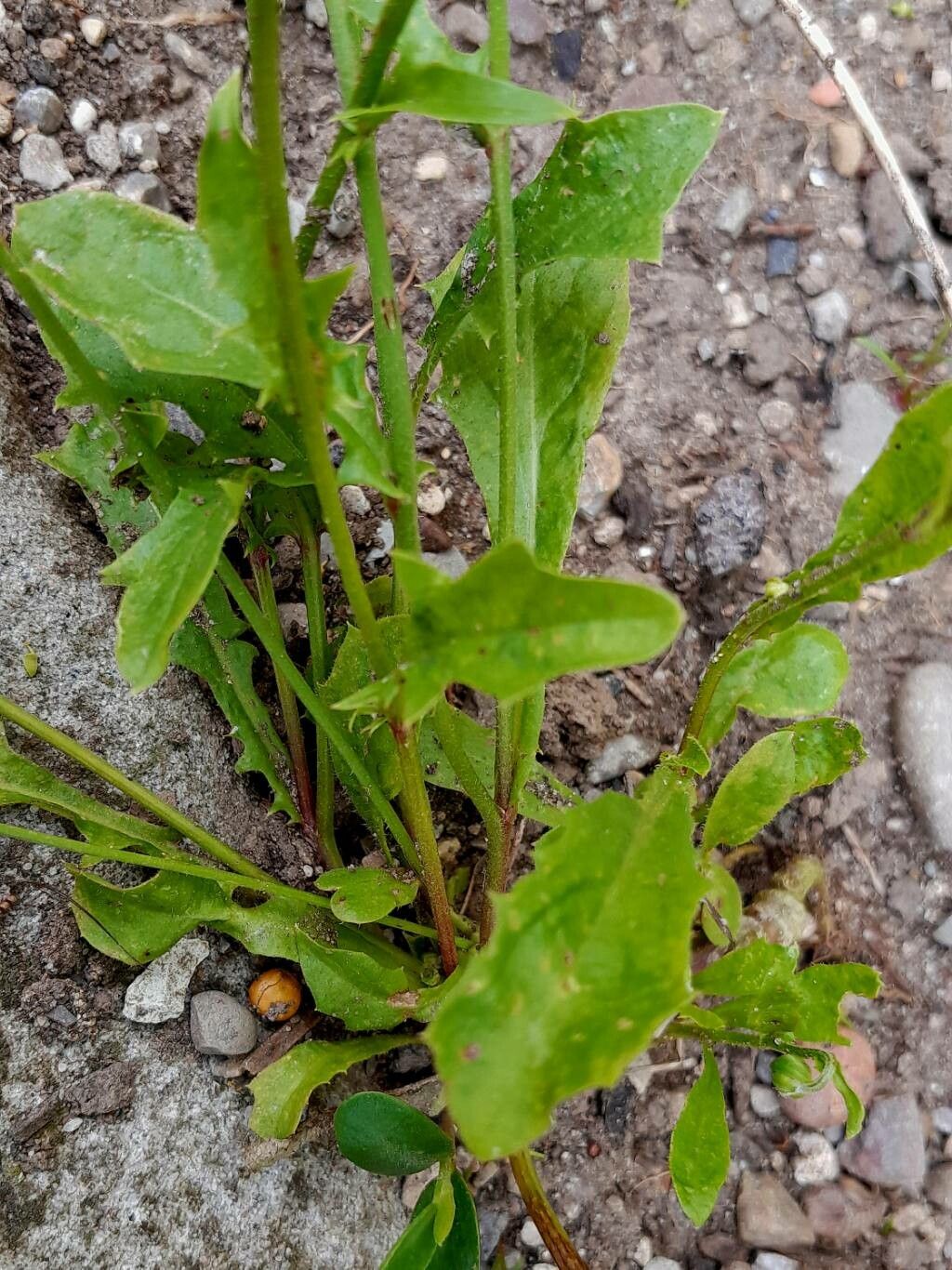
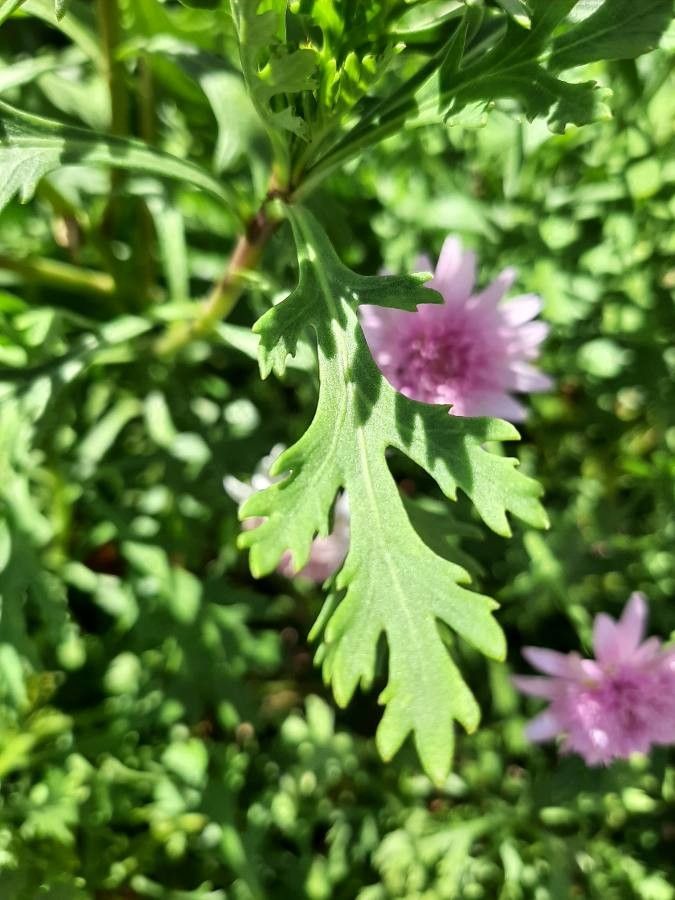
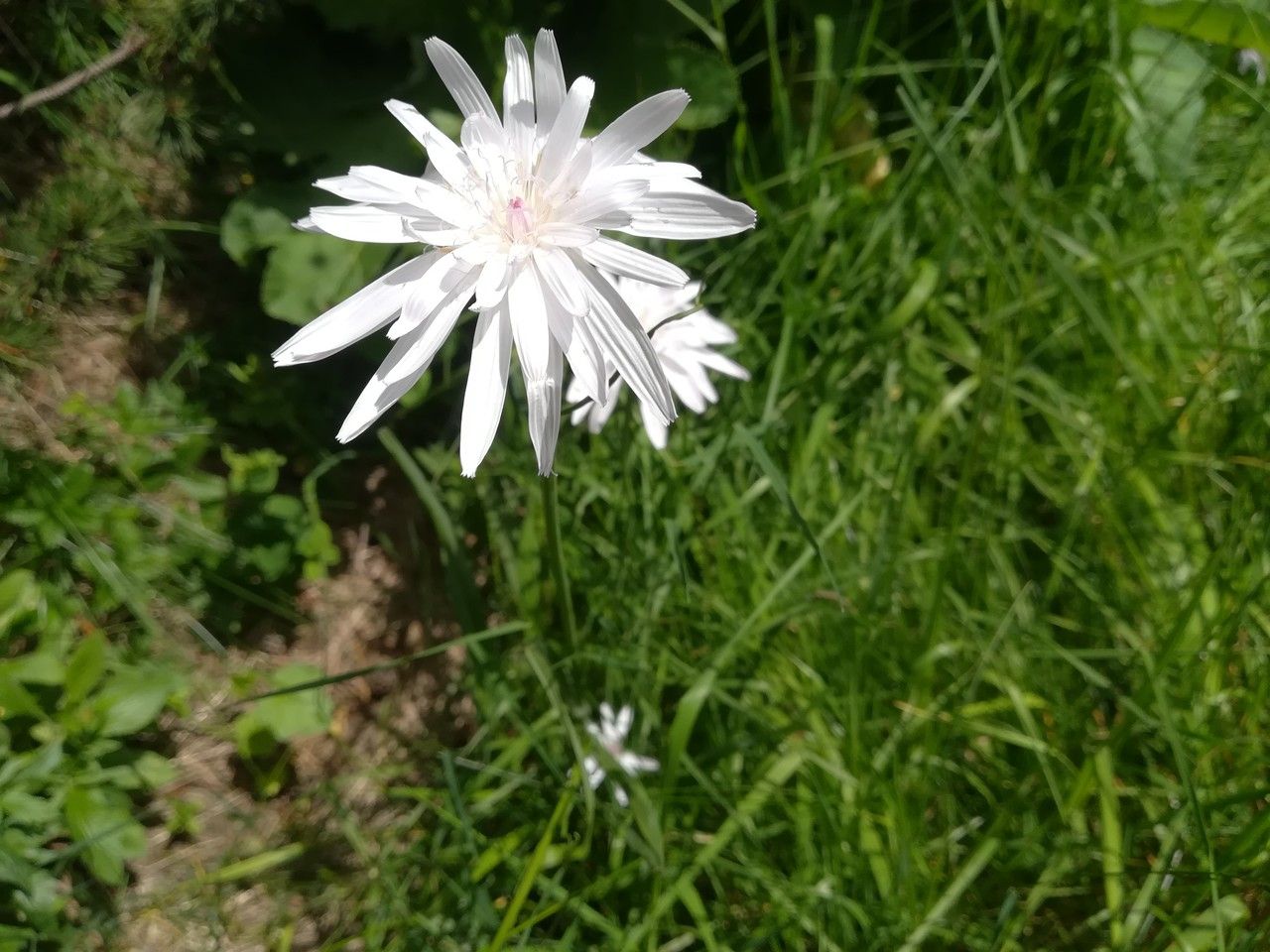
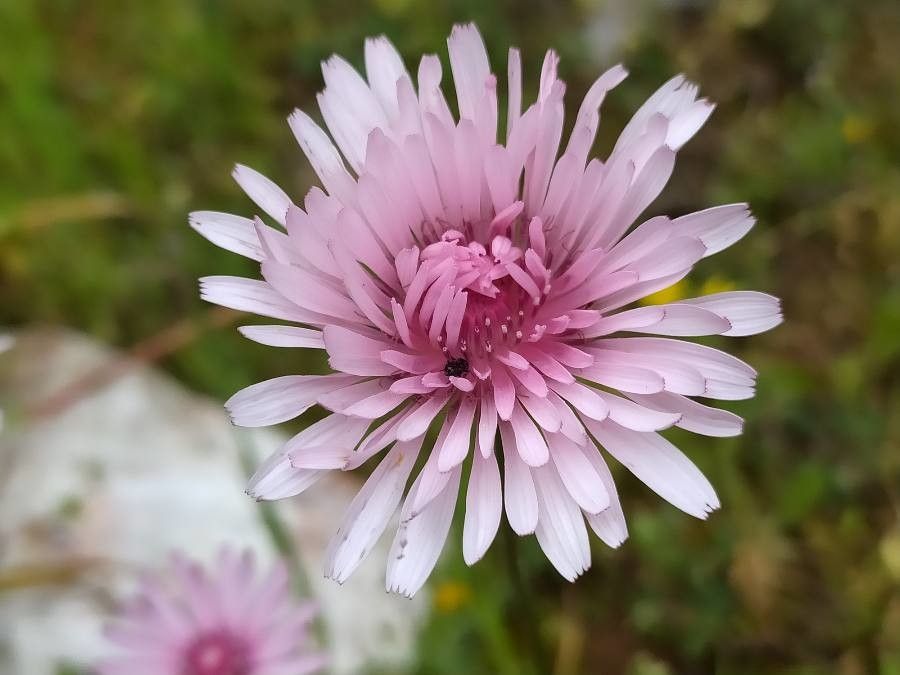
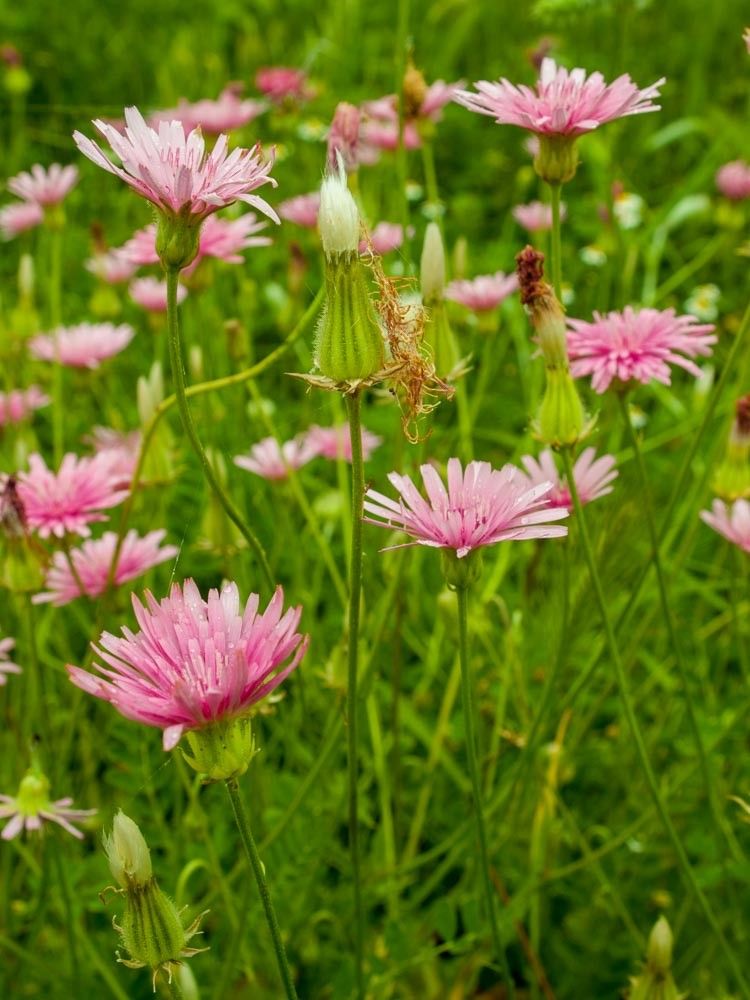
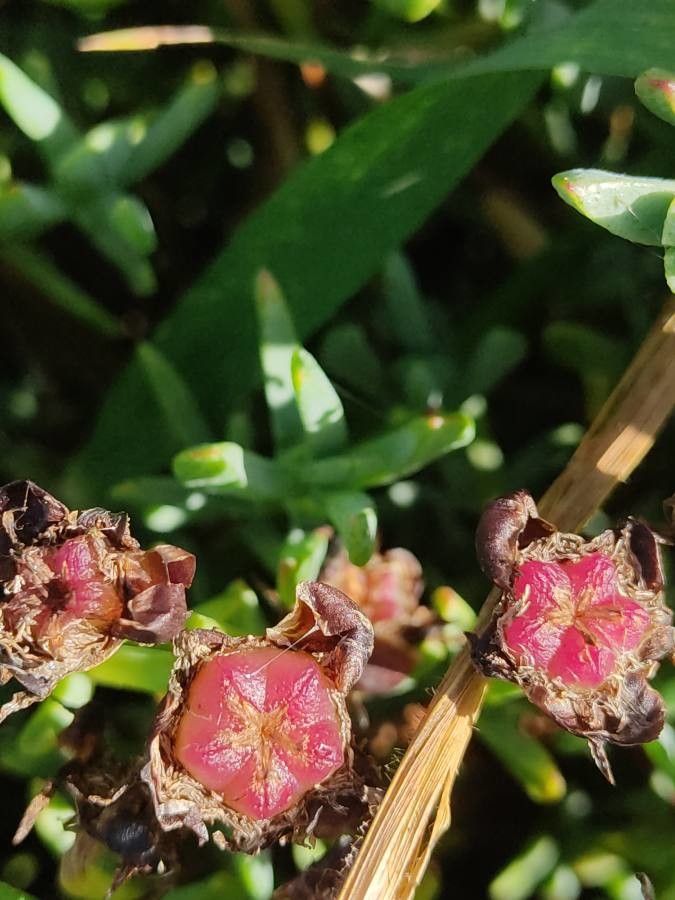
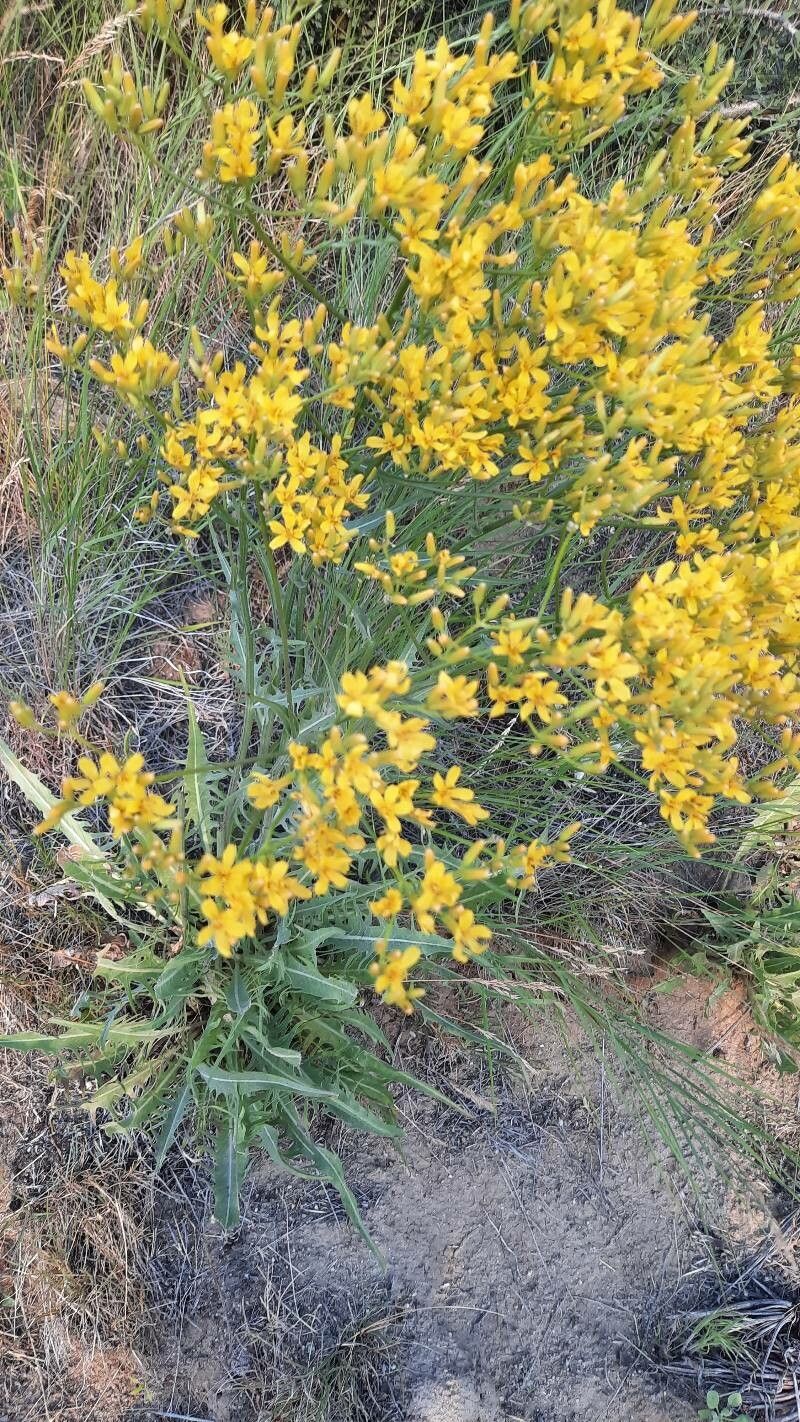
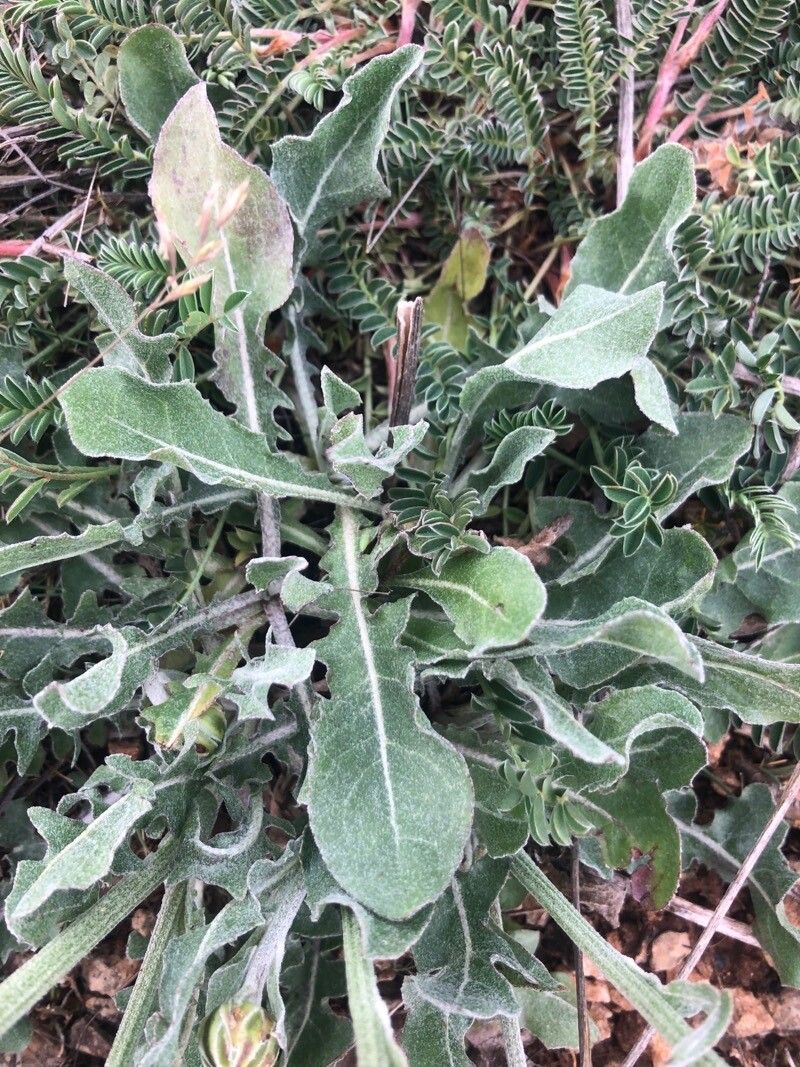
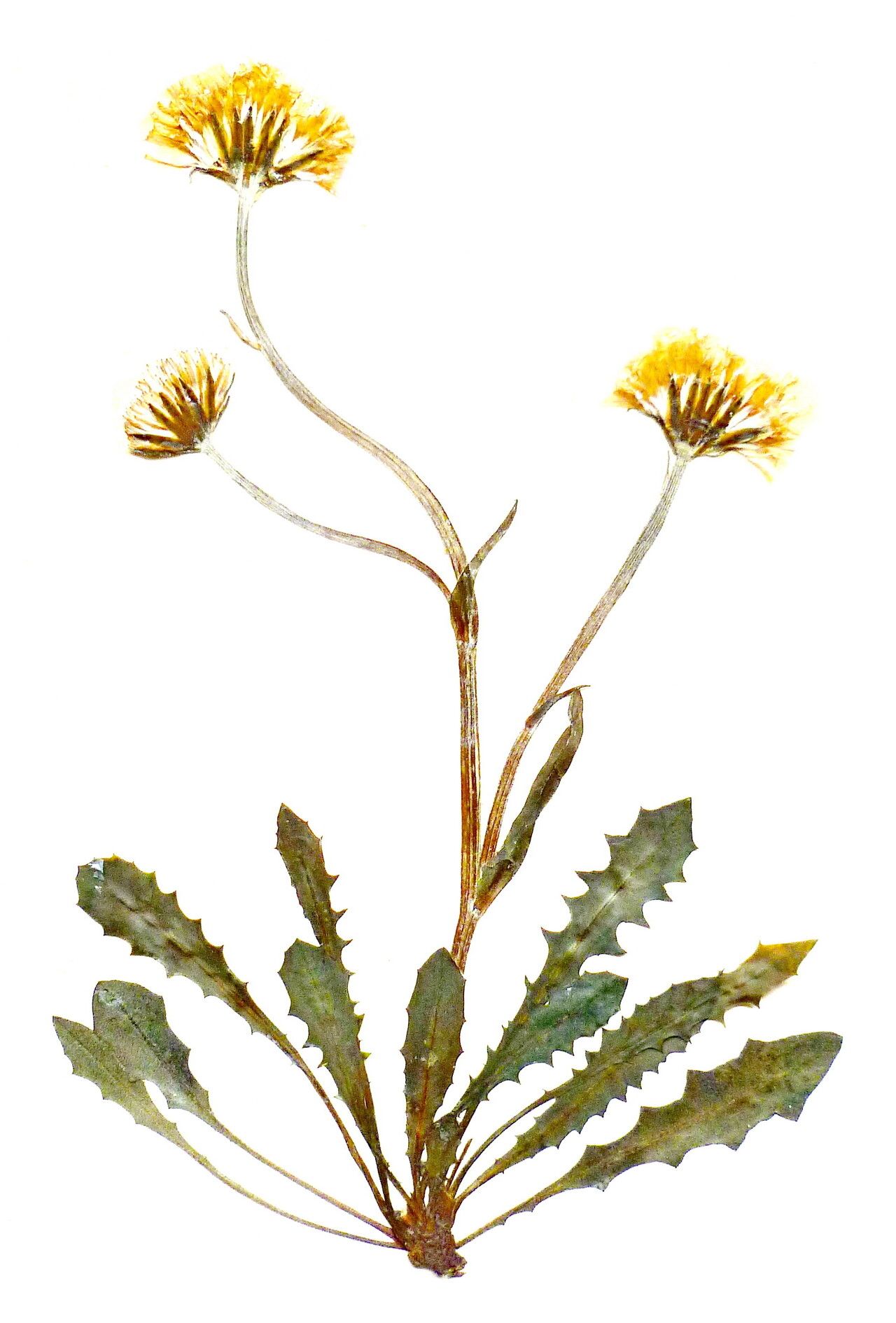
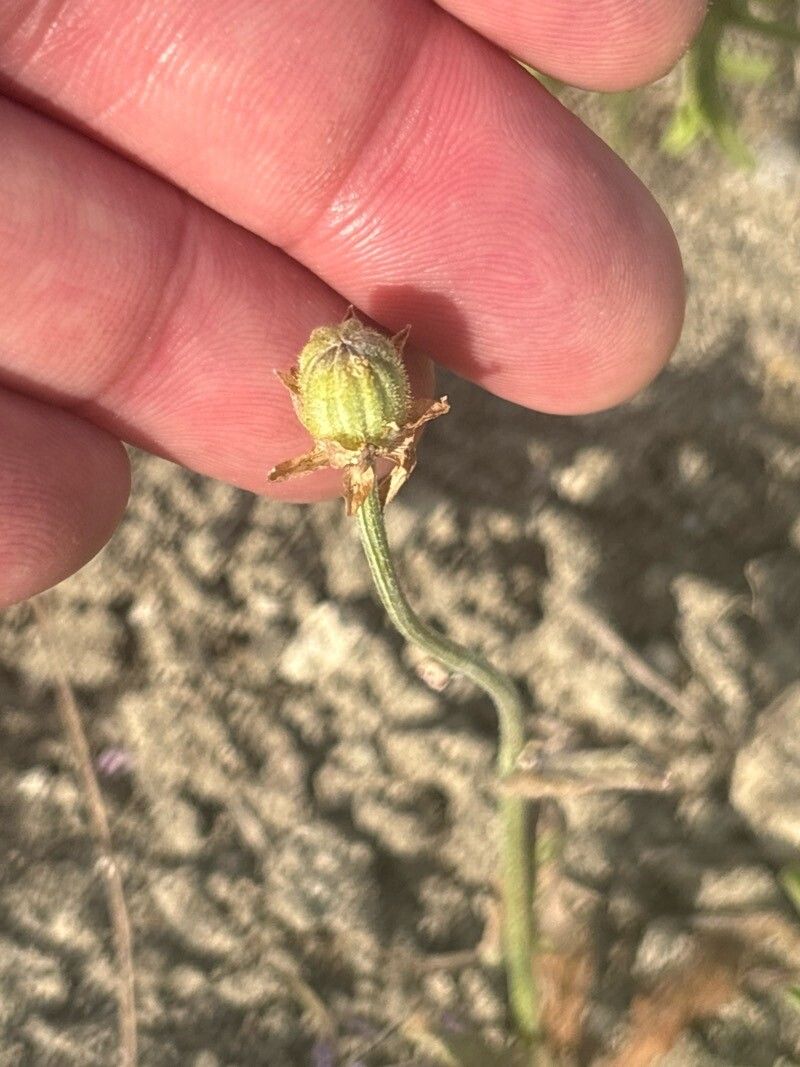
Crepis rubra, commonly known as red hawkweed, is a perennial herbaceous plant belonging to the Asteraceae family. Native to Europe and Asia, it has also been introduced and naturalized in North America. The plant can grow up to 60 cm tall and features a basal rosette of lance-shaped leaves with toothed edges. Its stem is hairy, topped with clusters of small red flowers that bloom from June to August.
Red hawkweed thrives in well-drained soils and is commonly found in open areas such as meadows, fields, roadsides, and disturbed sites. While it can tolerate a variety of soil types, it prefers soils with neutral pH levels.
Historically, indigenous people have used the plant for medicinal purposes to treat various ailments, including stomach problems, skin diseases, and respiratory infections.
However, Crepis rubra can become invasive in some regions where it has been introduced, due to its ability to spread rapidly through wind- or animal-dispersed seeds. Therefore, land managers and gardeners should be mindful of its potential invasiveness before planting it.
Overall, Crepis rubra is an attractive wildflower that adds beauty and diversity when grown responsibly. Additionally, it offers medicinal benefits when used correctly under professional guidance.
Pink hawk's-beard is fairly disease-resistant and typically not prone to illness. Nevertheless, it can be affected by pests and diseases present in its surroundings. Such infections are usually mild. In terms of care, the plant requires moderate maintenance. Regular pruning is needed to maintain a tidy appearance and promote healthy growth. Fertilizing can also encourage flowering. Pink hawk's-beard suits people with outdoor spaces like a garden or patio and does not demand much care experience. It may need more attention when grown indoors.
How to keep Crepis Rubra.
Light
Pink hawk's-beard originates in bright, open environments and thrives in full sun. It can withstand partial sun but favors direct sunlight for optimal growth. This plant, which can be annual or biennial, is known for its sun-loving nature.
Water
Pink hawk's-beard originates from Mediterranean climates and thrives in a balance of dry and moist conditions. It is drought-tolerant and benefits from being deeply watered twice a week. As an outdoor plant, it does well in rock gardens and adapts to less fertile soil during dry seasons.
Temperature
Pink hawk's-beard can adapt to a wide range of temperature conditions, but its distribution may still be constrained by various combinations of moisture and heat. It does best in warm summer climates with sufficient rainfall or regular watering. Extended periods of cloudy, rainy weather, as well as prolonged high temperatures, can increase the likelihood of Pink hawk's-beard dying. In winter, appropriate protection from cold can improve the plant's survival rate.
Fertilizer
Once most of Pink hawk's-beard's flowers have opened to full size, resume fertilizing. When the blooms are at their peak, apply fertilizer every three to four weeks, weather permitting. After Pink hawk's-beard begins producing fewer new blooms, stop fertilizing; there's no need to feed the plant when it can no longer produce more flowers.
Pruning
Pink hawk's-beard is known for its vibrant pink blooms and thrives with the right care and pruning. To maintain the plant's health and appearance, it's best to prune in early to late spring. Start by removing any dead stems and thinning out crowded areas to improve air circulation. This practice encourages a more compact shape and enhances blooming, ensuring the plant remains healthy and visually appealing.
Botanical profile.
- Plant Type
- Herb
- Life Cycle
- Annual
- Genus
- Crepis
- Family
- Asteraceae
- Hardiness Zone
- 5-9
- Mature Height
- 30 cm
- Mature Spread
- 20 cm
- Leaf Color
- Green
- Leaf Type
- Deciduous
- Flower Color
- Pink
- Flower Size
- 3.05 cm to 5.08 cm
- Bloom Time
- Mid spring, Late spring, Early summer
- Planting Time
- Spring
- Harvest Time
- Summer
- Native Area
- Turkey, Italy, Bulgaria, Montenegro, Albania, Greece, Croatia, France
Other names.