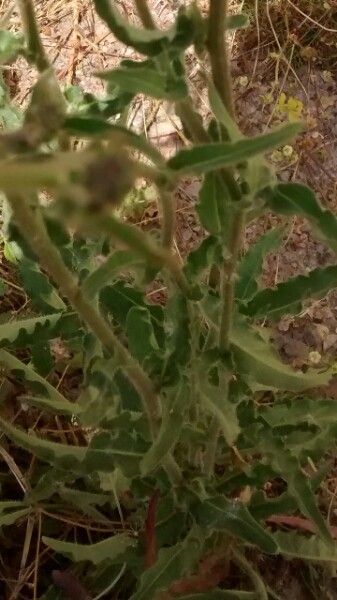
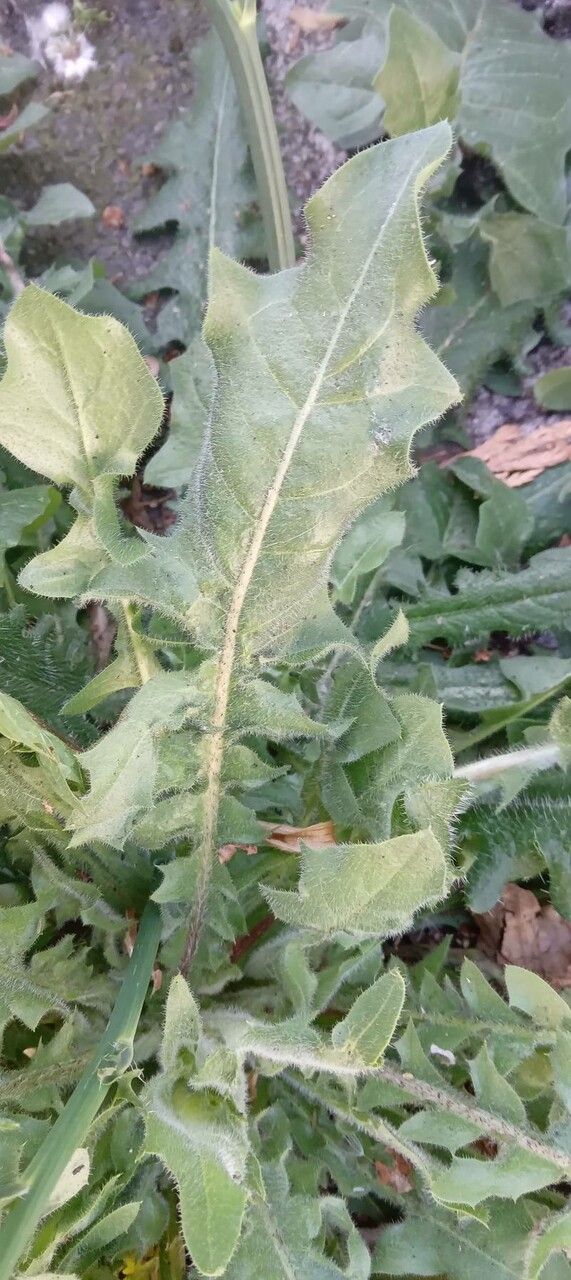
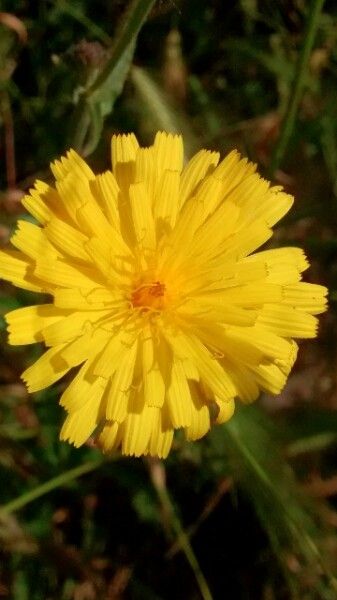
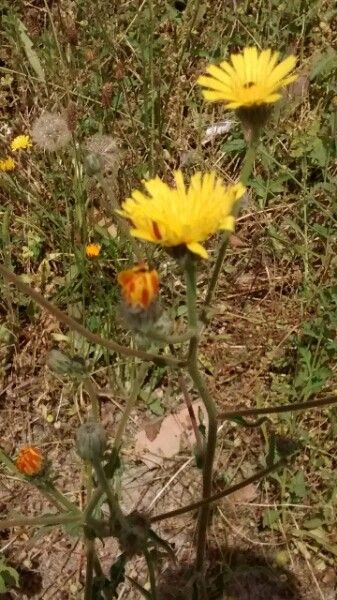
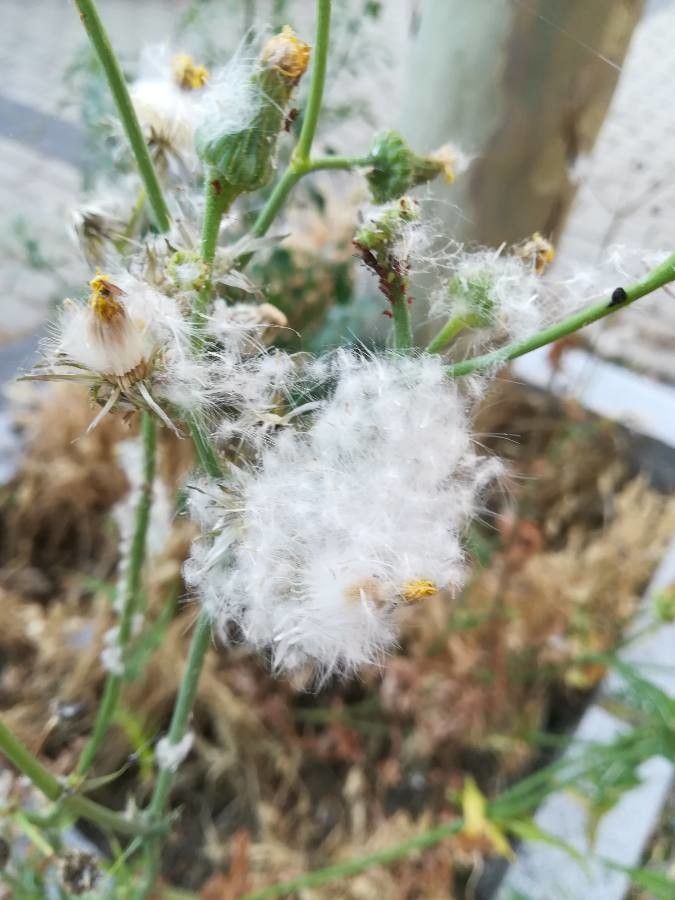
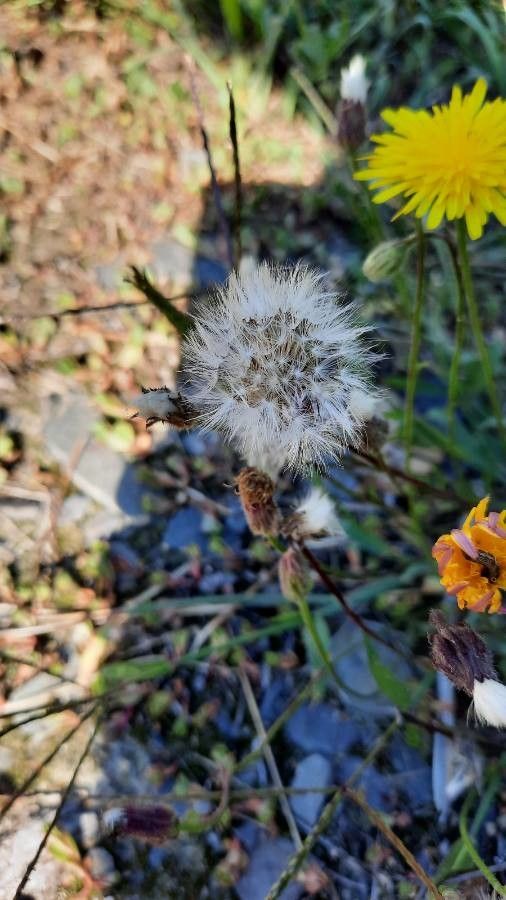
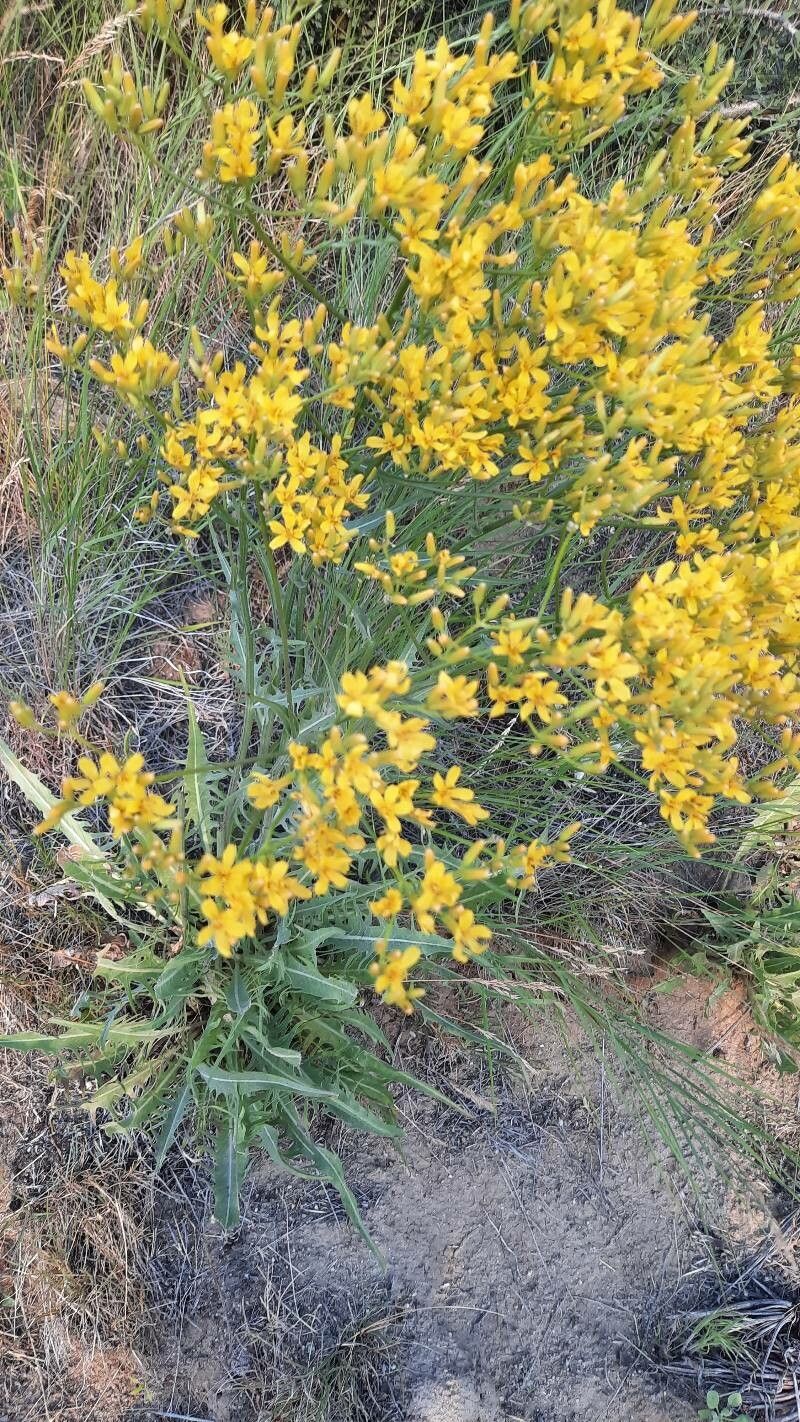
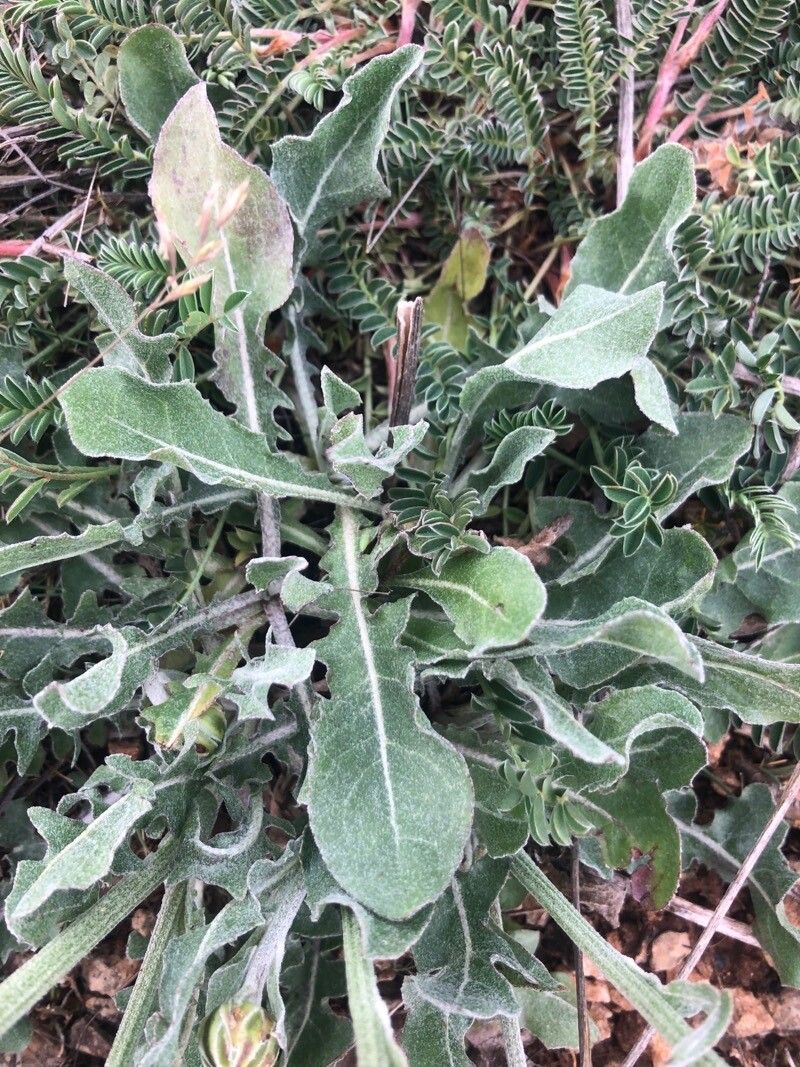
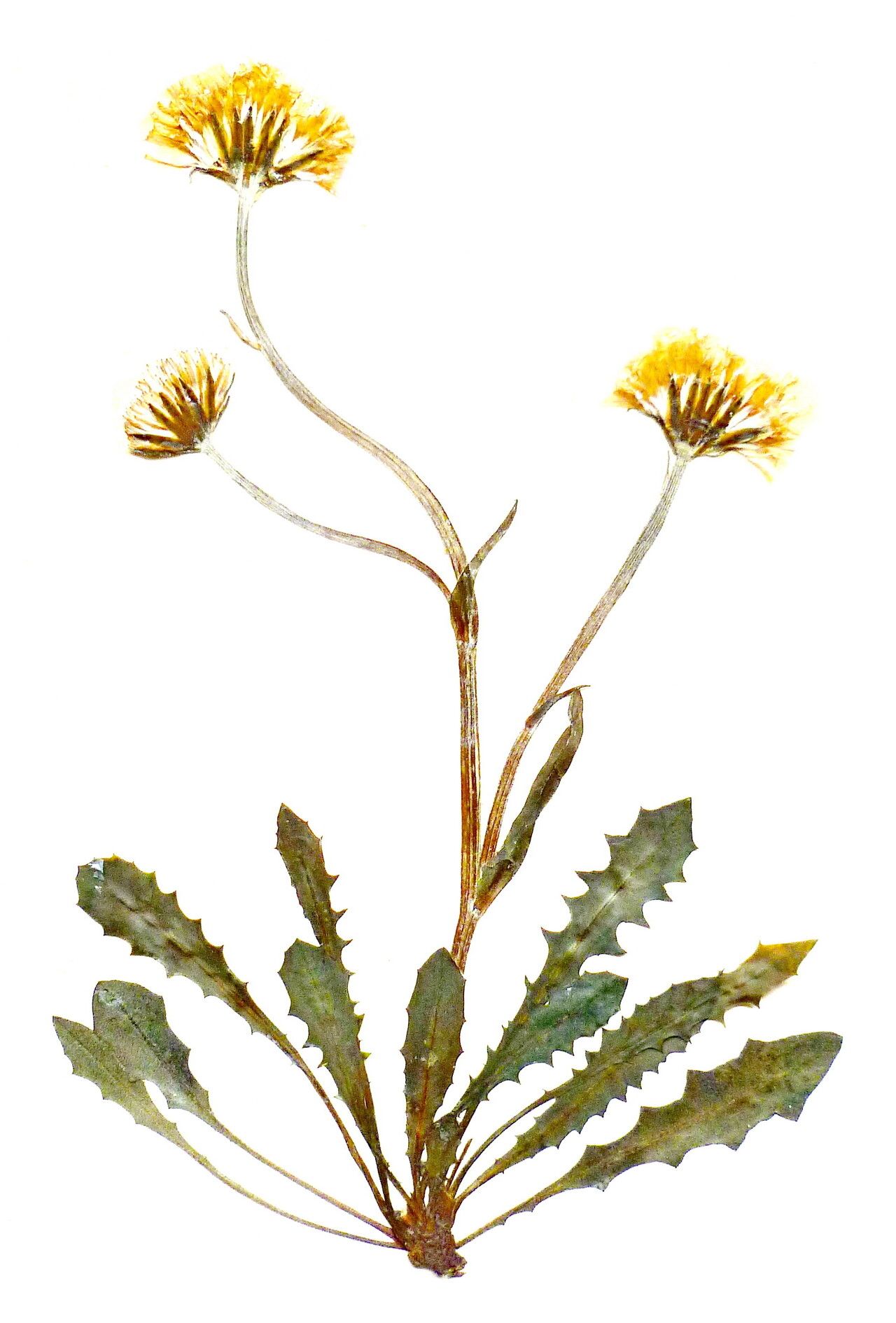
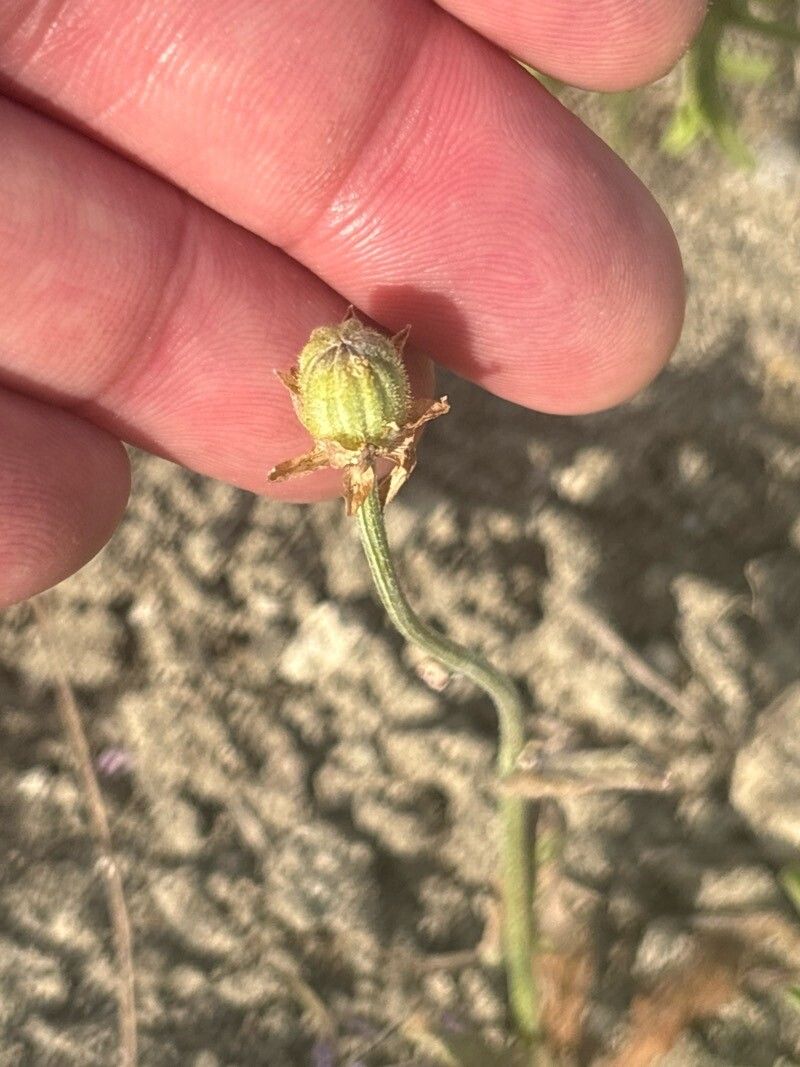
Crepis foetida, commonly known as stinking hawksbeard, is a perennial herbaceous plant belonging to the Asteraceae family. It is native to Europe and Asia but has been introduced and naturalized in North America. The plant can grow up to 60 cm in height and features a basal rosette of deeply lobed leaves with toothed edges. Its stem is hairy and supports small yellow flowers that bloom from June to August.
The leaves of Crepis foetida emit a strong odor when crushed, giving rise to its common name, "stinking hawksbeard." The plant thrives in dry habitats such as rocky slopes, meadows, and disturbed areas like roadsides.
Historically, Crepis foetida has been used for medicinal purposes due to its anti-inflammatory properties. It has also been employed as an herbal remedy for digestive issues like constipation and indigestion.
Despite its medicinal benefits, Crepis foetida can be toxic if ingested in large quantities by livestock or humans, due to the presence of alkaloids in the leaves. Nonetheless, it provides food for certain insects, such as butterflies and bees.
Overall, Crepis foetida is a fascinating perennial herb with distinctive characteristics that set it apart from other plants in its family.
Stinking hawksbeard is fairly resistant to disease and usually does not suffer from them. However, it can be vulnerable to pests and illnesses present in its environment. These problems are typically not serious. For care, the plant requires a moderate amount of maintenance. It should be pruned regularly to preserve a neat appearance and support healthy growth. Fertilizing can also encourage flowering. Stinking hawksbeard is well suited to anyone with outdoor areas like a garden or patio and does not need extensive care experience. It may need more attention when grown indoors.
How to keep Crepis Foetida.
Light
Stinking hawksbeard grows best in locations bathed in direct sunlight. Native to places with many hours of sun, this species prospers where light is plentiful. However, too much light can raise its metabolic rate and cause uneven growth, while too little light can slow its development and produce discoloration.
Water
Stinking hawksbeard, native to temperate regions, thrives with moderate weekly watering and well-drained soil to maintain balanced moisture. Its resilience to fluctuating rainfall makes it adaptable to various climates, making it an excellent choice for outdoor gardens.
Temperature
Stinking hawksbeard is native to habitats with temperatures from 68 to 95 °F (20 to 35 ℃). It does best within this thermal range, so if local conditions fall outside it, temperature adjustments will be necessary depending on the season.
Fertilizer
Stinking hawksbeard are considered heavy feeders with respect to nutrients. They require frequent, low-dose applications of nitrogen and potassium fertilizers and periodic applications of phosphorus, micronutrients, sulfur, and magnesium to maintain good growth and bright coloration. Continuous fertilization throughout the growing season is needed to prevent deficiency symptoms and maintain optimal growth.
Pruning
To improve growth and air circulation, lightly prune stinking hawksbeard from early to late spring. Remove any dead stems and dense foliage to prevent disease and promote blooming. Regular maintenance keeps the plant looking tidy and supports its overall health.
Botanical profile.
- Plant Type
- Herb
- Life Cycle
- Biennial, Perennial
- Genus
- Crepis
- Family
- Asteraceae
- Hardiness Zone
- 7-10
- Mature Height
- 49 cm
- Mature Spread
- 15 cm to 30 cm
- Leaf Color
- Green, Dark Green
- Leaf Type
- Semi-evergreen
- Flower Color
- Yellow
- Flower Size
- 1.02 cm
- Bloom Time
- Summer
- Planting Time
- Spring, Summer, Autumn
- Harvest Time
- Late summer, Early fall
Other names.
Reader questions.
How should I water my Stinking hawksbeard plant?
When you water the Stinking hawksbeard, it's best to use filtered water that is at room temperature. Tap water might have harmful particles, so filtered water is safer for the plant. The Stinking hawksbeard prefers warm temperatures, so make sure the water isn't too cold. Also, avoid watering from above because it can cause problems with the leaves. Instead, pour the filtered room temperature water onto the soil until it's soaked completely. This helps the plant by keeping the roots moist and allowing them to spread and absorb nutrients from the soil.
What are the sunlight requirements for Stinking hawksbeard?
Stinking hawksbeard requires full sun, which means it thrives in locations that receive above 6 hours of sunlight daily. It's vital to observe the sunlight's movement through your garden to ensure you select a location that provides the perfect balance of light and shade, ensuring the plant's happiness. Originating from areas with abundant sunlit hours, this species does well in environments offering plenty of solar exposure. However, too much sunlight can accelerate its metabolism leading to irregular growth, while too little can stunt its growth and cause discoloration.
What is the optimal temperature range for Stinking Hawksbeard?
Stinking Hawksbeard thrives in environments where the temperature ranges from 68 to 95 °F (20 to 35 °C). This temperate range is ideal for the plant's growth, so if local conditions fall outside this scope, adjustments to the environment may be necessary depending on the season to ensure the plant continues to thrive.
What should I do if I give too much or too little water to my Stinking hawksbeard plant?
Both overwatering and underwatering can harm the health of your Stinking hawksbeard plant. Overwatering is more common and can cause the stems and leaves to wilt and turn yellow. It can also lead to diseases like root rot, mold, and mildew, which can be fatal to the plant. Underwatering is less likely, as this plant is tolerant of drought. However, if underwatering does occur, the leaves may become brittle and brown. It is important to recognize the signs of overwatering early on. Some diseases caused by overwatering, such as root rot, may not be reversible if left untreated for too long. If you notice early signs of overwatering, reduce your watering schedule and check the quality of the soil. If the soil does not drain well, replace it with a loose, well-draining potting mix. If you suspect underwatering, simply water the plant more regularly until the signs subside.
How can artificial lighting be used for indoor Stinking hawksbeard plants?
For indoor Stinking hawksbeard plants, artificial lighting is essential for optimal growth, especially when natural sunlight is insufficient. During winter or in less sunny spaces, artificial lights can significantly promote healthier and faster growth. It's recommended to choose the right type of artificial light, such as LED lights, that provide the specific wavelengths needed by the plants. Full sun plants require 30-50W/sq ft of artificial light, partial sun plants need 20-30W/sq ft, and full shade plants need 10-20W/sq ft. The light source should be placed 12-36 inches above the plant to mimic natural sunlight, and most plants will need between 8-12 hours of light per day.
Does Stinking Hawksbeard require special frost protection measures during winter?
Stinking Hawksbeard has strong cold resistance, and special frost protection measures are usually not necessary during winter. However, if winter temperatures are expected to drop below -15°C, it is important to provide cold protection. Covering the plant with soil or straw can achieve this. Additionally, it's recommended to water the plant abundantly before the first freeze in autumn, ensuring the soil remains moist. This helps prevent drought and water scarcity for the plant during winter and early spring.
How frequently should I water my Stinking hawksbeard plant?
If your plant is in a pot, the most precise way to determine if your Stinking hawksbeard needs water is by checking the moisture level of the soil. Simply stick your finger into the soil and if the top two to three inches feel dry, it's time to water. If you're growing your Stinking hawksbeard outdoors in the ground, you can use a similar method to test the soil. Once again, if the top few inches of soil feel dry, it's time to provide water. Typically, during the spring and early fall, using this method will lead to watering this plant about once a week. However, when extremely hot weather comes, you may need to increase your watering frequency to about twice a week or even more. That being said, mature and well-established Stinking hawksbeard plants have an impressive ability to tolerate drought.
What are the symptoms of inadequate light for Stinking hawksbeard?
Symptoms of inadequate light in Stinking hawksbeard include the development of smaller leaves than previously matured ones, leggy or sparse growth indicating a stretched-out appearance that weakens the plant, faster leaf drop as an early conservation of resources, slower or halted new growth as the plant enters survival mode, lighter-colored or chlorotic leaves signaling a lack of chlorophyll and nutrients, sunscald characterized by damaged plant tissue from intense light, leaf curling as a defense mechanism against excessive sunlight, wilting from loss of turgor pressure due to overexposure to sunlight, and leaf scorching resulting in brown, dry patches on leaves because of excessive sunlight.
What are the symptoms of Stinking Hawksbeard when exposed to low temperatures?
When exposed to low temperatures, particularly below -15°C, there may not be any noticeable changes in Stinking Hawksbeard during winter. However, there may be a decrease in sprouting or even a lack of sprouting during springtime. The plant is cold-tolerant and thrives best when the temperature is above 20°C, and it should be kept above 0°C during winter.
How much water does my Stinking hawksbeard require?
When watering your Stinking hawksbeard, don't hesitate to give it a generous amount of water. Make sure the top two to three inches of soil are dry, then water it thoroughly until the entire soil is soaked. If you see excess water flowing out of the drainage holes at the bottom of the pot, you have added enough water. However, be careful not to let water accumulate inside the soil, as this can harm the plant. On the other hand, if no water drains from the pot, it may indicate poorly draining soil, which is not good for the plant's health. If the plant is outside, it only needs about 1 inch of rain per week.
What solutions can help Stinking hawksbeard adjust to light conditions?
To help Stinking hawksbeard adjust to light conditions, gradually increase its exposure to sunlight or artificial light. For indoor plants, you can move them to a sunnier location incrementally each week until they receive at least 6 hours of direct sunlight daily. Utilize a south-facing window and use artificial lighting if the plant is large. Outdoors, adapt your plants gradually to sunnier spots to avoid sunburn. Reduce obstructions such as trees by pruning to allow more sunlight to reach your plants. If necessary, consider transplanting smaller plants during their dormant period to a location with ample sunlight. Remember, parts of the plant previously affected by insufficient sunlight might not recover fully, but new growth should be healthy once adequate light exposure is ensured.
What steps should be taken if Stinking Hawksbeard doesn't sprout in spring due to low temperatures?
If Stinking Hawksbeard fails to sprout in spring due to low temperatures encountered during winter, it is recommended to remove any parts of the plant that have failed to sprout. This action will help the plant to potentially recover and sprout new growth where possible.