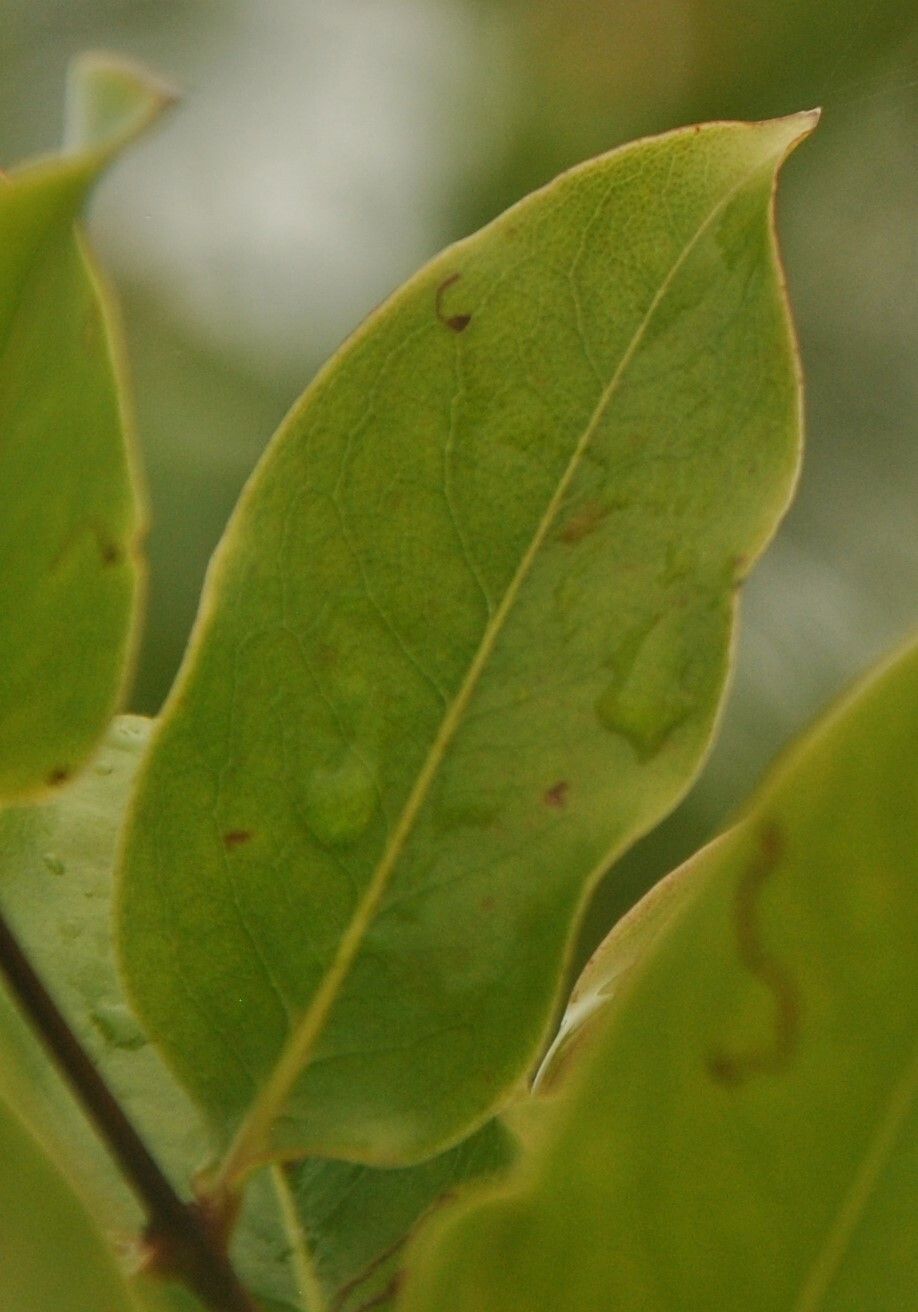
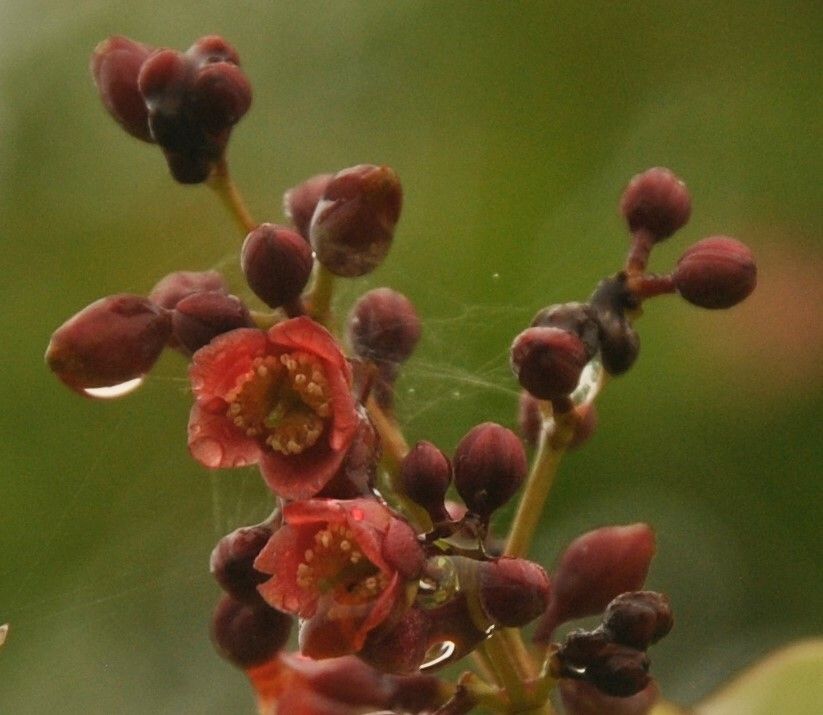
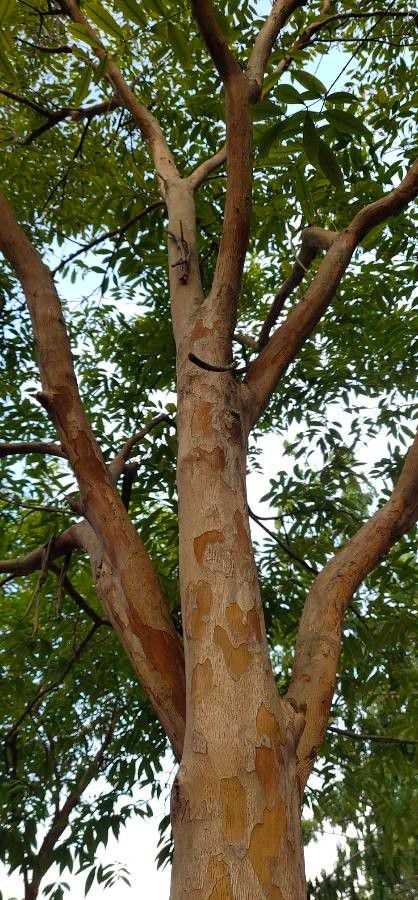
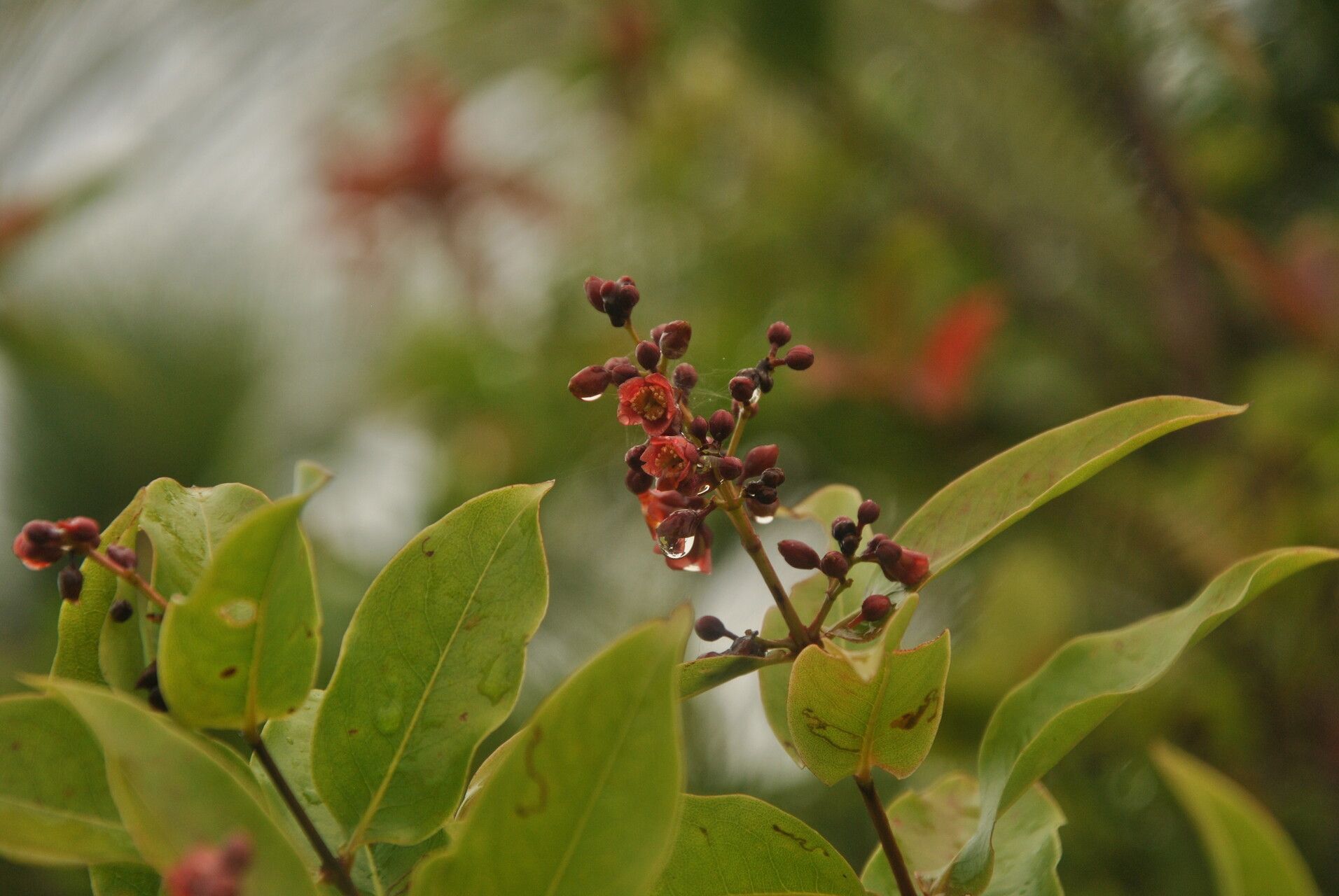
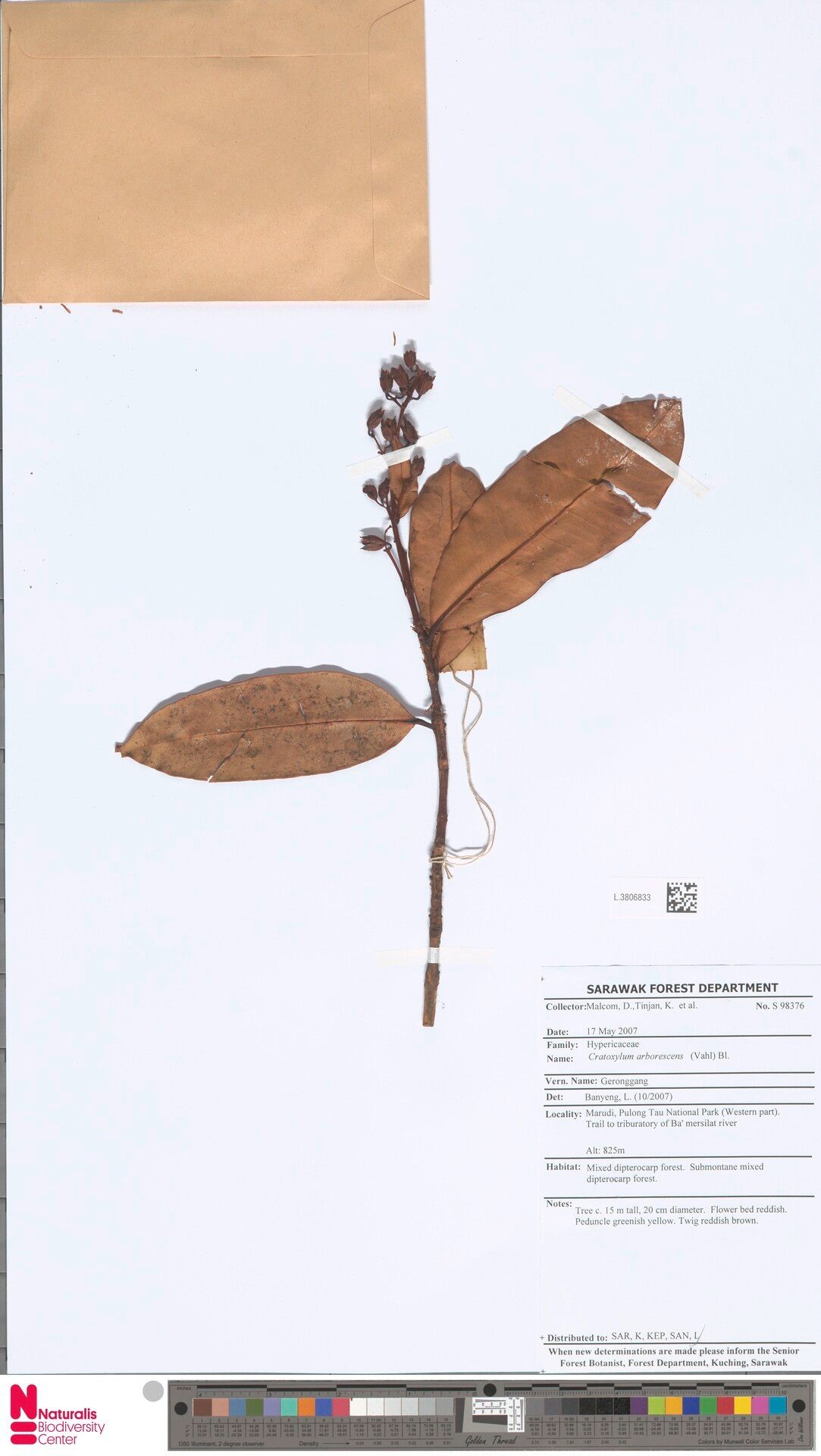
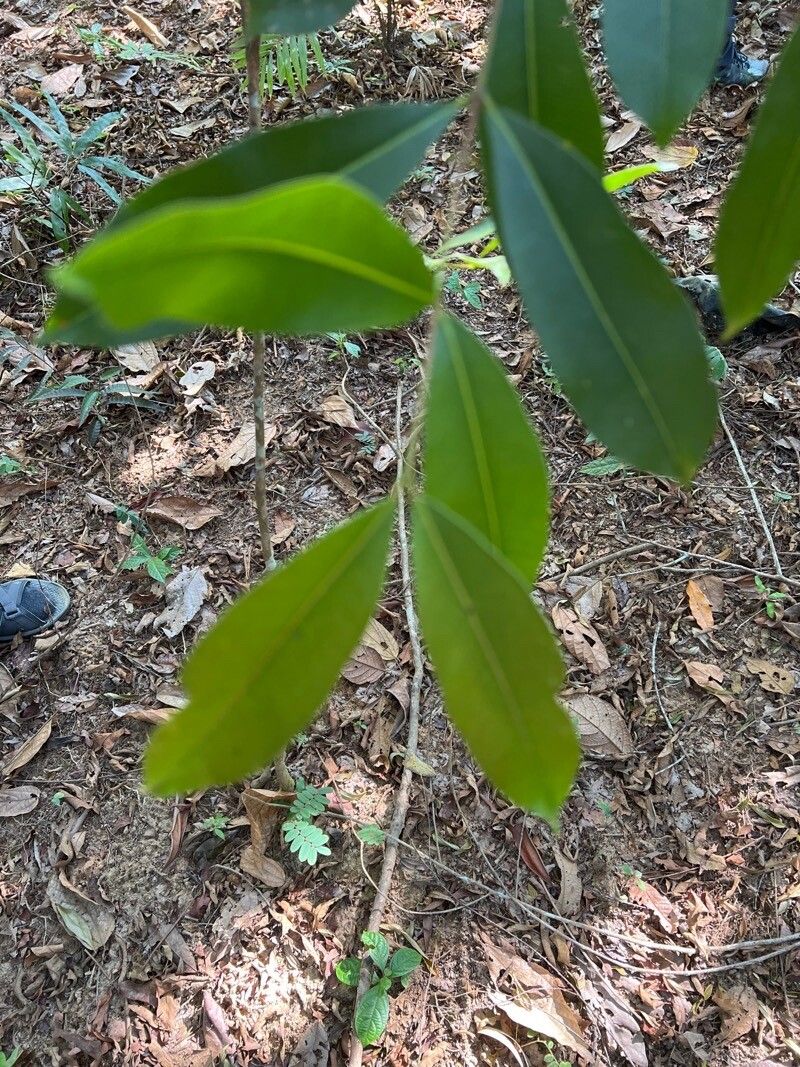
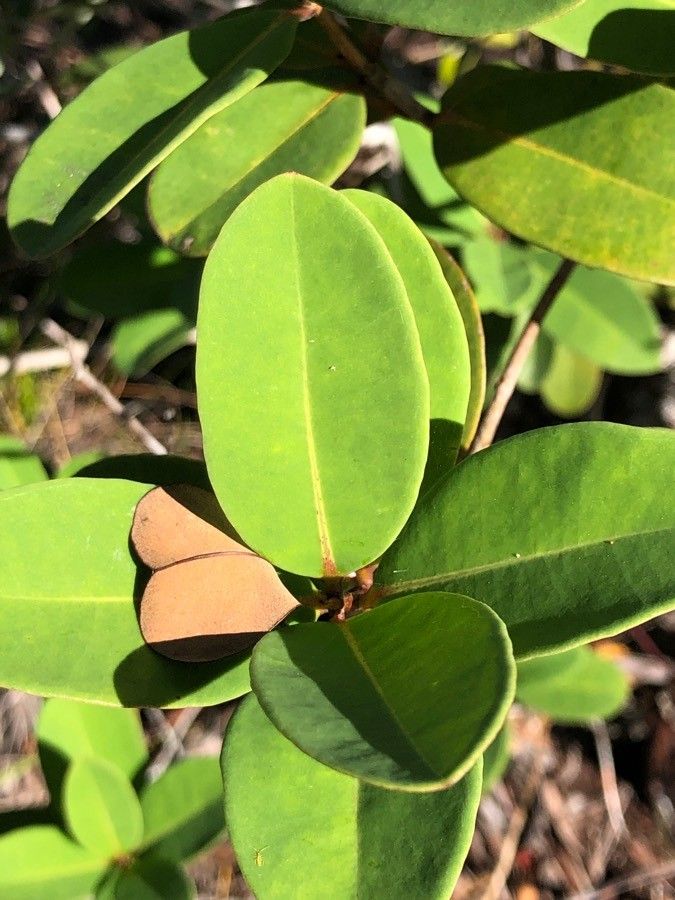
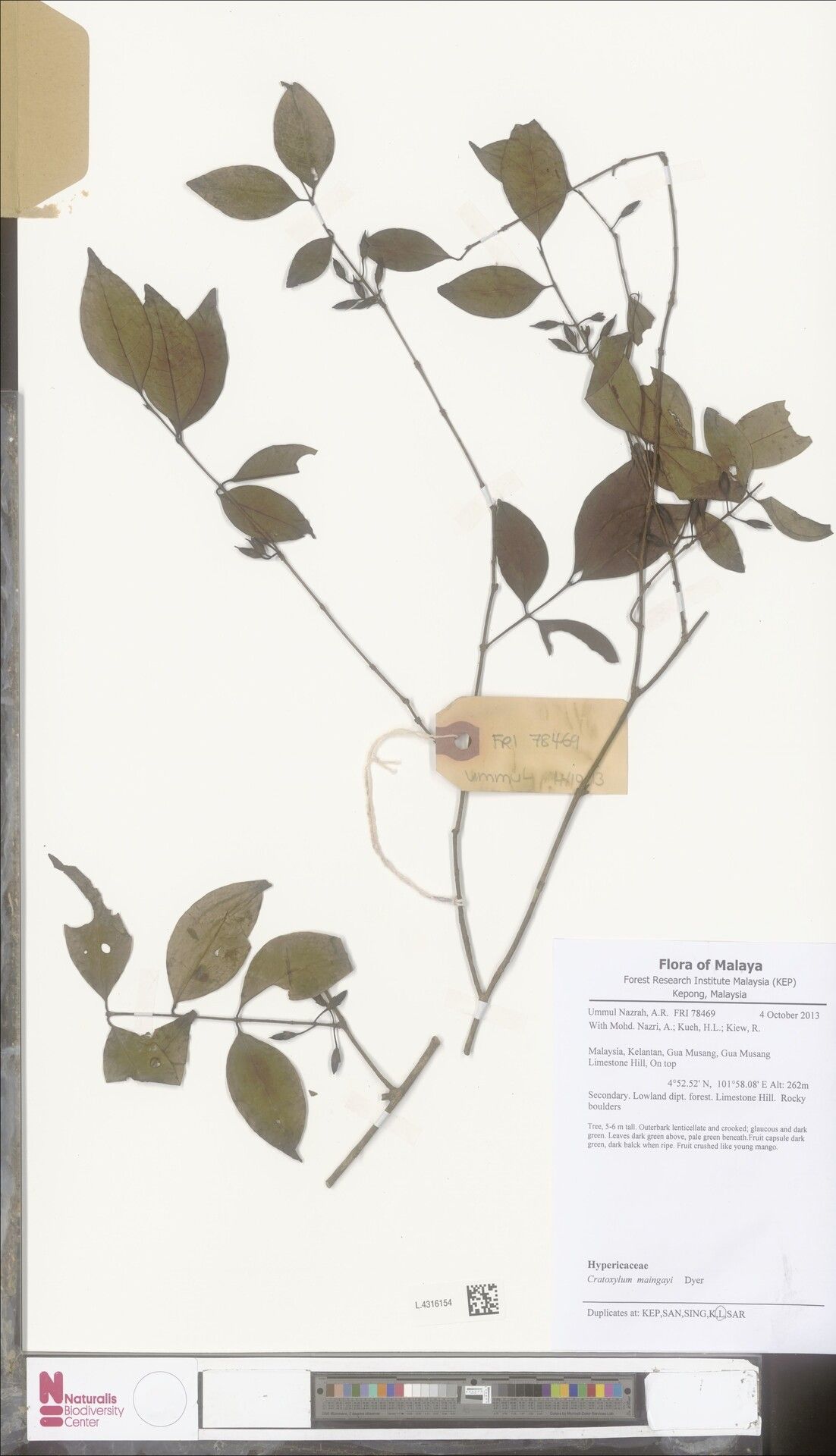
Cratoxylum cochinchinense (or Cratoxylon cochinsinensis (Lour.) Blume, an orthographic variant often still used in Vietnam, where the species was described) is a plant now placed in the family Hypericaceae. The specific epithet cochinchinense is from the Latin meaning "of Cochinchina". In Vietnamese C. cochinchinense is usually called thành ngạch nam or lành ngạnh nam, other names include: hoàng ngưu mộc, hoàng ngưu trà and đỏ ngọn. In Malesia the trees are cut for derum timber.
Yellow cow wood shows strong disease resistance and is generally not susceptible to illnesses. In terms of care, this plant is fairly low-maintenance. When planted outdoors it needs only minimal watering, and larger plants typically do not require pruning. Smaller plants, however, should be pruned after they have bloomed. Yellow cow wood is suitable for anyone with an outdoor area, such as a garden or deck, and does not demand extensive plant-care experience.
How to keep Cratoxylum Cochinchinense.
Light
Yellow cow wood grows best in plentiful sunlight and can tolerate moderate shade. It originally thrived in areas soaked by constant sun and develops optimally with steady, unblocked exposure. Too much shade can restrict its growth, while excessive light may lead to scorching or drying.
Water
Yellow Cow Wood thrives in high humidity and requires consistent moisture. Ideally, it should be watered every 2-3 weeks to keep the soil moist, but not waterlogged. Although it is drought-tolerant, stable hydration enhances its growth, with natural rainfall being particularly beneficial. During dry periods, additional watering is necessary to maintain optimal health.
Temperature
Yellow cow wood comes from tropical areas, where the climate is generally warm and humid. Consequently, it is adapted to high heat and humidity. It is sensitive to sudden temperature shifts and prefers a steady temperature, so it's important to avoid temperature fluctuations indoors. It typically cannot tolerate cold and requires warmer conditions for growth. If the surrounding temperature falls too low, the plant may stop growing or even die.
Fertilizer
The best time to fertilize a Yellow cow wood is in early spring, as it breaks dormancy. This encourages general growth and flower development. Fertilization improves the foliage, stems, and branches, and supports flowers that are large, bright, and long-lasting. It assists in moving nutrients from the roots to the flowers and enhances the plant’s health and resistance to disease.
Pruning
Yellow cow wood is known for its vibrant yellow blooms and attractive timber. To ensure the plant remains healthy and aesthetically pleasing, it's important to prune it in early spring. This involves removing dead branches, thinning out crowded areas, and improving airflow. These steps will promote vigorous growth and flowering, help maintain the plant's structure, and prevent diseases, ultimately resulting in a healthy and beautiful addition to your garden.
Botanical profile.
- Plant Type
- Tree, Shrub
- Life Cycle
- Perennial
- Genus
- Cratoxylum
- Family
- Hypericaceae
- Hardiness Zone
- 10-12
- Mature Height
- 10.06 m to 14.94 m
- Mature Spread
- 61 cm
- Leaf Color
- Green, Dark Green
- Leaf Type
- Deciduous
- Flower Color
- Pink
- Flower Size
- 1.02 cm to 1.52 cm
- Bloom Time
- Late spring, Summer
- Planting Time
- Spring, Summer, Autumn
- Harvest Time
- Late summer, Fall
- Native Area
- Malaysia, Indonesia, Cambodia, Vietnam, Myanmar, Philippines, Singapore, Laos, Brunei, Thailand, China
Other names.
Reader questions.
How should I water my Yellow cow wood plant?
To ensure excellent root development, position a garden hose at the base of your plants. Avoid spraying the leaves directly as this can be harmful. If the leaves are outside and exposed to direct sunlight, they will require more watering. Consider using bubblers or soaker hoses to keep the roots moist. When adding or removing plants, use soaker hoses that can cover the entire garden or bed to encourage deeper root growth. Make sure to drain any excess water and allow the soil to dry before watering again. Watering at ground level helps prevent diseases. On sunny days, it can be beneficial to spray the entire bush with water. Whether your plants are potted or in the ground, remember that Yellow cow wood prefers deeper watering instead of light sprinkling.
Why is it important to apply fertilizer to my Yellow cow wood plant?
Regardless of the type of Yellow cow wood you have, regular fertilization can greatly improve its overall health. By providing the right nutrients, your plant will experience stronger growth and become more resistant to difficult growing conditions. It will also develop a better defense against diseases and pests. Since the foliage of your Yellow cow wood is one of its most attractive features, it is important to keep it in good condition. This can be achieved by following a consistent fertilization schedule that is specifically tailored to your Yellow cow wood. This will encourage the plant to produce vibrant leaves with a rich color and a lush appearance.
How many hours of sunlight does a Yellow cow wood tree need each day to grow healthy?
To ensure healthy growth for Yellow cow wood, it is recommended to give it at least 3-6 hours of sunlight daily. This is the minimum requirement, as plants that can tolerate partial sunlight can also flourish in full sunlight. These plants are more adaptable than those that specifically need full sunlight or partial shade, since they need less light for photosynthesis.
What should I do if I give Yellow cow wood too much or too little water?
Overwatering can cause problems for a Yellow cow wood plant. The leaves may turn yellow, drop off, and wilt, making the plant look dull and unhealthy. Mushy stems are also a sign of overwatering. If you notice these signs, it's best to adjust your watering schedule. However, wilting can also be a sign of under watering. Underwatered leaves will become dry and crispy, while overwatered leaves will be soft and wilted. Check the soil to determine if it's dry and if simply watering isn't enough, give the plant a thorough watering. This will help the Yellow cow wood recover, but it may still have dry and yellow leaves due to root damage. Once the plant returns to normal, the yellowing of leaves will stop. When you have a Yellow cow wood indoors, always check the moisture levels in the pot. Avoid overwatering and look for signs of black spots, which indicate overwatering. In that case, let the soil dry out by not watering for a few days. Overwatering can lead to root rot, so if you see discolored and slimy roots, consider transferring the plant to a different pot. Prevent root rot by avoiding overly soggy soil. When planting a Yellow cow wood outdoors, be sure to check the soil's moisture level. If it's too dry, it could indicate underwatering. Adequate watering is necessary for the plant to recover.
When should I fertilize my Yellow cow wood plant?
To ensure the healthy growth of your Yellow cow wood, it is recommended to fertilize it for the first time in late winter or early spring. This will give the plant the necessary nutrients to thrive once the weather becomes warmer. Additionally, if you live in a warm climate region, it can be beneficial to provide another fertilizer feeding in early fall. This not only adds nutrients to the soil for the following growing season, but it also helps the Yellow cow wood withstand the winter cold and prevent foliage damage. Fertilizing earlier in the fall will also allow enough time for new branches to grow and withstand the cold winter temperatures.
What kind of sunlight does Yellow cow wood require?
Yellow cow wood thrives in full or partial sun conditions. It does exceptionally well with direct morning sunlight. However, during summer, it requires protection from intense afternoon sunlight. Excessive exposure to hot afternoon sun in temperate environments can cause the leaves to burn, thereby affecting the plant's overall appearance and health.
How often should I water my Yellow cow wood plant?
The Yellow cow wood prefers deep and infrequent watering, especially when planted in pots where the soil dries out quickly. Watering should be done every 3 to 5 days in cold regions, preferably in the morning when the soil is dry. Check the top 2-3 inches of soil and water the plant fully if it is dry. During hot days, monitor the soil moisture daily as it can dry out quickly. If you have a garden, irrigation is necessary, especially in hot climates where watering once a week is sufficient. Avoid adding water if the soil is already too dry to prevent root rot. Consider the amount of rainfall before watering, as excessive rain may eliminate the need for additional watering. For outdoor plants, use mulch to conserve water. Sandy soil requires more frequent watering, while clay soil can go 2-3 days without water. Keep track of watering dates and observe drooping leaves as an indication that watering may be needed.
When is the best time for me to not fertilize my Yellow cow wood?
There are certain times of the year when you should avoid fertilizing your Yellow cow wood. One of these times is in the early and mid-winter months when the plant is dormant and does not require any nutrients. Similarly, it is not advisable to fertilize this plant during late spring and summer when the weather is hotter and dryer. Fertilizing during this period can have a negative impact on the plant's health. To prevent these issues, it is recommended to follow a fertilization schedule that involves feeding only in early spring and early fall.
Can the sun harm Yellow cow wood? How can you keep Yellow cow wood safe from the sun and heat?
When moving yellow cow wood plants from indoors to outdoors, it's important to be mindful of direct sunlight. To prevent sunburns from overexposure, gradually move the pots from a shaded area to a brighter spot. However, even plants that are used to the summer sun can still be harmed by extreme heat. During a heatwave, it's crucial to keep the soil consistently moist to help plants tolerate the excessive heat. To protect sensitive yellow cow wood during extreme weather events, consider moving plants in containers to areas with afternoon shade or covering them with a shade cloth.
How much water should I give my Yellow cow wood plant?
The Yellow cow wood generally needs about a gallon of water on a regular basis. For potted plants, water them deeply until the water starts dripping from the bottom of the pot. Then, wait for the soil to dry before watering them again. Use a water calculator or moisture meter to determine how much water you've given the plant in a week. During the flowering period, provide plenty of water but allow the moisture to evaporate afterwards to prevent root rot. If the Yellow cow wood is planted outdoors and there is sufficient rainfall, it may not need extra watering. When the Yellow cow wood is young or newly planted, make sure it receives 1-2 inches of rain per week. As the Yellow cow wood grows, it can rely solely on rainfall. Only when the weather gets extremely hot or there is no rainfall for 2-3 weeks, consider giving the Yellow cow wood a thorough watering during cooler times of the day to prevent damage from high temperatures. Additional watering will be necessary during extended dry periods.
What kind of fertilizer does my Yellow cow wood tree need?
The primary nutrient for a Yellow cow wood is usually nitrogen, but phosphorus and potassium are still important. A balanced fertilizer like 10-10-10 can be effective because Yellow cow woods typically need a decent amount of all three nutrients. However, a more precise nutrient ratio often leads to optimal growth. Fertilizers with slightly higher nitrogen content, like 10-6-4, tend to work well. You can choose between granular or liquid fertilizers when applying them.
Should I keep Yellow cow wood away from the sun?
Yellow cow wood thrives in bright morning sun and some full sun exposure, but it can struggle to tolerate the harsh midday sun of summer. If you plant it in the ground, it will have time to gradually adjust to the increasing intensity of the summer sun. However, potted plants that have been indoors or in a protected location may suffer damage if they are abruptly exposed to direct afternoon sun in the summer. To safeguard the plant from the intense afternoon sun, it is recommended to either plant or position it in a shaded area during midday. This can be achieved by placing it under taller trees or plants, a building, or another landscape feature.