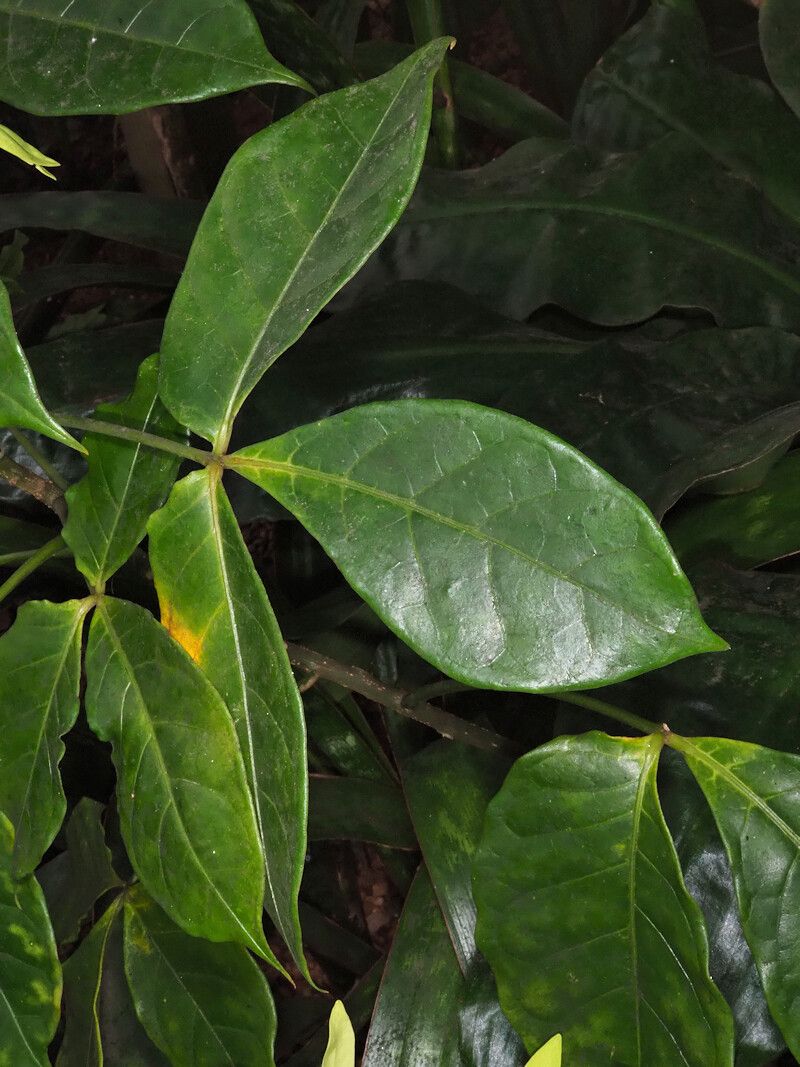
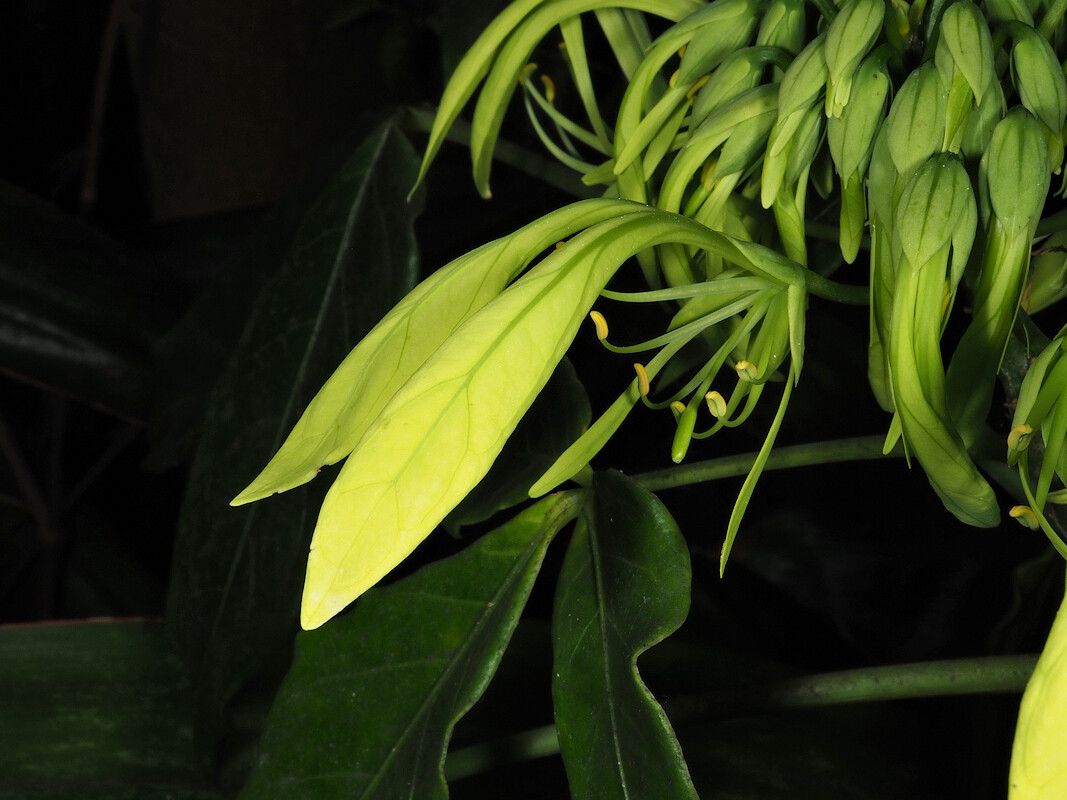
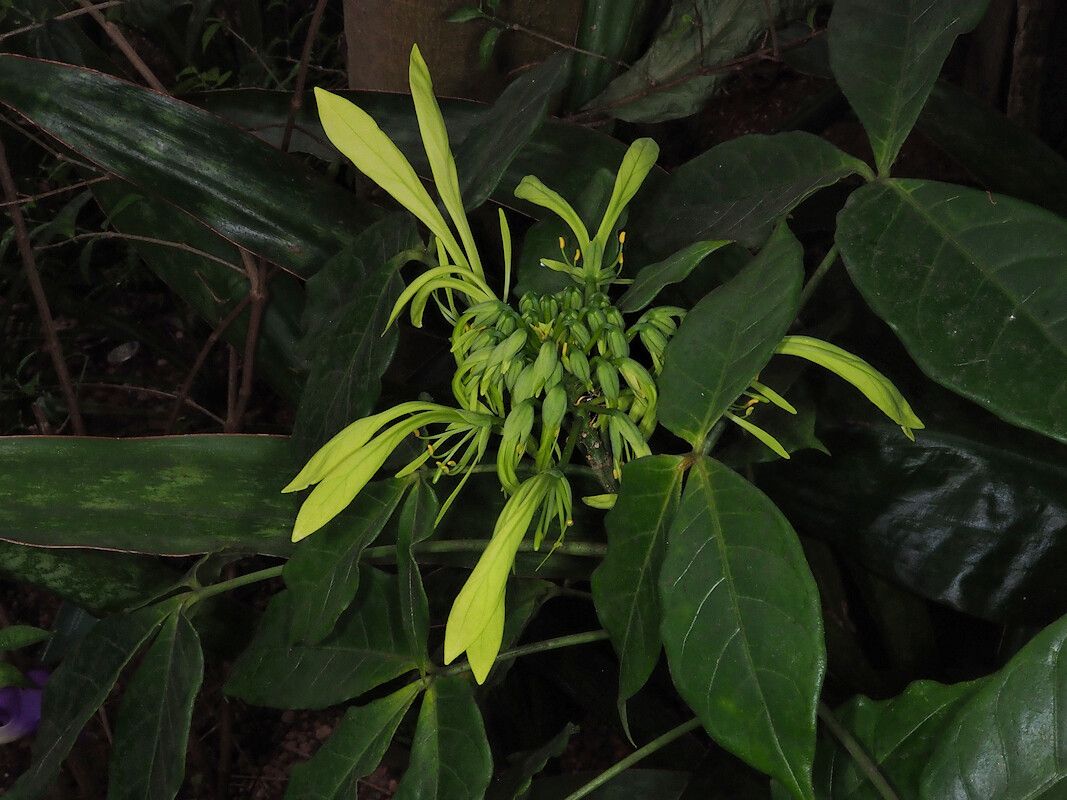
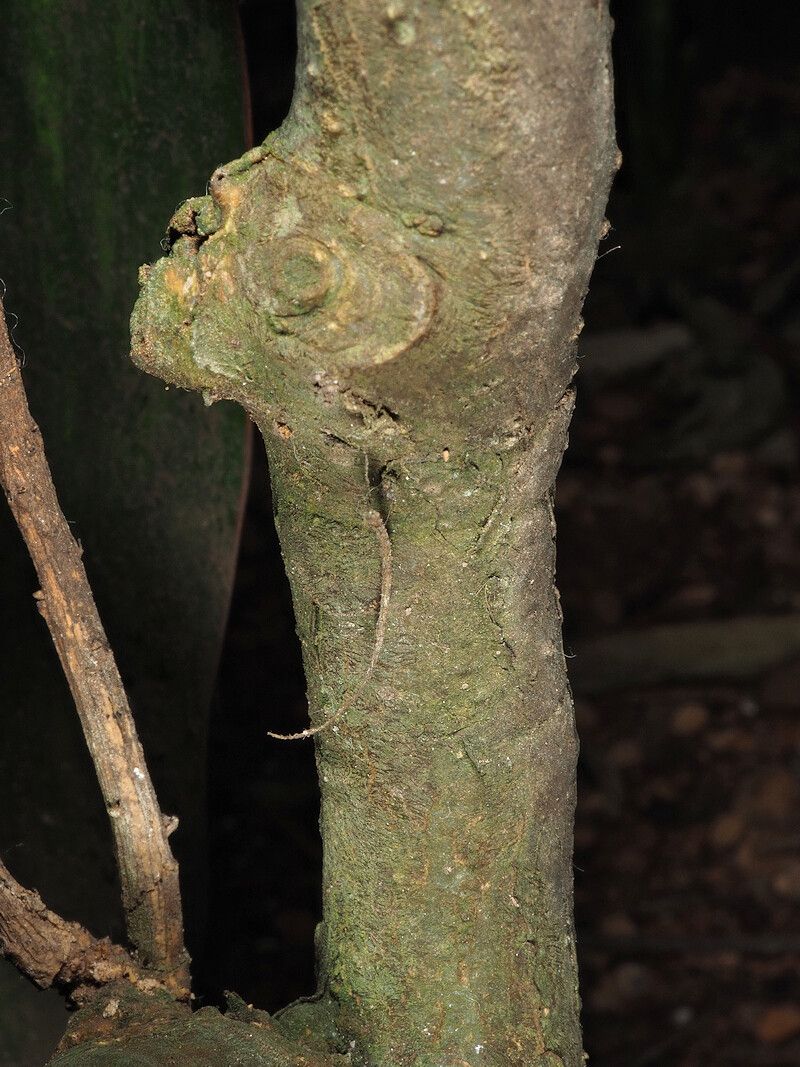
The spider tree is resistant to disease and typically does not get sick. In terms of care, this plant is fairly low maintenance. When grown outdoors it needs only light watering, and larger specimens usually do not need pruning. Smaller specimens, however, should be pruned after they finish blooming. The spider tree is suitable for anyone with an outdoor area, such as a garden or a deck, and does not require extensive care experience.
How to keep Crateva Unilocularis.
Light
Spider tree is found in open habitats, such as sunny meadows and the edges of forests, which offer plenty of light. It performs best in Full Sun but can also withstand Partial Sun, adapting well to different light conditions.
Water
The spider tree naturally grows in areas where water availability varies, displaying a moderate tolerance to drought. It thrives with minimal watering, needing moisture only every 2 to 3 weeks. When planted outdoors, its growth cycle aligns more with the seasonal rainfall patterns than with consistent irrigation.
Temperature
Spider tree comes from tropical areas, where the climate is generally warm and humid. Consequently, it is adapted to high heat and humidity. It does not tolerate sudden temperature shifts and prefers a constant temperature, so avoiding indoor temperature fluctuations is important. It typically cannot withstand cold and needs warmer conditions to grow. If temperatures fall too low, the plant may stop growing or even die.
Fertilizer
The best time to fertilize a Spider tree is in early spring, when it is coming out of dormancy. This encourages overall growth and supports flower development. Fertilization improves the foliage, stems, and branches, and helps produce flowers that are larger, more vivid, and longer-lasting. It also helps move nutrients from the roots to the flowers and bolsters the plant’s health and resistance to disease.
Pruning
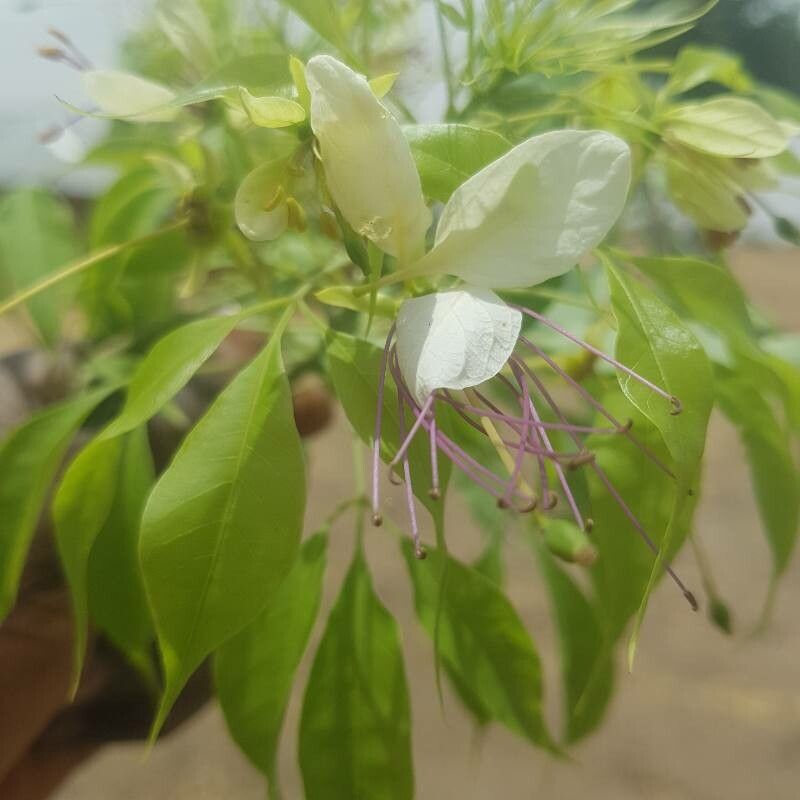
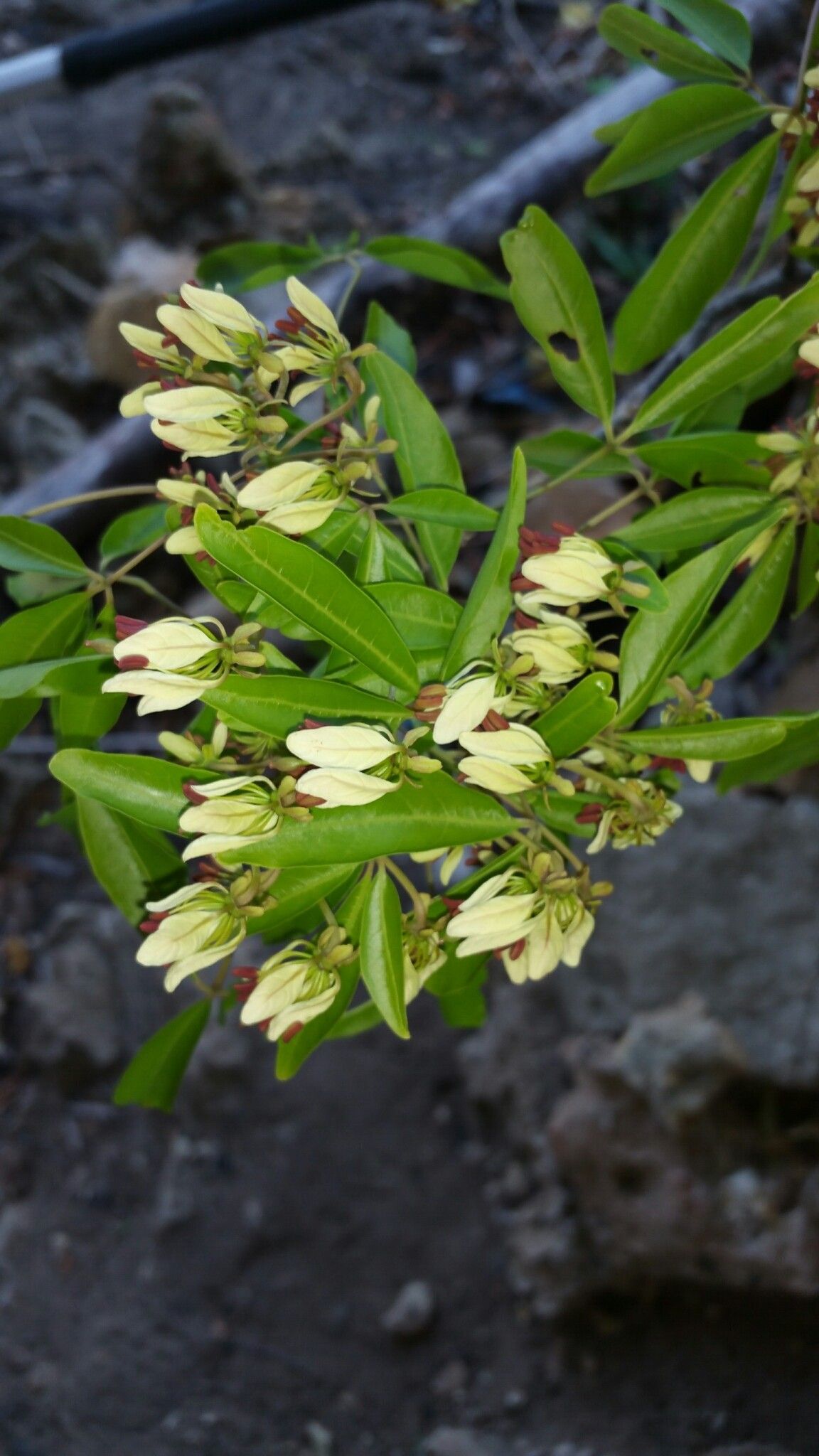
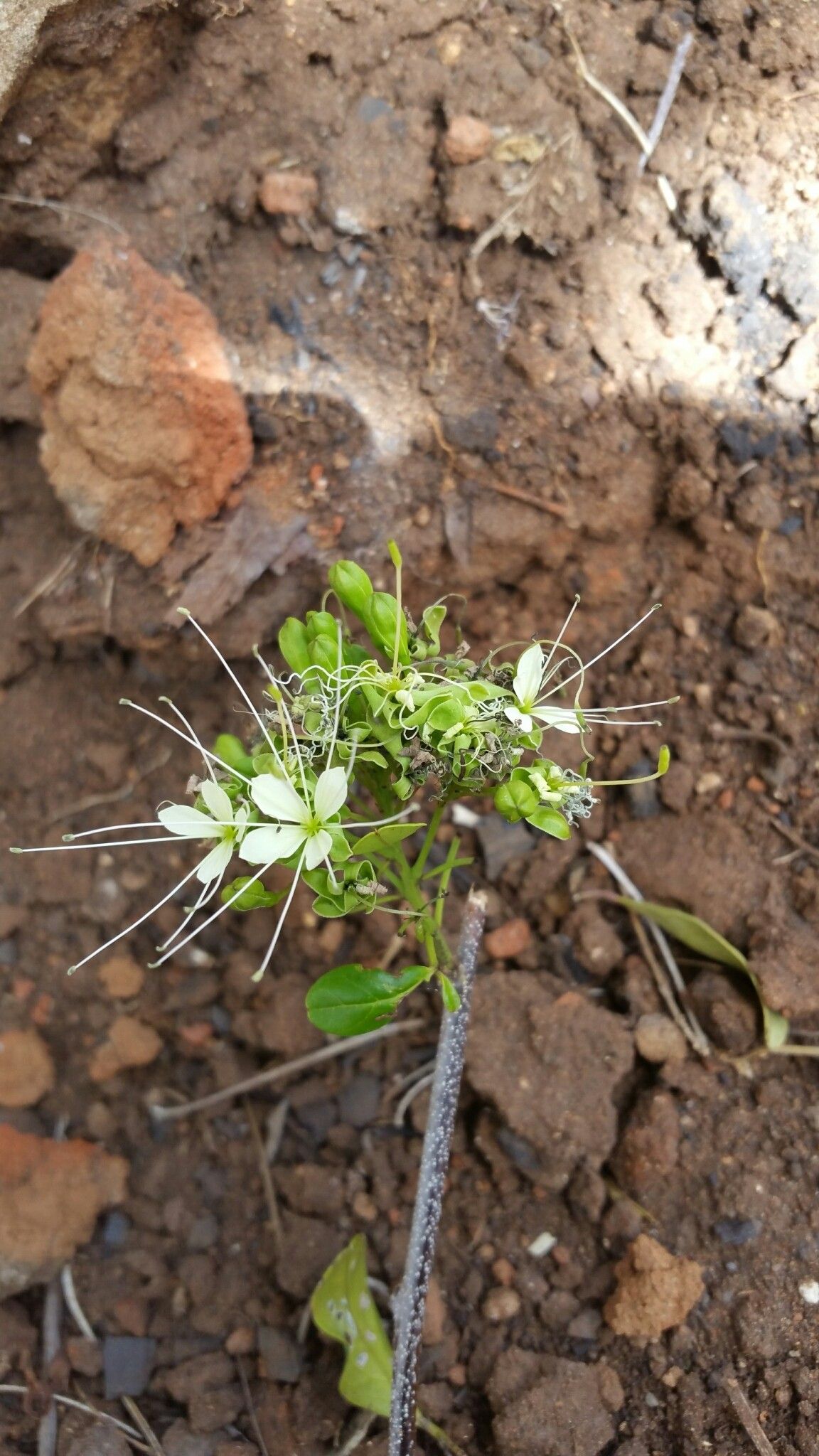
The spider tree boasts fragrant flowers and compound leaves. Pruning in early spring is advantageous, as it helps remove dead or diseased branches, improves air circulation, and enhances the tree's appearance. It's important not to over-prune, as this can cause stress. By pruning regularly and thoughtfully, you can promote vigorous growth and maintain the tree's ornamental value.
Botanical profile.
- Plant Type
- Tree
- Life Cycle
- Perennial
- Genus
- Crateva
- Family
- Capparaceae
- Hardiness Zone
- 9-11
- Mature Height
- 4.88 m to 20.12 m
- Mature Spread
- 4.88 m to 7.92 m
- Leaf Color
- Green, Dark Green
- Leaf Type
- Deciduous
- Flower Color
- White, Yellow
- Flower Size
- 3.05 cm to 5.08 cm
- Bloom Time
- Mid spring, Late spring, Early summer
- Planting Time
- Spring, Summer, Autumn
- Harvest Time
- Mid summer, Late summer, Early fall
- Native Area
- Nepal, India, Cambodia, Vietnam, Myanmar, Bhutan, Bangladesh, China
Reader questions.
How should I water my Spider tree effectively?
To ensure excellent root development, consider placing a garden hose at the base of your plants. Avoid spraying the leaves directly, as they might need more watering if they are outside and exposed to direct sunlight. You can also use bubblers or soaker hoses to moisten the roots - the latter is particularly useful when adding or removing plants, as it covers the entire garden or bed. After watering, make sure to drain any excess water and allow the soil to dry before watering again. Water at ground level to prevent diseases. On sunny days, it may be beneficial to spray the entire bush with water. Whether your Spider tree is in a pot or in the ground, remember that it prefers deep watering rather than light sprinkling.
How many hours of sunlight per day does the Spider tree need to grow healthily?
To ensure healthy growth, Spider trees need at least 3–6 hours of sunlight daily. This is the minimum amount of sun they require. However, most plants that tolerate partial sunlight can also do well in full sun. These plants are more adaptable because they need less light for photosynthesis than those that need either full sun or partial shade.
What do I do if I give too much or too little water to my Spider tree?
An overwatered Spider tree can show signs of trouble such as yellowing, wilting, and dropping leaves. The plant may also look unhealthy with mushy stems. If these signs appear, it's important to adjust your watering schedule. On the other hand, wilting can also be a sign of underwatering. In this case, the leaves may turn crispy and dry. To determine the watering needs, check the soil. If it is dry and regular watering is not enough, give the plant a thorough watering. However, even with enough water, the Spider tree may still have yellow leaves and a dry appearance due to root damage. Once the plant recovers, the yellowing of leaves will stop. When keeping the Spider tree indoors, it is important to check moisture levels in the pot and avoid overwatering. Look for signs of black spots, and if present, allow the soil to dry out by withholding water for a few days. Overwatering can lead to root rot, so if you notice discolored and slimy roots, consider transferring the plant to a different pot. To prevent root rot, avoid making the soil too soggy. When planting the Spider tree outdoors, make sure to check soil moisture by digging a little deeper. If the soil feels too dry, it may indicate underwatering, so adequate watering is necessary for the plant's recovery.
What kind of sunlight does Spider tree require?
Spider trees thrive in full or part sun, preferably with direct morning light. However, during summer, they should be shielded from the intense afternoon sun to prevent possible leaf burn and maintain the plant's overall health and aesthetic appeal. This is particularly important in temperate environments.
How frequently should I water my Spider tree?
The Spider tree prefers deep and infrequent watering. If it is planted in a pot, soak it with a gallon of water each time to account for limited water storage. In colder regions, watering is needed every 3 to 5 days. Water in the morning when the soil is dry, both indoors and outdoors. Check the soil to see if watering is necessary - if the top 2-3 inches are dry, water the plant. During hot days, check the soil moisture daily to prevent it from drying out too quickly. For gardens, irrigation is necessary. In hot climates, water once a week when the soil is 2-3 inches dry indoors or outdoors. Be mindful of rainwater on the plant to prevent root rot. Spider trees typically grow in spring and fall. Use 3-4 inches of mulch outdoors to conserve water. Sandy soil drains faster, so water more frequently. Clay soil requires less frequent watering, with a drying period of 2-3 days to avoid root rot. Keep track of watering dates on a calendar and watch for drooping leaves as a sign that watering may be needed.
Can the sun harm Spider trees? How can I keep Spider trees safe from the sun and heat?
When moving Spider trees planted indoors outdoors, direct sunlight can easily damage them. To prevent sunburn from overexposure, it is recommended to gradually move the pots from shade to a brighter area. However, even if the plants are acclimated to the sun, extreme heat can still be harmful. To handle excessive heat during a heatwave, it is crucial to ensure the soil stays consistently moist. Additionally, protecting sensitive Spider trees can be achieved by either moving them to areas with afternoon shade or using a shade cloth during extreme weather events.
How much water should I give my Spider tree?
The Spider tree generally needs about a gallon of water on a regular basis. When watering potted plants, it's best to water them deeply until you see water dripping from the bottom of the pot. After that, wait for the soil to dry before watering again. To determine how much water you've given your plant in a week, you can use a water calculator or a moisture meter. During the flowering period, it's important to provide plenty of water, but let the excess moisture evaporate to avoid root rot. If the Spider tree is planted outside and receives adequate rainfall, it may not need extra watering. However, when the Spider tree is young or newly planted, it should receive 1-2 inches of rain per week. As the tree grows, it can rely solely on rainfall. Only in very hot weather or when there is no rainfall for 2-3 weeks, should you consider giving the Spider tree a thorough watering during cooler parts of the day to prevent heat damage. Additional watering will be necessary during extended dry periods.
Should I make sure the Spider tree doesn't get too much sun?
Spider tree benefits from bright morning sun and some full sun exposure, but cannot handle the harsh, hot midday sun of summer. When planted in the ground, the tree can slowly adjust to the intensifying summer sun. However, a potted Spider tree that has been indoors or in a protected location may be injured if suddenly exposed to direct summer sun during the hottest part of the day. To protect the tree from this intense afternoon sun, it is advised to plant or place it in an understory location. This way, the tree will be shaded at midday by taller trees and plants, or by a building or landscape feature.
Should I water my Spider tree more or less depending on the time of year or the weather?
To ensure the health of your Spider tree, it needs to be watered properly according to the weather conditions. During the spring and fall growing seasons, keep the soil moist but not soggy, and alternate between dry and moist soil. In the summer, hot weather and lack of rainfall can cause the water to evaporate quickly, so water more frequently to keep the soil moist. In winter, when the tree is dormant, use well-draining soil and water less. During this time, the tree can rely on fall and winter rains to survive. When the Spider tree is in a pot, ensure good drainage and water it well, especially in summer. Deeply soak the root system once or twice a week, avoiding shallow sprinkles. Don't let the tree dry out completely in fall or winter. Avoid over-watering as the tree doesn't like sitting in water for too long. Applying mulch can also help conserve water and promote healthy blooms.
What will happen if the Spider tree doesn't get enough sunlight?
When Spider trees don't get enough sun, they may turn pale green or have drooping, yellow leaves. It's normal for some leaves to drop, but if they keep falling and no new ones appear, that means something is wrong. If Spider trees that lack light do manage to grow, the new growth is usually thin, pale, and susceptible to bugs. By noticing these signs and adjusting the plant's lighting, you can make a big difference.
What should I watch out for when watering my Spider tree in different seasons, climates, or during different growing times?
Spider trees primarily rely on rain when planted in the ground, but if there is no rain for 2-3 weeks, deep watering may be necessary. When watering in the summer, it is best to do so in the morning to avoid stressing the roots with a large temperature difference. It is important to avoid watering the bushes during hot weather. Mulching should be started in the spring when the ground is not too cold. Lack of water is a common reason for newly planted spider trees to fail to grow, so it is crucial to ensure they are adequately watered. Once they are established, watering should be reduced. During the fall and winter, watering should be decreased, especially if the soil contains a water-retaining material. Dry winds in these seasons can cause the trees to dry out, especially newly planted ones, so extra watering is required. Spider trees planted in pots dry out faster, so they need more frequent watering. Reduced blooming and drying leaves indicate a need for more water. Watering potted plants can be more complex and should be done carefully so as not to let the pot sit in water. Containers with saucers, bowls, and trays should be avoided. Overwatering in the fall can lead to mottled or yellowish foliage. It is important to prevent overwatering regardless of the climate or season. When spider trees begin to flower, watering frequency may need to be increased, but once they are fully grown, watering can be reduced. It is recommended to water them adequately every 3 to 5 days without following a strict schedule. Checking the soil's moisture level by sticking a finger in the pot or using a moisture meter can help determine the right time to water. Overwatering or underwatering can cause root rot and potentially lead to the death of the trees, so caution should be exercised regardless of the local climate or season.
Is Spider tree sensitive to sunlight at different stages of its growth and does it require special attention in regards to this?
Tender, new leaves are easily sunburned, so it's important to protect them. Spider trees that are young and experiencing rapid growth, like in late spring and early summer, are more sensitive to intense sunlight and heat compared to mature trees or those in a dormant fall growth stage. When newly purchased from a nursery, spider trees are not accustomed to full sunlight and should be gradually acclimated to it.