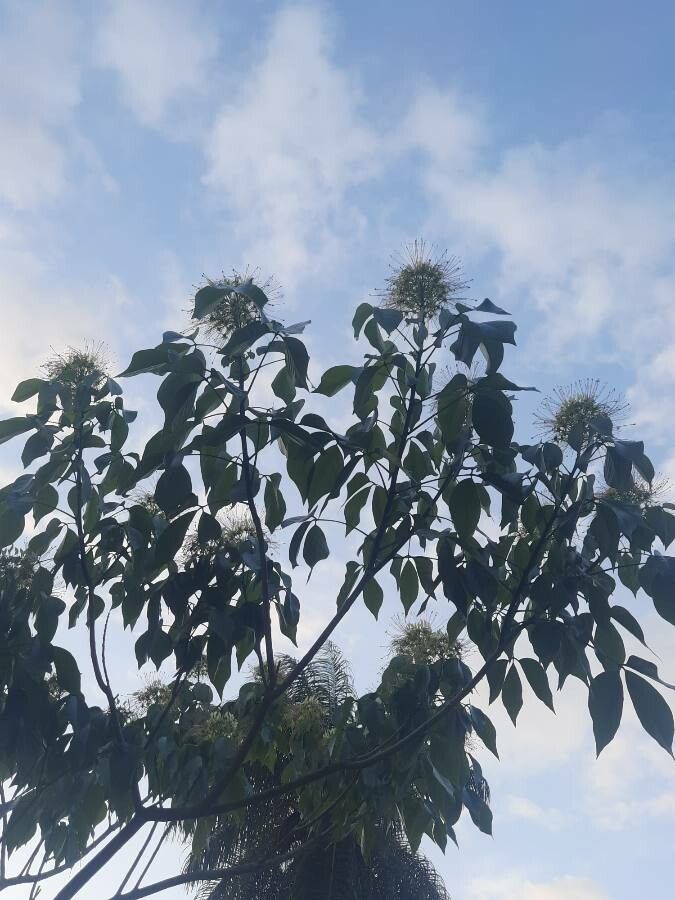
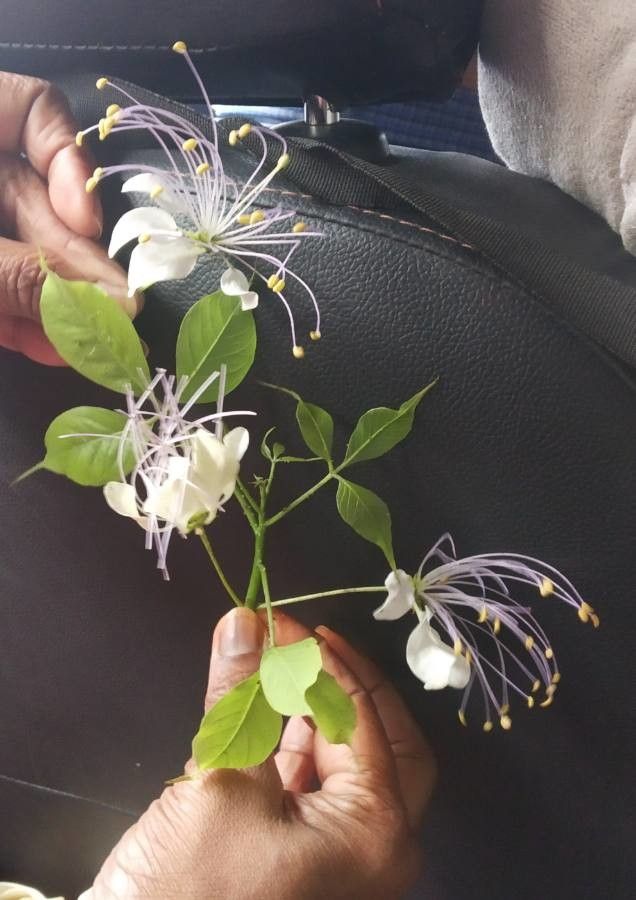
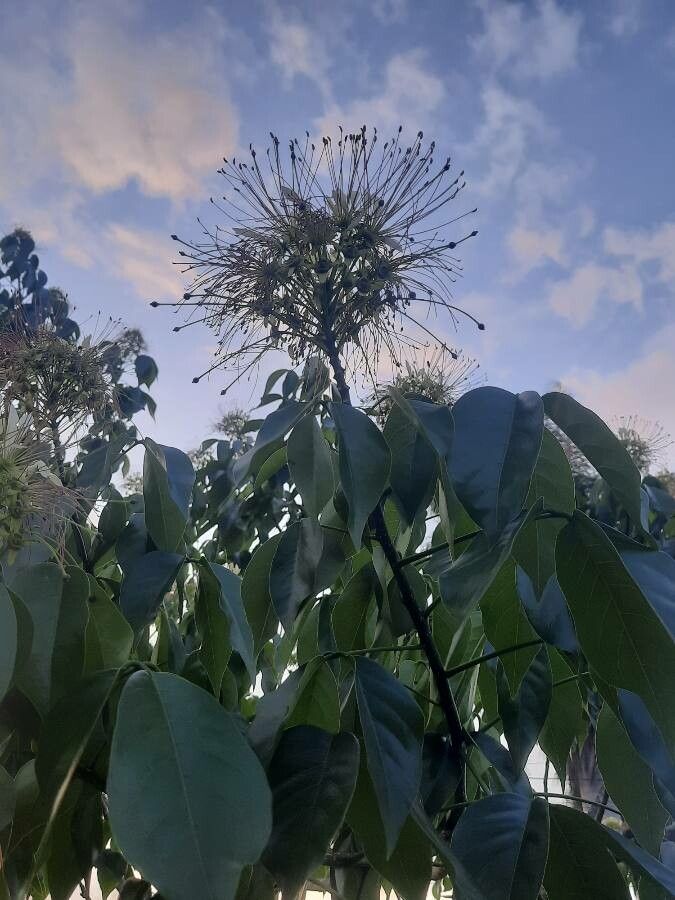
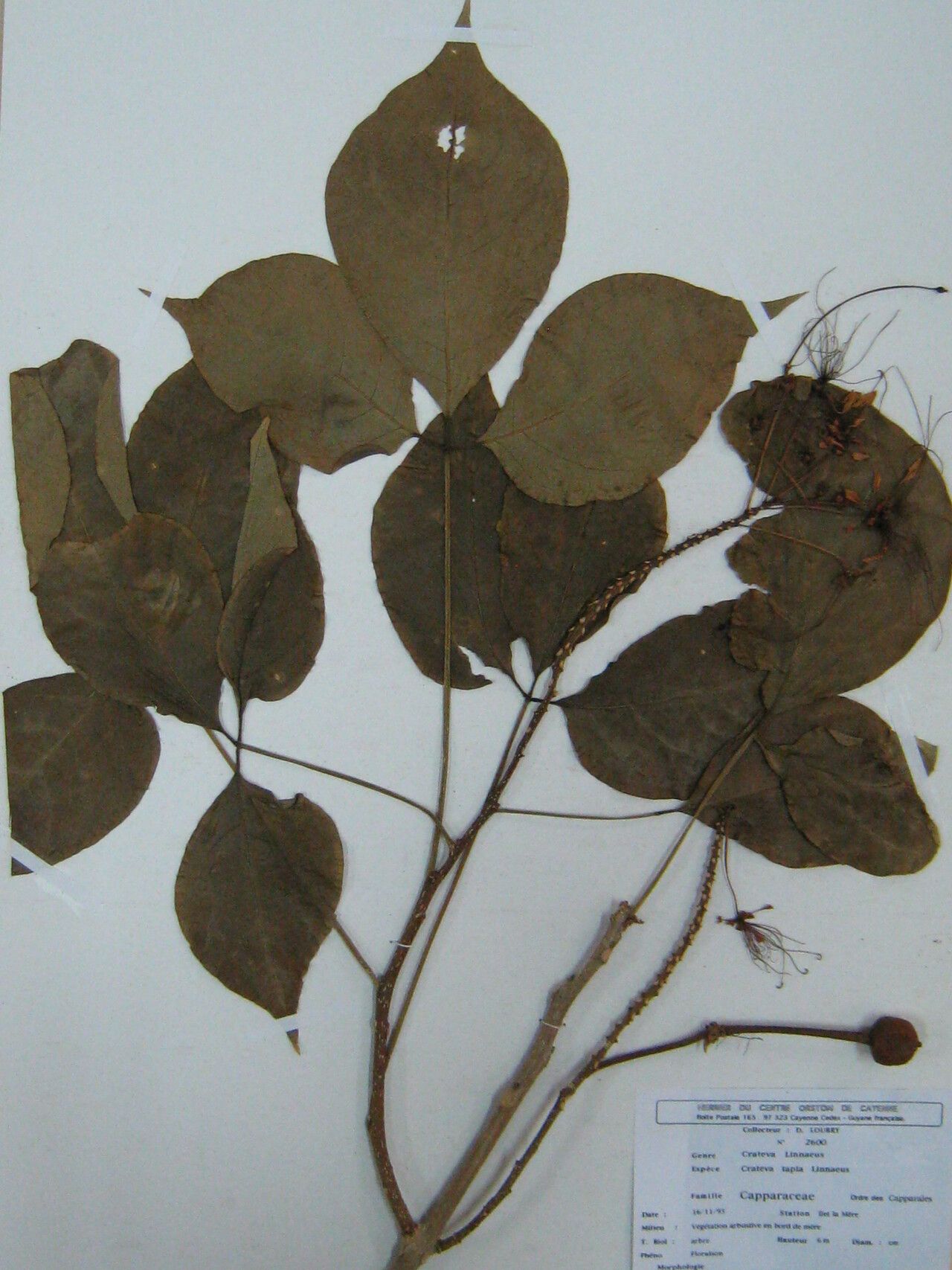
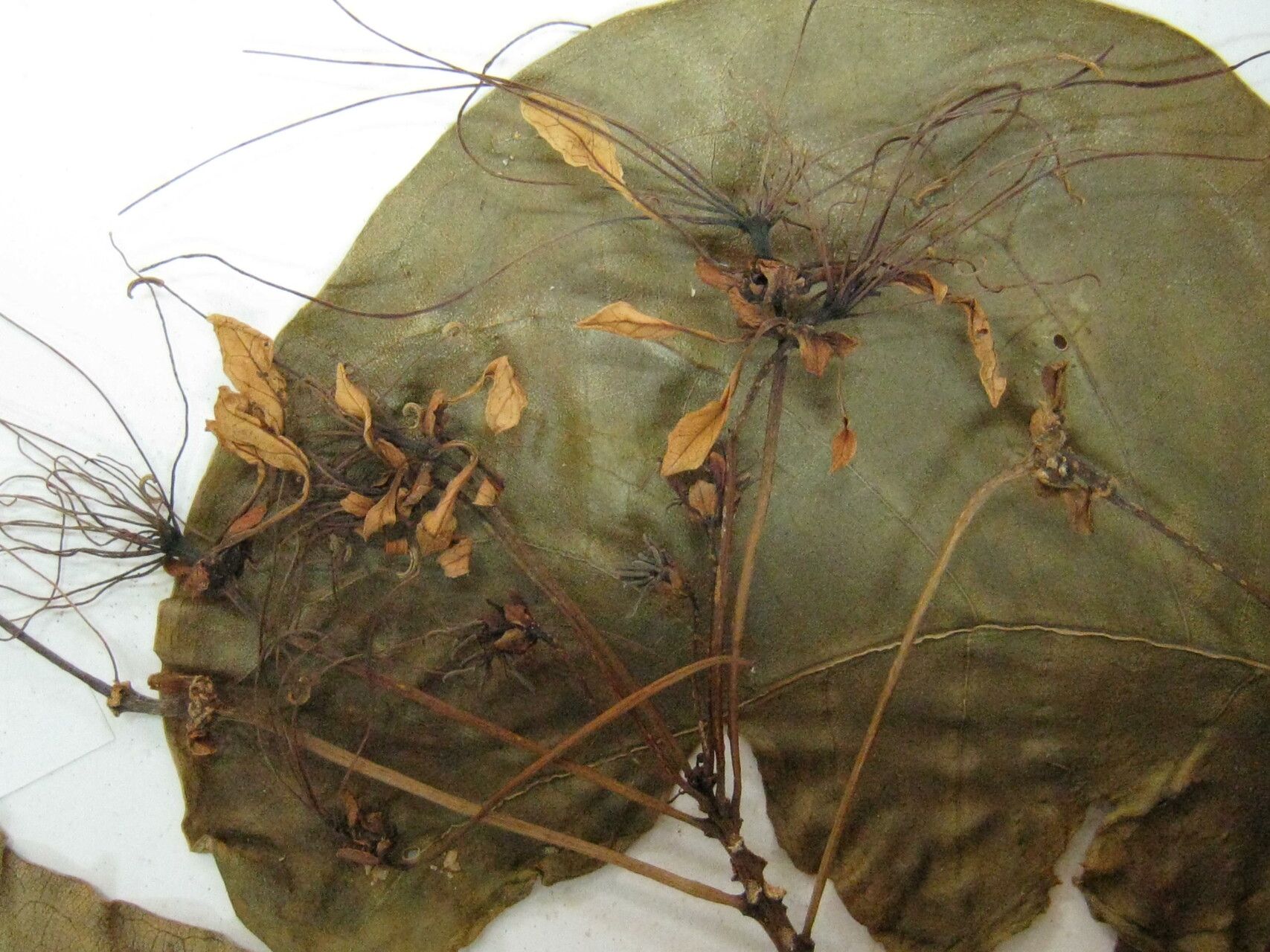
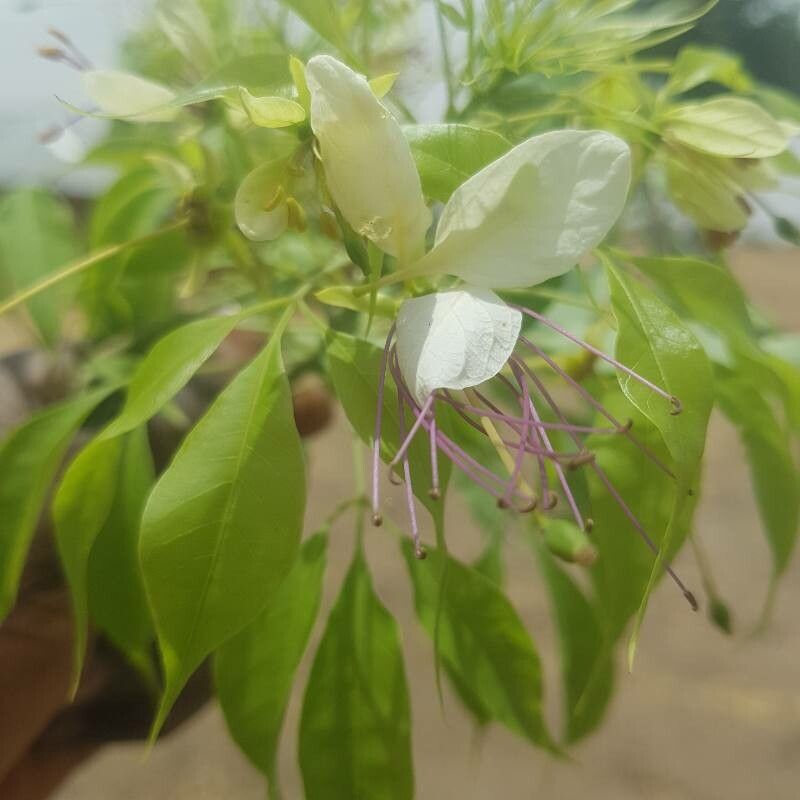
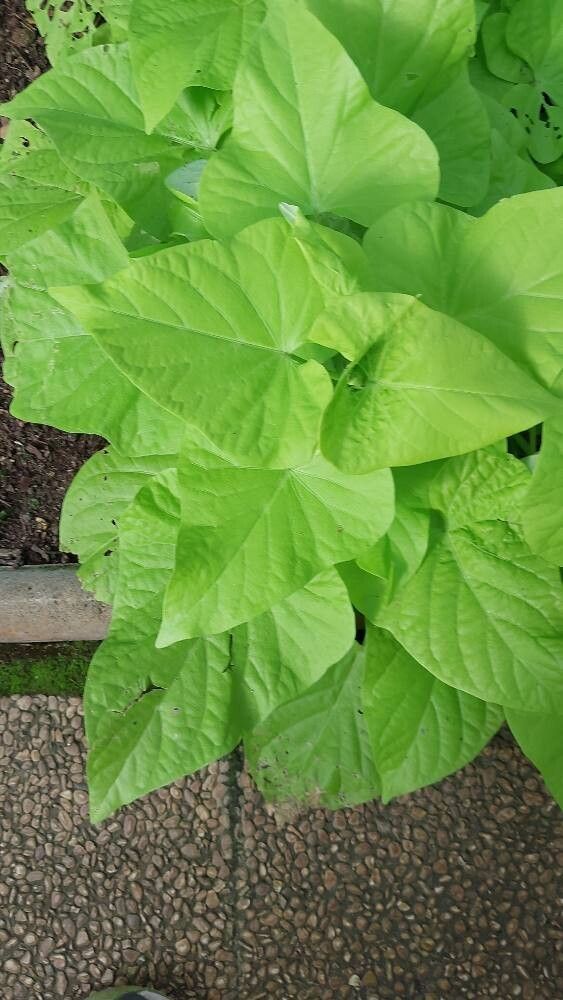
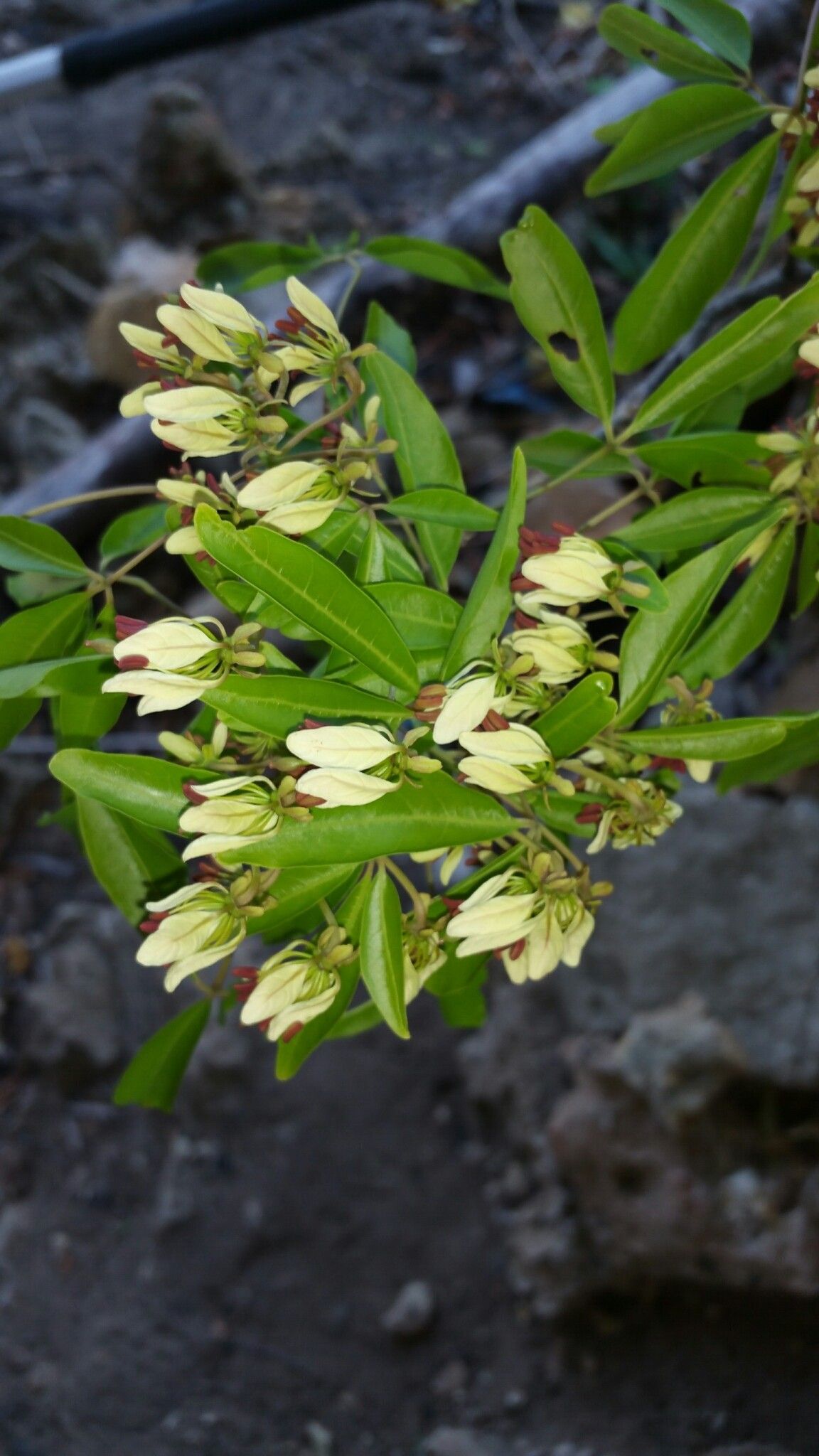
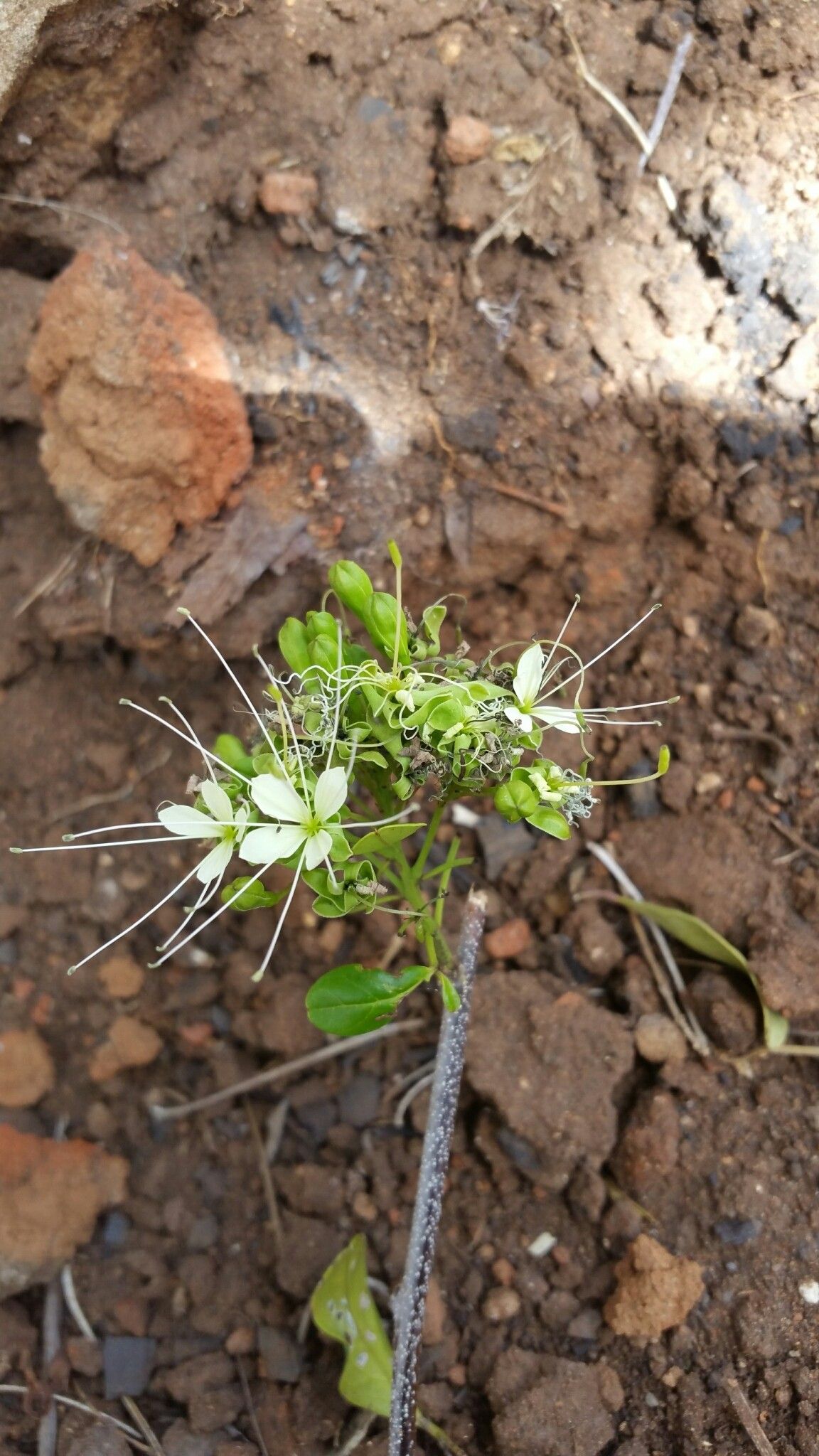
Crateva tapia, commonly known as toco, payaguá, naranjuelo, or beach apple, is a member of the genus Crateva, belonging to the family Capparaceae. It is native from Mexico through Central America into South America as far as south Brazil.
The garlic pear tree exhibits strong disease resistance and is usually not susceptible to illnesses. Regarding care, this plant is fairly low-maintenance. When grown outdoors it needs little watering, and larger specimens typically do not require pruning. Smaller plants, however, should be pruned after they have finished blooming. The garlic pear tree is appropriate for anyone with outdoor space, such as a garden or deck, and does not demand extensive care experience.
How to keep Crateva Tapia.
Light
The garlic pear tree comes from open habitats, such as sunny meadows and forest edges, which offer plentiful light. It thrives in full sun but can also tolerate partial sun, adapting well to various sunlight conditions.
Water
The garlic pear tree, native to tropical regions, thrives in high humidity and can withstand short periods of drought. It should be watered every 2–3 weeks, allowing the soil to dry slightly between waterings. In warmer climates, applying mulch can help retain moisture during the active growing season.
Temperature
The garlic pear tree comes from tropical areas, where the climate is generally warm and humid. As a result, it is well adapted to high temperatures and moisture. It does not tolerate sudden temperature changes and favors a stable temperature environment, so it is important to avoid fluctuations in indoor temperature. It usually cannot endure cold conditions and needs higher temperatures to grow. If the ambient temperature falls too low, the plant may stop growing or even die.
Fertilizer
The best time to fertilize a Garlic pear tree is in early spring, as it breaks dormancy. This supports overall growth and flower formation. Fertilizing improves the leaves, stems, and branches, while encouraging flowers that are large, colorful, and long-lasting. It helps transport nutrients from the roots to the blooms and strengthens the plant's health and disease resistance.
Pruning
The garlic pear tree thrives when it is pruned annually in early spring. Effective pruning techniques include removing dead branches, thinning out crowded areas, and shaping the canopy. These practices enhance air circulation, promote healthy growth, increase fruit yield, manage the tree's size, and improve its appearance.
Botanical profile.
- Plant Type
- Tree
- Life Cycle
- Perennial
- Genus
- Crateva
- Family
- Capparaceae
- Hardiness Zone
- 10-12
- Mature Height
- 7.92 m to 11.89 m
- Mature Spread
- 4.88 m to 7.92 m
- Leaf Color
- Green, Dark Green
- Leaf Type
- Semi-evergreen
- Flower Color
- White, Cream
- Flower Size
- 3.05 cm to 5.08 cm
- Bloom Time
- Late spring, Early summer, Mid summer
- Planting Time
- Spring, Summer, Autumn
- Harvest Time
- Late summer, Early fall, Mid fall
- Native Area
- Belize, Honduras, Mexico, Guatemala, Peru, Panama, Jamaica, Colombia, Bolivia, Venezuela, Guyana, El Salvador, Nicaragua, Brazil, Ecuador, Costa Rica
Other names.
Reader questions.
What are the sunlight requirements for a Garlic Pear Tree?
The Garlic pear tree thrives in environments with ample sunlight. It requires full sun, which is above 6 hours of sunlight daily, but can also tolerate partial sun, equating to about 3-6 hours of sunlight. It's important to observe how sunlight moves through your garden to find the perfect spot that provides the right balance of light and shade, ensuring the happiness and health of your Garlic pear tree.
Can I use artificial lighting for my Garlic Pear Tree?
Yes, artificial lighting is a viable solution for the Garlic pear tree, especially when natural sunlight is insufficient, such as during winter or in less sunny spaces. Ideally, indoor plants benefit from LED lights that can be tailored to provide specific wavelengths needed for growth. For full sun plants, 30-50W/sq ft of light is recommended, 20-30W/sq ft for partial sun plants, and 10-20W/sq ft for full shade plants. The light source should be placed 12-36 inches above the plant to simulate natural sunlight, ensuring plants receive 8-12 hours of light per day.
What are the symptoms of light deficiency in a Garlic Pear Tree?
A Garlic pear tree may show several symptoms when exposed to suboptimal lighting, including smaller new leaves, leggy or sparse growth, faster leaf drop, halted growth, paler new leaves, and conditions like chlorosis, sunscald, leaf curling, wilting, and leaf scorching. These symptoms indicate the tree's struggle to adapt to insufficient light, leading to reduced health and growth.
How can I address light deficiency in indoor Garlic Pear Trees?
To address light deficiency in indoor Garlic Pear Trees, gradually move your plants to a sunnier location each week until they receive at least 6 hours of direct sunlight daily. Utilize a south-facing window and keep curtains open during the day for maximum sunlight. If the plant is large or not easily movable, consider using artificial light, keeping a desk or ceiling lamp on for at least 8 hours daily, or invest in professional plant grow lights for adequate light exposure.
What steps should I take for outdoor Garlic Pear Trees suffering from insufficient sunlight?
For outdoor Garlic pear trees, gradually acclimate your plants to sunlight by moving them to a brighter location each week. This helps avoid sunburn by preventing drastic changes in light intensity. Note that parts of the plant affected by previous insufficient sunlight may not recover, but new growth will be healthy with improved light conditions.
How do I ensure my ground-planted Garlic Pear Trees get enough sunlight?
To ensure ground-planted Garlic pear trees receive sufficient sunlight, start by observing which areas block sunlight and consider reducing obstructions. If trees cause shade, prune their branches and leaves to allow more sunlight through. For smaller plants, transplanting during the dormant period, usually late winter or early spring, to a location with better sunlight and drainage is advisable.