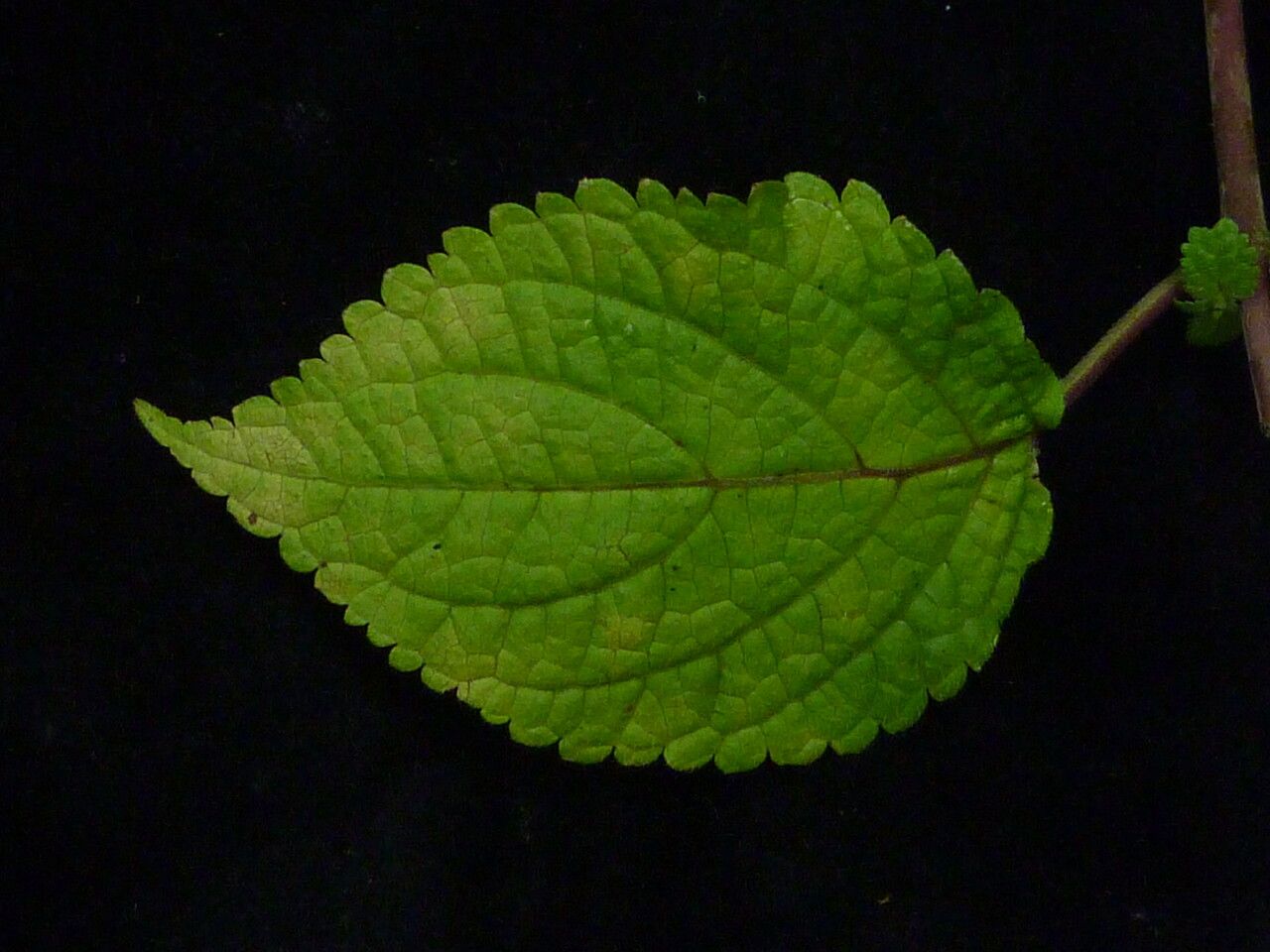
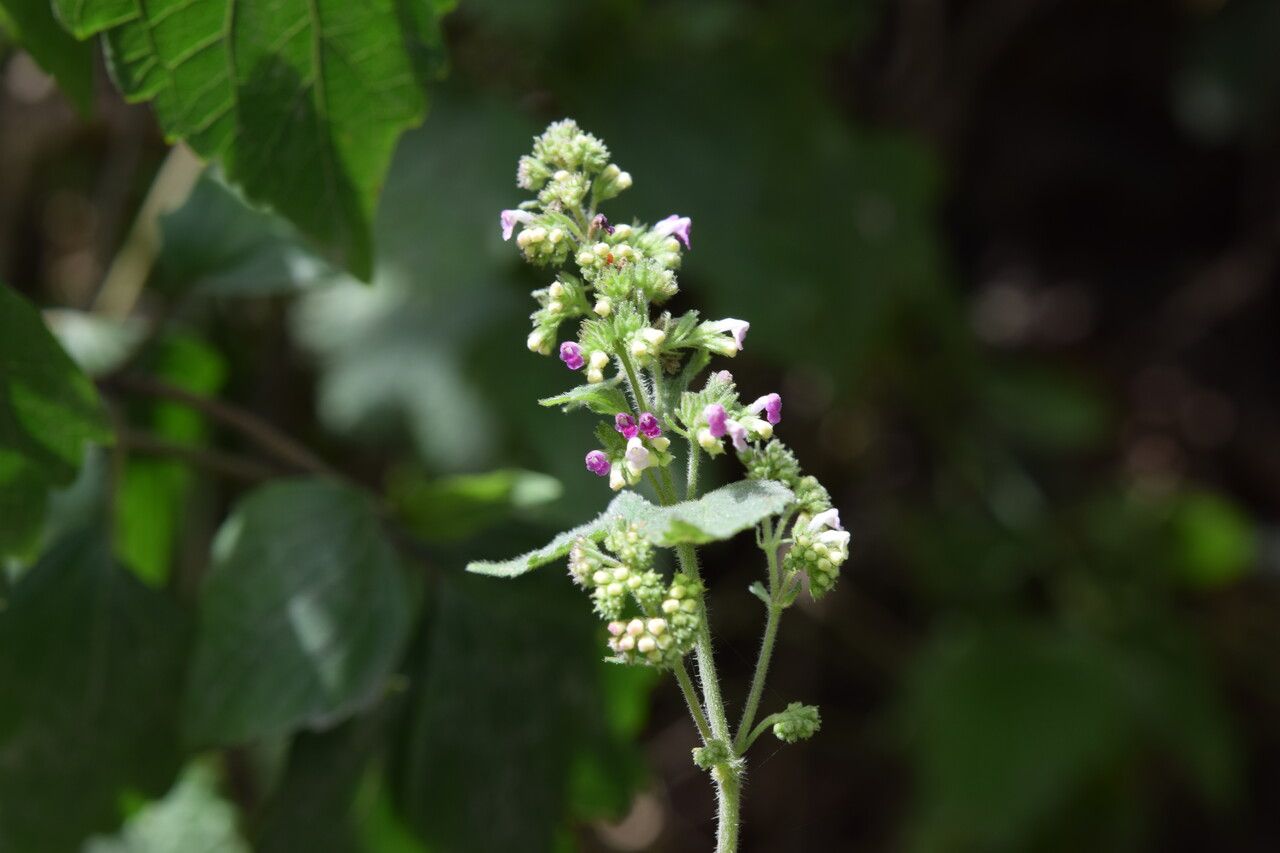
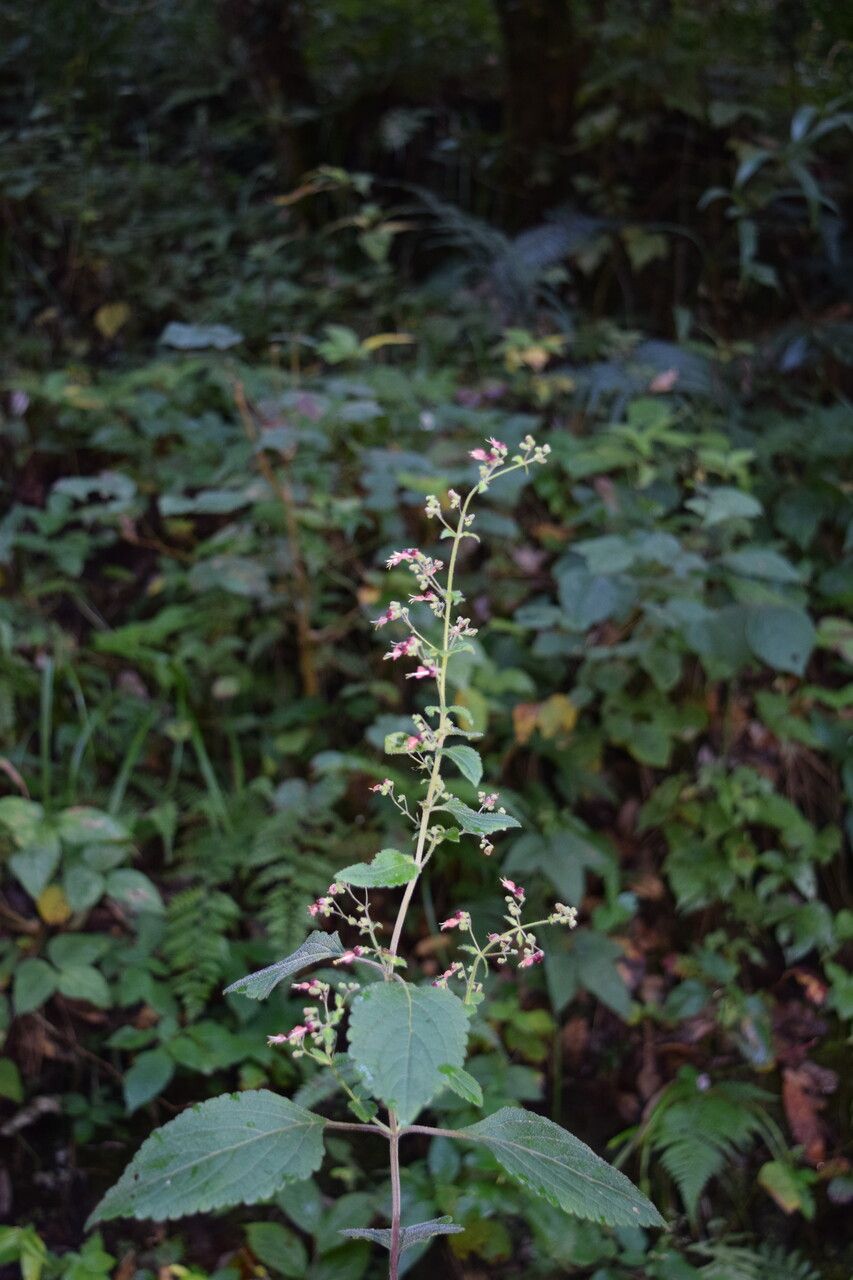
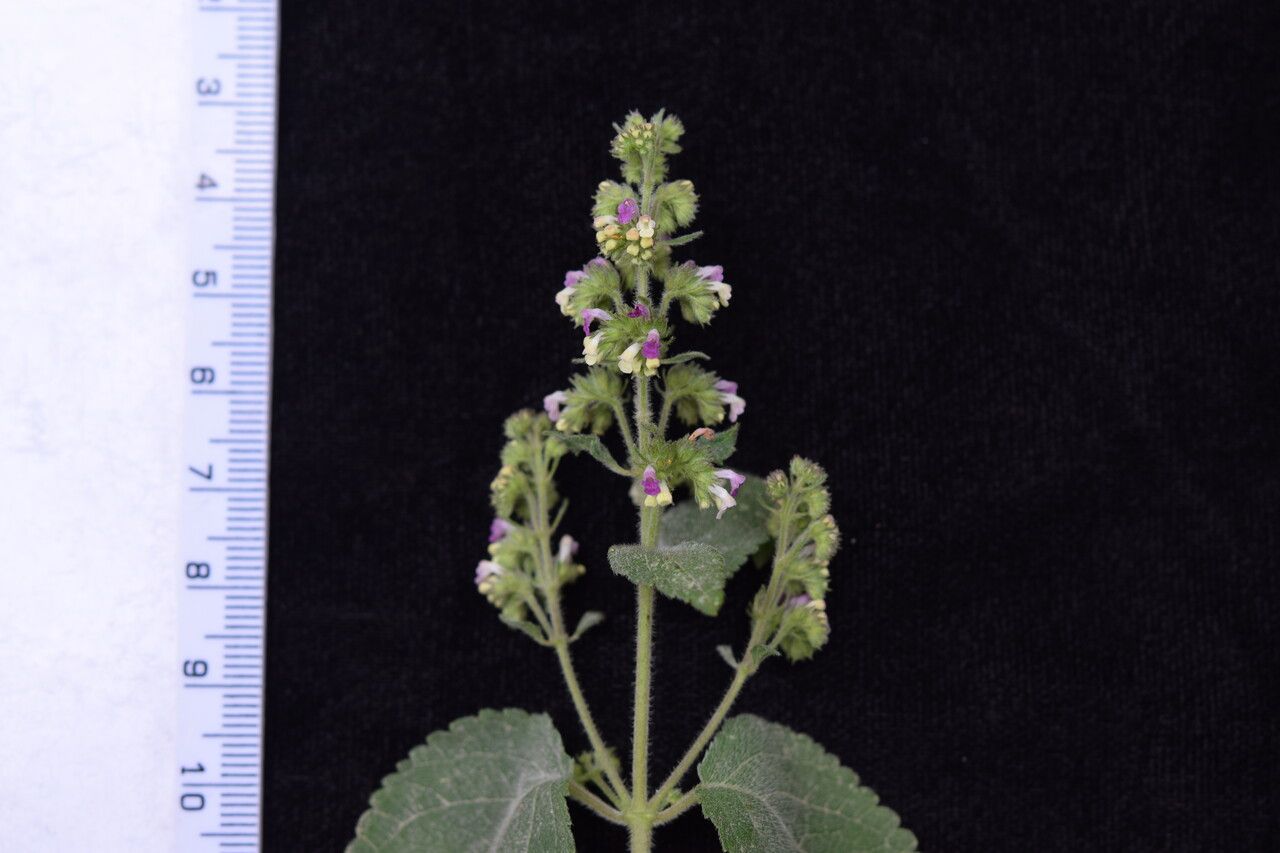
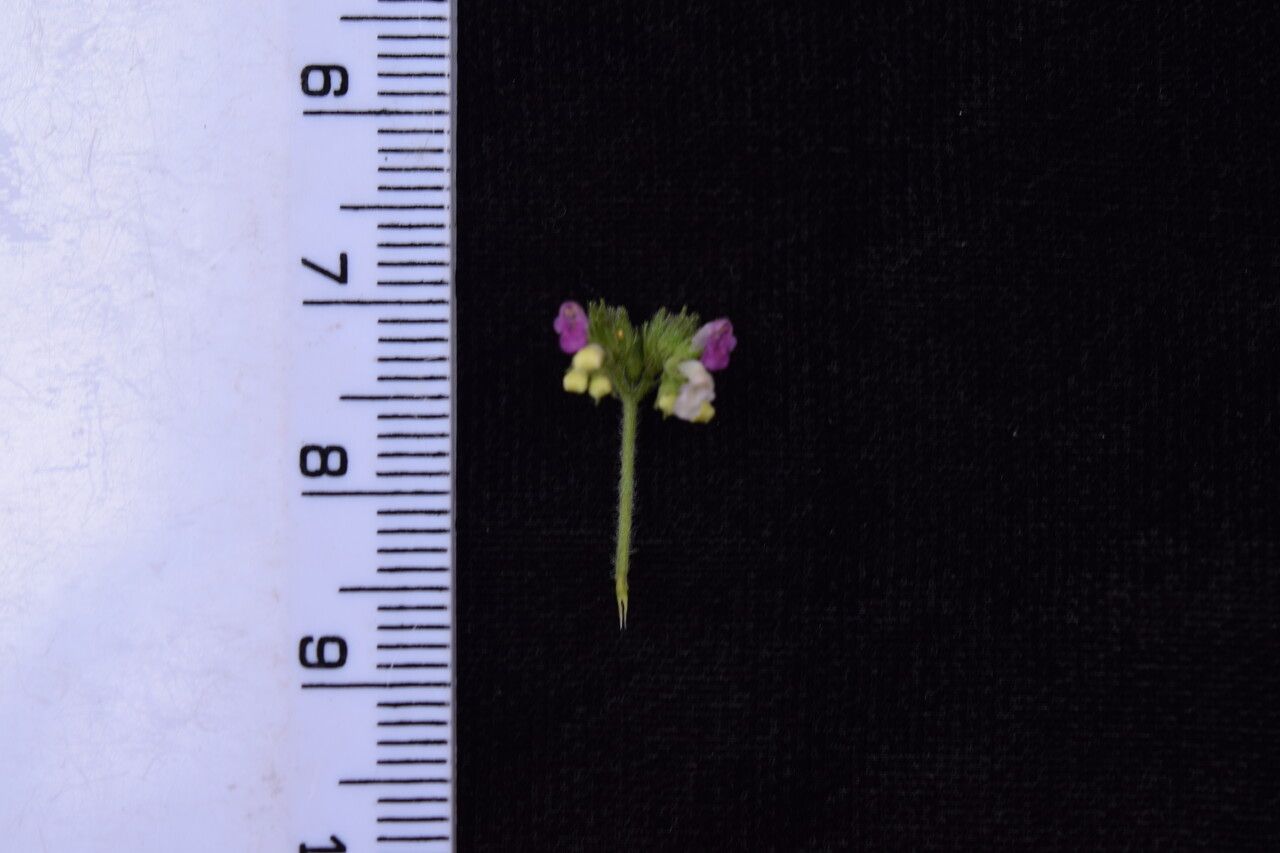
Craniotome is a genus of plants in the mint family (Lamiaceae), first described in 1825. It contains only one known species, Craniotome furcata, native to Sichuan, Tibet, Yunnan, Sikkim, Bhutan, Himalayas of northern + eastern India, Laos, Myanmar, Nepal, and Vietnam.
Multicolored catmint has strong disease resistance and generally does not tend to get sick. However, it can be vulnerable to pests and diseases present in its environment. These problems are usually minor. Regarding care, this plant requires moderate maintenance. It should be pruned regularly to keep a neat appearance and support healthy growth. Fertilizing can also encourage more flowering. Multicolored catmint is suitable for anyone with outdoor space like a garden or patio and does not need extensive gardening experience. It may demand more attention if grown indoors.
How to keep Craniotome Furcata.
Light
The multicolored catmint is a perennial herbaceous plant that loves the sun and originates from open environments, frequently flourishing in grasslands and meadows. While it prefers to be in full sun, it can also withstand conditions of partial sun.
Temperature
The multicolored catmint can adjust to a plethora of temperature ranges, but its dispersion might be impeded by varying combinations of water and heat circumstances. It flourishes optimally in temperate climates during summer when there is sufficient rain or irrigation. Extended spells of cloudy and wet weather, as well as persistent high temperatures, can augment the chances of the multicolored catmint's demise. During winter, appropriate cold protection can enhance the plant's chances of survival.
Fertilizer
The optimum period for fertilizing a Multicolored catmint is in the beginning of spring, as it is coming out of dormancy and starting to grow actively. Fertilization supplies essential nutrients for robust growth. Despite Multicolored catmint having comparatively low fertilization requirements, fertilizing it every year can boost its longevity and stimulate superior, more enduring blooms.
Pruning
Multicolored catmint is known for its appealing flowers in various colors and its fragrant leaves. To promote bushier growth and maintain its health, prune it in early spring. Remove any damaged stems and trim back one-third of its height. Be sure to use clean tools to reduce stress and minimize the risk of disease. For more detailed care advice, consider consulting horticultural guides.
Botanical profile.
- Plant Type
- Herb
- Life Cycle
- Perennial
- Genus
- Craniotome
- Family
- Lamiaceae
- Hardiness Zone
- 9-11
- Mature Height
- 0.91 m to 2.13 m
- Mature Spread
- 30 cm to 46 cm
- Leaf Color
- Green, Dark Green
- Leaf Type
- Evergreen
- Flower Color
- Pink
- Flower Size
- 15.24 cm to 17.78 cm
- Bloom Time
- Late summer, Early fall, Mid fall
- Planting Time
- Spring, Summer, Autumn
- Harvest Time
- Mid fall, Late fall, Early winter
- Native Area
- Nepal, India, Vietnam, Myanmar, Bhutan, Laos, Pakistan, China
Reader questions.
What are the sunlight requirements for Multicolored catmint?
Multicolored catmint thrives in areas that receive full sun, which is defined as over 6 hours of sunlight daily. However, it can also tolerate partial sun conditions, which means it will grow well in areas that receive about 3-6 hours of sunlight each day. It's important to watch how sunlight moves through your garden to ensure that you choose spots that provide the ideal balance of light and shade for your plants.
What are some essentials for growing Multicolored catmint effectively?
To grow Multicolored catmint effectively, it's essential to know that this sun-loving perennial herbaceous plant originates from open habitats and often thrives in meadows and grasslands. When natural sunlight is insufficient, especially in winter or less sunny spaces, artificial lighting such as LED lights can be an excellent solution. For full sun plants like Multicolored catmint, 30-50W/sq ft of artificial light is recommended. Artificial lights should be placed 12-36 inches above the plant and kept on for 8-12 hours per day to mimic natural sunlight conditions.
What are the signs of inadequate lighting in Multicolored catmint?
Signs of inadequate lighting in Multicolored catmint include smaller new leaves, leggy or sparse growth, faster leaf drop, slower or no new growth, lighter-colored new leaves indicating a lack of chlorophyll, chlorosis (leaves turning yellow due to chlorophyll breakdown), sunscald (leaf or stem damage from intense sunlight), leaf curling to minimize water loss, wilting due to increased water loss through transpiration, and leaf scorching characterized by brown, dry edges on the leaves.
What solutions can address light deficiency issues in Multicolored catmint?
To address light deficiency in Multicolored catmint, gradually move plants to a sunnier location each week until they receive at least 6 hours of direct sunlight daily. For indoor plants that are large or not easily movable, consider using artificial light, keeping a lamp on for at least 8 hours daily or investing in professional plant grow lights. For outdoor plants, avoid sudden changes in light intensity to prevent sunburn. If natural obstructions block sunlight, prune branches or transplant smaller plants to a location with ample sunlight and good drainage. Note that parts of the plant affected by insufficient sunlight may not recover, but new growth should be healthy after increasing light exposure.