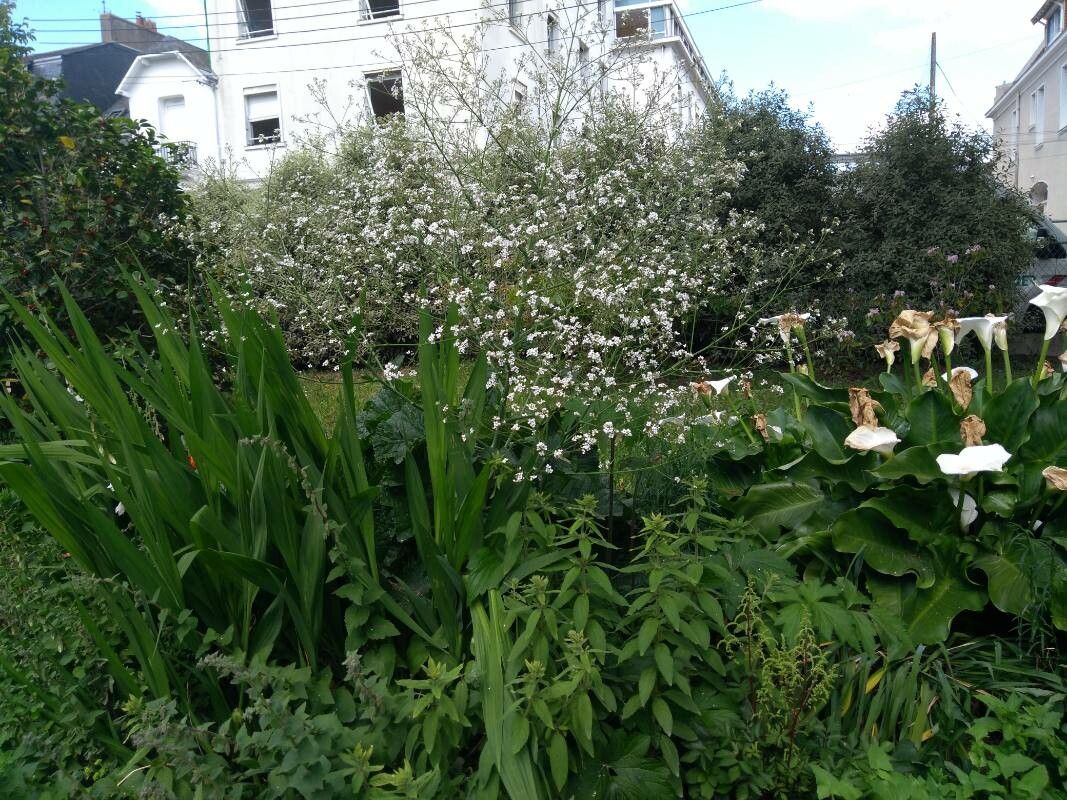
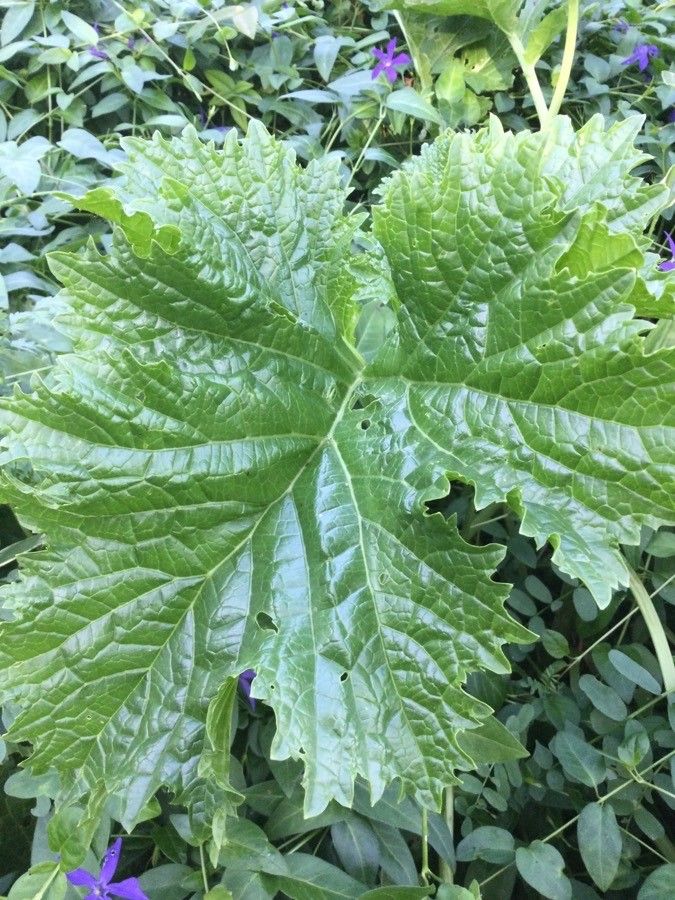
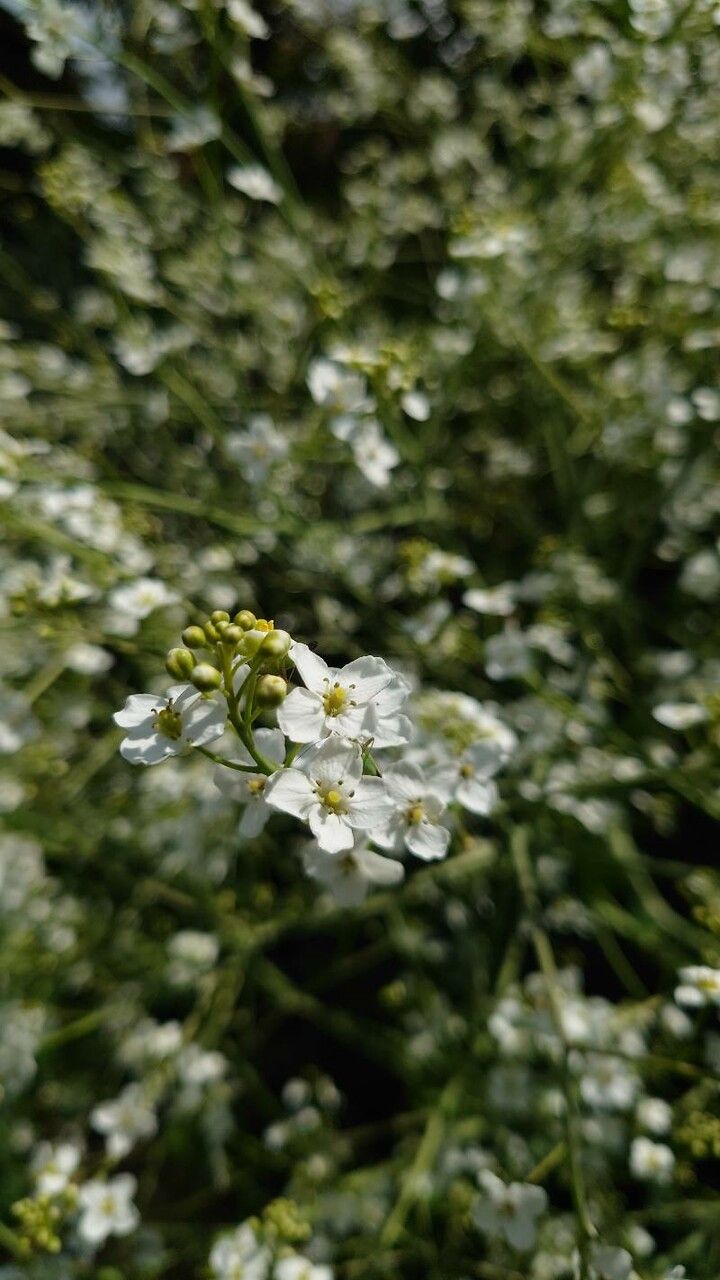
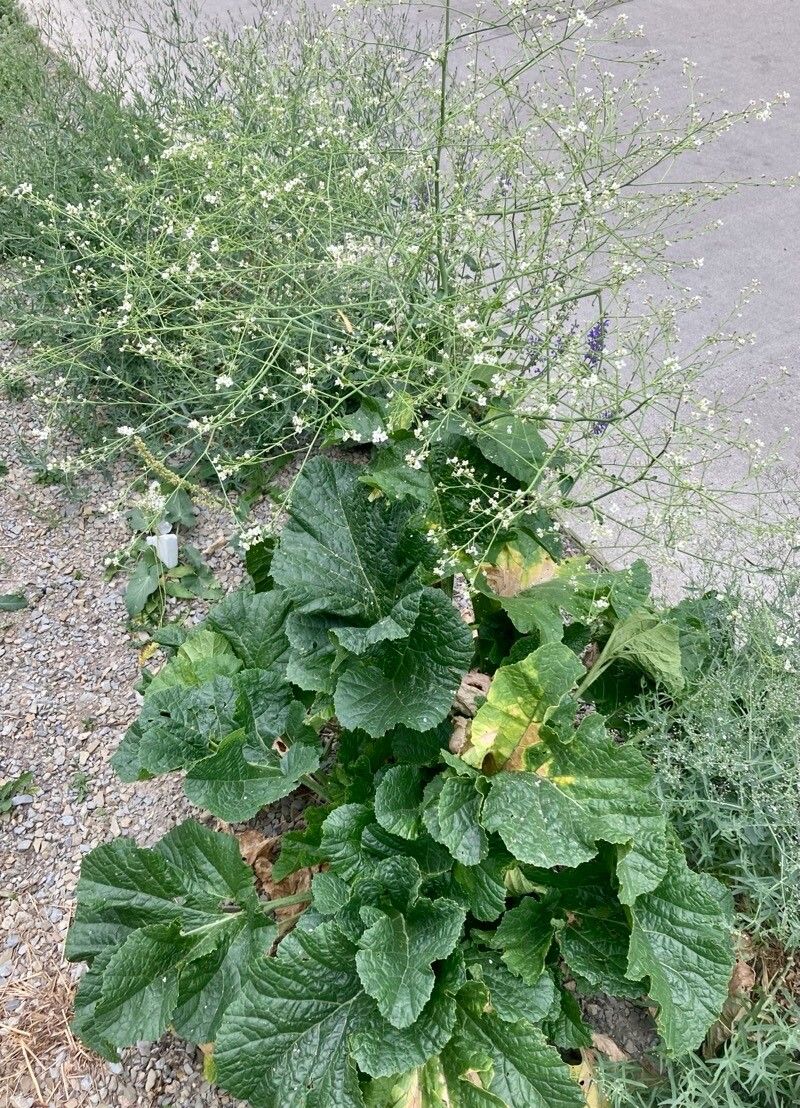
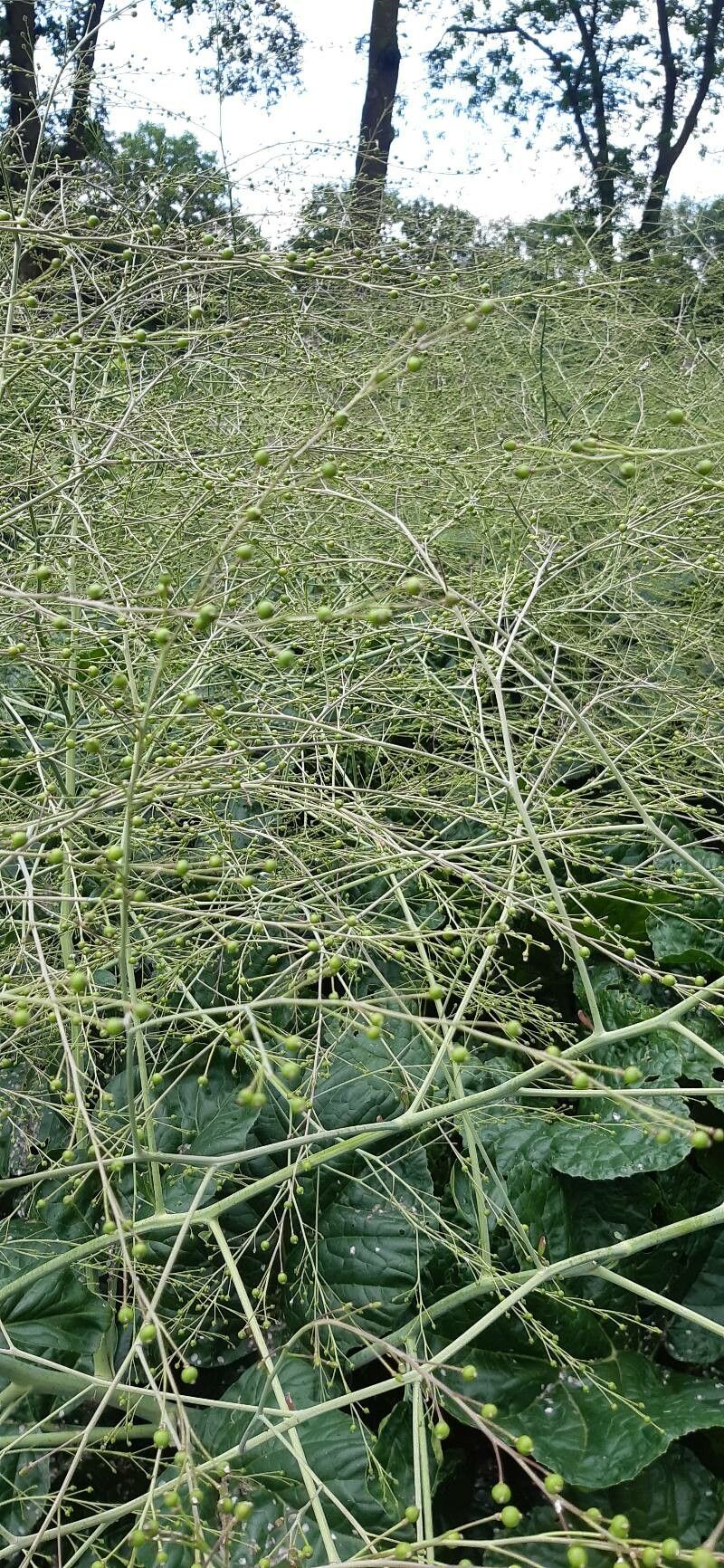
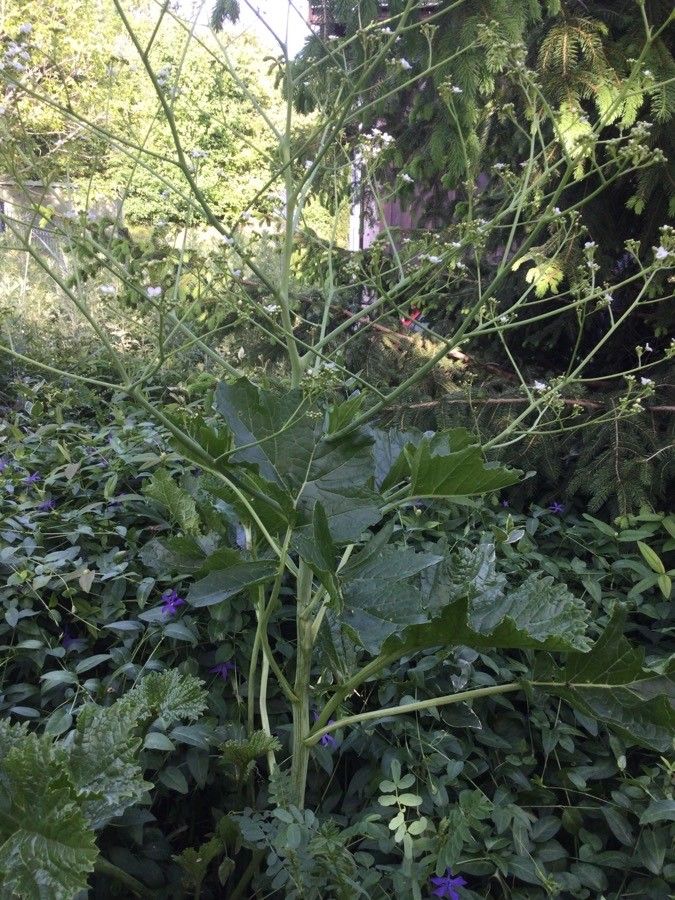
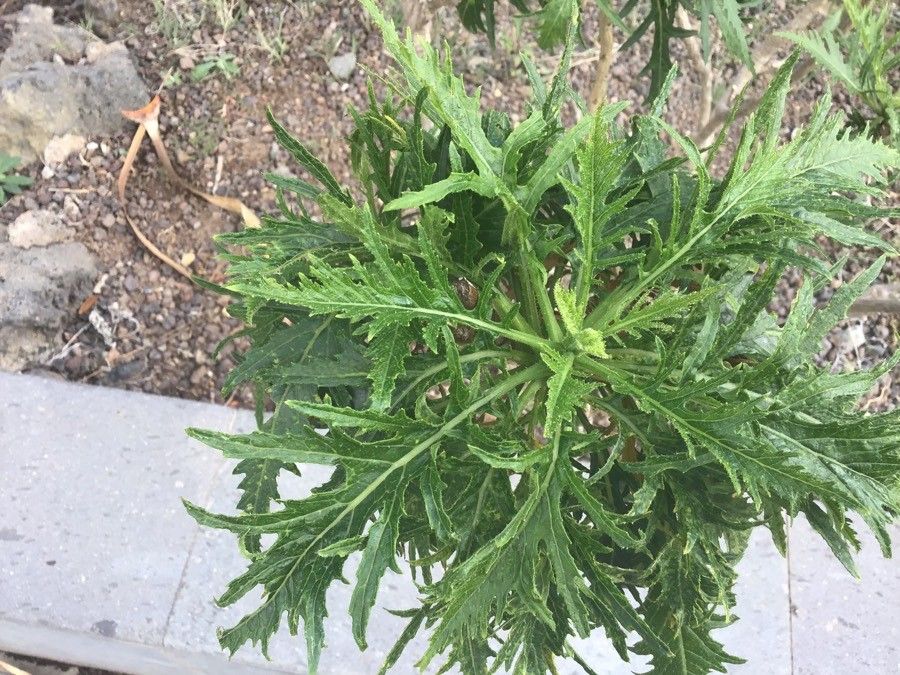
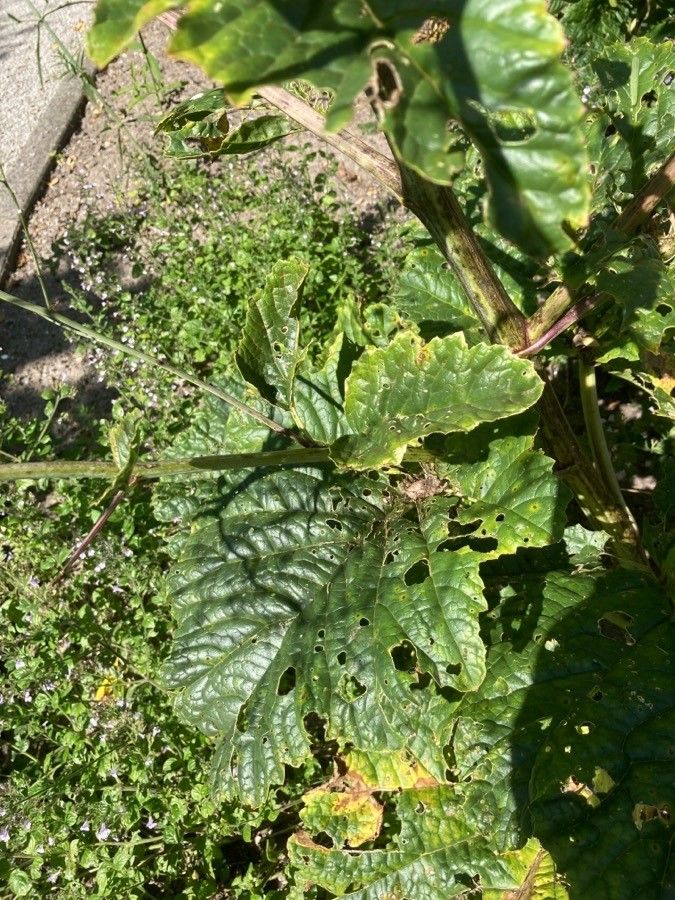
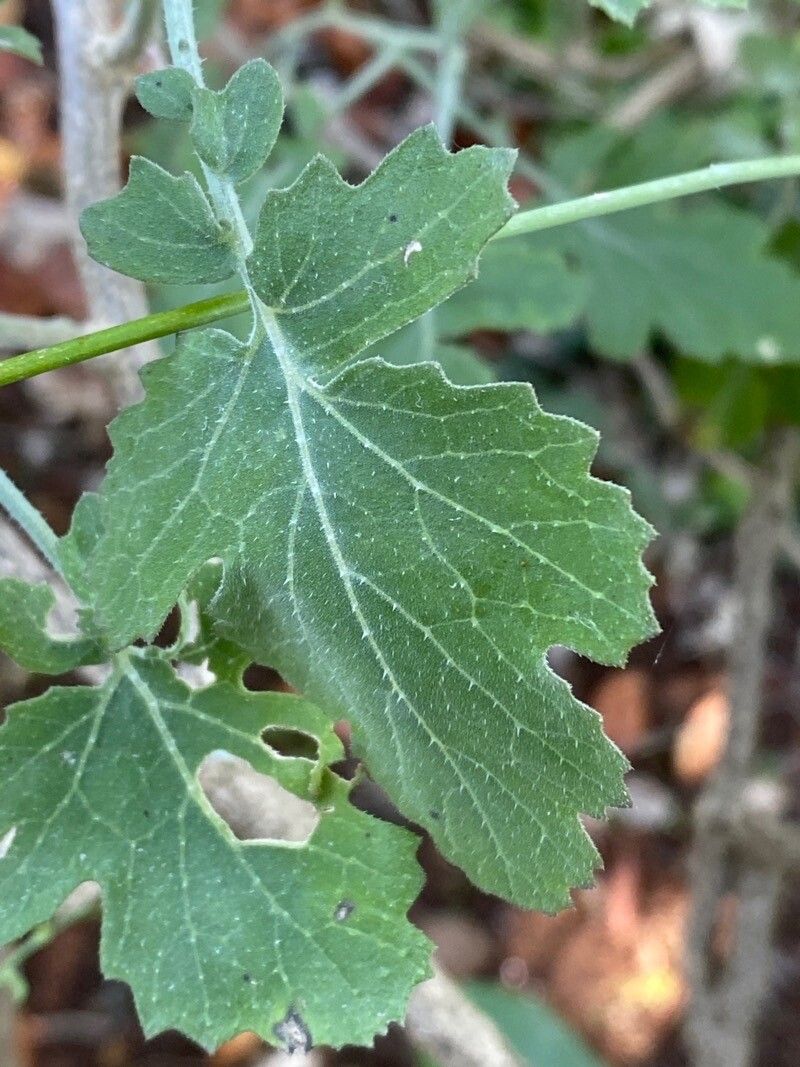
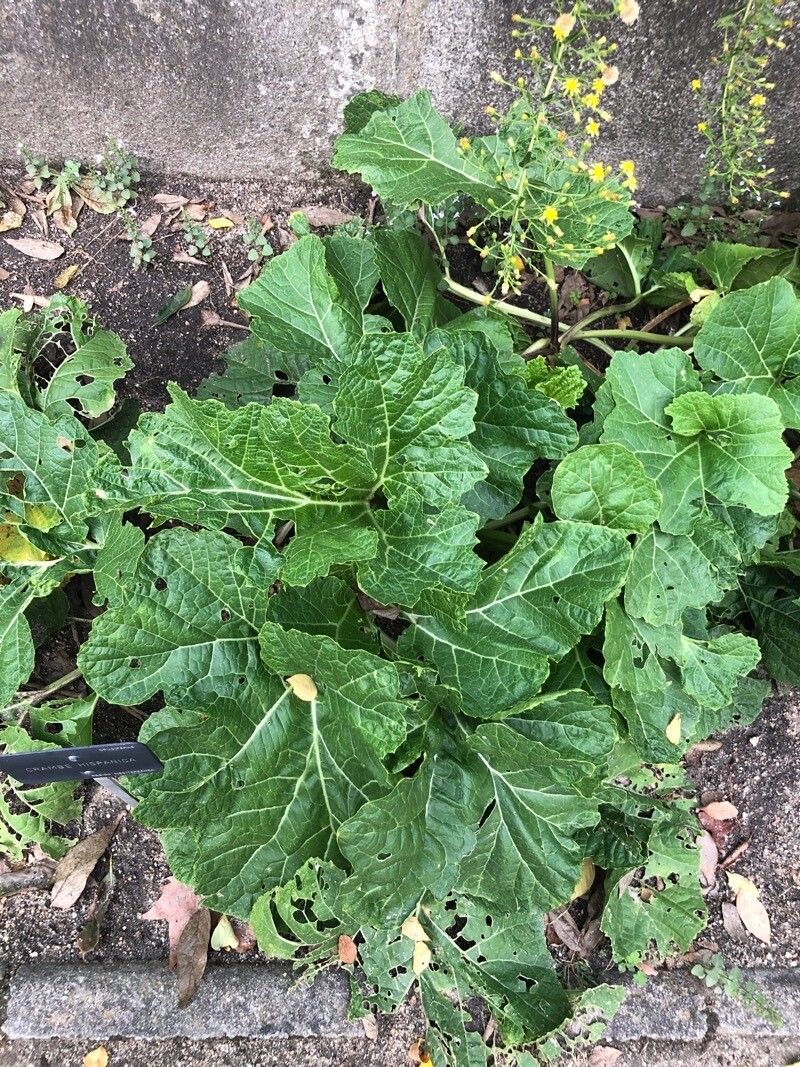
Crambe cordifolia, commonly known as heart-leaved sea kale, is a perennial plant belonging to the Brassicaceae family. Native to the Mediterranean region, it thrives in coastal areas and rocky cliffs. The plant can grow up to one meter in height and features large, heart-shaped, gray-green leaves.
During the summer months, Crambe cordifolia produces clusters of small, highly fragrant white flowers on tall stems. These flowers attract bees, butterflies, and other pollinators. Following the flowering period, the plant develops large seed pods containing numerous small seeds.
The leaves of Crambe cordifolia are edible and have a mild flavor similar to kale or spinach. They can be consumed raw, cooked as a vegetable dish, or added to salads for extra nutrition.
In addition to its culinary uses, the plant is valued for ornamental purposes due to its attractive foliage and fragrant flowers. It thrives with full sun exposure and well-drained soil but can tolerate some shade.
Overall, Crambe cordifolia is an appealing perennial that offers both ornamental beauty and culinary potential, making it an excellent choice for any garden enthusiast looking for a unique and useful addition!
Greater sea kale shows moderate resistance to disease but can be susceptible to conditions like leaf spot. Its vulnerability to insect pests varies by variety, though most cultivars tend to be relatively susceptible to pests. For care, greater sea kale needs regular watering and fertilizing, along with frequent removal of yellow leaves. Pests and diseases should be controlled when they appear, and the plant should be harvested promptly. Greater sea kale is appropriate for people who can invest some time and energy in ongoing care.
How to keep Crambe Cordifolia.
Light
Greater sea kale is found in habitats with abundant sunlight, such as open fields and sunny meadows. It prefers full sun but can tolerate partial sun.
Temperature
Greater sea kale prefers moderate temperatures, similar to what most people find comfortable. It does best in conditions that are neither excessively warm nor cold. The primary problem with high heat is the potential for sunburn, so it’s wise to give some shade in summer to avoid too much heat. When temperatures fall, Greater sea kale becomes dormant. If continuous growth is wanted, higher temperatures must be maintained over winter. Frost can damage the plant and should be avoided.
Fertilizer
To boost the yield and flavor of Greater sea kale, provide sufficient nitrogen throughout the entire growth period, from before planting through harvest. Plants that are well watered and fertilized produce plentiful, healthy leaves and are less likely to be bitter. Before planting, improve the soil with organic material like compost or manure, ideally 2 to 8 weeks beforehand.
Pruning
Greater sea kale is known for its large, heart-shaped leaves and striking clusters of white flowers. It's best to prune it from early to late spring to remove dead stems, control its size, and promote blooming. Make sure to use clean, sharp tools to prevent disease and improve air circulation and light penetration.
Botanical profile.
- Plant Type
- Herb
- Life Cycle
- Perennial
- Genus
- Crambe
- Family
- Brassicaceae
- Hardiness Zone
- 5-9
- Mature Height
- 2.44 m
- Mature Spread
- 1.52 m
- Leaf Color
- Green
- Leaf Type
- Deciduous
- Flower Color
- White
- Flower Size
- 0.51 cm to 1.02 cm
- Bloom Time
- Early summer, Mid summer
- Planting Time
- Spring, Summer
- Harvest Time
- Late summer, Early fall
Other names.