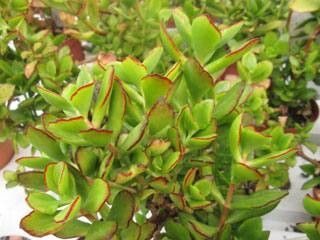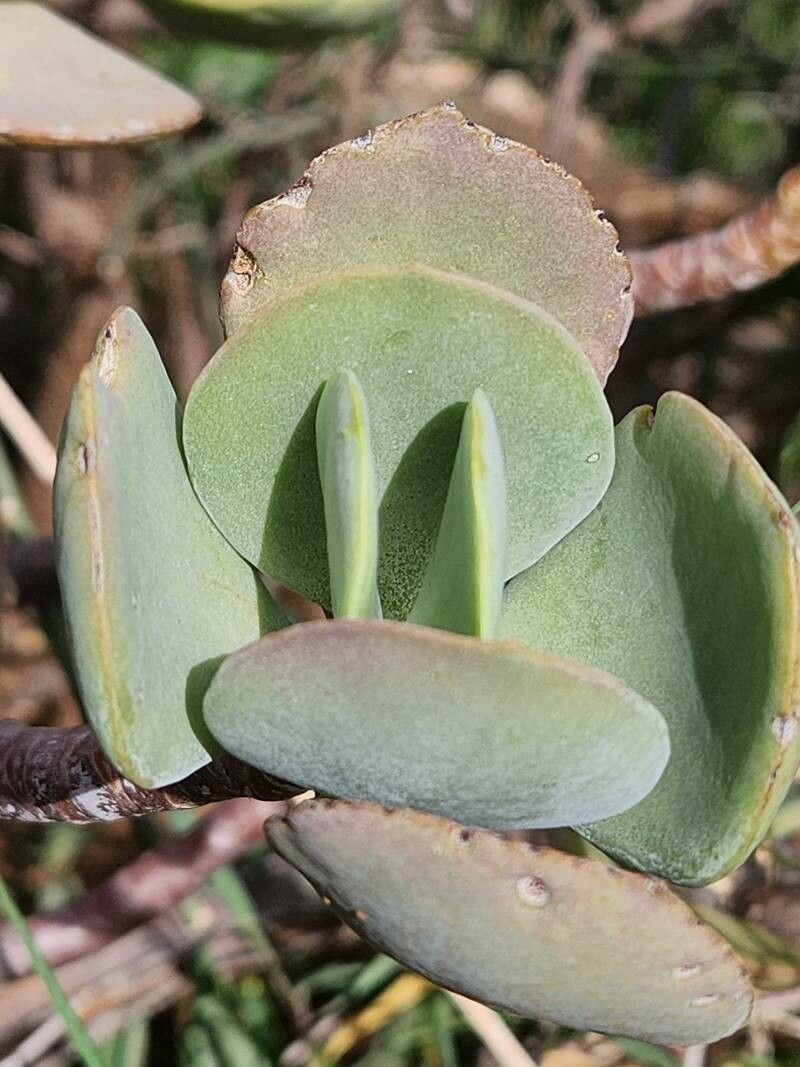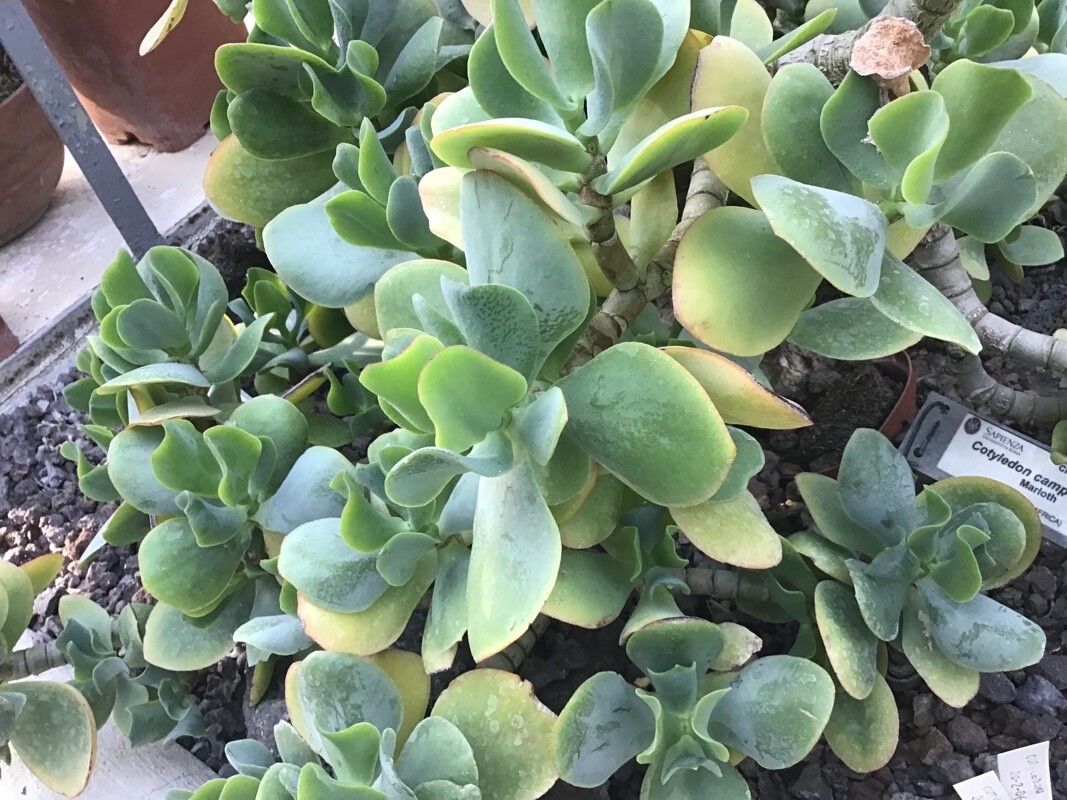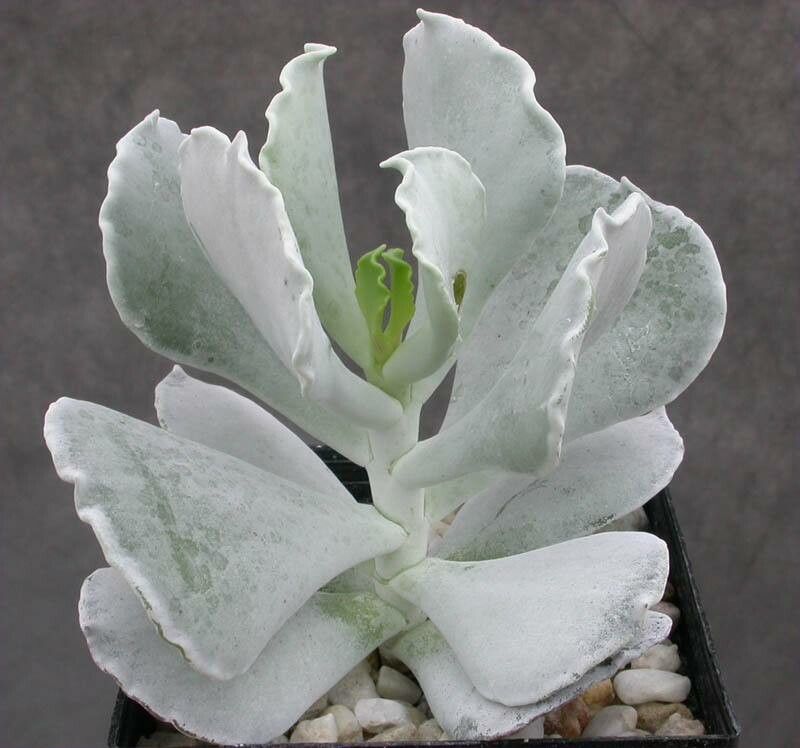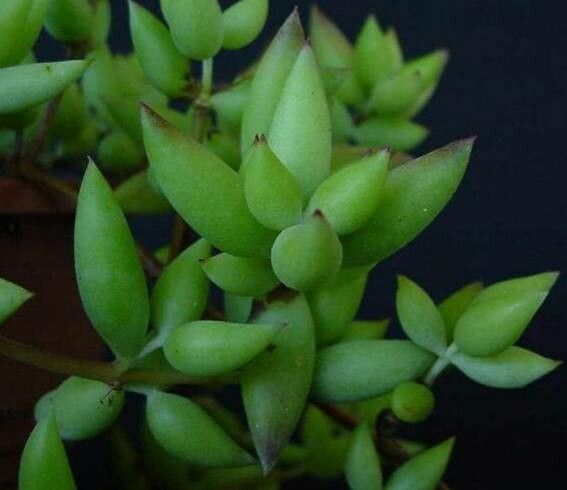
Round-leafed navel-wort has moderate disease resistance and is more vulnerable to problems from humidity. It becomes susceptible to illness when humidity is high and is liable to develop root rot during dormancy. Regarding care, Round-leafed navel-wort tolerates drought but requires increased watering in the growing season. Watering should be greatly reduced or stopped entirely while it is dormant. Round-leafed navel-wort is appropriate for growers with some experience, though it can be hard to care for, especially during the dormant period. It is particularly suitable for people who can spend time tending to it over the winter months.
How to keep Cotyledon Papillaris.
Light
Although the native habitat of round-leafed navel-wort implies a preference for plenty of sunlight, it has also become adaptable to areas with varying light levels. Too much sun can cause leaf discoloration, while too little may impede its overall growth and health.
Temperature
Round-leafed navel-wort grows best in warm conditions, preferring temperatures of 68 to 100 °F (20 to 38 °C). In cooler areas, it is important to protect round-leafed navel-wort from frost by providing a warmer microclimate or sheltering it indoors during cold periods.
Fertilizer
Round-leafed navel-wort needs only light fertilizer applications once or twice a year during the growing season. Avoid fertilizing in winter and in summer when it is dormant. Reduce fertilizer for repotted plants and wait a couple of months after repotting before fertilizing. Fertilizing supports healthy growth and encourages blooms.
Pot & Repot
Choose a pot slightly larger than the current one that provides good drainage. Use a gritty, well-draining cactus or succulent mix. Gently remove the plant from its old container, brush off excess soil, and set it back in at the same depth. Wait a few days before watering so any root injury can heal. Repot in spring or fall and keep the plant in a brightly lit spot.
Botanical profile.
- Plant Type
- Shrub
- Life Cycle
- Perennial
- Genus
- Cotyledon
- Family
- Crassulaceae
- Hardiness Zone
- 9-12
- Mature Height
- 1.22 m
- Mature Spread
- 61 cm
- Leaf Color
- Green, Silver, Gray
- Leaf Type
- Evergreen
- Flower Color
- Orange
- Flower Size
- 1.02 cm to 2.03 cm
- Bloom Time
- Late spring, Early summer, Mid summer
- Planting Time
- Spring, Summer, Autumn
- Harvest Time
- Mid summer
- Native Area
- Lesotho, Angola, Mozambique, South Africa, Namibia, Eswatini