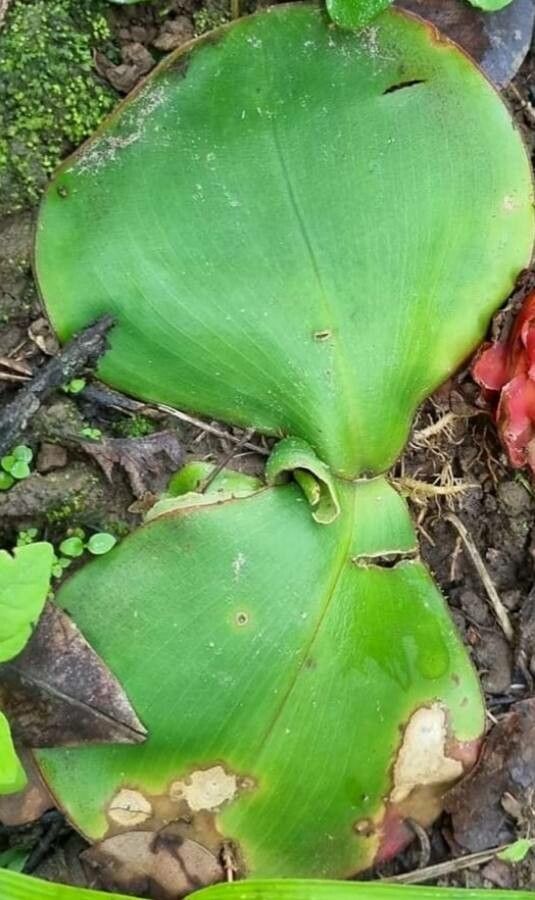
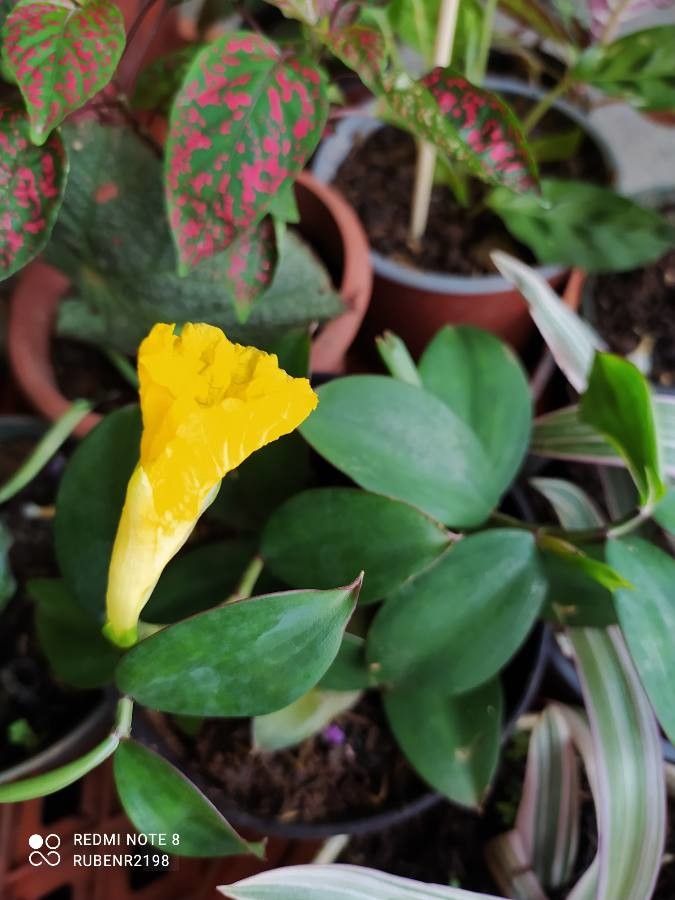
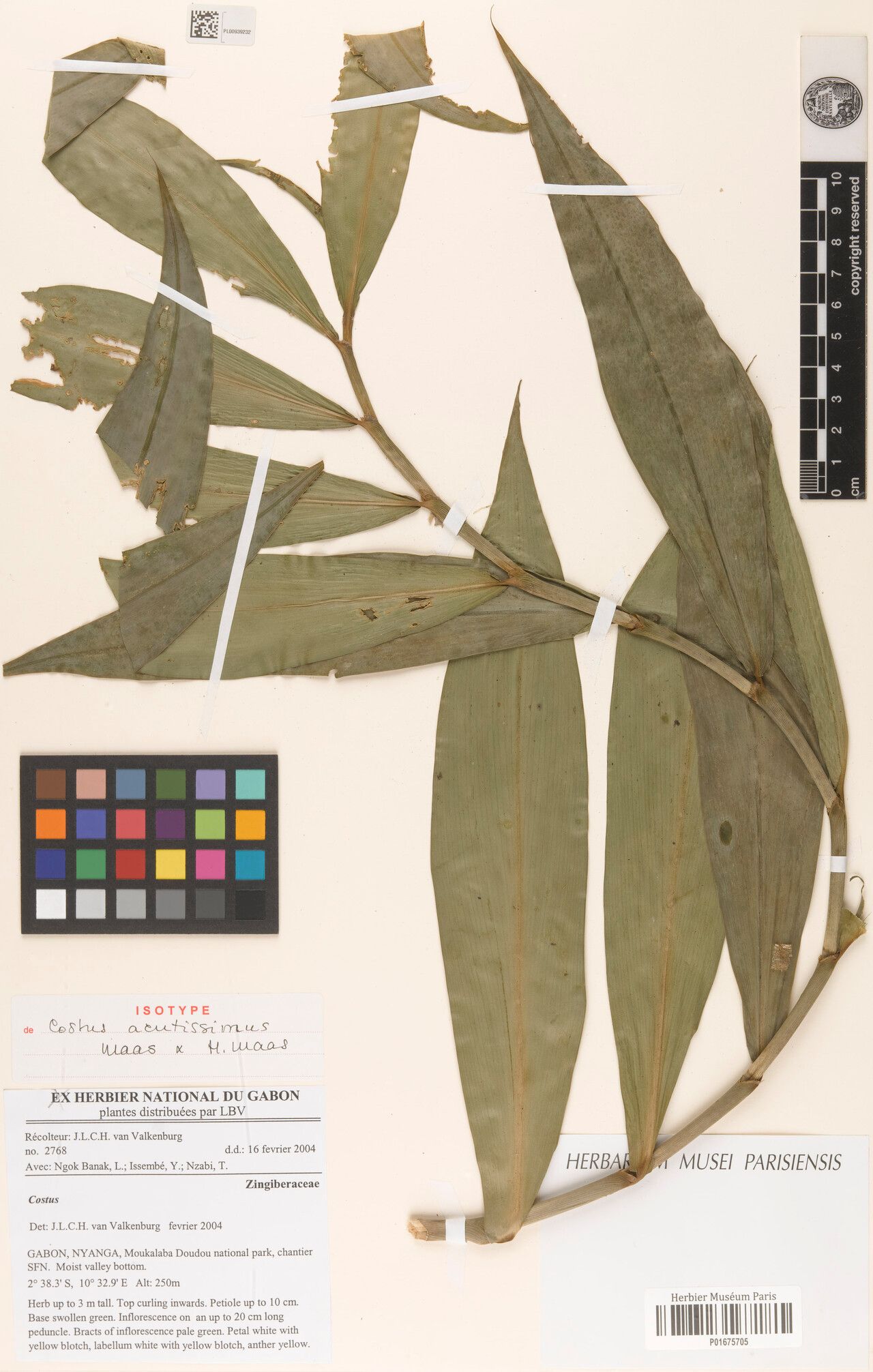
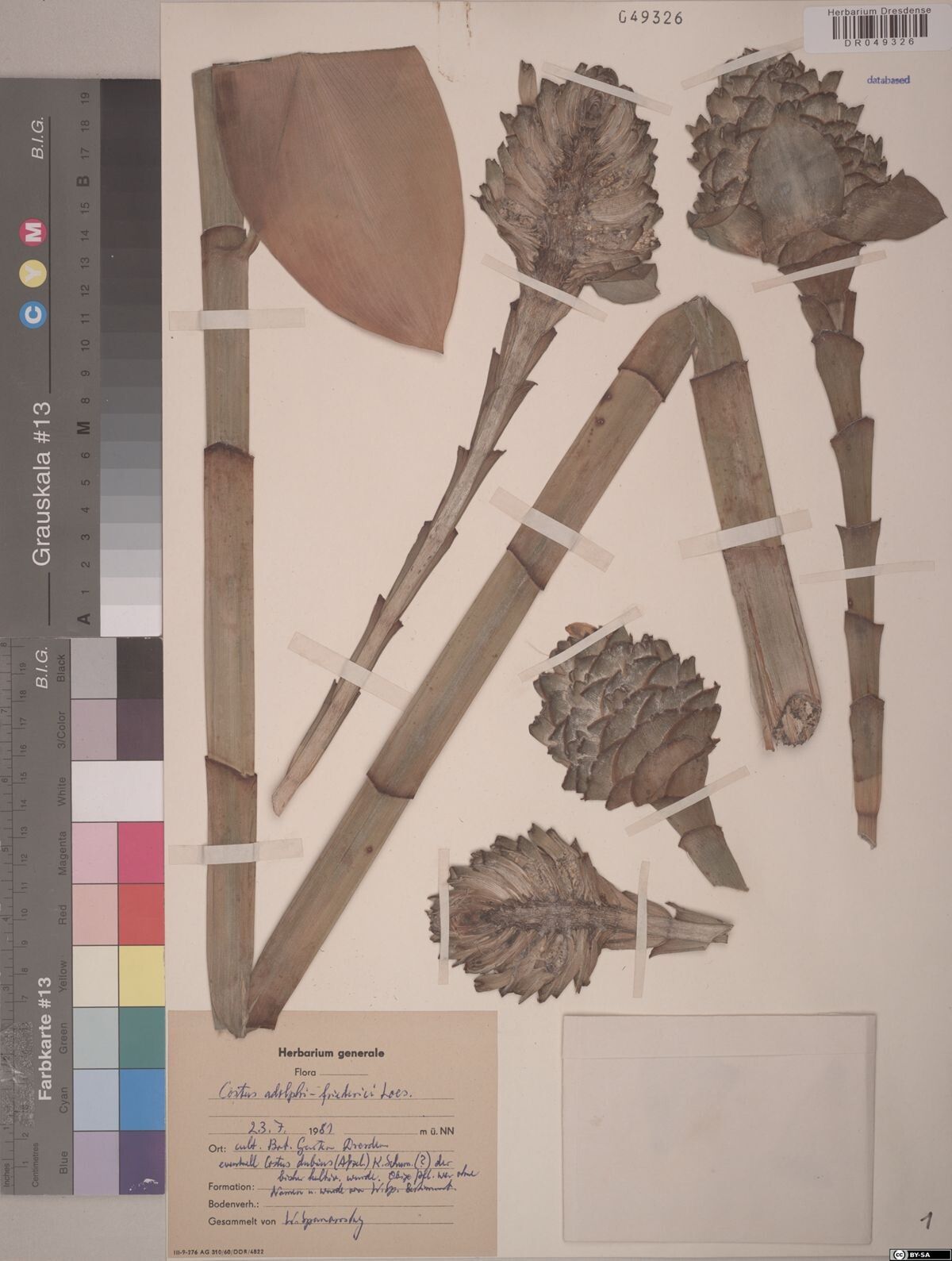
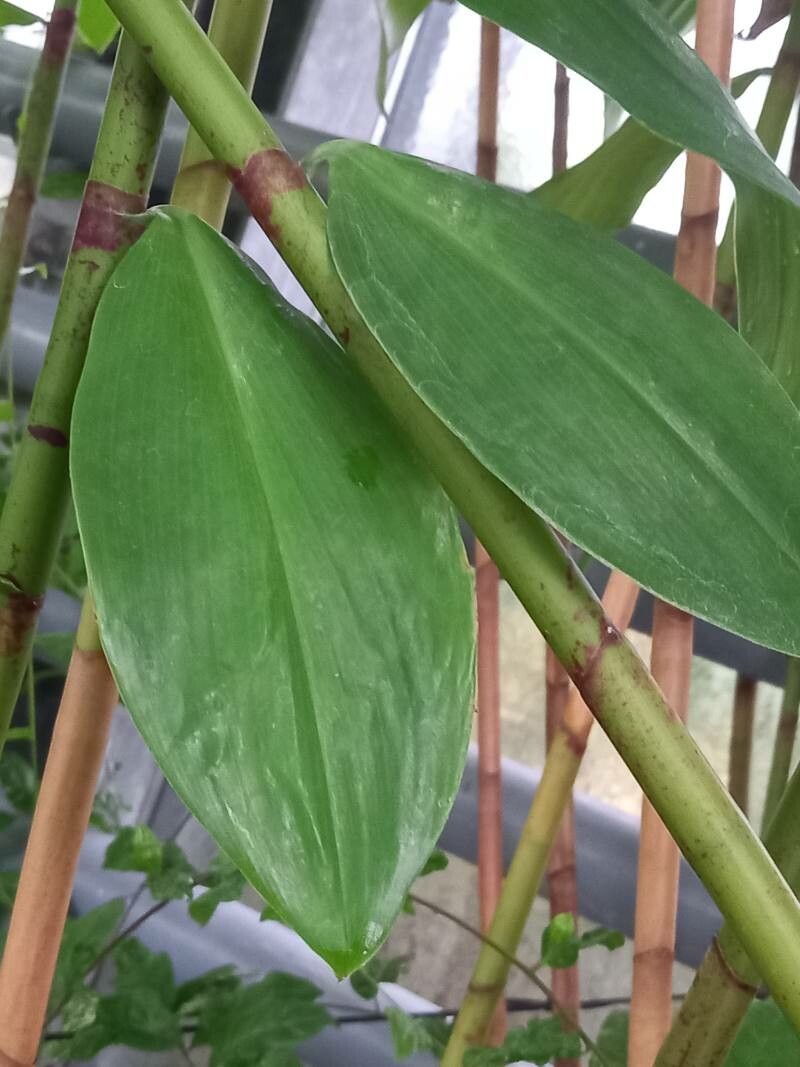
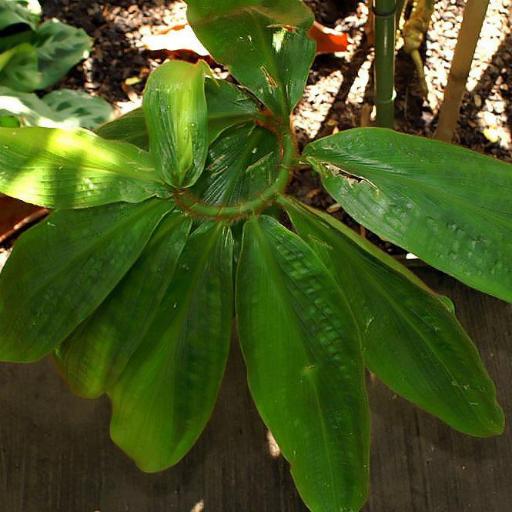
Costus spectabilis, commonly known as the yellow trumpet, is an African, gregarious species of herb; low and perennial, it is found from Sierra Leone to Sudan to as far south as Angola and Zimbabwe.
Costus spectabilis shows strong resistance to diseases and typically does not suffer from them. Still, it can be vulnerable to pests and diseases present in its environment, though such infections are generally mild. Regarding upkeep, this plant demands a moderate level of care. It should be pruned on a regular basis to preserve an attractive appearance and encourage healthy growth. Applying fertilizer can also aid in boosting its flowering. Costus spectabilis is appropriate for anyone with outdoor areas like a garden or patio and does not need extensive horticultural experience. It may need more attentive care if cultivated indoors.
How to keep Costus Spectabilis.
Light
Costus spectabilis is indigenous to habitats like forest understories and rocky areas, where it grows in natural shade. It prefers partial sun but can tolerate both full sun and full shade, demonstrating its versatile, hardy nature.
Water
Costus spectabilis flourishes in environments with high humidity and consistent moisture. It requires soil that remains evenly moist, so weekly watering is essential. Since it requires stable moisture levels, this evergreen plant is often grown indoors. Careful watering is crucial to maintain its year-round foliage and support its continuous growth.
Temperature
Costus spectabilis comes from tropical areas, where the climate is generally warm and humid. Consequently, it is adapted to high temperatures and humidity. It does not tolerate sudden temperature changes and prefers a steady temperature, so avoiding fluctuations indoors is important. It typically cannot withstand cold conditions and requires warmer temperatures for growth. If the surrounding temperature falls too low, the plant may stop growing or even die.
Fertilizer
Appropriate fertilization is vital for the health and appearance of Costus spectabilis. Apply fertilizer to Costus spectabilis during the summer, repeating the application monthly throughout the season. Nutrients provide the energy for growth and help sustain the plant's parts. Fertilizing improves Costus spectabilis's flowering, helping ensure the best blooms.
Pruning
Costus spectabilis is known for its broad leaves and vibrant flowers. To encourage growth, improve the plant's shape, and remove damaged stems, it is best to prune in early spring. When pruning, make cuts just above the leaf nodes. This technique stimulates new shoots, aids in recovery, and helps prevent pests and diseases. By following these steps, you can ensure that your plant remains healthy and lively.
Botanical profile.
- Plant Type
- Herb
- Life Cycle
- Perennial
- Genus
- Costus
- Family
- Costaceae
- Hardiness Zone
- 10-11
- Mature Height
- 2 cm to 91 cm
- Mature Spread
- 2 cm to 40 cm
- Leaf Color
- Green
- Leaf Type
- Deciduous
- Flower Color
- Yellow
- Flower Size
- 8.89 cm
- Bloom Time
- Summer, Early fall, Mid fall
- Planting Time
- Spring, Summer, Autumn
- Harvest Time
- Late summer, Fall, Early winter
- Native Area
- Burkina Faso, Malawi, Angola, Zambia, Sudan, Nigeria, Guinea, Gabon, Guinea-Bissau, Kenya, Uganda, Tanzania, Zimbabwe, Mali, Benin, Central African Republic, Chad, Cameroon, Burundi, Togo, Ghana, Senegal, Ethiopia, Côte d'Ivoire, Congo (DRC), Congo