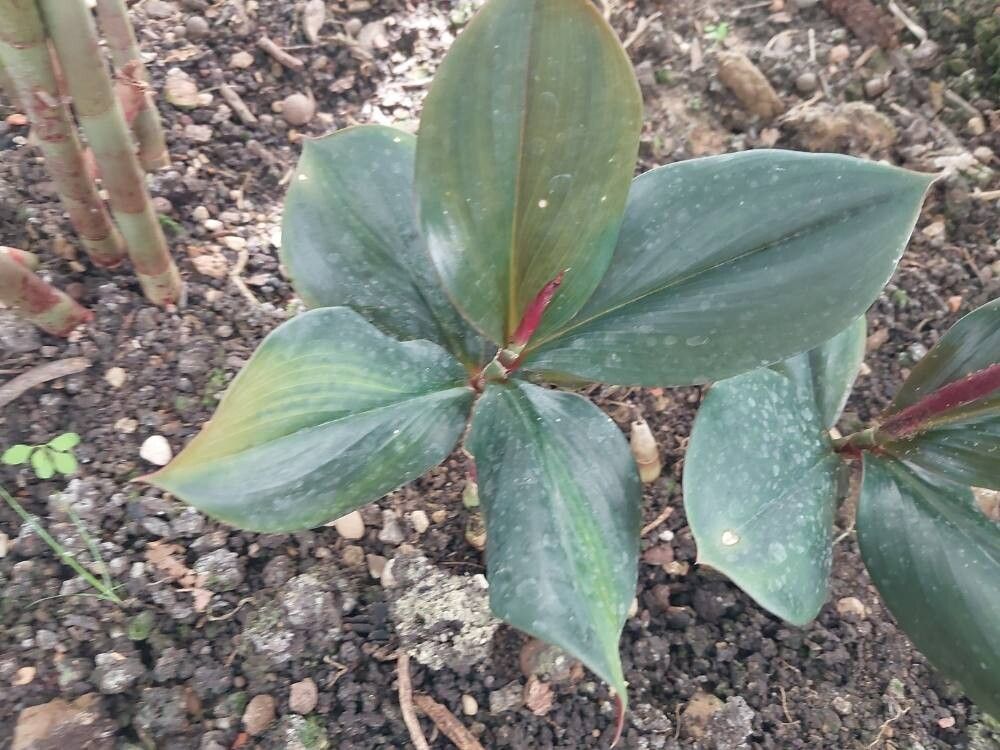
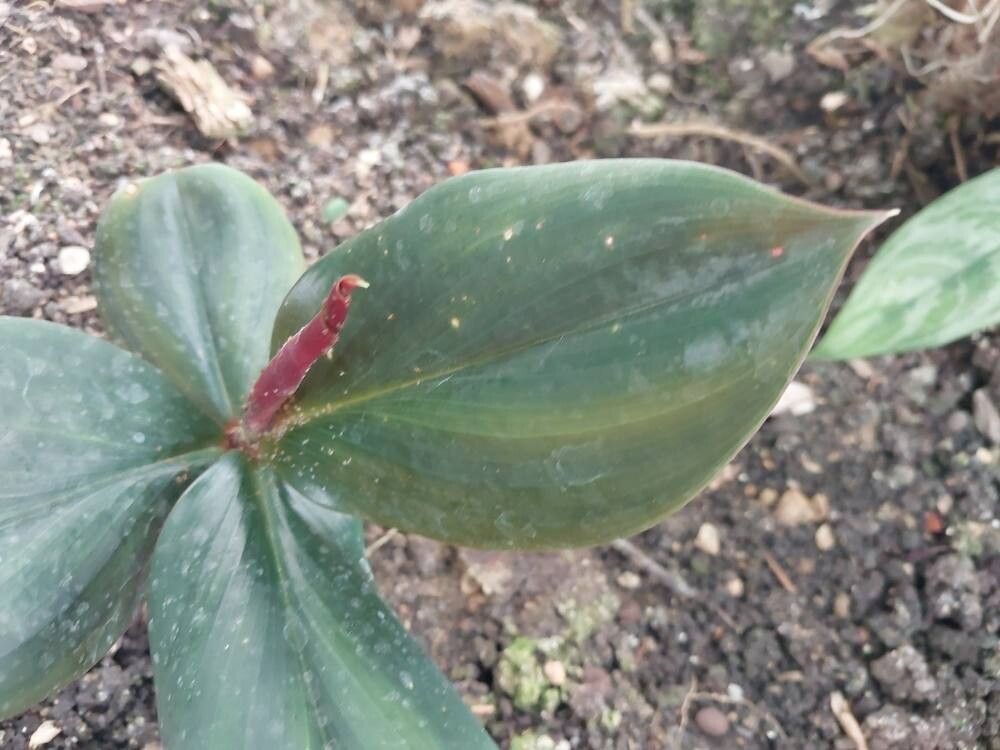
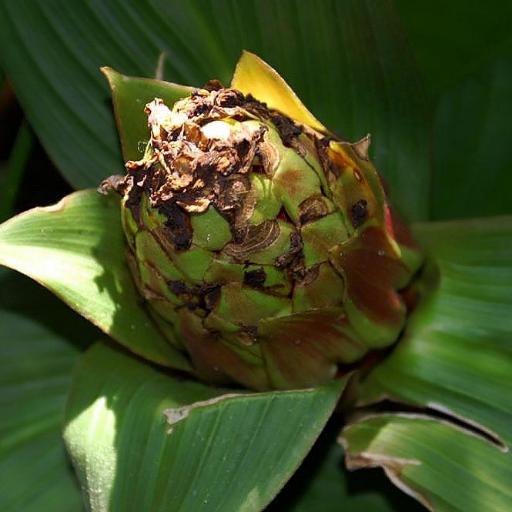
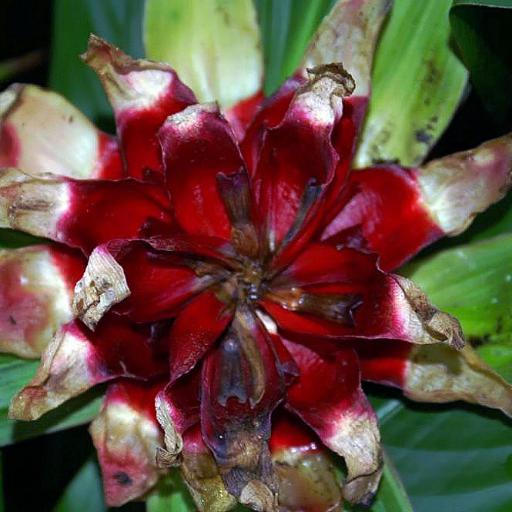
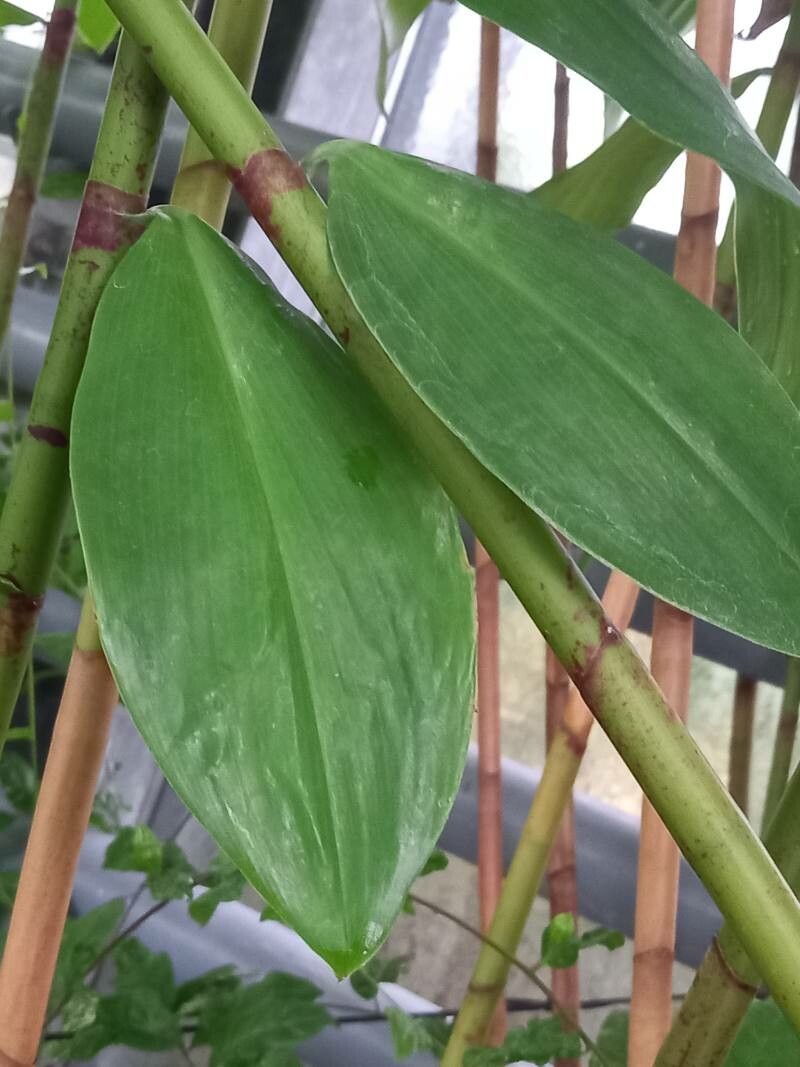
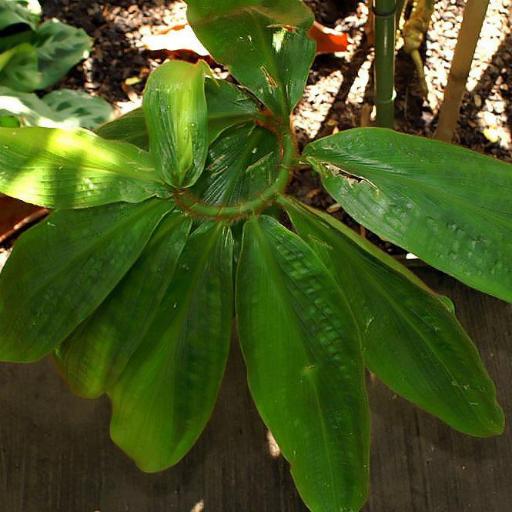
Costus erythrophyllus is a tropical rhizomatous perennial native to Colombia, Ecuador, Peru, and northern Brazil, which was first described in 1929. The most common form in cultivation grows to about 1 meter in height, with waxy leaves that are dark green on top, and deep purple underneath.
Blood red spiral costus is relatively disease-resistant and generally not prone to illness. However, it can be vulnerable to pests and diseases present in its surroundings. Those infections are generally mild. For care, this plant needs moderate maintenance. It should be pruned regularly to keep a neat appearance and support healthy growth. Fertilizing can also encourage flowering. Blood red spiral costus is appropriate for anyone with outdoor space, like a garden or patio, and does not demand much prior plant-care experience. It may need additional attention when grown indoors.
How to keep Costus Erythrophyllus.
Light
Blood red spiral costus originates from habitats like forest understories or rocky areas, where it is naturally shaded. It prefers partial sun but can tolerate both full sun and full shade, showing its adaptable, hardy nature.
Water
Blood red spiral costus, native to humid environments, excels at absorbing and retaining moisture. It thrives in evenly moist soil and typically needs watering every 1-2 weeks. As an evergreen, it flourishes indoors with consistent humidity, maintaining lush foliage year-round thanks to its exceptional water retention capabilities.
Humidity
This plant prefers dry conditions, so don't mist it. However, watering it less often can also thrive in higher humidity.
Temperature
Blood red spiral costus comes from tropical areas, where the climate is usually warm and humid. As a result, it is well suited to high temperatures and humidity. It does not tolerate abrupt temperature changes and prefers a stable thermal environment, so avoiding temperature fluctuations indoors is important. It generally cannot endure cold and needs higher temperatures to grow. If the ambient temperature falls too low, the plant may stop growing or even die.
Fertilizer
Adequate fertilization is essential for the health and appearance of Blood red spiral costus. Fertilize Blood red spiral costus during the summer, repeating the treatment monthly for the entire season. Nutrients drive growth and support the plant's parts. Fertilization improves Blood red spiral costus's flower display, ensuring the best blooms.
Pruning
The Blood Red Spiral Costus is known for its striking red leaves and unique spiraling growth pattern. To maintain its health and shape, prune the plant from early to late spring by removing any dead stems and cutting back to the base. This process helps rejuvenate the plant and improve air circulation and sunlight exposure, ultimately enhancing its vitality. For the best results, use clean, sharp tools when pruning.
Botanical profile.
- Plant Type
- Herb
- Life Cycle
- Perennial
- Genus
- Costus
- Family
- Costaceae
- Hardiness Zone
- 10-12
- Mature Height
- 91 cm
- Mature Spread
- 61 cm
- Leaf Color
- Dark Green, Red
- Leaf Type
- Semi-evergreen
- Flower Color
- White
- Flower Size
- 5.08 cm to 6.35 cm
- Bloom Time
- Summer, Early fall, Mid fall
- Planting Time
- Spring, Summer
- Harvest Time
- Late summer, Fall, Early winter
- Native Area
- Colombia