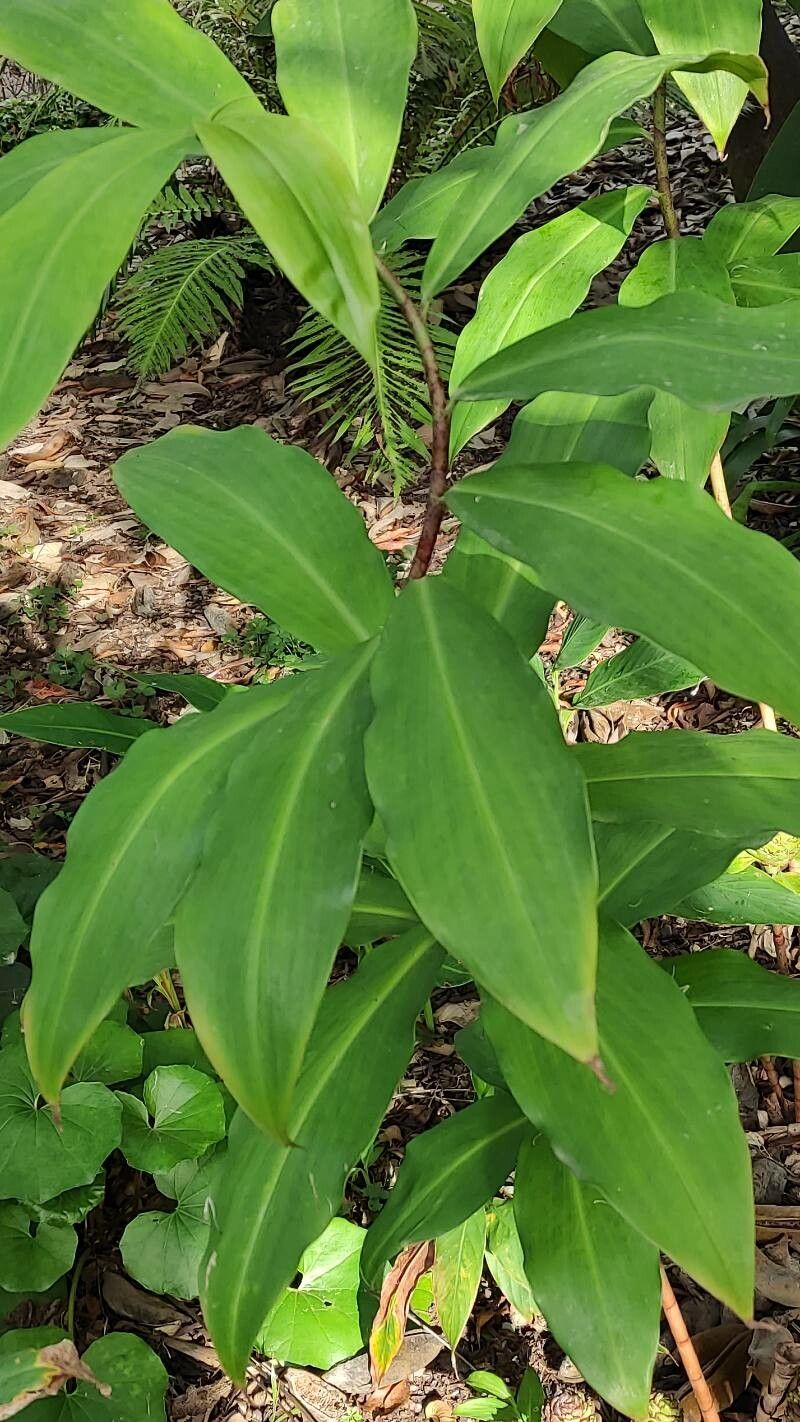
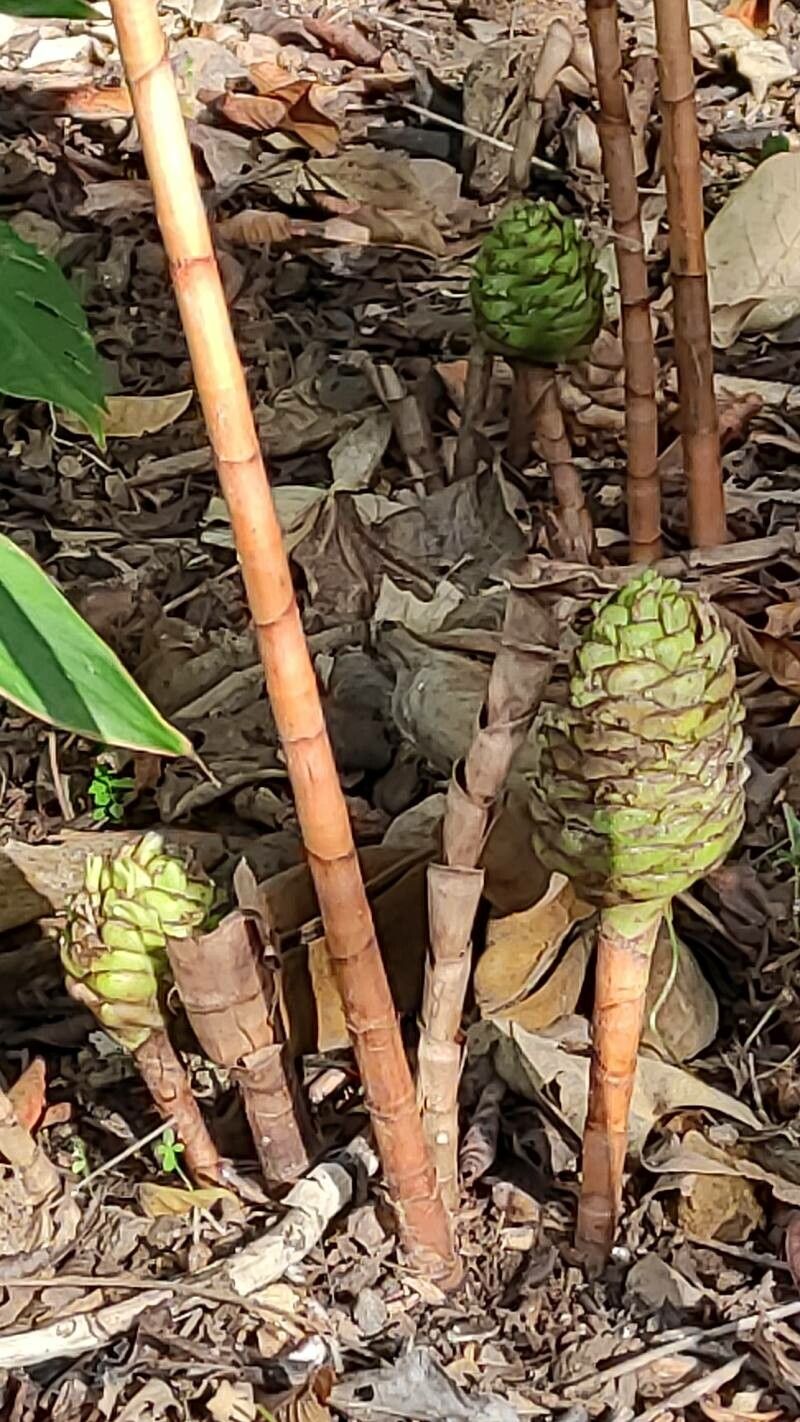
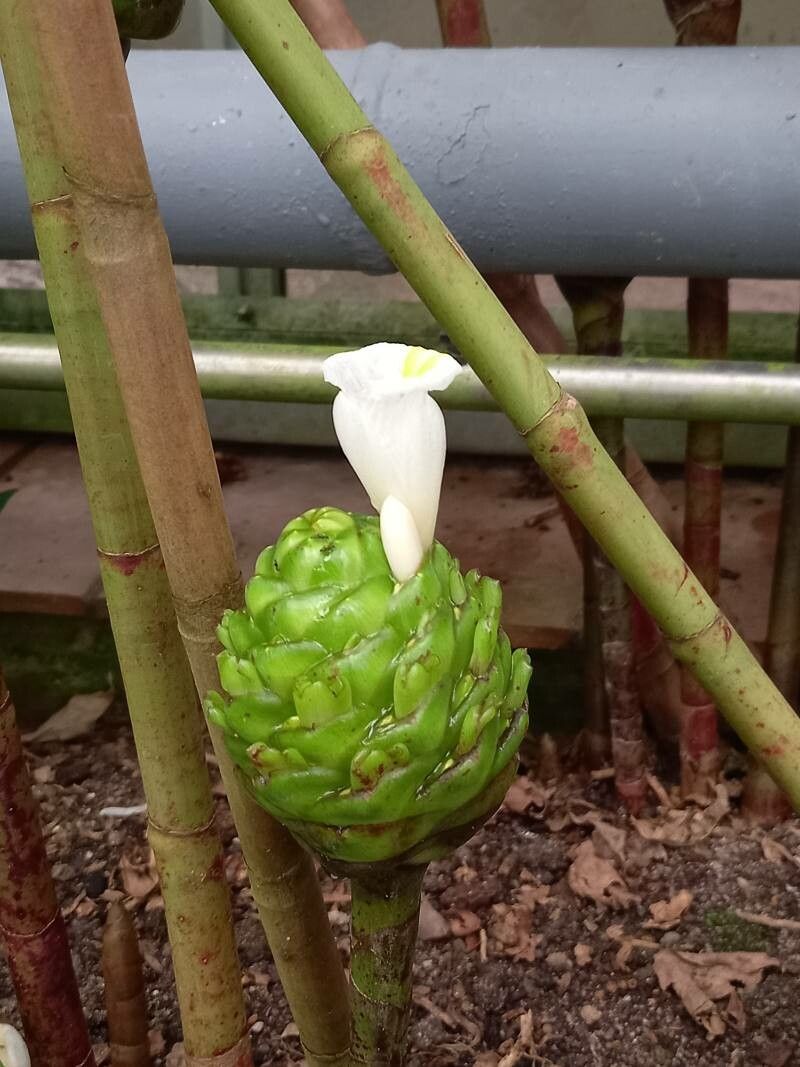
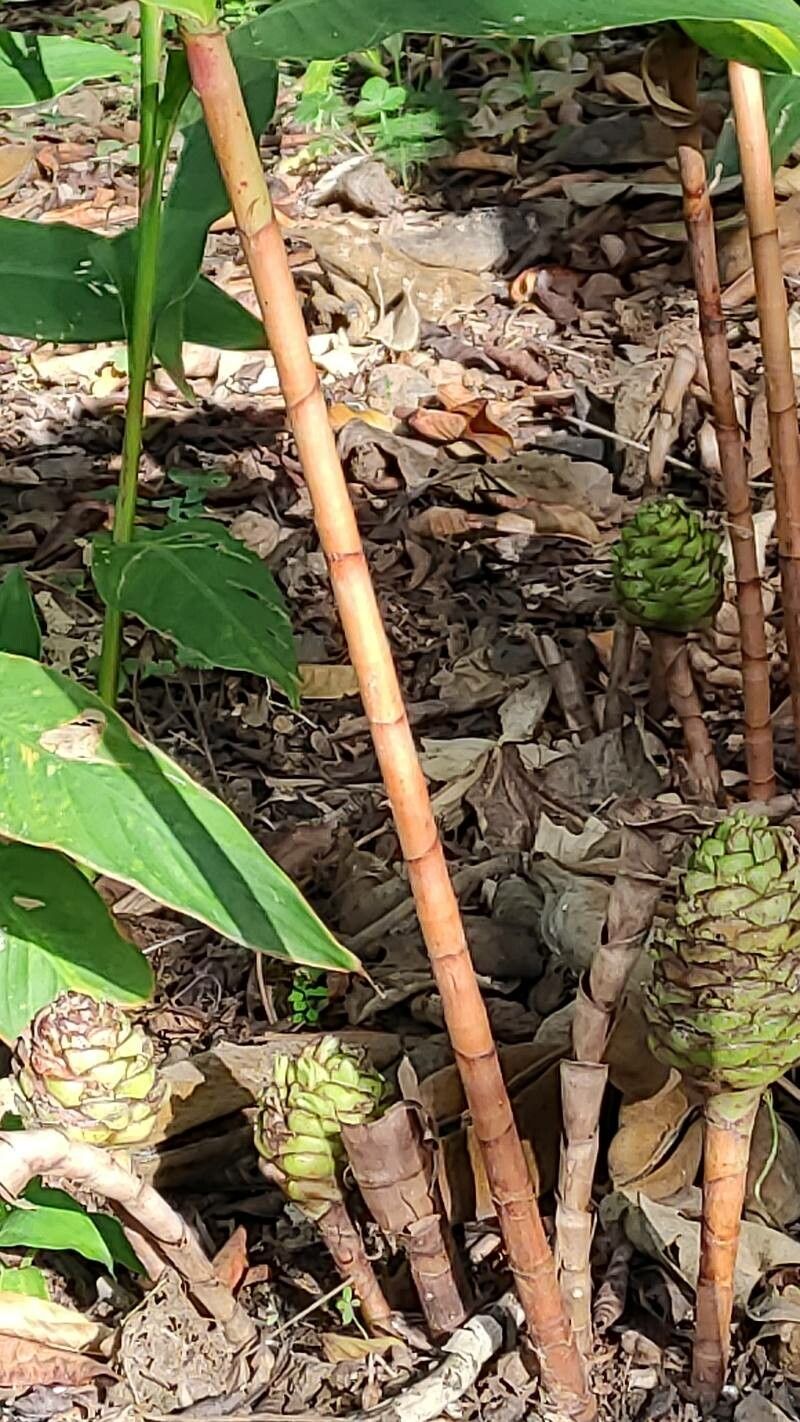
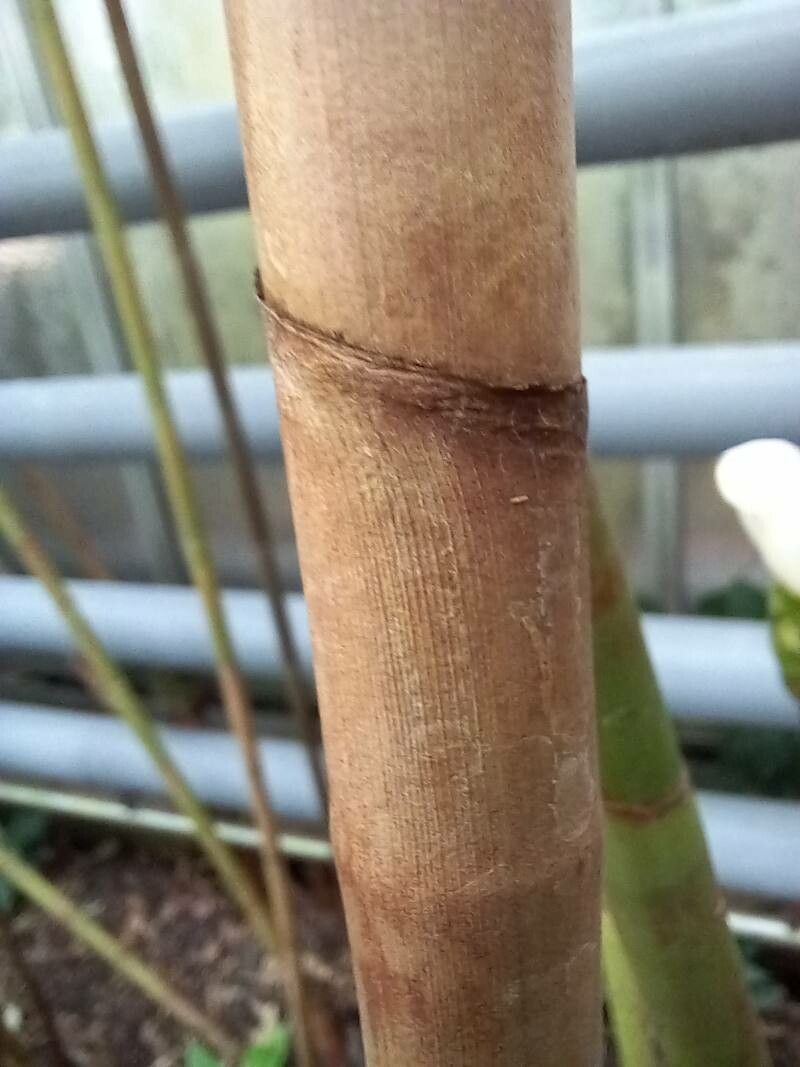
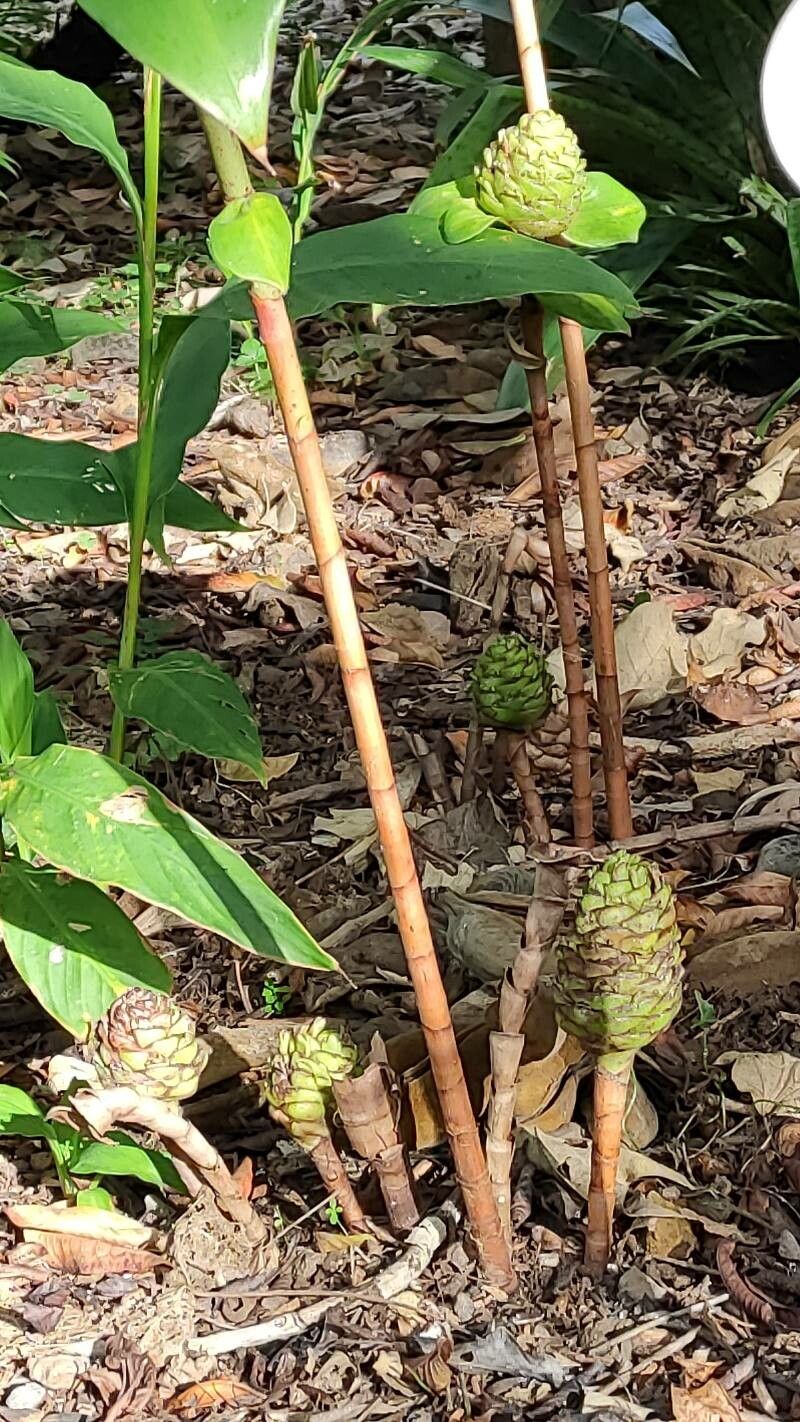
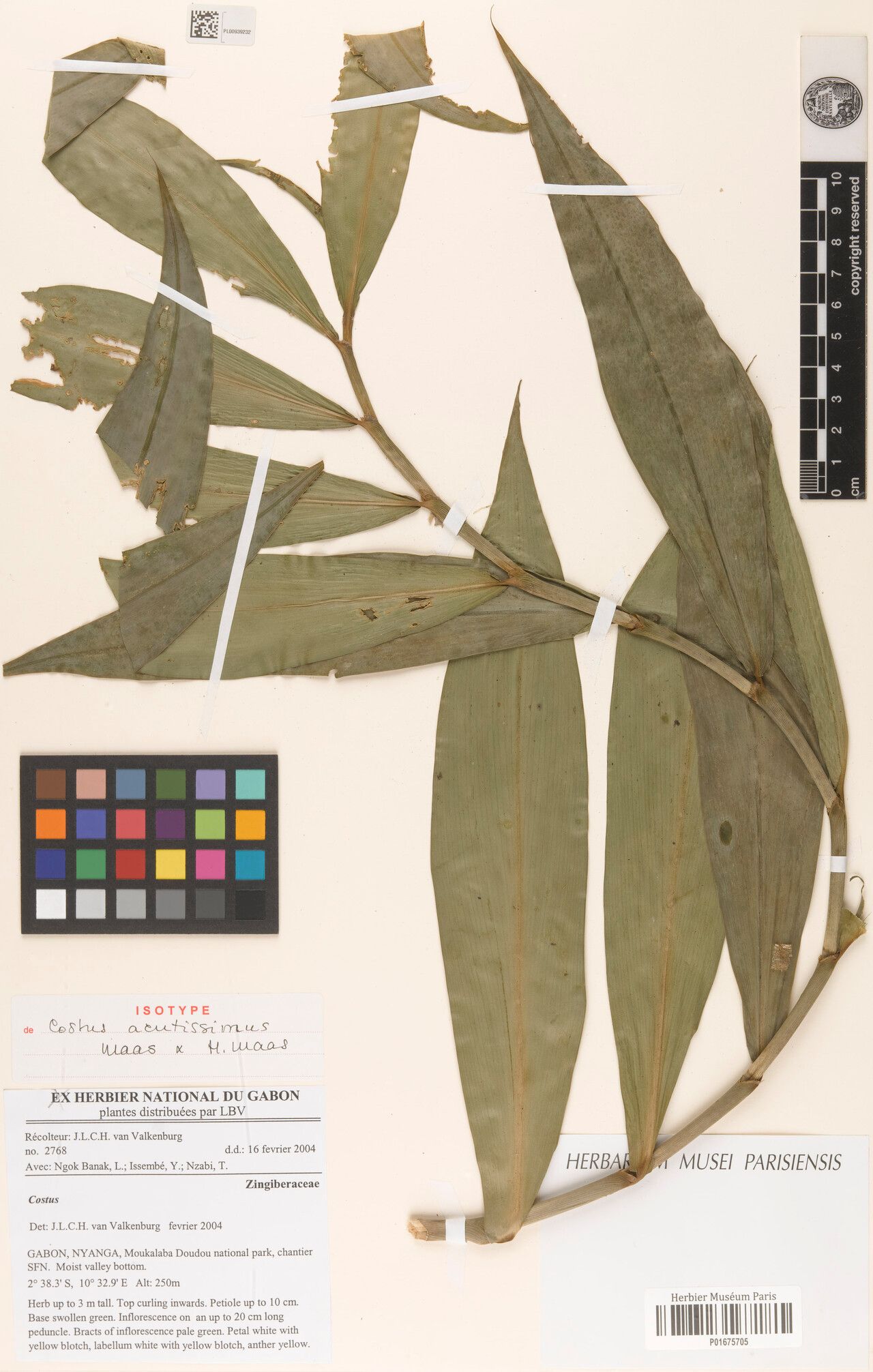
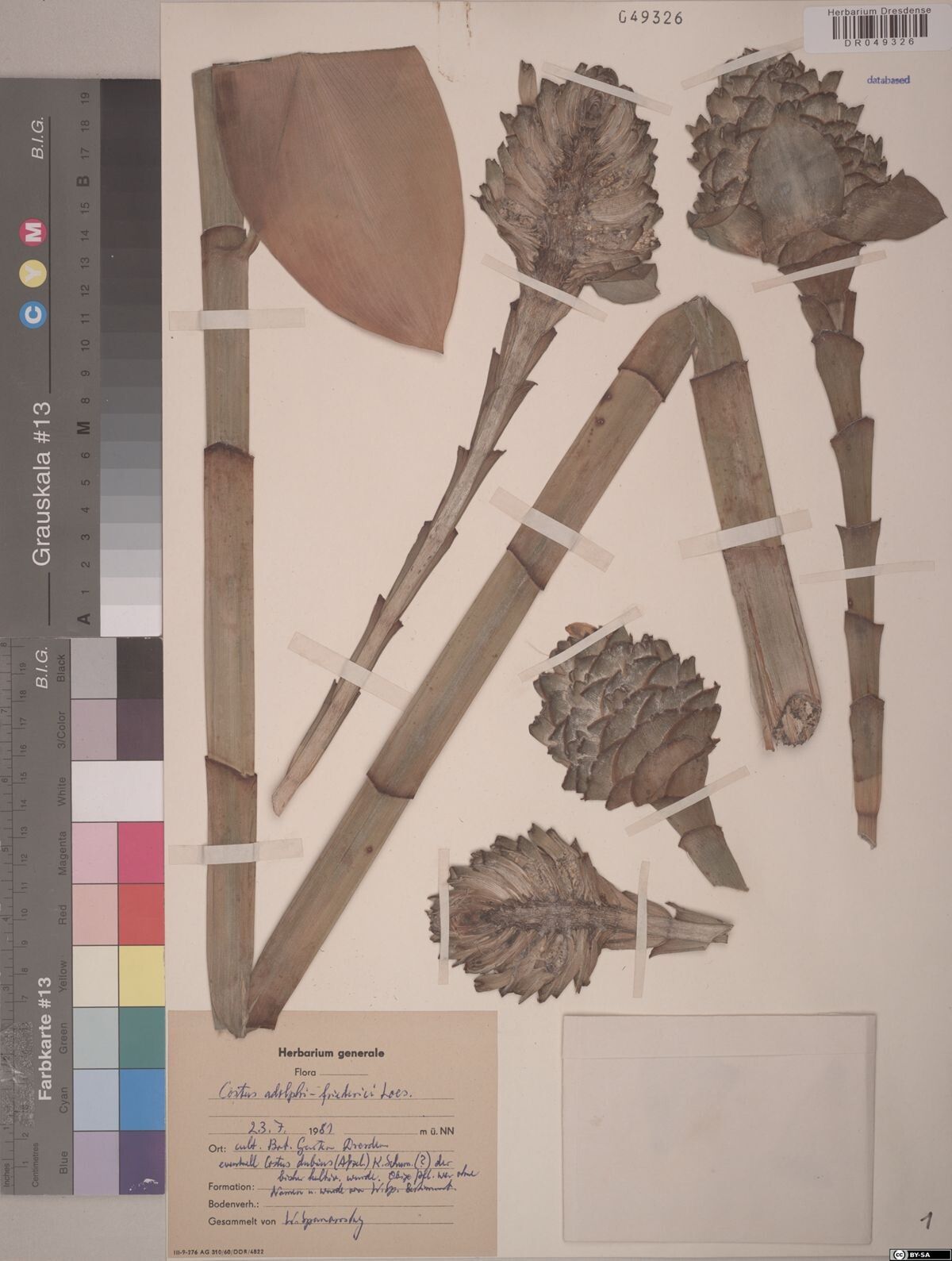
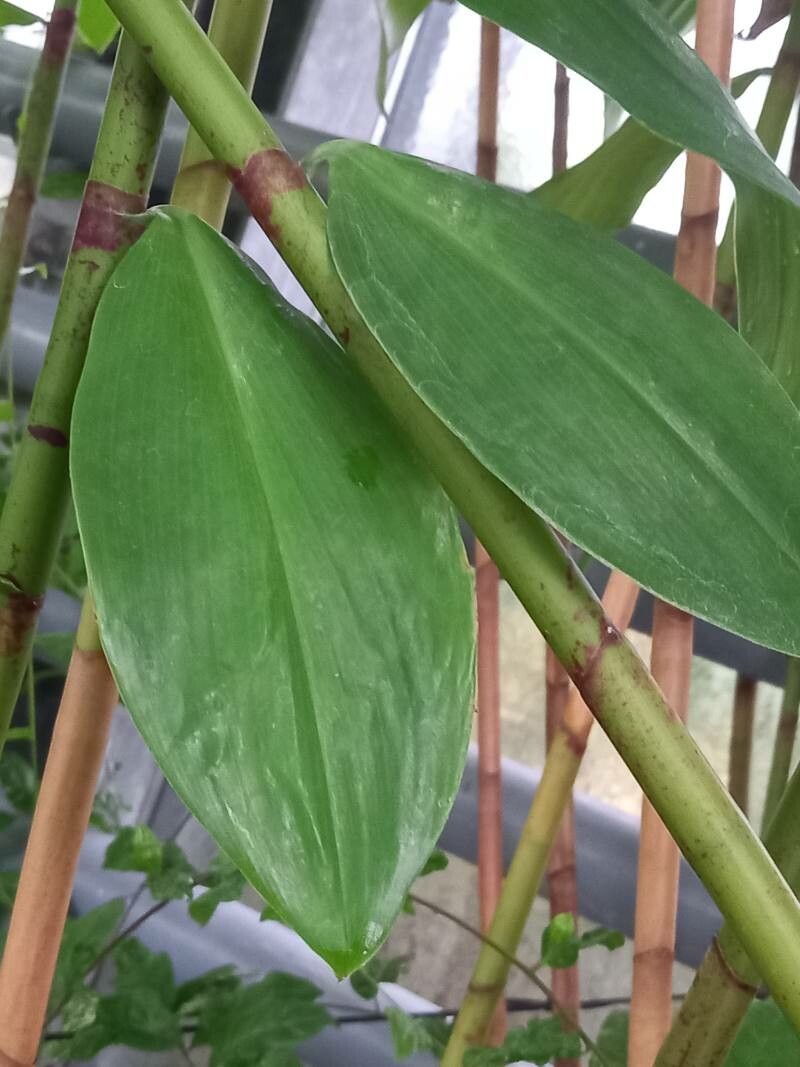
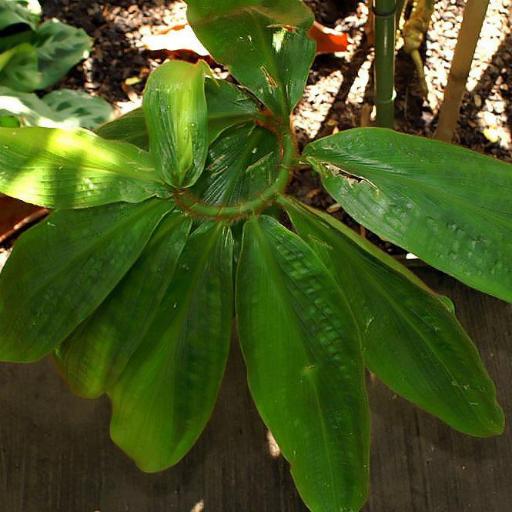
Costus dubius is a species of plant native to Tropical Africa.
African ginger has good resistance to disease and is generally not highly susceptible. However, it can be vulnerable to pests and diseases present in its surroundings, and those infections are usually mild. As for care, the plant requires moderate maintenance. It should be pruned regularly to keep a neat appearance and support healthy growth. Fertilizing can also help encourage flowering. African ginger is suitable for anyone with outdoor space, such as a garden or patio, and does not demand extensive plant-care experience. It may need more attention when grown indoors.
How to keep Costus Dubius.
Light
African ginger originates in habitats like forest understories and rocky areas, where it grows under natural shade. It favors partial sun but can tolerate full sun or full shade, demonstrating its versatility and hardiness.
Water
African ginger thrives in tropical regions with high humidity, requiring consistent moisture but able to withstand short dry periods. For optimal growth, it should be watered weekly. Indoors, it grows best in well-draining soil that prevents waterlogging and maintains stable humidity levels.
Temperature
African ginger comes from tropical areas where the climate is generally warm and humid, so it is well suited to high temperatures and moisture. It is sensitive to sudden temperature shifts and prefers a consistent temperature, so indoor temperature fluctuations should be avoided. It typically cannot tolerate cold and needs warmer conditions to grow; if the surrounding temperature falls too low, the plant may stop growing or even die.
Fertilizer
Proper fertilization is essential for African ginger's health and appearance. Fertilize African ginger in the summer, repeating the application monthly throughout the season. Nutrients fuel growth and maintain the plant's parts. Fertilization improves African ginger's flower display, ensuring the best blooms.
Pruning
African ginger benefits from selective pruning, especially from early to late spring. By removing up to a third of its growth, you can encourage bushier development. It's important to use clean tools to prevent disease, as regular pruning not only enhances air circulation but also reduces the risk of mold. This practice is essential for promoting healthier growth, making it a crucial aspect of the plant's optimal care.
Botanical profile.
- Plant Type
- Herb, Shrub
- Life Cycle
- Perennial
- Genus
- Costus
- Family
- Costaceae
- Hardiness Zone
- 10-12
- Mature Height
- 2.13 m
- Mature Spread
- 49 cm to 91 cm
- Leaf Color
- Green
- Leaf Type
- Evergreen
- Flower Color
- White, Pink
- Flower Size
- 5.08 cm to 6.35 cm
- Bloom Time
- Summer, Early fall, Mid fall
- Planting Time
- Summer, Autumn
- Harvest Time
- Late summer, Fall, Early winter
- Native Area
- Sudan, Nigeria, Congo, Gabon, Guinea-Bissau, Uganda, Tanzania, Sierra Leone, Equatorial Guinea, Cameroon, Liberia, Burundi, Togo, Ghana, Côte d'Ivoire, Congo (DRC), Central African Republic
Other names.