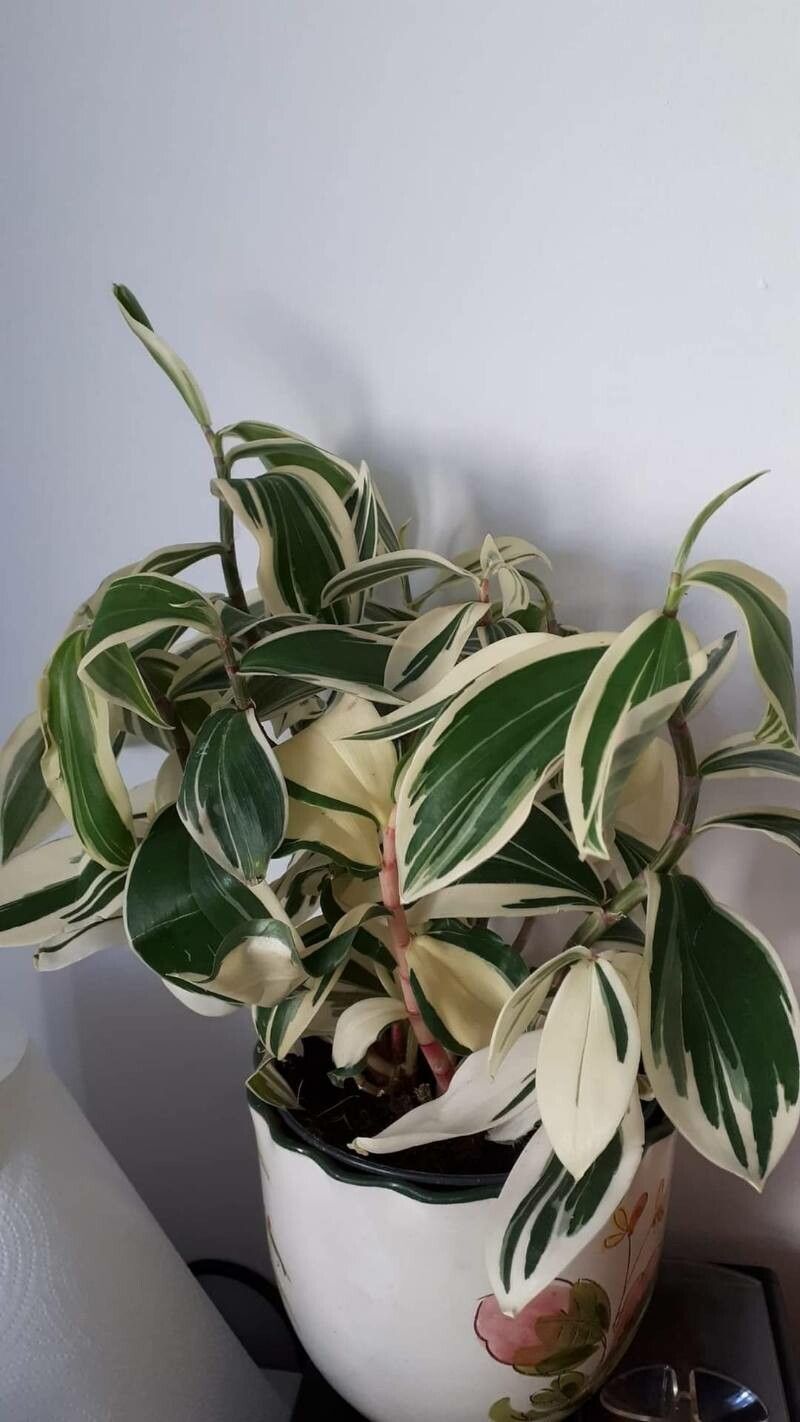
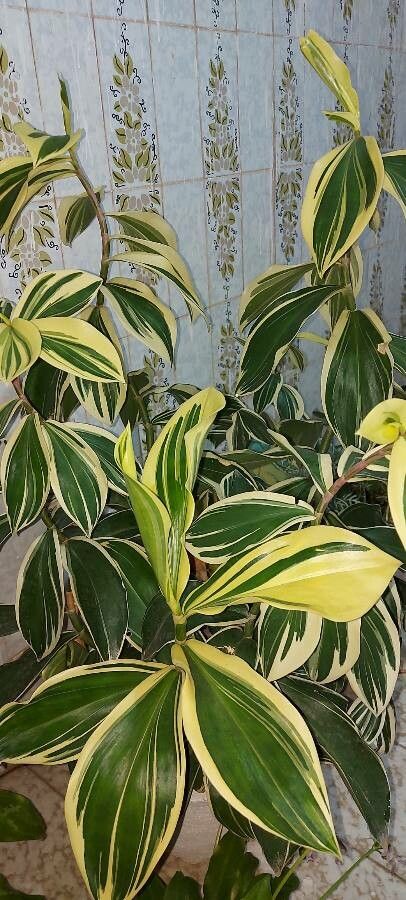
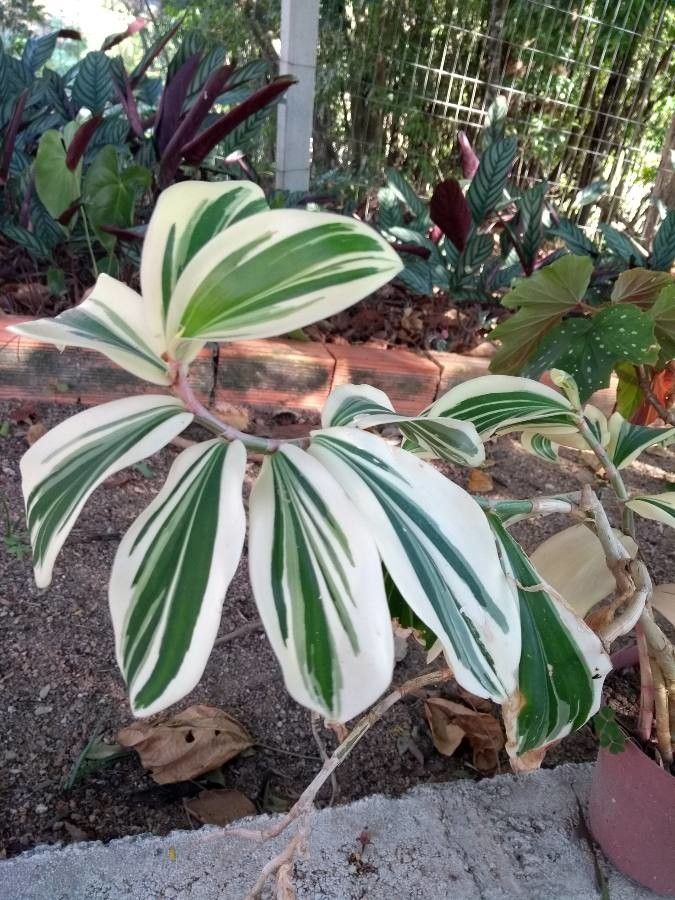
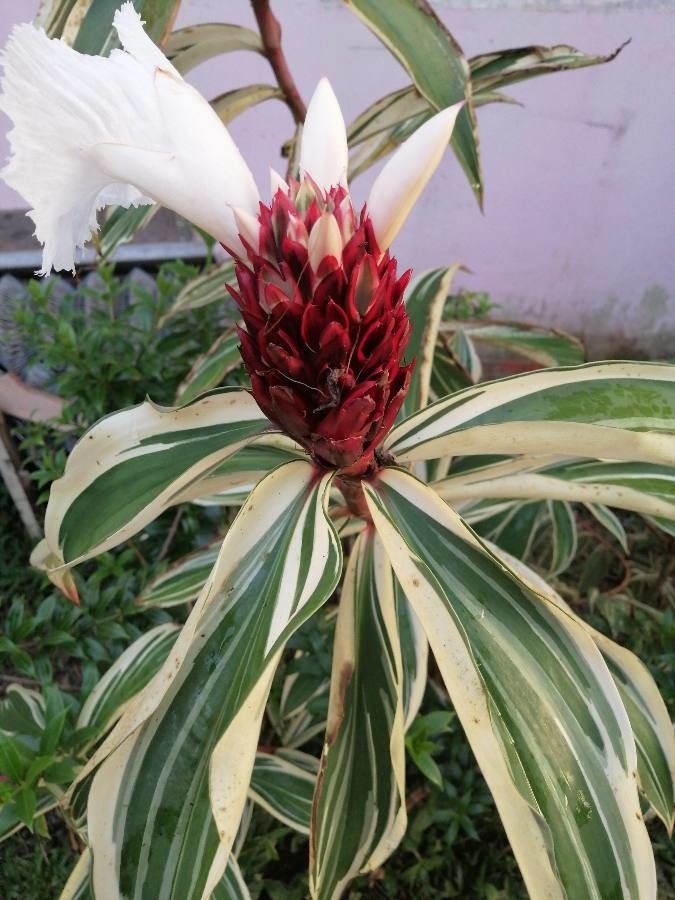
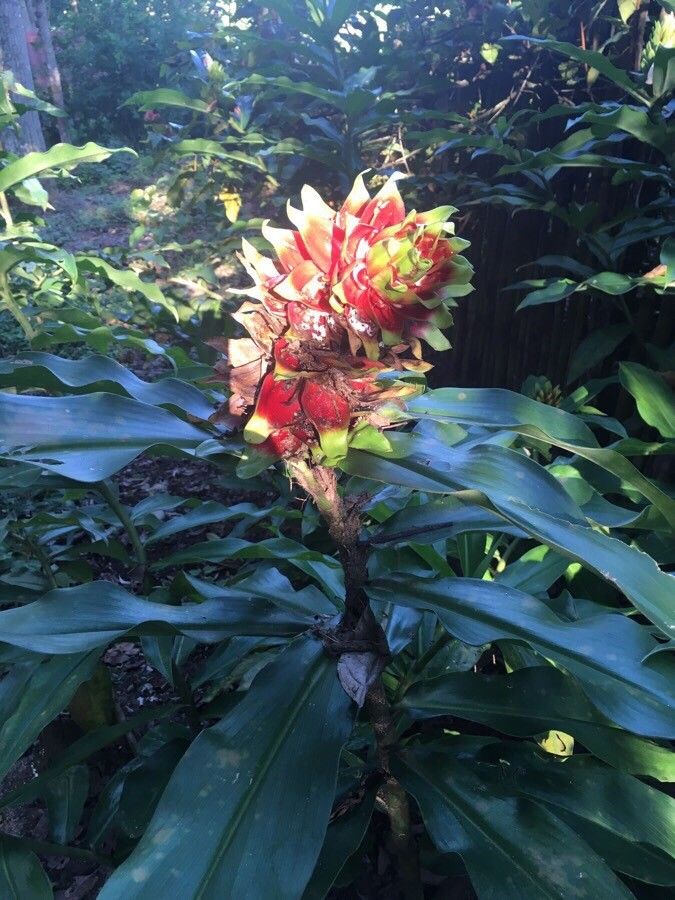
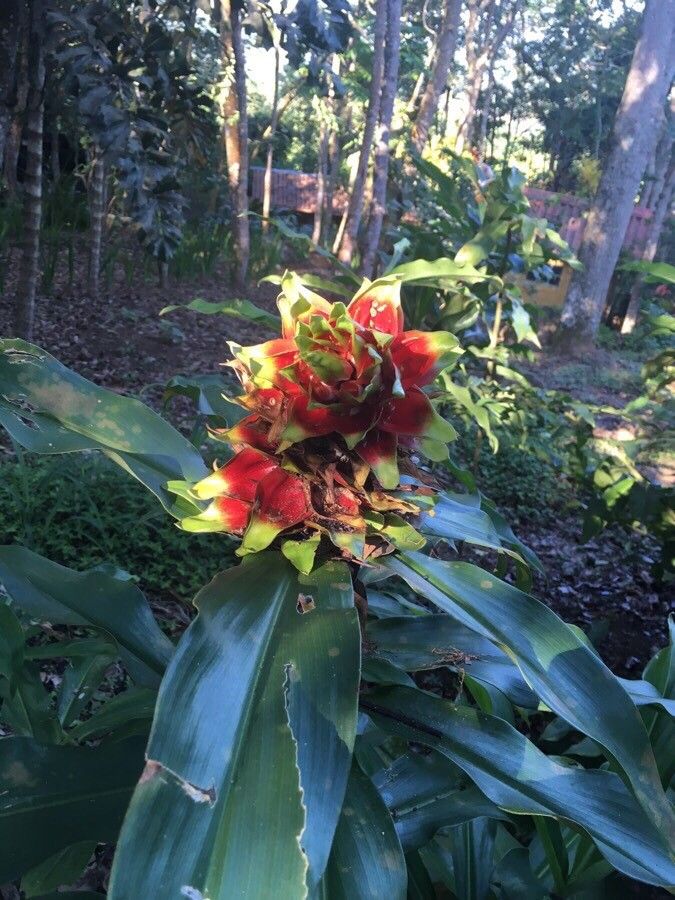
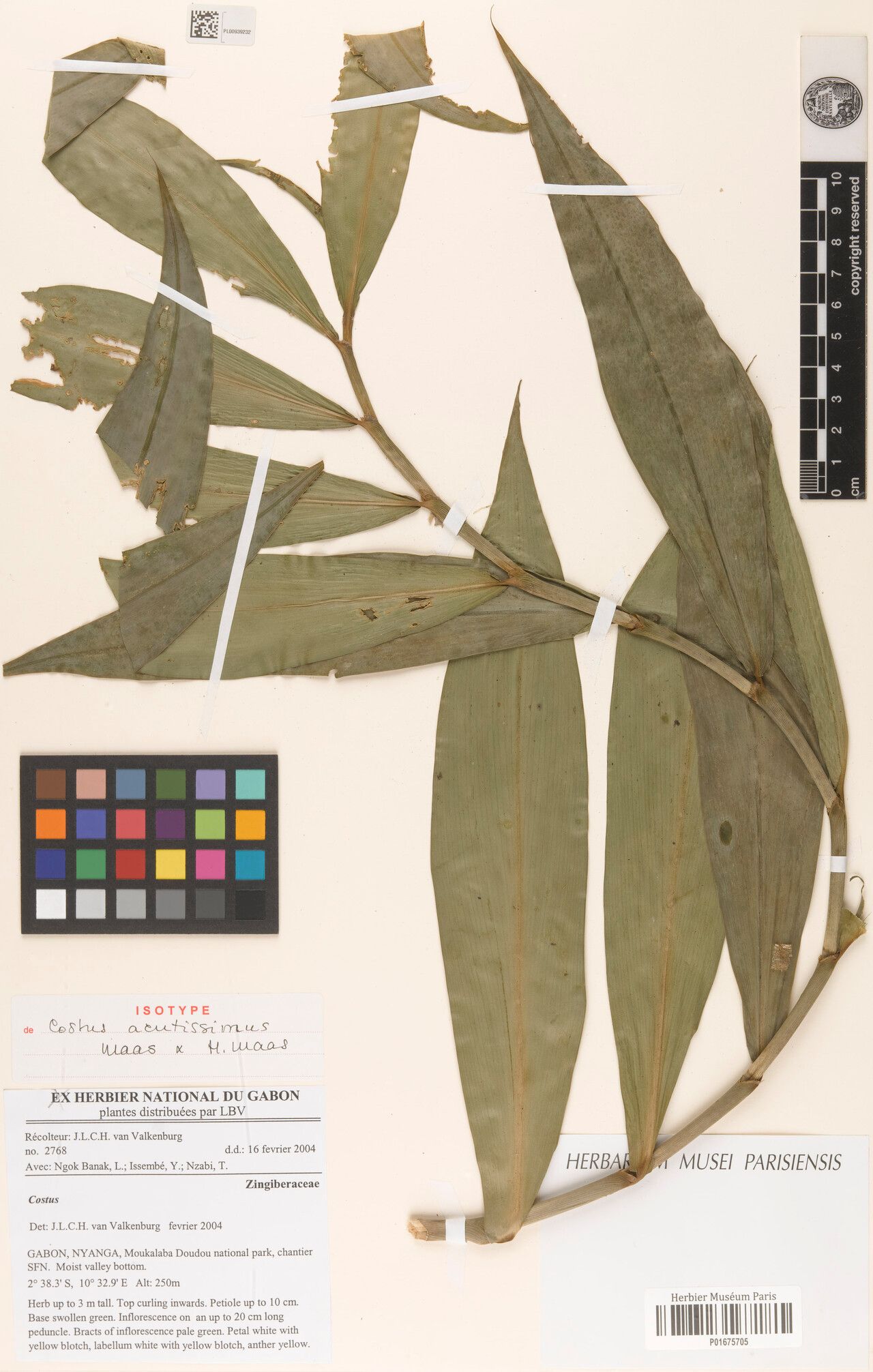
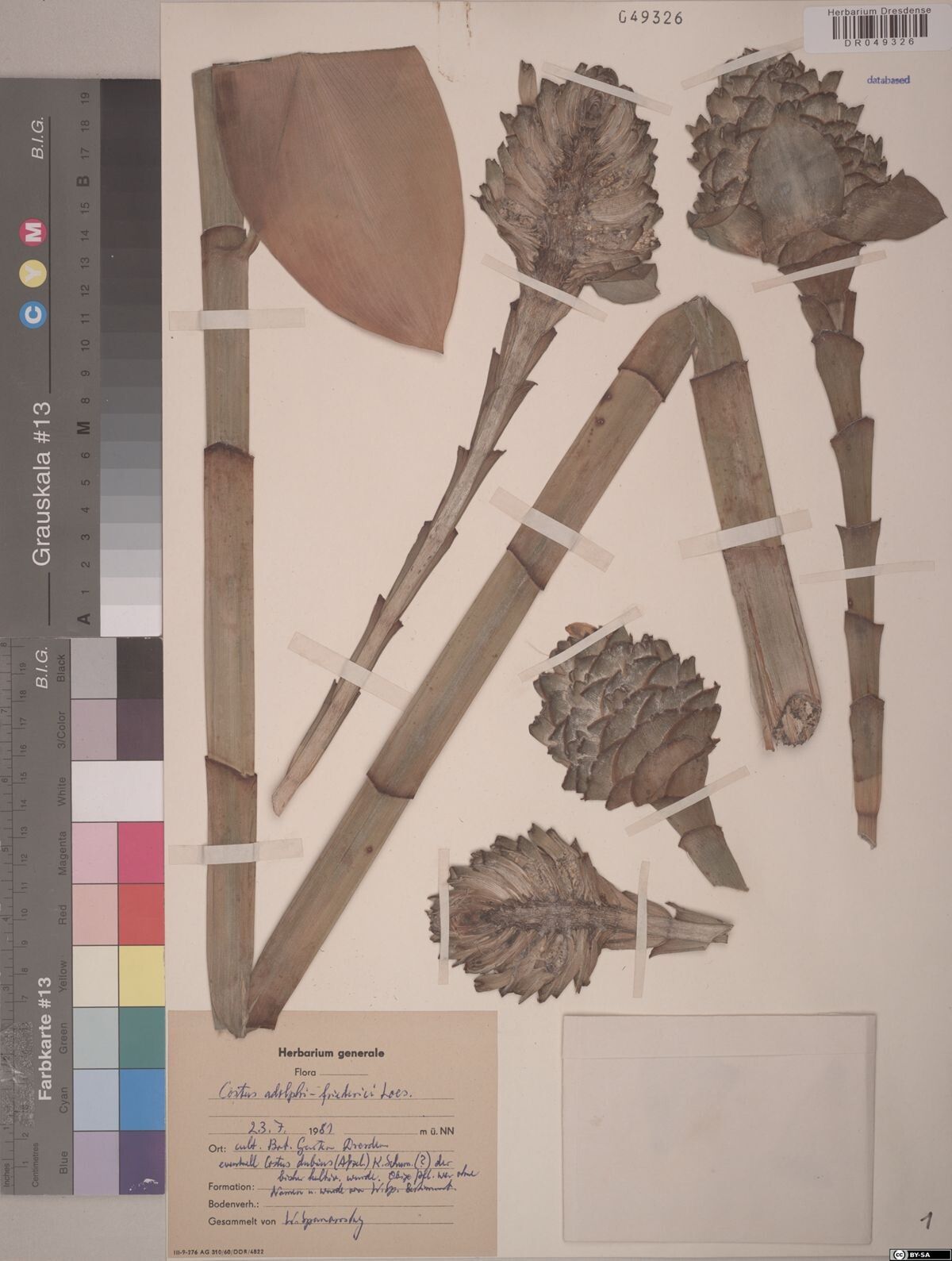
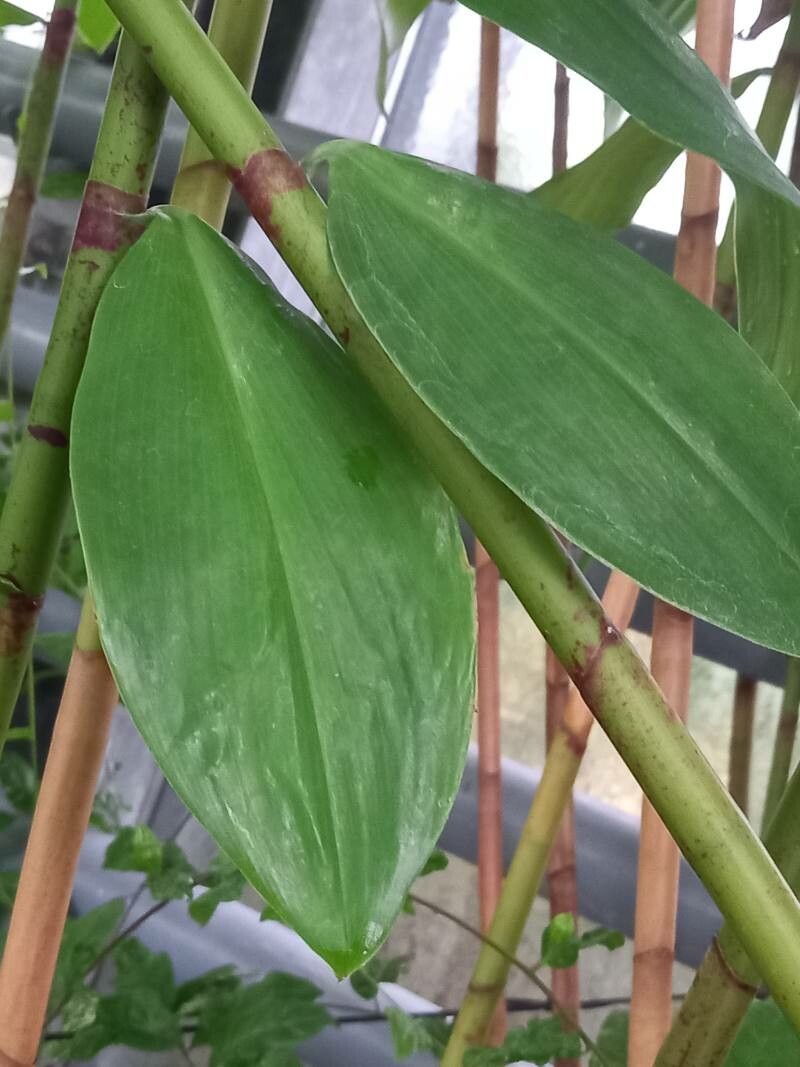
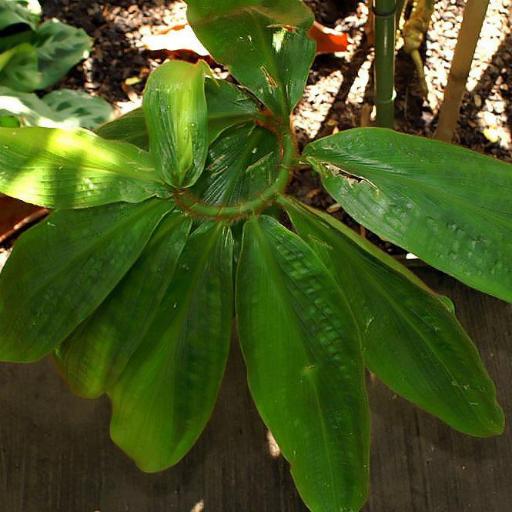
The Variegated Spiral Ginger is a tropical, evergreen perennial originating from Southern and Northern America. It is widely notable for its diverse antispasmodic, antiseptic, bactericidal, antiviral properties. With a maximum height of 3m and a spread of 1m, this plant possesses green, white variegated foliage that grow on spiralled stems with white flowers that bloom from cone-like flower heads.Their bloom is usually short for a maximum of two days.
Variegated spiral ginger is largely disease-resistant and generally not prone to illness. Nevertheless, it can be vulnerable to pests and diseases present in its environment. These outbreaks are typically mild. For care, the plant needs moderate maintenance. It should be pruned regularly to preserve a tidy appearance and encourage healthy growth. Fertilizing can also aid in promoting blooms. This plant is appropriate for anyone with outdoor space such as a garden or patio and does not require extensive care experience. It may demand more attention when grown indoors.
How to keep Costus Arabicus.
Light
Variegated spiral ginger is native to habitats like forest understories and rocky areas, where it grows under natural shade. It favors partial sun but can adapt to full sun or full shade, showing its versatile, hardy nature.
Temperature
Variegated spiral ginger comes from tropical areas, where the weather is usually warm and humid. Therefore it is adapted to high heat and humidity. It dislikes sudden shifts in temperature and prefers a steady thermal environment, so avoiding temperature swings indoors is important. It generally cannot tolerate cold and needs warmer conditions to grow. If the ambient temperature falls too low, the plant may stop growing or even die.
Fertilizer
Proper fertilization is essential to Variegated spiral ginger's health and appearance. Fertilize Variegated spiral ginger during summer, repeating the application monthly throughout the season. Nutrients fuel its growth and maintain the plant's parts. Fertilization improves Variegated spiral ginger's flower display, ensuring the best blooms.
Pruning
The variegated spiral ginger is known for its eye-catching leaves that display a spiral pattern of variegated colors. To keep this plant in top shape, it's best to prune it annually in early spring. This helps maintain its shape, remove any dead stems, and encourage fuller foliage. When pruning, use clean and sharp tools to make cuts just above the nodes. This practice promotes optimal growth and increases the plant's resistance to disease.
Toxicity
Variegated Spiral Ginger is a decent looking plant that is not toxic to cats, dogs, horses and human beings. This makes it an excellent indoor plant as well as a safe garden plant. Note that household pets or humans who consume this plant in excess may experience symptoms like vomiting and diarrhea, so ensure to be careful when using this plant in edible ways.
Further reading →
The toxicity and danger assessments provided are for reference only. We do not assure their accuracy, so it's crucial not to depend on them. Seek professional advice when necessary for accurate guidance.
Botanical profile.
- Plant Type
- Herb
- Life Cycle
- Perennial
- Genus
- Costus
- Family
- Costaceae
- Hardiness Zone
- 10-12
- Mature Height
- 3.05 m
- Mature Spread
- 91 cm
- Leaf Color
- Dark Green, Forest Green
- Leaf Type
- Evergreen
- Flower Size
- 5.08 cm to 6.35 cm
- Bloom Time
- Summer, Early fall, Mid fall
- Planting Time
- Spring, Summer, Autumn
- Harvest Time
- Late summer, Fall, Early winter
- Native Area
- Colombia, Bolivia, Venezuela, Peru, Guyana, Brazil, Ecuador
Other names.