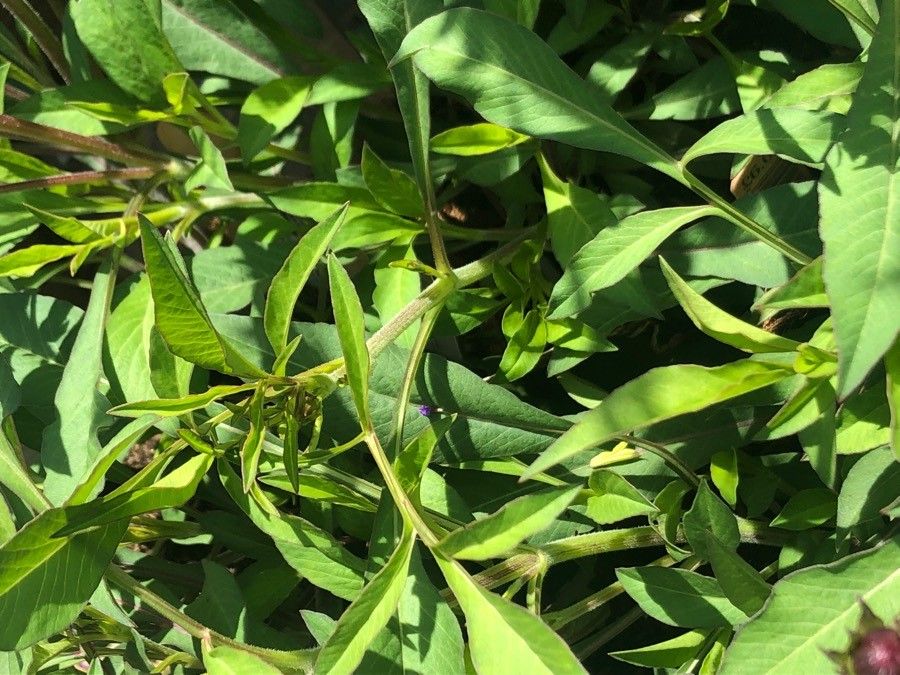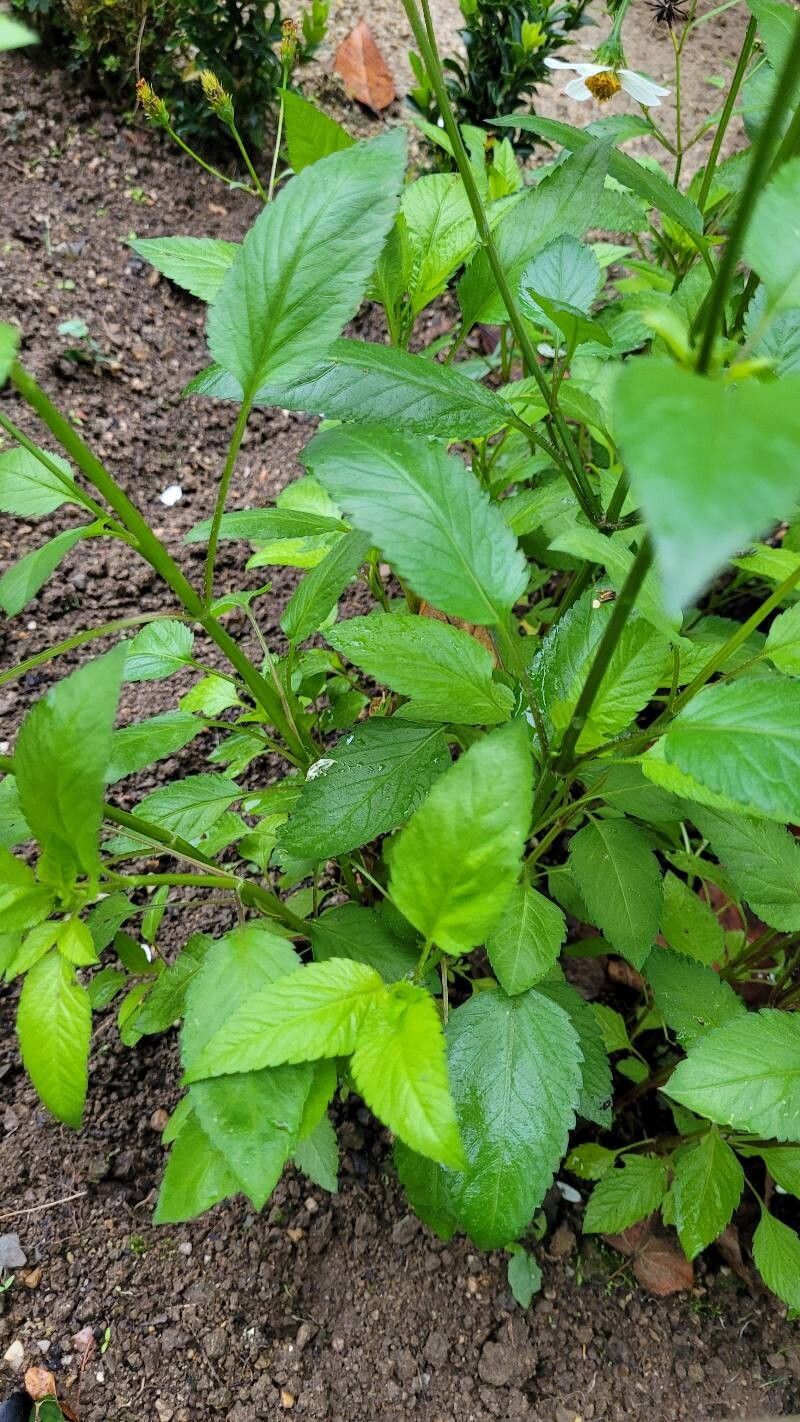
Cosmos sulphureus is a species of flowering plant in the sunflower family Asteraceae, also known as sulfur cosmos and yellow cosmos. It is native to Mexico, Central America, and northern South America, and naturalized in other parts of North and South America as well as in Europe, Asia, and Australia.This plant was declared invasive by the United States Southeast Exotic Pest Plant Council in 1996. The flowers of all Cosmos attract birds and butterflies, including the monarch butterfly.
Sulfur Cosmos, Yellow Cosmos, and Orange Cosmos: Many herbs from the Cosmos genus, native to Mexico, are known for their vibrant, radiate flower heads and finely divided, pinnate leaves. This distinct appearance has led to the name "cosmos" for the plant. The flowers can bloom in a range of colors, including yellow, orange, and yellow-orange. As a result, these variations are often referred to by different names, such as sulfur cosmos, yellow cosmos, or orange cosmos.
Sulfur cosmos has strong disease resistance and is typically not prone to illness. Still, it can be vulnerable to pests and diseases found in its surroundings. Such infections are generally not severe. As for care, this plant needs a moderate level of attention. It should be pruned regularly to preserve a neat appearance and encourage healthy growth. Fertilizing can also help increase flowering. Sulfur cosmos is appropriate for anyone with outdoor space, like a garden or patio, and does not demand extensive care experience. It may need more attention when cultivated indoors.
How to keep Cosmos Sulphureus.
Light
Sulfur cosmos perform best with consistent, strong sunlight but can tolerate somewhat lower light levels. Their native environment provides plenty of sun, which encourages vigorous growth. Excessive light can scorch the leaves, while inadequate light inhibits flowering.
Water
Sulfur cosmos thrives in warm, moist tropical conditions and becomes drought-tolerant once established. Initially, water the plants twice a week, letting the soil dry slightly between waterings. As a sun-loving outdoor plant, sulfur cosmos needs additional watering during the peak growing season to produce vibrant flowers.
Humidity
This plant will thrive in moderate humidity, which is probably the level in your home. However, misting it a few times a week can be very beneficial. Make sure the room has good ventilation.
Temperature
Sulfur cosmos is a plant originally native to temperate regions. It performs best when temperatures range from 68 to 95 °F (20 to 35 ℃). In colder seasons, adjustments may be needed to provide the warmth it prefers.
Fertilizer
Once Sulfur cosmos has opened most of its blooms to full size, resume fertilizing. Around the time the blooms are at peak output, begin fertilizing again every three to four weeks, weather permitting. Then, after Sulfur cosmos starts producing fewer new blooms, stop fertilizing; there’s no need to fertilize when the plant can’t produce any more blooms.
Pruning
Sulfur cosmos are known for their vibrant orange flowers and feathery leaves. To keep them healthy and thriving, regular pruning from early to late spring is recommended. Be sure to remove any spent flowers and dead stems, but avoid heavy pruning, as the plant has a delicate structure. Pruning helps improve air circulation and reduces the risk of disease. For detailed care instructions, consult horticultural guides.
Pot & Repot
When repotting Sulfur cosmos, choose a pot that is 1–2 inches (2.5–5.1 cm) larger in diameter and that has good drainage. Use a well-draining potting mix, and consider adding perlite for extra drainage. Repot in spring or early summer, water thoroughly afterward, and place it in a shady location at first.
Toxicity
Cosmos plants are not toxic to people and pets.
Further reading →
The toxicity and danger assessments provided are for reference only. We do not assure their accuracy, so it's crucial not to depend on them. Seek professional advice when necessary for accurate guidance.
Botanical profile.
- Plant Type
- Herb
- Life Cycle
- Annual
- Genus
- Cosmos
- Family
- Asteraceae
- Hardiness Zone
- 3-9
- Mature Height
- 61 cm to 91 cm
- Mature Spread
- 34 cm to 40 cm
- Leaf Color
- Green
- Leaf Type
- Deciduous
- Flower Color
- Orange, Yellow, Red
- Flower Size
- 3.05 cm to 5.08 cm
- Bloom Time
- Summer
- Planting Time
- Spring
- Harvest Time
- Mid summer, Late summer, Early fall
- Native Area
- Colombia, Honduras, Mexico, Peru, El Salvador, Nicaragua, Ecuador, Costa Rica
Other names.
Reader questions.
When Should I Water My Sulfur Cosmos?
Timely watering of sulfur cosmos is essential for its health, enabling nutrient uptake and supporting metabolic activities. The soil's dryness indicates the plant's need for water; test this by checking if the soil feels dry an inch below the surface. Wilting, sagging leaves, a fading color, and a lack of blooms signal the need for water. Be cautious of watering too early or late, as it can cause problems like root rot or fungal diseases. Observing these signs will help ensure the plant remains hydrated and healthy.
Why should I put fertilizer on my Sulfur cosmos?
Plants, including Sulfur cosmos, require nutrients to survive. Gardeners, regardless of their experience, are well aware of this. However, it is important to note that without proper nutrition, Sulfur cosmos will die soon after the first pollination. To keep Sulfur cosmos thriving and producing large, beautiful flowers throughout the blooming season, it is crucial to provide the right nutrients in the right amounts. Fertilizer plays a significant role in helping Sulfur cosmos develop a strong and healthy root system. This is particularly important for Sulfur cosmos because its root system is thin and easily damaged. By fertilizing at planting, Sulfur cosmos can establish a robust root structure, which not only provides stability, but also sets the stage for an impressive display of flowers. If timed correctly, fertilization can significantly prolong the flowering period of Sulfur cosmos.
What are the sunlight requirements for sulfur cosmos?
Sulfur cosmos thrives best with continuous and substantial exposure to sunlight, typically favoring conditions similar to its place of origin which involves extensive sun exposure for robust development. These plants require full sun, meaning they need above 6 hours of sunlight daily, but can also tolerate partial sun conditions, about 3-6 hours of sunlight. It is advisable to watch how sunlight moves through your garden and choose spots that offer an optimal balance of light and shade, ensuring the plants' wellbeing. Overexposure to the sun can cause leaf scorch, whereas insufficient light can hinder the blooming of the plants.
What is the native climate for Sulfur Cosmos?
Sulfur cosmos is originally native to regions with temperate climates. It thrives best in a temperature range of 68 to 95 °F (20 to 35 °C), indicating a preference for warmer conditions. Despite its strong cold resistance, in very cold winters where temperatures are expected to drop below -35°C, precautions should be taken to protect the plant.
How Should I Water My Sulfur Cosmos?
For optimal sulfur cosmos care, bottom-watering is an effective method, allowing for moisture absorption from the bottom up. A moisture meter can help ensure the right soil moisture level, and a watering can with a long, narrow spout is ideal for targeting water at the base, avoiding foliage wetness. Water early in the morning or late in the evening to prevent evaporation and ensure efficient use by the plant. Monitor for signs of over-watering, such as yellowing leaves or root rot, and adjust your watering routine accordingly.
When should I fertilize my Sulfur cosmos plants?
Sulfur cosmos grows rapidly after the last frost and should be fertilized during planting. This initial dose of fertilizer will be the only one until the blooms are fully developed later in the year. Once the blooms are at their peak, start fertilizing again every three to four weeks. Stop fertilizing when the plant stops producing new blooms.
How can artificial lighting be used for indoor sulfur cosmos plants?
Indoor sulfur cosmos plants require adequate lighting for optimal growth, especially when natural sunlight is insufficient, such as during winter or in less sunny indoor spaces. Artificial lights serve as a vital solution, with LED lights being a popular choice since they can provide specific wavelengths needed by the plants. Full sun plants need 30-50W/sq ft of artificial light, partial sun plants need 20-30W/sq ft, and full shade plants require 10-20W/sq ft. The light source should be placed 12-36 inches above the plant to mimic natural sunlight, and the duration should mimic natural daylight hours, typically 8-12 hours per day for most plants.
How do you protect Sulfur Cosmos in cold weather?
Although Sulfur cosmos has strong cold resistance and usually doesn't require special frost protection measures, in exceptionally cold winters where temperatures drop below -35°C, it's important to protect the plant. Covering the plant with soil or straw provides necessary insulation. Additionally, watering the plant abundantly before the first freeze in autumn helps keep the soil moist, thereby preventing drought and water scarcity during winter and early spring.
How Much Water Does Sulfur Cosmos Really Need?
Sulfur cosmos requires different water amounts depending on the plant and pot size, aiming for a balance to avoid waterlogged conditions. Generally, a small pot may need 250-500 milliliters per watering, while a larger pot could use 500-750 milliliters, ensuring that water reaches the pot's bottom. Proper hydration is indicated by vibrant green leaves and steady growth. It's crucial to avoid over-watering, which can lead to root rot and fungal diseases, and under-watering, which can stress the plant. Use a well-draining potting mix and monitor soil moisture regularly.
When is the best time to not fertilize my Sulfur cosmos?
Fertilizing Sulfur cosmos is important, but timing is key. In some cases, it's best to hold off on fertilizing. This is usually due to climate factors and controllable variables. If something is wrong with the plant, soil, or climate, it's best to wait until the issue is resolved and the plant has recovered. For example, if there are sudden severe weather changes, like a cold snap during summer, wait until it warms up to fertilize. Similarly, if the soil is too dry or compacted to absorb fertilizer properly, it's not a good time to apply it. When temperatures reach the 90-degree Fahrenheit range during the hottest parts of the day, avoid fertilizing, as the heat can break down the fertilizer too quickly. It's also important to address and treat any pest or disease issues before applying fertilizer again.
What are the common symptoms of light deficiency in sulfur cosmos?
Sulfur cosmos may exhibit several symptoms when grown indoors with inadequate light, including smaller new leaves, leggy or sparse growth, faster leaf drop, slower or no new growth, lighter-colored new leaves, chlorosis (leaves turning yellow due to lack of chlorophyll), sunscald (damage from intense exposure), leaf curling (a defense mechanism against overexposure), wilting due to increased water loss, and leaf scorching characterized by brown, dry edges on leaves. These symptoms indicate the plant's struggle with insufficient or excessive sunlight exposure.
What are the symptoms and solutions for Sulfur Cosmos in low temperatures?
In low temperatures, Sulfur cosmos is notable for its cold tolerance, thriving best above 20°C and requiring maintenance above 0°C during winter. If temperatures fall below -35°C, while there might not be noticeable changes in winter, it could lead to a decrease in sprouting or even no sprouting in spring. The solution in spring is to remove any parts of the plant that have failed to sprout to promote healthier growth.