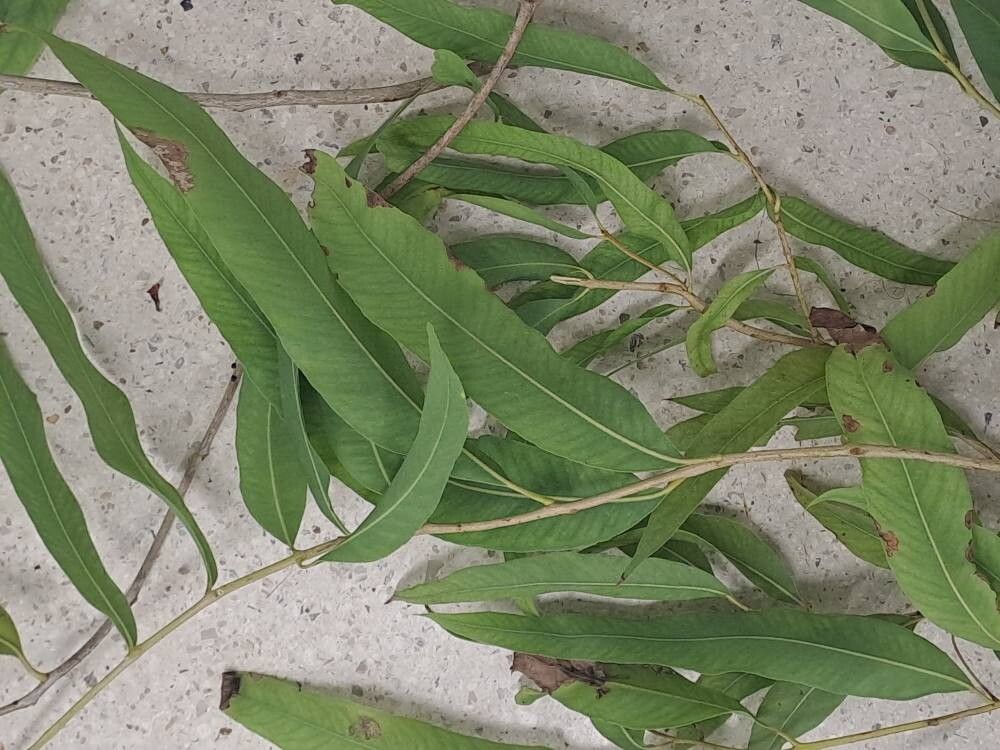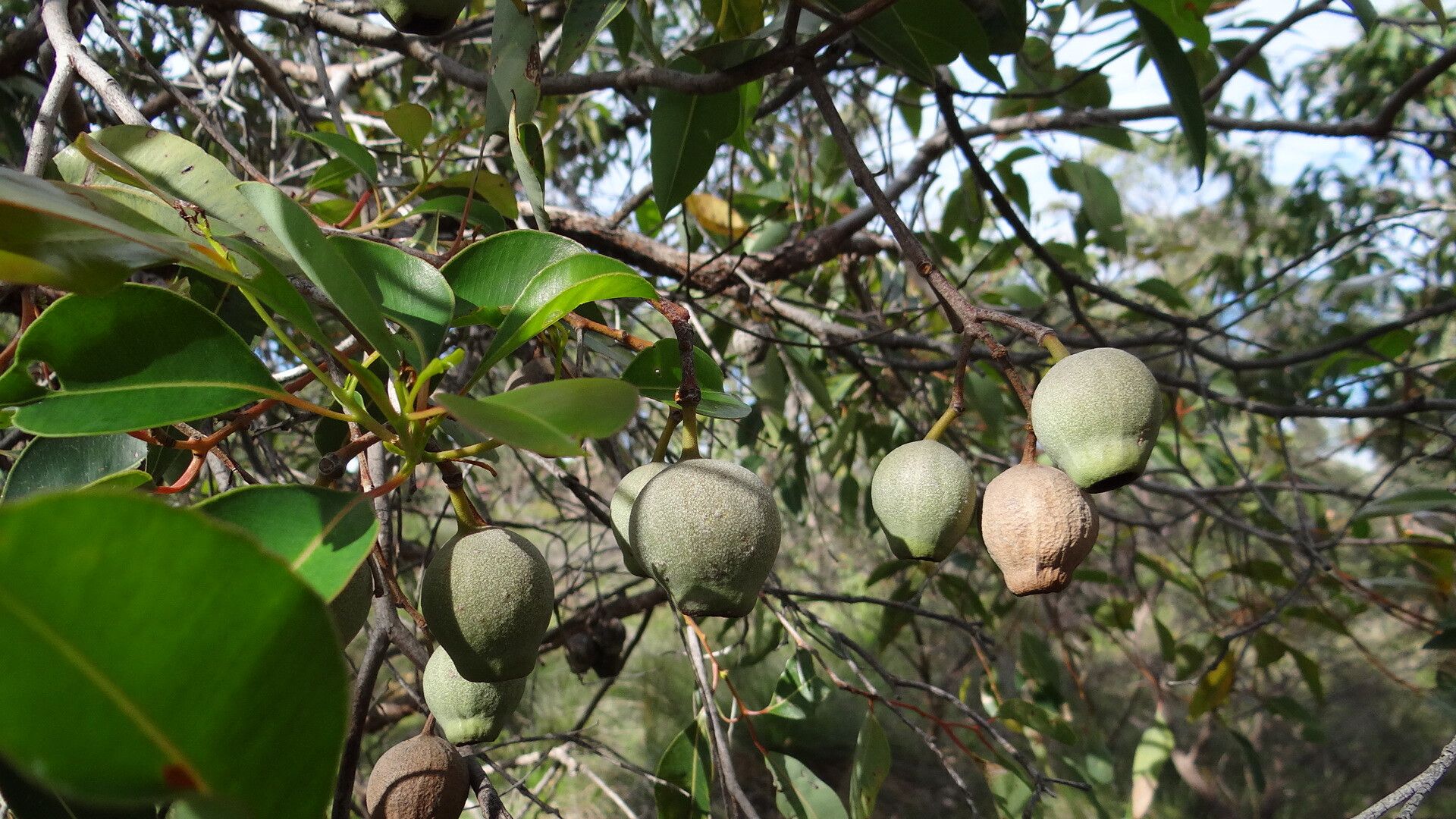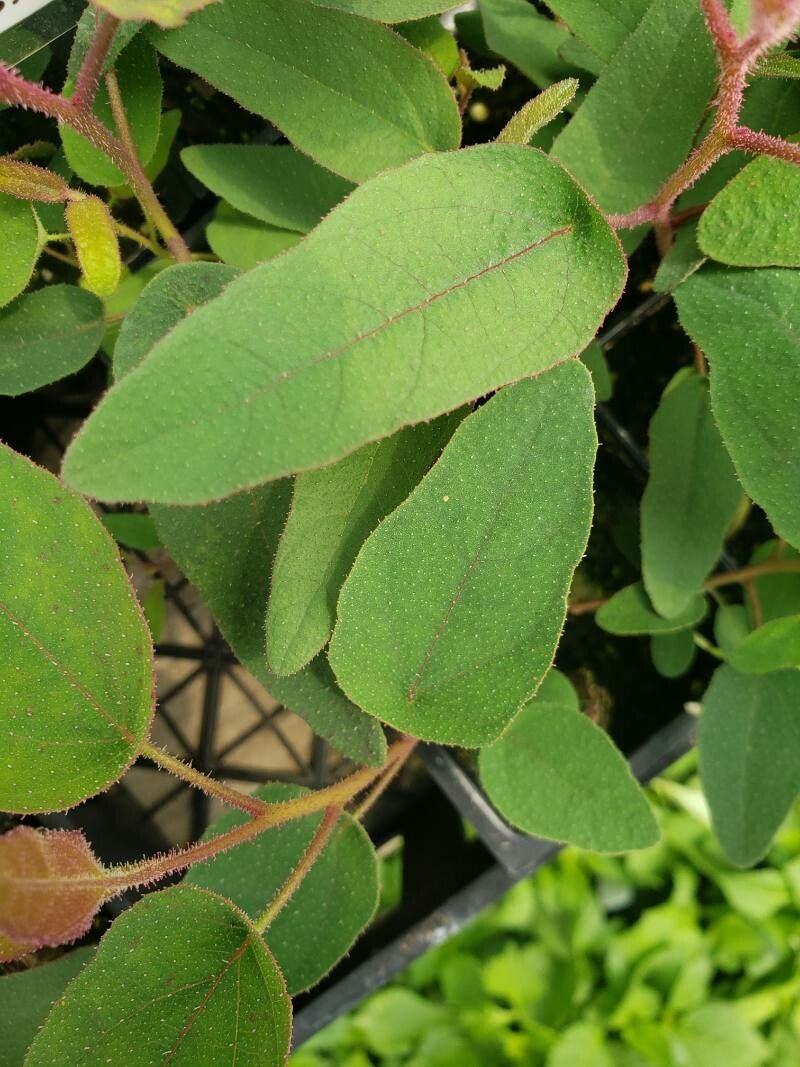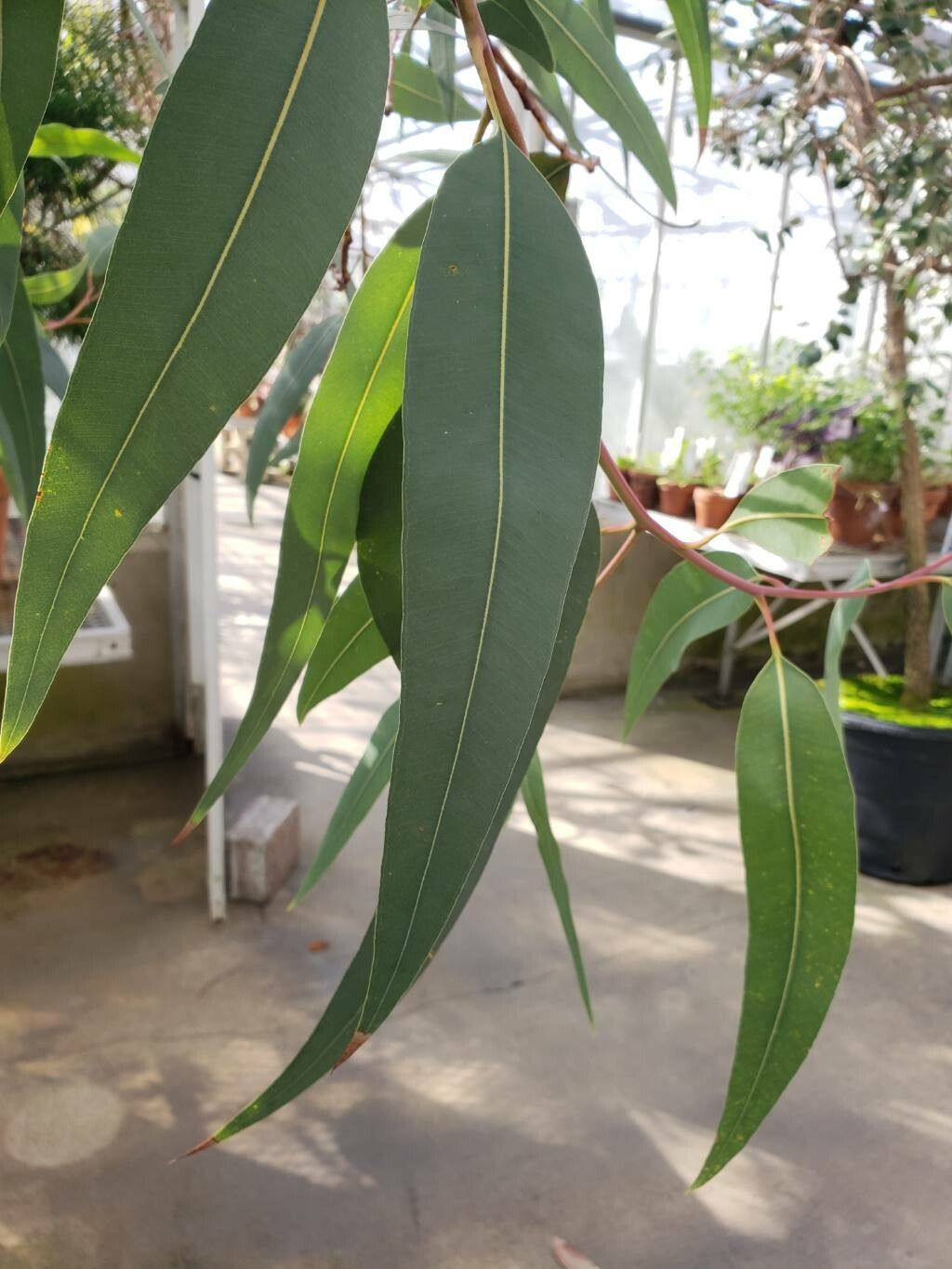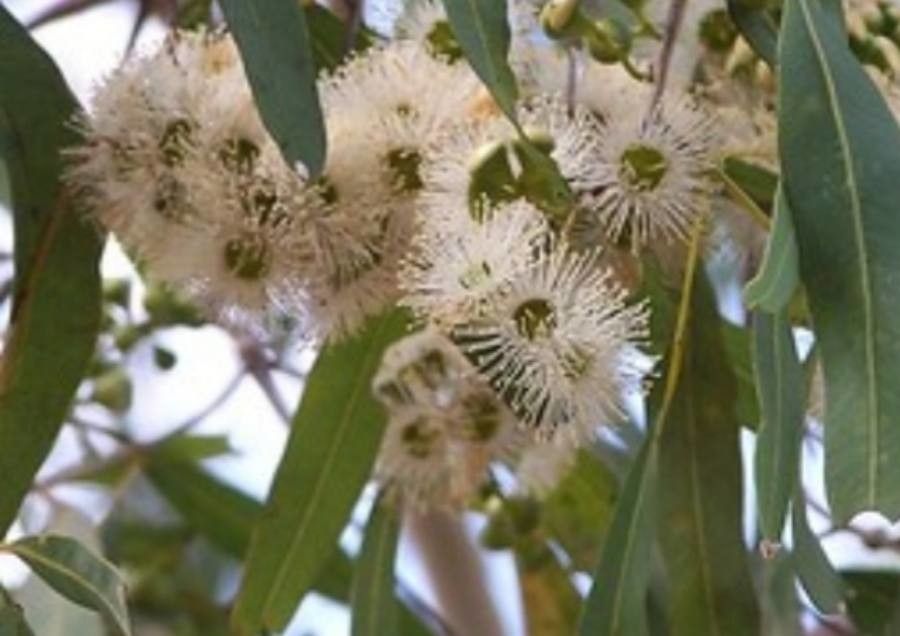
Corymbia tessellaris, commonly known as carbeen or Moreton Bay ash, is a species of tree that is endemic to north-eastern Australia. It has rough, tessellated bark on the lower trunk abruptly changing to smooth, whitish bark above, narrow lance-shaped adult leaves, flower buds in groups of three or seven, white flowers and cylindrical or urn-shaped fruit
Carbeen shows strong resistance to disease and is generally not susceptible to illnesses. Regarding care, this plant is fairly low-maintenance. When grown outdoors it needs little watering, and larger specimens typically do not require pruning. Smaller plants, however, should be pruned after they have bloomed. Carbeent is suitable for anyone with outdoor space, such as a garden or deck, and does not require extensive care experience.
How to keep Corymbia Tessellaris.
Light
Carbeen comes from open areas like sun-filled meadows and the perimeters of forests, where there's plenty of light. It can flourish in complete sunlight but is also capable of surviving in partial sunlight, demonstrating its ability to adjust to different levels of sunlight.
Temperature
Carbeen demonstrates excellent resilience to variations in temperature, withstanding higher temperatures and wider temperature fluctuations. During hot spells, it's critical to ensure adequate hydration and provide suitable shade to avert sunburn. However, Carbeen has a somewhat limited capacity to resist low temperatures. It can survive some cold conditions, but exceptionally low temperatures can result in frost harm.
Fertilizer
Encourage robust development by applying fertilizer to your Carbeen in the beginning of spring. Consistent fertilization boosts overall well-being, leading to dynamic growth, heightened durability in challenging environments, and advanced resistance to diseases and pests. Uphold a designated fertilization routine for your Carbeen to guarantee vivid leaves with rich colors and a flourishing look.
Pruning
Carbeen benefits from early spring pruning that removes dead or diseased branches, encouraging healthy growth. Shape young plants by trimming back any overextended branches. Avoid heavy pruning, as it can cause stress to the plant. Additionally, regularly check for and remove any suckers and water sprouts to enhance the plant's appearance and resistance to disease.
Botanical profile.
- Plant Type
- Tree
- Life Cycle
- Perennial
- Genus
- Corymbia
- Family
- Myrtaceae
- Hardiness Zone
- 10-11
- Mature Height
- 20.12 m to 29.87 m
- Mature Spread
- 10.06 m to 14.94 m
- Leaf Color
- Dark Green, Olive Drab
- Leaf Type
- Evergreen
- Flower Color
- White
- Flower Size
- 1.02 cm to 1.52 cm
- Bloom Time
- Winter
- Planting Time
- Spring, Summer, Autumn
- Harvest Time
- Spring