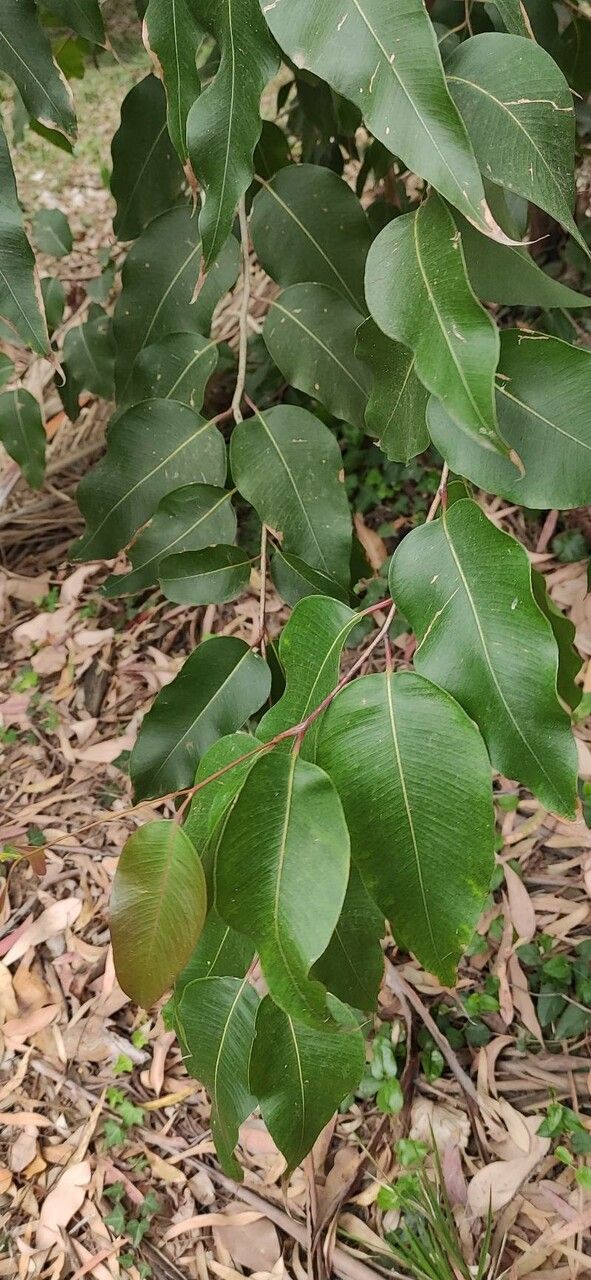
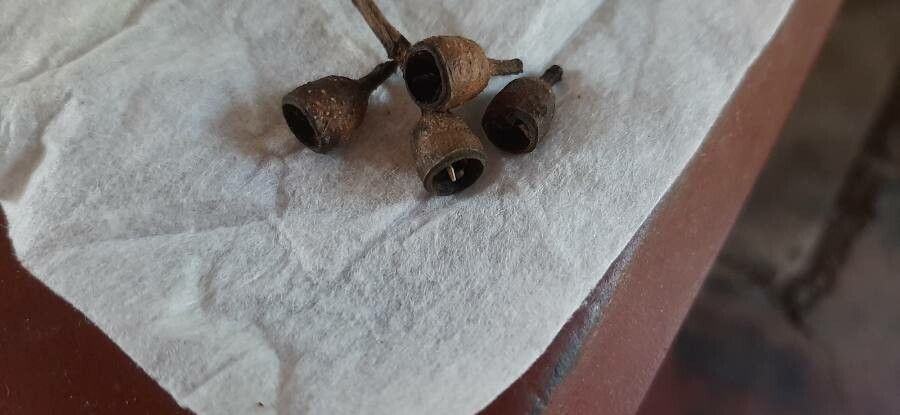
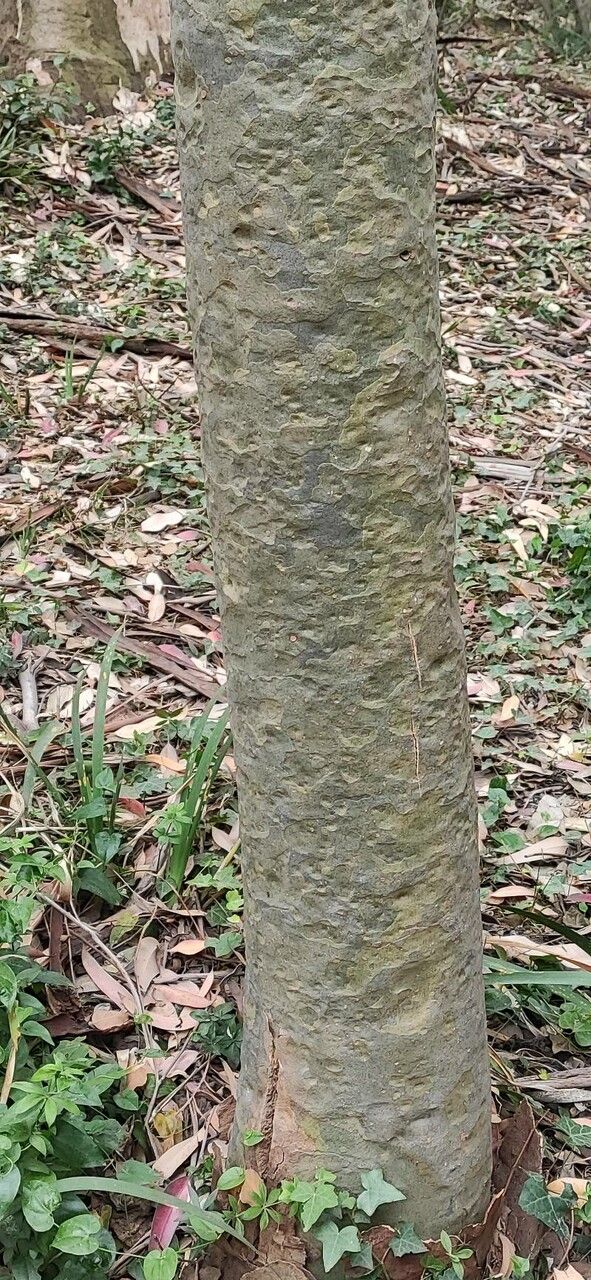
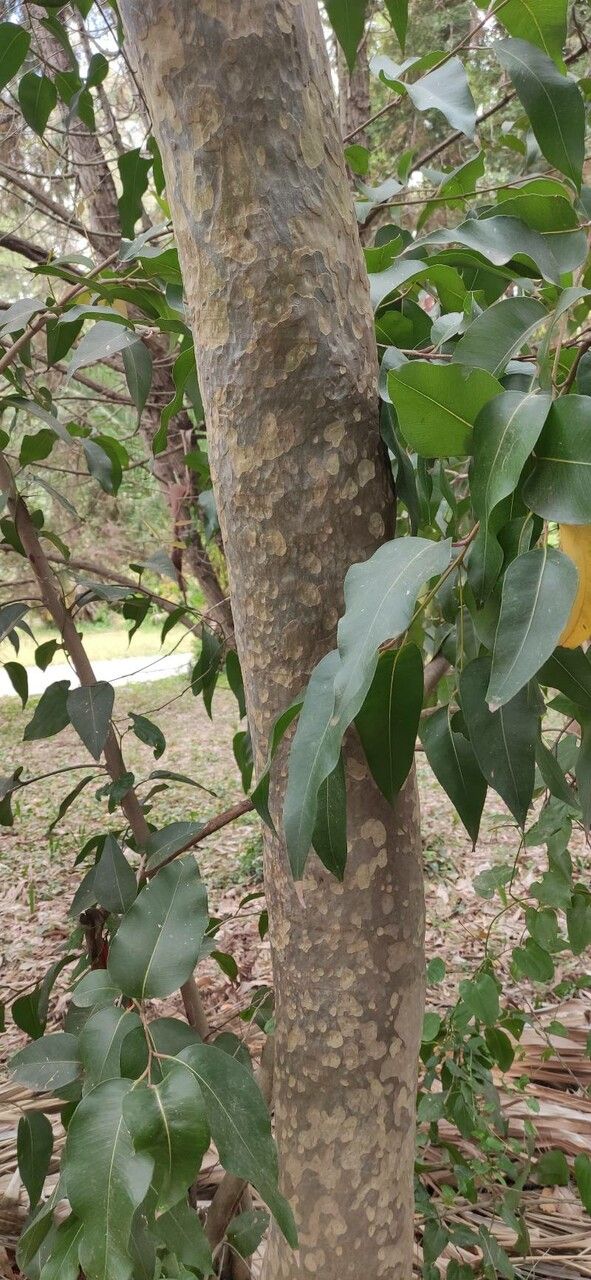
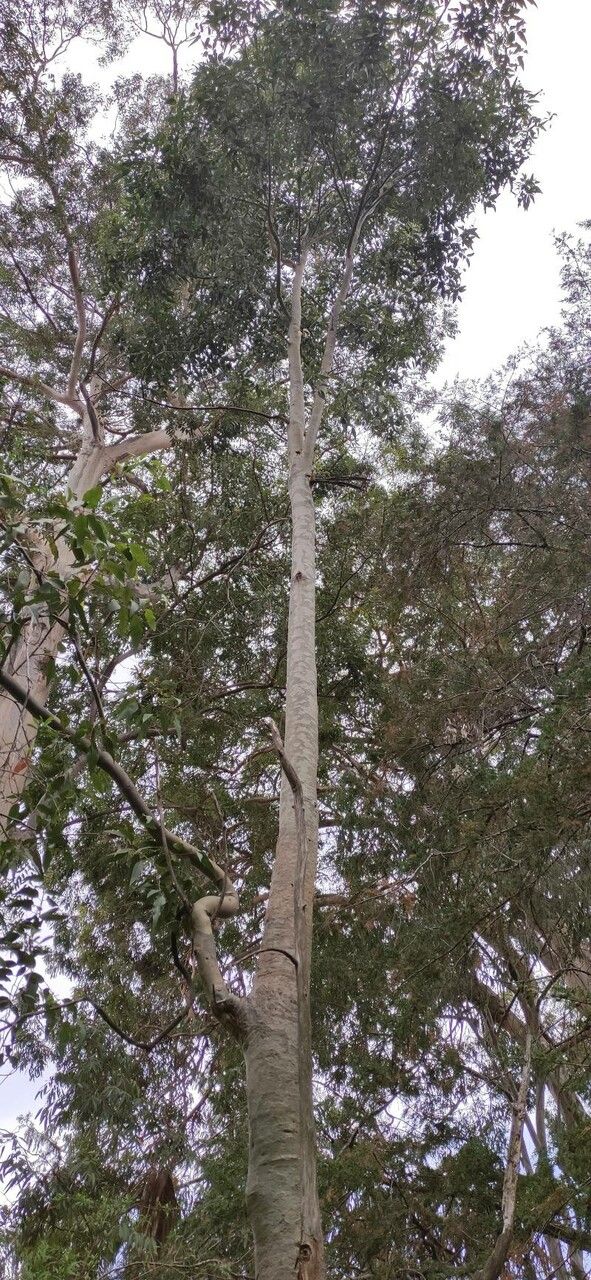
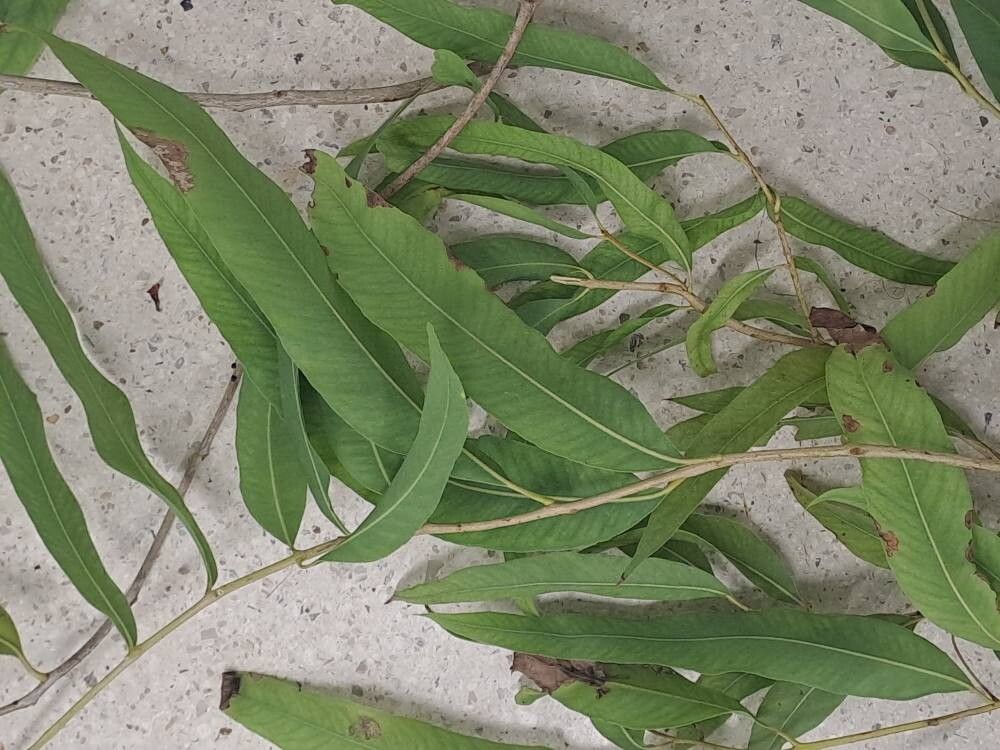
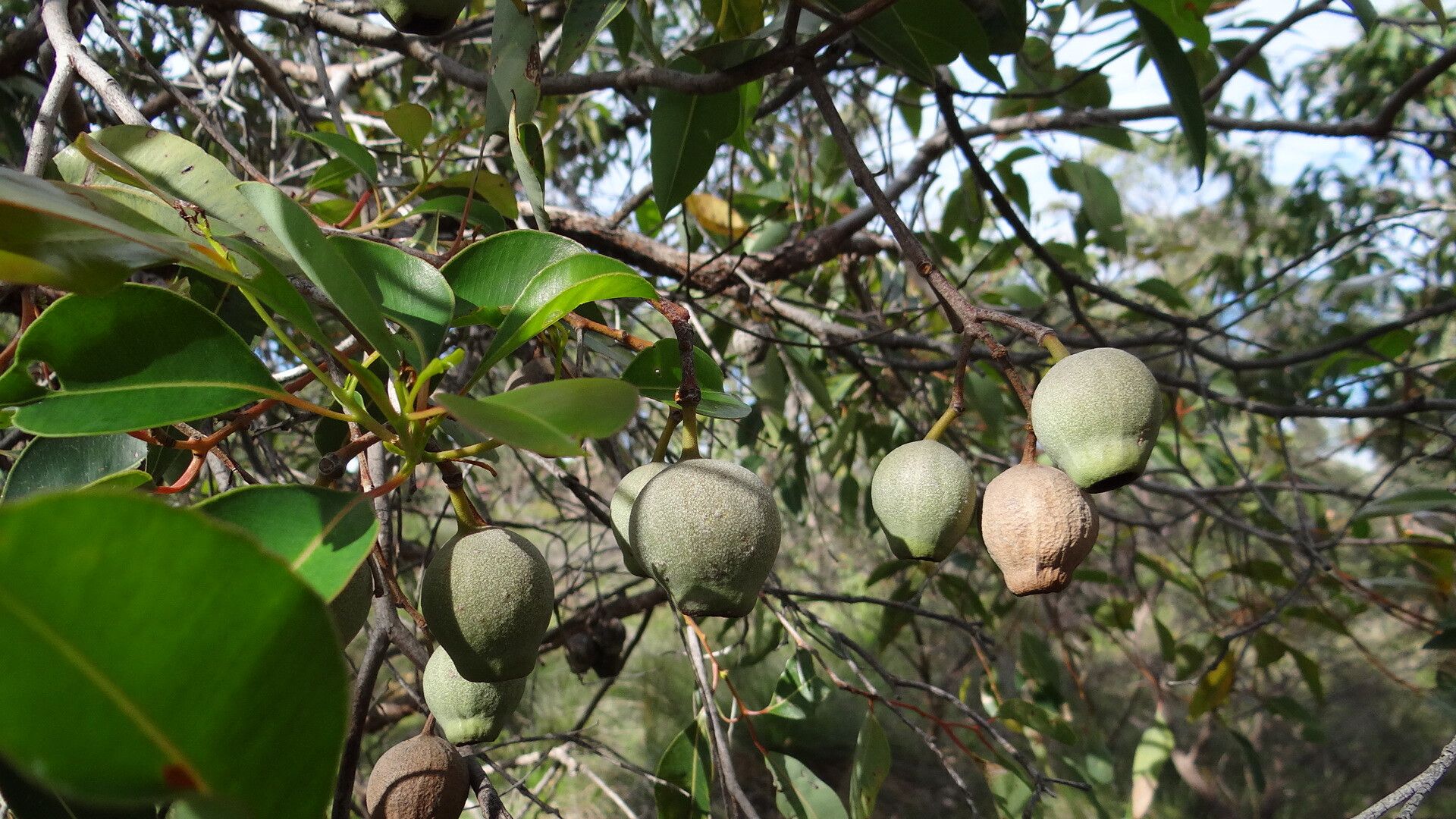
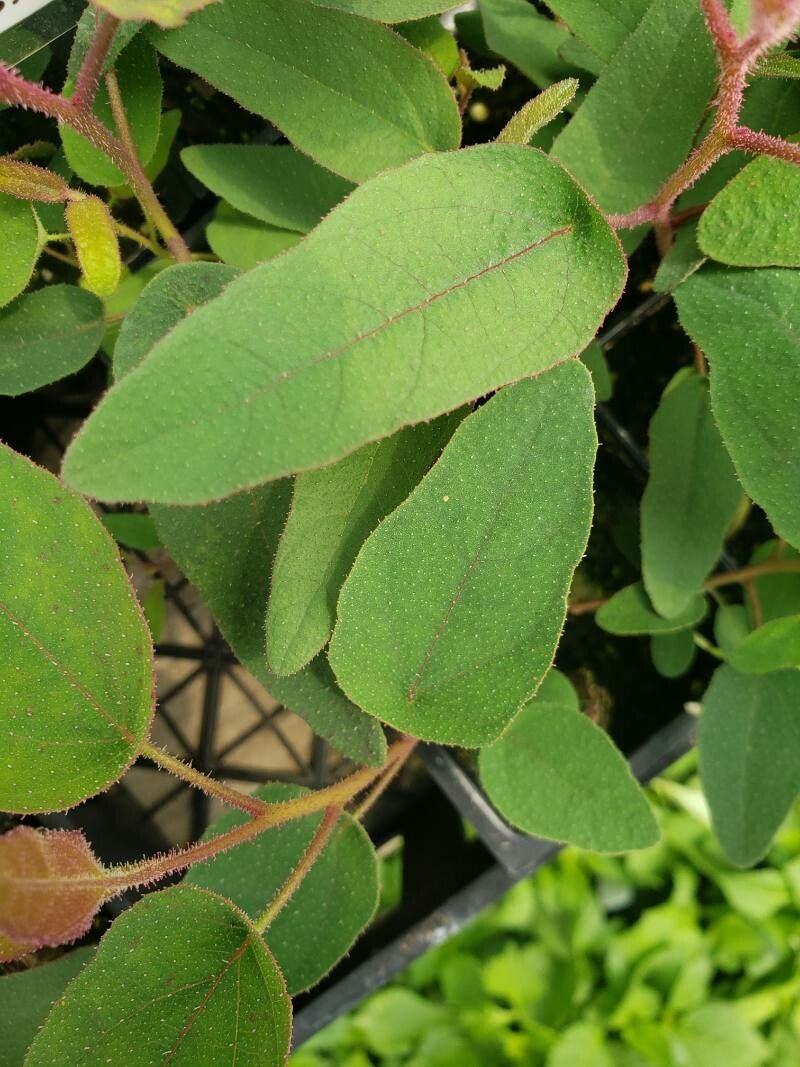
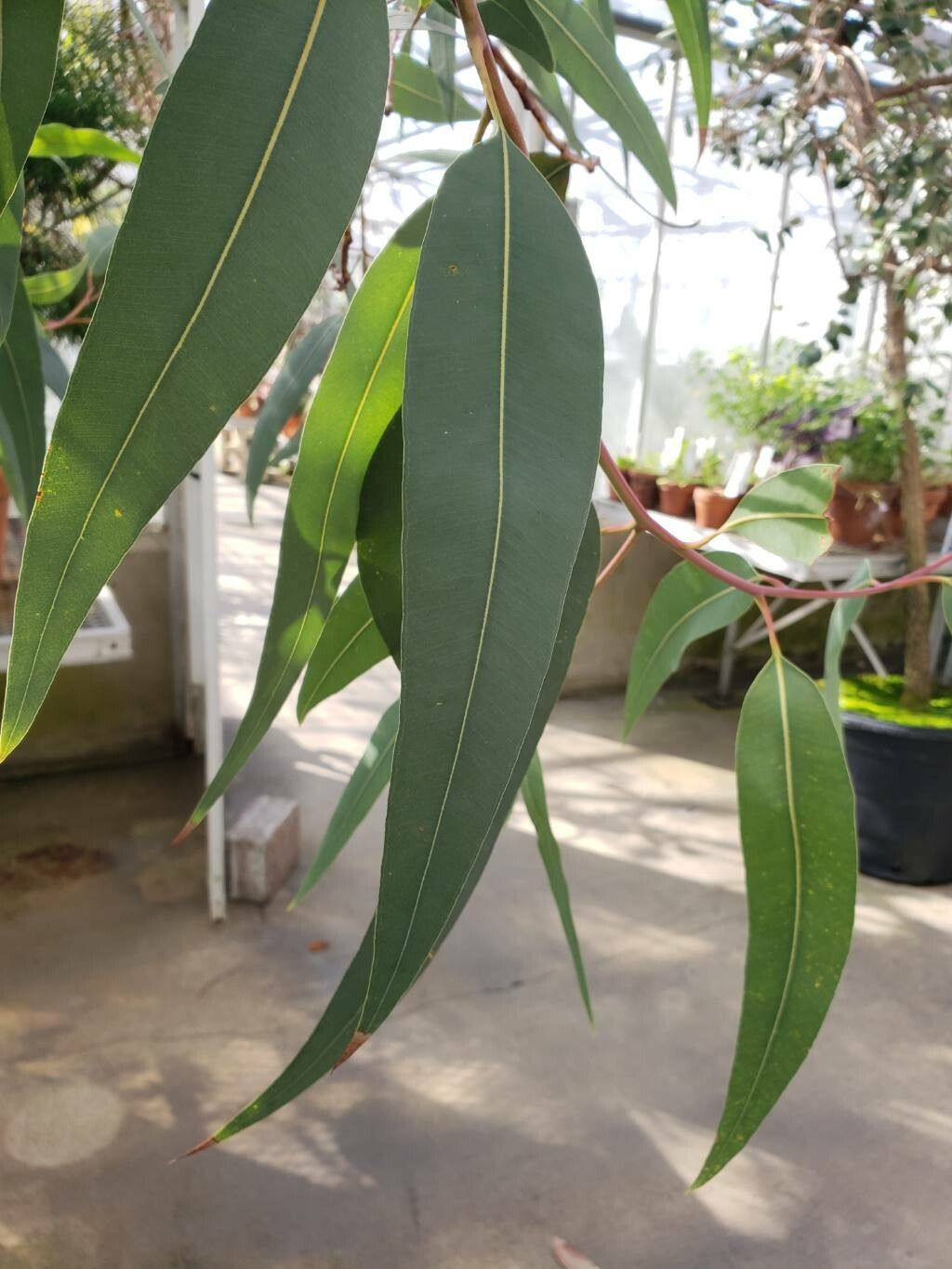
Corymbia maculata, commonly known as spotted gum, is a species of medium-sized to tall tree that is endemic to eastern Australia. It has smooth, mottled bark, lance-shaped to curved adult leaves, flower buds usually in groups of three, white flowers and urn-shaped or barrel-shaped fruit.
Spotted gum is fairly resistant to disease and usually does not get sick. In terms of care, this plant is relatively low-maintenance. When grown outdoors it needs only light watering, and larger specimens generally do not need pruning. Smaller plants, however, should be pruned after they have finished flowering. Spotted gum is suitable for anyone with an outdoor area, such as a garden or deck, and does not require much experience in plant care.
How to keep Corymbia Maculata.
Light
Spotted gum comes from open habitats like sunlit meadows and the edges of forests, which provide abundant light. It prefers Full Sun but can also tolerate Partial Sun, adapting well to different light levels.
Water
Spotted gum thrives in dry, nutrient-poor soils commonly found in Australia. Despite its drought tolerance, it requires watering every 1-2 weeks. This evergreen tree prefers well-draining soil and has consistent water needs throughout the year. This reflects its adaptation to open woodlands where rainfall is infrequent.
Temperature
Spotted gum is reasonably adaptable to temperature, capable of withstanding higher heat and wider temperature fluctuations. In hot weather, care should be taken with watering and supplying adequate shade to prevent sunburn. Its tolerance of low temperatures is comparatively weak; while it can endure some cold, very low temperatures can cause frost damage.
Fertilizer
To encourage healthy growth, fertilize your Spotted gum in early spring. Routine fertilization boosts overall health, producing vigorous growth, increased tolerance to harsh conditions, and stronger resistance to pests and diseases. Keep a consistent fertilization routine for your Spotted gum to maintain bright, deeply colored foliage and a lush appearance.
Pruning
Spotted gum benefits greatly from pruning in early spring. Focus on removing any dead or crossing branches to encourage healthy growth. Additionally, thinning out the interior branches helps improve airflow and sunlight exposure. When pruning, make sure to cut cleanly above the buds; this aids in healing, reduces the risk of infection, and promotes vigorous new growth throughout the plant's growth cycle.
Botanical profile.
- Plant Type
- Tree
- Life Cycle
- Perennial
- Genus
- Corymbia
- Family
- Myrtaceae
- Hardiness Zone
- 9-11
- Mature Height
- 45.11 m
- Mature Spread
- 17.98 m
- Leaf Color
- Green
- Leaf Type
- Evergreen
- Flower Color
- White
- Flower Size
- 1.02 cm to 2.03 cm
- Bloom Time
- Mid winter, Late winter, Early spring
- Planting Time
- Spring, Summer, Autumn
- Harvest Time
- Mid spring, Late spring, Early summer
Other names.