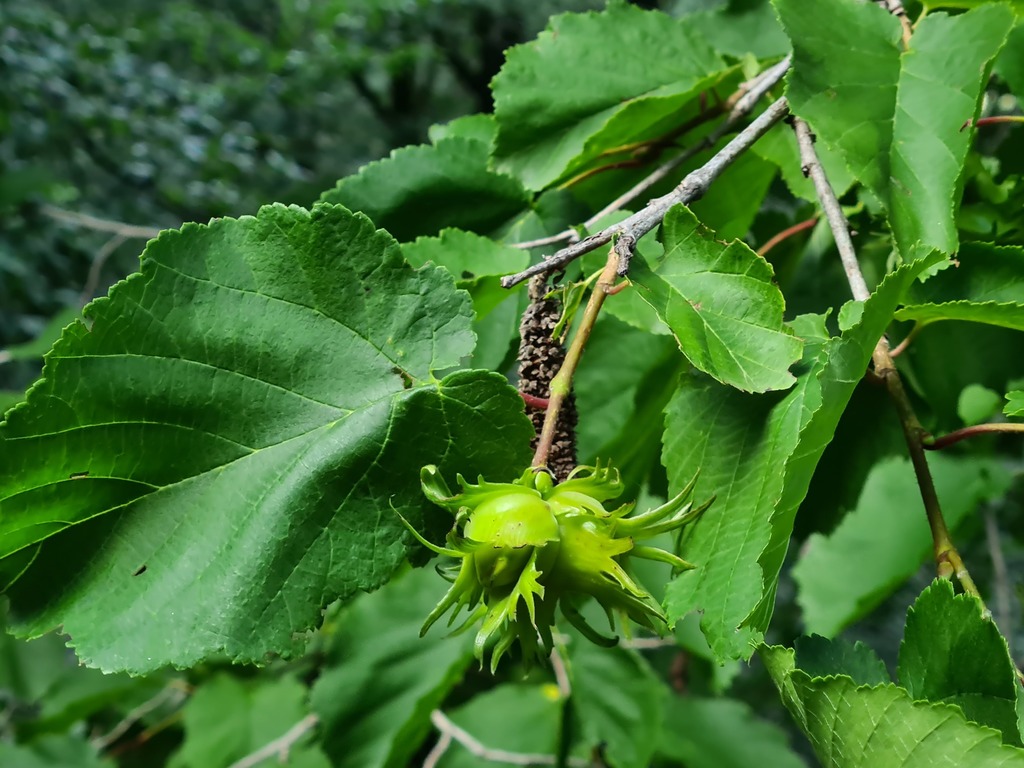
Corylus colurna, commonly known as the Turkish hazel or Constantinople hazel, is a deciduous tree in the Betulaceae family. Native to southeastern Europe and western Asia, it can grow up to 20-30 meters tall. The tree has a broad, rounded crown with smooth gray bark that fissures with age.
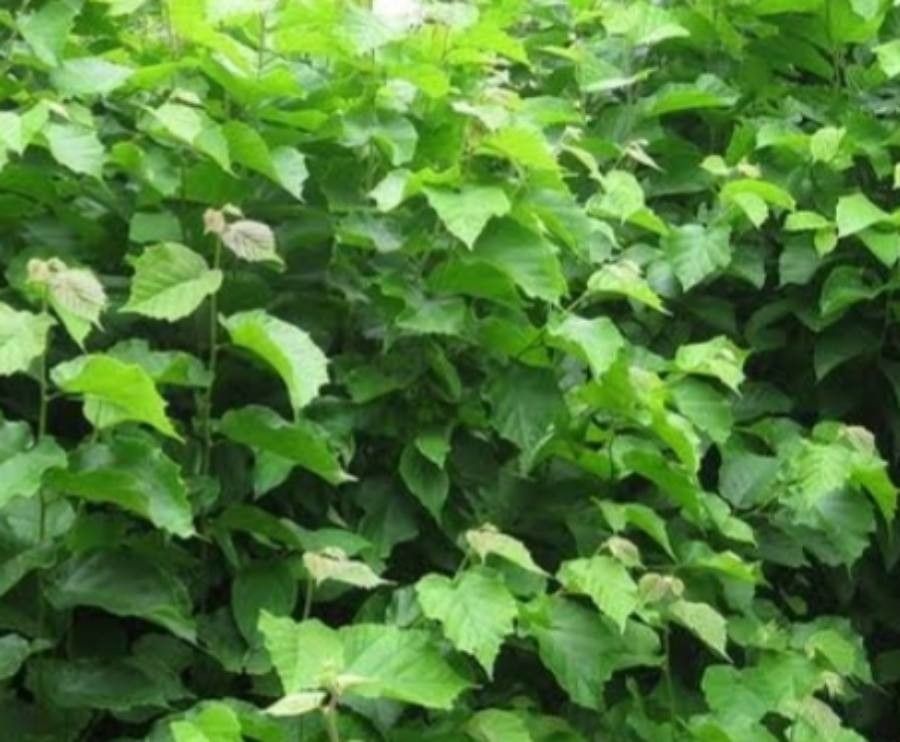
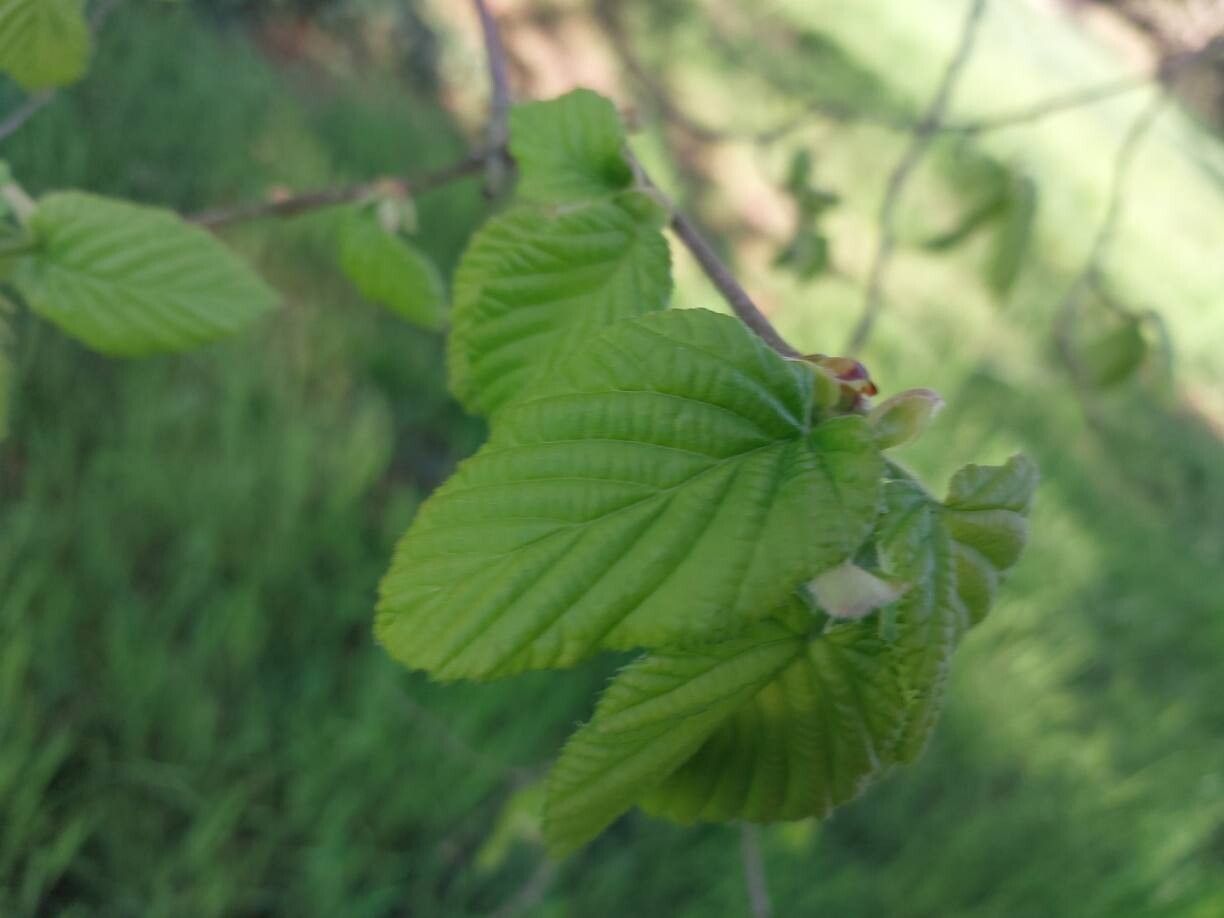
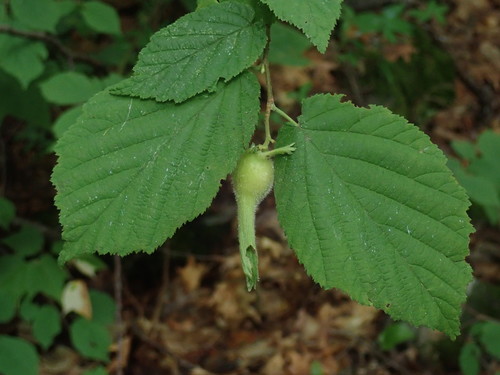
The leaves of the Turkish hazel are alternate, simple, and have serrated edges. They are dark green in the summer and turn yellow in the autumn before they fall. The small, catkin flowers appear in early spring, preceding the emergence of the leaves.
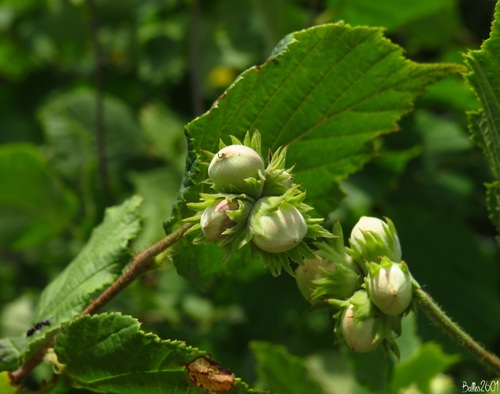
The fruit is a nut encased in a woody husk known as an involucre. These nuts are edible but smaller than those of other hazelnut species.
Corylus colurna is often used as an ornamental tree due to its appealing shape and seasonal foliage color changes. It also has commercial applications, such as timber production and grafting onto other hazelnut species to improve nut yield.
Overall, Corylus colurna is a fascinating plant that offers both aesthetic appeal and practical benefits across various industries.
Turkish hazel is fairly disease-resistant and typically does not suffer from many ailments. In terms of care, this plant is fairly low-maintenance. When grown outdoors it needs only minimal watering, and larger plants usually do not need pruning. Smaller plants, however, should be pruned after they have finished blooming. Turkish hazel is suitable for anyone with an outdoor area, such as a garden or a deck, and does not require much prior care experience.
How to keep Corylus Colurna.
Light
Turkish hazel prefers full exposure to daylight and does well when it receives abundant sunlight. However, it is a hardy plant that can tolerate moderately sunny conditions. Depending on its native habitat, it can thrive in both very bright and moderately lit environments. Nevertheless, too little or too much sunlight can impair its vigorous growth.
Water
The Turkish hazel flourishes in temperate climates and prefers well-drained soils with moderate moisture levels. Once the tree is established, it becomes drought-tolerant and only needs watering about once every three weeks. Applying mulch can help retain moisture during the growing season, making the Turkish hazel well-suited for outdoor cultivation.
Humidity
This plant will thrive in moderate humidity, which is probably the level in your home. However, misting it a few times a week can be very beneficial. Make sure the room has good ventilation.
Temperature
Turkish hazel hails from regions with temperate climates, where temperatures generally fall between 41 and 89.6 °F (5 to 32 ℃). The plant favors these moderate conditions and may require seasonal adjustments if exposed to temperatures that stray significantly from this range.
Fertilizer
To encourage healthy growth, fertilize your Turkish hazel in early spring. Consistent fertilization improves its overall health, producing vigorous growth, increased tolerance of challenging conditions, and enhanced resistance to diseases and pests. Keep a specific fertilization schedule for your Turkish hazel to preserve vibrant foliage with deep color and a lush appearance.
Pruning
To help Turkish hazel thrive, prune it in early spring by removing dead or crossing branches. This improves air circulation and light penetration. Shape the tree to maintain balance, and cut back to healthy buds. Pruning in sync with the tree's seasonal growth promotes health, enhances its appearance, and helps prevent diseases.
Toxicity
Corylus colurna has no toxic effects reported.
Further reading →
The toxicity and danger assessments provided are for reference only. We do not assure their accuracy, so it's crucial not to depend on them. Seek professional advice when necessary for accurate guidance.
Botanical profile.
- Plant Type
- Tree
- Life Cycle
- Perennial
- Genus
- Corylus
- Family
- Betulaceae
- Hardiness Zone
- 4-7
- Mature Height
- 12.19 m to 24.38 m
- Mature Spread
- 7.62 m to 10.36 m
- Leaf Color
- Green
- Leaf Type
- Deciduous
- Flower Color
- Tan
- Flower Size
- 2.54 cm
- Bloom Time
- Mid spring, Late spring
- Planting Time
- Spring, Autumn
- Harvest Time
- Mid summer, Late summer
- Native Area
- Hungary, Turkey, Slovakia, Romania, Montenegro, Iran, Bulgaria, Azerbaijan, Greece, Croatia, Armenia, Albania, Serbia
Other names.
Reader questions.
How should I water my Turkish hazel tree to make it grow best?
To promote excellent root development, it is recommended to water the plant at the base using a garden hose. Avoid spraying the leaves directly, as they may require more water if outdoors and exposed to direct sunlight. Moistening the roots can be done by using bubblers or soaker hoses. When adding or removing plants, use soaker hoses that cover the entire garden or bed to ensure deep root watering. After watering, drain any excess water and allow the soil to dry before watering again. To prevent diseases, it is advised to water at ground level. On a sunny day, it may be beneficial to spray the entire bush with water. Regardless of whether the hazel is potted or in the ground, it is important to remember that it prefers deep watering rather than light sprinkling.
Why should I put fertilizer on my Turkish hazel tree?
No matter the type of Turkish hazel you have, regular fertilization is essential for its overall health. By providing the proper nutrients, it will grow stronger and be better equipped to handle difficult growing conditions, diseases, and pests. It is crucial to maintain the attractive foliage of your Turkish hazel, and fertilization plays a significant role in achieving this. Following a consistent fertilization schedule tailored to your Turkish hazel will encourage the development of deep-colored leaves and a lush appearance.
What are the sunlight requirements for Turkish hazel?
Turkish hazel requires full sun, meaning it thrives with above 6 hours of sunlight, but it can also tolerate partial sun, approximately 3-6 hours of sunlight. It's essential to monitor the movement of sunlight through your garden to find the ideal balance for your plants. Turkish hazel is well-suited for both generously lit environments and moderately sunny conditions, adapting to its native habitat's lighting. However, both insufficient and excessive sunlight could hinder its growth. Observing how your garden's sunlight changes throughout the day will help you choose the best spots for planting.
What is the origin and preferred climate for Turkish hazel?
Turkish hazel, scientifically known as Corylus colurna, originates from temperate environments. It thrives in moderate conditions, favoring temperatures that range from 41 to 89.6 °F (5 to 32 °C). To maintain its health, this plant might need seasonal adjustments if exposed to temperatures outside this preferred range.
What should I do if I give too much or too little water to Turkish hazel?
An overwatered Turkish hazel will display yellow, dropping, and wilting leaves. The plant may also appear dull and unhealthy, with mushy stems. To address these signs, adjust your watering schedule as needed. Wilting can also indicate under watering, with leaves becoming crisp and dry. When the soil is dry and simple watering is not enough, provide a thorough watering in a timely manner. Sufficient water will promote recovery, although the plant may still exhibit dryness and yellow leaves for a few days due to root damage. Once it returns to normal, the yellowing of leaves will cease. Indoors, always check the moisture levels in the pot for Turkish hazel and avoid overwatering. Look out for black spots as a sign of overwatering. In such cases, allow the soil to dry by refraining from watering for a few days. Overwatering can result in root rot, so transfer the plant to a different pot if discolored and slimy roots are observed. Take preventative measures against root rot by avoiding overly wet soil. When planting Turkish hazel outdoors, dig a bit deeper and check the soil's moisture levels. If the soil feels too dry, it may indicate underwatering. Adequate watering is necessary for the plant's recovery.
When should I fertilize my Turkish hazel tree?
To take proper care of your Turkish hazel, start by fertilizing it in late winter or early spring. This will provide essential nutrients for healthy growth once the weather gets warmer. If you live in a warm climate region, it's also a good idea to give your Turkish hazel an additional dose of fertilizer in early fall. This will give it extra nutrients to use in the next growing season and help it withstand winter cold without any foliage damage. Fertilizing earlier will ensure that the new branches have enough time to grow strong before the cold sets in.
How can artificial lighting be used for Turkish hazel indoors?
Indoor Turkish hazel plants can benefit from artificial lighting when natural sunlight is insufficient, especially in winter or less sunny spaces. LED lights are recommended because they can provide specific wavelengths needed for plant growth. Full sun plants require 30-50W/sq ft of artificial light, partial sun plants need 20-30W/sq ft, and full shade plants require 10-20W/sq ft. The artificial light should be placed 12-36 inches above the plant to mimic natural sunlight and turned on for 8-12 hours per day, depending on the plant species' needs.
Does Turkish hazel require frost protection measures during winter?
Turkish hazel is exceptionally cold-tolerant and does not need additional frost protection in winter. However, it is advisable to water the plant generously before the first freeze of autumn. This preparation ensures the soil stays moist and freezes in that state, helping to prevent drought and water scarcity for the plant during the cold months and early spring.
How frequently do I need to water my Turkish hazel tree?
To properly care for Turkish hazel plants, it's important to provide deep and infrequent waterings. When planted in pots, soak them with a gallon of water each time, as the limited water storage in pots causes the soil to dry out more quickly. In colder regions, watering is needed every 3 to 5 days. It's best to water early in the morning when the soil is dry, both indoors and outdoors. You can also check the soil moisture by examining the top 2-3 inches of soil; if it's dry, it's time to water. During hot days, monitor the moisture daily, as the heat can rapidly dry out the soil. For garden plants, irrigation is also necessary. In hot climates, watering once a week is sufficient. Only water when the top 2 to 3 inches of soil are dry. Take into account rainfall levels and avoid overwatering to prevent root rot. Turkish hazel tends to grow in spring and fall, so adding a 3 to 4-inch layer of mulch when planted outdoors will help conserve water. Sandy soil requires more frequent watering, whereas clay soil needs less frequent watering (every 2-3 days). To keep track of watering, mark the dates on the calendar and pay attention to signs of drooping leaves, which may indicate that watering is needed.
When is the best time to not add fertilizer to my Turkish hazel plant?
There are a few instances when you should avoid fertilizing your Turkish hazel. Firstly, during the early and mid-winter months when the plant is dormant and does not require feeding. Additionally, it is not recommended to fertilize the plant during late spring and summer. These seasons are usually hotter and drier, which can adversely affect the hazel's response to fertilization. To prevent any problems, it's best to stick to a fertilization schedule that only includes feeding in early spring and early fall.
What are some common symptoms of improper lighting for Turkish hazel?
Turkish hazel may show various symptoms if it doesn't receive appropriate lighting. Symptoms of light deficiency include smaller new leaves, leggy or sparse growth, faster leaf drop, and slower or no new growth because of the plant entering survival mode. Insufficient sunlight can cause lighter-colored new leaves or chlorosis, where leaves lose their green color. Excessive sunlight might result in sunscald, leaf curling, wilting, or leaf scorching, showing the plant's struggle with the intensity of light exposure.
What should be done if Turkish hazel experiences temperatures below -30°C?
Should the winter temperature drop below -30°C, Turkish hazel, despite its high cold tolerance, may not show immediate changes but its branches could become brittle and dry come spring, with no new shoots emerging. The recommended solution is to prune away any dead branches that fail to produce new leaves in the spring.