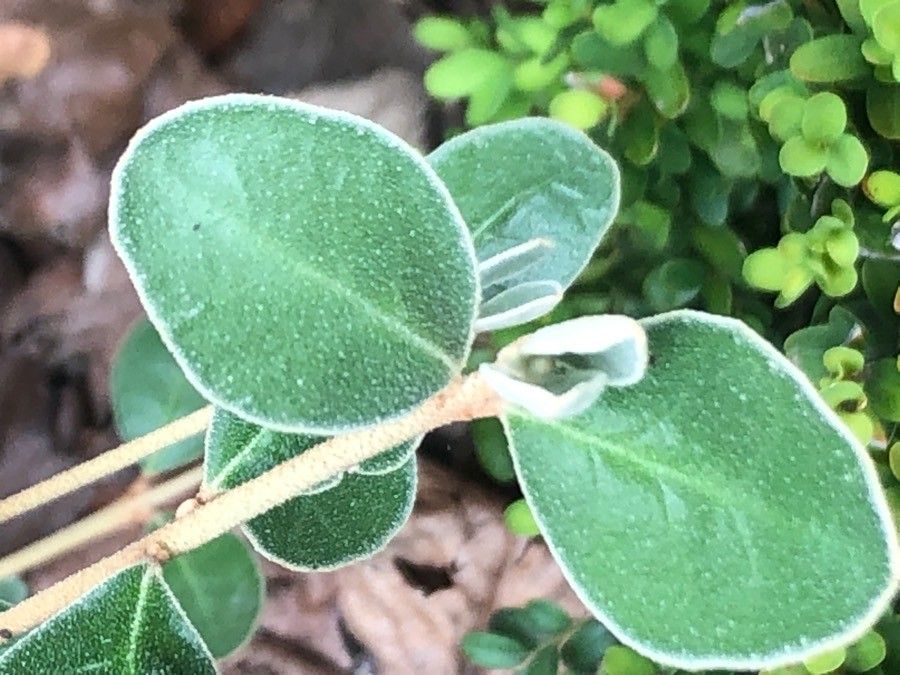
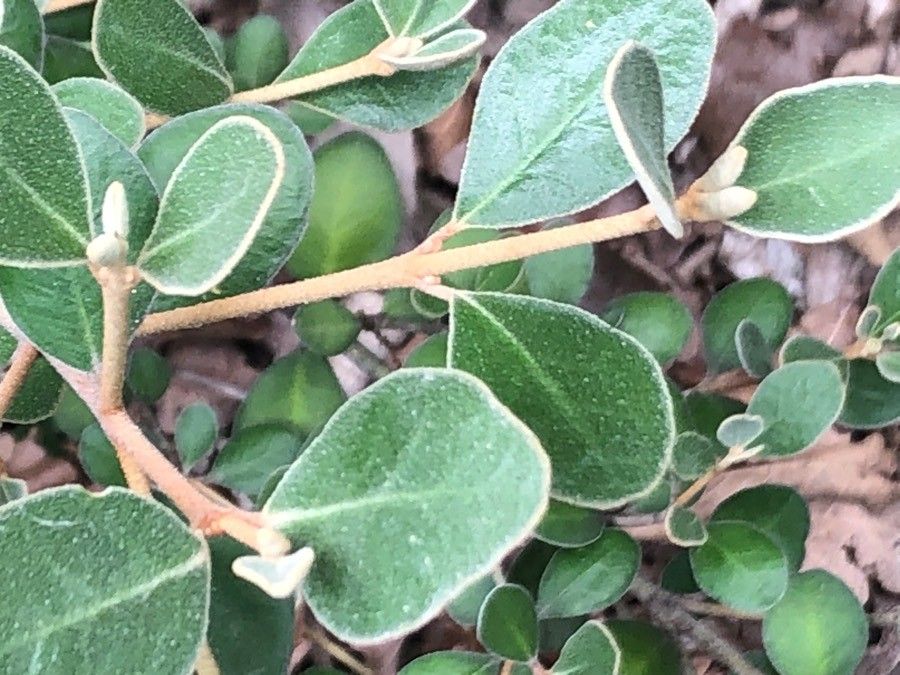
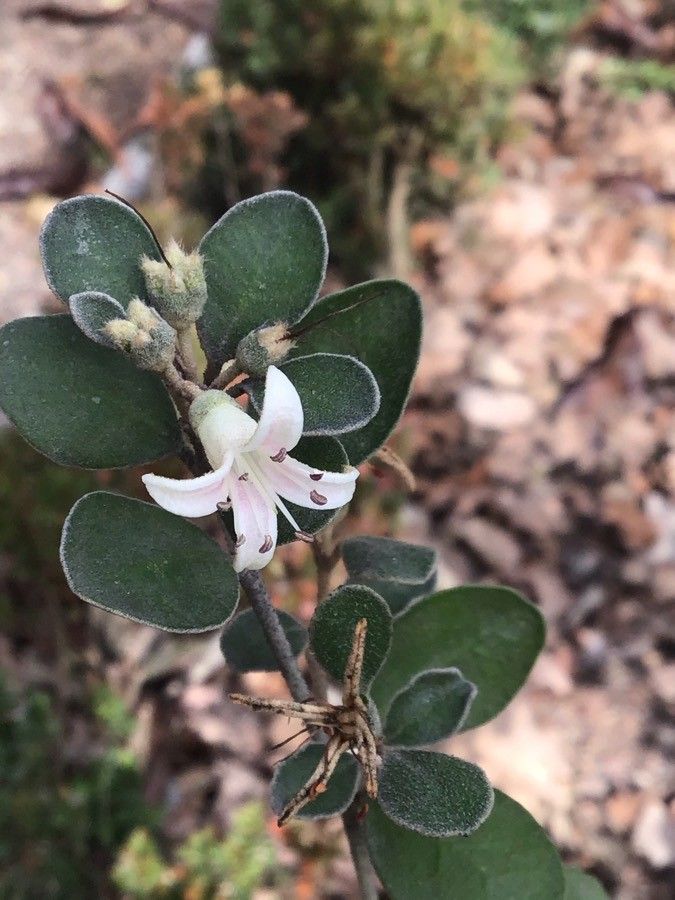
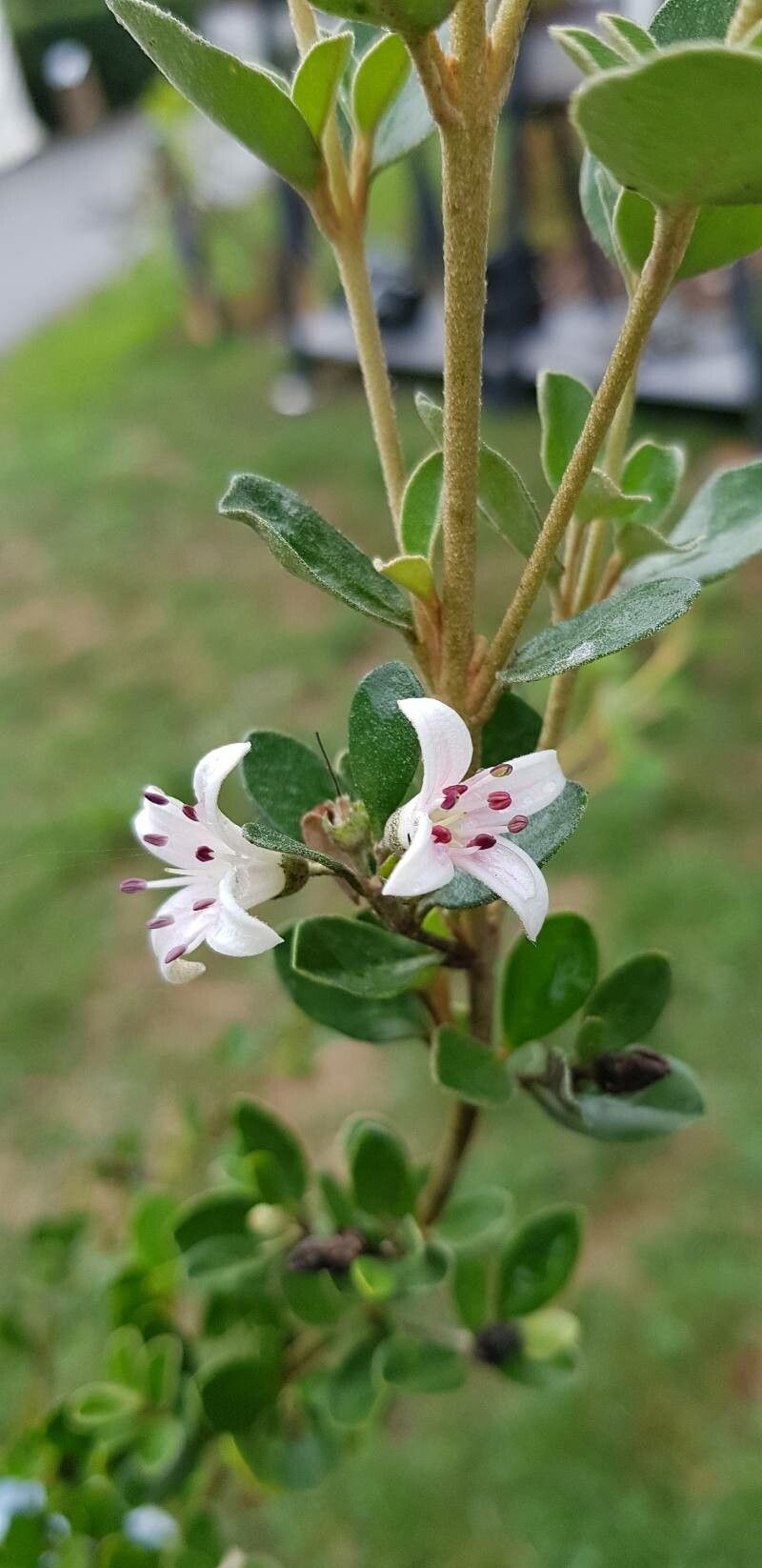
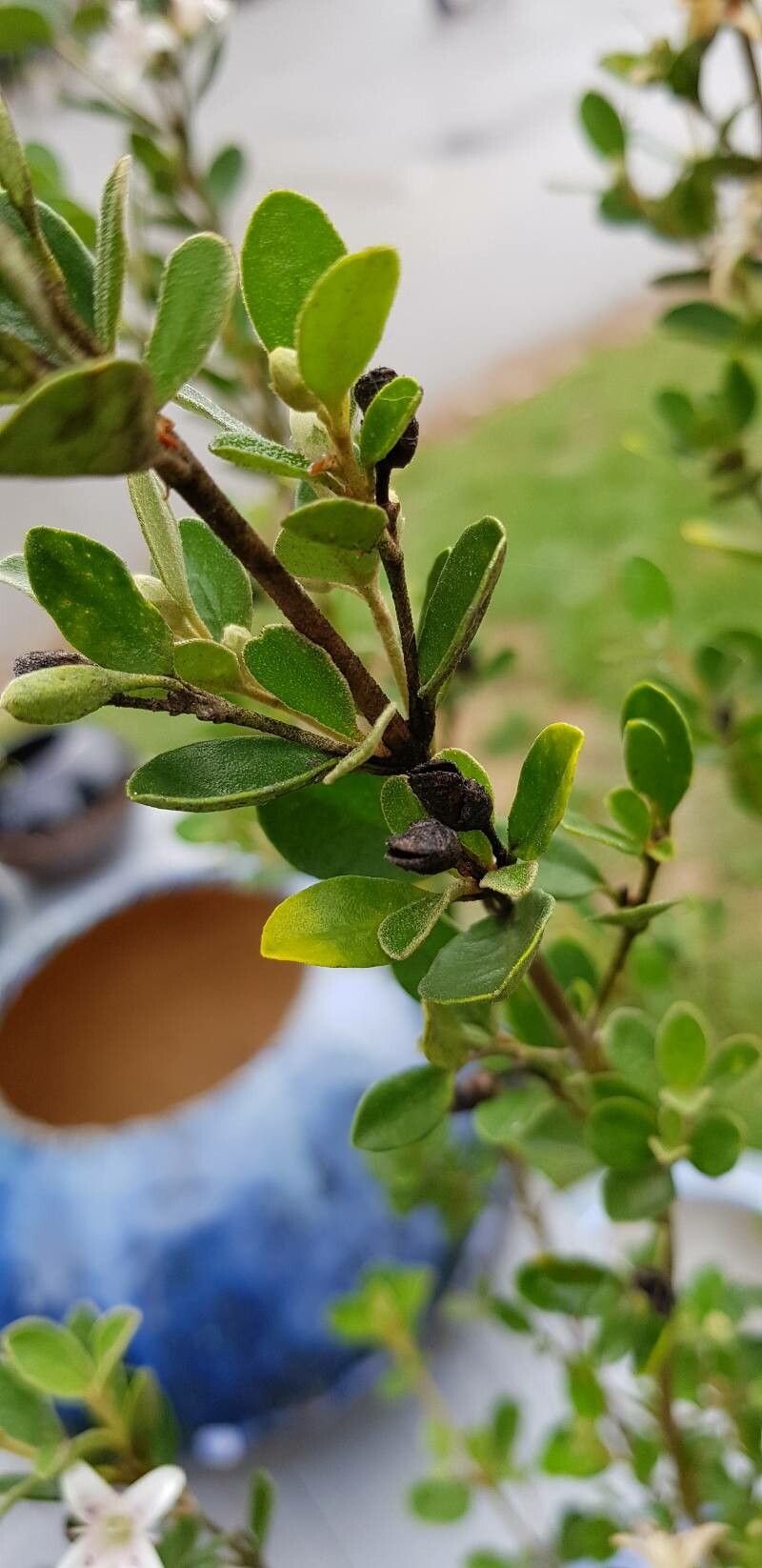
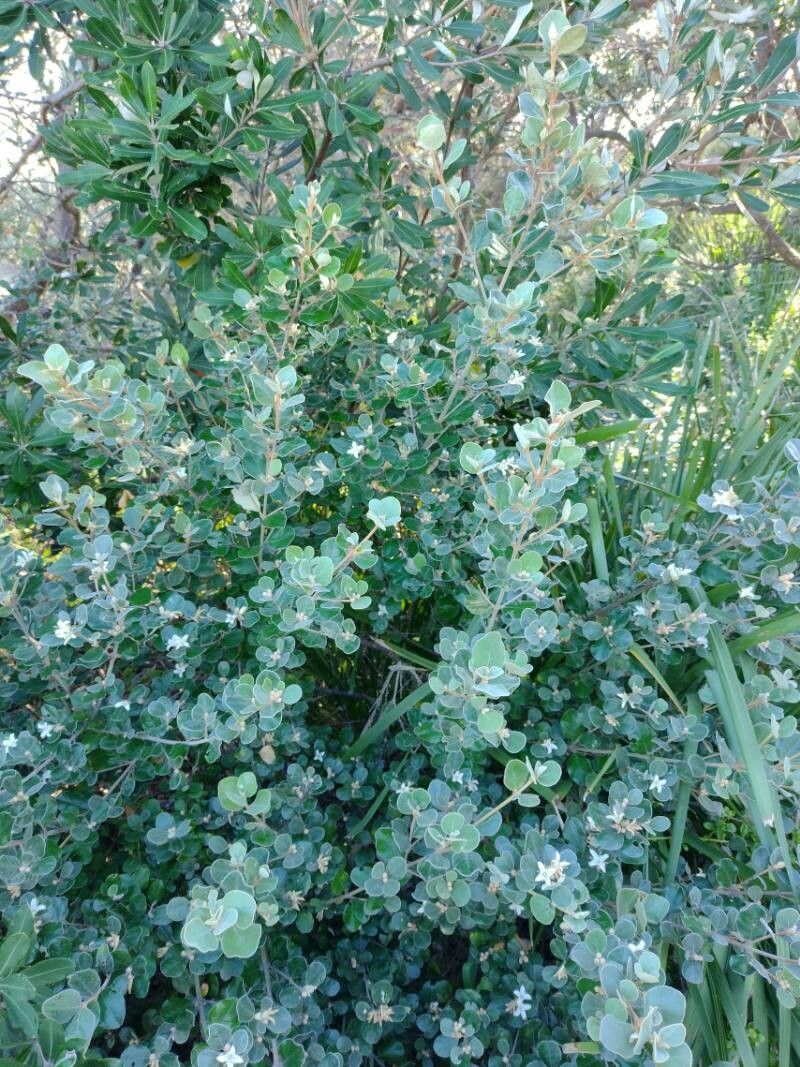
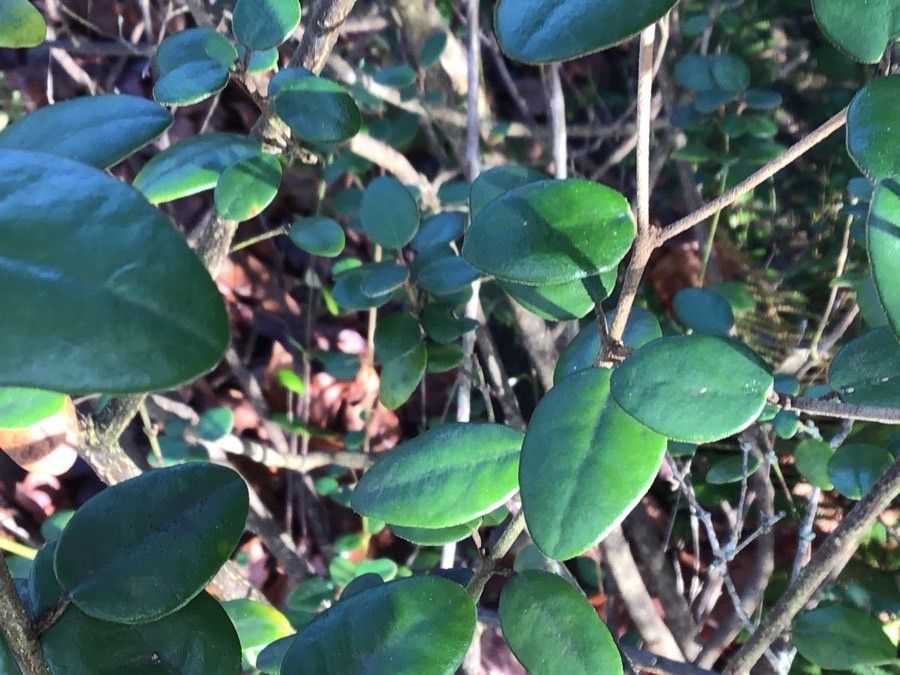
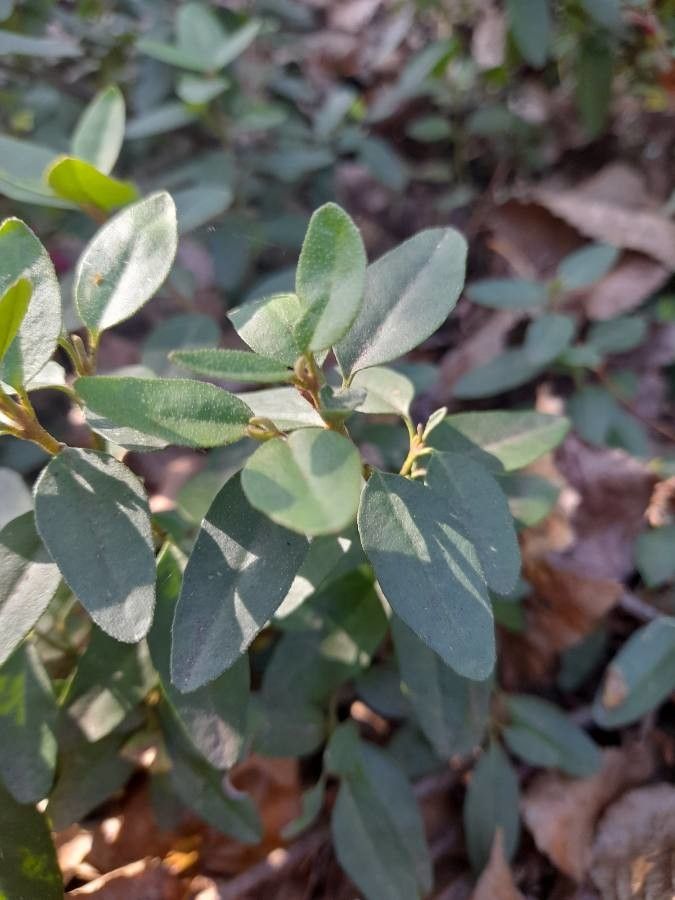
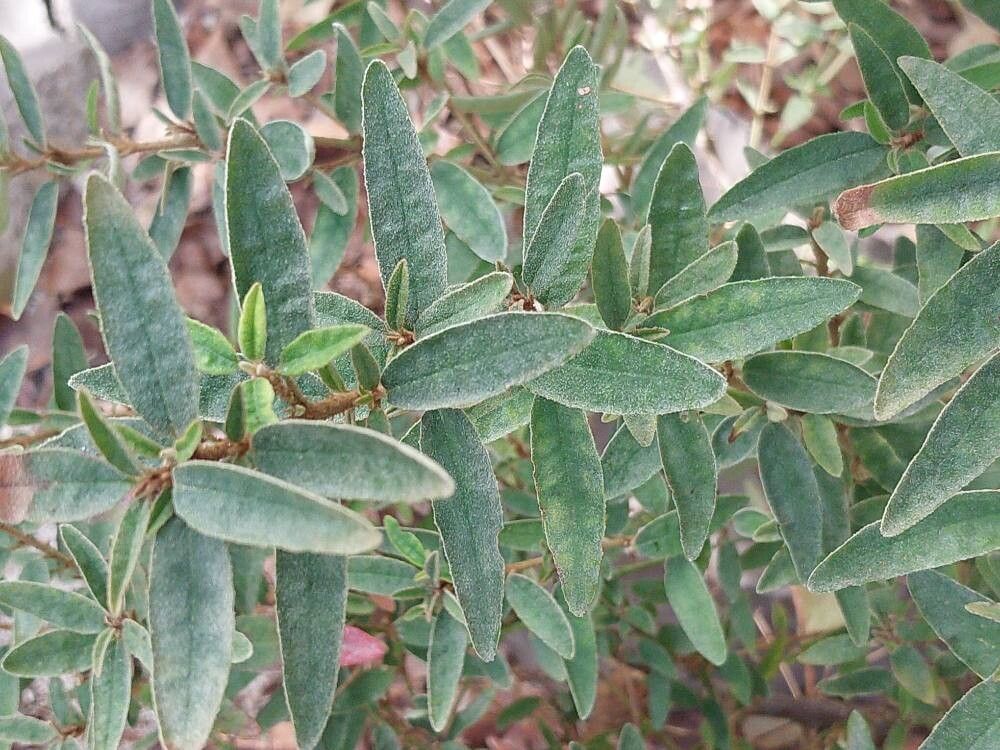
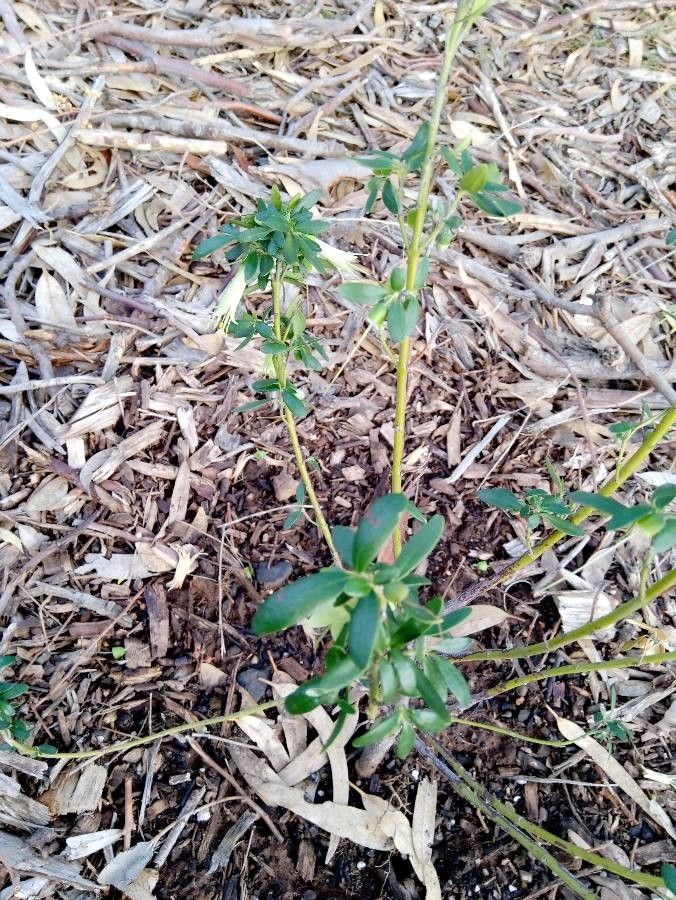
Correa alba, commonly known as white correa, is a species of shrub that is endemic to south-eastern Australia. It has egg-shaped to more or less circular leaves, erect white flowers arranged singly or in groups on short side branches, and green fruit.
White correa is resistant to disease and generally not susceptible to illnesses. Regarding care, this plant is fairly low maintenance. When grown outdoors it needs only light watering, and larger plants typically do not require pruning. Smaller plants, however, should be trimmed after they have finished blooming. White correa is suitable for anyone with outdoor space, such as a garden or a deck, and does not demand extensive gardening experience.
How to keep Correa Alba.
Light
White correa does best in strong light similar to a clear, unobstructed day. This amount of illumination encourages vigorous growth and boosts its vitality. Too little light can limit growth, while too much can cause discolouration. Its need for abundant sunlight reflects the conditions of its native habitat.
Water
The white correa thrives in well-drained soils with moderate humidity and consistent moisture. Although it can withstand drought, watering it every two weeks promotes optimal growth. As an evergreen plant, maintaining stable soil moisture helps keep its foliage lush all year round.
Temperature
White correa prefers temperatures from 59 to 100.4°F (15 to 38°C) and is suitable for areas that replicate its natural climate. In colder seasons, protection should be applied.
Fertilizer
Timing matters when feeding White correa. Apply fertilizer in early spring and continue monthly until early summer. Fertilizer promotes attractive blooms and supplies energy during both dormant and active growth phases.
Pruning
The white correa is a beautiful shrub known for its distinctive white blooms and dense foliage. To keep the plant healthy and attractive, prune it in early spring. This will help remove dead branches and shape the plant, promoting growth and more blooms. Make sure to use clean, sharp tools for precise cuts, which will help maintain the white correa's compact form and structural integrity.
Pot & Repot
Repot white correa every 2-3 years in early spring to encourage root growth and ensure good drainage. Use a medium-sized pot for optimal results. After repotting, place the plant in bright, indirect light and water it moderately. Avoid fertilizing for one month to promote vigorous regrowth and maintain the plant's overall health.
Botanical profile.
- Plant Type
- Shrub
- Life Cycle
- Perennial
- Genus
- Correa
- Family
- Rutaceae
- Hardiness Zone
- 8-11
- Mature Height
- 1.52 m
- Mature Spread
- 1.52 m
- Leaf Color
- Green
- Leaf Type
- Evergreen
- Flower Color
- White
- Flower Size
- 1.02 cm to 1.27 cm
- Bloom Time
- Winter, Early spring, Mid spring
- Planting Time
- Winter, Spring, Summer
- Harvest Time
- Spring
Other names.
Reader questions.
How should I water my White correa plant for best results?
Your White correa is not picky about how you water it, so you can use any common watering tool. Watering cans, hoses, or even cups will work fine. Regardless of the tool you choose, it's important to water the soil directly and make sure all areas are moistened evenly to support the root system. Using filtered water is recommended as tap water can have harmful particles. It's also helpful to use water at or slightly above room temperature as very cold or hot water can shock the White correa. However, this plant typically responds well to any kind of water.
Why should I put fertilizer on my White correa plant?
Fertilizing a White correa is important for several reasons. Firstly, it helps the plant produce beautiful blooms. To ensure excellent flowers in the spring, it is best to fertilize in early spring. Additionally, fertilizer provides the correa with ample energy during its dormant growth phases. By giving it extra nutrients during fall planting or late spring, the correa can store more energy to use when active growth resumes.
What are the sunlight requirements for White correa (Correa alba)?
White correa (Correa alba) thrives in full sun, which means it requires above 6 hours of sunlight each day to flourish. It's crucial to observe how sunlight moves through your garden to pick spots offering the right balance of light and shade, ensuring the plant's well-being. The goal is to mimic the open, unobstructed daylight it would experience in its native habitat, which promotes robust growth and vitality. Exposure to either too little or too much light can inhibit its growth or cause discolouration, respectively. When natural sunlight is not sufficient, especially during the winter or in less sunny spaces, artificial lighting can be a viable alternative. It’s recommended that indoor plants under artificial light receive between 10-50W/sq ft, depending on their specific needs, with the light source placed 12-36 inches above the plant for 8-12 hours per day.
What are the ideal temperature conditions for White Correa?
White Correa thrives in temperatures ranging from 59 to 100.4°F (15 to 38°C), making it suitable for locations that can mimic its natural climate preference. The plant exhibits some degree of cold tolerance and generally does not necessitate any special care when temperatures remain above -5°C. However, in the colder seasons or when temperatures are anticipated to drop below -5°C, it is essential to provide temporary cold protection, such as wrapping the plant with plastic film, fabric, or similar materials. These protective measures should be promptly removed once temperatures rise again.
What should I do if I give my White correa too much or too little water?
Outdoor plants, particularly newly planted ones or seedlings, are prone to lack of watering. It's important to remember to water them adequately for the first few months when they are small or just planted. Once the roots are established, White correa plants can rely on rain most of the time. When White correa plants are in pots, overwatering is more likely to happen. If you accidentally overwater your plant, there are steps you can take to fix the situation. First, stop watering the plant right away to minimize the impact of overwatering. Then, remove the plant from its pot to check the roots. If there are no signs of root rot, you can return the plant to the container. However, if root rot is present, trim the affected roots and consider applying a fungicide to prevent further damage. Lastly, repot the White correa in well-draining soil. In the case of underwatering, simply water the White correa more frequently. This is usually an easy fix, as the leaves will droop, dry out, and fall off when the plant is underwatered. Once sufficient watering is provided, the leaves will quickly regain their fullness. It's important to adjust your watering frequency as soon as you notice signs of underwatering.
When should I fertilize my White correa plant?
To ensure effective fertilizing of White correa, timing is crucial. Applying fertilizer too early, when the plant is still dormant, will result in wastage and pollution as the fertilizer will be washed away by rainwater. It is recommended to apply the first dose of fertilizer in early spring and continue with monthly applications until early summer.
What are the symptoms of incorrect lighting for White correa?
White correa shows several symptoms when the lighting conditions are not optimal. These include smaller new leaves compared to mature ones, leggy or sparse growth, faster leaf drop, slower or no new growth, lighter-colored new leaves, chlorosis (yellowing leaves), sunscald (damage from intense light exposure), leaf curling as a defense against excessive sunlight, wilting from water loss, and leaf scorching characterized by brown, dry edges or patches on leaves. Such symptoms indicate the plant's struggle with either too little or too much light exposure.
How does White Correa respond to low temperatures, and what measures should be taken?
White Correa has a moderate tolerance to low temperatures, with optimal growth occurring when temperatures are above 15°C. The plant should be kept above -5°C during winter. If temperatures fall below -10°C, you may notice the leaves drooping, which could lead to wilting and leaf drop in severe cases. To protect the plant from frost damage and cold winds, trim the frost-damaged parts and wrap the plant with non-woven fabric or cloth. Additionally, constructing a wind barrier can offer further protection against cold winds.
How frequently do I need to water my White correa?
To properly care for your outdoor plants, it's important to consider the amount of rainfall in your area. If there is a lack of rainfall, you should provide adequate watering every 2 weeks in the spring and fall, and more frequently in the summer. During winter, when plant growth slows down, you can reduce the amount of water given. In fact, you may not need to water at all during this time. Young or newly planted White correas require more frequent watering to help them establish and become more adaptable to drought conditions. When it comes to potted plants, there are two main approaches to determine watering frequency. One option is to follow a set schedule, such as once every week or every other week. However, this may not always be suitable as it doesn't take into account the specific growing conditions of your White correa. Another approach is to monitor the soil moisture and only water when the top two to four inches of soil have dried out completely. This is typically about one-third to half the depth of the pots. Adjusting the watering frequency based on the season is also important, as the plant's water needs increase during the summer.
When is it bad to put fertilizer on my White correa plant?
To ensure optimal blooming, it is important to provide White correa with a fertilizer that is not high in nitrogen. Preferably, choose a fertilizer that has lower nitrogen levels compared to other nutrients. It is advisable to refrain from fertilizing White correa after early autumn as excessive growth right before winter can be problematic. Additionally, avoid fertilizing during hot and dry periods as dry soil is not as effective at delivering nutrients, and fertilizer application during this time can stimulate growth that requires more water, which may be unavailable. It is best to apply fertilizer earlier in the season when temperatures are cooler. Lastly, keep in mind that White correa can absorb fertilizer from nearby plants or lawns, so ensure that you do not inadvertently give the tree or shrub an excess of fertilizer.
How can I address lighting issues for White correa?
To address lighting issues for White correa, start by gradually moving the plant to a location where it can receive at least 6 hours of direct sunlight daily. For indoor plants, use a south-facing window and keep curtains open during the day. If the plant is large or not easily movable, consider providing additional light through artificial sources, keeping on a lamp for at least 8 hours a day or investing in professional plant grow lights. For outdoor plants, ensure a gradual adjustment to sunnier spots to avoid sunburn. If trees or other obstructions block natural light, prune them to allow more sunlight through. For smaller plants that can be moved, consider transplanting during their dormant period (late winter or early spring) to a sunny location with good drainage. Note that parts affected by insufficient sunlight may not recover, but new growth should be healthy with improved light exposure.
How does White Correa respond to high temperatures, and what are the recommended solutions?
During summer months, it is best to keep White Correa below 38°C to prevent heat stress. Temperatures exceeding 43°C can cause the leaves to lighten in color, dry and wither at the tips, curl, and increase the risk of sunburn. To mitigate damage from high temperatures, trim away sunburned and dried parts of the plant. Moving the plant to a shaded location, especially during the midday and afternoon sun, or using a shade cloth can provide necessary protection. Ensure the soil remains moist by watering the plant in the morning and evening.