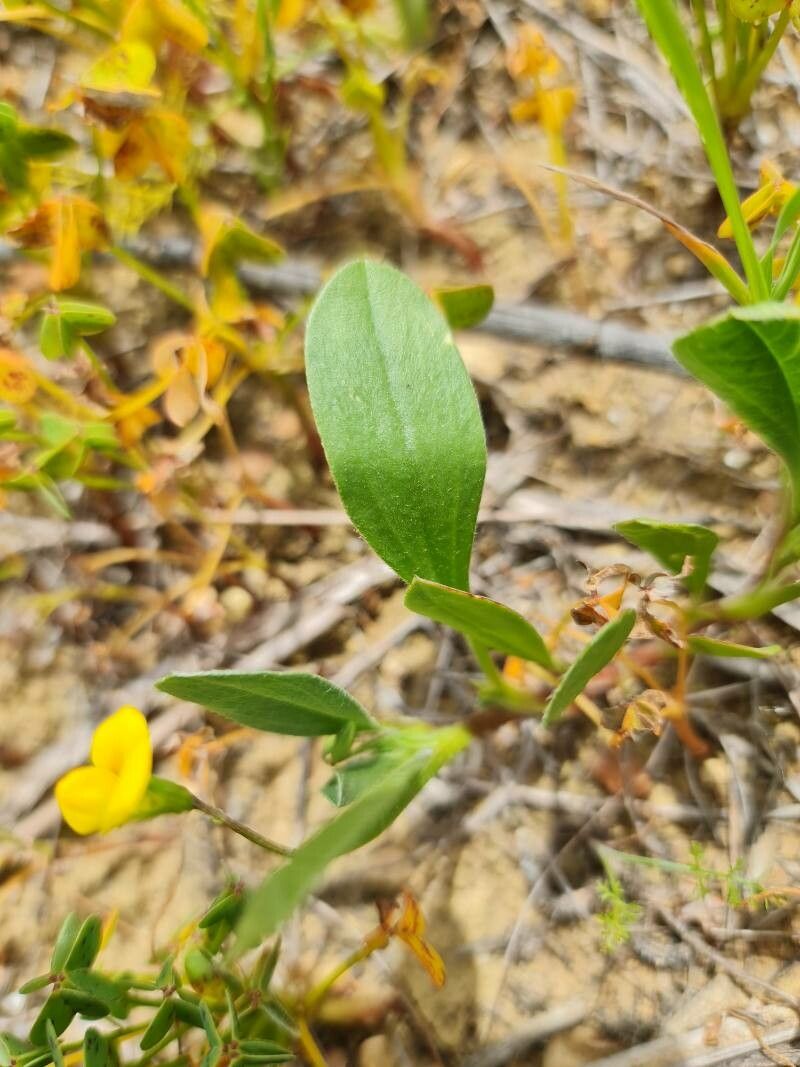
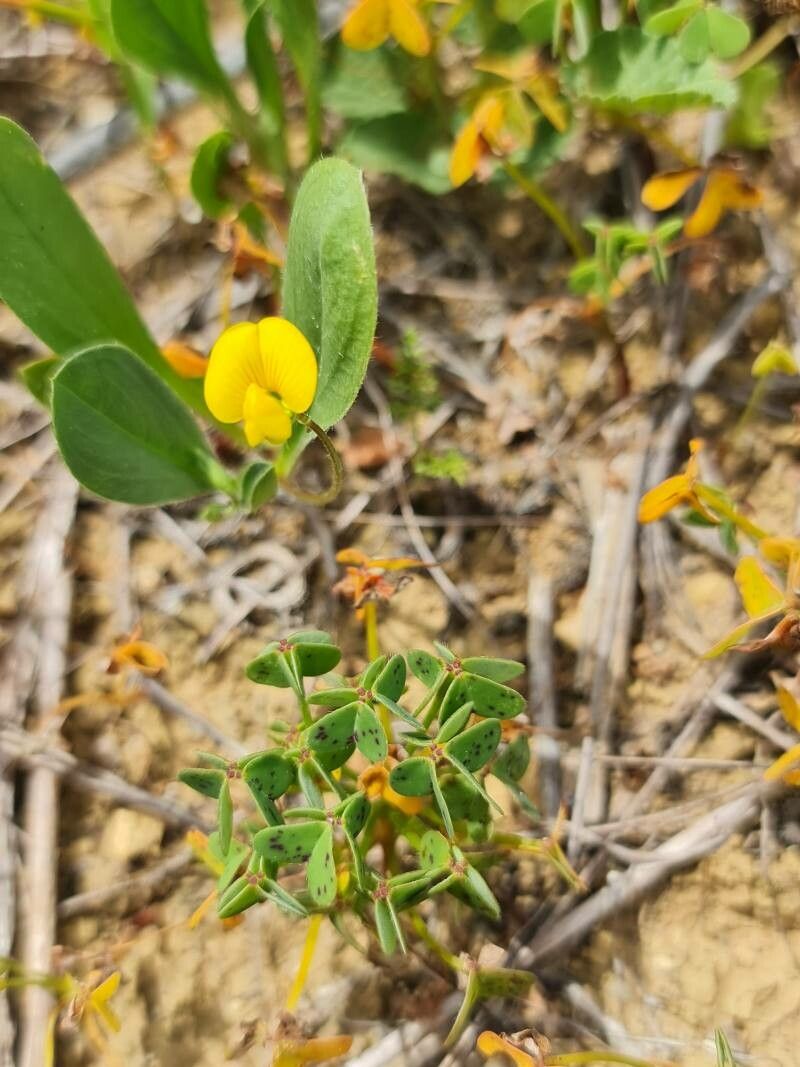
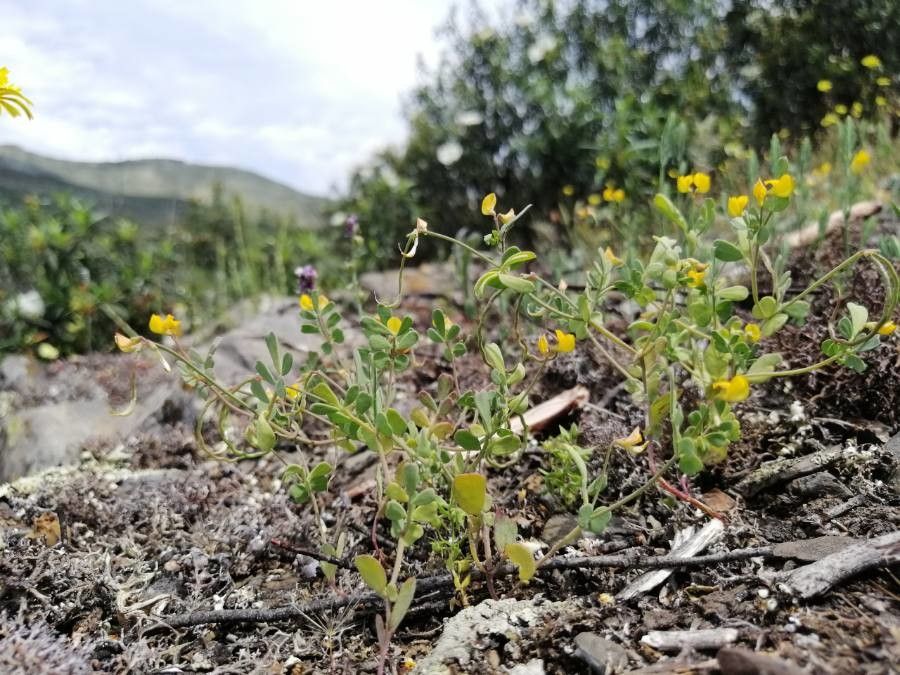
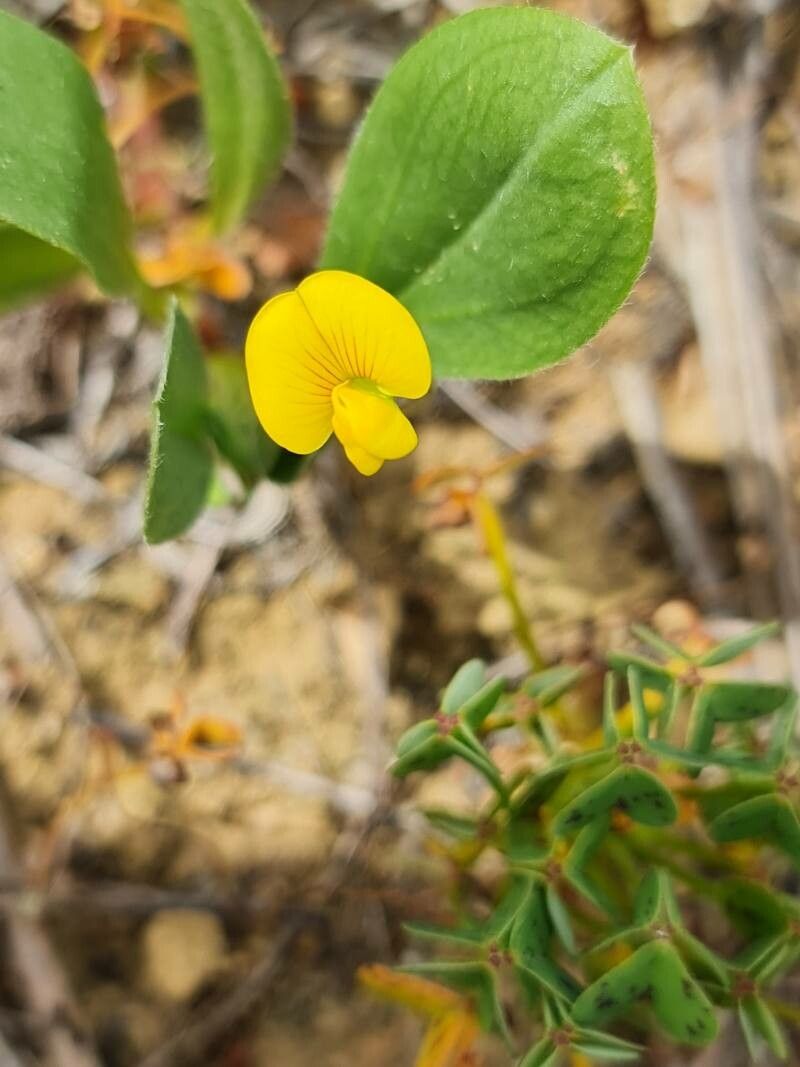
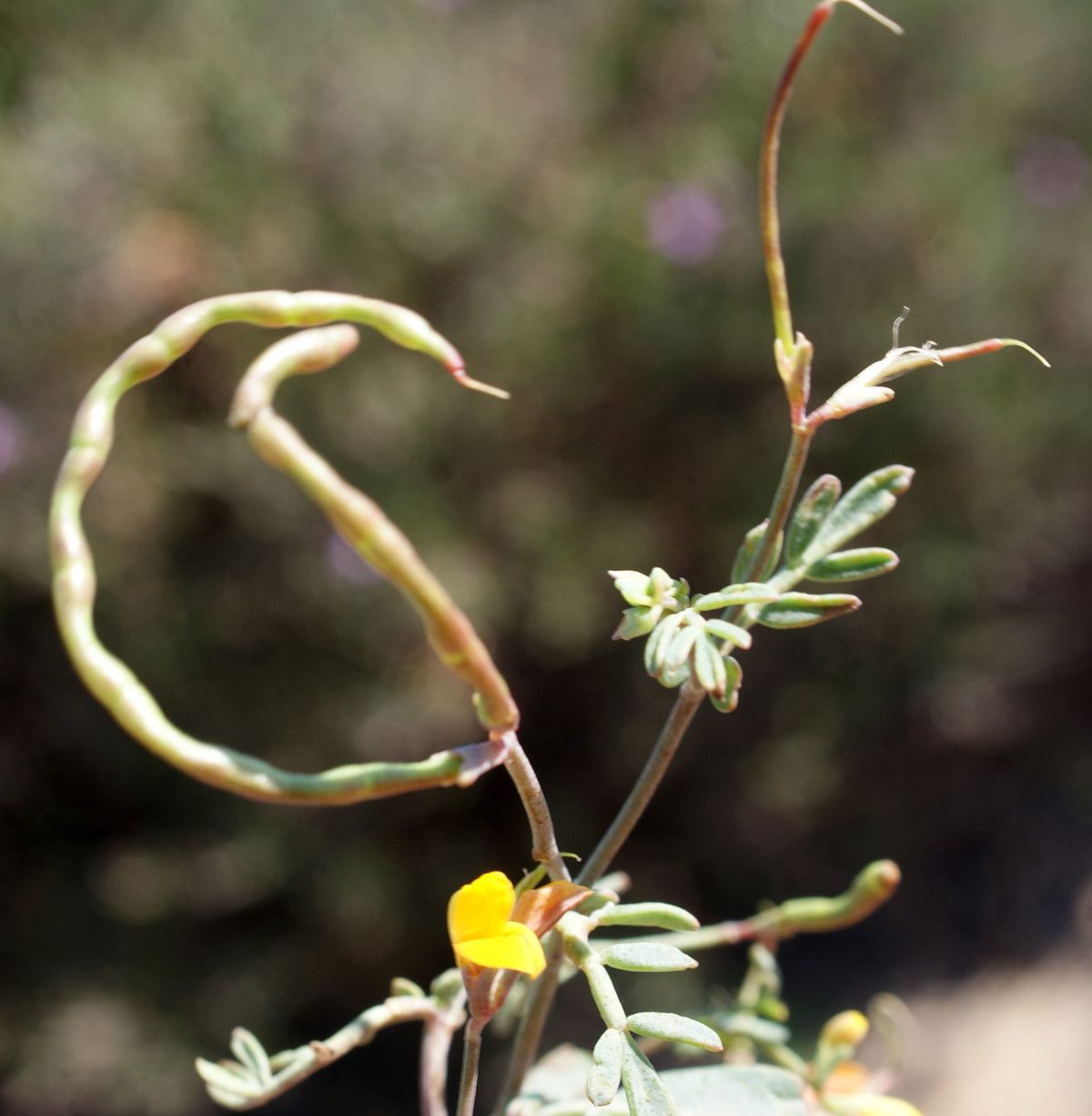
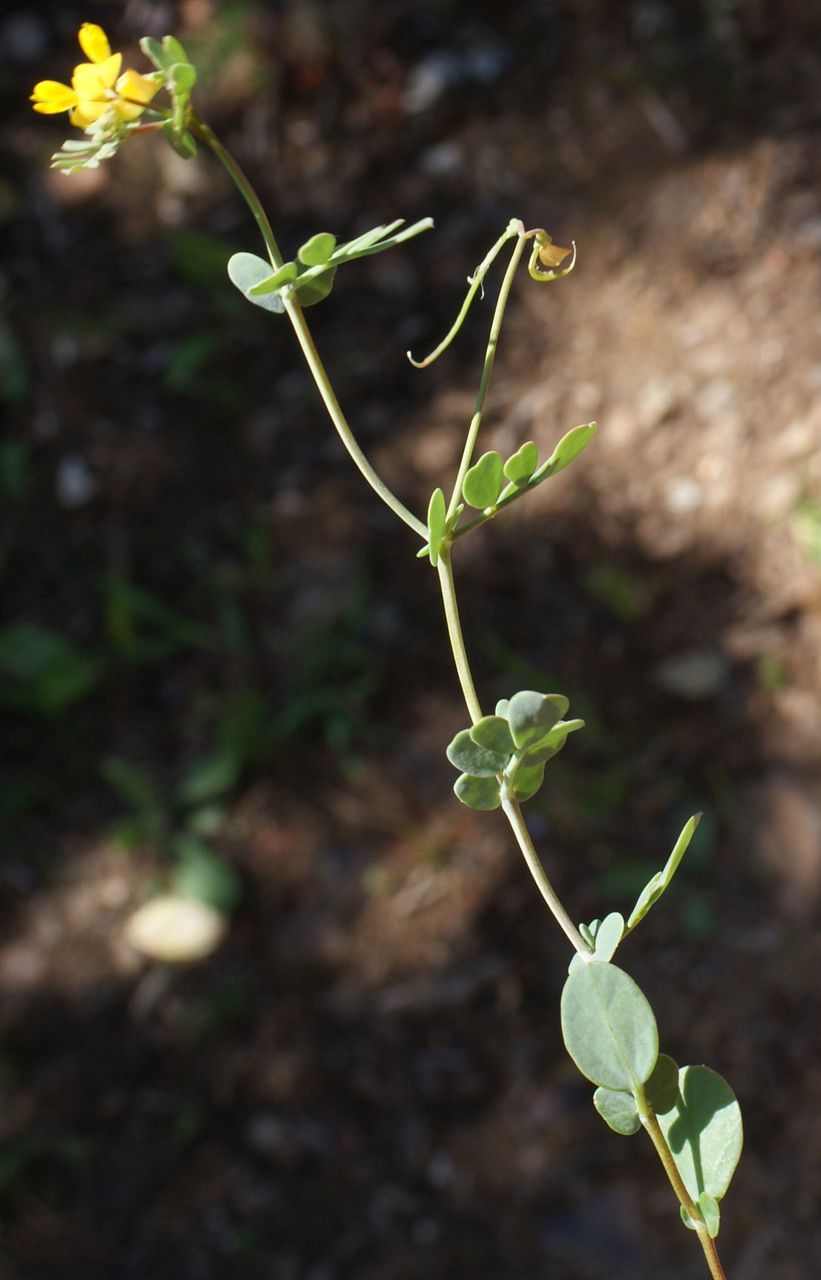
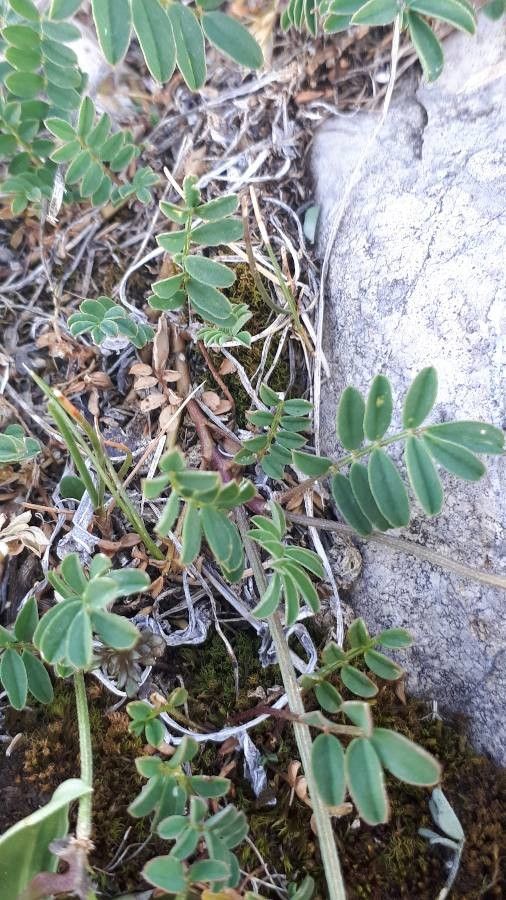
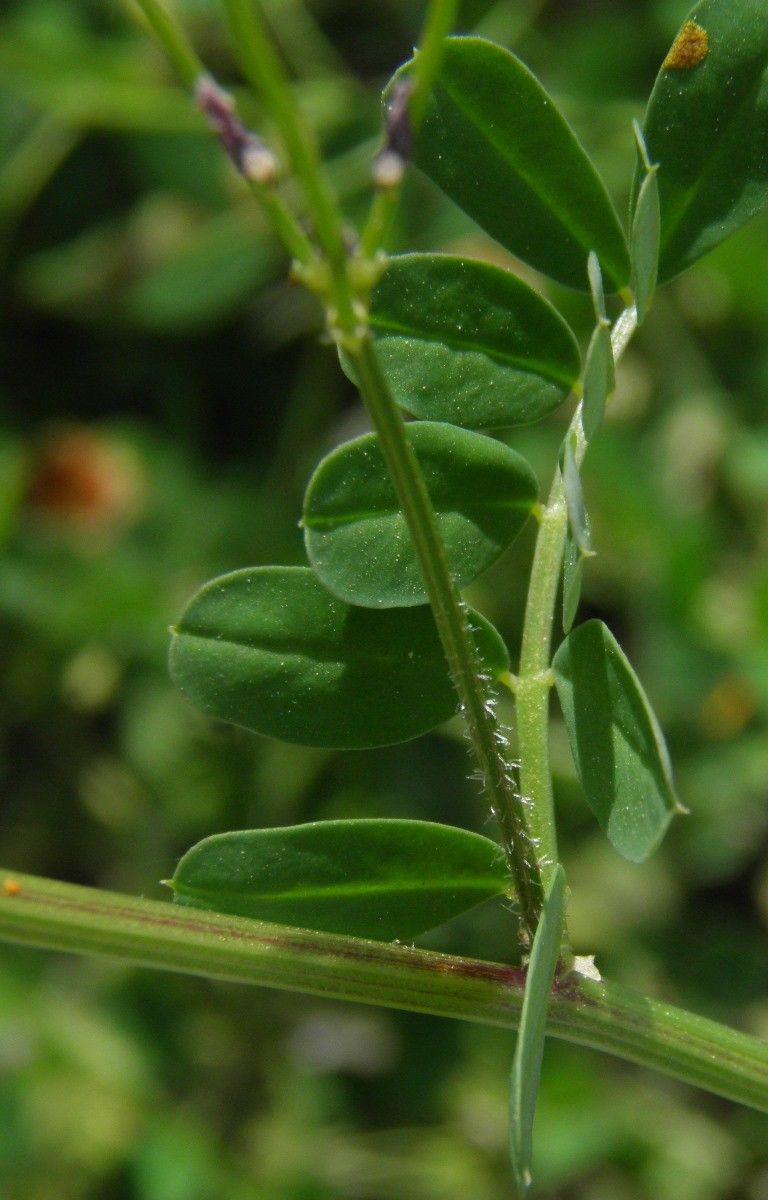
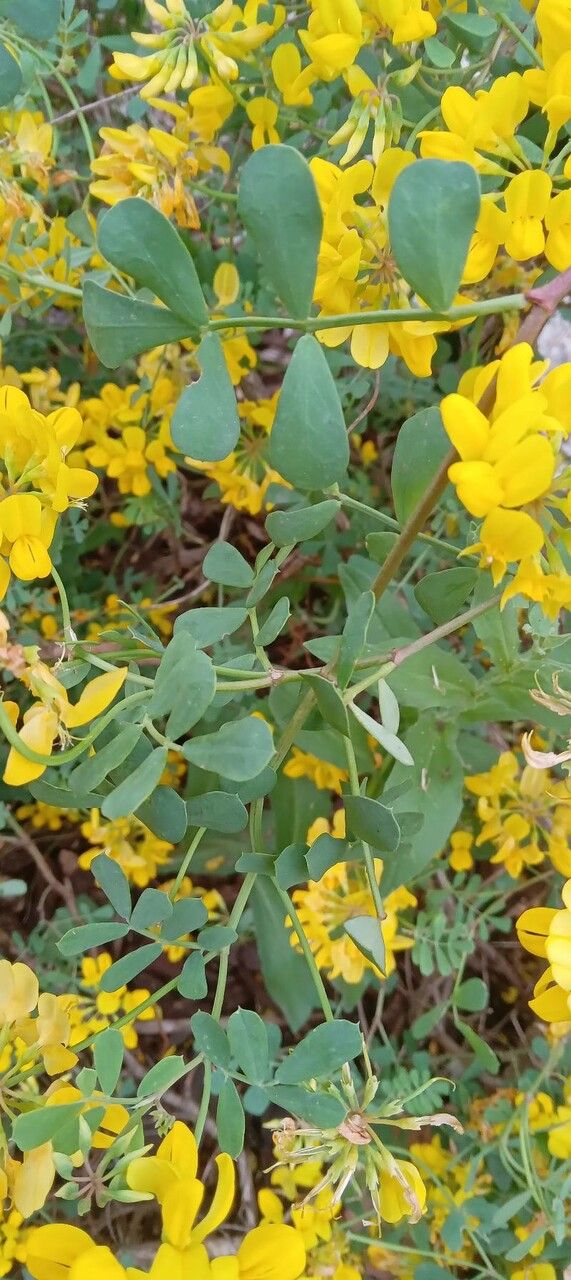
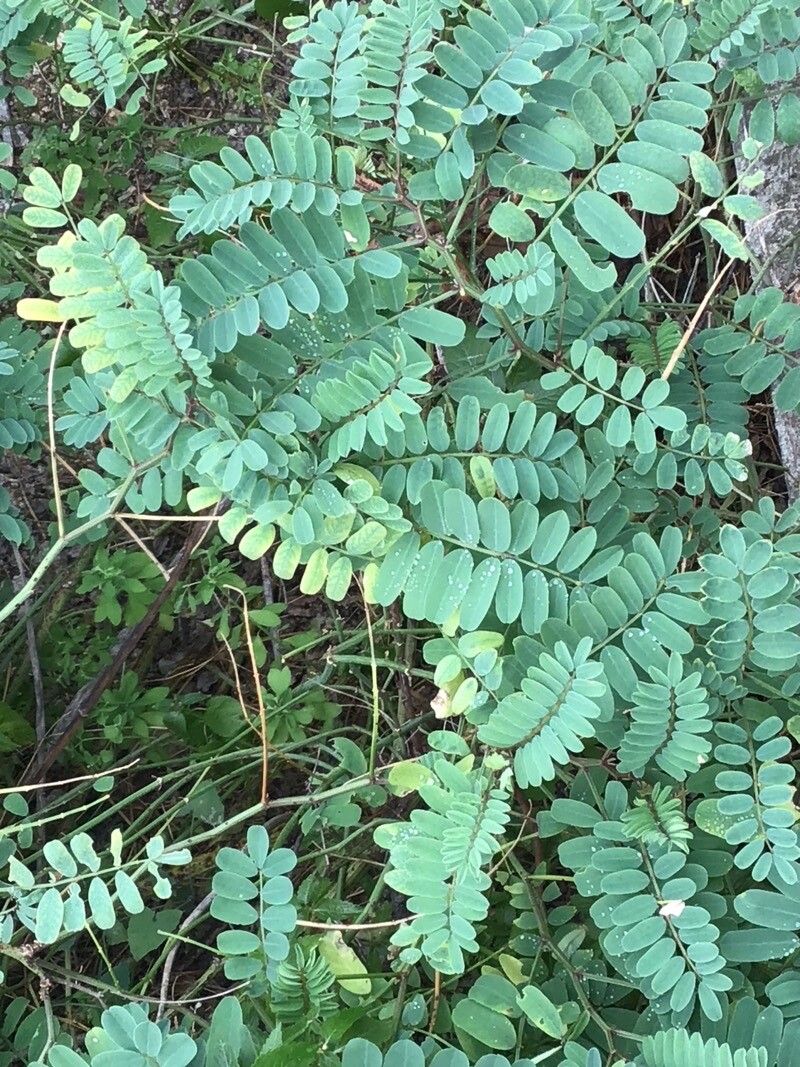
Coronilla repanda is fairly disease-resistant and usually not prone to illnesses. However, it can be affected by pests and diseases present in its surroundings. These problems are typically not serious. For care, this plant requires moderate maintenance. It should be pruned regularly to keep a neat appearance and healthy growth. Fertilizing can also help encourage flowering. Coronilla repanda is appropriate for anyone with outdoor space, such as a garden or patio, and does not demand extensive care experience. It may need more attention when grown indoors.
How to keep Coronilla Repanda.
Light
Coronilla repanda is a sun-loving, perennial herbaceous plant that originates in open habitats and commonly thrives in meadows and grasslands. It prefers full sun but can also tolerate partial sun conditions.
Temperature
Coronilla repanda is highly adaptable to different climatic conditions, from very hot summers to cold winters. Nevertheless, it has a preferred temperature range for healthy growth. If temperatures get too high, the plant can suffer from heat and humidity stress that may kill it. In areas where temperatures approach the lower boundary of its cold tolerance, providing insulation is important to protect the plant.
Fertilizer
Apply fertilizer to your Coronilla repanda in early spring to encourage healthy growth. Consistent feeding boosts overall vigor, producing strong growth, better tolerance of adverse conditions, and heightened resistance to pests and diseases. Follow a regular fertilization routine for your Coronilla repanda to maintain lush, vividly colored foliage.
Botanical profile.
- Plant Type
- Shrub, Herb
- Life Cycle
- Perennial
- Genus
- Coronilla
- Family
- Fabaceae
- Hardiness Zone
- 8-10
- Mature Height
- 20 cm to 49 cm
- Mature Spread
- 30 cm to 61 cm
- Leaf Color
- Green, Light Green
- Leaf Type
- Deciduous
- Flower Color
- Yellow
- Flower Size
- 0.51 cm to 0.76 cm
- Bloom Time
- Mid spring, Late spring, Early summer
- Planting Time
- Spring, Summer, Autumn
- Harvest Time
- Summer