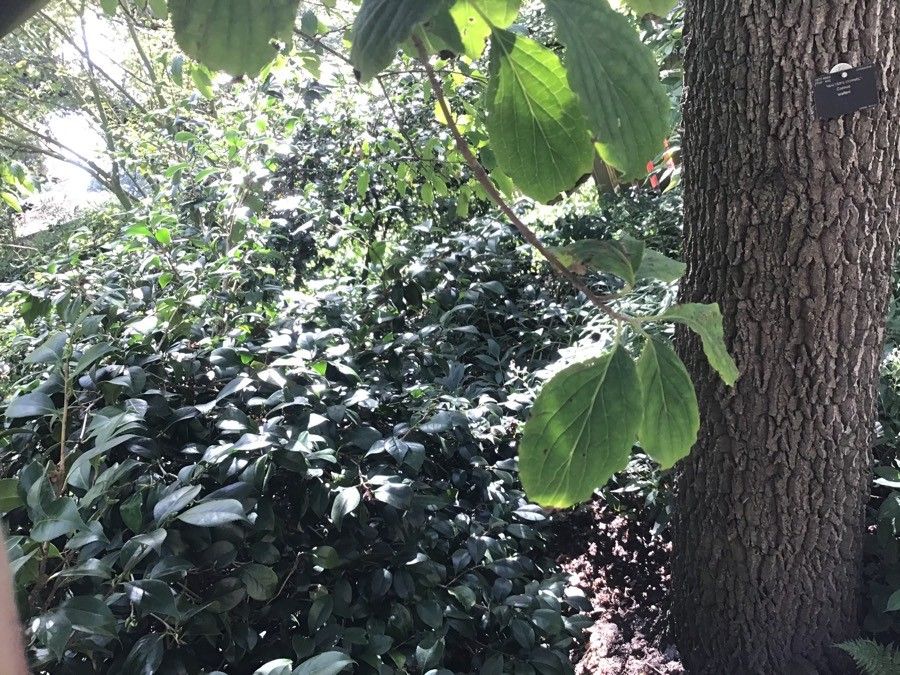
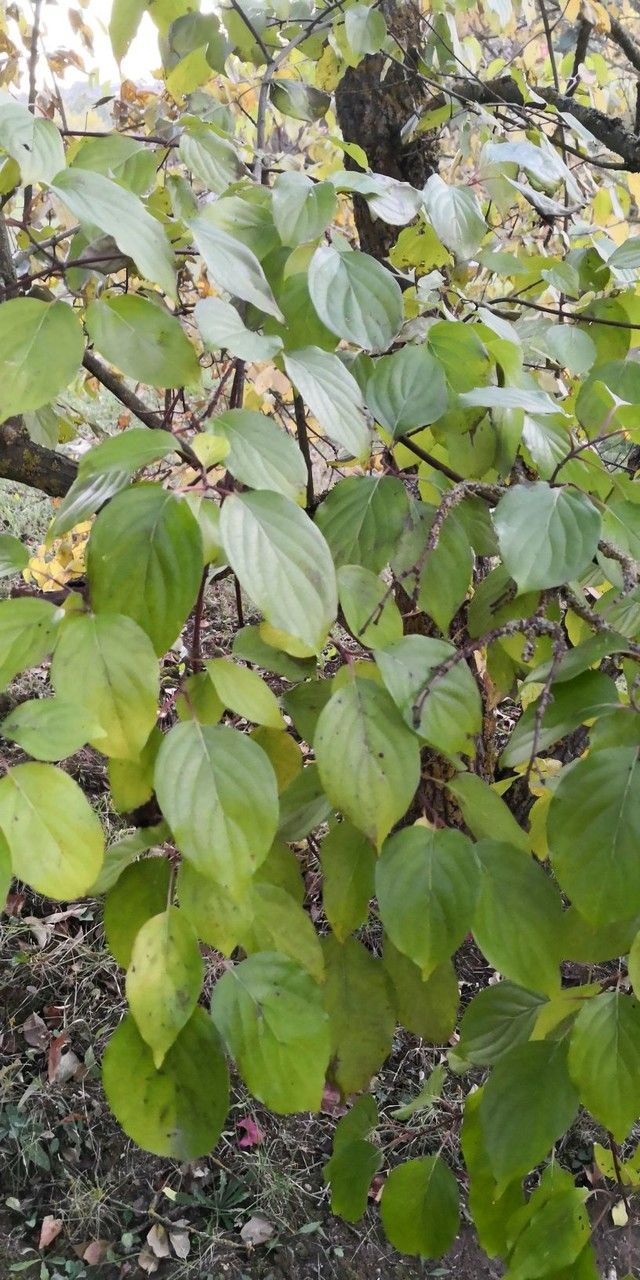
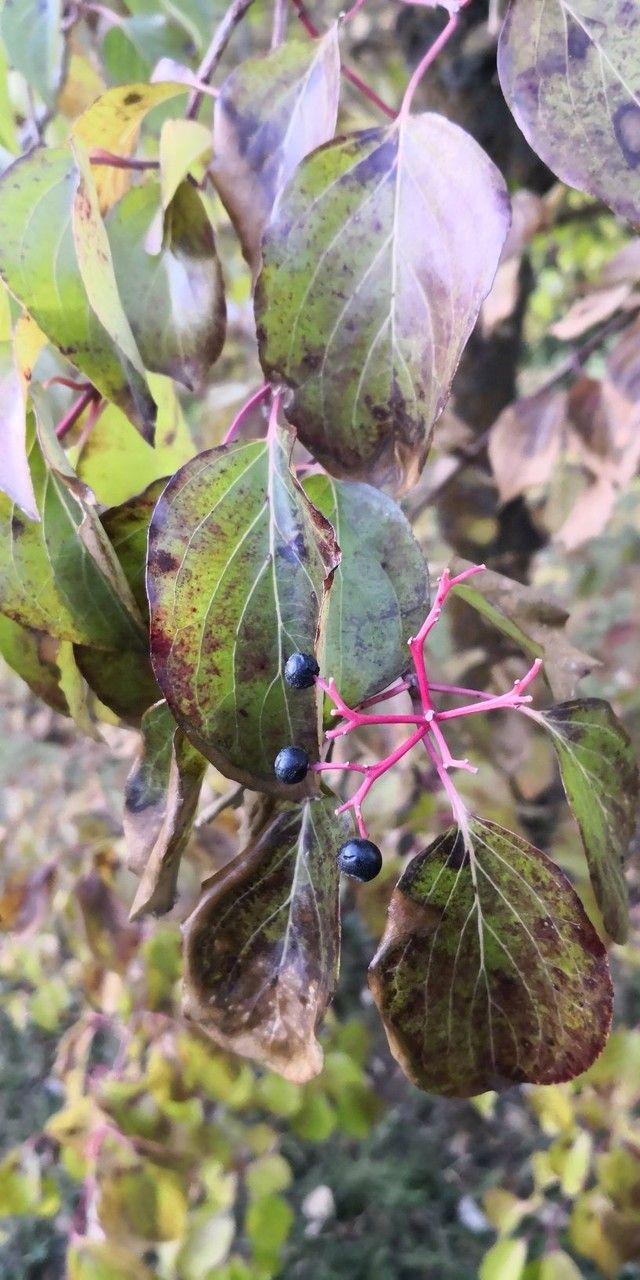
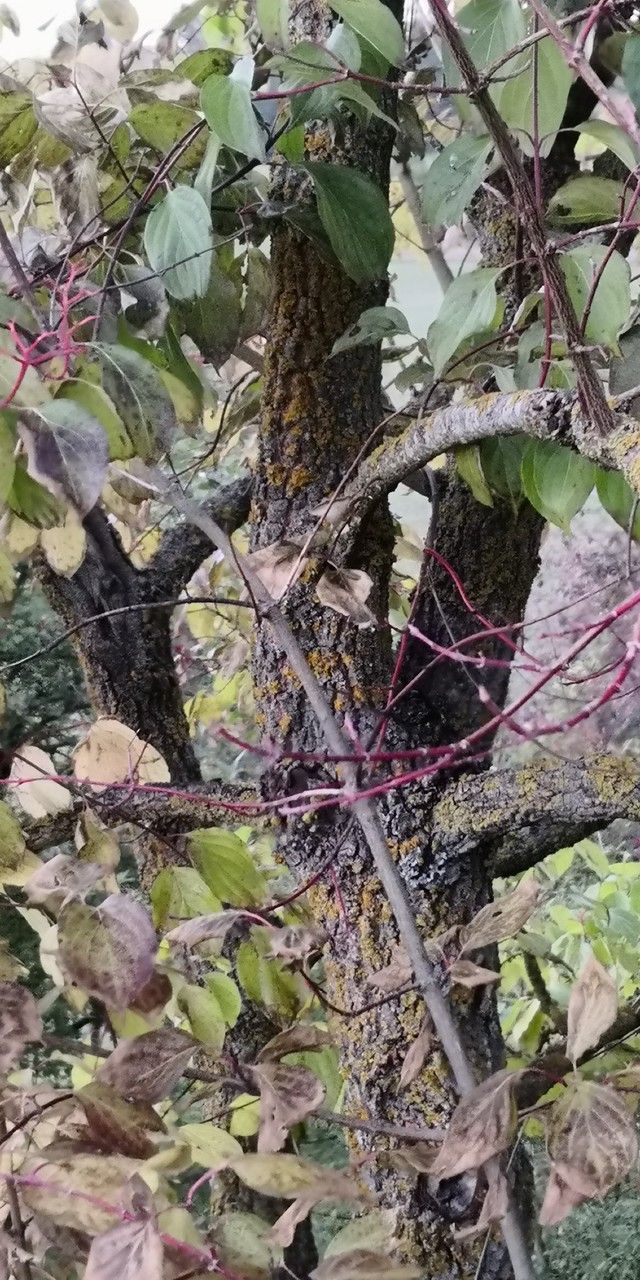
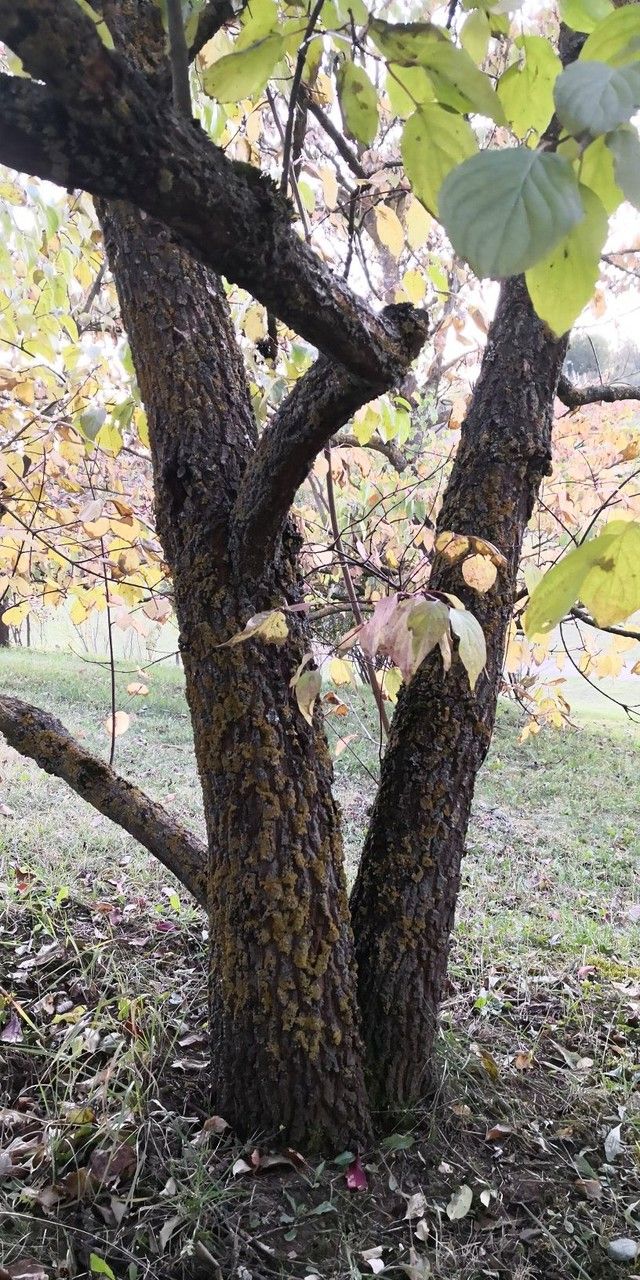
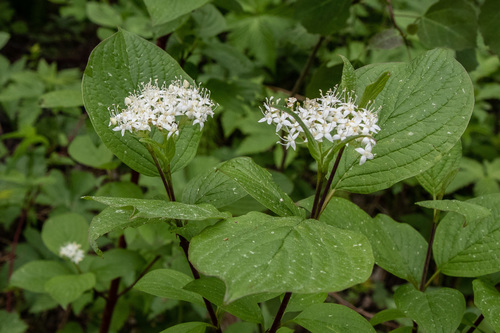
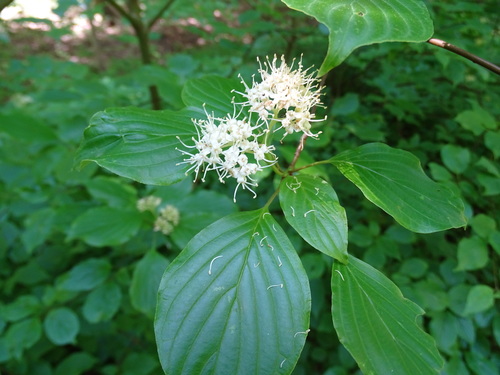
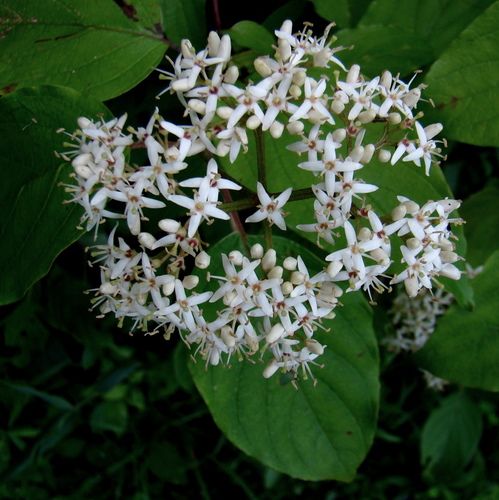
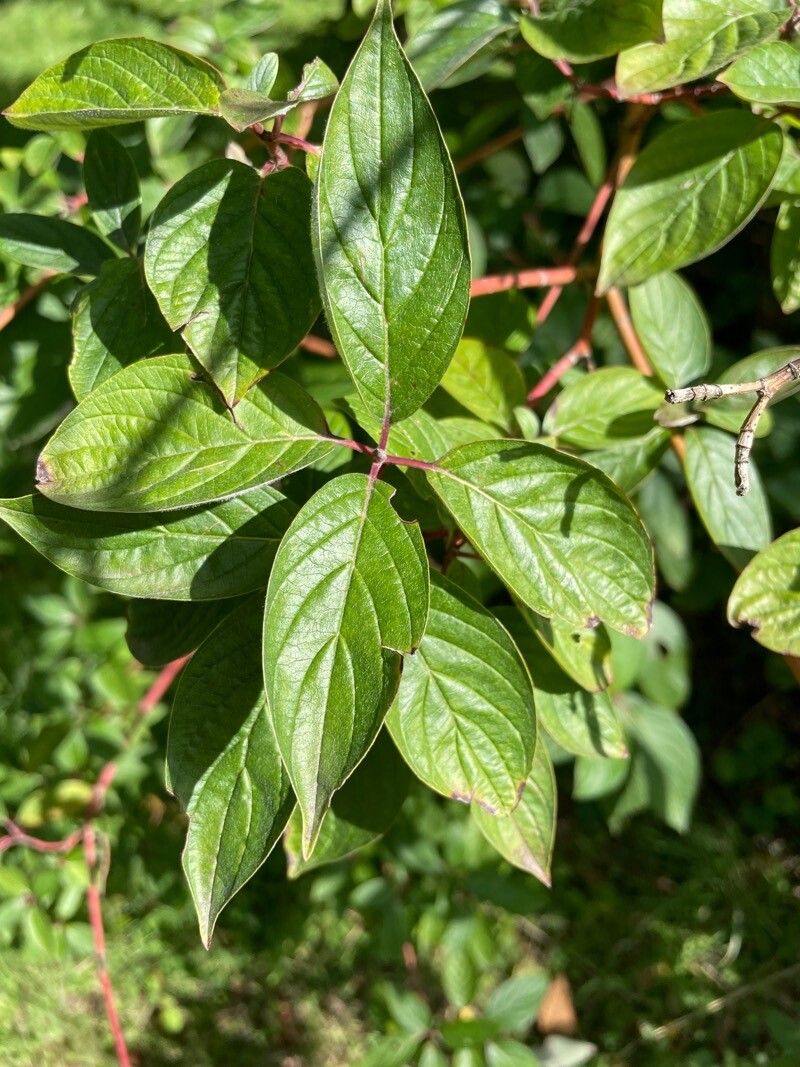
Cornus walteri, also called Walter's dogwood, is a deciduous shrub or small tree 8–16 m tall, native to eastern Asia in Korea and much of China from Liaoning to Yunnan.Cornus walteri has opposite, simple leaves, 5–12 cm long. The flowers are produced in inflorescences 6–8 cm diameter, each flower individually small and whitish. The flowering is in spring, after it leafs out. The fruit is a round, reddish-purple "drupaceous berry", 2.5-3.5 cm diameter.It is closely related to the European common dogwood (C. sanguinea).
Walter's dogwood has strong disease resistance and is generally not prone to disease. Regarding care, this plant is fairly low-maintenance. When grown outdoors, it needs little watering, and larger specimens usually do not require pruning. Smaller plants, however, should be pruned after they finish blooming. Walter's dogwood is appropriate for anyone who has an outdoor area, such as a garden or deck, and does not demand extensive care experience.
How to keep Cornus Walteri.
Light
Walter's dogwood naturally occurs in habitats like forest understories or rocky sites, where it receives natural shade. It prefers partial sun but can also tolerate full sun or full shade, illustrating its versatile, hardy nature.
Water
Cornus walteri thrives best with moderate moisture and consistent watering, ideally about twice a week, though it can withstand temporary droughts. This plant flourishes outdoors, where it benefits from natural rainfall and adapts well to seasonal changes in water availability, mimicking its native humid environment.
Temperature
Walter's dogwood is highly adaptable to a variety of climate conditions, from blazing summers to frosty winters. That said, it has a preferred temperature range for healthy growth. If temperatures climb too high, the plant is susceptible to heat and humidity stress, which can kill it. In areas where temperatures approach the lower limit of its cold tolerance, taking insulating measures to shield the plant is important.
Fertilizer
Timing is vital for fertilizing Walter's dogwood. Apply fertilizer in early spring and repeat monthly until early summer. The fertilizer encourages attractive blooms and supplies energy during both dormant and active growth phases.
Pruning
To optimize the growth of Cornus walteri, prune it in early spring. Remove dead branches and thin out dense areas to improve air circulation. Regular pruning not only enhances the plant's growth but also its visual appeal. Be sure to use sterilized tools to prevent disease and maintain the plant's health.
Botanical profile.
- Plant Type
- Tree, Shrub
- Life Cycle
- Perennial
- Genus
- Cornus
- Family
- Cornaceae
- Hardiness Zone
- 5-9
- Mature Height
- 9.14 m to 12.19 m
- Mature Spread
- 9.14 m to 11.89 m
- Leaf Color
- Green
- Leaf Type
- Deciduous
- Flower Color
- White
- Flower Size
- 6.35 cm to 7.62 cm
- Bloom Time
- Mid spring, Late spring
- Planting Time
- Spring, Summer, Autumn
- Harvest Time
- Late summer, Early fall, Mid fall
- Native Area
- Koppen, South Korea, China
Other names.
Reader questions.
What are the sun requirements for Cornus walteri?
Cornus walteri, also known as Cornus walteri in its botanical name, thrives under specific sunlight conditions. It requires full sun exposure, defined as more than 6 hours of sunlight daily, to flourish. Alternatively, it can also adapt to partial sun, needing about 3-6 hours of sunlight a day. It's important to observe how sunlight moves through your garden carefully, ensuring you place your plants in spots that provide the perfect balance of light and shade. This attention to their light requirements is essential for the happiness and health of your Cornus walteri plants.
What is Cornus walteri?
Cornus walteri, also known by its botanical name Cornus walteri, is a plant species without further details provided on its essentials or symptoms in the given information.