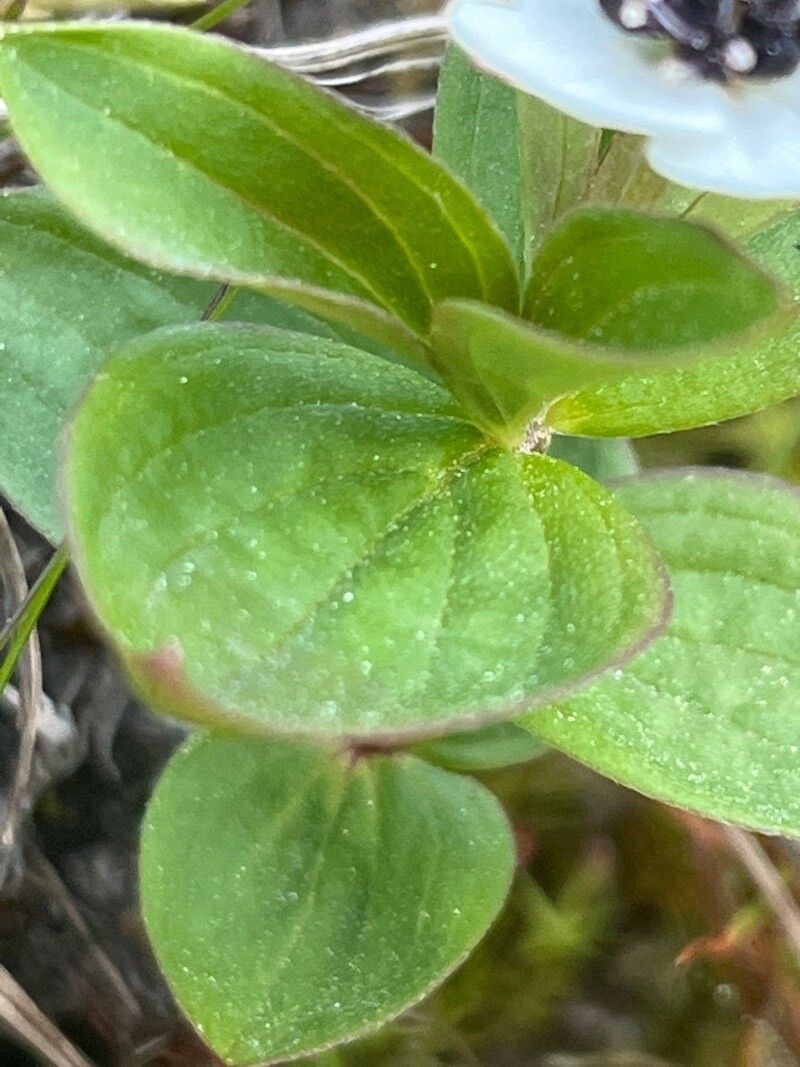
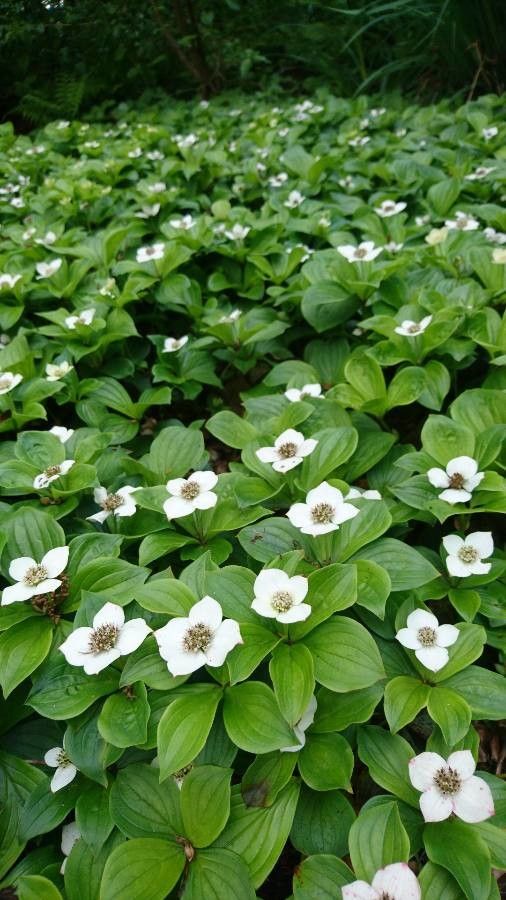
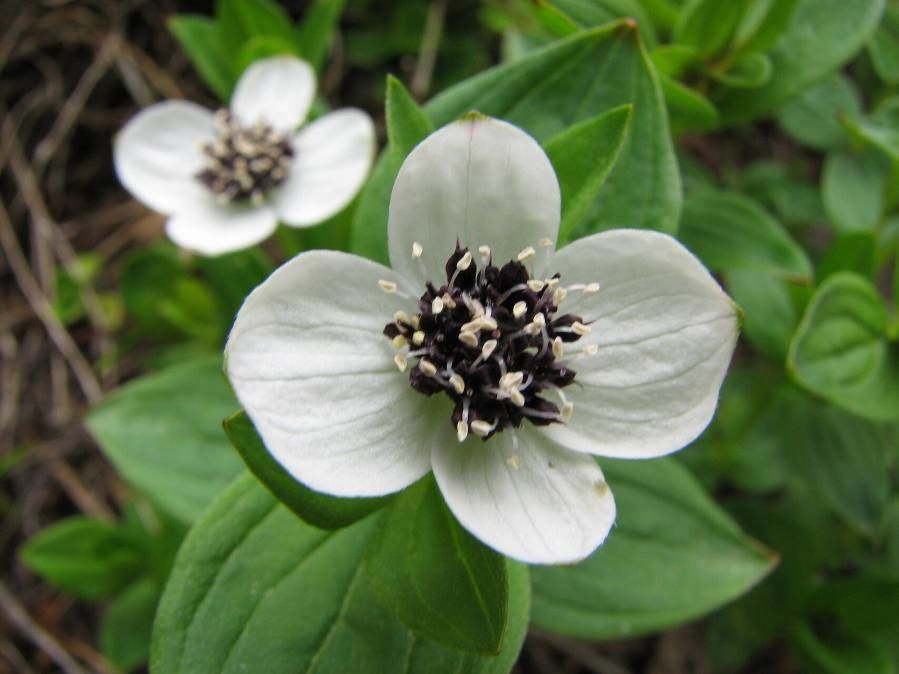
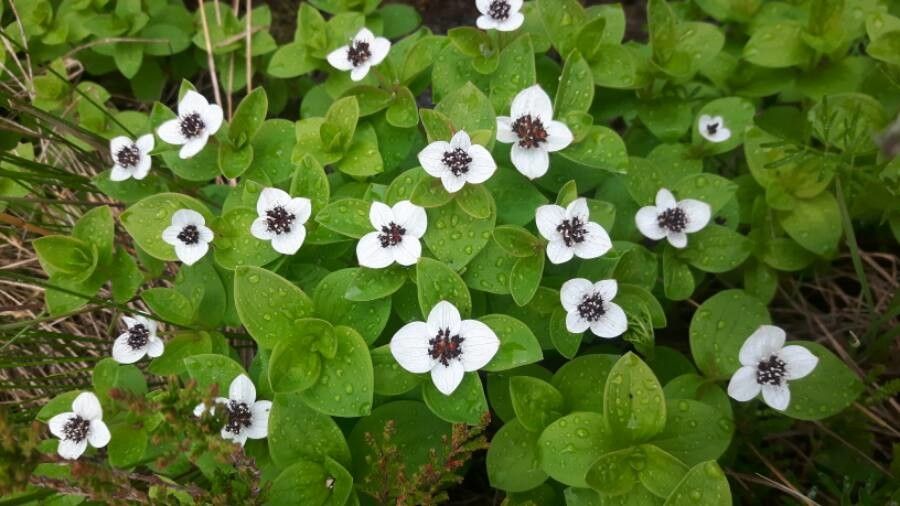
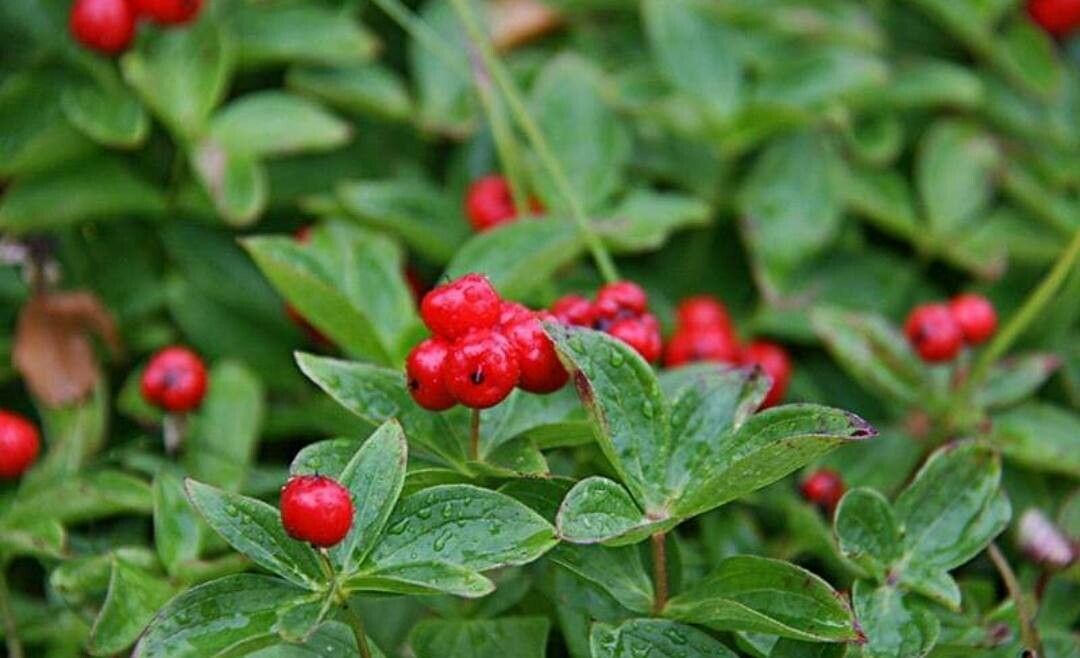
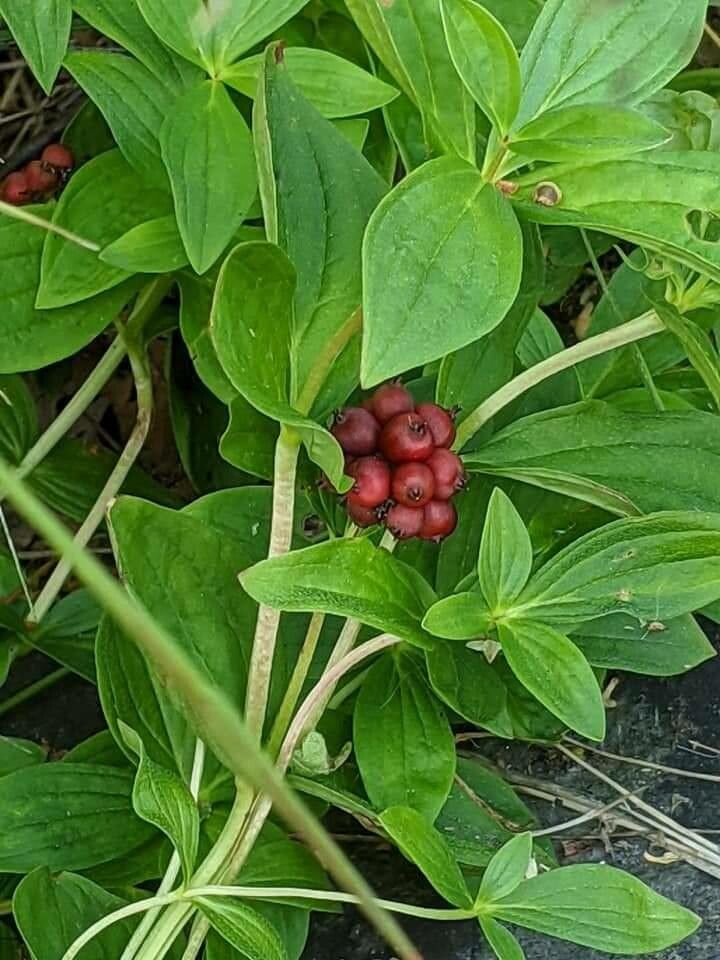
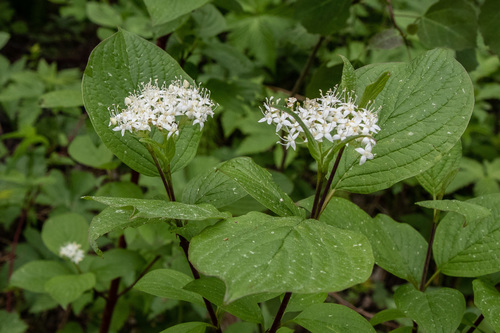
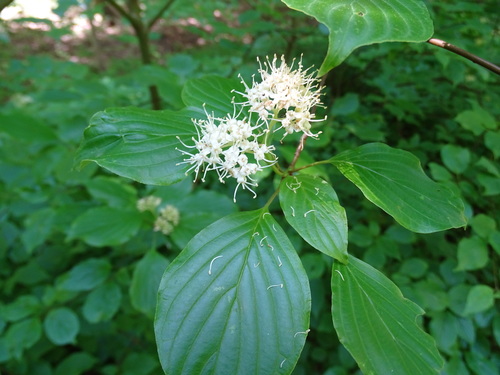
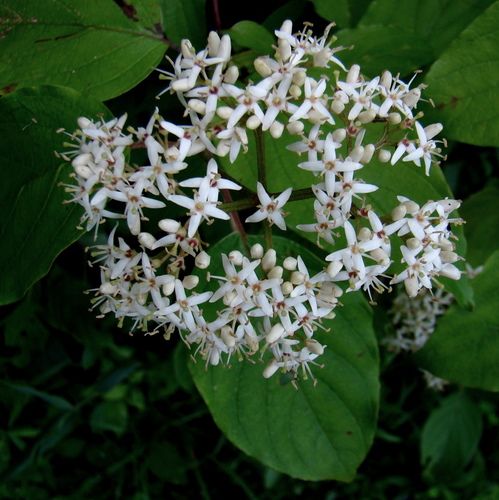
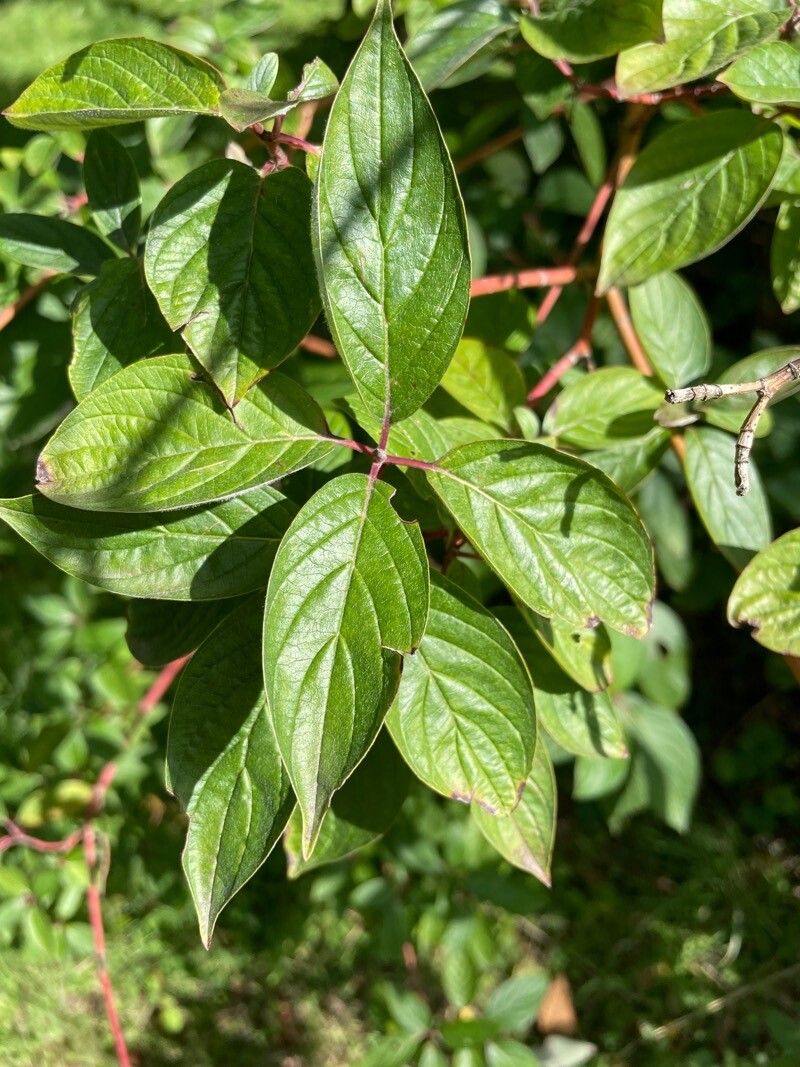
Cornus suecica, commonly known as the Swedish Cornel or Dwarf Cornel, is a small flowering plant belonging to the Cornaceae family. Native to northern Europe and Asia, it thrives in subarctic regions such as tundras, heathlands, and rocky slopes. This plant grows up to 10 cm in height and features a woody stem with opposite leaves. The leaves are oval-shaped with pointed tips, displaying a glossy green color on the upper surface and a paler shade underneath. Its small flowers are either white or pinkish-red and have four petals arranged in an inflorescence at the top of the stem. Cornus suecica is a crucial food source for reindeer during the winter months when other vegetation is scarce. It also has medicinal properties, as it contains high levels of vitamin C, which can be used to treat scurvy. Due to its unique appearance and hardiness, Cornus suecica has become popular among gardeners. It is often used in rock gardens or alpine gardens to add texture and visual interest. In summary, Cornus suecica is a fascinating plant that plays a vital role in its native ecosystem and is also valued for its ornamental appeal by gardeners worldwide.
Lapland cornel shows strong resistance to disease and is usually not susceptible to illnesses. Regarding care, this plant is fairly low-maintenance. When grown outdoors it needs only light watering, and larger specimens typically do not require pruning. However, smaller plants should be trimmed after they finish blooming. Lapland cornel is appropriate for anyone who has an outdoor area, like a garden or a deck, and does not demand extensive gardening experience.
How to keep Cornus Suecica.
Light
Lapland cornel grows best when it receives uninterrupted sunlight all day. It can also survive in locations where sunlight is available only part of the day, although its growth may be slower. Having evolved in conditions of extended daylight and strong summer sun, it is adapted to that. Both excessive and insufficient light can interfere with its growth and development, causing discoloration and slower growth.
Water
The Lapland cornel is well-suited to areas with sparse rainfall and can withstand dry spells. It needs to be watered every 2 to 3 weeks and thrives in well-drained soil. In cooler climates, temperature changes can impact its growth and water absorption during dormancy.
Temperature
Lapland cornel is native to cold climates, doing best in temperatures between 41 and 89.6 °F (5 and 32 ℃). For optimal growth, keep these temperatures throughout each season when necessary.
Fertilizer
The timing of fertilization is important for Lapland cornel. Apply fertilizer in early spring and continue monthly until early summer. Fertilizer supports the development of attractive blooms and supplies energy during both dormant and active growth phases.
Pruning
The Lapland cornel thrives in cool, moist environments and is characterized by its small, clustered flowers and broad, dark leaves. To encourage healthier growth, prune the plant in early spring. This involves removing any dead branches and thinning out crowded areas to improve air circulation. Be sure to use sterilized tools for clean cuts to prevent disease.
Botanical profile.
- Plant Type
- Shrub
- Life Cycle
- Perennial
- Genus
- Cornus
- Family
- Cornaceae
- Hardiness Zone
- 5-8
- Mature Height
- 10 cm to 25 cm
- Mature Spread
- 30 cm
- Leaf Color
- Green, Dark Green
- Leaf Type
- Deciduous
- Flower Color
- White, Purple
- Flower Size
- 0.10 cm
- Bloom Time
- Late spring, Early summer
- Planting Time
- Spring, Summer
- Harvest Time
- Late summer, Early fall
- Native Area
- Russia, Norway, Germany, Sweden, Denmark, Japan, Iceland, Finland, Estonia, Poland, United Kingdom, Latvia, Netherlands
Other names.
Reader questions.
What is the best way to water my Lapland cornel plant?
To promote excellent root development, place a garden hose at the base of your plant. Avoid spraying the leaves directly. If the plant is outdoors and exposed to direct sunlight, the leaves will need more water. Moisturize the roots using bubblers or soaker hoses for each plant. When adding or removing plants, use soaker hoses that cover the entire garden or bed to ensure deep root penetration. After watering, drain any excess water and allow the soil to dry before watering again. To prevent diseases, water at ground level. On sunny days, consider spraying the entire bush with water. Whether potted or in-ground, remember that Lapland cornel prefers deep watering rather than light sprinkling.
Why should I put fertilizer on my Lapland cornel?
No matter the type of Lapland cornel you have, regular fertilization can greatly improve its overall health. Providing the right nutrients will promote stronger growth and help it withstand challenging conditions, as well as protect it against diseases and pests. Since the foliage of your Lapland cornel is particularly appealing, maintaining its health is crucial. This involves following a regular fertilization schedule tailored to your specific plant. By doing so, your Lapland cornel will develop vibrant, lush leaves.
What are the sunlight requirements for plants?
Plants have varying sunlight requirements to thrive. Full sun plants need above 6 hours of sunlight, while partial sun plants require about 3-6 hours of sunlight daily. It’s important to monitor the movement of sunlight in your garden to find spots that provide the ideal balance of light and shade, ensuring the wellbeing of your plants.
What is the native environment of Lapland cornel?
Lapland cornel, botanically known as Cornus suecica, is native to chilly environments. It thrives in temperatures ranging from 41 to 89.6 °F (5 to 32 °C). For Lapland cornel to grow optimally, it's essential to maintain these temperature ranges during each season, if necessary.
What should I do if I give too much or too little water to Lapland cornel?
If you overwater your Lapland cornel, its leaves may turn yellow, drop off, and wilt. The plant may also look unhealthy with mushy stems. Adjust your watering schedule to address these issues. Wilting can also be a sign of underwatering, which causes leaves to become dry and crispy. Check the soil to determine if it's dry, and if so, give the plant a thorough watering. Once the Lapland cornel recovers, it may still have dry, yellow leaves due to damaged roots. Check the moisture levels of the soil when keeping the plant indoors. Avoid overwatering and look for signs of black spots, which may indicate root rot. If you spot root rot, consider transferring the plant to a different pot. Plant your Lapland cornel outdoors and ensure the soil is adequately moist. If the soil is too dry, it may mean underwatering. Give the plant sufficient water to aid in its recovery.
When should I fertilize my Lapland cornel?
The best time to fertilize your Lapland cornel is in late winter or early spring. This will give the plant the necessary nutrients for healthy growth once the weather warms up. If you live in a warm climate region, it is also helpful to provide an additional fertilizer feeding in early fall. This will add nutrients to the soil that the plant will use in the following growing season and make it more resistant to winter cold without damaging its foliage. Fertilizing earlier will ensure that the new branches have enough time to grow strong and withstand the winter.
How does Lapland cornel grow best?
Lapland cornel flourishes best with constant exposure to sunlight throughout the day but can also survive in areas with only half-day sun exposure, albeit with slower growth. Native to regions with long, intensely sunny days, it has adapted to such conditions. Both overexposure and insufficient light can hinder its growth, leading to issues like discoloration and stunted growth. Indoor plants might require artificial lighting to achieve optimal growth, particularly in winter or less sunny areas. LEDs, preferred for their customizable wavelengths, should meet specific wattage per square foot depending on the plant type and be placed at an appropriate distance and duration mimicking natural sunlight conditions.
Does Lapland cornel require frost protection measures?
Lapland cornel possesses strong cold resistance, which usually negates the need for special frost protection during winter. However, in cases where winter temperatures are anticipated to dip below -25°C, it's still important to protect the plant from the cold. Wrapping the trunk and branches with non-woven fabric or cloth can provide the necessary protection. Additionally, watering the plant abundantly before the first freeze of autumn ensures that the soil remains moist and enters a frozen state, which helps prevent drought and water scarcity during winter and early spring.
How frequently do I need to water my Lapland cornel plant?
To properly water your Lapland cornel, it is best to give them a deep soaking, especially if they are planted in pots that have limited water storage. Watering every 3 to 5 days is necessary in cold regions. It is ideal to water the plant early in the morning when the soil is dry. You can check the moisture level by feeling the top 2-3 inches of soil, and if it is dry, it is time to give the plant a full watering. During hot days, the soil in the pot may dry out quickly, so checking the moisture daily is recommended. If you have a garden, irrigation of the soil is required. In hot climates, watering once a week is sufficient. However, be cautious not to water unnecessarily, especially if there has been ample rainfall, as too much water can lead to root rot. Adding mulch around the plants can help conserve water, especially when outdoors. Sandy soil tends to drain faster, so more frequent watering is needed. On the other hand, clay soil requires less frequent watering to avoid root rot. Keeping track of watering dates and observing any drooping leaves can help ensure the plants receive adequate hydration.
When is it best to not use fertilizer on my Lapland cornel plant?
There are some specific times during the year when it is not recommended to fertilize your Lapland cornel. One of these times is in early and mid-winter when the plant is dormant and does not require any feeding. It is also advisable to avoid fertilizing in late spring and throughout the summer, as the hot and dry weather during this period can negatively affect the plant's response to fertilization. To avoid any potential issues, it is best to stick to a fertilization schedule that only includes feeding in early spring and early fall.
What symptoms indicate Lapland cornel is not getting enough light?
When Lapland cornel doesn't receive enough light, it may show various symptoms. These include smaller new leaves, leggy or sparse growth, accelerated leaf drop, halted or nonexistent new growth, and lighter-colored or yellowing leaves (chlorosis). Excessive sunlight can also cause issues such as sunscald, leaf curling, wilting, and leaf scorching. It's crucial to find the right balance of sunlight to prevent these problems.
How does low temperature affect Lapland cornel and what are the solutions?
Lapland cornel is cold-tolerant and performs best when temperatures stay above 5°C. It should remain above -20°C during winter. If temperatures fall below -25°C, the plant may not show immediate changes, but come spring, its branches could become brittle and dry, with no new shoots emerging. The solution for this is to prune away any dead branches that fail to produce new leaves come spring.