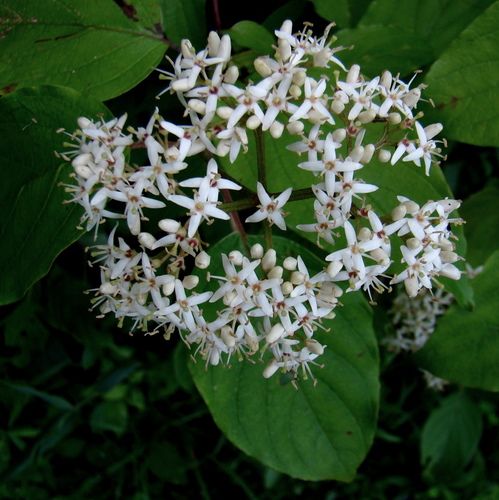
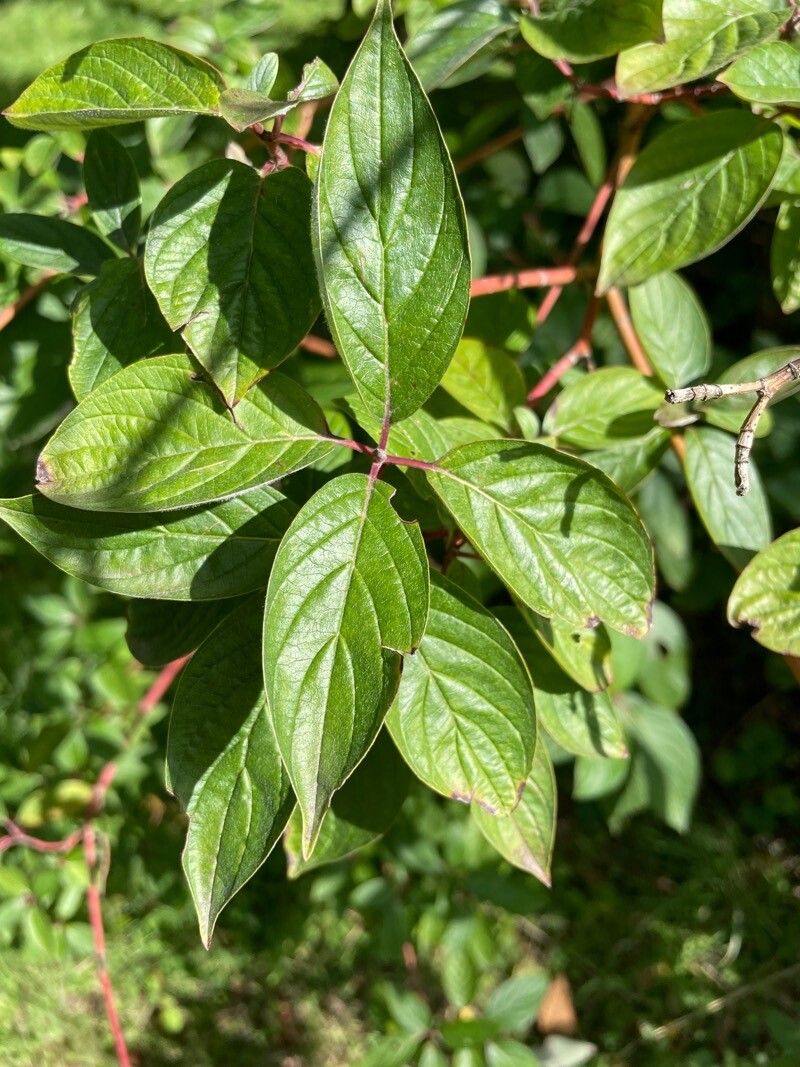
Cornus officinalis, commonly known as Japanese cornelian cherry or Asiatic dogwood, is a deciduous shrub or small tree native to China, Korea, and Japan. It belongs to the Cornaceae family and typically reaches a height of 5-7 meters. The plant has a spreading habit with a rounded crown, and its bark is smooth and grayish-brown in color.
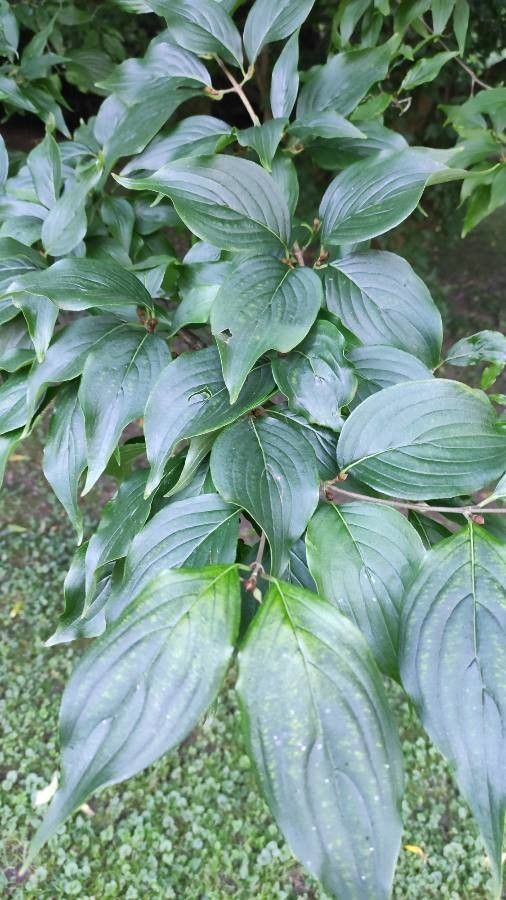
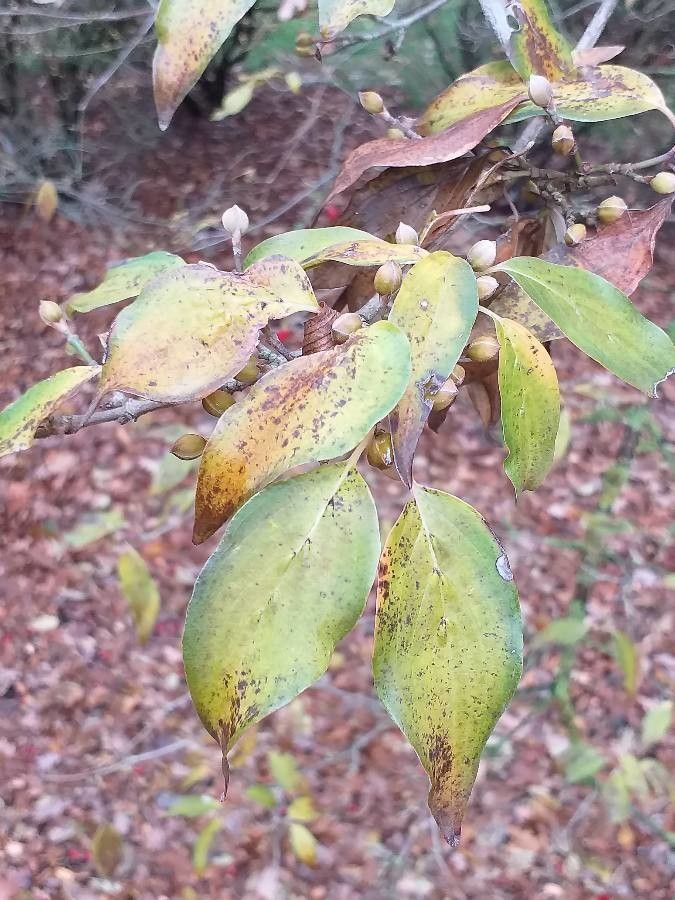
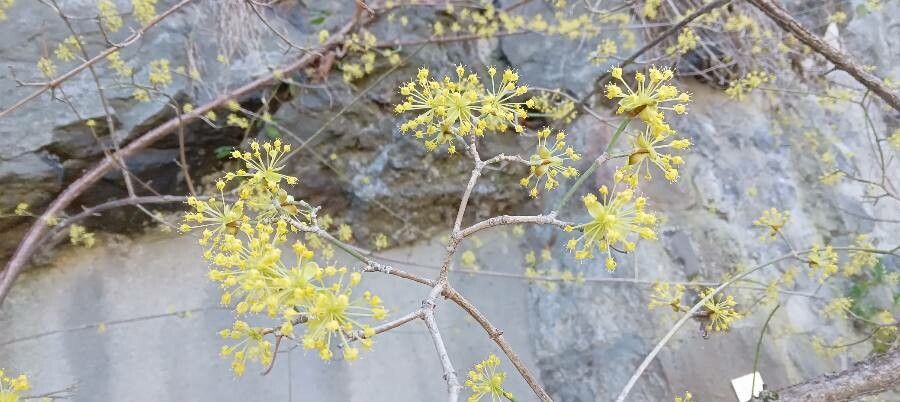
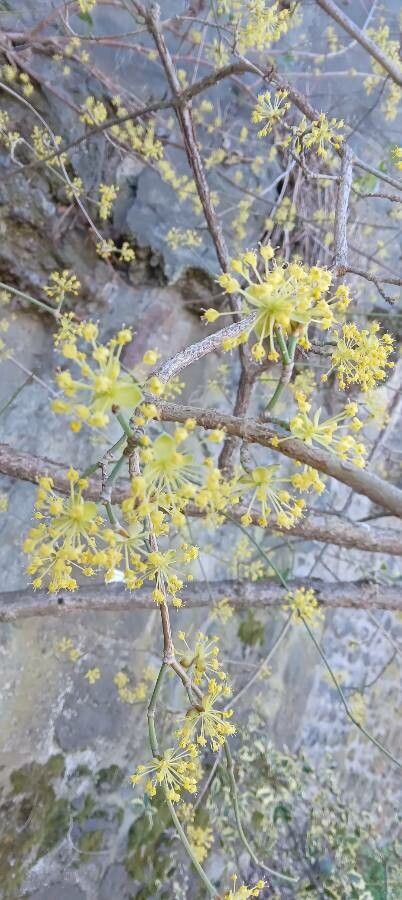
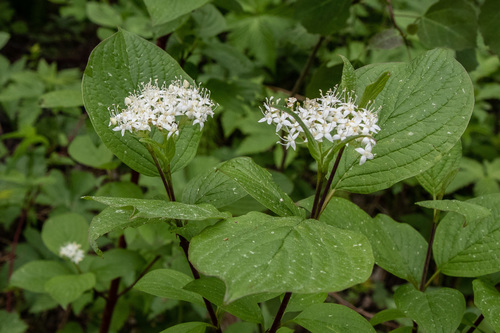
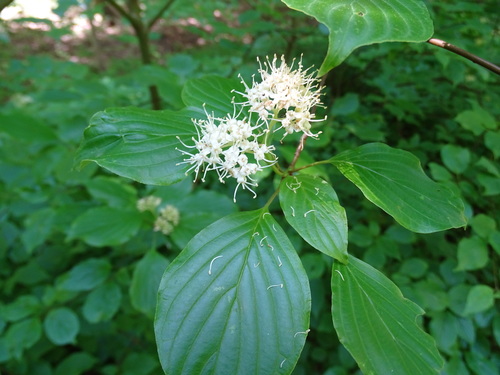
The leaves of Cornus officinalis are opposite, simple, and ovate-lanceolate with an acuminate tip. They are dark green on the upper surface and have fine hairs on the lower surface. The flowers are small but numerous, appearing in clusters of yellowish-green blooms in early spring (March-April), before the leaves emerge.
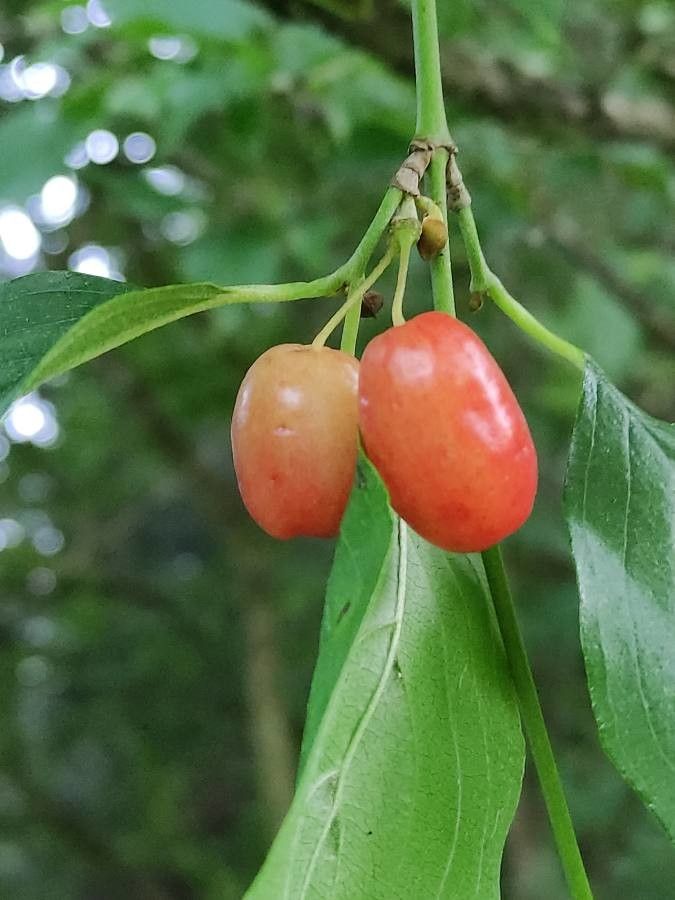
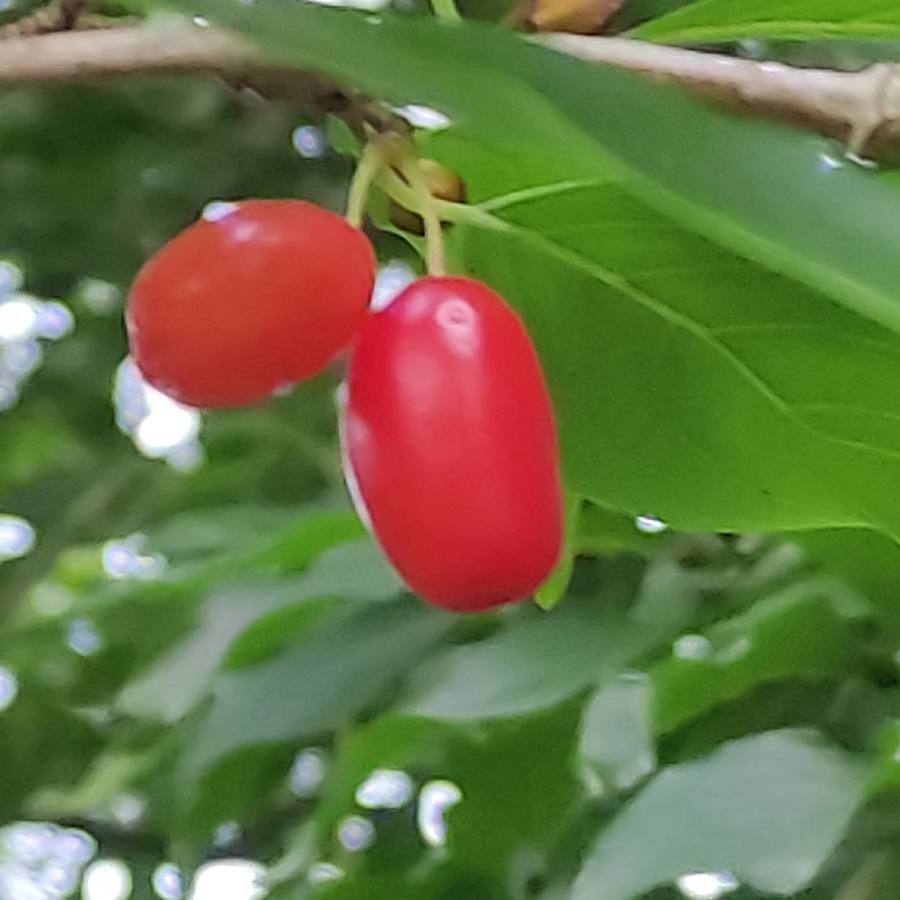
The fruit of Cornus officinalis is an edible drupe that resembles a cherry. It tastes sour when unripe but becomes sweet when fully ripe, usually from August to September, depending on location.
Cornus officinalis prefers well-drained soil that is rich in organic matter. It can tolerate both full sun and partial shade, although it prefers partial shade during hot summers. The plant requires moderate watering during the growing season (spring-summer) and less watering during the winter dormancy period.
In traditional Chinese medicine (TCM), various parts of the plant, such as the bark, fruit, and seeds, have been used for their medicinal properties for centuries. These parts are known for their anti-inflammatory effects, which can help reduce pain associated with arthritis, diarrhea, fever, and other ailments.
Overall, Cornus officinalis is an attractive ornamental shrub. Its beautiful flowers are followed by edible fruits with medicinal properties, making it both aesthetically pleasing and functional.
Japanese cornel has strong resistance to disease and is usually not susceptible to illnesses. Regarding care, this plant is fairly low-maintenance. When grown outdoors it needs little watering, and larger plants typically do not require pruning. Smaller plants, however, should be pruned after they finish blooming. Japanese cornelt is appropriate for anyone with outdoor space, such as a garden or a deck, and does not demand extensive gardening experience.
How to keep Cornus Officinalis.
Light
Japanese cornel thrives best when exposed to full sun all day but can tolerate periods of partial sunlight. Having originally grown in a sunny environment, it requires abundant light for healthy growth and development. Too little light can cause growth problems, while too much can scorch the edges of the leaves.
Water
The Japanese cornel, which comes from areas with distinct seasons, thrives best with moderate moisture and occasional short dry spells. It should be watered every two weeks, allowing the soil to dry out slightly between waterings. Typically grown outdoors, the Japanese cornel is a deciduous plant, meaning it sheds its leaves to conserve moisture during the colder months.
Temperature
Japanese cornel is a flexible plant native to environments where temperatures ranged from 59 to 95 °F (15 to 35 ℃). It favors moderate to warm climates. Seasonal measures, such as providing extra shade during hotter periods, can help achieve optimum growth.
Fertilizer
The Japanese cornel plant needs adequate nutrients to achieve optimal fruit production. Apply fertilizer in early spring to encourage new growth and flower development. Regular feeding keeps the plant healthy, results in more flavorful fruit, and prevents nutrient-deficiency problems like yellowing leaves and poor fruit yield.
Pruning
To ensure the health and beauty of the Japanese cornel, it's beneficial to prune it in early spring before new growth begins. This timing helps promote a healthy and well-shaped plant. By thinning out congested areas, you can enhance air circulation, reduce the risk of disease, and improve the plant's overall appearance. Regular pruning encourages vigorous blooming and helps maintain the structure of the plant, ultimately leading to a healthier and more attractive Japanese cornel.
Botanical profile.
- Plant Type
- Tree, Shrub
- Life Cycle
- Perennial
- Genus
- Cornus
- Family
- Cornaceae
- Hardiness Zone
- 7-10
- Mature Height
- 4.57 m to 7.62 m
- Mature Spread
- 3.05 m to 4.57 m
- Leaf Color
- Green, Red, Purple
- Leaf Type
- Deciduous
- Flower Color
- Yellow
- Flower Size
- 1.02 cm to 1.52 cm
- Bloom Time
- Spring
- Planting Time
- Spring, Autumn, Winter
- Harvest Time
- Mid summer
- Native Area
- China
Other names.
Reader questions.
What's the best way to water my Japanese cornel plant?
To ensure excellent root development, place a garden hose at the base of the plant. Avoid spraying the leaves directly. If the plant is outdoors in direct sunlight, the leaves will need more water. Consider using bubblers or soaker hoses to moisten the roots. When adding or removing plants, use soaker hoses that can cover the entire garden or bed to encourage deep root growth. After watering, drain any excess water and wait for the soil to dry before watering again. Watering at ground level helps prevent diseases. On a sunny day, it may be beneficial to spray the entire bush with water. Remember, whether the plant is potted or in-ground, Japanese cornel prefers deep watering rather than light sprinkling.
Why should I put fertilizer on my Japanese cornel?
Fertilizing your Japanese cornel is important for several reasons. Firstly, it helps the plant produce beautiful blooms. To achieve excellent flowers, it is recommended to apply fertilizer in early spring. Secondly, fertilizer provides energy for the plant to store during periods of dormant growth. By giving your Japanese cornel extra nutrients during fall planting or late spring, it can store more energy to use when it becomes active again.
What are the sunlight requirements for Japanese cornel?
Japanese cornel requires full sun exposure to thrive optimally, which means it should receive more than 6 hours of direct sunlight daily. However, it can also tolerate partial sun conditions, about 3-6 hours of sunlight per day. It's essential to observe how sunlight moves through your garden to find the ideal spot that offers a balance of light and shade, ensuring the plant's health and happiness.
What is the native climate and temperature tolerance of the Japanese cornel?
The Japanese cornel originates from a native environment where temperatures fluctuated between 59 to 95 °F (15 to 35 °C), and it prefers moderate to warm climates. It demonstrates strong cold resistance and usually does not require special frost protection measures during winter. However, if winter temperatures are expected to drop below -15°C, it's important to protect the plant by wrapping the trunk and branches with non-woven fabric or cloth. Additionally, to prevent drought and water scarcity for the plant during winter and early spring, it's recommended to water the plant abundantly before the first freeze in autumn, ensuring the soil remains moist and enters a frozen state.
What should I do if I give too much or too little water to Japanese cornel?
If a Japanese cornel is overwatered, its leaves may turn yellow, drop off, and wilt. The plant may also appear dull and unhealthy, with mushy stems. When these signs appear, it's best to adjust your watering schedule when possible. Wilting can also be a sign of underwatering, characterized by crispy and dry leaves. In this case, check the soil moisture and give the plant a thorough watering if needed. However, keep in mind that even with enough water, the damaged root system may cause the plant to exhibit dryness and yellow leaves for a few days. Once it returns to its normal state, the yellowing of leaves will cease. When growing a Japanese cornel indoors, always check the moisture levels of the pot and avoid overwatering. Look out for black spots and if present, allow the soil in the pot to dry out with a few days of no watering. Overwatering can lead to root rot, so transfer the plant to a different pot if you notice discolored and slimy roots. Take preventive measures to avoid root rot and prevent the soil from becoming too soggy. Outdoors, when planting a Japanese cornel, ensure that the soil is adequately hydrated. If the soil feels too dry when checking with your fingers, it may indicate underwatering. In this case, provide enough water to help the plant recover.
What is the ideal time to fertilize my Japanese cornel?
Proper timing is essential when fertilizing Japanese cornel. Applying fertilizer too early, while the plant is still dormant, is ineffective as it will be washed away by rainwater, leading to waste and pollution. It is recommended to apply the first round of fertilizer in early spring and continue fertilizing once a month until early summer.
What essential conditions do Japanese cornel need for growth?
Japanese cornel flourishes best under full day exposure to the sun but can also endure periods of partial solar exposure. Being native to environments with abundant sunlight, it requires plenty of light for optimal health and development. Insufficient light may lead to growth issues, while too much exposure can cause scorching of leaf edges. For indoor plants lacking natural light, especially during winter or in less sunny spaces, artificial lighting becomes essential. LED lights are recommended for their efficiency and ability to provide specific wavelengths needed by the plant. Full sun plants should have 30-50W/sq ft, partial sun plants 20-30W/sq ft, and full shade plants 10-20W/sq ft of artificial light. The light source should be placed 12-36 inches above the plants for 8-12 hours per day to mimic natural sunlight.
How does low temperature affect Japanese cornel and what are the solutions?
The Japanese cornel is cold-tolerant and thrives best when the temperature is above 15°C, but should be kept above -10°C during winter. When the temperature falls below -15°C, the plant may not show noticeable changes during winter, but in spring, the branches may become brittle and dry, and no new shoots will emerge. The solution for this is to prune away any dead branches that have failed to produce new leaves in spring.
How many times a week should I water my Japanese cornel plant?
The Japanese cornel prefers deep and infrequent watering. If planted in pots, make sure to soak them in a gallon of water each time because the soil dries out faster in limited water storage. In cold regions, water every 3 to 5 days, preferably in the morning when the soil is dry. Check the soil to determine if watering is needed - if the top 2-3 inches are dry, give the plant a full watering. During hot days, check the moisture daily as the heat can quickly dry out the soil in pots. For gardens, irrigation is necessary, especially in hot climates where watering once a week is recommended. Only water if the top 2-3 inches of soil are dry. Take rainfall into consideration to avoid overwatering and root rot. Japanese cornel grows mainly in spring and fall, so adding mulch 3 to 4 inches deep helps conserve water when they are outdoors. Sandy soil requires more frequent watering, while clay soil can go 2-3 days without water to prevent root rot. Keep track of watering dates on a calendar and pay attention to drooping leaves as an indication that watering may be needed soon.
When is the best time to not fertilize my Japanese cornel?
To ensure optimal growth of Japanese cornel, it is important to be mindful of its fertilizer needs. Avoid using a fertilizer high in nitrogen, as this can result in an abundance of leaves but limited blooms. Instead, opt for a fertilizer that has a lower nitrogen content compared to other nutrients. Additionally, it is advisable to refrain from fertilizing the plant after early autumn, as this can lead to excessive growth right before the winter season. During hot and dry periods, it is best to avoid fertilization altogether as the dry soil may not effectively deliver the nutrients and the plant's stimulated growth will require additional water that may not be readily available. It is recommended to apply fertilizer earlier in the season when temperatures are cooler. Lastly, bear in mind that Japanese cornel can absorb fertilizer that has been applied to neighboring plants or lawns, so caution should be exercised to avoid inadvertently over-fertilizing the tree or shrub.
What are the symptoms of inadequate sunlight for Japanese cornel?
Japanese cornel shows several symptoms when it receives inadequate sunlight, including smaller new leaves, leggy or sparse growth, faster leaf drop, slower or halted new growth, lighter-colored new leaves, chlorosis (yellowing leaves due to a breakdown of chlorophyll), sunscald (leaf or stem damage from intense sunlight), leaf curling (a defense mechanism against excessive sunlight), wilting (loss of turgor pressure from water loss), and leaf scorching (brown, dry edges on leaves due to too much sunlight). These symptoms indicate the plant's struggle with the light conditions.
What is the impact of high temperature on Japanese cornel and how can it be managed?
During summer, the Japanese cornel should be kept below 35°C. When the temperature exceeds 41°C, the leaves of the plant may become lighter in color, the tips may become dry and withered, and the plant becomes more susceptible to sunburn. To manage this, trim away the sunburned and dried-up parts. Move the plant to a location that provides shade from the midday and afternoon sun, or use a shade cloth to create shade. Also, water the plant in the morning and evening to keep the soil moist.