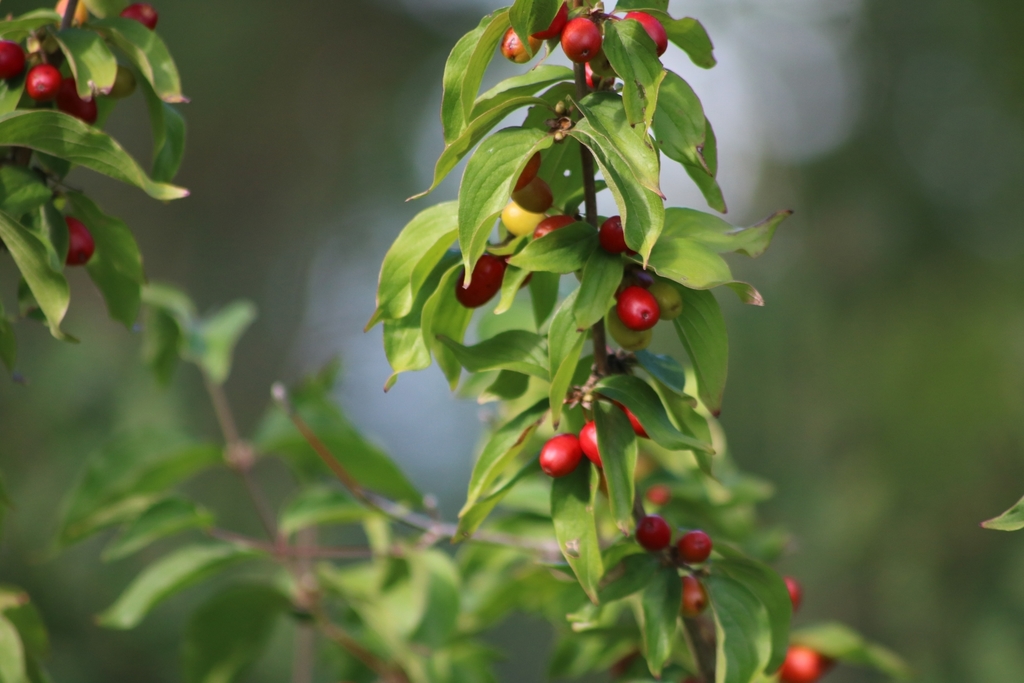
Cornus mas, commonly known as the Cornelian cherry, is a deciduous shrub or small tree that belongs to the dogwood family. Native to Europe and western Asia, it has been cultivated for its edible fruit for centuries. This plant generally reaches a height of 5-7 meters and features a spreading habit with multiple stems.
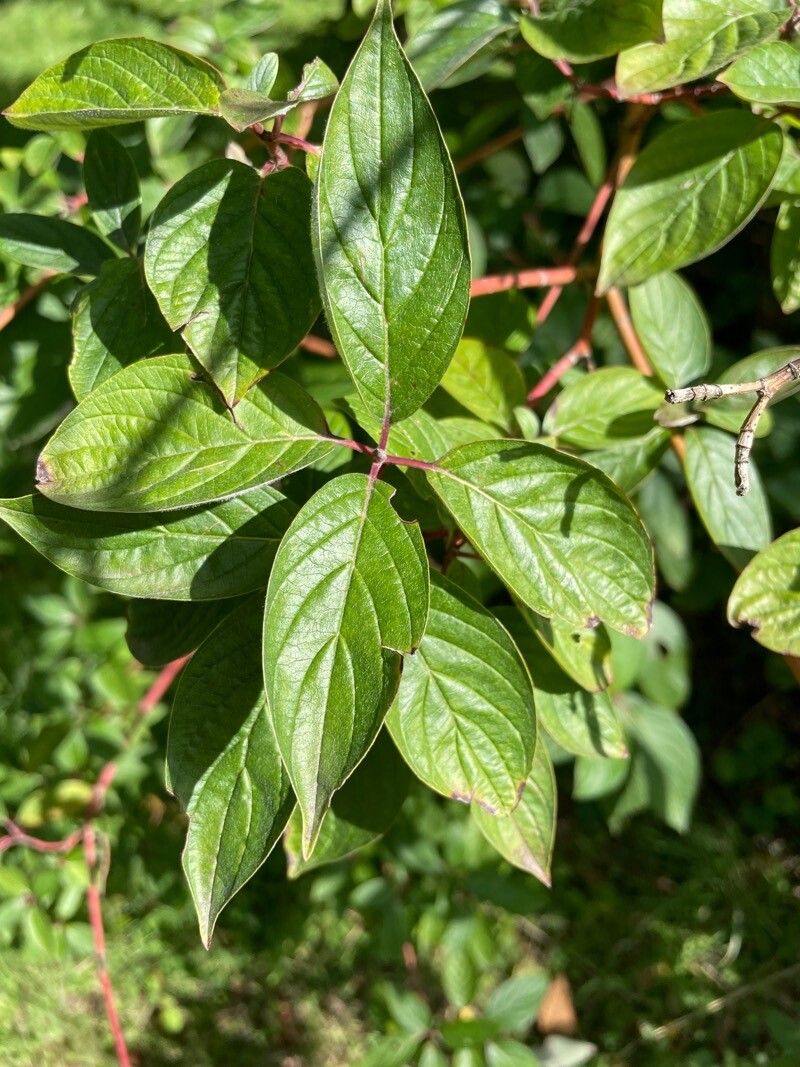
The leaves of Cornus mas are oval-shaped with a dark green hue and prominent veins. In early spring, before the leaves emerge, the plant produces small yellow flowers. These flowers give way to bright red, oblong-shaped fruits that ripen in late summer or early fall.
The fruit of Cornus mas is edible and has a tart flavor, similar to that of sour cherries or cranberries. It can be enjoyed fresh or used to make jams, jellies, syrups, or even fermented into wine.
The Cornelian cherry is an exceptional plant with a rich history of use in traditional medicine. In recent years, scientific studies have confirmed its numerous medicinal properties. Beyond its health benefits, it offers ornamental charm with its yellow blooms in the spring, and it holds economic importance and diverse culinary applications. FUN FACT · FROM THE LIBRARY
Cornus mas thrives in well-drained soil and full sun but can also tolerate partial shade. It is relatively easy to grow and requires minimal maintenance once established.
Beyond its culinary uses, Cornus mas also offers medicinal benefits, boasting high levels of antioxidants such as vitamin C, which help boost immunity against illnesses like colds and flu.
Overall, Cornus mas is an attractive ornamental plant that provides aesthetic value with its beautiful springtime flowers and practical benefits through its delicious, year-round fruit.
Cornelian Cherry or Cornelian Cherry Dogwood: While often called the Cornelian cherry, Cornus mas is actually not a true cherry. Instead, it is a species of dogwood. Its common name comes from the appearance of its bright red fruits, which resemble a semi-precious gemstone known as 'carnelian'.
Cornelian cherry is resistant to many diseases and typically does not suffer from illness. Regarding upkeep, the plant is fairly low-maintenance. When grown outside it needs little watering, and mature specimens usually don't require pruning. Young or smaller plants, however, should be trimmed after they finish blooming. Cornelian cherry is appropriate for anyone who has outdoor space—such as a garden or a deck—and it doesn't demand extensive gardening experience.
How to keep Cornus Mas.
Light
Cornelian cherry grows best with abundant sunlight but can also tolerate reduced light levels. In its native habitat it receives a considerable amount of sun, which supports vigorous growth. An imbalance in light—either too little or too much—can harm the plant, stunting growth or causing leaf scorch.
Water
The Cornelian cherry thrives in moderately moist soil and, once established, is drought-tolerant, needing watering every two weeks. It does well in temperate climates, benefiting from natural rainfall. However, during dry spells, especially in its active growth phase, it requires supplemental watering.
Humidity
This plant will thrive in moderate humidity, which is probably the level in your home. However, misting it a few times a week can be very beneficial. Make sure the room has good ventilation.
Temperature
The cornelian cherry is a plant native to cooler regions and does best in temperatures from 32 to 89.6 °F (0 to 32 ℃). To keep it in optimal health, it is advisable to modify its environment in line with seasonal temperature changes.
Fertilizer
The Cornelian cherry plant needs adequate nutrients to achieve optimal fruit production. Fertilize in early spring to support new growth and bloom development. Regular feeding keeps the plant healthy, promotes more delicious fruit, and prevents nutrient-deficiency problems like yellow leaves and poor fruit production.
Pruning
The Cornelian cherry is a deciduous shrub known for its bright yellow flowers in the spring and its edible red fruits. To maintain its health and encourage flowering, it's best to prune in early spring. Focus on removing dead wood and overcrowded branches. Make sure your tools are clean to prevent the spread of disease. Proper pruning not only enhances growth but also improves the shrub's appearance.
Pot & Repot
The cornelian cherry is a deciduous shrub that can grow up to 5 meters tall. It should be repotted every 2 to 3 years in late winter, using a large container. Use well-draining soil and provide consistent watering after repotting to promote recovery and healthy growth.
Botanical profile.
- Plant Type
- Tree, Shrub
- Life Cycle
- Perennial
- Genus
- Cornus
- Family
- Cornaceae
- Hardiness Zone
- 3-7
- Mature Height
- 4.88 m to 11.89 m
- Mature Spread
- 3.66 m to 6.1 m
- Leaf Color
- Green, Yellow, Red, Purple
- Leaf Type
- Deciduous
- Flower Color
- Yellow
- Flower Size
- 0.51 cm to 1.02 cm
- Bloom Time
- Early spring, Winter
- Planting Time
- Spring, Autumn
- Harvest Time
- Mid summer
- Native Area
- Turkey, Austria, Czech Republic, Slovakia, Bulgaria, Armenia, Greece, Croatia, Slovenia, Ukraine, Russia, Hungary, Germany, Syria, Italy, Switzerland, Iran, Albania, Azerbaijan, Romania, Belgium, France
Other names.
Reader questions.
What is the most effective way to water my Cornelian cherry plant?
To ensure excellent root growth, place a garden hose at the base of the plant. Avoid spraying the leaves directly, as this can lead to increased watering needs if the plant is outdoors and in direct sunlight. Consider using bubblers or soaker hoses to keep the roots moist. When adding or removing plants, use soaker hoses that cover the entire garden or bed to encourage deep root growth. After watering, drain any excess water and allow the soil to dry before watering again. Watering at ground level helps prevent diseases. On sunny days, it's beneficial to spray the entire bush with water. Whether potted or in-ground, remember that Cornelian cherry plants prefer deep watering rather than light sprinkling.
Why is it necessary to fertilize my Cornelian cherry tree?
Fertilizing your Cornelian cherry is essential for several reasons. First, it will promote the growth of beautiful blooms. The best time to fertilize is in early spring to ensure excellent flowers during that season. Additionally, fertilizer provides the cherry tree with an abundance of energy that can be stored in the ground during its dormant growth phases. By giving your Cornelian cherry some extra nutrients during fall planting or late spring, you are enabling it to store more energy for future use when it enters active growth again.
How many hours of sunlight per day does Cornelian cherry need for healthy growth?
To ensure healthy growth, Cornelian cherry needs a minimum of 3-6 hours of sunlight daily. While most plants that tolerate partial sunlight can also thrive in full sun, they are more adaptable than plants that require full sun or partial shade as they need less light for photosynthesis.
What is the native climate for Cornelian cherry, and how should its environment be adjusted seasonally?
The Cornelian cherry is native to colder climates and thrives in temperatures ranging from 32 to 89.6 °F (0 to 32 °C). To maintain the plant's optimum health, it is important to adjust its environment according to seasonal temperature fluctuations. The plant is highly cold-tolerant and doesn't require additional frost protection during winter. However, it is recommended to water the plant generously before the first freeze in the autumn, ensuring the soil stays moist and enters a frozen state. This preparation helps prevent drought and water scarcity for the Cornelian cherry during the winter and early spring.
If I give the Cornelian cherry too much or too little water, what should I do?
An overwatered Cornelian cherry shows signs of yellowing, dropping leaves, and wilting. The plant may also appear dull and unhealthy with mushy stems. When these signs appear, adjust your watering schedule if possible. Wilting can also indicate under watering, which causes crispy, dry leaves. If the soil is dry and water alone is not sufficient, give the plant a thorough watering. This will help the Cornelian cherry recover, although the plant may still exhibit dryness and yellow leaves due to root damage. Once the plant returns to normal, the yellowing of the leaves will cease. When keeping a Cornelian cherry indoors, always check the moisture levels in the pot, avoiding overwatering and looking out for black spots. If present, allow the soil to dry out by withholding water for a few days. Overwatering can lead to root rot, so consider transferring the plant to a different pot if discolored and slimy roots are observed. It is important to prevent root rot by avoiding overly soggy soil. When planting the Cornelian cherry outdoors, dig a little deeper and check the soil moisture with your fingers. If the soil is too dry, it may indicate underwatering. Adequate watering is necessary for the plant to recover.
When should I fertilizer my Cornelian cherry tree?
To ensure effective use and prevent waste and pollution, timing is crucial when fertilizing Cornelian cherry. Apply the first application of fertilizer in early spring, when the Cornelian cherry is no longer dormant. Continuously fertilize once a month until early summer. Avoid fertilizing too early while the Cherry is still dormant, as this may result in ineffective use and the fertilizer being washed away by rainwater.
What kind of sunlight does Cornelian cherry require?
Cornelian cherry thrives in full or part sun, specifically benefiting from direct morning light. However, it requires protection from the intense afternoon sun during summer. Too much hot afternoon sun in temperate environments can result in leaf burn, leading to both compromised appearance and health of the plant.
How does Cornelian cherry respond to low temperatures, and what measures should be taken if temperatures drop below -35°C?
The Cornelian cherry is extremely cold-tolerant, with winter temperatures needing to stay above -35°C to avoid damage. Although the plant can survive temperatures below this threshold without noticeable changes during winter, its branches may become brittle and dry by spring, leading to a lack of new shoot emergence. To counteract this, it's recommended to prune away any dead branches that have failed to produce new leaves in the spring.
How frequently should I give water to my Cornelian cherry plant?
To properly water Cornelian cherry plants, it is important to follow a few guidelines. If the plants are in pots, keep in mind that the water storage capacity is limited, so they will dry out more quickly. For potted plants, soak them with a gallon of water each time, especially when you first plant them. In colder regions, watering every 3 to 5 days is necessary. It's best to water in the morning when the soil is dry. To determine if watering is needed, check the top 2-3 inches of soil. If it is dry, give the plant a thorough watering. During hot days, monitor the soil moisture daily, as the heat can cause it to dry out quickly. For plants in a garden, irrigation is necessary, particularly in hot climates. Water once a week if the top 2-3 inches of soil are dry. Take into account rainfall, and avoid watering excessively to prevent root rot. During the growing seasons of spring and fall, add a layer of mulch about 3 to 4 inches deep around the plants to conserve water. The frequency of watering depends on the type of soil. Sandy soil drains faster, so more frequent watering is needed. Clay soil, on the other hand, requires less frequent watering to prevent root rot. If you mark the date on a calendar each time you water, you can observe any patterns or signs that the plants may need water sooner, such as drooping leaves.
When should I not put fertilizer on my Cornelian cherry?
To ensure optimal blooming, it is important to use a fertilizer with a lower level of nitrogen for Cornelian cherry. Excessive nitrogen can result in an abundance of leaves but limited blooms. Avoid fertilizing the tree during late autumn, as it can encourage too much growth before winter. Additionally, refrain from fertilizing during hot and dry periods, as dry soil hinders the effectiveness of fertilizers and can lead to excessive growth that requires more water. It is best to fertilize Cornelian cherry earlier in the season when temperatures are cooler. Lastly, keep in mind that the tree can absorb fertilizer applied to nearby plants or lawns, so be cautious not to inadvertently provide it with a double-dose of fertilizer.
Can the sun harm Cornelian cherry? How can I keep Cornelian cherry safe from the sun and heat?
When planting cornelian cherry indoors, it is important to protect it from direct sunlight when moving it outdoors. To prevent sunburn, gradually move the pots from a shaded area to a brighter spot. However, extreme heat can still damage acclimated plants. During a heatwave, it is crucial to keep the soil moist to help the plants cope with the heat. To protect cornelian cherry during extreme weather, consider moving container plants to shaded areas or using a shade cloth.
What effects do high temperatures have on Cornelian cherry, and how can these effects be mitigated?
Cornelian cherry is susceptible to high temperatures, and when the temperature exceeds 32°C, it may experience significant leaf drop. In severe cases, the plant can wither and die. To alleviate the effects of high temperatures, trim away any sunburned and dried-up parts of the plant. Additionally, moving the plant to a shaded location or using a shade cloth to protect it from intense midday and afternoon sun can help. It's also beneficial to water the plant in the morning and evening to maintain soil moisture.