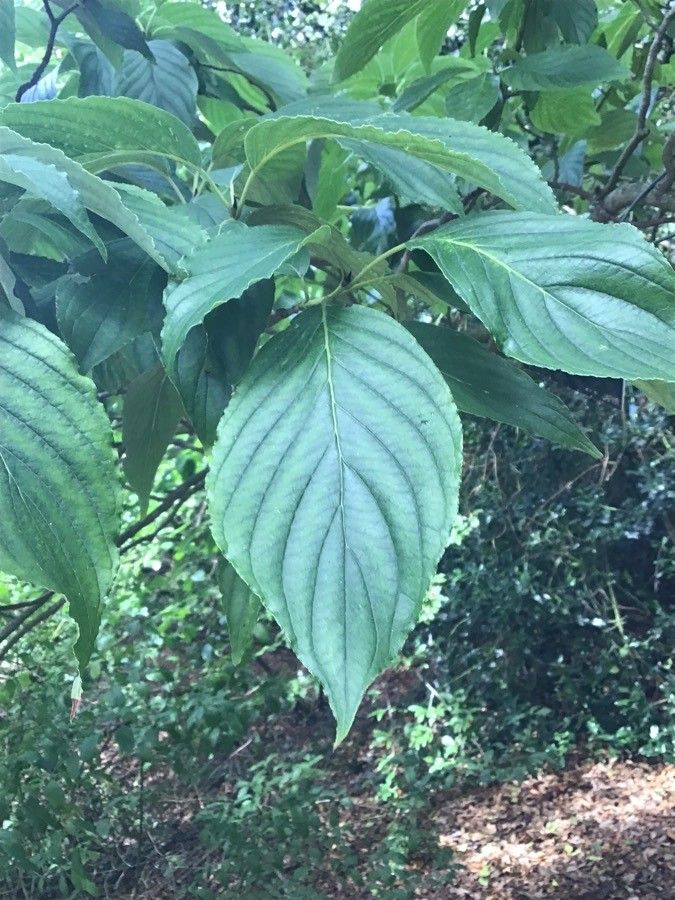
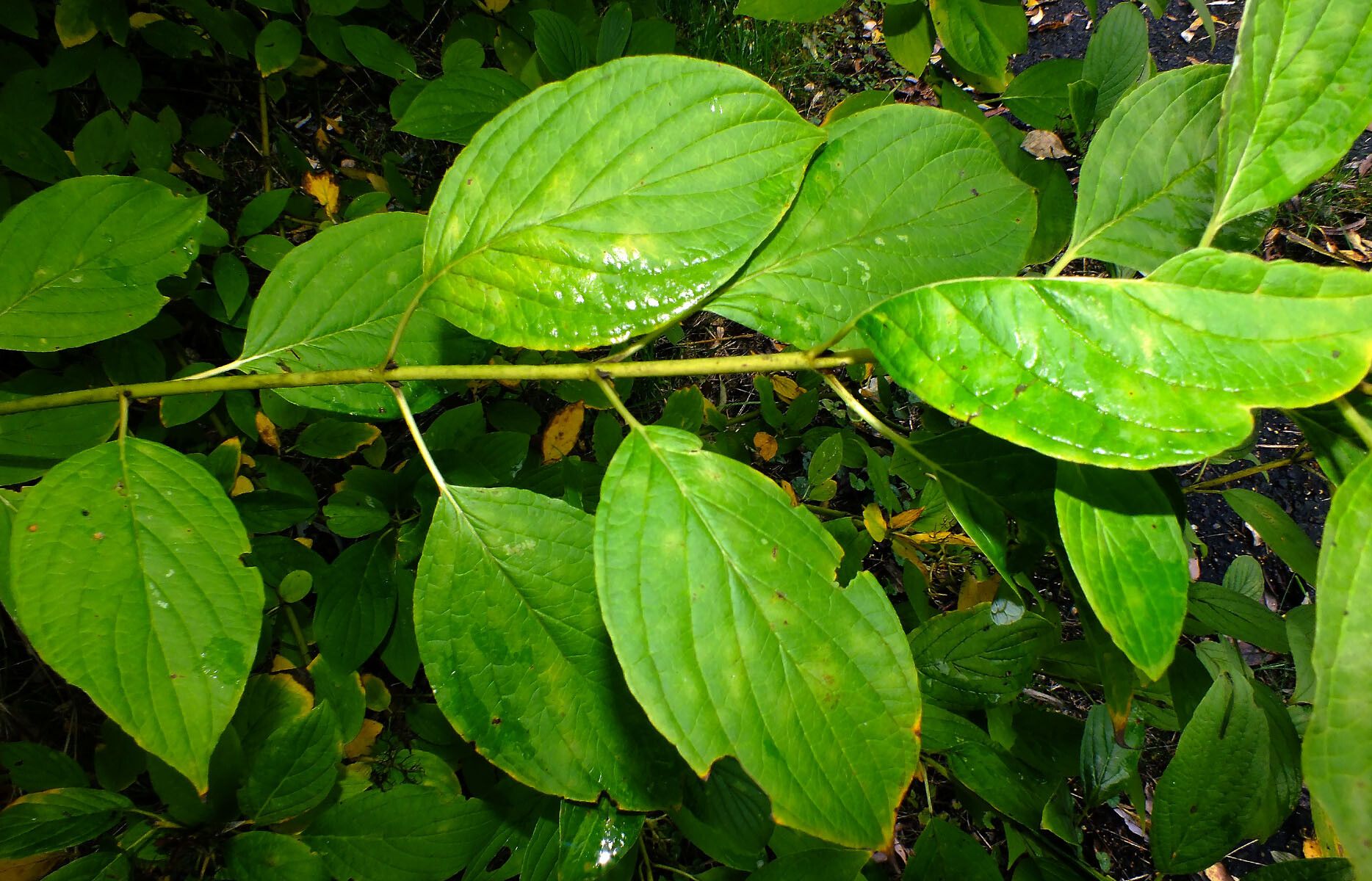
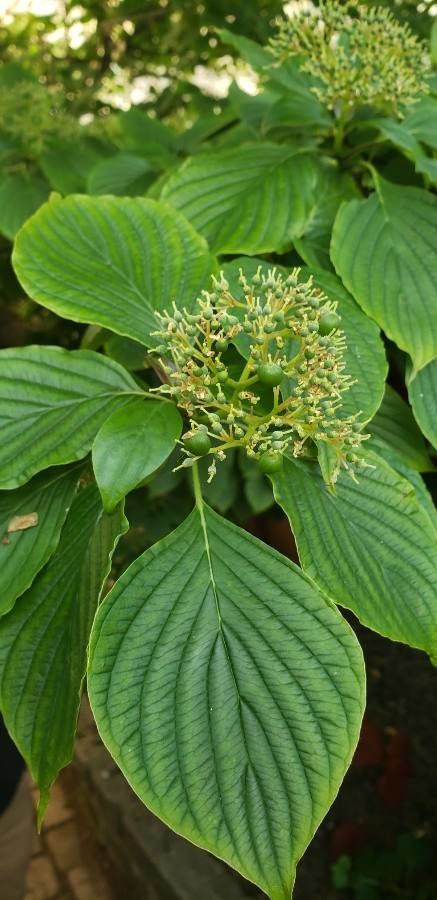
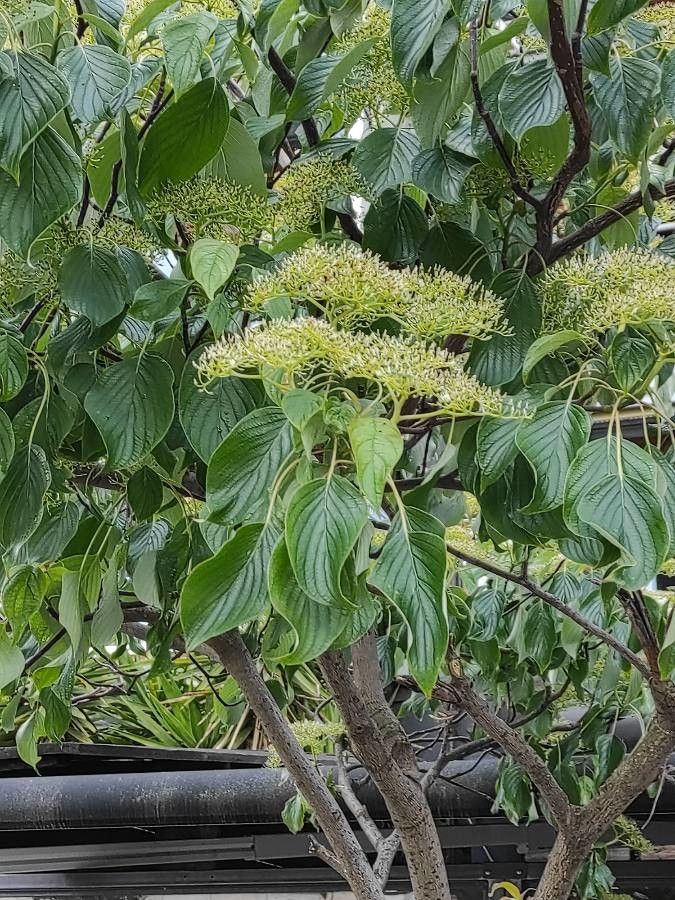
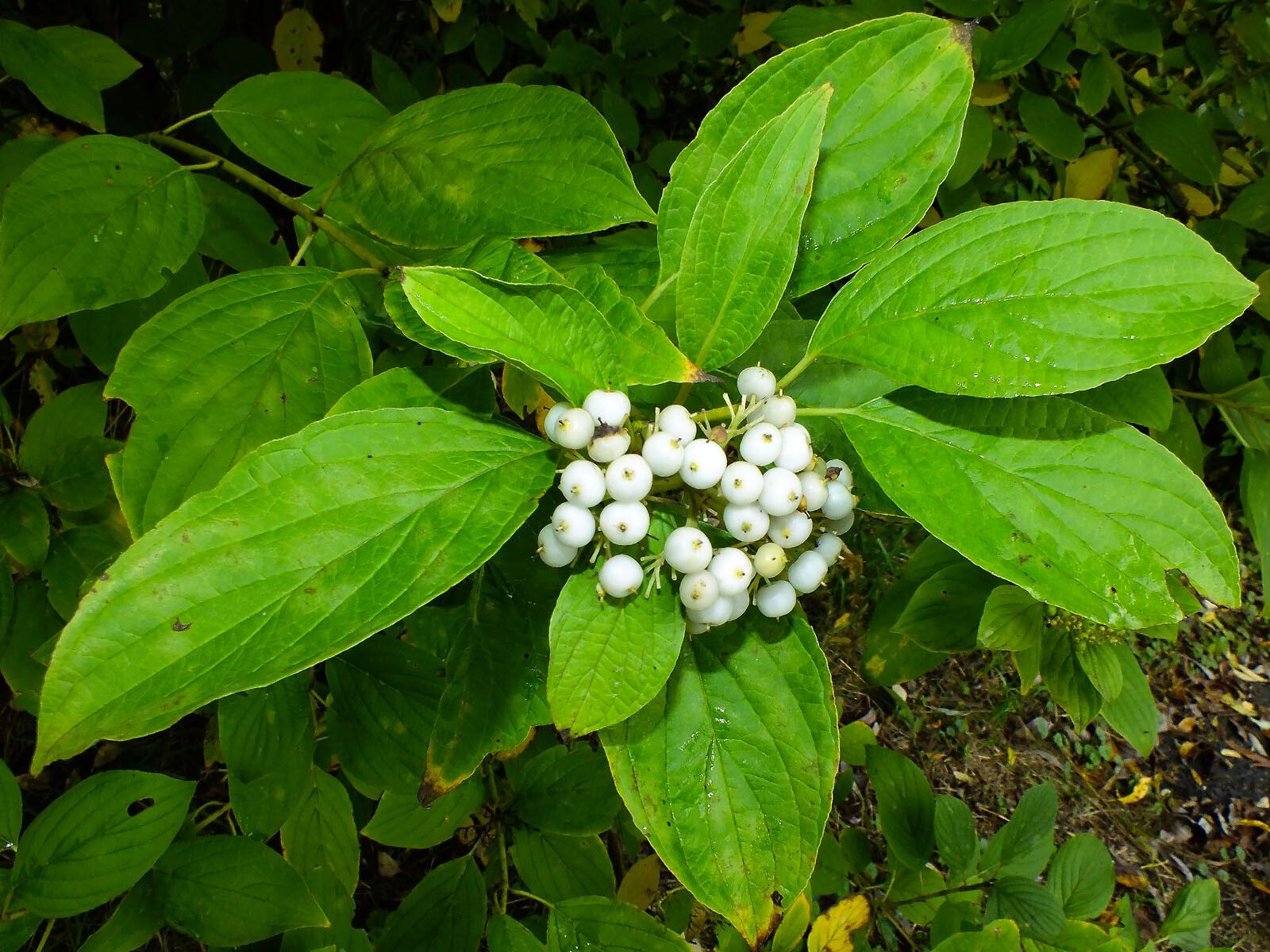
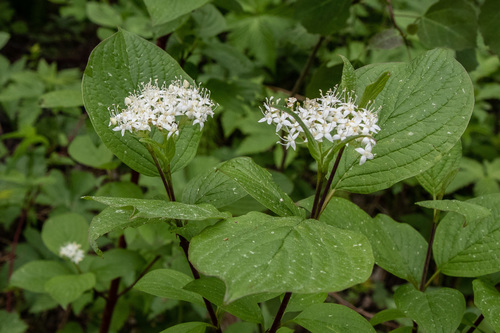
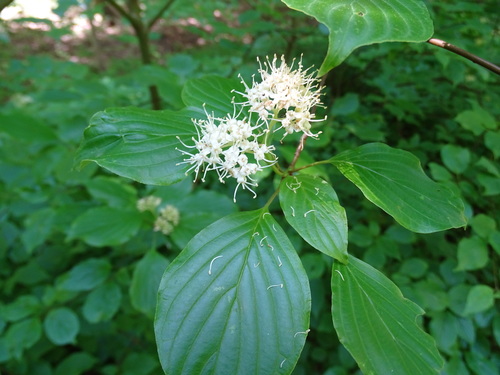
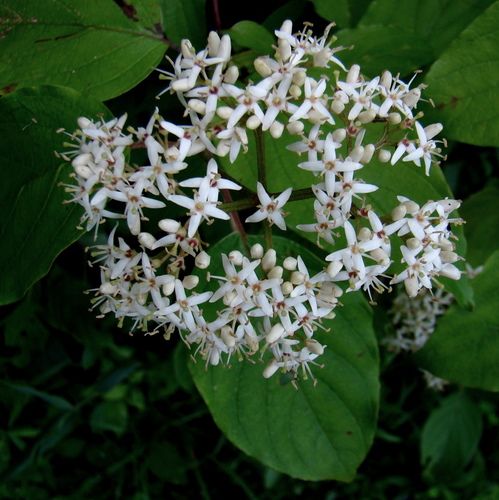
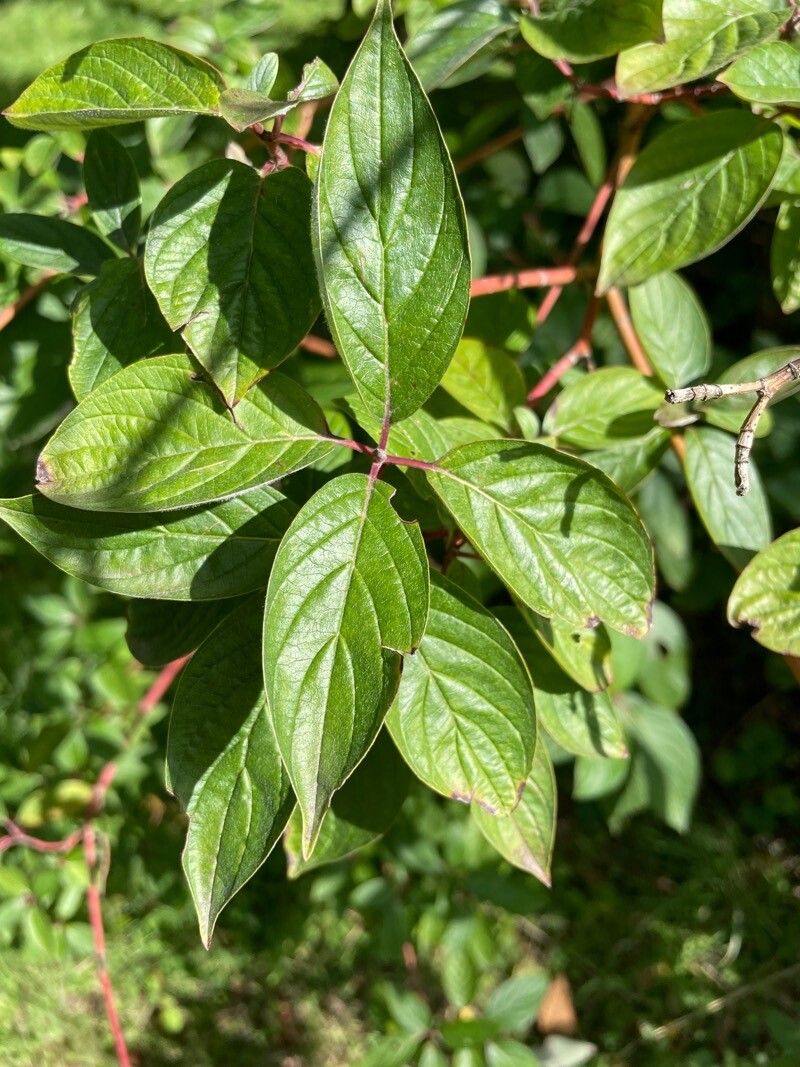
Cornus macrophylla, commonly known as the large-leafed dogwood, is a species of dogwood found in Afghanistan, Bhutan, India, Kashmir, Myanmar, Nepal, Pakistan, Taiwan, and several provinces in China, including Anhui, Fujian, Gansu, Guangdong, Guangxi, Guizhou, Hainan, Hubei, Hunan, Jiangsu, Jiangxi, Ningxia, Shaanxi, Shandong, Sichuan, Xizang, Yunnan, and Zhejiang.
Large-leafed dogwood is highly resistant to disease and is generally not susceptible to illnesses. In terms of care, this plant is fairly low-maintenance. When grown outdoors it needs minimal watering, and larger plants typically do not require pruning. Smaller plants, however, should be pruned after they finish blooming. Large-leafed dogwood is suitable for anyone with an outdoor area, such as a garden or deck, and does not demand much prior care experience.
How to keep Cornus Macrophylla.
Light
Large-leafed dogwood comes from open habitats, such as sunny meadows and forest edges, where plentiful light is available. It performs best in full sun but can also tolerate partial sun, showing good adaptability to a range of light conditions.
Water
Large-leafed dogwood thrives in moderately and evenly moist soil, benefiting from consistent hydration but sensitive to prolonged droughts. It should be watered every two weeks. While typically grown outdoors, the plant's health is influenced by seasonal rainfall patterns, which can affect its watering needs.
Temperature
Large-leafed dogwood is native to areas with moderate temperatures and grows best between 41 and 95 °F (5 to 35 ℃). It may need temperature adjustments for optimal development — cooler in winter and warmer in summer.
Fertilizer
The timing of fertilizing Large-leafed dogwood is important. Apply fertilizer in early spring and continue monthly until early summer. Fertilizer promotes lovely blooms and supplies energy during both dormant and active growth phases.
Pruning
To keep your large-leafed dogwood healthy and looking its best, it's important to prune it in early spring. Start by removing any dead branches and thinning out crowded areas. Make sure to cut just above the buds to promote growth, improve disease resistance, and encourage flowering. This will help ensure that your large-leafed dogwood stays vigorous and visually appealing.
Botanical profile.
- Plant Type
- Tree
- Life Cycle
- Perennial
- Genus
- Cornus
- Family
- Cornaceae
- Hardiness Zone
- 5-9
- Mature Height
- 3.05 m to 9.14 m
- Mature Spread
- 10.06 m
- Leaf Color
- Green, Dark Green
- Leaf Type
- Deciduous
- Flower Color
- White, Cream
- Flower Size
- 0.76 cm to 0.76 cm
- Bloom Time
- Early summer, Mid summer
- Planting Time
- Spring, Summer, Autumn
- Harvest Time
- Early fall, Mid fall
- Native Area
- Russia, Nepal, Afghanistan, India, Myanmar, Japan, Bhutan, Pakistan, South Korea, China
Other names.
Reader questions.
What are the sunlight requirements for a Large-leafed dogwood (Cornus macrophylla)?
The Large-leafed dogwood (Cornus macrophylla) requires specific conditions of sunlight exposure to thrive. It needs to be in full sun, which means it should receive more than 6 hours of direct sunlight daily. Alternatively, it can grow in partial sun, which equates to about 3-6 hours of sunlight each day. It's important to observe the patterns of sunlight movement in your garden to ensure that your Large-leafed dogwood is placed where it can enjoy the optimal balance of light and shade. This care in positioning helps ensure the plant's health and happiness.
What is the optimal temperature range for large-leafed dogwood (Cornus macrophylla)?
Large-leafed dogwood (Cornus macrophylla) thrives best in environments with moderate temperatures. The optimal temperature range for its growth is between 41 to 95 °F (5 to 35 ℃). To ensure optimal growth, it may be necessary to adjust temperatures seasonally, keeping it cooler in the winter and warmer in the summer.