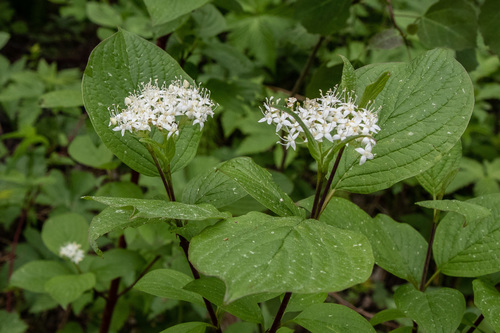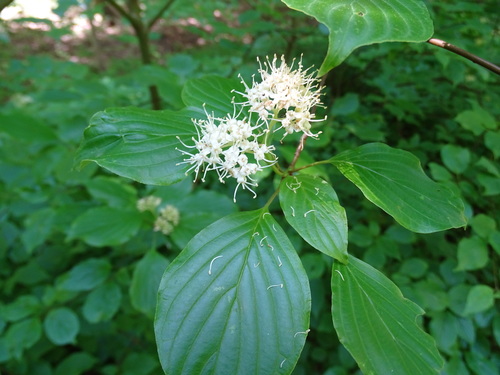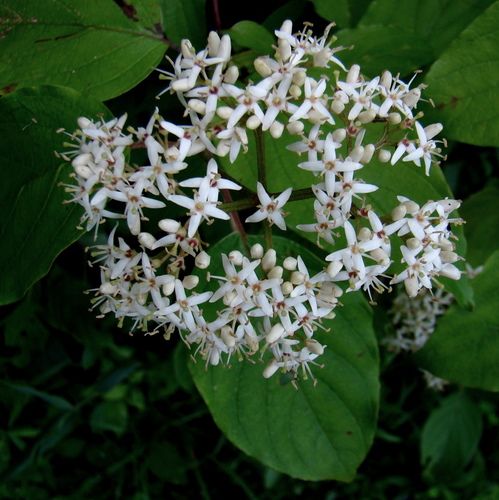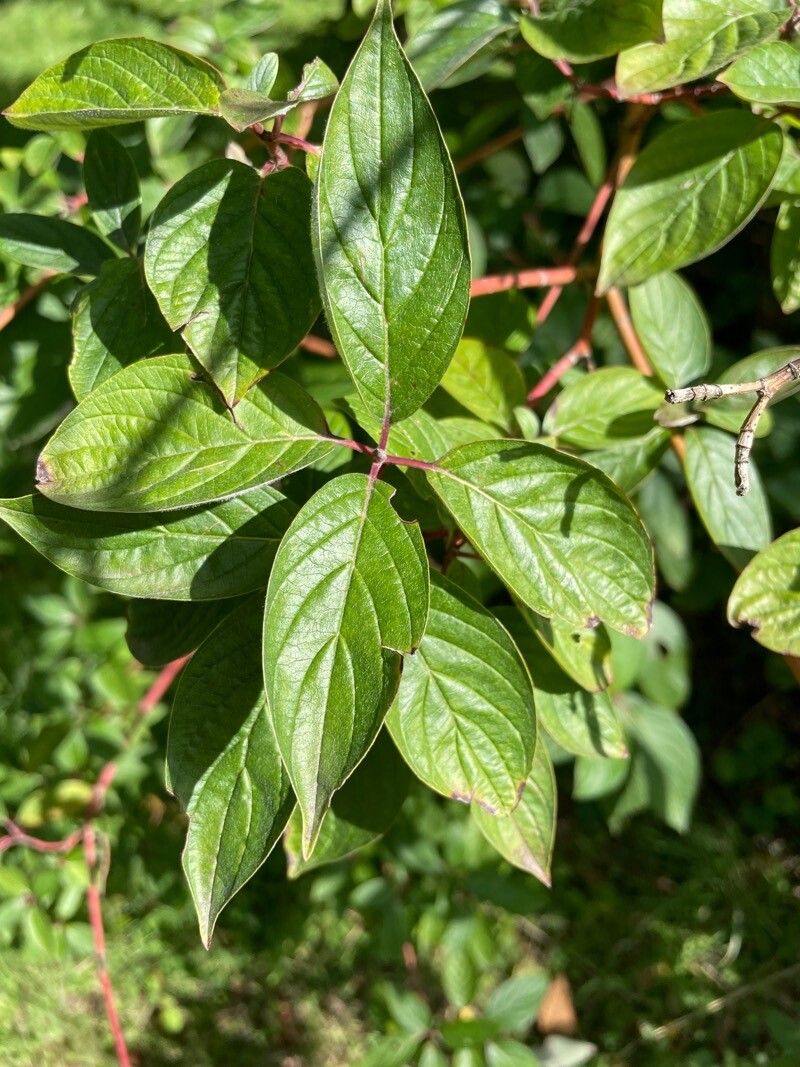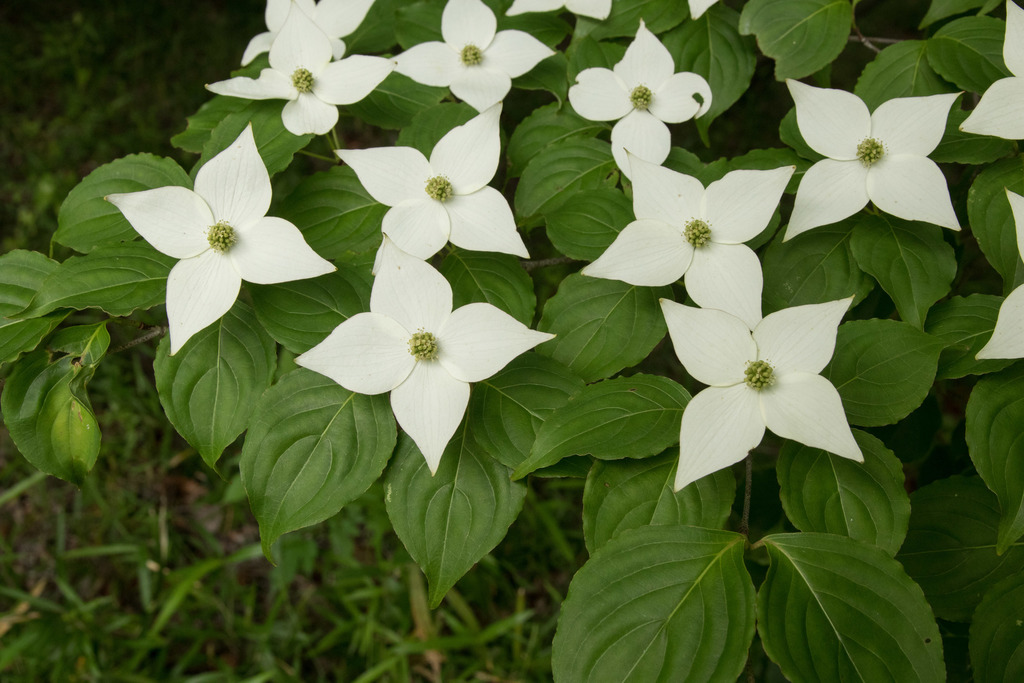
This small deciduous tree is popular for its attractive horizontal tiers of branches. In the spring, it features splendid pink to red bracts, which are followed by hanging red fruit in the fall. The autumn leaves display beautiful red-scarlet tints.
Kousa dogwood has strong disease resistance and is generally not susceptible to illnesses. In terms of care, this plant is fairly low-maintenance. When grown outdoors it needs little watering, and larger specimens typically do not require pruning. Smaller plants, however, should be pruned after they finish blooming. Kousa dogwood is suitable for anyone with an outdoor area, such as a garden or deck, and does not demand much gardening experience.
How to keep Cornus Kousa.
Light
Kousa dogwood performs best when it receives steady sunlight throughout the day. Although it can still grow in spots with moderate daily sun, a sunlit location encourages healthier development. In the wild, this species prospers in areas with plentiful daily light. Too much or too little light can stunt its growth or cause leaf discoloration.
Water
The kousa dogwood, native to East Asia, thrives best in moderately moist, well-drained soil and can tolerate drought once it is established. Water the kousa dogwood every 1 to 2 weeks, allowing the soil to partially dry out between waterings. Applying mulch helps retain moisture and enhances the tree's ornamental appeal when grown outdoors.
Humidity
This plant needs special care because it loves high humidity levels of 60-80% or more. The best way to achieve this is by placing a humidifier near the plant. Daily misting is also essential! Make sure the room has good ventilation.
Temperature
The kousa dogwood grows best in a temperature range of 41 to 95 ℉ (5 to 35 ℃). Native to Asia, it flourishes in a temperate climate with mild winters and warm summers. In winter it can tolerate temperatures as low as 5 ℉ (-15 ℃), while in summer it prefers temperatures under 95 ℉ (35 ℃).
Fertilizer
The timing of fertilizing Kousa dogwood is important. Begin feeding in early spring and repeat monthly up through early summer. Fertilizer encourages attractive blooms and supplies energy during both dormant periods and active growth phases.
Pruning
The Kousa dogwood is known for its beautiful flowers and attractive bark. For optimal health, prune it in early spring. Start by removing any dead branches and be careful not to cut more than one-third of the total branches. Thinning the tree improves air circulation and light exposure, which reduces the risk of disease and encourages healthy growth and flowering.
Pot & Repot
When repotting Kousa dogwood, select a pot 1–2 inches (2.5–5.1 cm) larger that provides good drainage. Use a well-draining potting mix. Repot in spring or fall, making sure the root ball sits slightly below the rim of the flower pot. Water thoroughly after repotting and place in a warm spot with indirect sunlight.
Toxicity
Kousa dogwoods are not toxic. The berries are edible and can be used in jams, wines, and sauces. The taste is similar to a persimmon. If using the berry, removing the grainy seeds with a fine mesh is usually done as the texture is not enjoyable.
Further reading →
The toxicity and danger assessments provided are for reference only. We do not assure their accuracy, so it's crucial not to depend on them. Seek professional advice when necessary for accurate guidance.
Botanical profile.
- Plant Type
- Tree
- Life Cycle
- Perennial
- Genus
- Cornus
- Family
- Cornaceae
- Hardiness Zone
- 4-9
- Mature Height
- 3.96 m to 10.06 m
- Mature Spread
- 2.44 m to 6.1 m
- Leaf Color
- Green, Yellow, Purple, Red
- Leaf Type
- Deciduous
- Flower Color
- White, Cream
- Flower Size
- 2.54 cm to 7.62 cm
- Bloom Time
- Late spring, Early summer
- Planting Time
- Spring, Autumn
- Harvest Time
- Mid summer
- Native Area
- China, Japan, Korea
Other names.
Reader questions.
When Should I Water My Kousa Dogwood?
Watering your Kousa Dogwood is essential for its growth, health, and flowering. To determine when to water, check the soil moisture by feeling the soil up to 2 inches deep; if it's dry, it's time to water. Other indicators include wilting or discolored leaves and cracked soil surface. It's also critical to water adequately during the pre-flowering stage and adjust watering frequency based on temperature, sunlight exposure, and seasonal changes. Overwatering or watering too early can lead to root diseases, while late watering after the soil has been dry for too long can cause stress and even plant death.
Why is it important to put fertilizer on my Kousa dogwood tree?
Fertilizing a Kousa dogwood is crucial for a few reasons. The most obvious benefit is that it helps the tree produce beautiful blooms. To ensure excellent flowers, it's best to fertilize in early spring. Additionally, fertilizer provides the tree with extra energy that it can store in the ground during dormant growth phases. By giving your Kousa dogwood additional nutrients during fall planting or late spring, it can store more energy to use when it starts growing again.
What are the sunlight requirements for Kousa dogwood?
Kousa dogwood requires consistent exposure to sunlight throughout the day for optimal growth. It thrives best in full sun, which means it should receive above 6 hours of sunlight daily, but it can also grow in partial sun, receiving about 3-6 hours of sunlight. However, it's important to watch how sunlight moves through your garden to ensure your Kousa dogwood gets a balance of light and shade, as both overexposure and insufficient light can hinder its growth or cause leaf discoloration.
What are the ideal temperature conditions for a Kousa dogwood?
The Kousa dogwood thrives in a temperature range of 41 to 95°F (5 to 35°C), making it well-suited for a temperate climate with mild winters and warm summers. It has strong cold resistance, capable of withstanding winter temperatures as low as 5°F (-15°C). During summer, the plant prefers temperatures below 95°F (35°C). Despite its robust cold tolerance, in extreme cold conditions where temperatures are expected to dip below -15°C (5°F), it's important to provide additional cold protection to the plant. This can involve wrapping the trunk and branches with non-woven fabric or cloth, and ensuring the soil around the plant is well-watered before the first freeze to help prevent water scarcity during winter and early spring.
How Should I Water My Kousa Dogwood?
Properly watering your Kousa Dogwood involves a few key techniques and considerations. Deep watering ensures the water reaches the roots, promoting healthy growth and preventing waterlogging. Use a watering can with a long, narrow spout to target the base and avoid wetting the foliage, which can lead to diseases. Consider using a moisture meter to accurately determine when to water, and mulching around the plant can help retain soil moisture. Ensure you avoid overwatering to prevent root rot, and maintain a consistent watering schedule, allowing the top few inches of soil to dry out between sessions.
When should I fertilize my Kousa dogwood tree?
To effectively fertilize Kousa dogwood, it is important to consider timing. Fertilizing too early, when the tree is still dormant, will result in ineffective use of the fertilizer, as it will be washed away by rainwater and cause waste and pollution. Therefore, it is recommended to apply the first round of fertilizer in early spring and continue to fertilize monthly until early summer.
How does artificial lighting affect the growth of Kousa dogwood?
Artificial lighting can be crucial for the growth of Kousa dogwood, especially when natural sunlight is insufficient, such as during winter or in less sunny spaces. Effective artificial lighting involves choosing the right type of light, like LED lights, which can be customized to specific wavelengths needed for plant growth. For full sun plants, 30-50W/sq ft is recommended; partial sun plants need 20-30W/sq ft, while full shade plants should get 10-20W/sq ft. The light should be placed 12-36 inches above the plant and kept on 8-12 hours per day to mimic natural daylight hours, promoting healthier and faster growth.
How does low temperature affect Kousa dogwood, and what are the solutions?
Kousa dogwood is quite tolerant to low temperatures and generally thrives best when the temperature remains above its critical cold threshold. In winter, the plant should be kept above this threshold to avoid damage. However, if temperatures fall lower than recommended, you might not notice immediate damage during the winter. It's during spring that the plant shows signs of distress, where branches may become brittle and dry, failing to produce new shoots. To manage this, it's advised to prune away any dead branches in the spring to promote new growth and ensure the health of the plant.
How Much Water Does Kousa Dogwood Really Need?
Kousa Dogwood's water requirement is moderate, with well-draining soil being ideal. The amount of water needed varies by the size of the plant and the environmental conditions. Generally, water until it reaches the bottom of the pot and drains away, usually about 1-2 times per week under normal conditions, adjusting as necessary. Proper hydration is evidenced by vibrant leaves and upright stems; meanwhile, over or under-watering can lead to yellow, dropping leaves or wilting. It's helpful to use the finger test, checking the soil's moisture at a depth of about 2 inches, to decide when it's time to water.
When is the right time to not use fertilizer on my Kousa dogwood?
To maximize the blooming of Kousa dogwood, avoid using a high nitrogen fertilizer that promotes leaf growth but not blooms. Look for a fertilizer with lower nitrogen levels compared to other nutrients. Additionally, refrain from fertilizing after early autumn because it can lead to excessive growth before winter. It is also important to avoid fertilizing during hot and dry periods as dry soil does not effectively deliver fertilizer and can stimulate growth that requires more water. It is best to apply fertilizer earlier in the season when temperatures are cooler. Lastly, be cautious about unintentionally providing Kousa dogwood with too much fertilizer, as it can absorb excess amounts from nearby plants or lawns.
What are some common symptoms of insufficient light in Kousa dogwood?
Symptoms of insufficient light in Kousa dogwood include small and lighter-colored new leaves, leggy or sparse growth, faster leaf drop, and a halt in growth as the plant enters survival mode. Additionally, excessive sunlight can cause chlorosis, where leaves lose their green color and turn yellow, sunscald with pale or necrotic patches on the plant, leaf curling as a defense mechanism to minimize water loss, wilting due to increased transpiration, and leaf scorching with brown, crispy edges on leaves.
What happens when Kousa dogwood is exposed to high temperatures, and how can it be protected?
During the hot summer months, it's crucial to keep the Kousa dogwood in temperatures below 95°F (35°C) to prevent stress from high heat. Exposure to temperatures above its comfort zone can cause the leaves to lighten in color, tips to become dry and withered, and increase the susceptibility to sunburn. To protect the plant from excessive heat, it's important to either move it to a shaded location or use a shade cloth to shield it from the harsh midday and afternoon sun. Additionally, ensuring the soil remains moist by watering the plant in the morning and evening can help prevent heat stress and protect the plant.