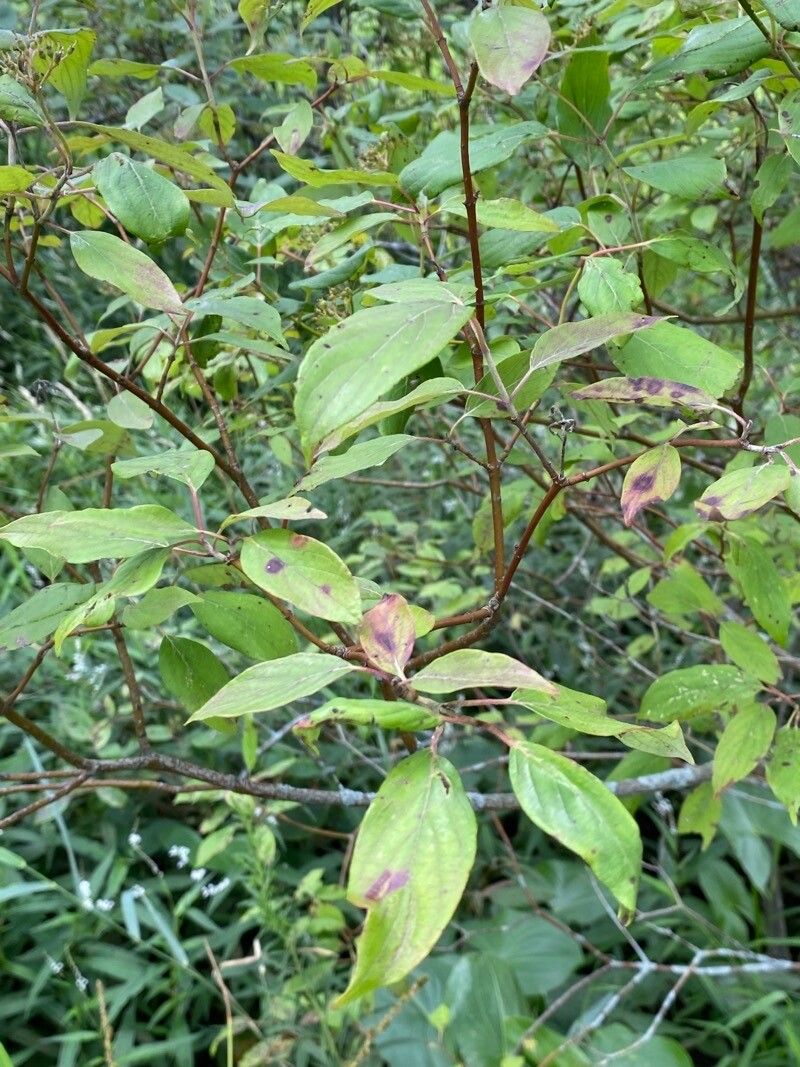
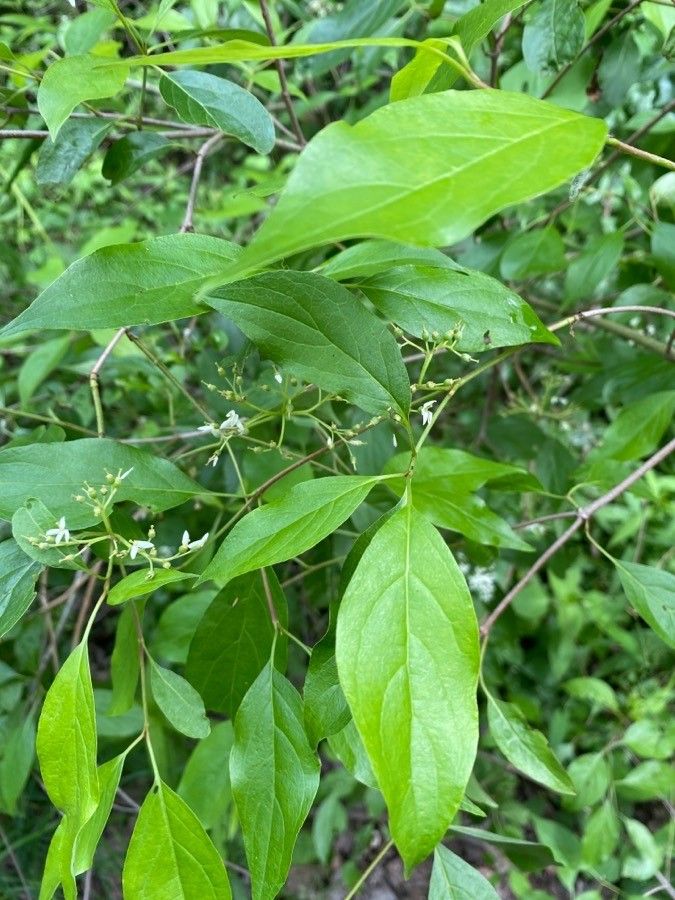
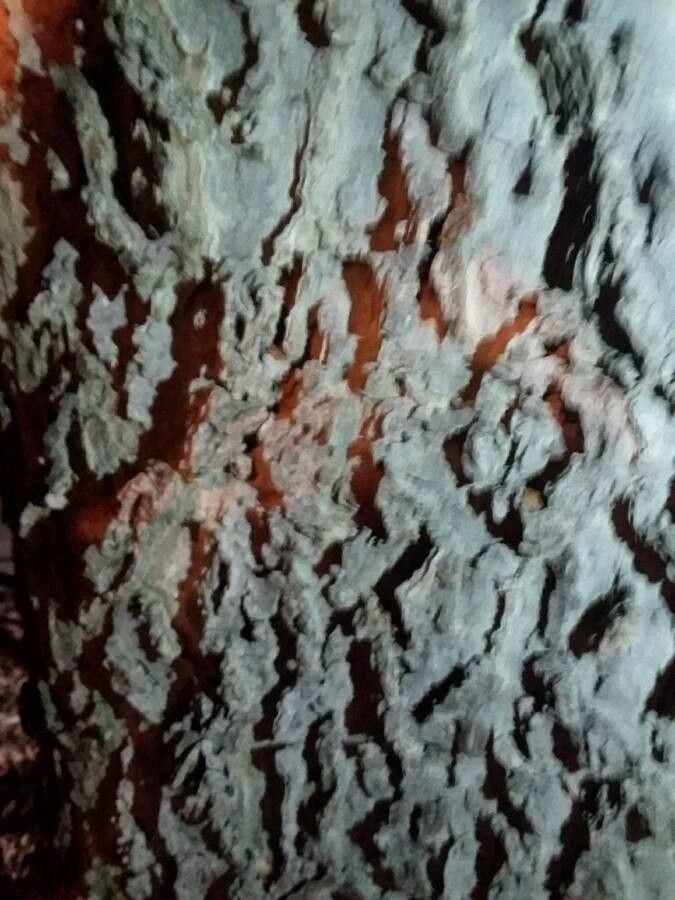
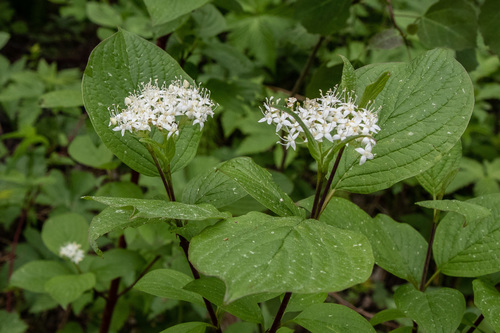
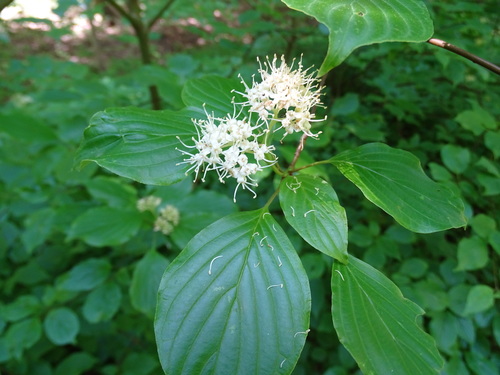
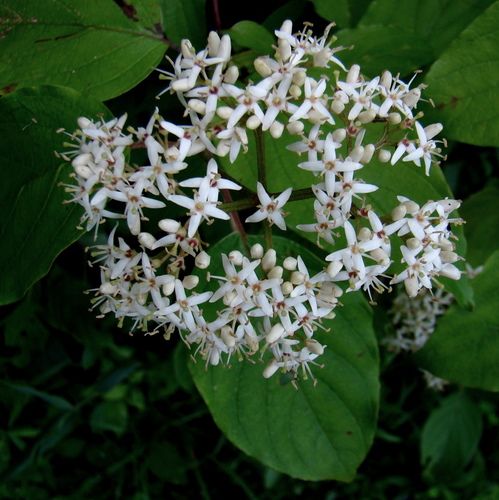
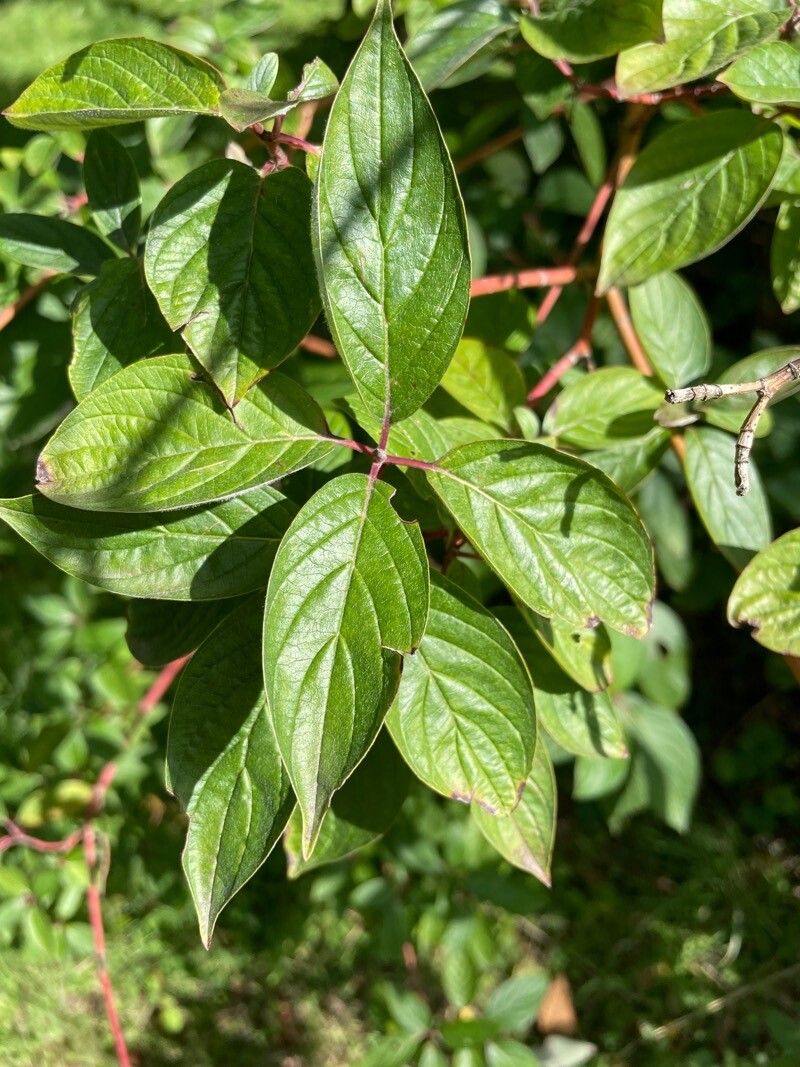
Cornus foemina is a species of flowering plant in the Cornaceae known by the common names stiff dogwood and swamp dogwood. It is native to parts of the eastern and southeastern United States.This plant is a large shrub or small tree up to 15 feet tall with trunks up to 4 inches wide. The bark is smooth or furrowed. The oppositely arranged, deciduous leaves are oval in shape with smooth edges. The inflorescence is a flat-topped cluster of white flowers. The fruit is a blue or purple drupe.This plant grows in wetlands, often in swampy conditions. It can tolerate moderate amounts of salinity.
Stiff dogwood is resistant to disease and is generally not susceptible to illnesses. As for care, this plant is fairly low-maintenance. Planted outdoors it needs only minimal watering, and larger plants usually do not require pruning. Smaller plants, however, should be pruned after they finish blooming. Stiff dogwood is suitable for anyone with an outdoor area, such as a garden or deck, and does not need much gardening experience.
How to keep Cornus Foemina.
Light
Stiff dogwood needs ample light to grow vigorously and is well suited to sites that receive substantial sunlight each day. It can tolerate lower light levels, but this may limit its ideal development. Native to brightly lit areas, inadequate sun can cause stunted growth, while excessive exposure can stress the plant and potentially cause damage.
Water
Stiff dogwood flourishes in moist environments and needs consistent moisture. It should be watered about once every three weeks. This plant adapts well to seasonal changes in water availability and can withstand short periods of dryness. It also benefits from natural irrigation during the rainy seasons.
Temperature
Stiff dogwood naturally occurs in temperate regions with temperatures between 41 and 89.6°F (5 and 32°C). It prefers cool to moderate conditions and can tolerate a few days of freezing. In summer, excessive heat may cause leaf scorch, so ensure adequate moisture and provide some shade during the hottest hours of the day.
Fertilizer
To encourage healthy development, fertilize your Stiff dogwood in early spring. Regular feeding improves overall health, leading to vigorous growth, better tolerance of harsh conditions, and greater resistance to pests and diseases. Keep to a consistent fertilization schedule to maintain foliage that is vibrant, richly colored, and lush in appearance.
Pruning
Stiff dogwood is a multi-stemmed plant that showcases attractive white flowers. To maintain its health and appearance, prune it in early spring. Focus on removing dead or crossing branches to improve airflow. Thinning older stems encourages new growth. Regular pruning helps control the size, enhances visual appeal, and keeps the plant healthy. Always use clean, sharp tools for effective pruning.
Botanical profile.
- Plant Type
- Shrub
- Life Cycle
- Perennial
- Genus
- Cornus
- Family
- Cornaceae
- Hardiness Zone
- 4-7
- Mature Height
- 3.66 m to 10.97 m
- Mature Spread
- 6.1 m
- Leaf Color
- Green
- Leaf Type
- Deciduous
- Flower Color
- White
- Flower Size
- 2.54 cm to 7.62 cm
- Bloom Time
- Mid spring, Late spring
- Planting Time
- Spring
- Harvest Time
- Late summer, Early fall, Mid fall
Other names.
Reader questions.
How should I water my Stiff dogwood plant?
To ensure excellent root development for your plants, here are some helpful tips. First, place a garden hose at the base of the plant instead of spraying the leaves directly. Remember, if your plants are outdoors in direct sunlight, the leaves will need more water. You can use bubblers on each plant to moisten the roots, and consider using soaker hoses that cover the entire garden or bed when adding or removing plants to help the roots grow deeply. After watering, make sure to drain any excess water and allow the soil to dry before watering again. To prevent diseases, always water at ground level. On sunny days, it can be beneficial to spray the entire bush with water. Lastly, whether your plant is potted or in the ground, keep in mind that Stiff dogwood prefers deep watering rather than light sprinkling.
Why should I fertilize my Stiff dogwood?
No matter the variety of Stiff dogwood you have, regular fertilization can help achieve overall plant health. Providing the right nutrients promotes stronger growth, making the plant more resilient to tough conditions and better able to fight off diseases and pests. To maintain the attractive foliage of your Stiff dogwood, establish and follow a fertilization schedule tailored to its needs. This will result in leaves with deep color and an overall lush appearance.
How many hours of sunlight should Stiff dogwood get each day to grow well?
To ensure healthy growth, it is important to provide Stiff dogwood with at least 3-6 hours of sunlight per day. This is the minimum amount required, as most plants that tolerate partial sunlight can also do well in full sunlight. However, these plants are more adaptable than those that need full sun or partial shade because they require less light for photosynthesis.
What temperature is best for Stiff dogwood?
Stiff dogwood is a cool-weather plant that thrives within a specific temperature range. To achieve optimal growth, it is recommended to keep the temperature between 65-75℉(18-25℃). While Stiff dogwood can tolerate temperatures outside of this range, it is advisable to maintain the growing area within a few degrees of these limits. As for the extreme limits, Stiff dogwood can withstand temperatures as high as 75-85℉(25-30℃) and as low as 5℉(-15℃). However, since Stiff dogwood prefers cooler temperatures, it is more crucial to avoid the higher temperature range. Exposing Stiff dogwood to temperatures above 85℉(30℃) for extended periods can hinder growth and potentially lead to damage or death.
What should I do if I give Stiff dogwood too much water or not enough water?
An overwatered Stiff dogwood can display symptoms such as yellowing leaves, leaf drop, and wilting. The plant may appear unhealthy and dull, with mushy stems. When these signs are observed, it is advisable to adjust watering schedule if possible. Wilting can also indicate under watering, resulting in crispy and dry leaves, while overwatered plants have soft and wilted leaves. When the soil is dry and regular watering is insufficient, give the plant a thorough watering. However, even with adequate water, the Stiff dogwood may still have dry appearance and yellow leaves due to damage to its root system. Once the plant returns to a healthy state, the yellowing of leaves will cease. When growing Stiff dogwood indoors, always monitor moisture levels and avoid overwatering. Look out for black spots, and if present, allow the soil in the pot to dry out for a few days before watering again. Overwatering can lead to root rot, and if this occurs, consider transferring the plant to a different pot, especially if the roots appear discolored and slimy. It is crucial to prevent root rot by avoiding excessively soggy soil. When planting Stiff dogwood outdoors, ensure sufficient watering, particularly if the soil feels dry when checked with your fingers. Adequate water helps in the plant's recovery.
When should I fertilize my Stiff dogwood for the best results?
To fertilize your Stiff dogwood, start by doing it in late winter or early spring. This will give the plant the necessary nutrients to grow healthily when the weather becomes warmer. In warm climate regions, it's also helpful to provide an additional round of fertilization in early fall. This will provide extra nutrients for the following growing season and make the plant more resilient against winter cold. By fertilizing earlier, the new branches will have enough time to grow and be strong enough to withstand the cold winter.
What kind of sunlight does Stiff dogwood require?
Stiff dogwood thrives in full or partial sun. Ideally, they should receive direct morning light, but during the hot summer, it's important to shield them from intense afternoon sun. Excessive hot afternoon sun can scorch the leaves, negatively impacting the appearance and health of the plant.
Does Stiff dogwood need varying temperatures for different stages of growth?
To ensure optimal growth of Stiff dogwood during each phase, maintain temperatures between 65-75℉(18-25℃). Although Stiff dogwood can handle colder temperatures better than higher ones, growth won't be significantly affected if the growing area gets as cold as 5℉(-15℃). However, growth may slow down if temperatures drop below that. If you plan on continuing to grow your plants during winter, make sure to keep the room temperature above that threshold.
How frequently should I give water to my Stiff dogwood?
The Stiff dogwood prefers deep watering sessions that occur infrequently. Aim to soak them with a gallon of water, especially if they are potted. Since pots have limited water storage capacity, the soil tends to dry out quicker. In colder regions, watering should be done every 3 to 5 days. It's best to water in the morning when the soil is dry, whether the plant is indoors or outdoors. To determine if watering is necessary, check the soil inside. When the top 2-3 inches of soil are dry, it's time for a thorough watering. During hot weather, monitor soil moisture daily as the pot soil can dry out rapidly. If you have a garden, make sure to irrigate the soil. In hot climates, watering once a week is advisable. Only water when you observe that about 2 to 3 inches of soil have become too dry, whether inside or outside. Take into account the rainfall the plant receives and avoid additional watering to prevent root rot. If there is ample rainfall, you may not need to water the plants at all. Stiff dogwood typically grows in spring and fall. When planted outside, adding 3 to 4 inches of mulch helps conserve water. Sandy soil requires more frequent watering due to its fast drainage, while clay soil necessitates less frequent watering, allowing the plant to dry out for 2-3 days without developing root rot. To keep track of watering, mark the date on the calendar and be observant of drooping leaves, as this can indicate a need for watering.
When is it not a good idea to fertilize my Stiff dogwood plant?
There are certain times of the year when you should avoid fertilizing your Stiff dogwood. First, during the early and mid-winter months when the plant is dormant and does not require feeding. It is not recommended to fertilize during late spring and throughout the summer as the weather tends to be hotter and drier, making it more likely for the plant to have a negative reaction to fertilization. To prevent these issues, it is best to stick to a fertilization schedule that only involves feeding in early spring and early fall.
Can the sun harm Stiff dogwood? How can we shield Stiff dogwood from the sun and heat?
Moving Stiff dogwood plants from indoors to outdoors can result in damage from direct sunlight. To prevent sunburn, it is recommended to gradually move pots from shade to a brighter area. However, even plants adapted to the summer sun can be harmed by extreme heat. During a heatwave, it is crucial to keep the soil consistently moist to help plants withstand the excessive heat. To protect sensitive Stiff dogwood, consider moving containers to shaded areas in the afternoon or using a shade cloth during extreme weather events.
Here are three tips to help you control the temperature of Stiff dogwood.
Here are some tips to help you take care of your Stiff dogwood plant: Tip #1: Watch for signs of heat damage. If your Stiff dogwood overheats, there will be warning signs before it starts dying off. First, the leaves may turn brown, and then branches may start falling off. This happens because the branches are dying as the tree pulls moisture towards its center. To prevent this, keep temperatures lower and water your Stiff dogwood more frequently if it is exposed to heat. Tip #2: Don't let your Stiff dogwood get too cold. Although Stiff dogwood prefers cooler environments, letting the temperatures drop too fast can cause freeze damage. If the temperature goes below 5℉(-15℃) in your growing area, the water in your Stiff dogwood can freeze, causing cell walls to burst and bark to crack. This can significantly slow growth and lead to parts of the plant dying. Pay attention to temperature and provide adequate protection if necessary. Tip #3: Use shade and ventilation to regulate temperatures. If your Stiff dogwood is overheating, you can use shade and ventilation to help cool it down. If you don't have an air conditioning unit or fans, shade and ventilation can be cost-effective ways to bring temperatures back to the optimal range. However, once temperatures are corrected, make sure to expose your plant to sunlight. Stiff dogwood needs ample sunlight for proper growth, so while shade can help temporarily, avoid leaving it in the shade for too long.