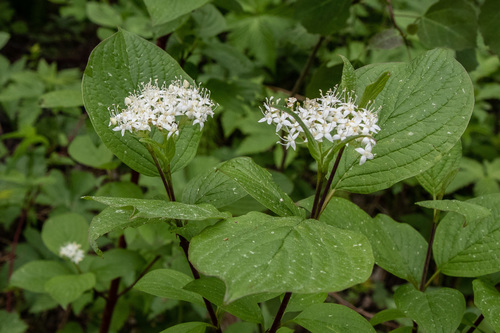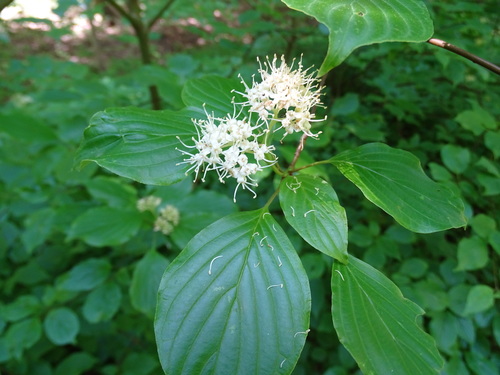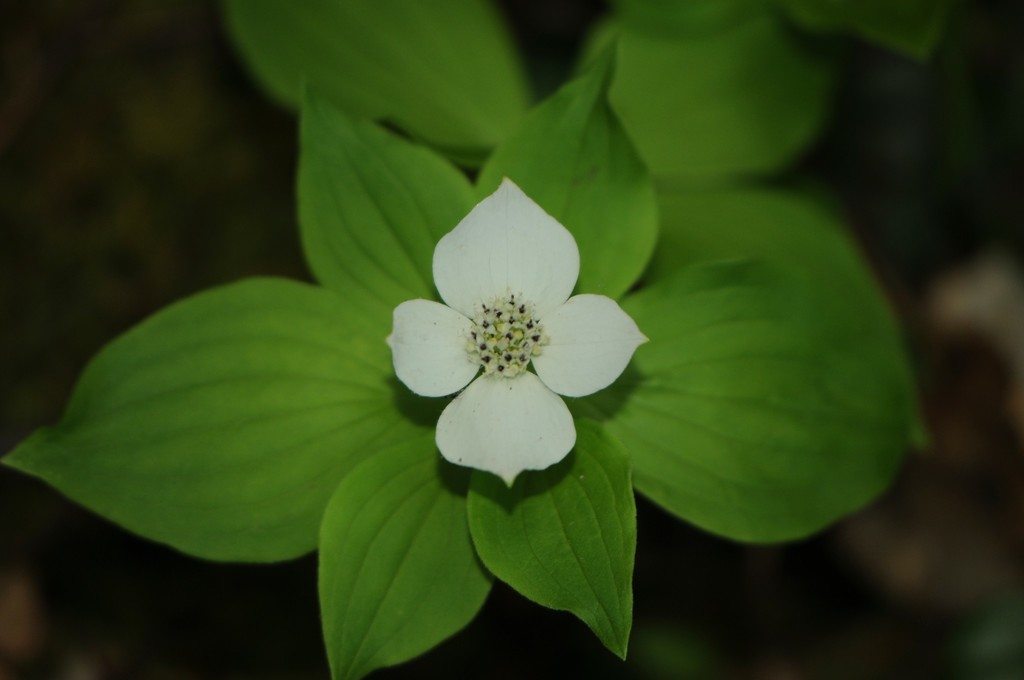
Cornus canadensis, commonly known as Bunchberry, is a low-growing perennial plant in the Cornaceae family. Native to North America, it thrives in diverse habitats, including forests, bogs, and meadows. The plant typically reaches a height of up to 20 centimeters and spreads via underground rhizomes.
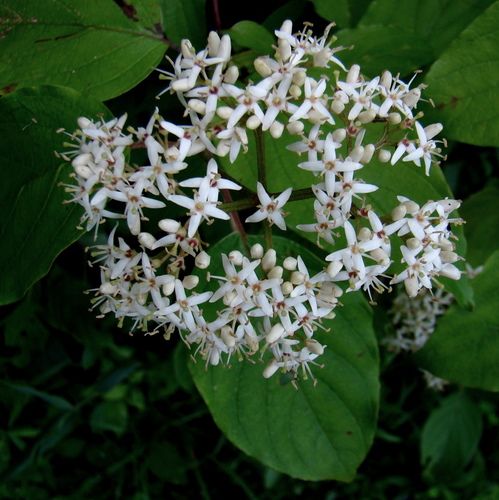
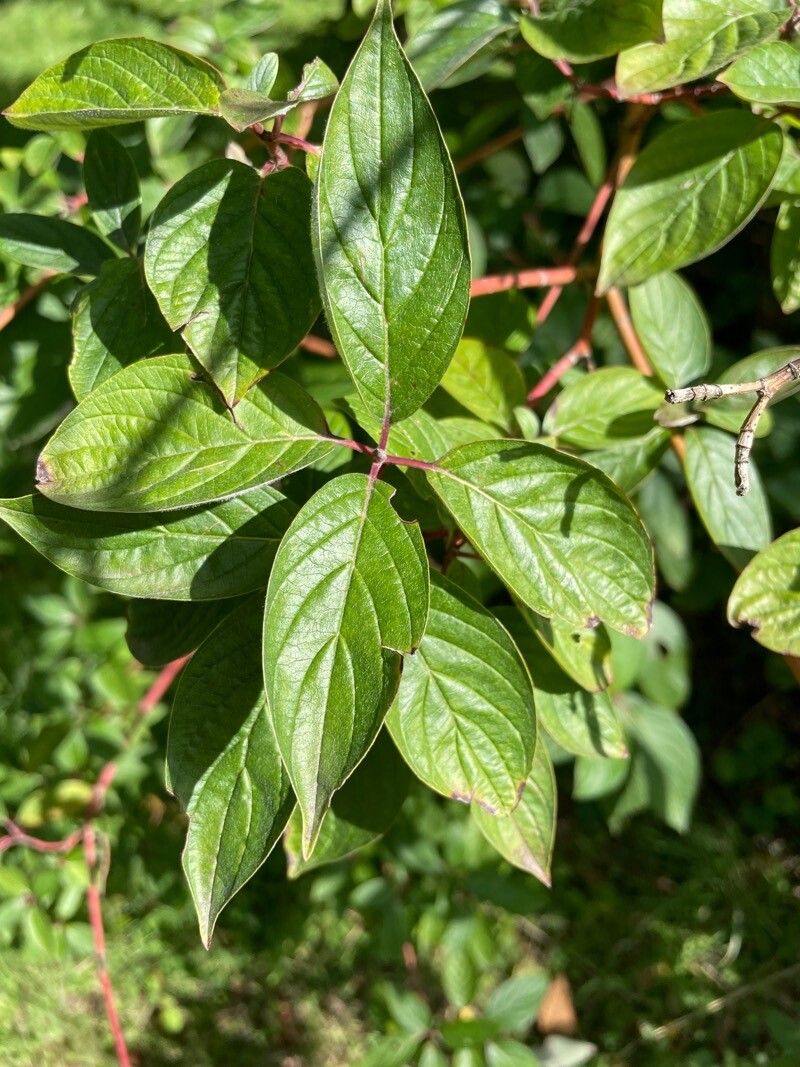
Bunchberry features a distinctive appearance with bright green leaves arranged in whorls of four around the stem. The leaves are oval-shaped with prominent veins and possess a smooth texture. In late spring or early summer, the plant produces small white flowers clustered together, forming a bunch-like structure.
These flowers eventually give way to bright red berries that ripen in late summer or early fall. While the berries are edible, they have little flesh around their seeds, making them less desirable for consumption.
Bunchberries play a crucial role in their ecosystem, providing food for various wildlife, including birds and small mammals such as chipmunks and squirrels.
In addition to their ecological importance, Cornus canadensis has been used by indigenous communities for medicinal purposes. It has anti-inflammatory properties and has been employed to treat stomach ailments and to make poultices for wounds.
Overall, this unique plant adds beauty and ecological value to its surroundings while offering historical medicinal uses.
Bunchberry dogwood has strong disease resistance and is generally not prone to problems. However, it can be vulnerable to pests and diseases present in its environment. These infections are typically mild. In terms of care, the plant needs moderate maintenance. It should be pruned regularly to keep a good appearance and promote healthy growth. Fertilizing can also help encourage flowering. Bunchberry dogwood is suitable for anyone with outdoor space, such as a garden or patio, and does not require much care experience. It may need more attention if grown indoors.
How to keep Cornus Canadensis.
Light
Bunchberry dogwood does best with a moderate amount of sunlight, though it is highly adaptable to both brighter light and shadier conditions. In its native habitats it typically grows beneath a protective canopy. Too much or too little light can negatively affect its healthy growth.
Water
Bunchberry dogwood thrives in cooler climates and prefers consistent moisture, although it becomes moderately drought-tolerant once established. To prevent over-saturation, water the plant every two weeks. As an herbaceous perennial, it benefits from natural precipitation during its active growing season, which helps produce lush foliage and vibrant blooms.
Temperature
The bunchberry dogwood is native to cool, moist woodlands and needs temperatures between 5 and 32 ℃ (41 to 90 ℉). During the growing season it prefers cooler conditions and can benefit from partial shade in hotter climates. In winter the plant adapts to colder temperatures by going dormant.
Fertilizer
Usually one fertilizer application in spring is adequate for Bunchberry dogwood, though repeated feedings can enhance growth. Apply fertilizer every month to a month and a half. Fertilizing improves the leaves' appearance and function, helping maintain even color and a healthy texture. It also encourages root development and nutrient uptake, supporting the plant's long-term health.
Pruning
To promote healthy growth and maintain the appearance of bunchberry dogwood, prune it in early to mid-spring. This process includes removing dead stems and trimming back vigorous shoots. Doing so will enhance flowering and berry production and align with the plant's active growth cycle for optimal rejuvenation.
Pot & Repot
When repotting Bunchberry dogwood, select a pot 1–2 inches (2.5–5.1 cm) larger with good drainage. Use a well-draining potting mix. Repot in spring or fall, making sure the root ball sits slightly below the rim of the flower pot. Water thoroughly after repotting and place it in a warm spot with indirect sunlight.
Toxicity
This plant's ripe fruit (and seeds) can be eaten raw or cooked. It has a relatively weak flavor that makes it unappealing for snacking. Although they are worth foraging since they are high in flavonoids and vitamin C.
Further reading →
The toxicity and danger assessments provided are for reference only. We do not assure their accuracy, so it's crucial not to depend on them. Seek professional advice when necessary for accurate guidance.
Botanical profile.
- Plant Type
- Herb
- Life Cycle
- Perennial
- Genus
- Cornus
- Family
- Cornaceae
- Hardiness Zone
- 5-8
- Mature Height
- 15 cm to 30 cm
- Mature Spread
- 15 cm to 30 cm
- Leaf Color
- Green
- Leaf Type
- Deciduous
- Flower Color
- White
- Flower Size
- 2.54 cm
- Bloom Time
- Late spring, Early summer
- Planting Time
- Autumn
- Harvest Time
- Mid summer
Other names.
Reader questions.
How can I water my Bunchberry dogwood in the best way?
To properly water the Bunchberry dogwood, it is best to use filtered water at room temperature. Tap water may contain harmful particles, so filtered water is preferred. It is important to use room temperature or slightly warm water because the Bunchberry dogwood is accustomed to a warm environment and cold water can be a shock. Instead of overhead watering, it is advised to apply the filtered room temperature water directly to the soil until it is fully soaked. This helps moisturize the roots and supports their nutrient absorption, benefiting the plant.
Why should I add fertilizer to my Bunchberry dogwood?
The leaves of the Bunchberry dogwood are an important part of its structure. Fertilization is key to ensuring that the leaves not only look great but also function properly. Proper fertilization will help maintain consistent leaf color and a healthy texture. Fertilization also benefits the plant under the soil by promoting the growth of new roots and maintaining existing ones. This not only keeps the plant healthy in the present but also improves its ability to absorb nutrients from the soil in the future.
What are the sunlight requirements for bunchberry dogwood?
Bunchberry dogwood thrives when exposed to a moderate amount of sunlight, typically beneath a protective canopy in its native environments. It requires about 3-6 hours of sunlight daily, classified as partial sun, but can also adapt to full sun conditions which are above 6 hours of sunlight or full shade. It's important to monitor the sunlight's movement through your garden to ensure the plant receives the perfect balance of light and shade for optimal health. Too much or too little light may negatively affect its growth.
What are the ideal growing conditions for Bunchberry Dogwood?
Bunchberry dogwood (Cornus canadensis) thrives in cool, moist woodlands, flourishing in temperatures ranging from 5°C (41°F) to 32°C (90°F). The plant is native to environments that offer cooler temperatures during the growing season and can benefit from partial shade in hotter climates. In winter, Bunchberry dogwood becomes dormant to adjust to the colder weather. It has a strong resistance to cold and usually does not require special frost protection. However, if temperatures drop below -25°C, it's important to protect the plant by covering it with soil or straw and watering abundantly before the first autumn freeze to keep the soil moist.
What should I do if I give my Bunchberry dogwood too much or too little water?
Overwatering is a common problem for Bunchberry dogwood and can cause wilting, yellowing leaves, and diseases like root rot. Underwatering is less common but can result in brittle, brown leaves. It's important to notice signs of overwatering early and reduce watering immediately. If the soil drains poorly, replace it with a well-draining mix. If underwatering is the issue, water more regularly until signs improve.
When should I fertilize my Bunchberry dogwood for the best results?
If you grow your Bunchberry dogwood outdoors, it will start growing new leaves in early spring. This is a signal that it's time to fertilize the plant for the year. A single application of fertilizer in spring usually works fine for the Bunchberry dogwood. However, if you want to promote maximum growth, you can fertilize it multiple times during spring and early summer. In this case, you can feed the plant once every month to a month and a half.
How can artificial lighting be used for bunchberry dogwood?
Artificial lighting can be a valuable solution for bunchberry dogwood when natural sunlight is insufficient, especially during winter or in less sunny spaces indoors. LED lights are recommended for their ability to be customized to provide specific wavelengths needed by plants. For optimal growth, full sun plants need 30-50W/sq ft of artificial light, partial sun plants require 20-30W/sq ft, and full shade plants need 10-20W/sq ft. The light source should be placed 12-36 inches above the plant to mimic natural sunlight, and most plants benefit from 8-12 hours of light per day.
How does Bunchberry Dogwood respond to low temperatures?
Bunchberry dogwood is known for its cold tolerance, ideally remaining above 5°C. It can withstand winters down to -20°C, but temperatures falling below -25°C may not show immediate damage but can lead to a reduction or absence of sprouting in spring. To mitigate damage, it is advised to remove any parts of the plant that fail to sprout in the spring.
How frequently do I need to water my Bunchberry dogwood?
If your Bunchberry dogwood is in a pot, the best way to determine if it needs water is to feel the soil with your finger. If the top two to three inches of soil feel dry, it's time to water it. If you have the Bunchberry dogwood planted outdoors in the ground, you can use the same method. When the top few inches of soil are dry, it's time to water. Typically, during spring and early fall, watering once a week is enough. However, during very hot weather, you may need to water it twice a week or even more. Nevertheless, mature, well-established Bunchberry dogwood plants have a remarkable ability to withstand drought.
When is it not a good time to fertilize my Bunchberry dogwood?
During late fall and winter, your Bunchberry dogwood will go into a dormant phase and stop producing new growth. It's best to avoid fertilizing your Bunchberry dogwood during this time. If you choose to fertilize during spring and summer, gradually decrease the amount of fertilizer as summer approaches since the growth rate of your Bunchberry dogwood will also slow down. In general, avoid fertilizing when the weather is unusually hot or the soil is exceptionally dry as this can stress your Bunchberry dogwood and potentially cause it to die early.
What are the symptoms of improper lighting in bunchberry dogwood?
When bunchberry dogwood is grown under insufficient light, it may exhibit symptoms like smaller new leaves, leggy or sparse growth, faster leaf drop, slower or no new growth, lighter-colored new leaves, and symptoms of excessive sunlight including chlorosis, sunscald, leaf curling, wilting, and leaf scorching. These indicate that the plant is not receiving the ideal amount of light for its growth and health.
How should Bunchberry Dogwood be cared for in high temperatures?
During summer, it is crucial to keep Bunchberry dogwood's temperature below 32°C. If temperatures exceed 35°C, the plant's leaves may become lighter, curl up, be prone to sunburn, and, in severe cases, the plant might wilt and dry out. To care for the plant in such conditions, sunburned and dried parts should be trimmed away. Moving the plant to a shaded location or using a shade cloth can protect it from midday and afternoon sun. Additionally, watering the plant in the morning and evening helps keep the soil moist and supports its health in high temperatures.