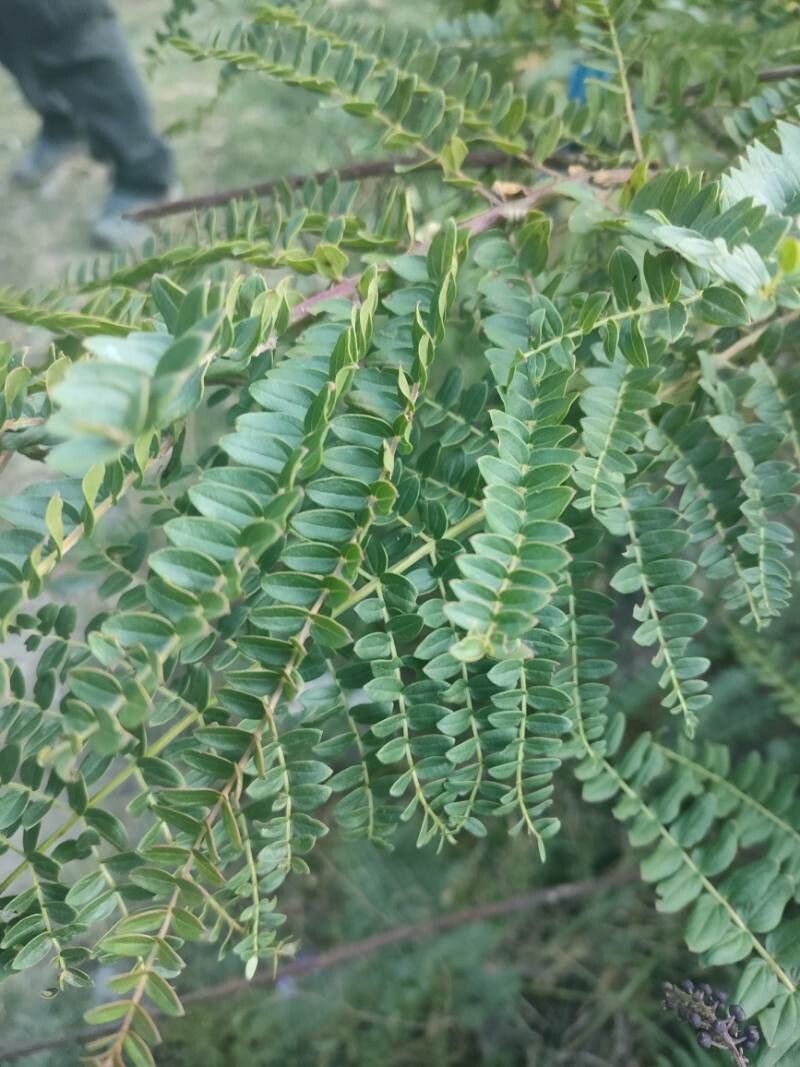
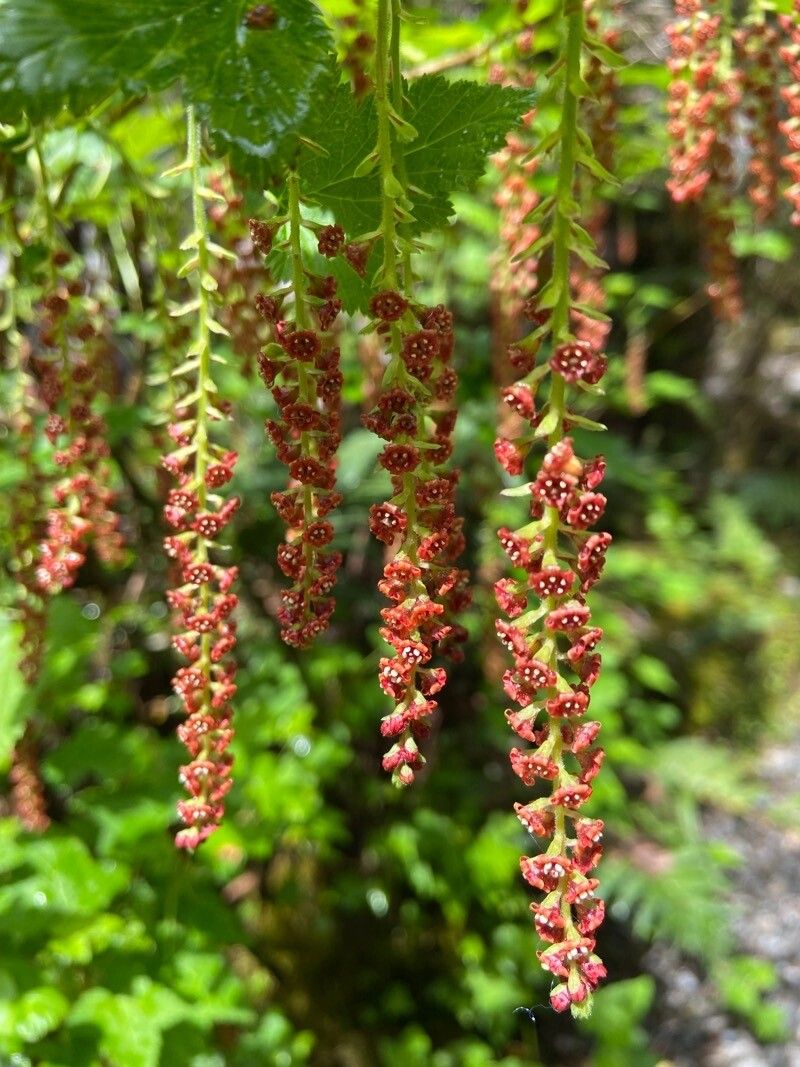
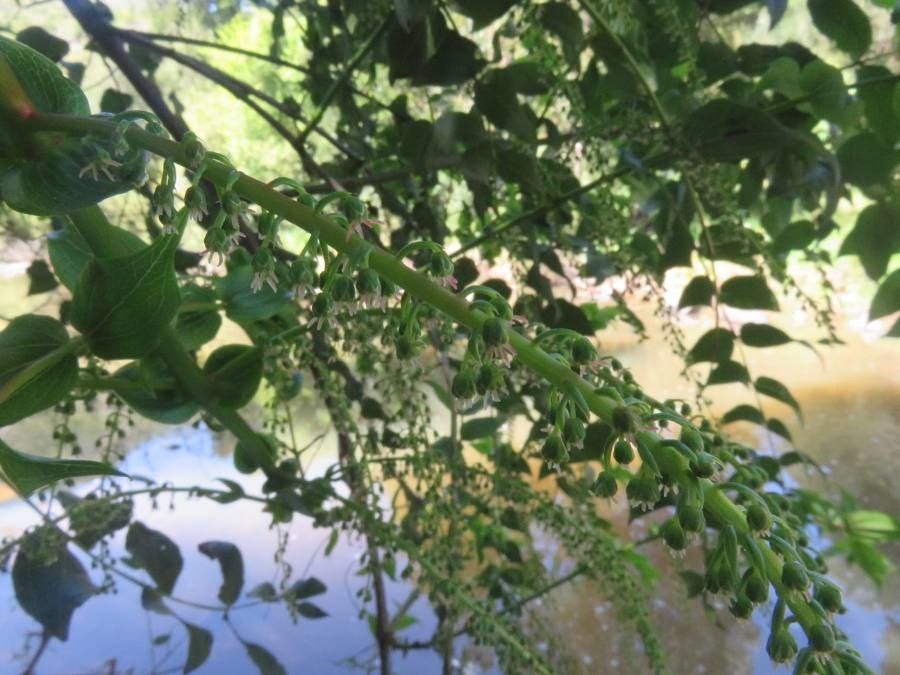
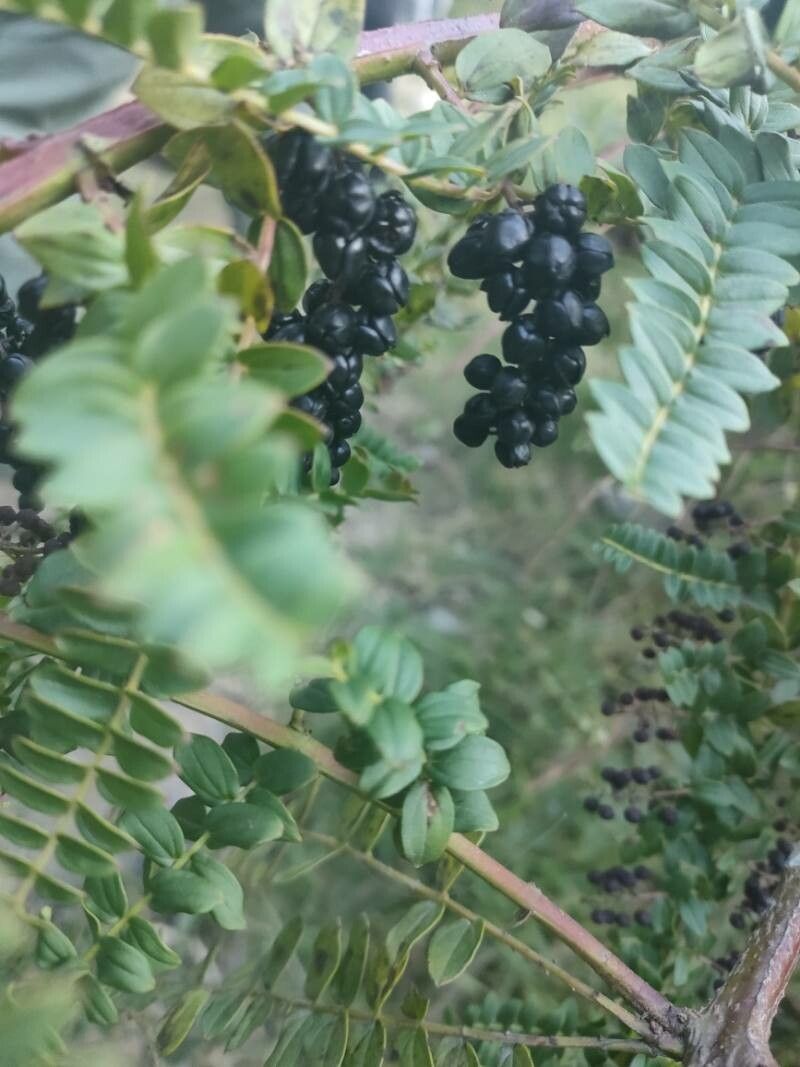
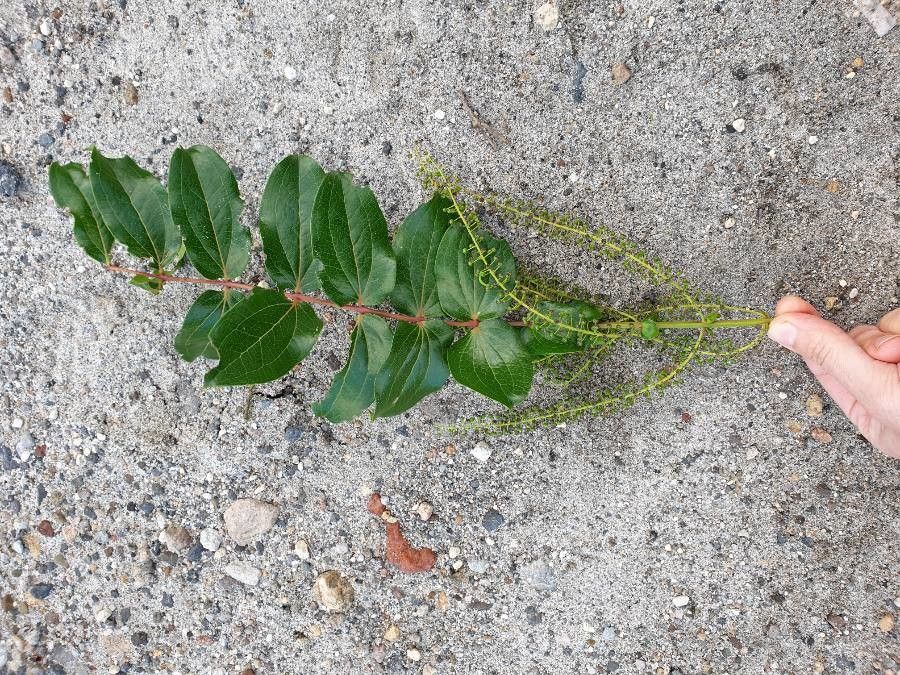
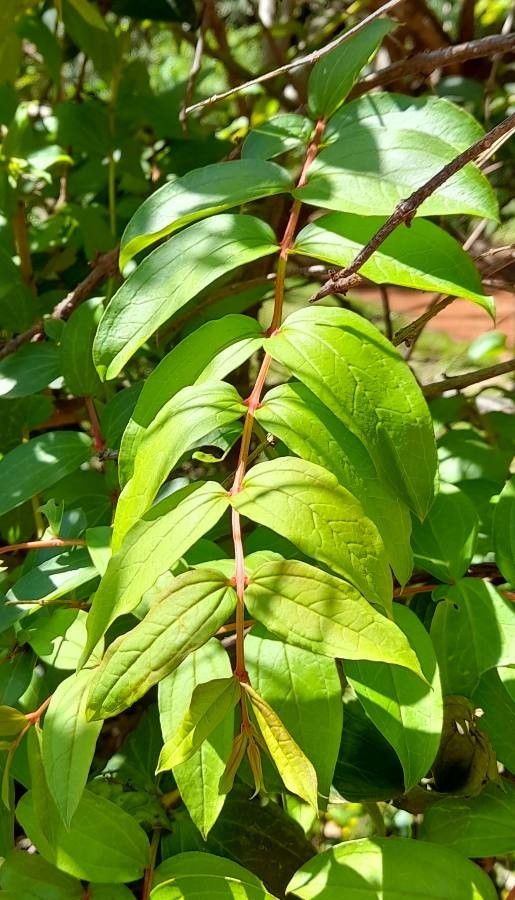
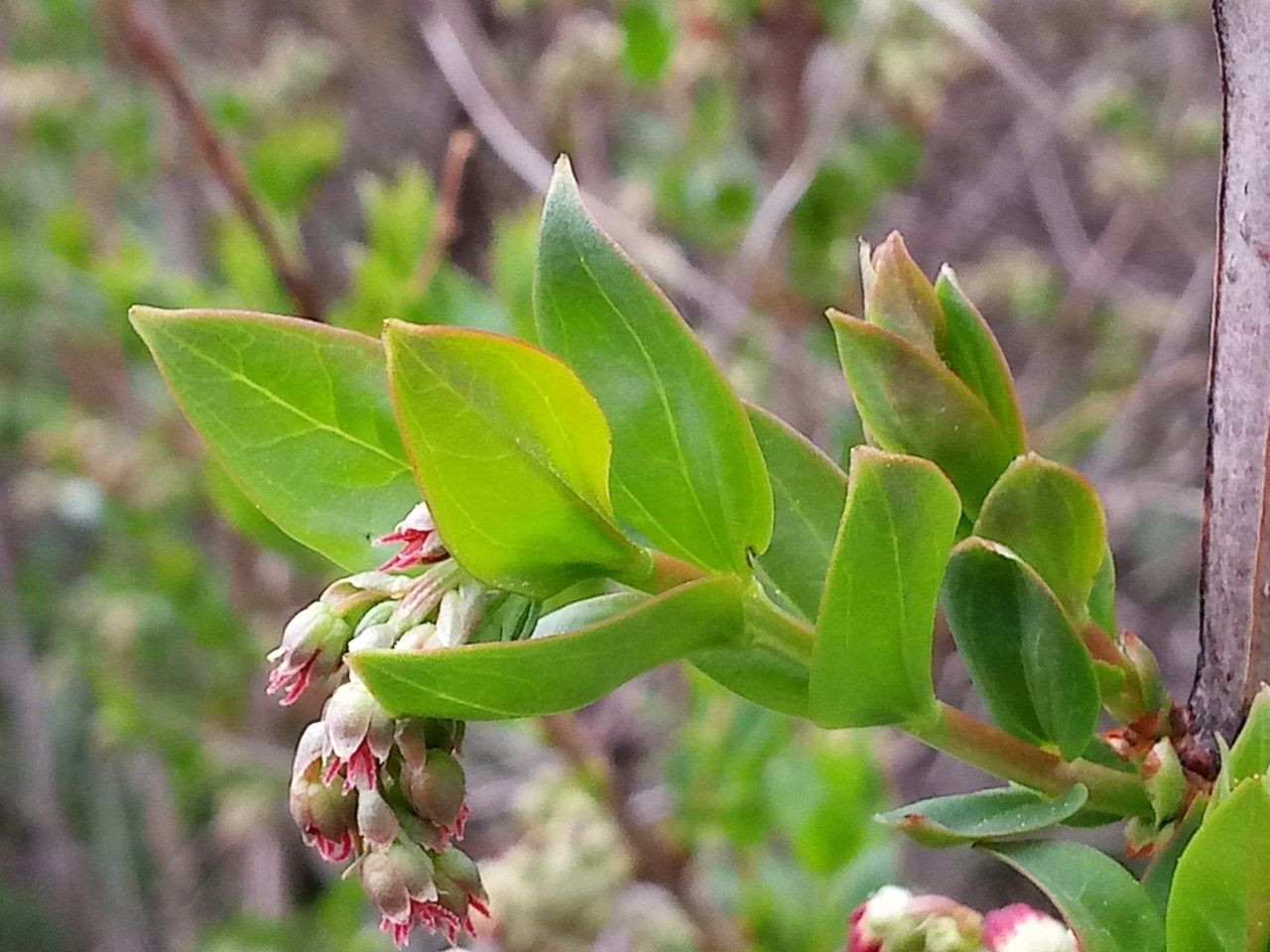
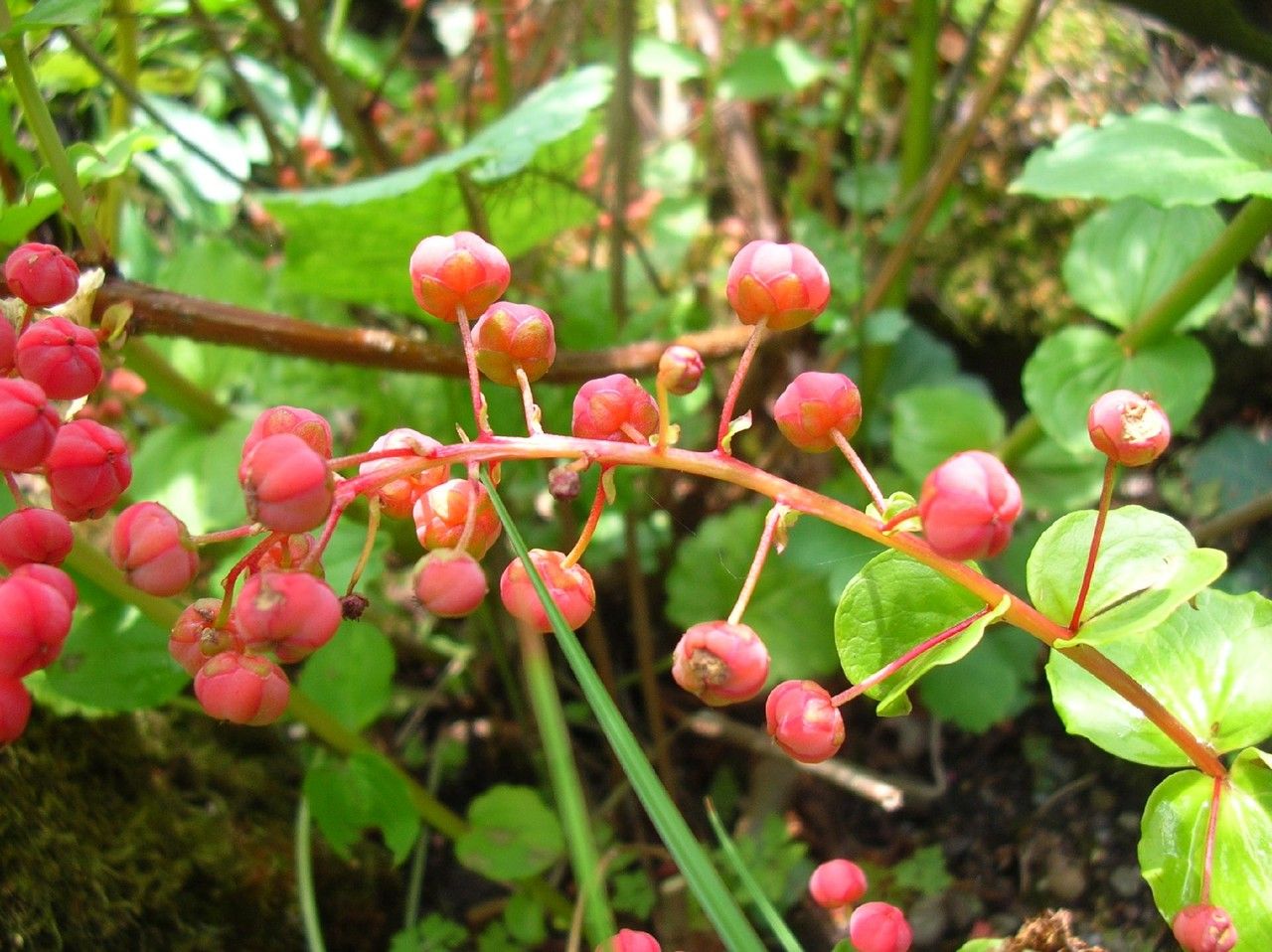
Coriaria ruscifolia is a plant of the Coriariaceae family. It is native to Mexico, Central America, and South America.
New Zealand wineberry has strong resistance to disease and is generally not susceptible to illnesses. Regarding care, this plant is fairly low-maintenance. Planted outdoors it needs only minimal watering, and larger specimens usually do not require pruning. Smaller plants, however, should be pruned after they have finished blooming. New Zealand wineberry is appropriate for anyone with an outdoor area, like a garden or a deck, and does not demand much plant-care experience.
How to keep Coriaria Ruscifolia.
Light
New Zealand wineberry needs unobstructed sunlight. Native to a region where constant sunshine is common, the plant thrives in those conditions. Cloudy weather or insufficient sunlight can hinder its growth. Both young and mature plants require steady exposure to sunlight.
Water
The New Zealand wineberry thrives in conditions similar to its native environment, which includes alternating periods of rain and dry spells. It is drought-tolerant and requires watering every 2-3 weeks, allowing the soil to dry out in between. Mulching outdoor plants helps retain moisture during the growing season.
Temperature
New Zealand wineberry is native to habitats where temperatures range from 59 to 95 °F (15 to 35 ℃). In general, warmer conditions promote vigorous growth; growers should lessen temperature swings during colder seasons to preserve its vitality.
Fertilizer
Timing is essential for fertilizing New Zealand wineberry. Apply fertilizer in early spring and continue monthly until early summer. Fertilizer promotes attractive blooms and supplies energy during both dormant periods and active growth.
Pruning
To prune New Zealand wineberry effectively, focus on removing dead branches to encourage healthy growth. The best time for pruning is from early to late winter, while the plant is dormant. This practice improves air circulation, reduces the risk of disease, and enhances the plant's appearance. Be sure to use clean, sharp tools to prevent infections.
Botanical profile.
- Plant Type
- Shrub
- Life Cycle
- Perennial
- Genus
- Coriaria
- Family
- Coriariaceae
- Hardiness Zone
- 7-10
- Mature Height
- 91 cm
- Mature Spread
- 1.52 m
- Leaf Color
- Green, Dark Green
- Leaf Type
- Evergreen
- Flower Color
- Yellow, Green
- Flower Size
- 0.25 cm to 0.76 cm
- Bloom Time
- Mid spring, Late spring
- Planting Time
- Spring, Summer, Autumn
- Harvest Time
- Summer
- Native Area
- Vanuatu, Fiji
Reader questions.
How should I water my New Zealand wineberry plant?
Your New Zealand wineberry is not picky about how you water it, so any common watering tool will work fine. You can use watering cans, hoses, or even cups. Just make sure to water the soil directly and evenly to provide all parts of the root system with the necessary water. Using filtered water is recommended, as tap water might contain harmful particles. It's also better to use water that is at or slightly above room temperature, as very cold or hot water can be too much for the plant. However, in general, the New Zealand wineberry tolerates different types of water well.
Why should I put fertilizer on my New Zealand wineberry?
No matter which type of New Zealand wineberry you have, regularly fertilizing it will improve its overall health. Providing the right nutrients will encourage strong growth, making the plant more resilient to difficult conditions and better able to defend against diseases and pests. Since the foliage of the New Zealand wineberry is aesthetically pleasing, it is important to maintain it. This entails following a scheduled fertilization plan tailored to your specific plant, which will result in vibrant, lush leaves.
How many hours of sunlight should New Zealand wineberry receive each day to grow healthy?
To ensure healthy growth of New Zealand wineberry, it's important to provide it with a minimum of 3–6 hours of sunlight daily. However, most plants that tolerate partial sunlight can also flourish in full sunlight. These plants are more adaptable because they need less light for photosynthesis compared to plants that require either full sun or partial shade.
What temperature is best for growing New Zealand wineberries?
The ideal temperature range for New Zealand wineberry to grow is between 65 to 80℉ (18 to 27℃). During the main growth phase, the highest temperature it can tolerate is 95℉ (35℃), while the lowest tolerable temperature is 15℉ (-10℃). This species can withstand freezing winters, indicating its tolerance for low temperatures. The recommended temperature ranges are as follows: Perfect: 65 to 80℉ (18 to 27℃), Highest: 85 to 95℉ (30 to 35℃), Lowest: -5 to 15℉ (-20 to -10℃) or even lower.
What should I do if I give my New Zealand wineberry too much or too little water?
When caring for outdoor plants, particularly newly planted ones or seedlings, it is important to ensure they are adequately watered. For the first few months, when the tree is small or recently planted, consistent watering is necessary. Once the roots are established, the New Zealand wineberry can rely on rainwater most of the time. When the New Zealand wineberry is planted in pots, overwatering becomes a common issue. If you accidentally overwater your plant, it is crucial to act quickly. Immediately stop watering the plant to minimize the impact of overwatering. Remove the plant from its pot and inspect the roots. If there are no signs of root rot, you can place it back in the container. However, if root rot is present, trim the affected roots and consider using a fungicide to prevent further damage. Lastly, repot the New Zealand wineberry in well-draining soil. On the other hand, if you underwater your New Zealand wineberry, the solution is relatively simple. The plant's leaves may droop, dry out, and fall off. However, once you water it sufficiently, the leaves will regain their fullness. It's important to adjust your watering frequency promptly when you notice underwatering.
When should I fertilize my New Zealand wineberry?
To keep your New Zealand wineberry healthy and growing well, it's best to fertilize it twice a year. The first time should be in late winter or early spring, which will give the plant the nutrients it needs to start growing when the weather warms up. If you live in a warm climate region, it's also a good idea to fertilize again in early fall. This will not only provide additional nutrients for the next growing season but also help the plant withstand the cold winter without any damage to its foliage. Fertilizing earlier in the season will ensure that the new branches have enough time to grow before the winter arrives.
What kind of sunlight does New Zealand wineberry need?
New Zealand wineberry thrives in full or partial sun. It prefers direct morning light, but during the summer it should be shielded from the intense afternoon sun. When exposed to excessive hot afternoon sun in temperate environments, the leaves can get burnt, which negatively affects the plant's overall health and appearance.
Do I need to change the temperature for New Zealand wineberry as it grows?
Research findings indicate that New Zealand wineberry tends to experience hindered growth when subjected to extended periods of higher temperatures, particularly during the stage of axillary buds development and main shoot growth. To promote robust growth following germination or transplanting, it is advisable to maintain consistent temperatures, preferably around 65℉ (18℃), by keeping them cooler.
How often should I give water to my New Zealand wineberry plant?
Most outdoor plants can grow naturally with rainfall, but if your area doesn't get much rain, you should water them every 2 weeks in spring and fall, and more often in summer. In winter, water less because plants grow slower and need less water. You may not need to water them at all during winter. If your New Zealand wineberry is young or newly planted, water it more often to help it grow and become more adaptable to drought. For potted plants, there are two ways to determine how often to water your New Zealand wineberry. One way is to have a set watering schedule, like every week or every other week. However, this might not always work because it doesn't consider the specific conditions of your wineberry's growing environment. The other way is to check the soil moisture. Wait until the top couple of inches of soil have completely dried out before watering again.
When should I not put fertilizer on my New Zealand wineberry?
During certain times of the year, it is important to avoid fertilizing your New Zealand wineberry. Firstly, during the early and mid-winter months when the plant is dormant, there is no need for feeding. Additionally, it is not recommended to fertilize the plant in late spring and throughout summer. This is because the weather is typically hotter and drier during this period, which can have a negative impact on the plant if fertilized. To prevent any issues, it is best to follow a fertilization schedule that involves feeding only in early spring and early fall.
Can the sun harm New Zealand wineberry? How can New Zealand wineberry be protected from damage caused by the sun and heat?
Indoor New Zealand wineberry plants are at risk of sun damage if directly exposed to sunlight when moved outdoors. To prevent this, gradually move pots from a shaded area to a brighter spot. However, even plants accustomed to summer sun can still be harmed by extreme heat. During a heatwave, it's crucial to keep the soil consistently moist to help plants withstand excessive heat levels. To protect sensitive New Zealand wineberry during extreme weather events, consider moving container plants to areas with afternoon shade or using a shade cloth.
How do I make sure New Zealand wineberry stays warm during the cold seasons?
The New Zealand wineberry is able to tolerate freezing temperatures when grown in the ground, as long as the temperature doesn't drop below 15°F (-10°C) during the winter. However, if you choose to plant it in pots or containers, it is important to protect the roots from the cold weather. This can be done by wrapping the container in a blanket or bringing it indoors for complete protection from the elements.