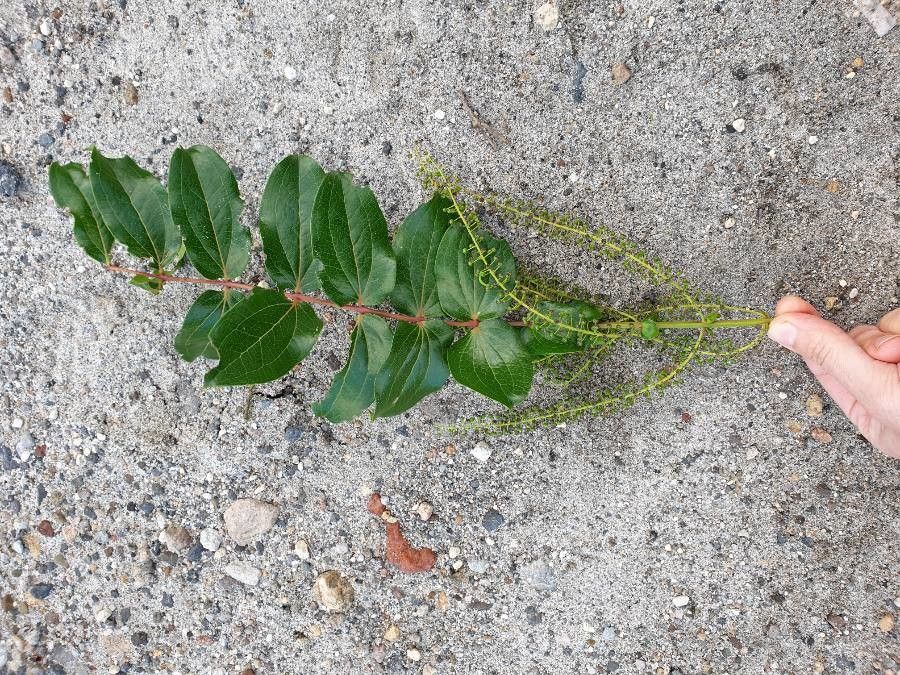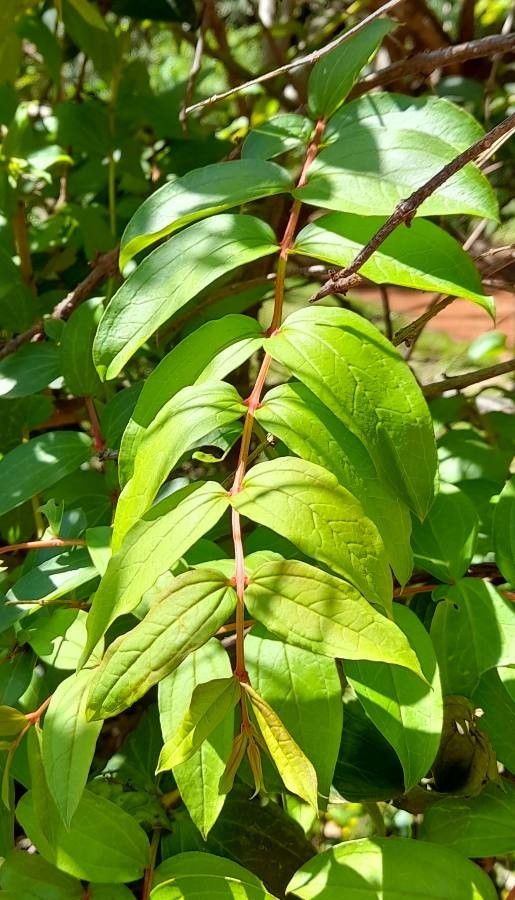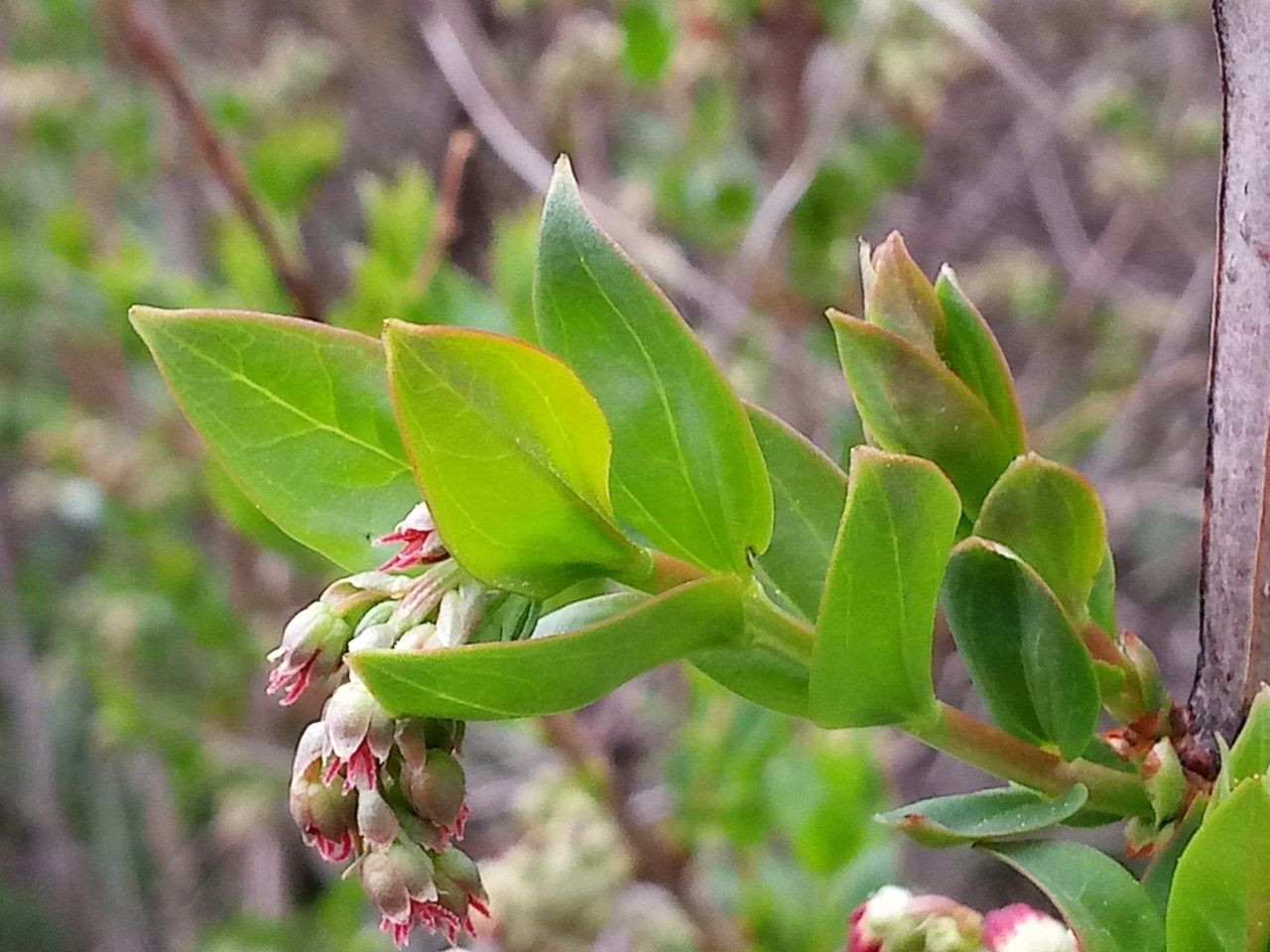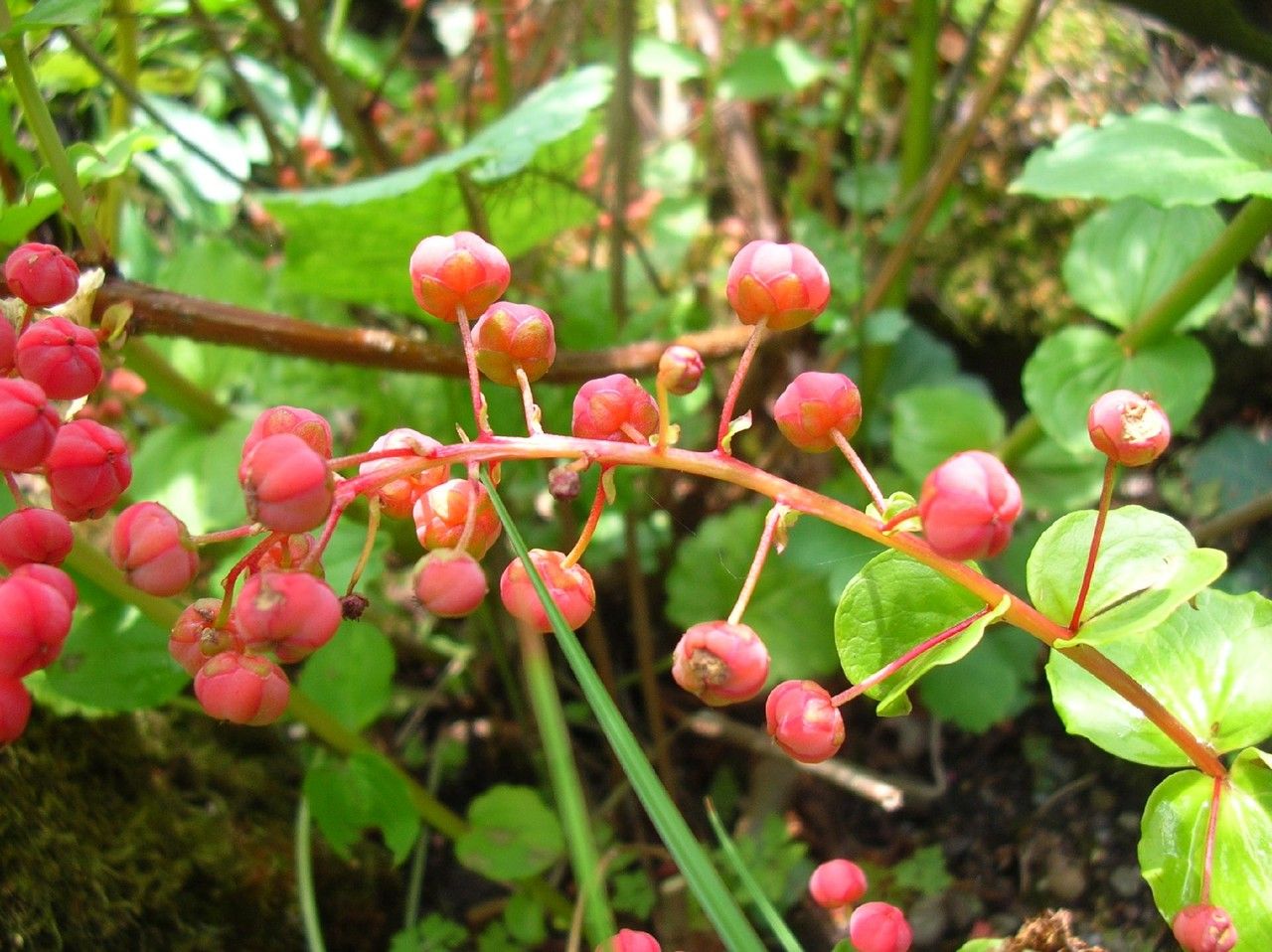
Coriaria nepalensis is a shrub of the genus Coriaria. It grows in the foot hills of Himalayas. It blooms in spring and has bright yellow flowers and red fruits in summer.The plant is also known in English as masuri berry, tanner's tree, or mansur shrub. In Hindi it is known as masuri (मसूरी), makola, or masurya (मसूरिया); and in Nepali as macchaino (मछाईनो).
Tanner's tree is resistant to disease and typically not susceptible to illnesses. In terms of care, the plant is fairly low-maintenance. When grown outdoors it needs only minimal watering, and larger specimens usually do not require pruning. Smaller plants, however, should be pruned after they have finished blooming. Tanner's tree is appropriate for anyone with an outdoor area, such as a garden or deck, and does not demand much care experience.
How to keep Coriaria Nepalensis.
Light
Tanner's tree is native to habitats such as forest understories and rocky areas, where it is naturally shaded. It prefers partial sun but can adapt to full sun or full shade, demonstrating its versatile and hardy nature.
Temperature
Tanner's tree is native to areas where mean temperatures fall between 59 and 95 °F (15 and 35 ℃). It performs best within this mild temperature band, and seasonal adjustments may be required to replicate these conditions indoors.
Fertilizer
Fertilize your Tanner's tree in early spring to encourage healthy growth. Regular feeding improves overall health, producing vigorous growth, increased tolerance of harsh conditions, and enhanced resistance to diseases and pests. Keep to a specific fertilization schedule for your Tanner's tree to maintain vibrant foliage with deep color and a lush appearance.
Pruning
Tanner's tree flourishes with early spring pruning. Start by removing dead branches and shaping the tree for better form. Pruning older stems helps rejuvenate the tree and encourages new growth. Always use sterilized tools to prevent infections. Regular pruning also improves airflow and sunlight exposure, which helps prevent diseases and promotes healthy foliage.
Botanical profile.
- Plant Type
- Shrub
- Life Cycle
- Perennial
- Genus
- Coriaria
- Family
- Coriariaceae
- Hardiness Zone
- 8-10
- Mature Height
- 1.52 m to 2.44 m
- Mature Spread
- 2.13 m to 3.05 m
- Leaf Color
- Green, Dark Green
- Leaf Type
- Deciduous
- Flower Color
- Red
- Flower Size
- 0.25 cm to 0.51 cm
- Bloom Time
- Mid spring, Late spring
- Planting Time
- Spring, Summer, Autumn
- Harvest Time
- Mid summer, Late summer, Early fall
- Native Area
- Nepal, India, Myanmar, Bhutan, Pakistan, China
Reader questions.
How should I water my Tanner's tree?
To promote excellent root development for your plants, there are a few watering techniques you can use. Firstly, avoid spraying the leaves directly with water. Instead, focus on watering the plant base, using a garden hose to ensure the roots are well-moistened. If your plants are outdoors and exposed to direct sunlight, keep in mind that the leaves may require more frequent watering. Consider using bubblers or soaker hoses to moisten the roots of each plant effectively. When adding or removing plants, utilize soaker hoses that cover the entire garden or bed, allowing the water to reach the roots deeply. Once you have watered, make sure to drain any excess water and wait for the soil to dry before watering again. It is essential to water at ground level to prevent the onset of diseases. If it is a sunny day, spraying the entire plant with water can be beneficial. Lastly, whether your plants are potted or in the ground, remember that Tanner's tree prefers deep watering rather than light sprinkling.
What temperature does Tanner's tree need to grow best?
Plants can be affected by colder temperatures because they adjust to the temperature of the air around them. When plants are in the sun, they can warm up, but this doesn't happen in winter. The Tanner's tree, for example, prefers temperatures between 70-85℉(21-30℃). They can tolerate temperatures as low as 20-30℉(-6-0℃), and maybe even 15℉(-10℃) for a short time, but if exposed for too long, frost damage can occur. It's important to keep the maximum temperature within the preferred range of 70-85℉ (21-30℃). Additionally, providing occasional water sprays and shade can help prevent wilting.
What should I do if I give Tanner's tree too much or too little water?
If you overwater a Tanner's tree, its leaves can turn yellow, drop off, and wilt. The plant may also appear dull and unhealthy with mushy stems. When you see these signs, try to adjust your watering schedule. However, wilting can also indicate under watering. In this case, the leaves may become crispy and dry. When the soil is dry, watering alone may not be sufficient, so give it a thorough watering. This will help the tree recover, but the damaged root system may still cause the plant to appear dry with yellow leaves for a few days. Once it returns to normal, the yellowing will stop. When you have a Tanner's tree indoors, always check the moisture levels in the pot to avoid overwatering. Look for black spots, and if present, allow the soil to dry out for a few days. Overwatering can lead to root rot, so consider transferring the plant to a different pot if you notice discolored and slimy roots. Preventing root rot is important, so avoid letting the soil become too soggy. When planting a Tanner's tree outdoors, make sure the soil isn't too dry by digging a little deeper. If you find it is too dry, it may indicate underwatering. Adequate watering is necessary to help the plant recover.
Do I need to change the temperature for Tanner's tree while it grows at different stages?
To ensure successful growth of Tanner's tree, it is important to research and maintain the appropriate temperature. Some growers may choose to lower their plants' thermostats during the growing season to save on HVAC costs. However, it is crucial to understand that temperature plays a significant role in flowering, pest management, and overall plant quality. During the winter, some species of Tanner's tree may enter a dormant state, causing growth to cease. As the seasons change and temperatures rise, the base temperature for growth increases, resulting in faster growth for Tanner's tree. Species naturally found in warmer habitats tend to have higher optimum temperatures compared to those thriving in cooler climates. Exposing Tanner's tree seeds to cool temperatures can lead to reduced uniformity and delays in growth. It may be beneficial to lower the temperature specifically during the flowering phase, while maintaining regular temperature levels during other stages. Cooler temperatures at night also require less water, so it is important to adjust irrigation accordingly.
How many times should I water my Tanner's tree?
The Tanner's tree prefers deep, infrequent watering. Especially if they are in pots, you should give them a gallon of water each time. Potted plants have limited water storage and the soil tends to dry out quickly. In colder regions, you will need to water every 3 to 5 days. Watering in the morning is best, when the soil is dry. To check if watering is necessary, simply examine the soil. If the top 2-3 inches are dry, it's time to water. During hot days, you may need to check the moisture daily as the heat can dry out the soil rapidly. If you have a garden, you will need to irrigate the soil as well. In hot climates, watering once a week should suffice. Again, only water if the top 2-3 inches of soil are dry. Be mindful not to overwater and contribute to root rot, especially if there has been significant rainfall. Tanner's trees typically grow in spring and fall. When they are outdoors, adding mulch 3 to 4 inches deep can help retain moisture. Sandy soil requires more frequent watering as it drains faster. Clay soil, on the other hand, can go without water for 2-3 days without risking root rot. If you mark the date on the calendar each time you water and notice the leaves drooping, it may be an indication that you need to water sooner next time.
How can I make sure that Tanner's tree stays warm in cold seasons?
To help the plant adjust to colder temperatures, stop adding fertilizer which will prevent new growth and allow the existing growth to become durable. To keep the plant warm as the weather gets colder, consider building structures like cages or trellises around it. You could also use heat mats to gently warm the soil, as they can consistently maintain the ideal temperature range for the plant.
How much water does my Tanner's tree need?
The Tanner's tree needs about a gallon of water on a regular schedule. For potted plants, water them deeply until you see water dripping from the bottom of the pot. Allow the soil to dry before watering again. You can use a water calculator or moisture meter to determine the weekly amount for your plant. During the flowering period, give plenty of water but let the moisture evaporate to prevent root rot. If the Tanner's tree is outdoors and receiving adequate rainfall, it may not need extra watering. When the tree is young or newly planted, ensure it receives 1-2 inches of rain per week. As the tree grows, it can rely on rainfall alone. Only in very hot weather or no rainfall for 2-3 weeks, water the tree fully during cooler times of the day to prevent heat damage. During prolonged dry spells, additional watering will be needed.
How can I protect Tanner's tree from getting damaged by the temperature?
In winter, there are ways to protect the Tanner's tree from frost. You can cover it with cloths, tarps, burlaps, sheets, or plastic buckets. Simply keep them secured to act as insulators and prevent the wind from removing them. But be careful not to let the plastic sheets or burlap touch the fruit or foliage, as this can cause burns due to the cold temperatures transferring. When the daytime temperatures start to increase, it's time to remove the covers.
Do I need to change how often I water my Tanner's tree based on the season or the weather?
To take care of the Tanner's tree, it is important to provide it with the right amount of water depending on the weather. During the spring and fall, the soil needs to be kept moist but not soaked, and alternating dry and moist soil conditions are beneficial for the tree's growth. In the summer, hot weather and lack of rainfall can cause water to evaporate quickly, so you may need to water more frequently to keep the soil moist. During winter, the tree needs less water because it goes dormant and loses its leaves. Terracotta soil mixture can help the water evaporate faster during this period. Once the tree starts growing and leafing out again in the spring, it's important to water it regularly to encourage growth and blooming. Good drainage is crucial, especially in the winter and when the tree is planted in a pot. Deep soaking the root system once or twice a week, avoiding shallow sprinkles that reach the leaves, and not allowing the tree to dry out completely, even during dormancy, are all important watering practices. Overwatering should be avoided as it can cause root rot. Applying mulch can help reduce stress, conserve water, and promote healthy blooms.
Do I need to change the temperature for Tanner's tree when the seasons change?
When growing the Tanner's tree in spring, it's important to increase humidity because the air temperature is usually cooler during this time. A dry temperature can be stressful for various species, so increasing humidity can help. In summer, the large greenhouse cover and warm temperature will naturally create higher humidity levels in the air. However, this can cause condensation on the greenhouse walls, leading to problems with pollination and leaf infections if the water falls on the leaves. To mitigate these issues, make adjustments based on the temperature and consider spraying water on hotter days of the year.
What do I need to watch out for when I water my Tanner's tree in different seasons, climates, or during different times when it is growing?
If you plant Tanner's tree in the ground, it mostly relies on rain. However, if there is no rainfall for 2-3 weeks, you may need to water the plants deeply. In the summer, it's best to water Tanner's tree in the morning to avoid stressing the roots with a large temperature difference. Avoid watering the bushes when it's too hot outside. Start mulching in the spring when the ground is not too cold. The age of the plants is important. Newly planted ones often fail to grow due to lack of water. Once they are established, you can reduce the watering schedule. During fall and winter, especially if the soil contains water-retaining material, water them less. Dry winds in these seasons can cause the newly planted ones to be at risk of drought. Windy seasons generally require more watering. Plants in pots tend to dry out faster, so they need more watering. Watch for signs like less blooming and drying leaves. Watering potted plants can be more complex and fluctuates in frequency. Be careful not to let the pot sit in water and avoid using containers with saucers, bowls, and trays. Too much watering in the fall can lead to mottled or yellowish foliage. Always be cautious and prevent overwatering regardless of the current climate or season. During Tanner's tree's flowering months, consider increasing the watering frequency, but once they are fully grown, reduce it. Give them a sufficient amount of water every 3 to 5 days, but avoid sticking to a strict schedule. Check the soil moisture by sticking your finger in the pot or using a moisture meter if you're unsure. Too much root rot can be fatal, so be mindful of not overwatering or underwatering, regardless of your area's climate or season.
If the temperature gets too high or too low, what will happen to Tanner's tree?
Typically, when the first cold snap occurs, it can harm the Tanner's tree and cause other plants to enter a dormant state in low temperatures. If temperatures range from 20-30℉ (-6-0℃), some plants may become chilled. When the temperature drops below 32℉ (0℃), they can freeze. Plants that are mostly underground might lose their above-ground parts, but they can recover in spring. Too low temperatures can also lead to issues like limited water and nutrient availability, particularly for subtropical plants when temperatures drop below 20℉ (-6℃). On the other hand, extreme heat can also damage plants, reducing their transpiration rate and affecting the growth and productivity of the Tanner's tree.