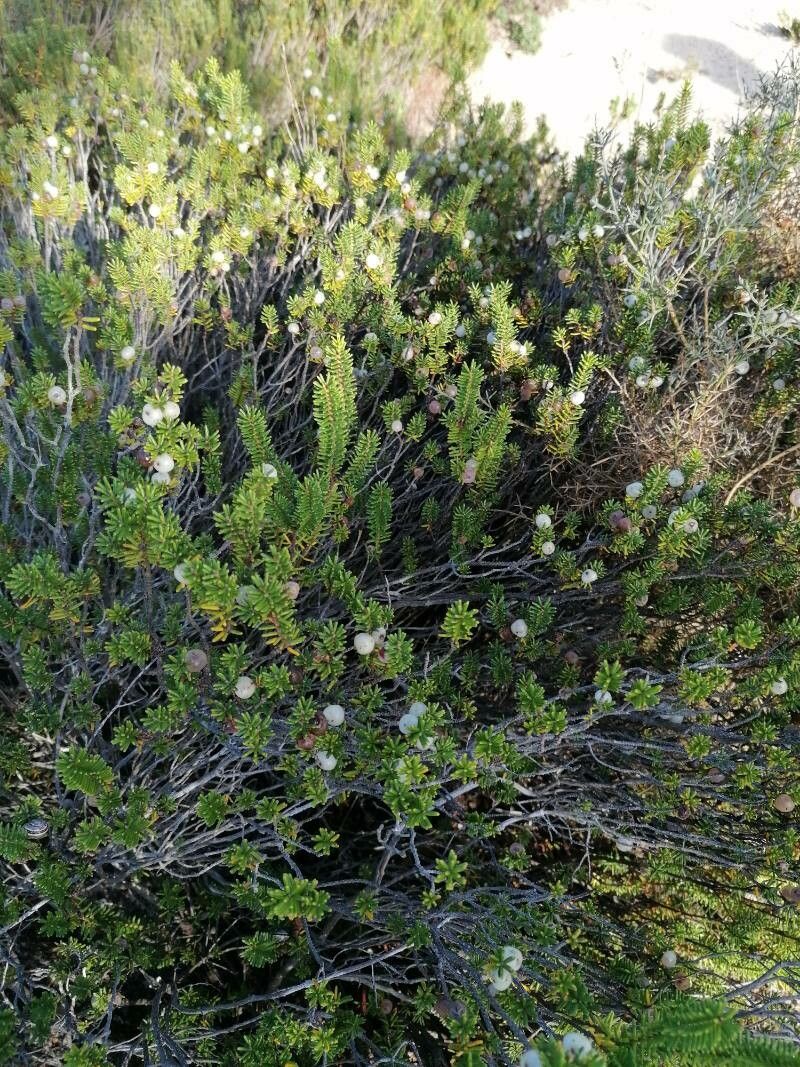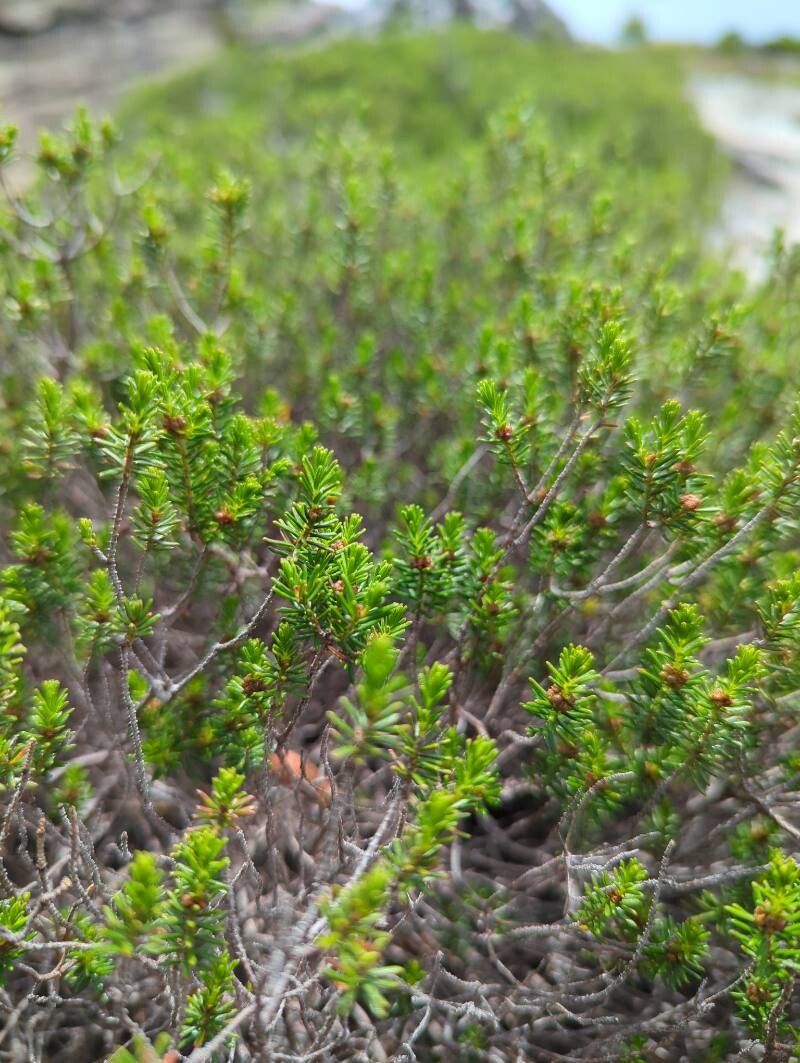
Poverty grass is highly resistant to disease and, in general, does not easily contract illnesses. Regarding maintenance, this species is fairly undemanding. When grown outdoors it needs only light watering, and mature specimens usually do not require trimming. Smaller plants, however, should be cut back after they finish flowering. Poverty grass is appropriate for anyone who has an outdoor area, like a garden or a deck, and it does not demand extensive gardening experience.
How to keep Corema Conradii.
Light
Poverty grass thrives in open spaces where it's exposed to plentiful sunlight. Sufficient sunlight fosters its growth and overall well-being. Even though it can survive in lesser lit environments, excessive shade might limit its expansion. Predictably, this plant is native to locales where sunshine is abundant. Insufficient or excessive sunlight can obstruct its growth and trigger detrimental health effects.
Water
Poverty grass is well-suited to grow in lean, sandy soils, showcasing both its resilience and strong tolerance to drought. It requires minimal watering, only once every 2-3 weeks, which highlights its adaptation to environments with low rainfall. This makes poverty grass an excellent choice for outdoor areas with poor soil conditions.
Temperature
The native habitat of poverty grass encompasses areas where the temperature fluctuates from 32 to 90 °F (0 to 32 ℃). This moderate weather range is most conducive to its thriving growth. Adaptations in its maintenance involve enhanced hydration during warmer periods.
Fertilizer
For the healthy development of your Poverty grass, provide it with fertilizer in the early stage of spring. Consistent fertilization improves the overall wellbeing, leading to robust growth, durability under harsh circumstances, and better resistance to diseases and pests. Adhere to a well-defined fertilization routine for your Poverty grass to guarantee brightly colored foliage and a dense look.
Pruning
For optimal growth, prune poverty grass lightly between early and late winter. This encourages a well-shaped and denser plant while avoiding heavy cuts, as it recovers slowly from them. Pruning during its dormant phase reduces stress and supports vigorous growth in the spring.
Botanical profile.
- Plant Type
- Shrub
- Life Cycle
- Perennial
- Genus
- Corema
- Family
- Empetraceae
- Hardiness Zone
- 3-7
- Mature Height
- 61 cm
- Mature Spread
- 61 cm to 91 cm
- Leaf Color
- Dark Green
- Leaf Type
- Evergreen
- Flower Color
- Pink, White
- Flower Size
- 0.10 cm to 0.15 cm
- Bloom Time
- Early spring, Mid spring
- Planting Time
- Spring, Summer
- Harvest Time
- Mid summer, Late summer, Early fall