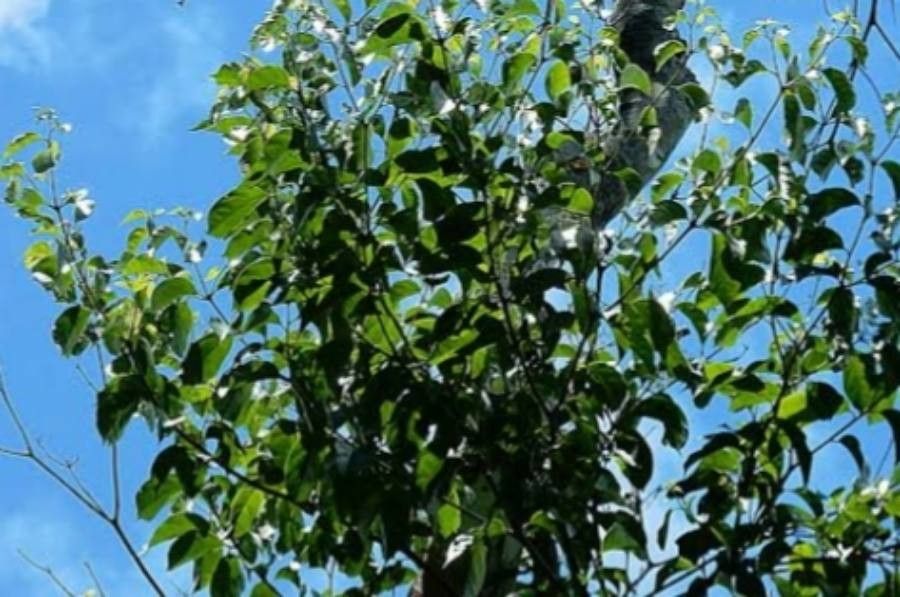
Cordia parvifolia, commonly known as the little-leaf cordia, is a small to medium-sized tree in the borage family. It is native to Mexico and Central America, where it thrives in dry forests, savannas, and disturbed areas. This tree can reach up to 10 meters in height, with a trunk diameter of up to 30 cm.
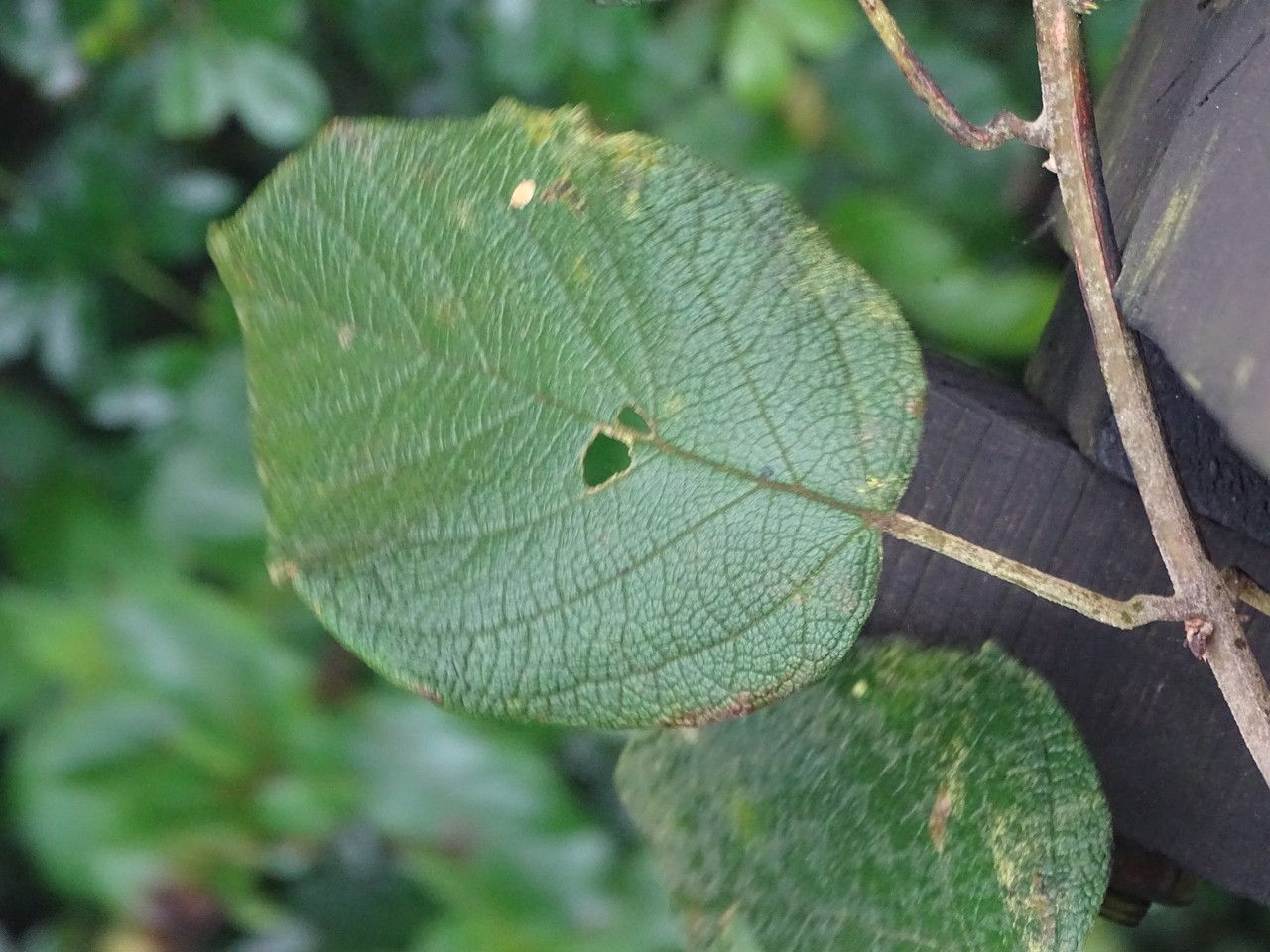
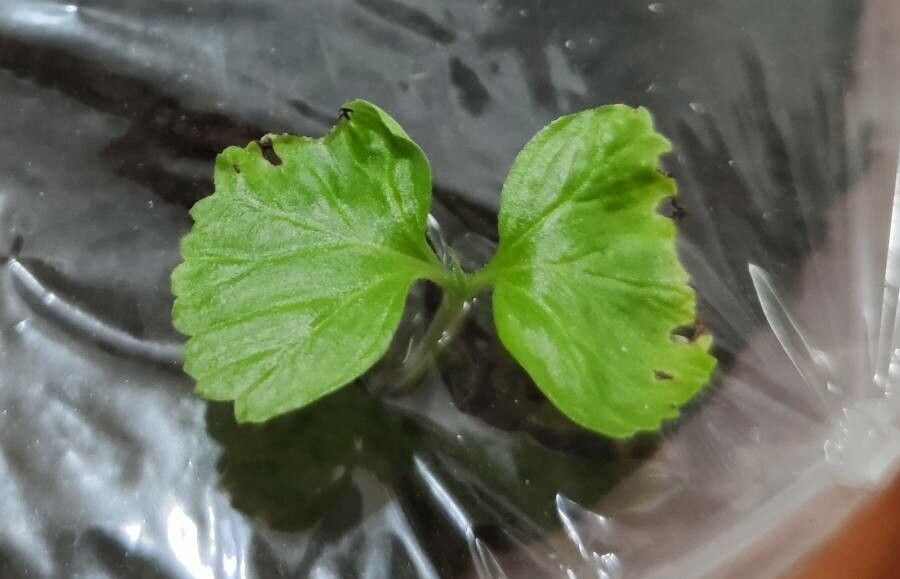
The leaves of Cordia parvifolia are small, measuring 1-3 cm in length, and are oval-shaped with pointed tips. They are alternately arranged on the branches. The tree's bark is grayish-brown, featuring shallow fissures.
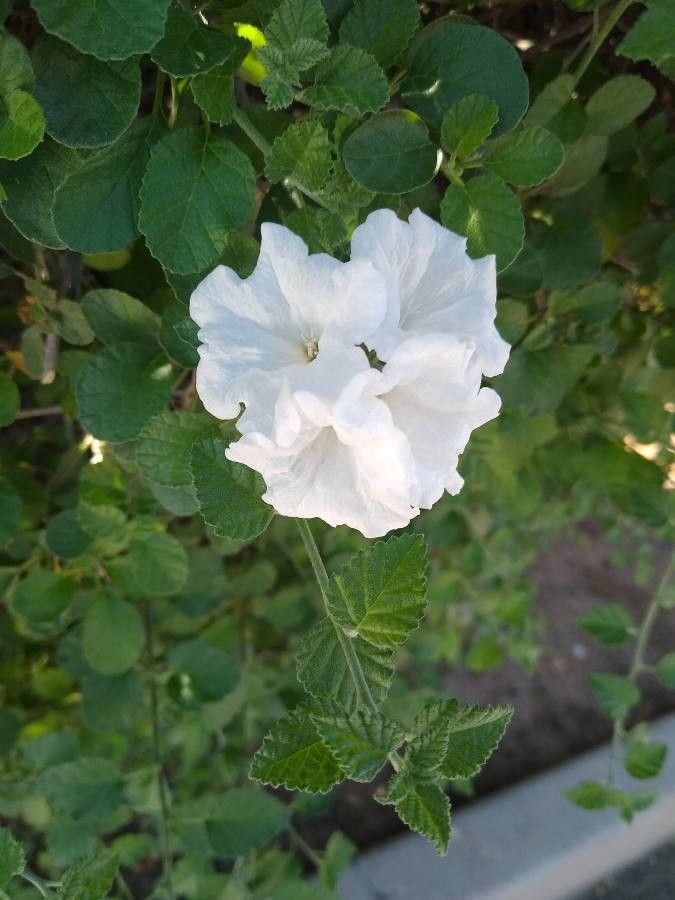
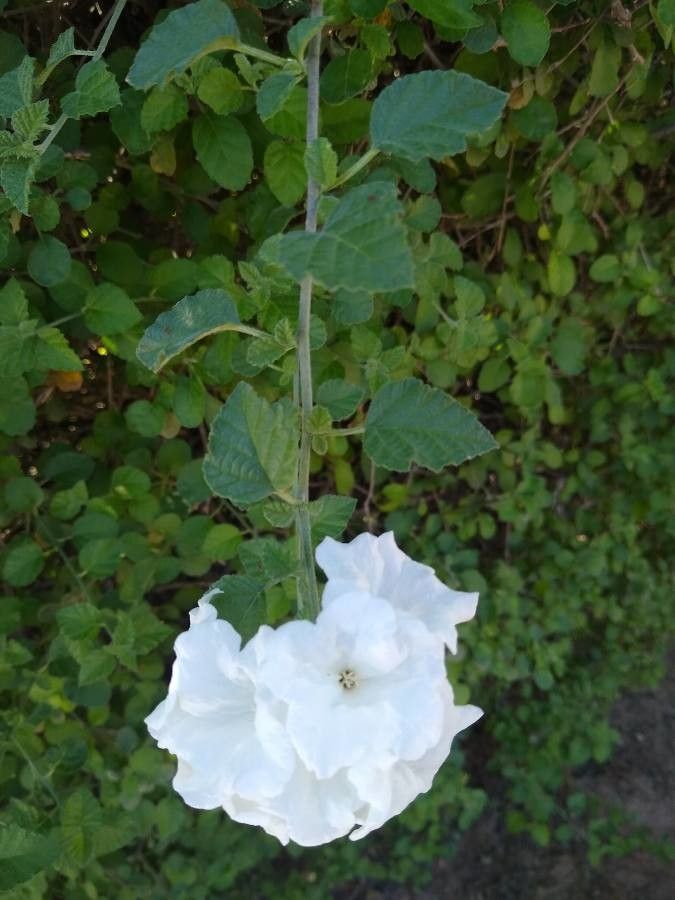
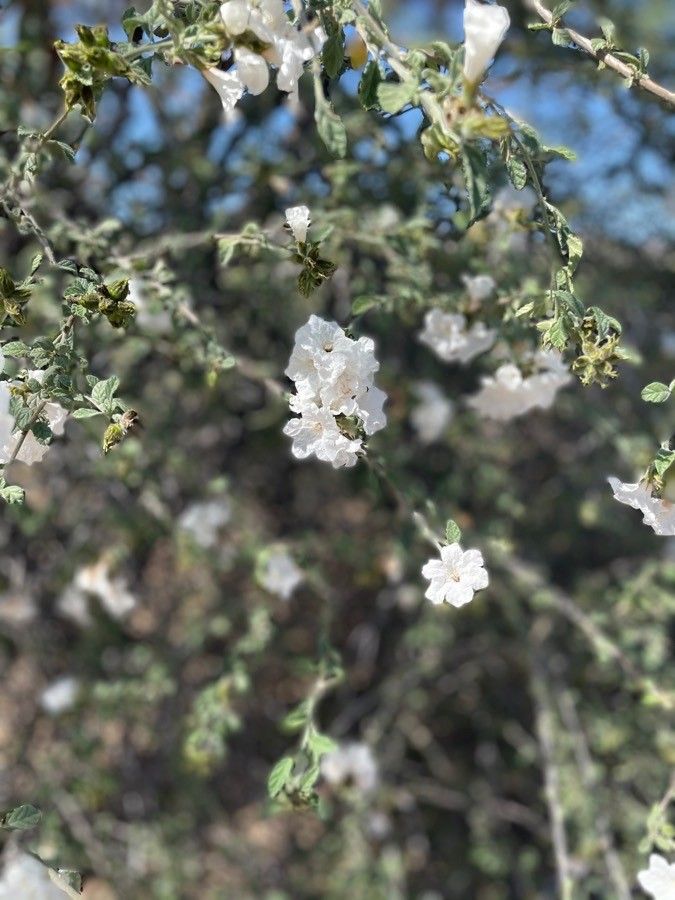
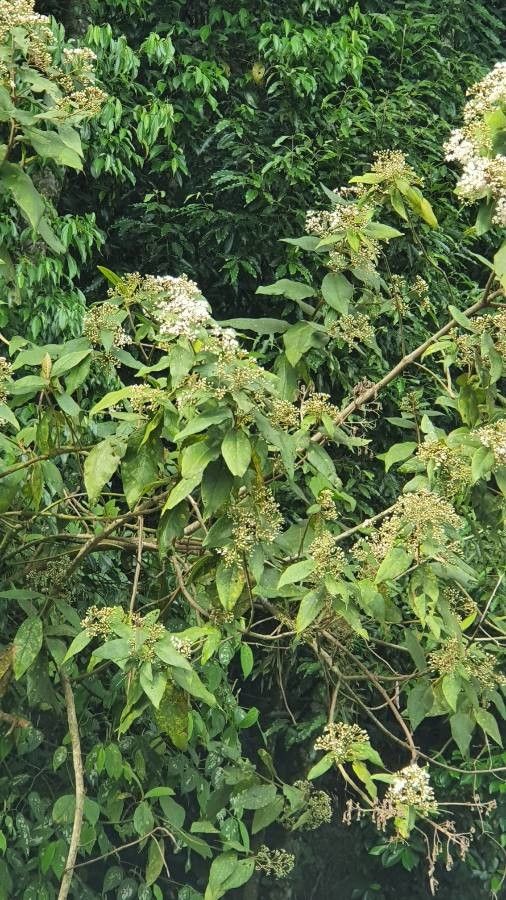
The flowers of Cordia parvifolia, which are white or pale yellow, bloom from May through September. These blossoms grow in clusters at the ends of branches or from leaf axils.
The tree produces small, round berries that measure 1-2 cm in length. These berries transition from green to yellow as they ripen and contain one or two seeds dispersed by birds.
Cordia parvifolia is known for its various medicinal properties. It is used to treat respiratory ailments such as coughs, asthma, and bronchitis; digestive issues such as diarrhea; skin problems such as wounds; and for reducing fever and relieving headache pain.
Overall, Cordia parvifolia is a plant of significant ecological importance due to its medicinal properties. This makes it a vital species for conservation efforts, as well as for its potential use in traditional medicine practices throughout the Central American region.
The small-leaf geigertree has strong resistance to disease and is generally not susceptible to illnesses. In terms of care, this plant is fairly low-maintenance. When grown outdoors it needs minimal watering, and larger specimens typically do not require pruning. However, smaller plants should be pruned after they have finished blooming. The small-leaf geigertree is suitable for anyone with outdoor space, such as a garden or a deck, and does not demand a great deal of care experience.
How to keep Cordia Parvifolia.
Light
The small-leaf geigertree is native to open habitats, such as sunny meadows and forest edges, which supply abundant light. It does best in Full Sun but can also tolerate Partial Sun, adapting well to a range of sunlight conditions.
Temperature
Small-leaf geigertree comes from tropical areas, where the climate is usually warm and humid. As a result, it is well adapted to high temperatures and moisture. It dislikes sudden temperature changes and prefers a steady thermal environment, so it is important to prevent temperature fluctuations indoors. It generally does not tolerate cold and needs warmer conditions to grow. If the surrounding temperature falls too low, the plant may stop growing or even die.
Fertilizer
The best time to fertilize a Small-leaf geigertree is in early spring, as it breaks dormancy. This supports overall growth and flower development. Fertilization improves the foliage, stems, and branches, and encourages flowers that are larger, more vibrant, and longer-lasting. It also helps transport nutrients from the roots to the flowers and enhances the plant's health and disease resistance.
Pruning
Prune the small-leaf geigertree in early spring before new growth begins. Focus on removing dead branches and crossed limbs to improve airflow and shape. This promotes vigor and resilience against pests and diseases. Using the right timing and technique is essential for the best results.
Botanical profile.
- Plant Type
- Shrub
- Life Cycle
- Perennial
- Genus
- Cordia
- Family
- Boraginaceae
- Hardiness Zone
- 9-11
- Mature Height
- 0.91 m to 2.13 m
- Mature Spread
- 0.91 m to 1.52 m
- Leaf Color
- Green, Dark Green
- Leaf Type
- Evergreen
- Flower Color
- White
- Flower Size
- 1.02 cm to 2.03 cm
- Bloom Time
- Late spring, Summer
- Planting Time
- Spring, Autumn
- Harvest Time
- Late summer, Fall
- Native Area
- Mexico
Other names.