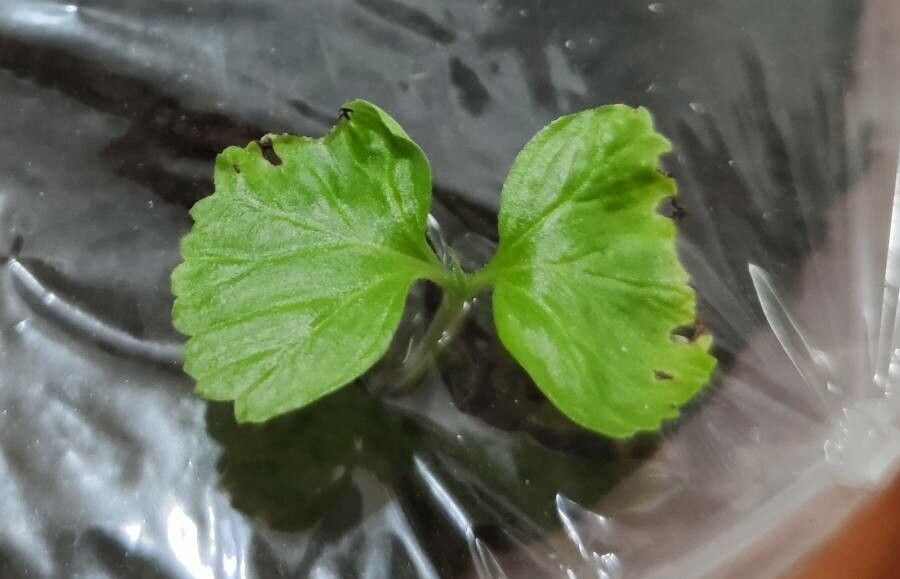
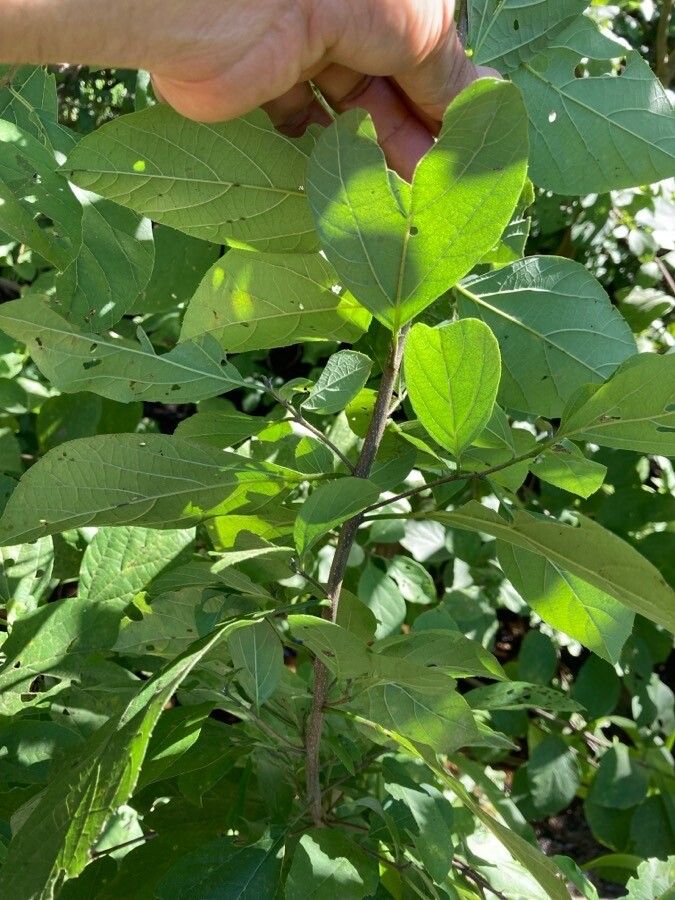
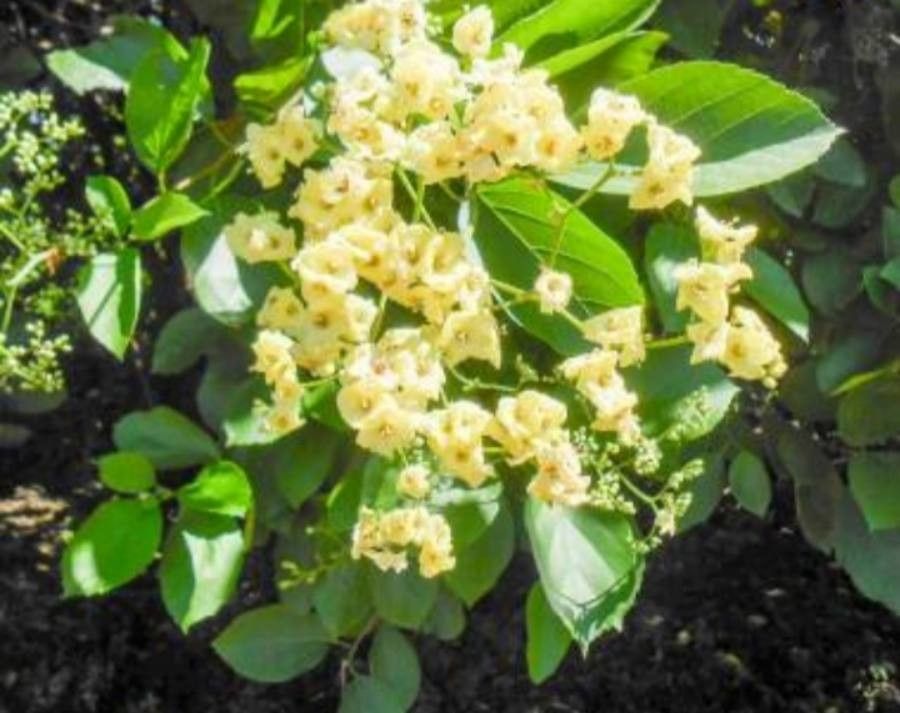
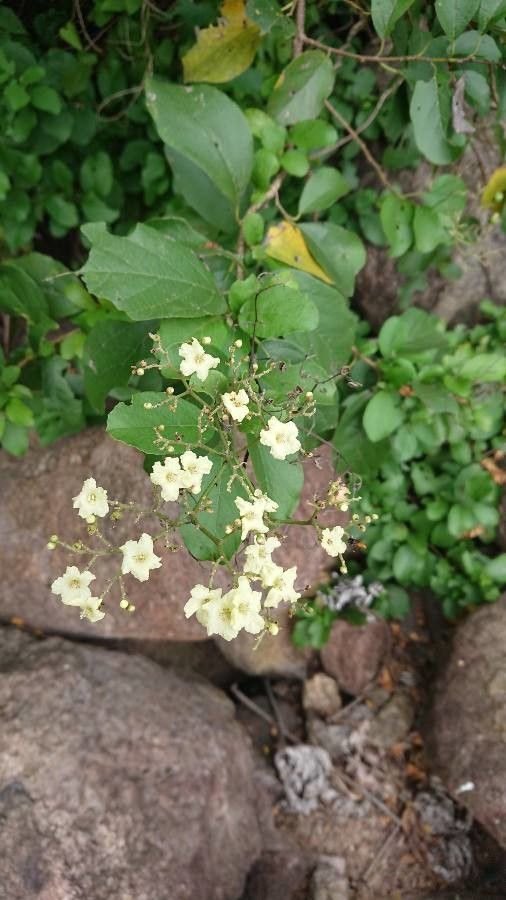
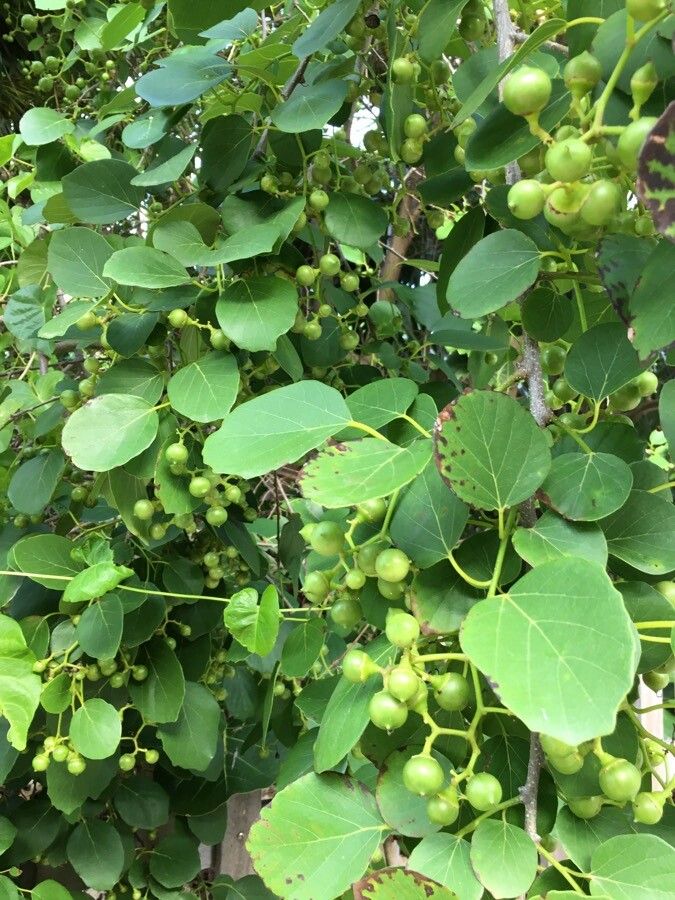
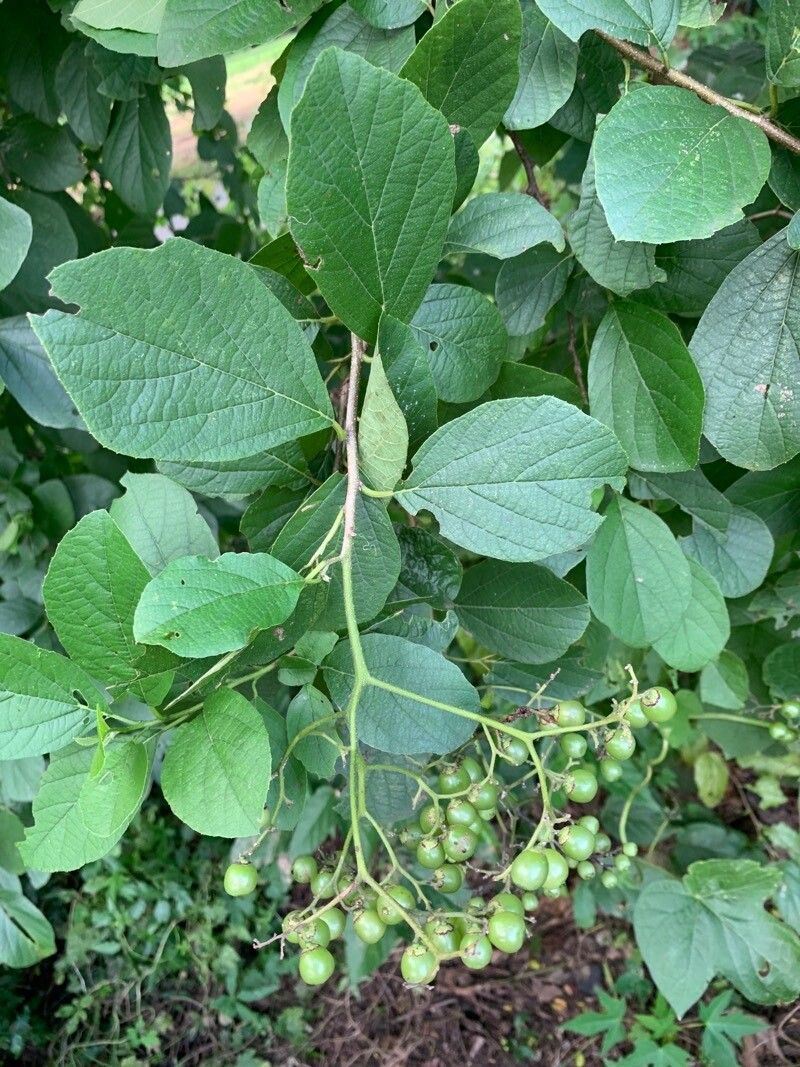
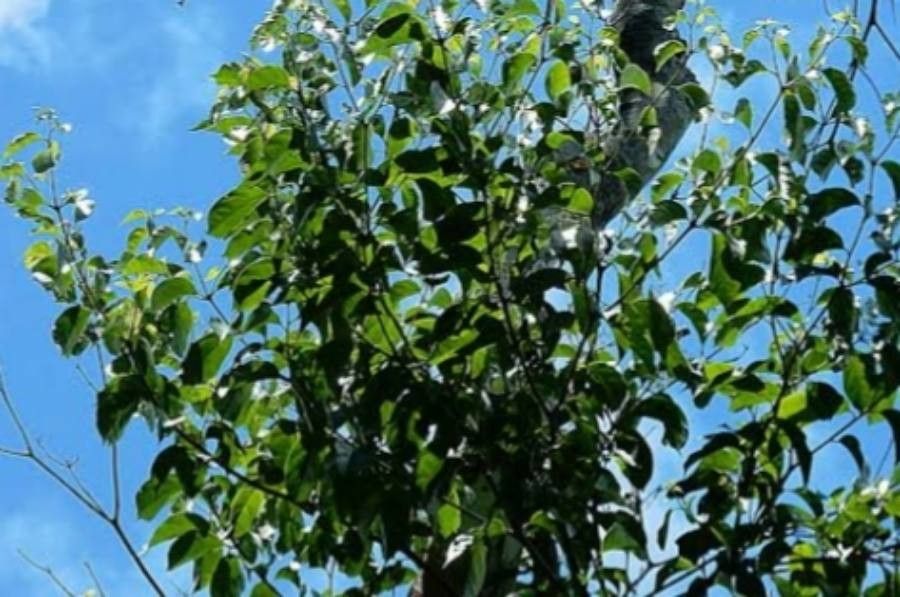
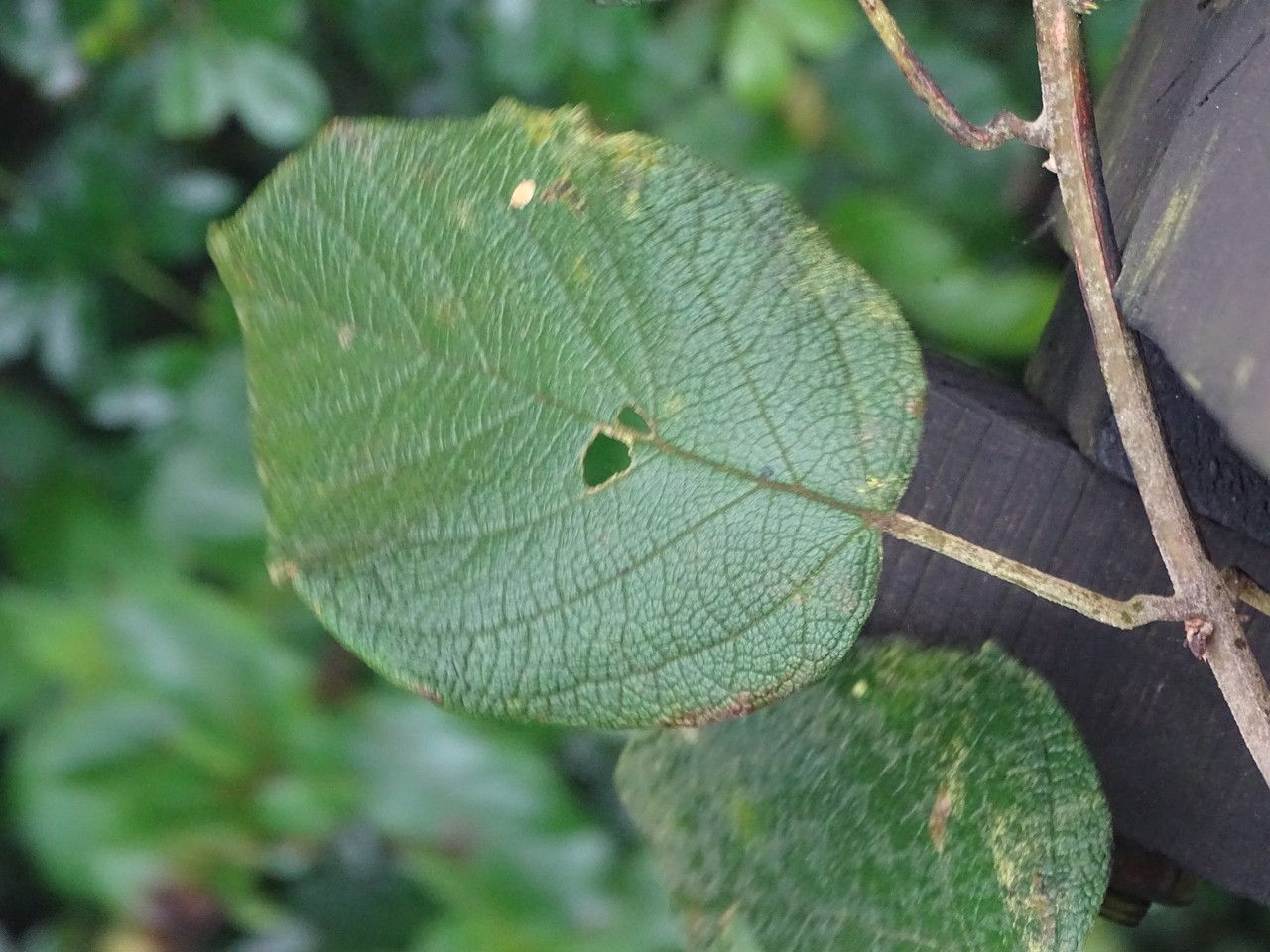
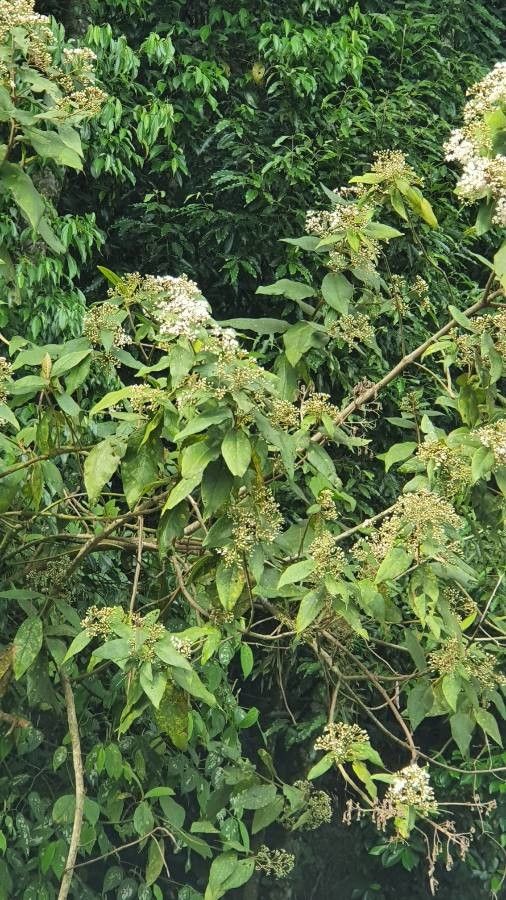
Cordia dentata, commonly known as white manjack, is a species of flowering plant in the borage family, Boraginaceae. It is native to the southern United States, México, Central America, Colombia and Venezuela. In the Caribbean, it is found in Jamaica, Cuba, Virgin Islands and Puerto Rico. It is also found in Madagascar.
White manjack is resistant to disease and generally not prone to illness. Regarding care, this plant is relatively low-maintenance. When grown outdoors it needs minimal watering, and larger specimens typically do not require pruning. Smaller plants, however, should be pruned after they have finished blooming. White manjack is suitable for anyone with an outdoor area, such as a garden or deck, and does not require extensive care experience.
How to keep Cordia Dentata.
Light
White manjack is native to open habitats, such as sunny meadows and forest margins, where plenty of light is available. It does best in Full Sun but can tolerate Partial Sun, handling a variety of light conditions.
Temperature
White manjack comes from tropical areas, where the weather is generally warm and humid. Consequently, it is adapted to high temperatures and humidity. It does not tolerate sudden temperature shifts and prefers a steady temperature, so indoor temperature fluctuations should be avoided. It typically cannot withstand cold and needs warmer conditions to grow. If temperatures drop too low, growth may stop or the plant may die.
Fertilizer
The best time to fertilize a White manjack is in early spring, as it comes out of dormancy. This encourages overall growth and flower development. Fertilization improves the foliage, stems, and branches, while encouraging large, vibrant, and long-lasting flowers. It helps move nutrients from the roots to the flowers and enhances the plant’s health and resistance to disease.
Pruning
White manjack is a hardy shrub known for its small white flowers. To keep it healthy and well-shaped, prune it from early to late winter. Remove any dead branches, thin out some stems to improve airflow, and shape the shrub to maintain its natural form. It's crucial to use clean, sharp tools to prevent disease, which in turn promotes healthier growth and better flowering.
Botanical profile.
- Plant Type
- Tree, Shrub
- Life Cycle
- Perennial
- Genus
- Cordia
- Family
- Boraginaceae
- Hardiness Zone
- 10-12
- Mature Height
- 24.99 m
- Mature Spread
- 3.96 m to 7.01 m
- Leaf Color
- Green, Dark Green
- Leaf Type
- Evergreen
- Flower Color
- White
- Flower Size
- 10.16 cm to 12.70 cm
- Bloom Time
- All year round
- Planting Time
- Spring, Summer, Autumn
- Harvest Time
- All year round
- Native Area
- Colombia, Belize, Cuba, Haiti, Mexico, Honduras, Guatemala, Venezuela, El Salvador, Nicaragua, Dominican Republic, Costa Rica, Panama, Jamaica
Other names.
Reader questions.
What are the sunlight requirements for White Manjack?
White Manjack thrives in environments that mimic its natural habitat of open, sunny areas like meadows and forest edges. It requires full sun, defined as over 6 hours of sunlight a day, to flourish but can also tolerate partial sun, which means about 3 to 6 hours of sunlight. The plant's growth and health are significantly influenced by the amount and intensity of sunlight it receives. Making careful observations of sunlight patterns in your garden or indoor environment can help in selecting spots that offer the ideal balance of light for White Manjack, ensuring its well-being.
How does artificial lighting support White Manjack growth indoors?
Artificial lighting serves as an essential aid for the growth of White Manjack indoors, especially in conditions where natural sunlight is inadequate. Indoor plants can benefit from artificial lights, which promote faster and healthier growth by compensating for the lack of sunlight. LED lights are recommended due to their capability to mimic natural sunlight by emitting specific wavelengths needed by plants. The intensity of light (measured in Watts per square foot) and the duration (8-12 hours per day) should be adjusted based on whether the plant prefers full sun, partial sun, or full shade. Additionally, the light source should be placed 12-36 inches above the plant to best replicate the natural sunlight conditions.
What are the symptoms of light deficiency in White Manjack?
White Manjack may show various symptoms when experiencing light deficiency, a common issue for plants accustomed to high sunlight but grown in suboptimal lighting conditions. These symptoms include smaller new leaves, leggy or sparse growth, faster leaf drop, slower or no new growth, and lighter-colored new leaves. Insufficient sunlight affects the plant's chlorophyll production and nutrient absorption, leading to these physical manifestations. Additionally, conditions such as chlorosis, sunscald, leaf curling, wilting, and leaf scorching can occur due to improper sunlight exposure. These symptoms highlight the plant's struggle to adapt to inadequate light conditions.
What strategies can be employed to remedy White Manjack's sunlight deficiencies?
To address sunlight deficiencies in White Manjack, gradual adaptation to optimal light conditions is crucial. For indoor plants, gradually relocating them to sunnier spots or utilizing artificial lighting can improve their sunlight intake. Specifically, moving the plant closer to a south-facing window or employing grow lights for at least 8 hours daily can make a significant difference. For outdoor plants, transitioning them to areas with more sunlight over weeks helps prevent shock. If physical obstructions block natural light, consider pruning or relocating the plant. Remember, while these steps can improve conditions for new growth, parts of the plant already affected may not recover fully.