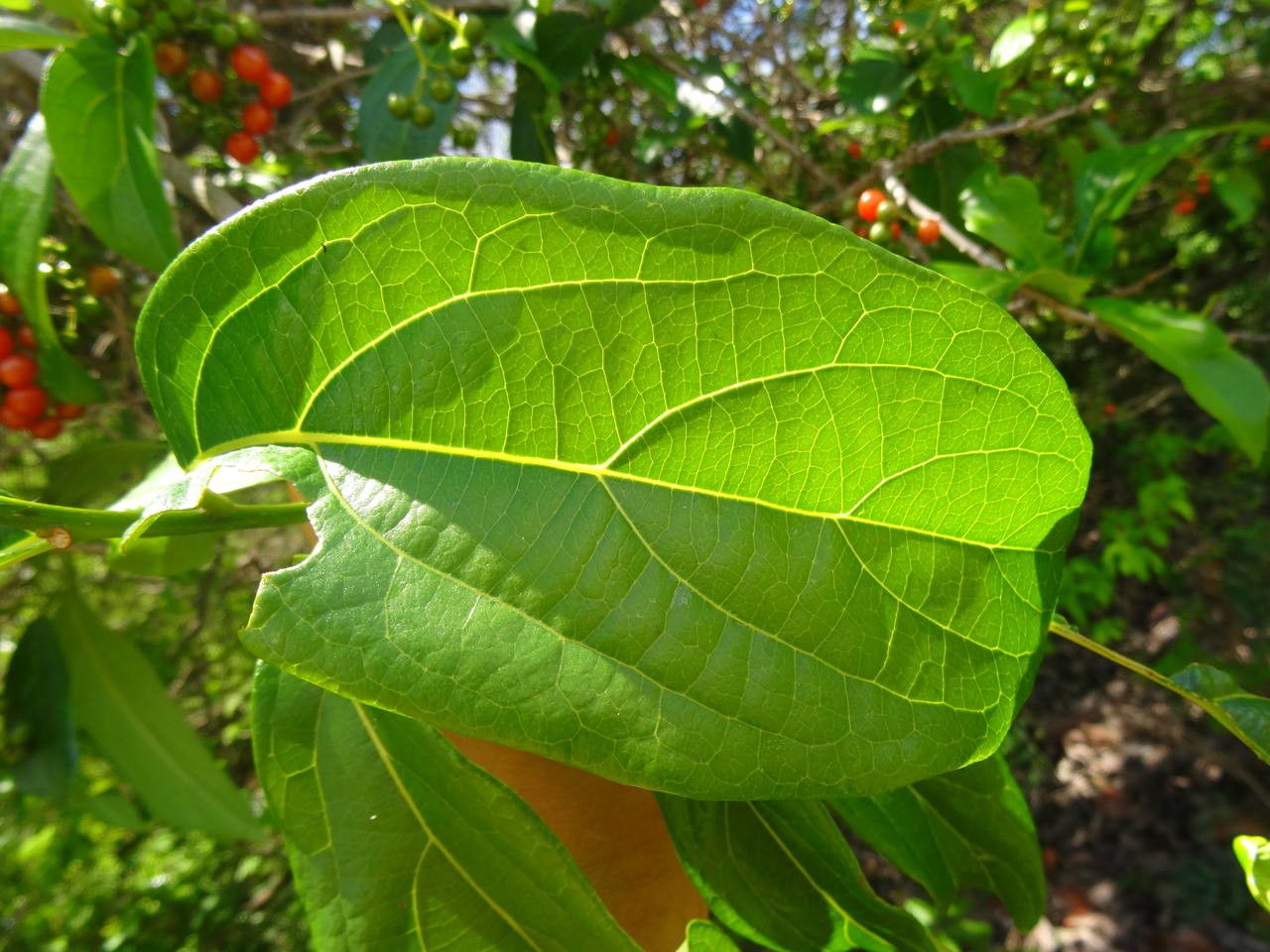
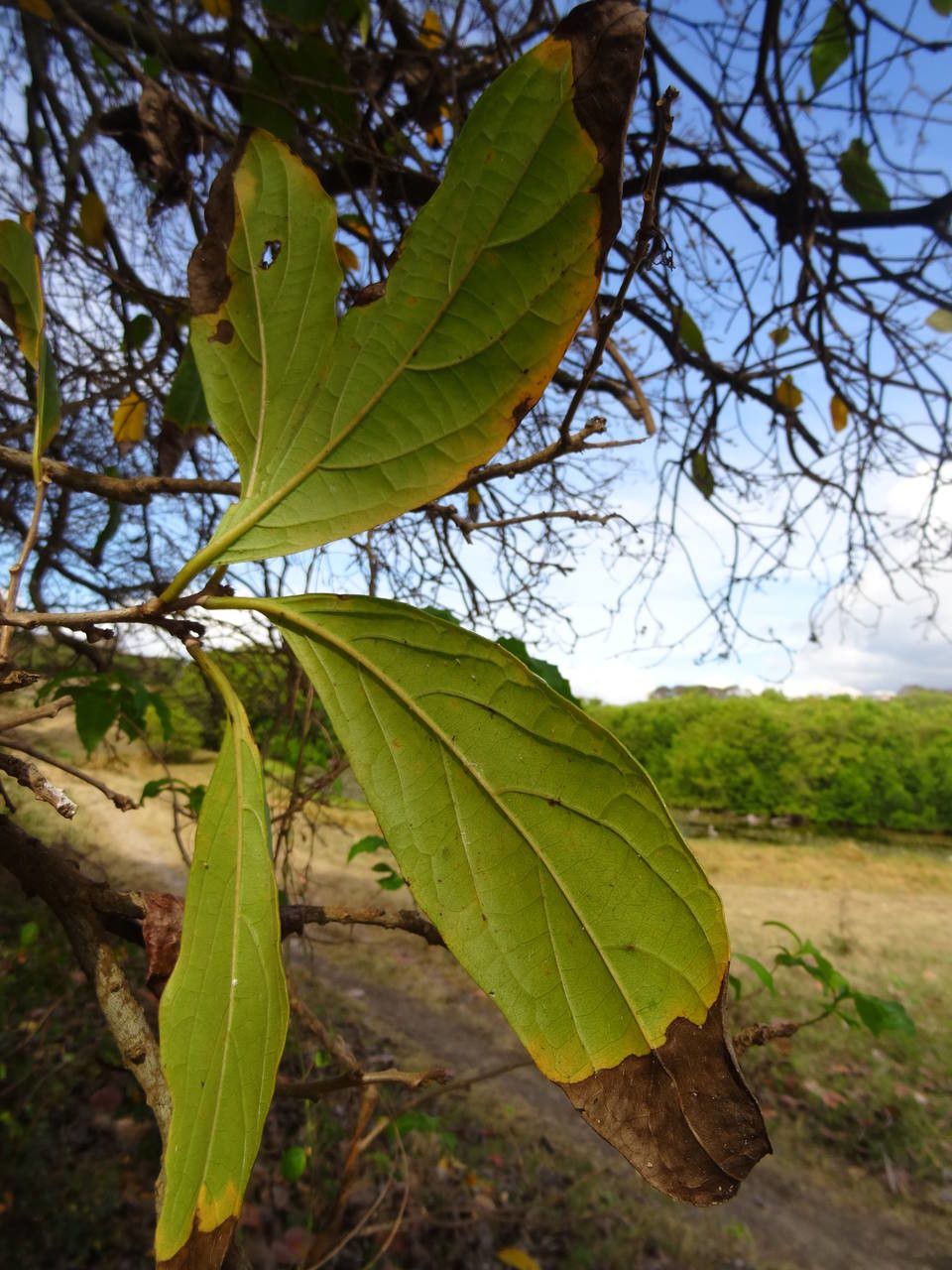
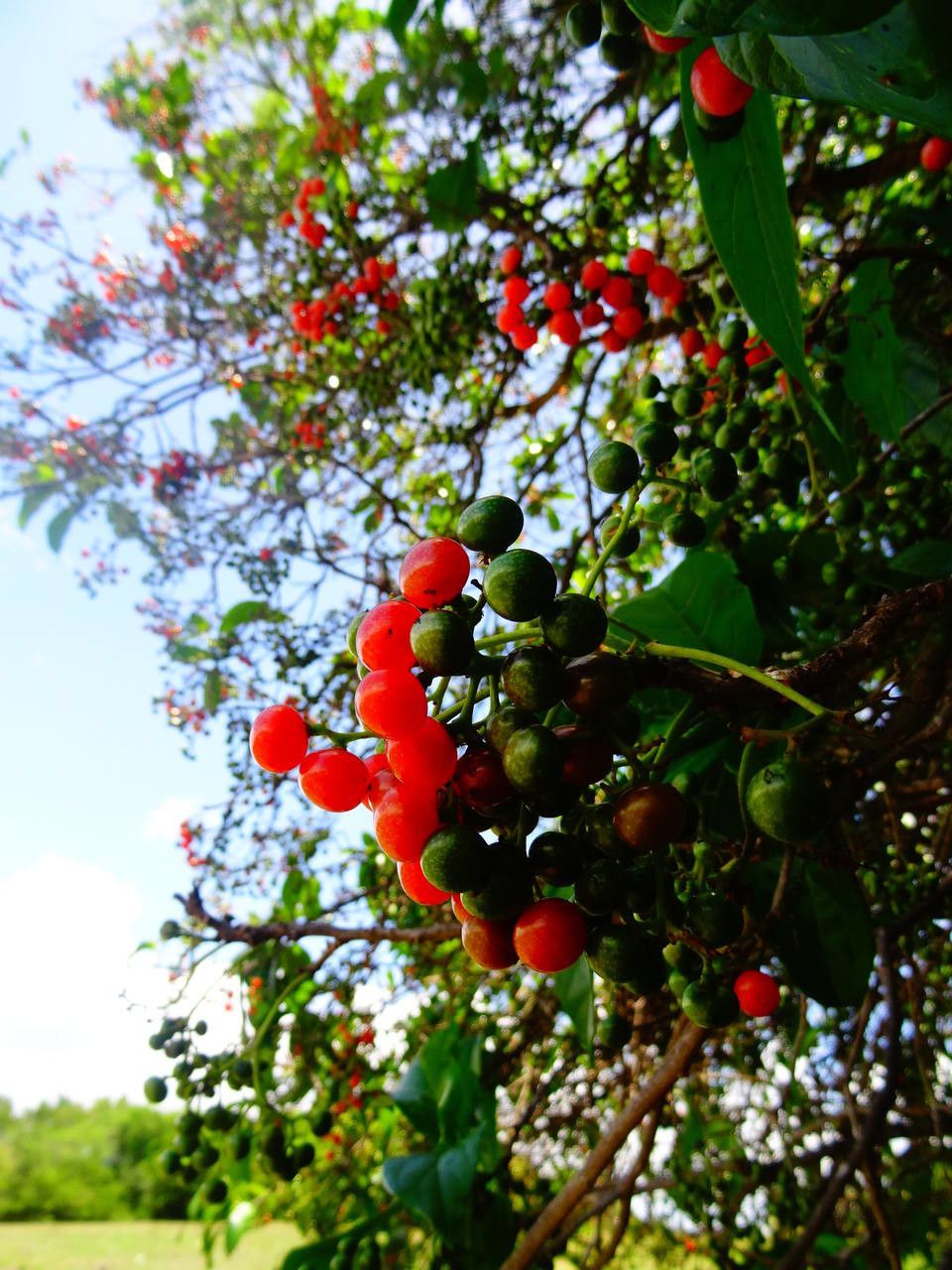
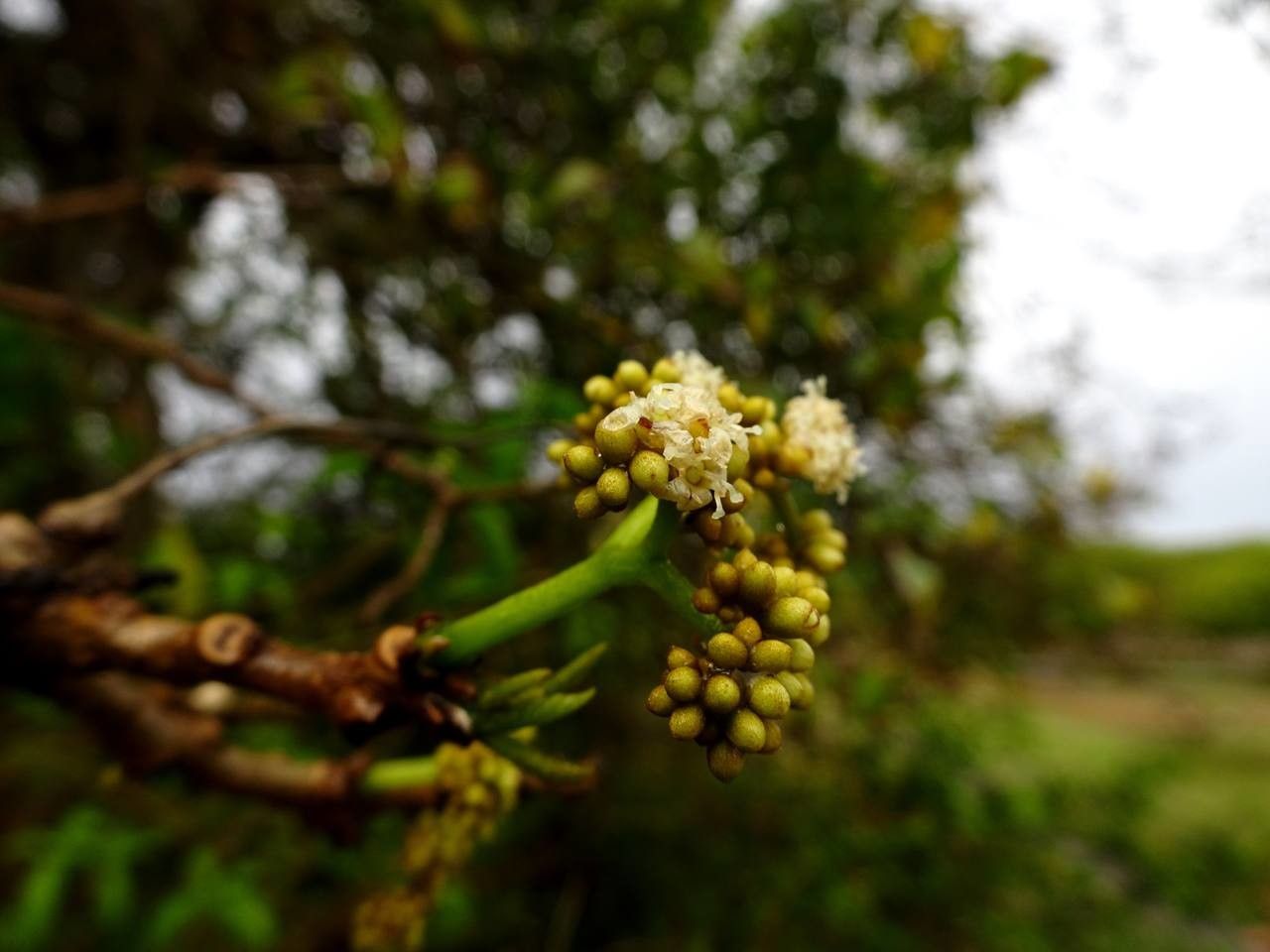
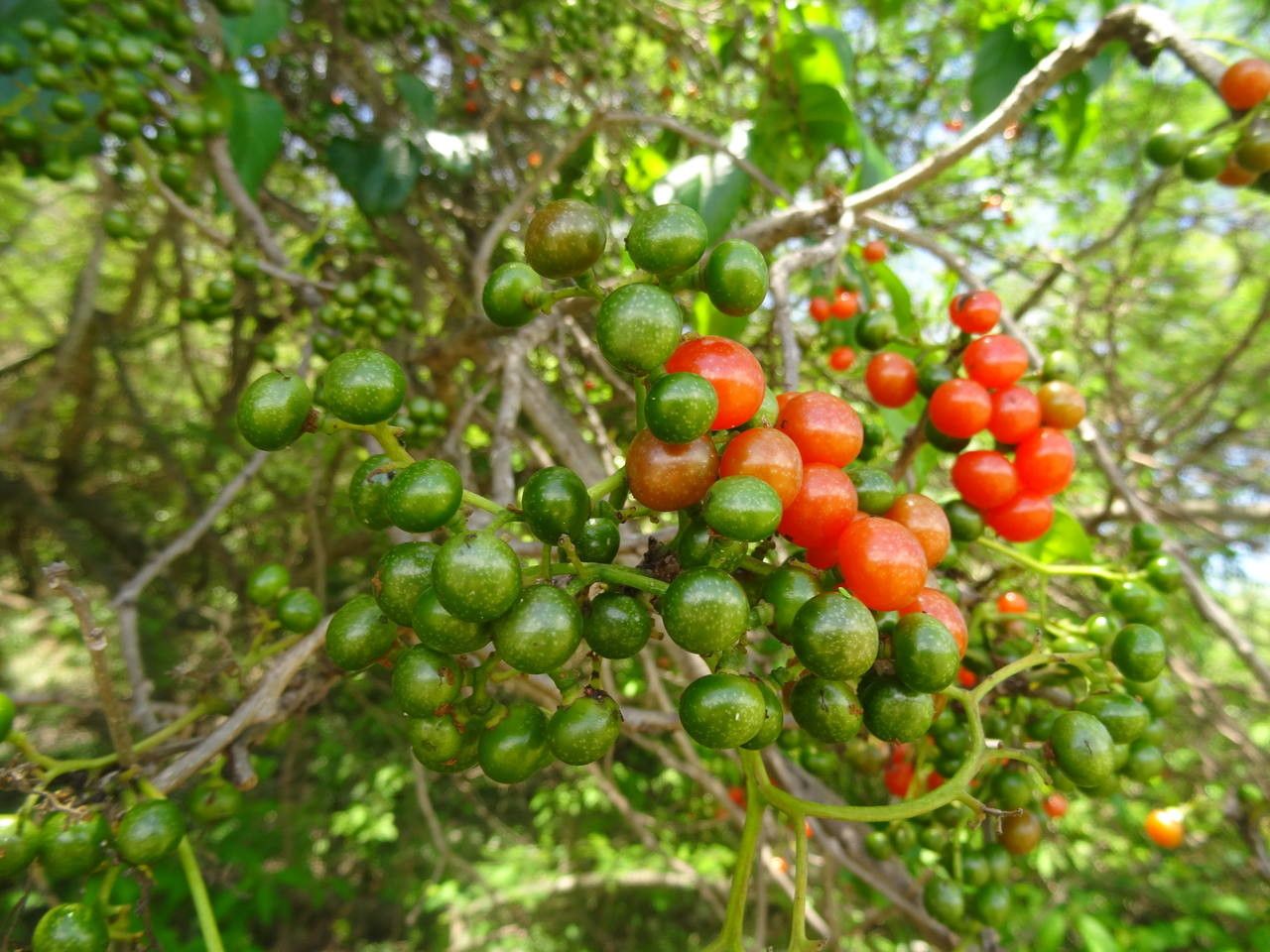
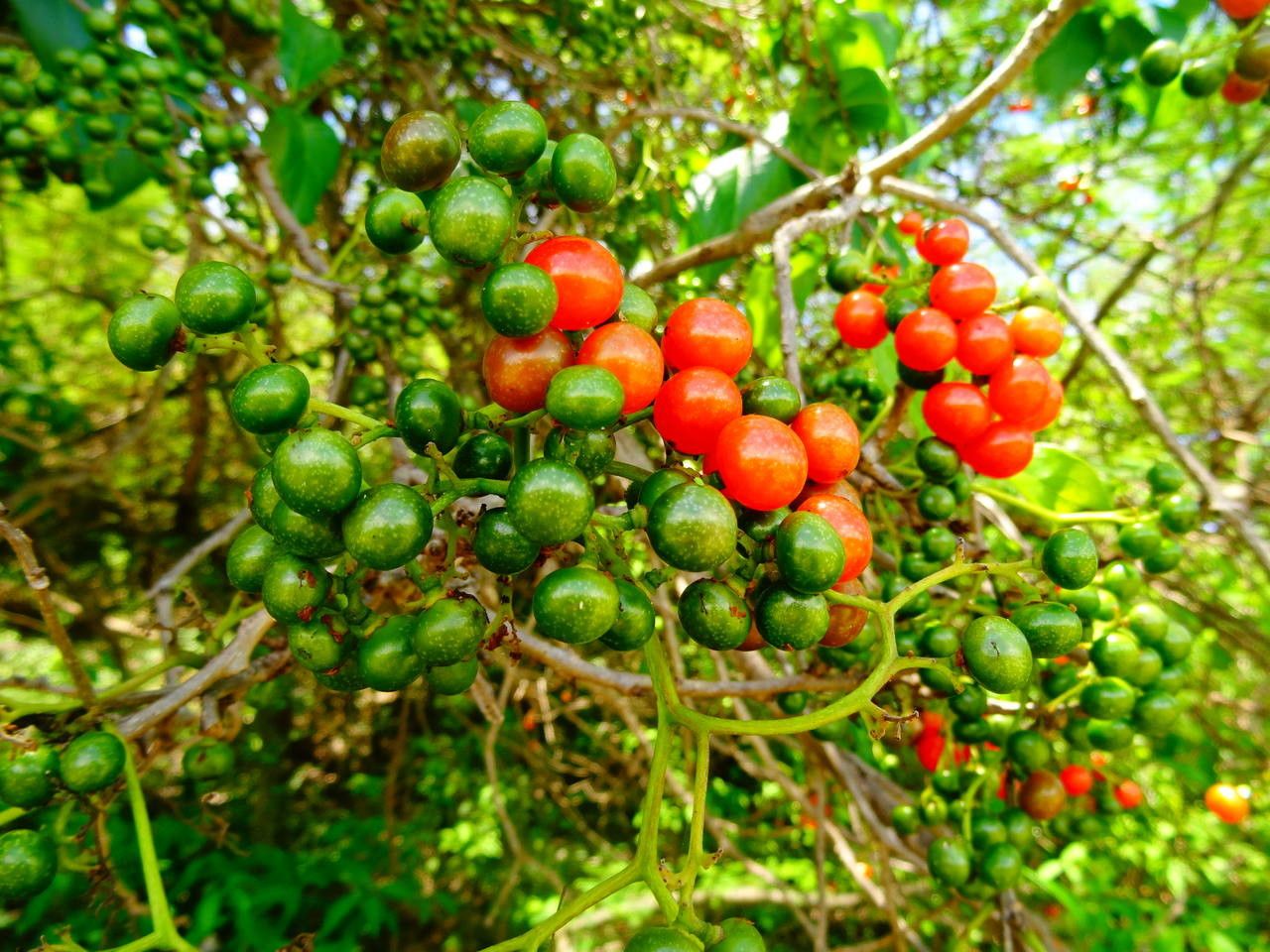
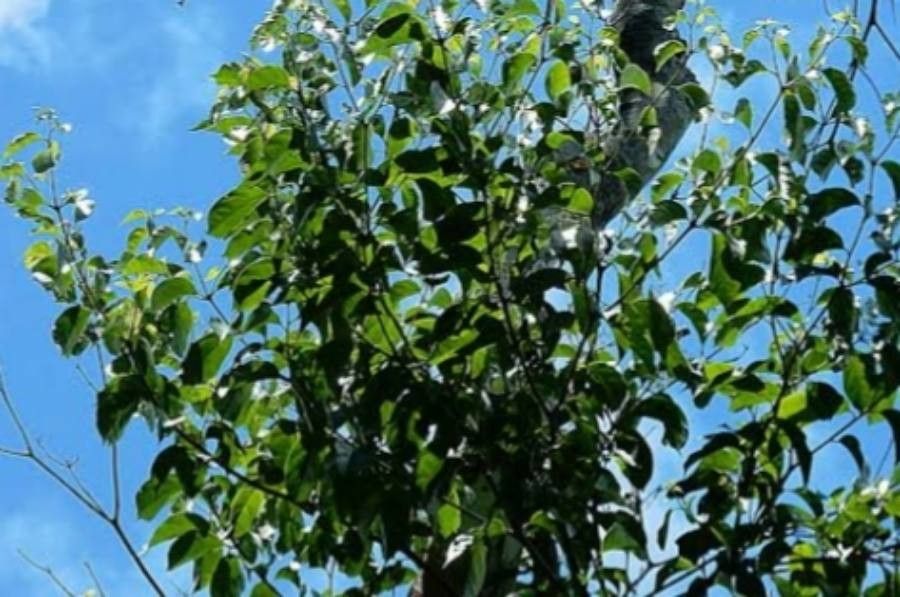
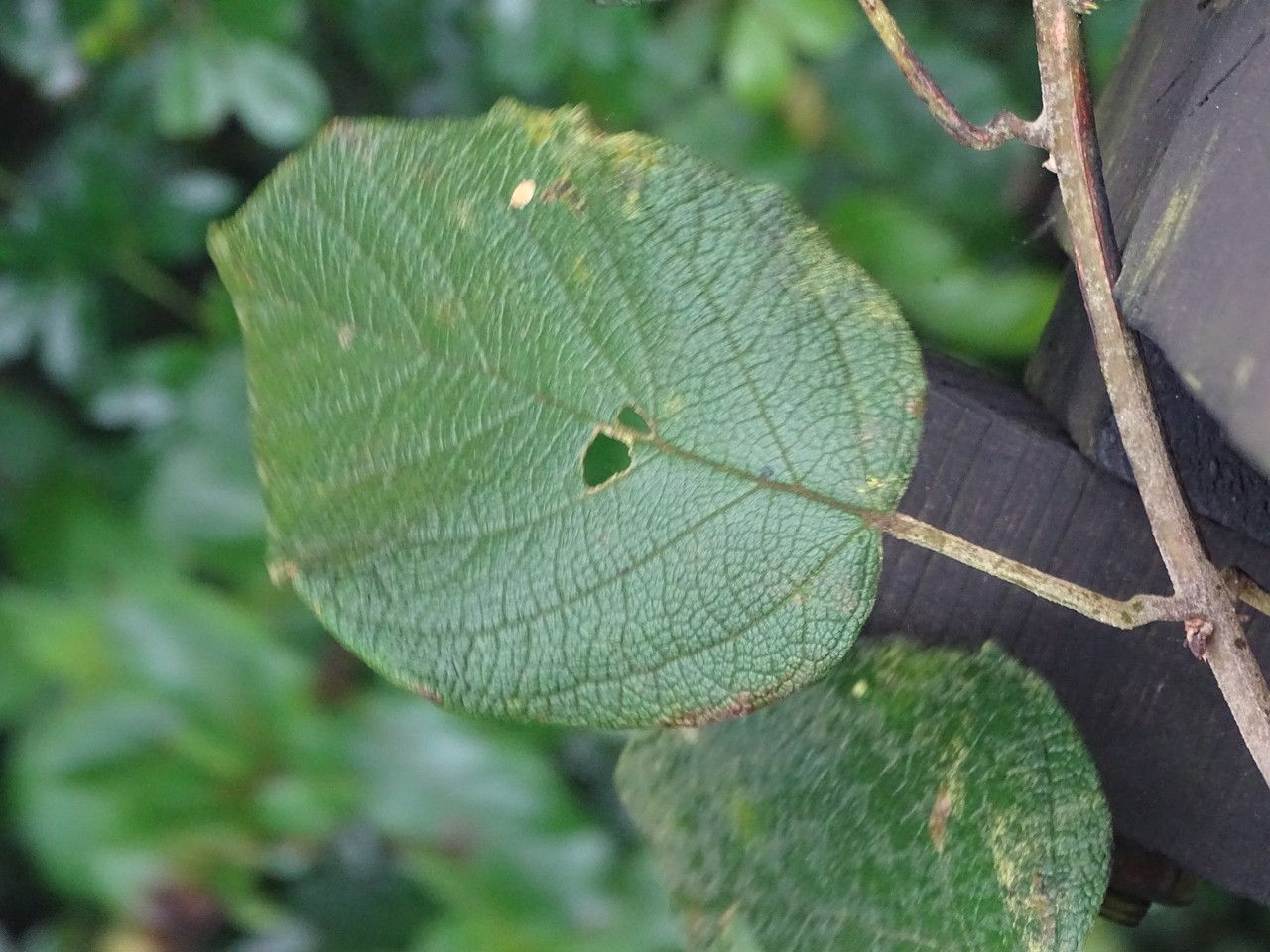
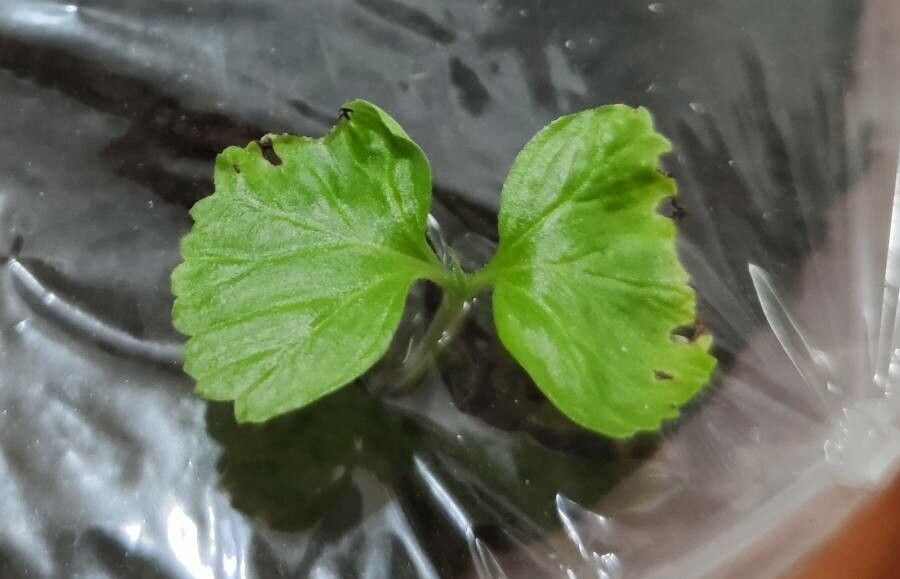
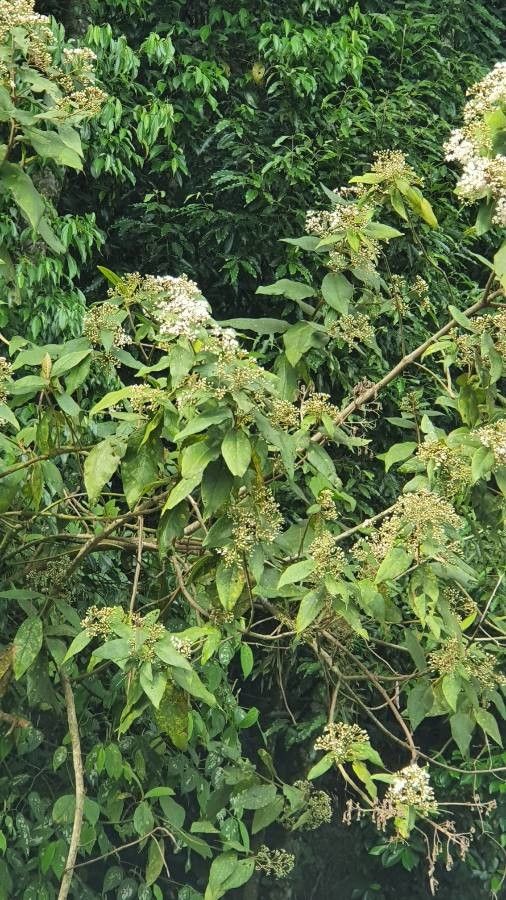
Cordia collococca, commonly known as the Clammy Cherry or Indian Cherry, is a small to medium-sized evergreen tree belonging to the Boraginaceae family. It is native to tropical and subtropical regions of Asia and Africa. The tree can grow up to 10 meters in height and features a dense crown of leaves that are dark green and glossy on top, with fine hairs covering the underside.
The Clammy Cherry produces small white flowers, followed by round or oval-shaped fruits that change from green to yellow when ripe. The fruit is sweet and edible when fully mature.
This plant possesses various medicinal properties, including anti-inflammatory, anti-diabetic, and anti-microbial effects, which make it valuable in traditional medicine for treating ailments such as fever, coughs, and colds, among others.
Cordia collococca prefers well-drained soil in full sun or partial shade. It can be propagated through seeds or cuttings but requires regular watering until it becomes established.
Overall, Cordia collococca has both ornamental value, due to its attractive foliage, and medicinal value, owing to its therapeutic properties. This makes it an important plant species for both horticulture enthusiasts and traditional medicine practitioners.
Red manjack has strong resistance to disease and is generally unlikely to develop illnesses. Regarding care, the plant is fairly low-maintenance. When grown outdoors it needs minimal watering, and larger plants typically do not require pruning. Smaller plants, however, should be pruned after they have bloomed. Red manjackt is appropriate for anyone with an outdoor area, such as a garden or deck, and does not demand much prior care experience.
How to keep Cordia Collococca.
Light
Red manjack is native to open habitats, such as sunny meadows and forest edges, that offer abundant light. It does best in Full Sun but can tolerate Partial Sun, adjusting well to different light conditions.
Temperature
Red manjack comes from tropical areas, where the climate is usually warm and humid. Consequently, it is well suited to high temperatures and humidity. It does not tolerate sudden temperature changes and prefers a stable temperature, so avoiding temperature fluctuations indoors is important. It generally cannot withstand cold and needs warmer conditions to grow. If the environmental temperature drops too low, the plant may stop growing or even die.
Fertilizer
The best time to fertilize a Red manjack is in early spring, when it breaks dormancy. This supports overall growth and flower development. Fertilization improves the foliage, stems, and branches, while encouraging flowers that are larger, more vibrant, and longer-lasting. It helps transport nutrients from the roots to the flowers and enhances the plant's health and resistance to disease.
Botanical profile.
- Plant Type
- Tree
- Life Cycle
- Perennial
- Genus
- Cordia
- Family
- Boraginaceae
- Hardiness Zone
- 10-12
- Mature Height
- 10.06 m to 14.94 m
- Mature Spread
- 7.92 m to 11.89 m
- Leaf Color
- Green, Dark Green
- Leaf Type
- Deciduous
- Flower Size
- 0.51 cm to 0.76 cm
- Bloom Time
- Late spring, Summer
- Planting Time
- Spring, Summer
- Harvest Time
- Late summer, Fall
- Native Area
- Colombia, Belize, Cuba, Honduras, Mexico, Guatemala, Bolivia, Venezuela, Peru, El Salvador, Nicaragua, Ecuador, Costa Rica, Panama, Jamaica
Other names.