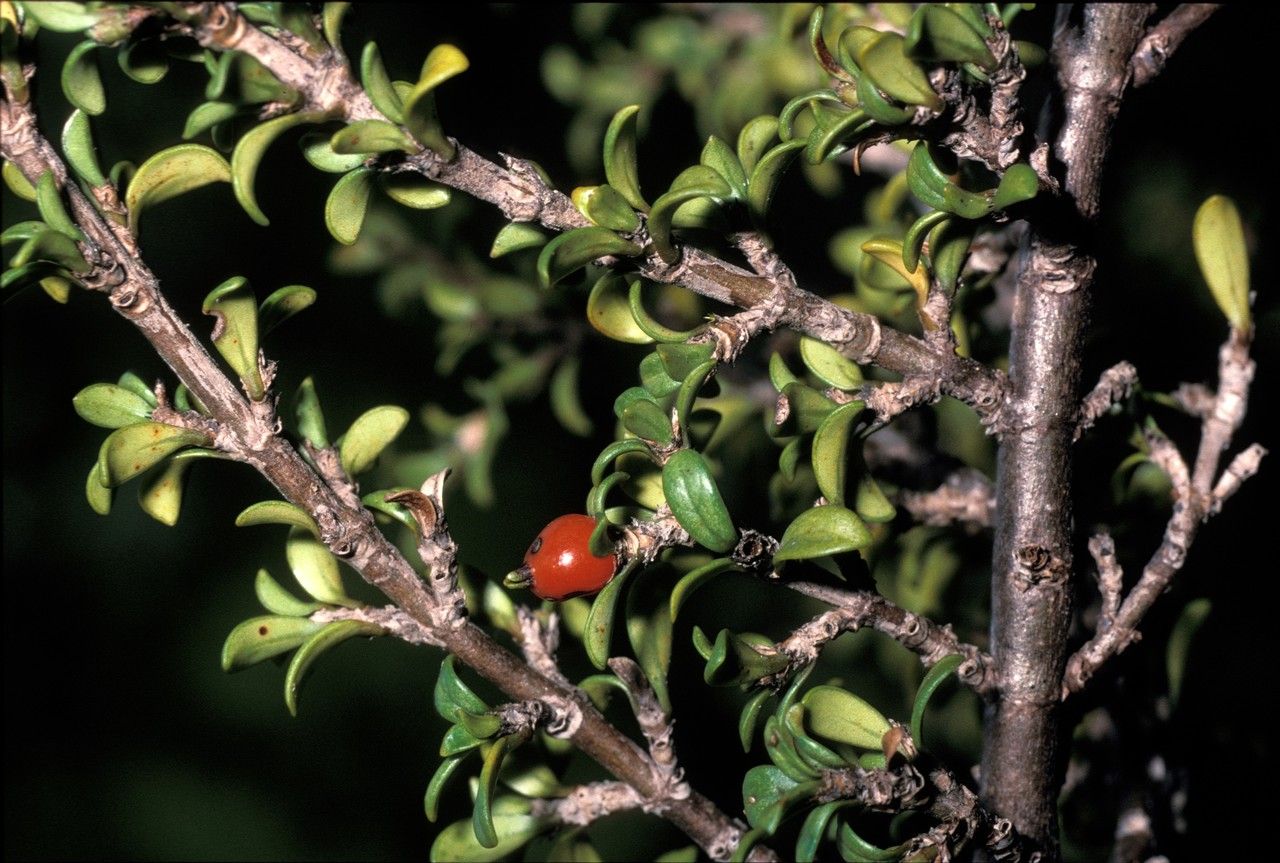
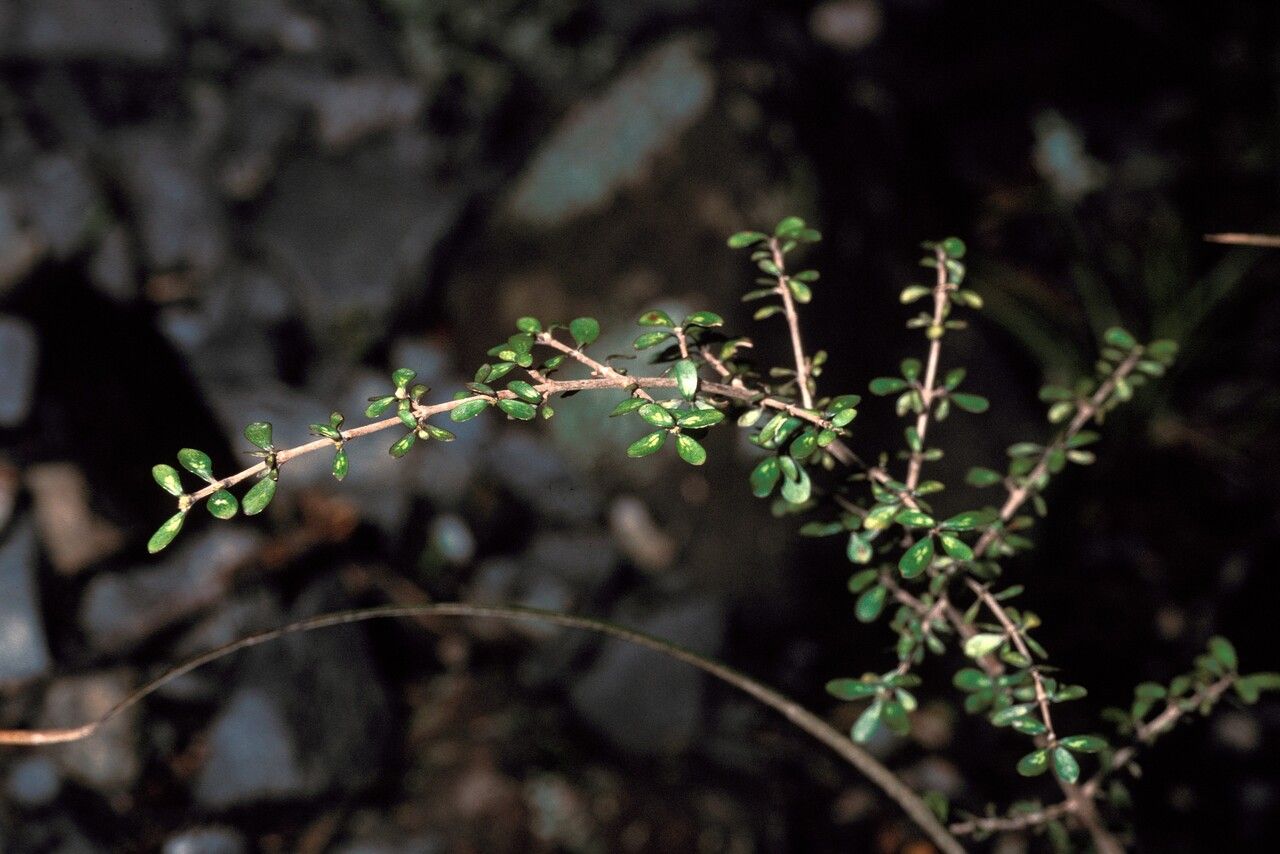
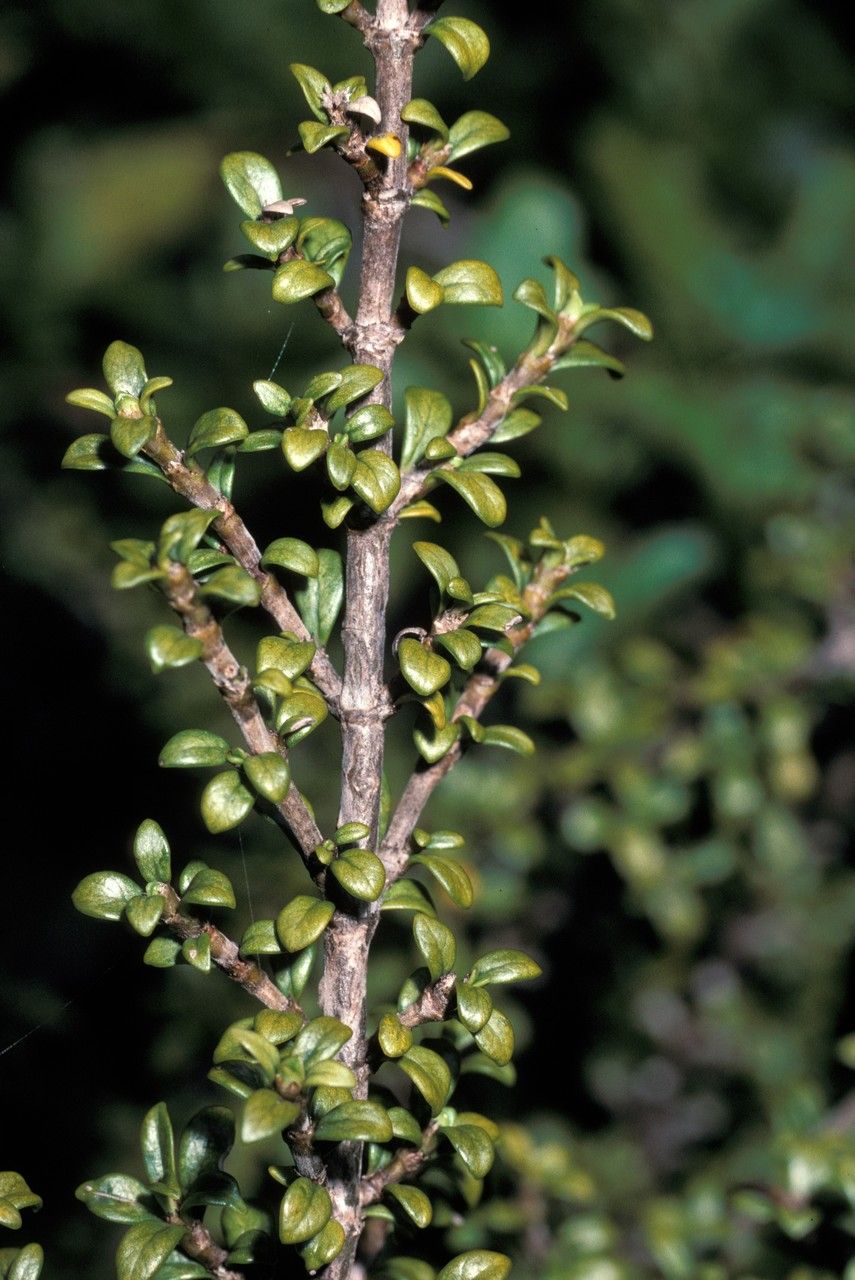
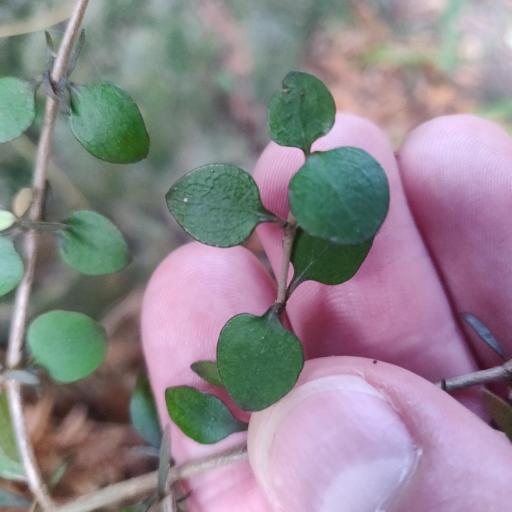
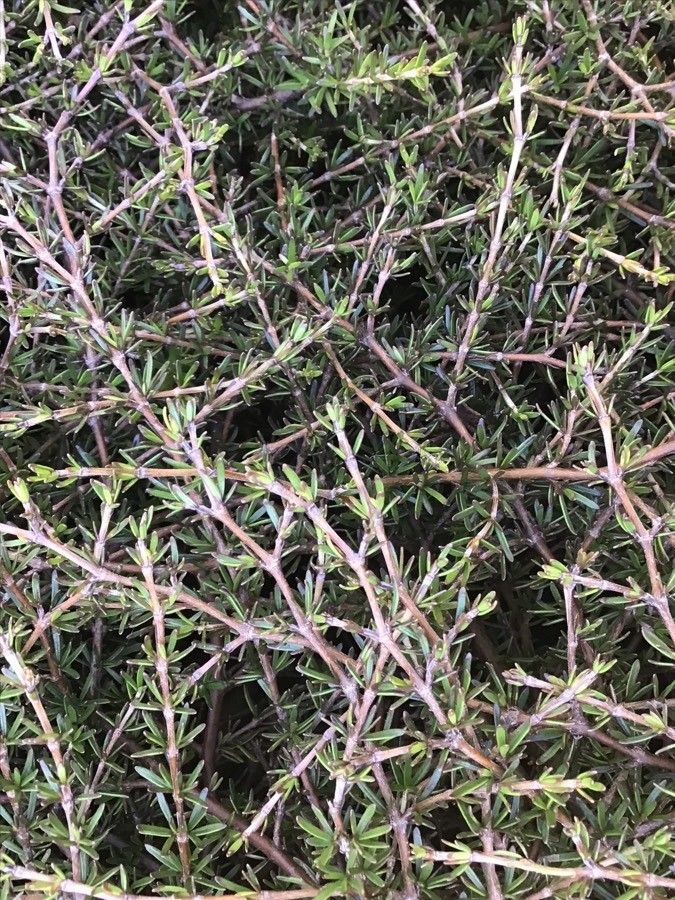
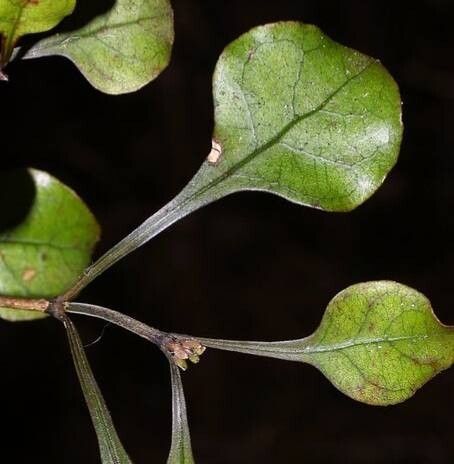
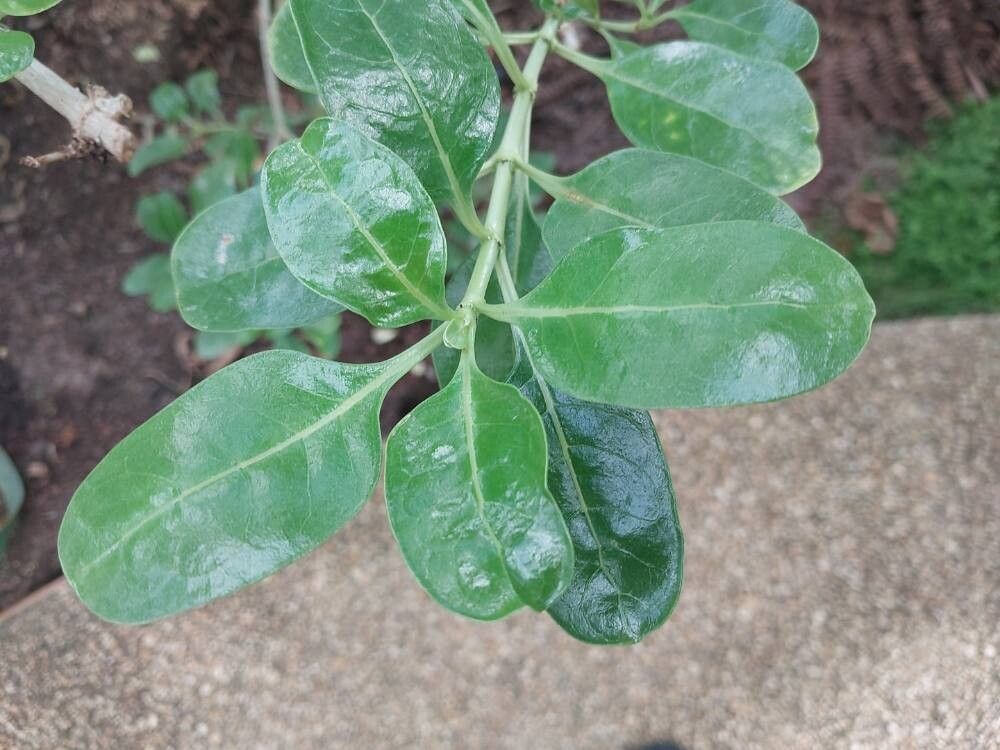
Coprosma pseudocuneata is a species of plant that is endemic to New Zealand.
Variable coprosma is resistant to disease and typically does not suffer from illnesses. Care-wise, this plant is fairly low-maintenance. Planted outdoors it needs little watering, and larger specimens usually do not require pruning. Smaller plants, however, should be trimmed after they finish blooming. Variable coprosmat is suitable for anyone with an outdoor area, such as a garden or deck, and does not demand much prior care experience.
How to keep Coprosma Pseudocuneata.
Light
The variable coprosma hails from exposed habitats like bright meadows and the peripheries of forests, where the availability of light is abundant. Performing optimally in Full Sun, it's also able to bear Partial Sun; hence it adapts well to a range of sunlight conditions.
Water
Variable coprosma flourishes in conditions similar to its native dry habitat, displaying excellent drought tolerance. It should be watered every 2-3 weeks, maintaining moisture without causing waterlogging. This plant prefers well-draining soils and benefits from natural rainfall during its growth period, which minimizes the need for extra watering.
Temperature
The versatility of variable coprosma is evident in its capacity to endure a wide range of weather conditions, from searing heat to freezing winters. Nonetheless, this plant thrives best within a certain temperature spectrum. Should the temperatures rise excessively, the plant can suffer from heat and humidity stress, threatening its survival. Similarly, in locales where temperatures veer near its ability to handle the cold, protective insulation steps must be put into place to guard the plant.
Fertilizer
In order to encourage healthy development, apply fertilizer to your Variable coprosma at the beginning of spring. Consistent fertilization boosts its overall vitality, leading to robust growth, toughness in harsh conditions, and heightened resistance to diseases and pests. Keep to a precise fertilizing timetable for your Variable coprosma to guarantee lively leaves with intense color and a luxuriant look.
Pruning
Variable coprosma is known for its vibrant foliage and dense growth. To maintain its shape and health, it benefits from winter pruning, which can be done from early to late in the season. Key techniques include removing dead branches, thinning out dense areas to improve air circulation, and trimming leggy stems. These practices not only enhance the plant's appearance but also help prevent disease.
Botanical profile.
- Plant Type
- Shrub
- Life Cycle
- Perennial
- Genus
- Coprosma
- Family
- Rubiaceae
- Hardiness Zone
- 8-11
- Mature Height
- 0.91 m to 2.13 m
- Mature Spread
- 0.91 m to 1.52 m
- Leaf Color
- Dark Green, Olive Drab
- Leaf Type
- Evergreen
- Flower Color
- Yellow, Green
- Flower Size
- 0.25 cm to 0.51 cm
- Bloom Time
- Mid fall, Late fall
- Planting Time
- Summer, Autumn
- Harvest Time
- Late winter, Early spring, Mid spring
- Native Area
- New Zealand
Reader questions.
What are the sunlight requirements for Variable Coprosma?
Variable coprosma thrives in environments that provide ample light, favoring full sun but also able to tolerate partial sun. Full sun exposure is described as receiving above 6 hours of sunlight daily, while partial sun refers to about 3-6 hours of sunlight. It's important to observe how sunlight moves through your garden and select spots that ensure a good balance of light and shade, meeting the plant's needs for optimal growth.
How does artificial lighting support indoor Variable Coprosma plants?
For indoor Variable Coprosma plants, adequate lighting is crucial, especially in conditions where natural sunlight is scarce, such as during winter or in less sunny spaces. Artificial lights, such as LED lights, are beneficial as they can be adjusted to provide specific wavelengths needed for the plant's growth. The intensity of artificial light recommended is 30-50W/sq ft for full sun plants, 20-30W/sq ft for partial sun plants, and 10-20W/sq ft for full shade plants. The artificial light source should be placed 12-36 inches above the plant and kept on for 8-12 hours per day to mimic natural daylight conditions.
What are the signs of insufficient sunlight for Variable Coprosma?
When Variable Coprosma does not receive enough sunlight, it may show several symptoms, including smaller new leaves, leggy or sparse growth, faster leaf drop, slower or no new growth, and lighter-colored new leaves. Other symptoms like chlorosis, sunscald, leaf curling, wilting, and leaf scorching can also occur, indicating stress due to either too much or too little light. These signs help in diagnosing whether the plant's lighting conditions need adjustment for healthier growth.
What are the solutions for Variable Coprosma experiencing light issues?
To address light-related issues in Variable Coprosma, for indoor conditions, gradually moving the plant to sunnier locations or using artificial lighting can help achieve at least 6 hours of sunlight exposure. Outdoor plants should be moved gradually to avoid sudden changes that could cause sunburn. Reducing obstructions like pruning nearby branches can increase sunlight access. For ground planted species, transplanting during the dormant period to a sunnier spot can improve light availability. It’s crucial to ensure that the plant receives adequate sunlight after adjustment to prevent the previously mentioned symptoms.